2026 Kyoto Aesthetic Photo Guide: Best Spots for Creators and Influencers
Introduction
Kyoto has emerged as one of the world’s most coveted destinations for content creators and influencers seeking authentic, visually stunning backdrops for their work. With its perfect blend of ancient temples, manicured gardens, traditional architecture, and ever-evolving street aesthetics, the city offers endless opportunities for creating compelling visual content that resonates with global audiences. For creators in 2026, understanding how to strategically navigate Kyoto’s aesthetic landscape—identifying the most photogenic locations, timing visits for optimal lighting conditions, and leveraging seasonal changes—separates exceptional content from ordinary tourist snapshots.
The challenge for modern creators isn’t finding beautiful locations; it’s discovering those hidden gems that deliver authentic cultural authenticity while offering genuinely unique visual angles. Kyoto has experienced significant tourism evolution over recent years, with increasingly sophisticated travelers and content creators seeking experiences that transcend typical Instagram clichés. This comprehensive guide explores Kyoto’s most compelling photography destinations through 2026, combining established iconic locations with emerging aesthetic hotspots that deliver fresh visual narratives. Whether you’re a professional photographer, lifestyle influencer, or content creator building your personal brand, this guide provides actionable intelligence for maximizing your creative output while respecting cultural authenticity and creating content that genuinely stands apart in crowded digital spaces.
Understanding Kyoto’s Photography Landscape for Content Creators
Kyoto’s appeal to content creators stems from several converging factors that create an almost unparalleled content environment. The city’s commitment to preserving traditional architecture means that walking through certain districts transports you centuries backward—a visual continuity that modern cities struggle to replicate. Additionally, Kyoto’s careful urban planning has maintained spatial coherence across neighborhoods, preventing the visual clutter that often undermines photography quality in other major cities.
Why Kyoto Dominates Creator Content
The fundamental truth about Kyoto’s photographic appeal lies in contrast. The juxtaposition of ancient temples against contemporary storefronts, traditional wooden machiya houses alongside modern convenience stores, and spiritual spaces intersecting with bustling commercial areas creates natural tension that drives viewer engagement. Audiences respond to these visual contradictions because they represent authentic cultural transition rather than artificial theatrical staging.
Furthermore, Kyoto’s seasonal transformations provide natural content calendars. Spring cherry blossoms, summer verdancy, autumn foliage, and winter minimalism each create entirely distinct aesthetic contexts. Rather than photographers facing the challenge of creating variation through staging or digital manipulation, Kyoto’s environmental cycles organically provide seasonal freshness that keeps content feeling current throughout the year.
The Creator Community Evolution in Kyoto
Kyoto’s creator economy has matured significantly. Five years ago, photographing in kimono at famous temples represented novel content. Today, the landscape has evolved toward more sophisticated approaches—creators seeking lesser-known locations, unique perspective angles on familiar destinations, and content that balances aesthetic beauty with genuine cultural education. This evolution means successful 2026 content requires more strategic location research and creative problem-solving than previous years.
Top Aesthetic Locations for 2026
Historic Temple Districts: Beyond the Obvious
While Fushimi Inari and Arashiyama represent undeniably beautiful and photogenic locations, creator success in 2026 increasingly involves discovering locations that feel contemporary and unexpected while maintaining cultural authenticity. Certain temple areas offer exceptional photography opportunities with substantially fewer crowds than the most famous destinations.
Kiyomizu-dera and Surrounding Streets
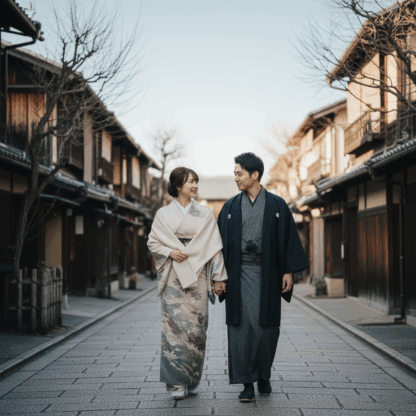
Kiyomizu-dera remains photogenically significant, but the real content goldmine lies in the surrounding neighborhoods. The streets approaching the temple—particularly Ichinensaka and Ninensaka—feature traditional machiya architecture, small artisan shops, and atmospheric alleyways that photograph beautifully during off-peak hours. Early morning photography (6-8 AM) captures these streets with golden light and minimal crowds. The visual authenticity of these neighborhoods creates content that feels genuine and culturally grounded rather than staged.
Kodaiji Temple and Adjacent Maruyama Park
Kodaiji offers architectural drama without the overwhelming crowds of the most famous temples. The wooden structures, distinctive architectural details, and surrounding garden spaces provide compositional variety. The adjacent Maruyama Park provides open-space photography opportunities—a valuable counterpoint to the enclosed temple exploration. The area works particularly well during late afternoon golden hour when side-lighting emphasizes architectural details and garden textures.
Sanjusangendo Temple and Higashiyama District Depth
Beyond the temple itself, the Higashiyama district offers photography depth that rewards exploration. Narrow lanes, traditional shops, small shrines, and atmospheric spaces photograph beautifully during shoulder hours (9-10 AM or 4-5 PM) when crowds thin. The area’s authentic neighborhood feeling—with residents conducting daily life rather than serving as background elements for tourism—creates organic photographic contexts.
Garden and Nature Spots: Seasonal Aesthetic Excellence
Kyoto’s gardens represent refined aesthetic expression across seasons. Understanding specific gardens and their optimal photography conditions allows creators to produce content that captures garden design sophistication rather than generic nature photography.
Ryoan-ji Temple: Minimalist Perfection
Ryoan-ji’s famous rock garden represents one of Kyoto’s most challenging photography subjects—and therefore one that rewards creative problem-solving. The fifteen rocks in the raked gravel garden can be photographed from various angles, each creating distinctly different compositions. Photographing during different seasons reveals how light angles change, how shadows interact with raked patterns, and how the human perspective shifts throughout the year. The temple’s simple aesthetic appeals to minimalist content creators.
Kinkaku-ji: Gold and Reflection
Despite being one of Kyoto’s most photographed locations, Kinkaku-ji offers genuine photographic opportunities for creators willing to explore unconventional angles and timing. Early morning visits before 8 AM provide access to the golden pavilion with minimal crowds. Photographing reflections in the surrounding pond creates compositional opportunities beyond the obvious direct architectural shot. Advanced creators explore reflection photography, angle variations from different points around the garden, and seasonal changes in surrounding vegetation.
Arashiyama Bamboo Grove: Context and Timing
The famous bamboo grove remains popular for obvious reasons, but the real photography value lies in understanding optimal timing and recognizing that the genuine aesthetic extends beyond the grove itself. Early morning photography (6-7 AM) captures the bamboo with soft light and substantial solitude. The surrounding forested areas, temple structures accessible from the grove, and proximity to the Togetsukyo Bridge all provide compositional variety when creatively combined.
Urban Aesthetic Locations: Contemporary Kyoto
Modern Kyoto offers aesthetic opportunities that balance contemporary design with cultural context. These locations appeal particularly to lifestyle and design-focused creators.
Gion District Evening Aesthetic
Gion’s evening transformation represents one of Kyoto’s most underutilized photography opportunities. As twilight descends and lanterns illuminate traditional wooden structures, the district achieves an almost cinematic quality. Street-level photography capturing lantern-lit facades, atmospheric narrow lanes, and the interplay between traditional architecture and ambient lighting creates visually compelling content. The evening ambiance carries romantic connotations that resonate across lifestyle and travel content categories.
Nishiki Market: Sensory and Color Photography
Nishiki Market offers vibrant color photography opportunities, detailed food composition possibilities, and genuine street culture documentation. The market’s energy, vendor interactions, and visual abundance create naturally engaging content. Photography during mid-morning (10-11 AM) balances natural lighting with manageable crowd levels. Food styling opportunities—capturing traditional ingredients, market displays, and visual abundance—appeal to lifestyle and food-focused creators.
Contemporary Architecture and Design Spaces
Kyoto’s contemporary spaces—modern museums, design hotels, innovative restaurants—provide aesthetic contrast that appeals to creators seeking modern design elements within culturally significant contexts. These spaces often feature thoughtful design incorporating traditional elements, creating visually sophisticated environments for content creation.
Seasonal Photography Opportunities Through 2026
Spring: Cherry Blossoms and Fresh Beginnings
Spring cherry blossoms represent Kyoto’s most iconic seasonal content moment. However, 2026 creative strategies should move beyond simple blossom documentation toward exploring how cherry blossoms interact with various architectural and natural elements throughout the city.
Peak blossom season (late March to early April) coincides with peak tourism and crowd challenges. Strategic creators schedule photography sessions during off-peak hours—early morning before 8 AM or late evening after 5 PM. Photographing blossoms at night when illuminated, creating bokeh effects through shallow depth-of-field focusing on distant blossoms with foreground subjects sharp, and exploring blossom details through macro photography all provide content variety beyond standard landscape compositions.
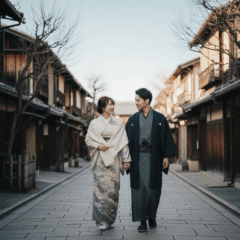
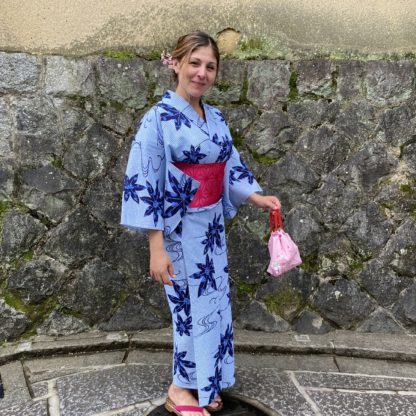
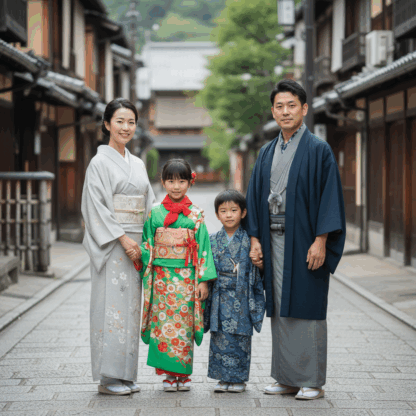
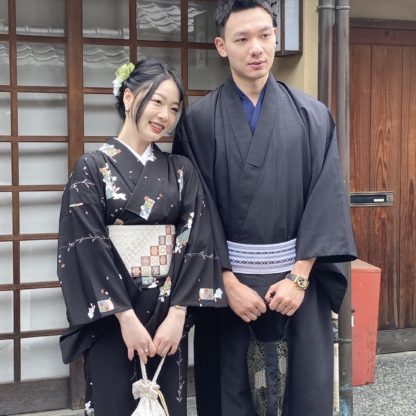
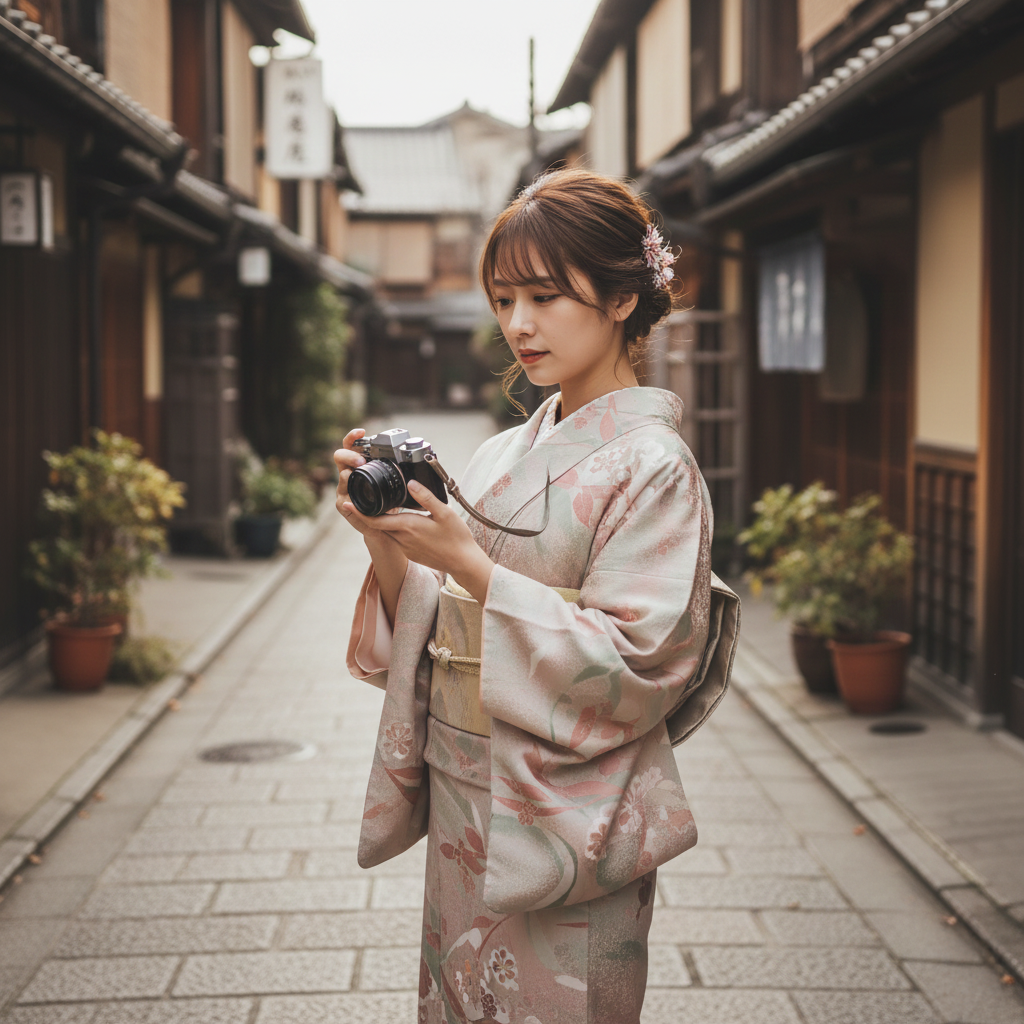
Spring light quality remains exceptional—the low angle of early spring sun creates warm, flattering tones that enhance both architectural photography and portrait work. Many creators combine kimono rental services with professional photography during spring to capture the seasonal aesthetic within traditional dress contexts.
Summer: Verdancy and Extended Daylight
Summer’s extended daylight hours and lush green foliage create different aesthetic opportunities. The challenge involves working around heat and humidity while maximizing extended shooting windows.
Temple gardens reach peak verdancy during summer months. Moss-covered stones, water features appearing more dramatic against green backgrounds, and the interplay between built structures and natural growth all photograph beautifully. Late afternoon golden hour extends later into the evening during summer months, providing extended shooting windows. Early morning photography captures the garden aesthetic with soft light before crowds arrive.
Summer moisture sometimes creates atmospheric haze that adds visual interest to distant temple views. Photographing through this haze—capturing layers of atmospheric perspective—creates compositional depth that pure clarity cannot achieve.
Autumn: Foliage and Optimal Conditions
Autumn stands as many photographers’ preferred season for Kyoto content creation. Maple and ginkgo tree colors transform into fiery reds, golds, and oranges. The light quality—clear, warm, and directional—creates exceptionally beautiful photography conditions. Humidity decreases, making extended photography sessions comfortable.
Peak foliage typically occurs mid-November through early December. However, peak season brings peak crowds—many famous temple locations reach capacity during foliage season. Strategic creators visit during early foliage development (late October) or late-season lingering (early December) when autumn colors remain beautiful but crowds diminish significantly. Additionally, morning photography during foliage season captures frost or dew on autumn leaves, adding visual texture to images.
Winter: Minimalism and Clear Light
Winter provides exceptional photography conditions despite fewer natural subjects. The bare branches reveal architectural details and sight lines hidden during growing seasons. Clear, cold air creates exceptional visibility—photographs capture distant details with remarkable clarity. The low angle of winter sunlight creates dramatic shadows and highlights.
Snow remains relatively rare in Kyoto but transforms the city when it occurs. Late January or February occasionally brings snow that creates striking visual contrast against temples and traditional structures. Early morning photography after overnight snow captures pristine conditions before pedestrian traffic disturbs surfaces.
Winter light quality, while creating shorter days, offers exceptionally beautiful warm tones during the brief golden hour. The clarity of winter air allows photographers to capture distant mountain details and expanded landscape perspectives.
Professional Photography Services for Enhanced Content Creation
Content creators increasingly recognize that outsourcing photography to professionals while they focus on styling, positioning, and creative direction often produces superior results compared to self-directed photography. Professional services specifically calibrated toward creator needs offer distinct advantages.
Dedicated Creator Photography Services
Professional photographers experienced with creator content understand composition approaches, styling preferences, and content variations that self-taught photographer operators often miss. They possess knowledge of optimal temple locations, lighting conditions, timing windows, and positioning techniques that maximize aesthetic results. More importantly, they enable creators to remain fully present and engaged within content rather than dividing attention between subject positioning and technical photography concerns.
Comprehensive Styling and Photography Packages
Services combining professional kimono rental, traditional hair styling, and professional photography create cohesive experiences that produce dramatically superior results compared to managing each element independently. Professional stylists understand which colors and designs photograph beautifully under various lighting conditions. They coordinate styling elements ensuring overall aesthetic harmony. Professional photographers then work with coordinated styling to produce visually compelling documentation.
These comprehensive services prove particularly valuable for creators producing portfolio-quality content, launching new social media channels, or creating high-stakes content projects. The investment in professional support often produces returns through dramatically improved content quality that drives engagement and audience growth.
Styling and Preparation for Photogenic Content
Kimono and Traditional Dress Strategic Selection
For creators producing Kyoto content, strategic kimono selection dramatically influences photographic results. Understanding which styles photograph well under various conditions allows creators to optimize for their specific content goals.
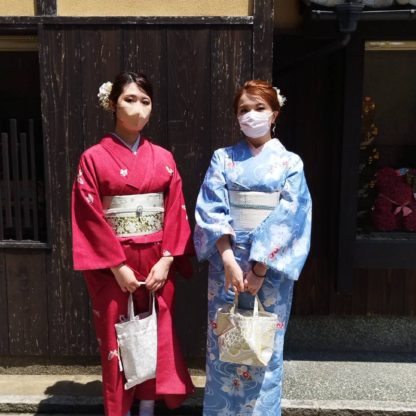
Vintage kimono and contemporary interpretations offer aesthetic distinctiveness that appeals to creators seeking unique visual identities. Lace kimono, semi-formal wear, and bold pattern selections all photograph differently and appeal to different audience segments. Coordinating kimono selection with season, location, and intended emotional tone of content creates intentionality that viewers subconsciously recognize and respond to.
Professional hair styling specifically designed for traditional dress completes the aesthetic package. Rather than wearing kimono with modern hairstyles that undermine authenticity, professional traditional hair arrangements create visual coherence that significantly enhances photographic impact.
Color Theory and Content Aesthetic Cohesion
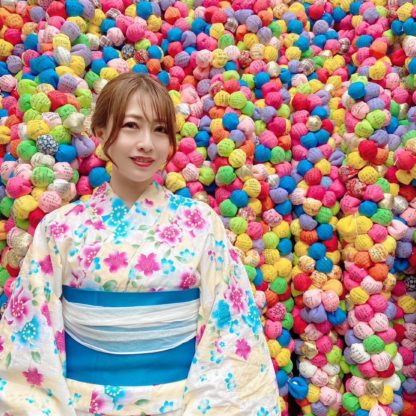
Strategic color selection extends beyond personal preference toward understanding how colors photograph under Kyoto’s particular lighting conditions. Jewel tones—deep purples, sapphires, emeralds—photograph with exceptional richness during golden hour. Soft pastels create romantic, ethereal qualities under diffused light. Bold reds and oranges stand dramatically against temple grays and greens.
Understanding which colors coordinate with anticipated background elements ensures visual harmony. Photographing at Kiyomizu-dera’s stone pathways and gray temple structures calls for different color strategies than photographing in Arashiyama’s green bamboo forest. This strategic alignment between kimono color selection and environmental context creates intentional visual compositions rather than accidental combinations.
Accessory Coordination and Detail Photography
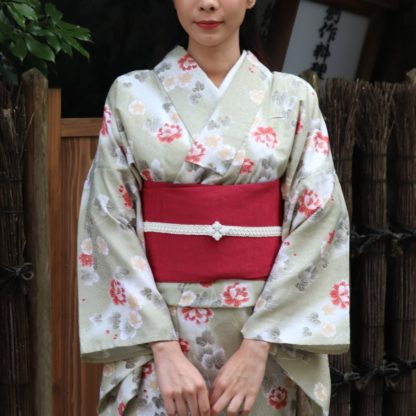
Professional photography captures intricate details—obi patterns, decorative accessories, textured fabric elements—that create visual interest and demonstrate styling sophistication. Selecting accessories with future close-up photography in mind ensures detailed shots convey intended aesthetic messages. Coordinating metallic tones in accessories with overall color scheme creates visual cohesion.
Technical Tips for Kyoto Photography
Camera Settings and Lighting Management
Kyoto’s varying lighting conditions demand flexible technical approaches. Early morning golden hour photography typically calls for exposure adjustments managing the warm, low-angled light. Shadow areas within temple interiors require either fill flash, diffuser usage, or post-processing adjustments to maintain detail.
Understanding depth-of-field for isolating subjects against busy architectural backgrounds remains essential. Selective focus photography—sharp subject with blurred background—maintains viewer attention despite complex environmental elements. Aperture settings between f/2.8 and f/5.6 typically balance subject isolation with adequate context inclusion.
Composition Approaches and Visual Hierarchy
Rule of thirds remains relevant for temple and landscape photography, though breaking rules intentionally creates more sophisticated results. Centering subjects against symmetrical temple architecture creates formal compositions. Off-center positioning against asymmetrical environments creates dynamic energy. Framing subjects through architectural elements—doorways, windows, pillars—adds compositional depth.
Layering elements—foreground, mid-ground, background—creates dimensional depth that engages viewers. Photographing through temple structures toward distant landscapes, positioning subjects against immediate backgrounds while layering distant elements creates visual richness.
Shooting Schedules and Crowd Management
Successful content creation requires strategic timing. Peak hours (10 AM-3 PM) bring maximum crowds but often harsh midday light. Early morning (6-8 AM) offers optimal lighting and minimal crowds but requires significant commitment. Late afternoon (4-6 PM) provides beautiful golden light and thinning crowds but shorter effective shooting windows.
Developing relationships with local businesses, temples, or professional guides sometimes enables private access during specific hours or locations otherwise restricted. This insider knowledge often becomes the difference between generic content and genuinely differentiated material.
Frequently Asked Questions
What’s the best time of year for Kyoto content creation?
This depends on your specific content goals. Spring cherry blossoms offer iconic imagery but maximum crowds. Autumn provides optimal lighting conditions, beautiful foliage, and still-manageable crowds during non-peak periods. Winter offers exceptional light clarity and solitude but fewer natural subjects. Summer provides extended daylight and garden verdancy despite heat challenges. Most creators find autumn’s balance of beauty and manageable conditions optimal for production value.
Do I need expensive camera equipment to create quality content in Kyoto?
Modern smartphones capture exceptional images in Kyoto’s excellent lighting conditions. While professional DSLR or mirrorless cameras offer additional control, they’re not absolutely essential. Lens quality, compositional skill, and strategic timing matter more than equipment sophistication. That said, professional photographers using high-end equipment often capture superior results, particularly for detailed or low-light photography.
Can I wear kimono while creating content, or should I hire models?
Many creators successfully incorporate styled kimono into their personal content—wearing traditional dress while featuring in your own photography creates authentic presence. Alternatively, hiring models or collaborating with other creators allows you to simultaneously serve both subject and photographer roles. Both approaches work; the choice depends on your content strategy and personal comfort.
Which locations offer the least crowded photography opportunities?
Early morning visits (6-8 AM) to any location substantially reduce crowds. Lesser-known temples throughout Higashiyama district, neighborhood temples beyond the most famous sites, and secondary areas within larger temple complexes all offer exceptional photography with minimal crowd pressure. Additionally, visiting during winter months or shoulder seasons (late October or early December) dramatically reduces crowds compared to peak seasons.
How do professional photography services enhance my content creation?
Professional photographers understand optimal locations, timing, composition, and styling approaches that maximize visual impact. They enable you to focus entirely on presence, emotion, and styling while technical photography matters receive expert attention. The resulting content quality typically exceeds self-directed photography significantly, which translates to improved audience engagement and growth.
What’s the value of professional hair styling with kimono?
Traditional hair styling specifically designed for kimono creates visual authenticity and aesthetic cohesion that significantly impacts overall photography results. Professional stylists understand how hairstyles interact with kimono styles, which approaches suit particular face shapes, and how traditional arrangements enhance rather than compete with facial features. The transformation often exceeds creator expectations.
How far in advance should I plan content creation trips to Kyoto?
Planning 4-8 weeks in advance allows securing professional photography services, scheduling stylist consultations, and coordinating logistics. However, spontaneous trips can produce excellent results with flexible timing approaches. The key lies in scheduling early morning photography sessions during optimal lighting rather than hoping for good conditions during peak tourist hours.
Can I create content in locations other than temples?
Absolutely. Contemporary Kyoto spaces, traditional neighborhoods, markets, gardens, architectural details, and urban environments all offer compelling content opportunities. While temples provide iconic Kyoto imagery, diversified content locations appeal to broader audiences and prevent content from feeling repetitive. Successful creators balance iconic locations with unique discoveries.
Store Information
Kyoto Kimono Rental mimosa
? Address: 362 Masuya-cho, Higashiyama-ku, Kyoto
? Operating Hours: 8:00 AM – 7:00 PM
? Phone: [075-600-0422]
? Email: [kimono.mimosa01@gmail.com]
? WhatsApp: [wa.me/819085726361]
Services Offered:
Premium Kimono & Yukata Rentals
Professional Hair Styling & Traditional Arrangement
Professional Photography Services (60 minutes: ¥18,000)
Tea Ceremony Experiences (1-6 persons: ¥39,000; 7+ persons: ¥6,000 per person)
Zen Meditation Sessions
Group Package Experiences
Basic Kimono Rental: ¥4,000+
Kyoto Kimono Rental mimosa specializes in transforming content creators’ visions into stunning visual narratives through comprehensive styling, professional photography, and authentic cultural experiences. Their expert team understands how to strategically coordinate kimono selection, traditional styling, and professional photography to produce the exceptional-quality content that drives creator success. Whether you’re building your influencer platform, launching a content project, or creating portfolio-quality imagery, Kyoto Kimono Rental mimosa provides the integrated services that elevate your Kyoto content from beautiful snapshots into professionally compelling visual storytelling.