Family Travel in Kyoto 2026: Where to Rent Kimonos & Take Stunning Pictures

Introduction
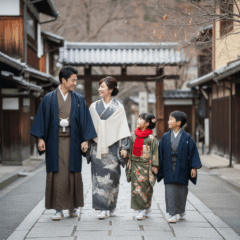
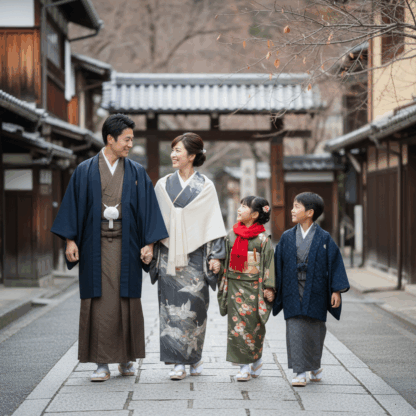
Planning a family trip to Kyoto presents a unique opportunity to create memories that will resonate through your family’s collective history for decades. When your family explores this ancient capital dressed in traditional kimono, something remarkable happens—the experience transcends typical tourism, becoming instead a shared cultural immersion that strengthens family bonds while connecting each family member to centuries of Japanese artistic and spiritual traditions.
Kyoto in 2026 promises unprecedented accessibility for international families seeking authentic experiences beyond conventional tourist attractions. Modern rental services have evolved significantly from basic costume operations, now offering comprehensive family packages that combine premium garment selection, professional styling, expert guidance regarding cultural etiquette, and seamless coordination with professional photographers who understand how to capture family moments within sacred and historically significant spaces.
This comprehensive guide explores every dimension of the family kimono experience in Kyoto—from practical logistics of renting appropriately sized garments for family members ranging from young children to adults, through identifying family-friendly locations that balance accessibility with authentic cultural experience, to maximizing professional photography services that transform candid family moments into genuinely beautiful artistic documentation. Whether you’re traveling with young children requiring special accommodation, teenagers navigating cultural unfamiliarity, or multi-generational groups spanning grandparents to grandchildren, this guide ensures your family accesses the knowledge and professional services necessary to create a meaningful, comfortable, and photogenically documented Kyoto experience.
Why Family Kimono Experiences Matter: Beyond Tourism
Dressing your family in traditional kimono for Kyoto exploration represents far more than participation in a trendy tourism trend. The experience carries profound psychological and cultural dimensions that genuinely enhance family travel experiences.
Creating Shared Cultural Memory
When families participate together in unfamiliar cultural practices—particularly when that participation requires deliberate preparation and involves wearing visibly different clothing—they collectively construct memories with unusual emotional resonance. The shared experience of preparing together, navigating initial awkwardness with traditional dress, discovering how differently you move and perceive spaces while clothed in unfamiliar garments, and adapting to cultural protocols creates bonding moments that casual tourism simply doesn’t facilitate.
These memories extend beyond the visit itself. Years later, photographs trigger collective remembrances of how specific family members reacted to wearing kimono, how younger children marveled at temple architecture viewed from unfamiliar physical perspectives, or how teenagers initially skeptical of the experience found genuine appreciation for cultural sophistication. The combination of visual documentation and shared experience creates unusually sticky memories—ones that families continue referencing and discussing years after the actual visit concludes.
Teaching Cultural Respect and Global Awareness
Family kimono experiences teach cultural respect through direct participation rather than abstract instruction. When your child wears traditional dress to a sacred temple, they’re learning through embodied experience that different cultures have distinct aesthetic values, behavioral protocols, and spiritual significance that deserve genuine respect. This learning occurs pre-verbally and emotionally—your child doesn’t just intellectually understand that temples are important spaces; they understand it through the physical experience of moving slowly and respectfully through those spaces, observing other visitors’ reverent behavior, and feeling themselves part of a cultural continuum extending centuries backward.
For teenagers particularly, this experiential learning proves remarkably effective at cultivating global awareness and reducing culturally narrow perspectives. The discomfort many teenagers initially experience wearing unfamiliar clothing and following unfamiliar protocols often transforms into genuine appreciation for cultural sophistication once they move past self-consciousness. This transformation—from skepticism to appreciation—represents valuable developmental learning about expanding personal comfort zones and engaging authentically with unfamiliar contexts.
Strengthening Family Bonds Through Shared Vulnerability
Travel generally requires family members to navigate unfamiliar contexts together, creating necessary interdependence. The additional layer of wearing traditional dress that everyone finds somewhat awkward initially amplifies this interdependence. Family members support each other navigating stairs in unfamiliar footwear, adjust each other’s garment positioning, help younger children manage sleeve length and obi tightness, and collectively navigate the minor discomforts that accompany several hours in clothing fundamentally different from what they wear daily.
These small physical interactions—hands helping adjust a child’s sleeve, parents providing balance assistance on steep temple steps, siblings reassuring each other about looking “weird”—create tangible manifestations of family care and mutual support. The shared minor adversity of wearing traditional dress for extended periods creates surprisingly strong bonding that exceeds the experience’s inherent difficulties.
Planning Your Family Kimono Adventure: Logistics and Timeline
Successfully executing a family kimono experience requires advance planning addressing practical logistical considerations specific to families with children and varying comfort levels.
Pre-Trip Research and Communication with Rental Services
Contact your chosen rental service well in advance—ideally 2-4 weeks before your intended Kyoto visit. Communicate that you’re planning a multi-generational or family group experience and describe your family composition: How many children? What approximate ages? What clothing sizes for adults? Do any family members have physical considerations affecting garment fitting or comfortable wear duration?
Quality rental services recognize that families present distinct requirements compared to individual tourists. They maintain children’s sizes, understand that young children require shorter wear durations, recognize that teenagers might feel self-conscious about traditional dress, and possess experience helping families navigate the emotional and logistical dimensions of group cultural experiences. Communicating early allows services to prepare specifically for your family’s needs rather than accommodating you as an afterthought.
Discuss specific concerns with rental professionals. If your five-year-old experiences anxiety about physical restriction, discuss how that might affect kimono comfort and explore alternatives like less snugly-fitted yukatas. If your teenager will feel self-conscious, discuss styling options that feel authentic while allowing age-appropriate autonomy in appearance. If your family includes elderly members with mobility concerns, discuss how rental services can ensure safe, comfortable garment positioning.
Timeline Recommendations
Plan for 90-120 minutes of preparation and fitting time before your intended temple exploration. For families, this timeframe accommodates consultant attention to each family member, individual fitting adjustments, hair styling if desired, photography consultation, and the inevitable minor adjustments that occur once everyone is fully dressed.
Schedule your temple visit for the morning hours—ideally 8 AM to 12 PM or 9 AM to 1 PM depending on your family’s preferences. Morning visits offer multiple advantages: crowds remain minimal during early hours, children typically feel more energetic during morning periods, lighting conditions optimize for photography, and the cooler morning temperatures improve comfort during extended wear in traditional dress.
Plan a full-day rental covering 8-10 hours of wear rather than attempting multiple locations with brief rental periods. The preparation time investment essentially remains identical regardless of rental duration—you invest the same 90 minutes getting everyone dressed, styled, and coordinated. With full-day rental, you access maximum flexibility to explore leisurely, take rest breaks without temporal pressure, and maximize both the experience and photography opportunities without rushing through locations.
Choosing the Right Season
Different seasons present distinct advantages and challenges for family kimono experiences. Spring and autumn typically offer optimal conditions—moderate temperatures support comfortable extended wear without excessive heat or cold. Spring cherry blossoms create aesthetically stunning temple environments and attract other families, creating ambient social context for partnership experiences. Autumn foliage provides equally spectacular visual backdrops for photography with typically fewer crowds than peak spring season.
Summer requires careful consideration if your family includes young children. While possible, summer heat makes extended kimono wear more challenging for children with less developed temperature regulation. Winter similarly presents challenges, though the dramatic beauty and reduced crowds appeal to certain families. If choosing summer or winter, discuss fabric weight options and realistic duration expectations with rental services.
Selecting Appropriate Kimono for Your Family: Sizes, Styles, and Comfort
Choosing appropriately sized and styled kimono for family members ranging from young children to adults requires understanding available options and communicating clearly with rental professionals.
Children’s Sizing and Comfort Considerations
Quality rental services maintain smaller-sized kimono specifically designed for children. These garments feature proportionally scaled dimensions—shorter sleeve length, adjusted torso positioning, and appropriately sized obi (sash) that don’t overwhelm young wearers. This distinction matters significantly. Attempting to fit children into adult garments adjusted down creates uncomfortable bunching, unbalanced proportions, and increased likelihood of wear-related complaints that compromise the experience.
For very young children (ages 4-7), discuss realistic wear duration expectations. Many children comfortably tolerate traditional dress for 2-3 hours of active exploration but begin experiencing discomfort or complaints with extended wear. Acknowledging this limitation allows you to plan temple exploration time realistic to your child’s tolerance level rather than forcing uncomfortable extension. Quality rental services often offer lighter-weight children’s options designed specifically for comfort during shorter duration wear.
For school-age children (ages 8-13), semi-formal kimono or quality yukata create a balance between authentic appearance and practical comfort. These children typically possess sufficient physical maturity to tolerate 3-4 hours of continuous traditional dress wear without significant complaint, particularly if the experience feels special and your family maintains positive, encouraging attitudes about the adventure.
Styling Choices That Appeal to Teenagers
Teenagers often bring self-consciousness to traditional dress experiences, particularly in multi-generational settings where they observe family members wearing unfamiliar clothing. Addressing this directly increases likelihood of positive experiences. Discuss styling options that allow age-appropriate autonomy—perhaps letting teenagers choose between specific color options, selecting whether they prefer more conservative or contemporary-leaning interpretations of traditional wear, or deciding on accessories that feel personally authentic.
Many teenagers find traditional dress significantly less objectionable when they understand its cultural history and contemporary fashion significance. Rental professionals who explain that traditional kimono represent genuine artistic achievement, that contemporary Japanese youth find wearing traditional dress meaningful rather than archaic, and that their chosen garment reflects specific regional craftsmanship traditions often transform teenage skepticism into genuine interest.
Adult Coordination and Aesthetic Choices
For parents and grandparents, color coordination between family members creates visual cohesion that photographers leverage effectively. Rather than each family member independently selecting favorite colors, consider coordinated approaches—family members choosing from the same color palette with variations, or parents and children selecting complementary tones that create visual harmony.
Discuss whether you prefer formal or casual-leaning aesthetics. More traditional formal styling emphasizes cultural authenticity through conservative color choices and traditional accessories. Contemporary-leaning approaches maintain traditional garment construction while incorporating modern aesthetic sensibilities—perhaps slightly brighter color combinations, contemporary obi designs, or accessory choices reflecting modern artistic interpretation of traditional dress.
Identifying Family-Friendly Temple Locations
Kyoto offers numerous temples welcoming to family visitors wearing kimono. Strategic location selection ensures experiences balance cultural authenticity with practical accessibility for family groups including young children and varying mobility levels.
Arashiyama Area: Accessibility Meets Natural Beauty
Arashiyama represents an excellent family destination combining natural scenery, manageable pathways, and less intense crowding than downtown temple districts. The famous bamboo grove presents relatively level pathways (though somewhat crowded during peak hours), creating accessible exploration opportunities for families with young children or elderly members with mobility considerations.
Tenryu-ji Temple within Arashiyama offers extensive grounds featuring multiple temples, gardens, and courtyards. The spatial complexity allows families to discover quiet areas away from crowds—essential when traveling with children who might feel overwhelmed by high tourist density. The temple’s architectural variety provides diverse photography backgrounds without requiring extensive uphill hiking or challenging navigation.
Togetsukyo Bridge and surrounding areas offer open spaces where family members can rest, adjust garment positioning, or allow younger children movement breaks without feeling rushed or restricted to narrow temple pathways.
Maruyama Park Area: Open Spaces and Varied Photography Backdrops
Adjacent to multiple temples, Maruyama Park offers open pathways, natural scenery, and rest areas that provide relief from densely constructed temple interiors. For families traveling with young children, these open spaces prove invaluable—children can move more freely, rest breaks feel less constraining, and the psychological environment feels less claustrophobic than navigating narrow temple corridors in restrictive clothing.
The park’s varied topography—open meadows, tree-lined pathways, natural water features, and multiple focal points—provides photography diversity that photographers expertly utilize. Families can photograph against natural backgrounds rather than exclusively architectural settings, offering visual variety that appeals across family preferences.
Kinkakuji (Golden Pavilion): Visual Spectacle with Accessibility Considerations
Kinkakuji attracts visitors specifically for its visually dramatic appearance—the golden pavilion reflected in surrounding water creates instantly recognizable, photogenically compelling imagery. For families prioritizing photography documentation, Kinkakuji’s fame stems from legitimate aesthetic impact that photographs genuinely capture.
However, Kinkakuji presents access challenges for families with young children or mobility limitations. The temple features multiple stairs, narrow pathways, and genuinely challenging crowd navigation during peak hours. Families should realistically assess whether young children can manage the pathway navigation and whether your elderly family members possess the physical capability to safely navigate crowded conditions while wearing traditional dress.
If choosing Kinkakuji, visit during early morning hours (8-9 AM) to access relatively less crowded conditions. Plan shorter visit durations (60-75 minutes) rather than extended temple exploration, acknowledging that the location’s primary appeal centers on the pavilion view rather than extensive temple grounds exploration.
Gion District: Cultural Atmosphere with Urban Accessibility
Gion’s famous geisha district provides unique cultural atmosphere that photographs particularly well—the wooden machiya buildings, narrow traditional streets, and evening lighting create photogenic backdrops that feel distinctly Kyoto. However, Gion presents less-obvious family advantages compared to temple settings.
Gion’s value for families centers on street photography and cultural atmosphere rather than spiritual or historical exploration accessible through traditional temple visiting. The district works well for partial-day kimono wearing—families might visit Gion for 1-2 hours of photography and atmosphere appreciation within a longer full-day rental that also includes traditional temple exploration.
Professional Photography Services: Capturing Your Family Moments
Professional photography transforms casual family moments into beautifully documented memories worthy of display and preservation. Understanding how to access and maximize photography services significantly enhances overall experience value.
Why Professional Photography Matters for Family Experiences
Photography documentation serves multiple functions beyond simple image capture. It forces you to be present to particular moments rather than rushing through experiences. It creates visual records that trigger memory recollection years later. It acknowledges that your family considered the experience sufficiently important to invest professional documentation resources.
For families specifically, professional photography eliminates certain frustrations: no family member misses group photographs because they’re operating the camera, composition expertise creates genuinely beautiful images rather than awkwardly cropped casual photos, and photographers understand how to position family members to flatter all participants simultaneously rather than highlighting some while unflattering others.
Selecting Professional Photographers
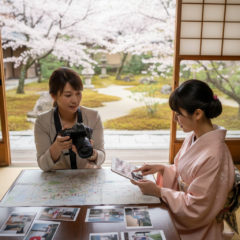
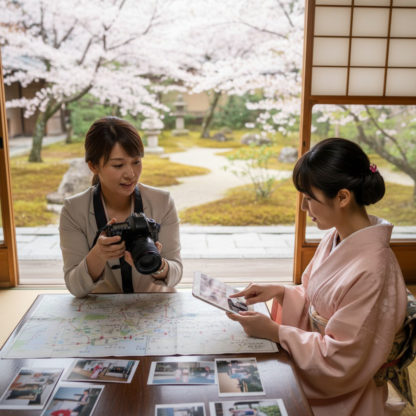
Quality photographers possess specific experience with kimono-wearing subjects and temple environments. Ask potential photographers about their experience photographing families in traditional dress at Kyoto temples. Request to review portfolios specifically showing family groups rather than exclusively couple photography or solo portraits.
Communicate your family’s specific composition—the age range of children, any specific family dynamics you want emphasized (grandparent-grandchild bonding, sibling relationships, multi-generational connection), and your preferences regarding formal posed photographs versus candid documentation of authentic family interaction. Experienced photographers adjust their approach based on these preferences.
Discuss pricing structures and package options. Photography services available through quality rental companies like Kyoto Kimono Rental mimosa offer integrated packages combining kimono rental with photography services, eliminating coordination complications and ensuring photographers understand family rental contexts.
Photography Logistics and Timing
Plan your photography session for optimal lighting conditions—early morning (7-9 AM) or late afternoon (4-6 PM) when sunlight angles toward the horizon, creating flattering warm light that photographs beautifully. Bright midday sunlight creates harsh shadows and unflattering contrast—worth avoiding if possible.
Budget approximately 60 minutes for comprehensive family photography sessions. This duration allows photographers to capture multiple locations, experiment with different compositions, and document candid family interaction alongside more posed family groupings. Photographers typically deliver edited digital files within days, allowing you to begin sharing and preserving images while memories remain fresh.
Communicate any accessibility considerations affecting photographer planning. If your family includes elderly members, photographers can identify less-strenuous routes between photography locations. If young children require frequent rest breaks, photographers can structure sessions with natural pauses at photogenic locations rather than requiring continuous movement.
Practical Family Kimono Guide: Wearing, Movement, and Comfort
Successfully managing family kimono wear throughout extended temple exploration requires understanding practical considerations affecting comfort and confidence.
Understanding Proper Wearing and Fit
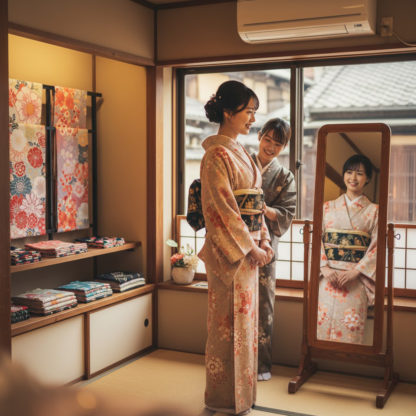
Professional fitting represents the most critical factor determining comfort during extended wear. Properly fitted kimono sit correctly at the shoulders, wrap appropriately at the torso, and position the obi (sash) at the correct waist height. Improperly fitted garments bunch uncomfortably, shift during movement, and cause positioning-related discomfort even if the garment itself is high quality.
Request detailed instruction in how to adjust garment positioning if it shifts during your temple visit. Understanding how to quickly re-wrap the obi or adjust the neckline prevents minor positioning issues from escalating into significant discomfort complaints. Quality rental services provide written or photographic instructions you can reference throughout your visit.
For young children particularly, ensure that garment length allows safe navigation of stairs and uneven terrain without tripping hazards. Discuss with rental professionals whether slightly shorter-than-traditional-length positioning works better for your child’s height and comfort.
Movement Techniques and Physical Adaptation
Kimono restrict movement in ways modern clothing does not. Understanding how to move efficiently within those restrictions prevents frustration and allows confident navigation of temple environments. The key principle involves moving from the hips rather than the shoulders—traditional dress positioning encourages lower-body movement while maintaining upper body stillness.
Stairs present particular challenges—taking stairs one step at a time, using handrails, and moving deliberately prevents accidents and maintains garment positioning. For families, this creates an opportunity to model physical deliberation and safety consciousness to younger family members.
Traditional footwear—geta (wooden sandals) or zori (flat sandals)—requires balance and deliberate positioning that differs from shoe-wearing. For families with young children or members uncomfortable with unfamiliar footwear, discuss hybrid options that blend traditional appearance with modern stability and support.
Managing Discomfort and Duration
Even well-fitted, high-quality kimono eventually create fatigue during extended wear—the garment weight, restrictive positioning, and altered movement patterns create physical sensations unfamiliar to modern-dress wearers. Acknowledge this reality and plan accordingly rather than expecting unlimited comfortable wear duration.
Schedule rest breaks at temple tea houses or nearby cafes. These breaks allow your family to sit, partially adjust garment positioning, hydrate, consume light refreshments, and provide your body physical relief without removing the garment entirely. Planning 15-20 minute breaks every 60-90 minutes of active temple exploration prevents discomfort escalation.
Remain realistic about comfortable wear duration for young children—many children manage 2-3 hours comfortably, then begin experiencing noticeable discomfort. Rather than forcing extended wear, consider shorter temple visits focused on primary locations rather than comprehensive exploration attempted in single extended sessions.
Seasonal Timing and Weather Considerations
Different seasons present distinct advantages and challenges for family kimono experiences in Kyoto.
Spring: Cherry Blossoms and Moderate Temperatures
Spring offers beautiful visual context through cherry blossom scenery and moderate temperatures supporting comfortable extended wear. Spring represents peak tourism season, meaning higher crowds and competition for iconic photograph locations. Early morning visits (7-8 AM) provide access to less crowded conditions before peak tourist arrival.
Spring weather can be unpredictable—rain occasionally disrupts planned outings. Confirm weather forecasts before your visit and have backup indoor temple explorations available if necessary. Spring’s variable humidity levels require discussing fabric options with rental professionals—lighter-weight garments often feel more comfortable than heavier alternatives during humid conditions.
Summer: Heat, Extended Hours, and Crowd Navigation
Summer presents challenges for families with young children due to heat intensifying the warmth effects of multiple-layered traditional dress. However, extended daylight hours and school vacation timing make summer logistically convenient for many families.
Discuss lightweight fabric options and potentially shorter rental durations with service providers. Ensure adequate hydration planning—carrying water bottles and scheduling regular fluid intake becomes particularly important during summer visits. Consider visiting famous temperature-controlled museum locations during midday peak heat hours, utilizing early morning and late afternoon periods for outdoor temple exploration.
Autumn: Foliage and Photography Excellence
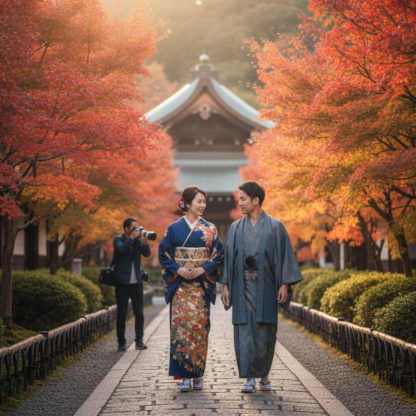
Autumn provides many consider the optimal season for Kyoto temple visiting. Colorful foliage creates stunning photographic backgrounds, temperatures remain comfortable for extended wear, and light quality offers superior photography conditions. However, autumn peak season brings crowds comparable to spring—strategic early morning or late afternoon timing remains important.
Autumn represents ideal season for family kimono experiences when timing flexibility allows peak-season visiting. The visual beauty and comfortable temperatures combine to create conditions supporting both extended exploration and excellent photography results.
Winter: Solitude and Crisp Beauty
Winter offers uncrowded temple experiences with stark architectural beauty revealed by bare branches. Crisp winter light creates dramatic photography conditions. However, cold temperatures require careful layering beneath kimono and realistic expectations about comfortable outdoor wear duration.
Winter works best for families comfortable with cold temperatures and those prioritizing peaceful, contemplative temple experiences over extended outdoor exploration. Shorter visit durations (60-90 minutes) with emphasis on photographing dramatic temple architecture against clear winter skies appeals to certain family preferences.
Cultural Etiquette for Family Visitors in Kimono
Wearing traditional dress to sacred temple spaces carries implicit responsibilities regarding respectful behavior and cultural awareness. Teaching these principles to your family members enhances the experience’s cultural authenticity.
Temple Behavior and Spiritual Respect
Temples remain active places of worship and spiritual practice rather than exclusively cultural museums. Maintaining quiet voices, avoiding sudden movements, and demonstrating reverence toward the space represents fundamental respect. Explain these expectations to your children before entering temples—framing them as cultural protocols you’re learning rather than arbitrary restrictions.
During active religious ceremonies or when you encounter monks practicing meditation or performing rituals, provide respectful distance and acknowledge that these activities carry spiritual significance beyond tourism value. Use these moments as teaching opportunities—explain to your children what they’re observing and why the people engaged in these activities merit respectful non-interruption.
Photography and Visitor Consideration
While photography generally remains permitted at Kyoto temples, certain areas may have restrictions. Observe posted signage and respect staff guidance. Additionally, position yourselves thoughtfully during photography sessions—avoid blocking other visitors’ views, and be conscious that your family group takes up physical space that other visitors need.
If photographing other visitors, request permission first. Particularly if photographing monks or other people for whom you have no prior relationship, permission-seeking demonstrates cultural respect and acknowledges their dignity.
Sacred Spaces and Behavioral Modeling
Your family’s behavior while wearing traditional dress in sacred spaces models cultural respect to your children in ways abstract instruction cannot. The combination of special clothing, special behavior expectations, and the visible spiritual significance of spaces you’re visiting teaches respect for different cultural frameworks through embodied experience.
Use your temple visit as a teaching moment about how culture shapes human behavior—explain that different spaces carry different meanings in different cultures, that temples represent particularly important spaces in Japanese culture, and that your family’s deliberate adoption of respectful behaviors in these spaces demonstrates that you understand and appreciate their significance.
Frequently Asked Questions
At what age can children start wearing kimono to temples?
Most quality rental services provide children’s sizes suitable for ages 4 and up, though younger siblings of visiting families occasionally wear simplified garments if family circumstances require. The more important consideration involves realistic expectations about comfortable wear duration—very young children (4-6) typically manage 1.5-2.5 hours of continuous wear, while school-age children handle 3-4 hours. Rather than focusing on minimum age, focus on your individual child’s comfort with physical restriction and novelty.
What if my family members have significantly different body sizes?
Professional rental services work with families of diverse sizes regularly and possess expertise in selecting flattering options for varied body types. Kimono construction accommodates significant size variation through wrap positioning and obi fastening flexibility. Communicate size diversity during consultation and trust professional guidance—they select pieces that work attractively for each family member.
How much does family kimono rental with photography services typically cost?
Pricing varies based on family size, garment quality level, and photography duration. Budget approximately ¥4,000-8,000 per family member for quality rental, with professional photography services running approximately ¥18,000 for 60 minutes. Many rental services offer package pricing combining garments, styling, and photography that creates better value than booking individually.
What should we do if our child becomes uncomfortable in their kimono during our temple visit?
Alert your rental provider about discomfort concerns during fitting—many issues stem from improper fit that professionals can adjust. If discomfort emerges during temple exploration, locate a rest location, partially adjust the garment positioning (rental professionals provide guidance), and determine whether rest alone resolves issues or whether garment adjustments are needed. Quality rental services maintain emergency contact numbers allowing consultation if adjustments prove necessary.
Can we wear modern accessories like backpacks or cameras with our kimono?
Traditional aesthetic emphasizes minimalist accessories. However, practical necessities like cameras can be managed with professional styling guidance. Quality rental services suggest approaches that balance authenticity with practical requirements. Small traditional-style bags work better aesthetically than modern backpacks, though professional photographers can position you to minimize visible backpack presence in photographs.
What’s the difference between yukata and kimono, and which works better for families?
Yukata represents more casual, typically lighter-weight garments traditionally worn at summer festivals and casual occasions. Kimono encompasses a broader range including semi-formal options more appropriate for temple visiting. For temple exploration, semi-formal kimono better reflects the sacred space’s cultural significance, though quality yukata work acceptably if your family prefers maximum comfort and lightness.
How do we ensure good photographs if we’re not experienced with traditional dress positioning?
Professional photographers possess expertise in positioning people wearing traditional dress to flatter both garments and participants. They understand how to angle bodies, position hands, arrange groups, and use temple backdrops to create beautiful compositions. You need no experience—simply trust the photographer’s guidance and remain relaxed during sessions.
Are there family-friendly temples we should prioritize, or can we visit anywhere in Kyoto?
All Kyoto temples welcome visitors wearing traditional dress. However, some work better for families than others based on accessibility, crowd levels, and pathway difficulty. Arashiyama area temples, Maruyama Park area, and certain downtown locations like Higashiyama district balance cultural significance with family accessibility. Avoid extremely crowded temples during peak hours if your family includes young children or members uncomfortable with dense crowds.
Frequently Asked Questions
At what age can children comfortably wear kimono for temple visits?
Quality rental services provide sizes for children ages 4 and up. Younger children typically manage 1.5-3 hours of continuous wear depending on individual tolerance. Plan realistically around comfortable duration rather than forcing extended wear that creates negative associations with cultural experiences.
What’s the best time of year for family kimono experiences in Kyoto?
Spring and autumn offer optimal conditions combining moderate temperatures, beautiful scenery, and comfortable extended wear potential. Spring cherry blossoms and autumn foliage provide stunning photographic backgrounds. However, peak seasons bring crowds—early morning visiting (7-8 AM) provides less crowded alternatives.
Can we book professional photography directly with rental companies?
Many quality rental services coordinate with photographers or offer integrated packages combining kimono rental with professional photography services. This integration eliminates separate coordination and ensures photographers understand family contexts. Kyoto Kimono Rental mimosa offers comprehensive packages combining rental, styling, and professional photography.
How do we manage discomfort if children complain during temple visits?
Plan rest breaks at temple tea houses, discuss realistic duration expectations beforehand, and ensure proper fitting during the rental process. Most discomfort stems from fit issues rather than inherent problems with traditional dress. Quality rental professionals provide adjustment guidance and maintain emergency contact access if complications emerge.
What should we wear under our kimono?
Proper underlayers include a nagajuban (kimono undergarment) worn directly beneath the main garment. Western undergarments including bra and slip work with careful arrangement. Your rental provider will discuss layering during consultation and ensure appropriate appearance.
Are there specific behaviors we should teach our children about temple visiting?
Model quiet voices, deliberate movements, and respectful distance from active religious practices. Use temple experiences as teaching moments about different cultural frameworks and why particular spaces carry special significance in Japanese culture. Your family’s respectful behavior demonstrates these principles more effectively than abstract instruction.
How much time should we plan for rental preparation and fitting?
Budget 90-120 minutes for complete preparation including consultation, individual fitting for each family member, styling coordination, and final adjustments. This investment ensures unhurried preparation without rushed transitions and allows for questions or concerns.
Store Information
Kyoto Kimono Rental mimosa
? Address: 362 Masuya-cho, Higashiyama-ku, Kyoto
? Operating Hours: 8:00 AM – 7:00 PM
? Phone: [075-600-0422]
? Email: [kimono.mimosa01@gmail.com]
? WhatsApp: [wa.me/819085726361]
Services Offered:
Premium Kimono & Yukata Rentals
Professional Hair Styling & Traditional Arrangement
Professional Photography Services (60 minutes: ¥18,000)
Tea Ceremony Experiences (1-6 persons: ¥39,000; 7+ persons: ¥6,000 per person)
Zen Meditation Sessions
Group Package Experiences
Basic Kimono Rental: ¥4,000+
Kyoto Kimono Rental mimosa specializes in creating comprehensive family experiences combining premium kimono rental, expert styling, and professional photography services. Their expertise in working with multi-generational families and children of varying ages ensures each family member feels comfortable and authentically represented. From initial consultation through final image delivery, Kyoto Kimono Rental mimosa guides families toward meaningful Kyoto experiences that honor both cultural traditions and individual family dynamics, creating memories that resonate for years beyond your visit.