A Romantic Kyoto Winter Itinerary for Couples Visiting Japan in 2026
Introduction
Winter transforms Kyoto into a landscape of subtle beauty and intimate atmosphere that summer crowds and spring tourist seasons obscure. For couples planning a 2026 getaway to Japan, a winter visit to Kyoto offers something increasingly rare in modern travel—genuine solitude, authentic cultural connection, and the space for meaningful partnership experiences. While many travelers fixate on cherry blossom season or autumn foliage, those who discover Kyoto in winter unlock a different kind of magic: temples blanketed in morning frost, golden afternoon light streaming through bare branches, and pathways where you encounter fellow travelers rather than masses of sightseers competing for photograph positioning.
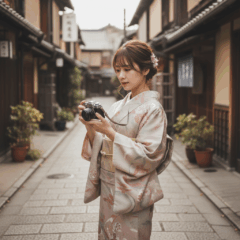
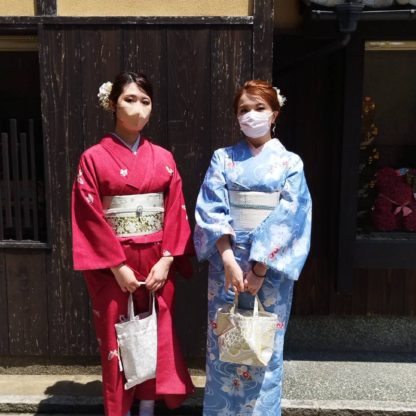
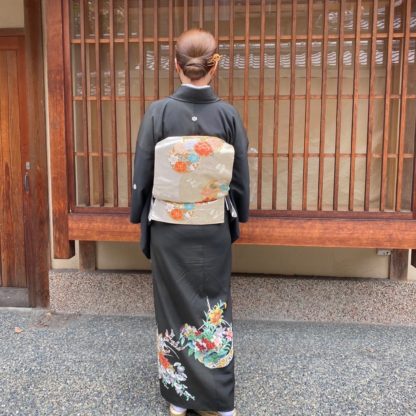
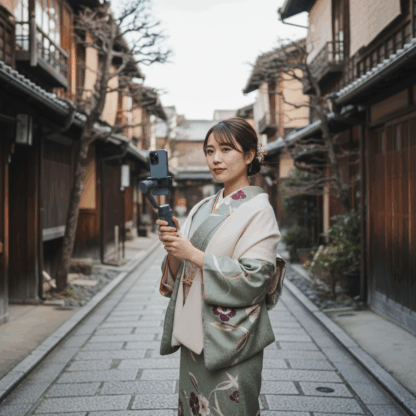
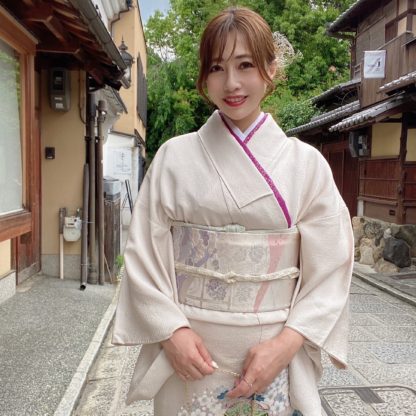
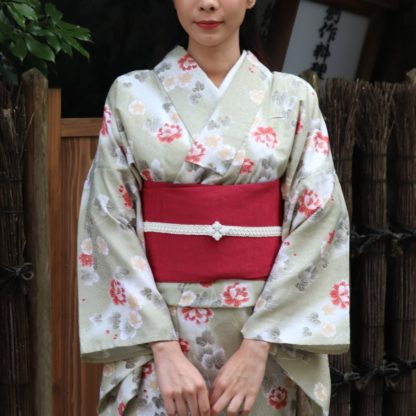
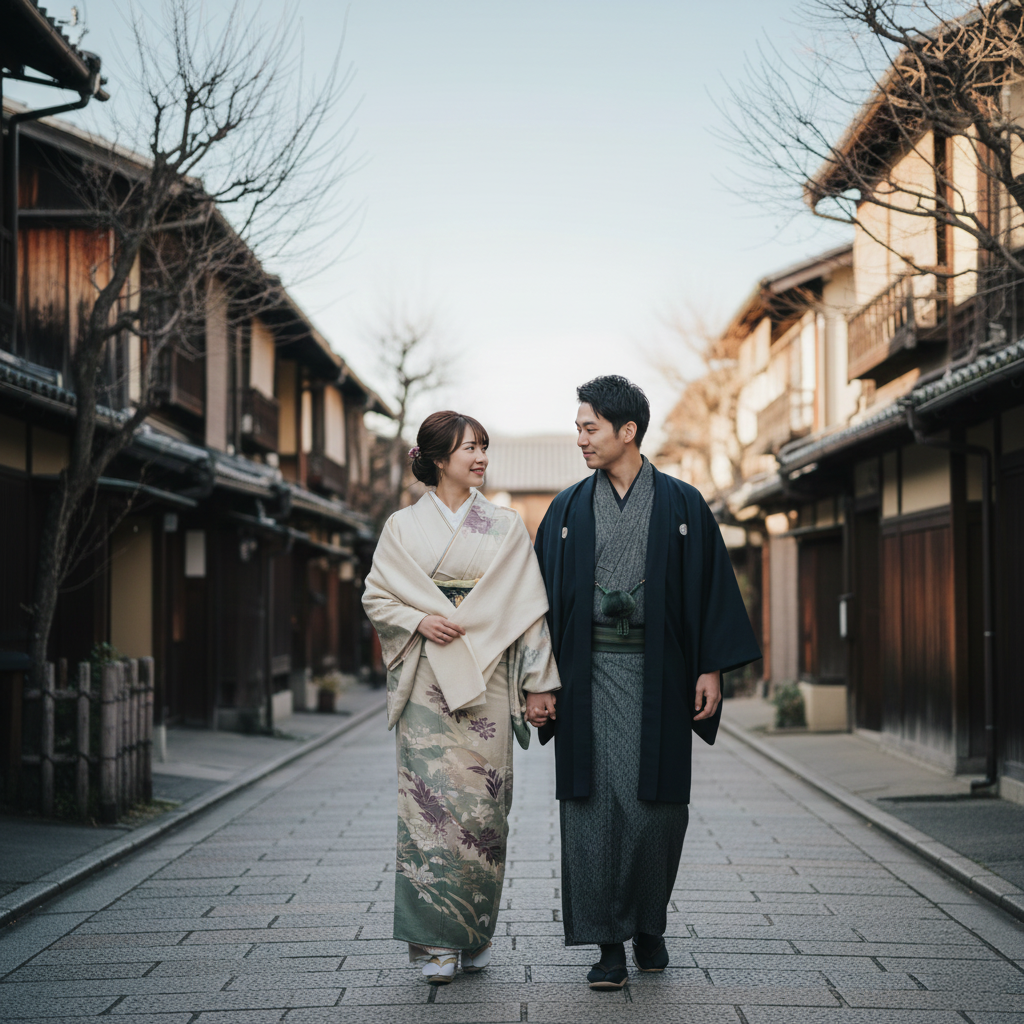
The romantic potential of a Kyoto winter experience reaches its peak when couples embrace traditional cultural activities. Wearing exquisitely chosen kimono through temple grounds that most visitors experience in casual Western clothing transforms your presence from observer to participant. Pairing kimono experiences with Japan’s refined tea ceremony traditions, exploring sacred spaces together, and capturing professional photographs in winter’s crystalline light creates memories that transcend typical tourism. This comprehensive guide presents a romantic Kyoto winter itinerary specifically designed for couples planning 2026 visits, integrating authentic cultural experiences with logistical practicality and the kinds of moments that deepen partnership bonds while honoring the destination’s cultural significance.
Understanding Kyoto’s Winter Appeal for Couples
Winter represents the least crowded season in Kyoto’s annual tourism cycle, creating immediate advantages for couples seeking meaningful experiences rather than Instagram-worthy tourist queues. While December through February brings fewer international visitors than peak seasons, the reduction in crowds doesn’t mean decreased beauty or cultural richness—quite the opposite. Kyoto’s temples, gardens, and historic districts reveal dimensions of their character that emerge only when viewed without crowds obscuring sight lines and diminishing peaceful contemplation.
The winter light in Kyoto carries particular qualities that photographers and artists have celebrated for centuries. The low angle of the sun during winter months creates dramatic shadows and warm, honeyed light that transforms familiar landscapes. Stone pathways become fields of geometric shadow patterns. Temple structures reveal architectural details obscured during other seasons. Your kimono, photographed in this crystalline light, captures colors and textures with unusual clarity. This particular quality of winter light explains why professional photographers often prefer winter shoots despite less temperate conditions.
Winter’s silence and emptiness contribute profound psychological shifts. In crowded seasons, Kyoto’s temples risk feeling like performance spaces where visitors perform tourism for other tourists. Winter strips away this performance dimension, allowing you and your partner to encounter these spaces with genuine contemplation. The absence of crowds paradoxically creates space for authentic cultural engagement. You can move slowly through temple grounds without feeling pressured by waiting tourists. You can sit in meditation or quiet reflection without others photographing your moment. This spaciousness—physical and psychological—creates the conditions where couples can genuinely connect with each other and the cultural environment simultaneously.
The Japanese aesthetic tradition deeply values what practitioners call “ma”—negative space, emptiness, and what remains unspoken or unshown. Winter embodies this principle. Bare branches, sparse gardens, empty pathways, and quiet temple grounds all represent aesthetic choices rather than deprivation. Understanding this cultural value helps couples appreciate winter’s distinctive charm rather than experiencing it as compromise from peak-season alternatives.
Planning Your Winter 2026 Kyoto Visit: Timing and Logistics
Successfully navigating a Kyoto winter visit requires understanding seasonal patterns, weather considerations, and booking timelines that ensure your preferred experiences remain available.
Optimal Timing Within Winter Season
The Kyoto winter season spans roughly December through February, but this three-month window contains significant variations. Late December brings moderate crowds of holiday travelers, relatively mild temperatures, and occasional decorative illuminations at temples that create atmospheric evening experiences. January represents the quietest month—after holiday travel concludes and before spring tourism builds. Temperatures reach their coldest point (typically 2-8°C or 35-46°F), but this cold produces some of winter’s most beautiful light and creates the pristine frost-covered mornings that define winter’s aesthetic appeal. February gradually transitions toward spring while maintaining winter’s peaceful atmosphere.
For couples prioritizing solitude and authentic experience, early January (January 5-15) represents ideal timing. You avoid holiday crowds, encounter minimal tourist competition for temple experiences, and experience winter’s most distinctive atmospheric conditions. The trade-off involves colder temperatures requiring adequate layering beneath and around your kimono—a logistical consideration addressed through professional rental consultation.
Weather Considerations and Preparation
Kyoto winters rarely bring heavy snow or severe weather, but temperatures consistently hover near freezing. Humidity remains relatively high, and occasional precipitation—usually rain rather than snow—occurs unpredictably. Layering becomes essential strategy. Professional kimono rental services understand how to position thermal layers beneath traditional dress, ensuring warmth without compromising kimono aesthetics or fit. Discussing weather conditions during consultation allows rental professionals to recommend fabric weights and layering approaches that balance authenticity with comfort.
Footwear decisions carry increased importance in winter. Traditional geta (wooden sandals) become more challenging in cold, potentially damp conditions. Quality rental services typically recommend zori (flat sandals) or hybrid options that maintain aesthetic authenticity while providing improved stability and warmth. Some services offer alternative solutions designed specifically for winter wear, maintaining visual coherence with traditional dress while optimizing for seasonal conditions.
Advance Booking and Service Availability
While January’s relative calm means fewer crowd-based time pressures, professional services including photography still require advance booking. Quality photographers maintain limited capacity regardless of season and prioritize bookings well in advance. Tea ceremony experiences and private meditation sessions similarly benefit from early reservations ensuring availability for your preferred times.
Most quality kimono rental services recommend booking at least 4-6 weeks in advance, allowing time for consultation regarding preferences, careful garment selection, and any custom arrangements. Early booking also provides flexibility regarding alternative dates if unexpected weather or personal circumstances require schedule adjustments.
Day One: Arrival and Temple Acclimation in Higashiyama District
Your Kyoto winter itinerary begins in the historic Higashiyama district, where your accommodation location and proximity to major temples create natural narrative flow for your partnership journey.
Settling In and First Evening Exploration
Upon arrival, spend your first evening in Higashiyama becoming oriented without the pressures of formal cultural engagement. This allows your body to adjust to travel and time zone shifts while beginning emotional transition from regular life toward the contemplative mindset that characterizes meaningful temple visits. Higashiyama offers numerous small restaurants, cafes, and establishments along intimate streets where you can walk hand-in-hand, observing winter’s particular quality of light as afternoon transitions to evening.
The district’s architectural character—narrow pathways, traditional wooden buildings, stone-paved streets—creates romantic atmosphere that doesn’t require specific activities to create meaningful experience. Simply moving through the neighborhood together, observing how the architecture frames winter light, noticing how few other tourists populate the streets compared to peak seasons, allows you to begin absorbing Kyoto’s particular genius.
In the evening, consider visiting one of the district’s numerous tea establishments for traditional experience without the ceremony aspect. Sitting quietly with warm tea, watching winter darkness settle over the neighborhood, allows conversation to develop naturally. Share impressions of your first hours in Kyoto. Discuss expectations for the days ahead. These seemingly ordinary moments—quiet conversation, shared warmth, mutual attention—represent the foundation upon which more dramatic experiences build.
Professional Kimono Preparation: The Foundation for Your Experience
Your first day’s culmination involves consultation and preparation at Kyoto Kimono Rental mimosa. This extended session—plan for 90 minutes—represents far more than garment selection. It’s the moment you commit to cultural participation, where professional expertise begins transforming your intentions into reality.
During consultation, communicate openly about your aesthetic preferences, comfort concerns, and specific plans for temple visits and photography. Explain that you’re marking a significant partnership moment and seeking authenticity alongside beauty. Quality professionals recognize these intentions and extend themselves accordingly, understanding that your kimono rental represents investment in meaningful experience rather than casual costume novelty.
The fitting process becomes a shared experience. As professionals assist you both in adjusting garments, securing positioning, and coordinating complementary choices, you’re witnessing the expertise and intention invested in your experience. The time professionals dedicate to ensuring proper fit, suggesting color combinations that flatter both partners, and offering guidance regarding how to move confidently in traditional dress all demonstrate genuine commitment to your success.
Conclude your first day consultation with clear understanding of garment care, wearing techniques, photography-friendly positioning, and any specific guidance regarding temples you’ll visit. Ask professionals about seasonal considerations—how to keep your kimono positioned properly in cold, what adjustments you might need if weather changes, how to maintain appearance throughout extended wear. These practical details, thoroughly addressed, prevent anxiety and discomfort from compromising your temple experiences.
Day Two: Kiyomizu-dera and Winter Photography
Day Two represents your first full temple experience in kimono, positioned at Kiyomizu-dera—Kyoto’s most iconic temple and an experience magnified profoundly by winter conditions and professional photography coordination.
Morning Arrival and Solitude
Arrange for early morning arrival—ideally 7:30-8:00 AM—when Kiyomizu-dera typically has minimal crowds and the low winter sun creates ideal photography lighting. The site hasn’t yet filled with morning visitors, meaning you have space to move through areas without constant negotiation around other tourists. This solitude allows you to experience the space authentically before crowds arrive.
The approach to Kiyomizu-dera through winding pathways, passing shops and restaurants that haven’t yet fully opened, creates liminal atmosphere—you’re transitioning between ordinary life and sacred space, between modern tourism and cultural immersion. Your kimono-clad presence makes this transition visible and tangible. Observe how your movement differs in traditional dress—how you naturally pace slower, how the garment’s weight encourages deliberate positioning, how the visual impact of your appearance draws respectful attention from the rare early morning tourists you encounter.
Temple Exploration and Photography Sessions
Upon arrival at the main temple structure, allow yourself moments of simply being present. Stand on the distinctive wooden platform overlooking Kyoto’s city landscape, observing how winter’s bare branches create unusual sight lines to distant neighborhoods. Feel the particular quality of morning light. Notice the silence—not complete absence of sound, but the particular quietude of winter mornings before crowds arrive.
If you’ve coordinated professional photography services, meet your photographer at the previously arranged time. Professional photographers understand optimal positioning, timing, and locations that maximize visual beauty while respecting the sacred space. Rather than spending your temple time wrestling with selfie angles, you’re liberated to remain emotionally present while professionals document your experience.
Photographers typically guide you to multiple locations throughout the temple grounds, explaining compositions and positioning that create visually striking images. Early morning golden light combined with winter’s clear atmosphere creates exceptional conditions. Images capture not just your beautiful appearance but the distinctive quality of winter light, the temple’s architectural magnificence, and the emotional presence couples bring to meaningful shared experiences.
Reflective Moments Between Photography
Between formal photography sessions, intentionally create moments of unstructured presence. Sit together in the temple’s tea houses or quieter areas. Watch how winter light transforms as morning progresses. Discuss what the experience is generating emotionally. Share observations about the temple’s architecture, the aesthetic choices that created these spaces, and what draws you both most deeply. These unstructured moments often generate the most significant partnerships experiences—not the formally photographed moments, but the quiet conversations and shared observations between them.
If the temple includes meditation spaces or areas where quiet reflection feels appropriate, consider spending time in contemplative silence together. Hold hands while sitting in temple grounds. Acknowledge the particular significance of experiencing these spaces together in traditional dress. These moments don’t require external documentation—they’re valuable precisely because they’re private and shared only between you.
Day Three: Kodaiji Temple, Tea Ceremony, and Cultural Refinement
Day Three deepens cultural engagement through a combination of temple exploration, formal tea ceremony experience, and deliberate attention to the refined aesthetic traditions Kyoto embodies.
Kodaiji Temple: Intimacy and Artistry
Kodaiji differs significantly from Kiyomizu-dera in scale and atmosphere, offering intimate rather than dramatic temple experience. Founded by Lady Nene, widow of warlord Toyotomi Hideyoshi, Kodaiji preserves refined aesthetics and personal spiritual practice rather than institutional grandeur. The temple’s smaller scale, intricate gardens, multiple intimate buildings, and overall spatial organization creates experiences of discovery and revelation as you move through areas.
Winter’s bare landscape enhances Kodaiji’s distinctive appeal. The simplified gardens, stripped of summer foliage or autumn colors, showcase the artistry of stone arrangement, water feature positioning, and spatial organization that underlies all Japanese garden design. Understanding that these spaces were deliberately composed this way—that their winter appearance represents intentional aesthetic choice rather than deprivation—deepens appreciation for cultural sophistication they embody.
Move through Kodaiji with your partner at deliberate pace, encouraging conversation about what you observe. How do specific architectural elements relate to each other? What emotional tone does a particular garden evoke? How does winter light illuminate spaces differently than other seasons? These conversations about aesthetic response deepen partnership bonds while developing genuine cultural appreciation.
Formal Tea Ceremony Experience
Arrange a private tea ceremony (chanoyu) experience through Kyoto Kimono Rental mimosa or a partnered provider. The tea ceremony represents one of Japan’s most refined cultural practices, embodying philosophical principles regarding harmony, respect, purity, and tranquility through elaborate ritualized procedures.
The ceremony begins with cleansing—physical and spiritual preparation for entering the tea space. The host guides you through specific movements, positioning, and ways of receiving the tea that embody aesthetic and philosophical principles. For couples, this shared experience creates profound connection through mutual participation in ritual structure. You’re not passively observing—you’re actively engaging with cultural practice, learning specific movements, and moving together through ceremonial sequence.
The tea itself—typically ceremonial matcha whisked into hot water—represents only one element within the broader ceremony. The bowls used, their history and artistry, the particular hanging scroll displayed in the ceremony room’s alcove, the flowers arranged, the sound of water heating—every element contains intentional meaning. Discussing these elements with your ceremony guide and with your partner afterward extends learning and deepens appreciation for the complexity beneath what initially appears simple.
Wearing kimono during the tea ceremony feels particularly appropriate—the garment itself represents similar aesthetic principles and refinement. Many participants report that wearing traditional dress during ceremony creates unusual embodied sense of cultural participation. The garment’s fit and movement, the care required to position it properly, and the visual coherence it creates with your ceremonial surroundings all enhance the experience’s authenticity and emotional impact.
Day Four: Gion District Wandering and Winter Night Photography
Day Four shifts toward urban cultural experience while maintaining winter’s contemplative quality and integrating evening photography opportunities unique to Kyoto’s nighttime aesthetic.
Gion’s Historic Streetscapes
Gion represents Kyoto’s most famous geisha district, featuring narrow streets, traditional wooden machiya buildings, lantern-lit pathways, and distinctive aesthetic that feels transported from historical periods. Winter’s relative emptiness magnifies Gion’s romantic qualities—you can walk through neighborhoods without constant crowds, observe architectural details without being swept along in tourist currents, and experience the spaces’ authentic character.
In kimono, you become particularly visible in Gion. Geisha and maiko (apprentice geisha) wear kimono as professional dress, so your kimono presence aligns naturally with the district’s cultural identity. While you’re obviously not geisha, wearing traditional dress signals respect for the district’s traditions and cultural significance. Observe how merchants and residents respond to your presence—in most cases with appreciation and increased friendliness, recognizing your investment in cultural authenticity.
Evening Lantern-Lit Aesthetics
As afternoon transitions to evening, Gion’s aesthetic transforms through the activation of traditional lanterns that illuminate pathways and building facades. The warm lantern light—traditionally created through paper-covered candles, increasingly through electric simulation of that aesthetic—creates atmospheric conditions that photographs beautifully. The contrast between warm lantern light and deepening twilight sky, combined with the reflection of light on wet stones after rain or dew, creates photographic conditions distinct from daytime opportunities.
Evening Photography with Professional Guidance
If you’ve reserved photography services for evening sessions, evening light creates possibilities impossible during daytime. Professional photographers understand how to use lantern lighting, positioning couples within traditional architecture, and creating images that capture Gion’s romantic atmosphere alongside your personal presence within it. Evening photography often produces more intimate, emotionally resonant images than daytime equivalents—the softer light, the quieter atmosphere, and the transformed aesthetic all contribute to different emotional tone in resulting photographs.
Alternatively, if you’re creating personal memories through smartphones or personal cameras, Gion’s evening atmosphere invites experimentation. Photograph each other against lantern-lit backgrounds. Capture architectural details illuminated uniquely by evening light. Document your movement through familiar pathways transformed by darkness and lantern light. These personal photographs often become treasured memories precisely because they capture your subjective experience rather than professional compositions.
Evening Dining and Reflection
Conclude your Gion exploration with dinner at a traditional restaurant, ideally in a private room overlooking the district or on an upper floor providing neighborhood views. Discussing your experiences across Days Two through Four, you likely notice how quickly authentic engagement with culture transforms initial tourism mindset into genuine learning and appreciation. The partnership dimensions—how you’ve moved together, supported each other navigating unfamiliar customs and physical demands, shared aesthetic responses and learning—likely feel notably deepened compared to pre-Kyoto relationship dynamics.
Day Five: Arashiyama and Mountain Temple Meditation
Day Five introduces different geographic context and emphasizes spiritual dimensions of your Kyoto experience through combination of mountain temple visit and formal meditation practice.
Arashiyama District Context
Arashiyama, located northwest of central Kyoto, encompasses dramatic landscapes, multiple temples, and notably the famous Sagano Bamboo Grove—a location tourists photograph intensely during peak seasons but experience almost entirely alone in winter. The district’s combination of mountain proximity, river valleys, and natural elements creates distinctly different energy from Higashiyama’s urban historic district.
Tenryu-ji Temple and Mountain Context
Tenryu-ji represents one of Kyoto’s most significant temples, featuring extensive grounds, internationally recognized gardens, and multiple buildings spanning centuries of development. The temple’s mountain position and integration with natural landscape creates environment quite different from urban temples.
In winter, the temple’s extensive gardens take on particular beauty as trees lose foliage, revealing structural branches and sight lines obscured during other seasons. The carefully composed rocks, water features, and pathways visible under bare branches showcase the artistry underlying Japanese garden design. Snow, while rare in Kyoto proper, occasionally touches Tenryu-ji’s higher elevations, creating exceptional photographic conditions when it occurs.
Formal Zen Meditation Experience
Arashiyama hosts several temples offering zazen (seated Zen meditation) sessions, typically conducted by experienced practitioners. Participating in formal meditation experience—particularly as a couple—creates distinctive partnership dimensions. Sitting in silence beside your partner for 20-40 minutes, focusing attention on breath and present-moment awareness, generates profound shared experience that transcends verbal communication.
Before meditation, an instructor typically provides basic guidance regarding posture, breathing, and how to approach meditative practice as a beginner. The instruction normalizes the beginner experience, explaining that meditation isn’t about achieving special mental states but rather about returning attention to present awareness repeatedly as the mind inevitably wanders. This permission to be imperfect, to simply sit and repeatedly return attention, often paradoxically allows deeper meditation than high-pressure efforts to achieve extraordinary experiences.
Sitting in meditation on a mountain temple, in winter quiet, dressed in kimono that itself encourages awareness of physical presence—these combined conditions create profound embodied experience. Upon completion, many meditation practitioners report feeling unusually present, calm, and emotionally open. For couples, emerging from shared meditation into discussion of the experience often generates meaningful conversations about presence, partnership, and what the experience evoked.
Day Six: Fushimi Inari Shrine and Mountain Spirituality
Day Six introduces Shinto practice—distinct from Buddhism though often coexisting with it in Japanese religious culture—through Fushimi Inari Shrine, one of Japan’s most distinctive and spiritually significant locations.
Understanding Fushimi Inari’s Distinctive Character
Fushimi Inari Shrine differs markedly from temple experiences. Rather than formal institutional structures, Fushimi Inari features thousands of vermillion torii gates creating tunnel-like pathways up mountainous terrain. These gates, donated by practitioners and businesses over centuries, create distinctive aesthetic environment that photographs transform into impossibly beautiful images but which carry different energetic qualities when experienced physically.
The shrine honors Inari, the Shinto deity of agriculture, rice, and prosperity. The enormous volume of gates reflects profound cultural significance and historical importance in Japanese spiritual practice. Understanding this significance prevents reducing Fushimi Inari to simply a photographic location, recognizing instead its role as genuine pilgrimage site where millions of Japanese people have presented intentions and gratitude.
Morning Visit in Winter Quiet
Schedule your Fushimi Inari visit for early morning, arriving before most tourist traffic begins. The pathway, under normal circumstances crowded with photographers jostling for position, becomes serene in winter quiet. You can walk at your chosen pace, stopping to observe architectural details and spiritual significance without constant navigation around crowds.
In kimono, moving through the torii gates feels particularly appropriate—the garment aligns you visually with the space’s aesthetic values and allows you to move with deliberate presence rather than the casual rushing that characterizes many tourist visits. The repeated gates, stretching seemingly endlessly, create meditative effect through repetition and gradual elevation—you’re physically ascending while spiritually journeying through repeated symbolism of passage and transformation.
Photography and Personal Documentation
The distinctive tunnel created by torii gates photographs remarkably. Professional photographers or personal photography captures perspectives that transform this particular landscape into images of unusual beauty. The depth created by receding gates, the way light filters through, and the visual repetition create compositions naturally arresting regardless of photographic experience level.
Many people report that photographing Fushimi Inari creates interesting psychological experience—you’re documenting a spiritually significant location while recognizing that the location’s true significance transcends what any photograph captures. The gap between image and lived experience clarifies how tourism and spirituality can coexist when approached with awareness.
Day Seven: Final Day Integration and Departure Preparation
Your final full day allows integration of experiences, final photograph sessions if desired, and intentional preparation for returning to regular life with expanded perspectives and deepened partnership.
Revisiting Favorite Locations
Rather than introducing new locations, Day Seven invites return to previously visited spaces with understanding deepened through your week’s immersion. Return to Kiyomizu-dera, Kodaiji, or Gion with different awareness—you now understand more about the historical significance, architectural principles, and cultural values these spaces embody. Recognize how your perspective has evolved through the week. Discuss how you’ll carry these experiences forward into your regular lives.
Professional Photograph Review and Sharing
If you’ve engaged professional photography services, Day Seven provides opportunity to review images with your photographer, discuss favorites, and potentially arrange printing, framing, or digital delivery. Photographs transform from documentation into valuable artifacts—physical or digital records of your shared experience. Discussing which images resonate most, why particular compositions particularly please you, and how you might display or share them with others extends the memory-making process.
Gratitude Practice and Reflection
Intentionally create space for gratitude practice. This might take various forms—writing reflections about what the experience generated for each of you, sitting in quiet acknowledgment of the experiences shared, or discussing specific moments that stood out emotionally. The act of deliberately transitioning from immersive experience back toward regular life, done with consciousness and intention, anchors the visit’s significance into long-term memory and partnership.
Practical Logistics and Essential Information
Successfully implementing this romantic winter itinerary requires attention to numerous practical details that either support smooth execution or create unnecessary complications.
Accommodations
Higashiyama district offers optimal accommodation positioning for this itinerary. Your location in the historic district positions you within walking distance of multiple temples, places you within charming urban environment for evening exploration, and reduces transportation needs throughout the week. Select accommodations offering either private rooms or exclusive spaces where you can retreat for private partnership moments amid your public cultural activities.
Transportation
Kyoto’s public transportation system efficiently connects all mentioned locations. Purchasing multi-day transit passes (available for various durations) provides flexibility while reducing costs compared to individual trip fares. Alternatively, taxis offer convenient option for specific journeys, particularly valuable if weather makes public transportation uncomfortable while in kimono.
Kimono Care and Management
Wearing kimono daily across a week requires attention to garment care. Quality rental services provide guidance regarding cleaning requirements, what adjustments might be necessary between days, and how to prevent unnecessary wear. Discuss multi-day rental options during initial consultation—extended rentals often provide superior economics compared to individual daily rental fees.
Dining Reservations
Quality restaurants, particularly those offering private spaces or specialized culinary experiences, benefit from advance reservations. Book specific dinner reservations during your pre-trip planning to ensure availability at desired restaurants and times.
Weather Contingency Planning
While Kyoto winters rarely bring severe weather, occasional rain or temperature fluctuations occur unpredictably. Discuss contingency options with professional services—which locations offer covered alternatives if weather becomes problematic, how extreme temperature shifts might be managed, and what adjustments might be necessary. This planning reduces anxiety and allows flexibility without compromising your essential experience.
Frequently Asked Questions
Is winter the best season to visit Kyoto for a romantic couple’s experience?
Winter offers distinctive advantages for couples—minimal crowds, exceptional photographic light, and contemplative atmosphere—though different seasons appeal to different preferences. Spring’s cherry blossoms carry romantic associations, autumn’s colors create stunning aesthetics, and summer offers warm-weather exploration. Winter’s particular genius involves solitude and crystalline light that enable genuine presence. For couples prioritizing intimate connection and authentic temple experiences over peak-season atmospherics, winter represents an exceptional choice.
What should we pack for a Kyoto winter visit beyond regular winter clothing?
Pack comfortable walking shoes for non-kimono days, as Kyoto’s historic districts require extensive exploration on foot. Bring layers that work both for regular clothing and beneath kimono—thermal underlayers provide warmth without bulk. Include any personal comfort items—medications, entertainment for quiet moments, items that help you feel grounded in unfamiliar environments. Minimize luggage, as extensive belongings create logistical complications in smaller accommodations.
How do we schedule professional photography to capture our experience?
Quality photographers in Kyoto typically book through referrals from rental services, hotel recommendations, or established tourism photography businesses. Discuss photography intentions during kimono rental consultation—professionals can coordinate timing with your rental duration, understand your aesthetic preferences, and recommend optimal temple locations and lighting conditions. Book photographers 4-6 weeks in advance to ensure availability.
Can we do this itinerary if we’re not in excellent physical condition?
This itinerary involves substantial walking and several temple visits requiring stair navigation. However, itineraries can be adjusted for physical limitations. Reduce daily distances, extend the visit timeline to fewer locations daily, and select temples and locations with more accessible terrain. Quality rental services understand accessibility needs and can suggest modifications. Wearing quality, comfortable footwear (rental services can recommend options) and taking frequent breaks prevents unnecessary physical strain.
What if we can’t fit the entire week’s itinerary into our schedule?
Compress the itinerary by combining locations—experience two temples daily rather than spreading visits across the week, or focus on particularly appealing locations rather than attempting comprehensive coverage. Even a three-day compressed version (one full temple visit day, one tea ceremony and Gion day, one photography-focused day) creates meaningful partnership experience and authentic cultural engagement.
How expensive is this romantic Kyoto winter itinerary?
Costs vary based on accommodation choices, dining preferences, and service selections. Budget approximately ¥4,000-8,000 per day for accommodation depending on luxury level, ¥1,000-3,000 daily for meals if eating at regular restaurants, ¥4,000+ for kimono rental, and optional costs for professional photography (¥18,000 for 60-minute session) and tea ceremony experiences (¥39,000 for private session). Plan total budget of approximately $2,000-4,000 USD per person for a week, though luxury options could extend this considerably.
Can we wear kimono comfortably throughout entire days?
With proper fitting and professional guidance regarding wearing technique, many couples comfortably wear kimono for 4-6 hours of active exploration. Extended wear typically benefits from planned rest breaks. Professional rental services assess individual tolerance and recommend realistic duration expectations. Taking breaks doesn’t require removing the entire garment—simple adjustment and seated rest often provides necessary relief.
Store Information
Kyoto Kimono Rental mimosa
? Address: 362 Masuya-cho, Higashiyama-ku, Kyoto
? Operating Hours: 8:00 AM – 7:00 PM
? Phone: [075-600-0422]
? Email: [kimono.mimosa01@gmail.com]
? WhatsApp: [wa.me/819085726361]
Services Offered:
Premium Kimono & Yukata Rentals
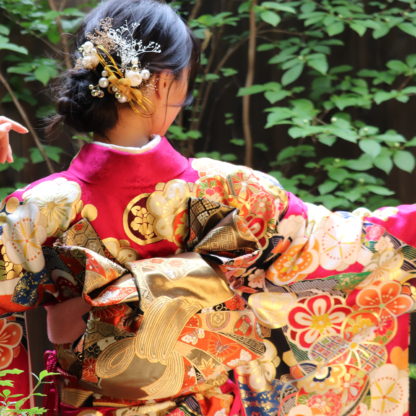
Professional Hair Styling & Traditional Arrangement
Professional Photography Services (60 minutes: ¥18,000)
Tea Ceremony Experiences (1-6 persons: ¥39,000; 7+ persons: ¥6,000 per person)
Zen Meditation Sessions
Group Package Experiences
Basic Kimono Rental: ¥4,000+
Kyoto Kimono Rental mimosa specializes in transforming couples’ Kyoto visits into profound cultural experiences combining premium kimono rentals with professional styling, photography coordination, and guidance regarding authentic temple experiences. Their expert team understands how to create romantic winter itineraries that balance cultural authenticity with partnership significance, ensuring every element—from kimono selection through photography documentation—reflects genuine commitment to meaningful experience creation. For couples planning 2026 Kyoto winter visits seeking authentic connection alongside cultural immersion, Kyoto Kimono Rental mimosa provides comprehensive support transforming intentions into transformative partnership memories.