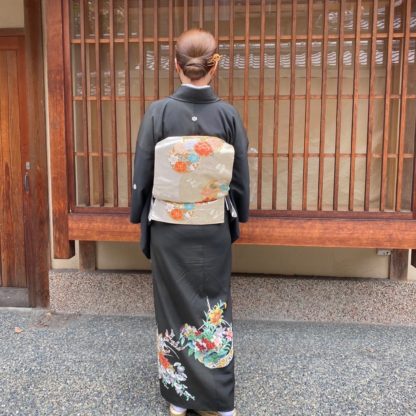
Rainy Day in Kyoto: How to Enjoy Your Kimono Experience Without Ruining Your Look

Rainy Day in Kyoto: How to Enjoy Your Kimono Experience Without Ruining Your Look
Discover the magic of Kyoto’s rainy season while wearing traditional kimono – complete guide to staying elegant and dry
Introduction: Embracing Kyoto’s Rainy Season in Traditional Style
Kyoto’s rainy season, known as tsuyu, transforms Japan’s ancient capital into a mystical wonderland of glistening temples, rain-kissed gardens, and atmospheric streets perfect for photography. While many travelers worry about experiencing Kyoto in kimono during wet weather, rainy days actually offer some of the most enchanting and authentic moments for kimono wear in this historic city.
Whether you’re planning a cultural immersion experience or seeking that perfect Instagram shot, this comprehensive guide will show you exactly how to navigate Kyoto’s rainy days while maintaining your kimono’s elegance and your comfort. From waterproof accessories to indoor alternatives, we’ll cover everything you need to know for an unforgettable rainy day kimono adventure in Kyoto.
Understanding Kyoto’s Rainy Season: When and What to Expect
The Magic of Tsuyu Season
Kyoto’s rainy season typically runs from early June through mid-July, bringing gentle, persistent rainfall that creates a completely different atmosphere from the city’s famous cherry blossom or autumn foliage seasons. During this period, the city receives significant precipitation, but the rain often comes in predictable patterns, allowing savvy visitors to plan their kimono experiences accordingly.
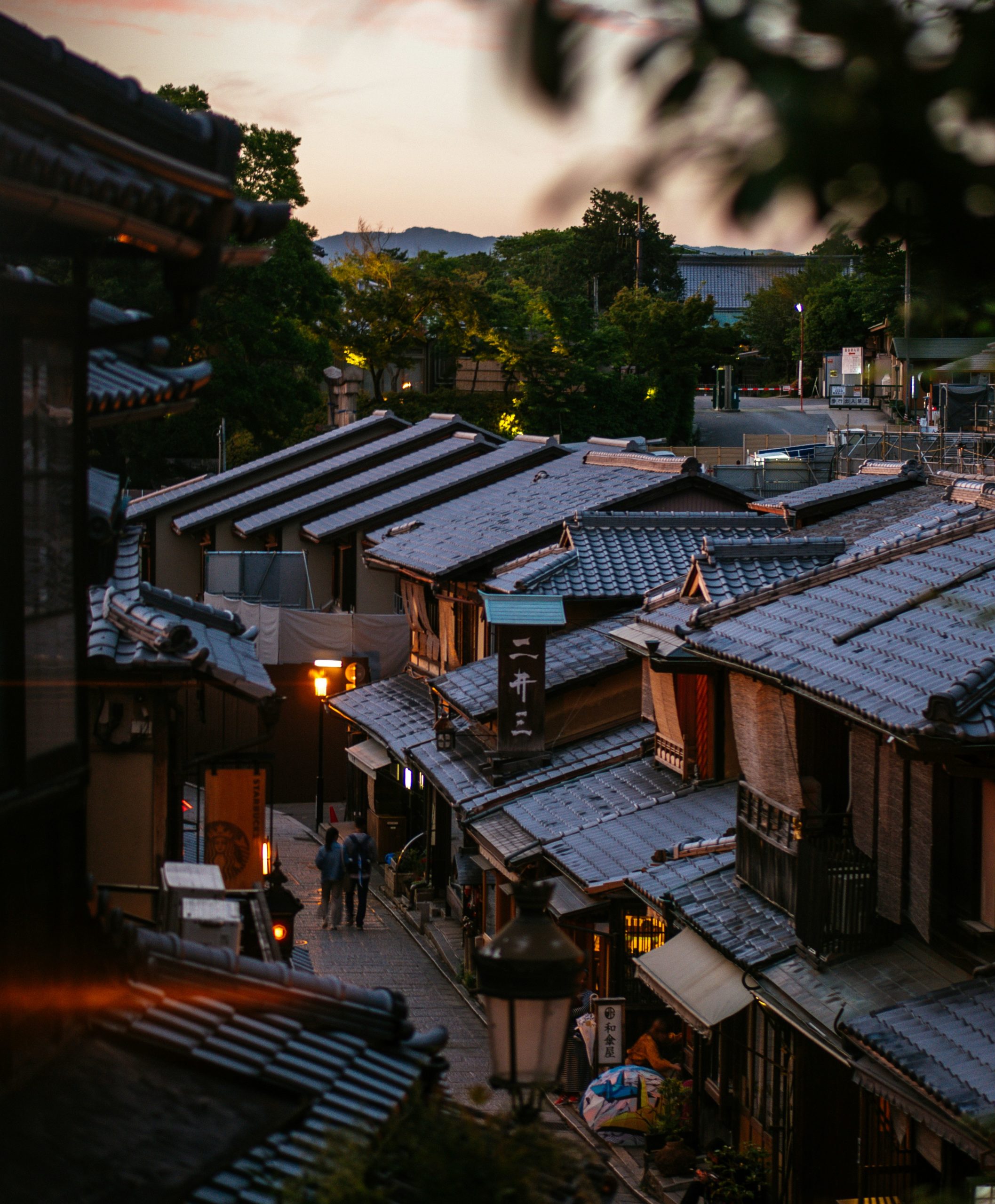
The rainy season transforms Kyoto’s already stunning landscapes into something almost ethereal. Stone pathways glisten with moisture, traditional wooden buildings take on deeper, richer tones, and the famous bamboo groves create natural umbrellas overhead. For kimono wearers, this season offers unique photographic opportunities and a more intimate experience of Kyoto’s cultural heritage.
Weather Patterns and Planning
Understanding Kyoto’s rainy season weather patterns is crucial for planning your kimono experience. Rain typically falls in gentle, steady patterns rather than sudden downpours, making it more manageable for outdoor activities. Morning hours often provide brief dry periods, while late afternoon rain is common.
Temperature during rainy season ranges from comfortable 20-25°C (68-77°F), making it ideal for wearing traditional kimono layers without overheating. The humidity, while noticeable, actually helps silk kimono fabrics drape more naturally and beautifully.
Pro Tip:
Check hourly weather forecasts before your kimono rental. Many shops offer flexible timing to work around rain patterns.
Essential Rainy Day Kimono Accessories and Protection
Wagasa Umbrellas
Traditional paper umbrellas perfect for kimono aesthetics
Waterproof Footwear
Specialized geta and zori for wet conditions
Rain Protection
Traditional and modern capes for kimono protection
Traditional Weather Protection Options
Wagasa (Traditional Japanese Umbrellas)
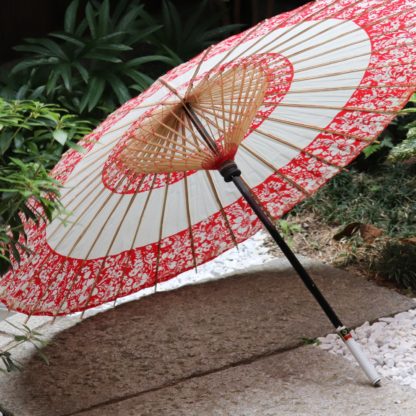
The wagasa, or traditional Japanese paper umbrella, isn’t just practical – it’s the perfect aesthetic complement to your kimono ensemble. These beautiful umbrellas feature bamboo ribs and washi paper that creates stunning patterns when photographed from below. Choose colors that complement your kimono: deep burgundy for red kimono, navy for blue tones, or classic black for versatility.
Geta and Zori Considerations
Traditional footwear requires special attention during rainy weather. Wooden geta naturally repel water and provide elevation above wet ground, making them excellent choices for light rain. For heavier precipitation, consider zori with rubber soles or waterproof treatments. Many kimono rental shops in Kyoto offer specialized rainy-day footwear options.
Rain Capes and Covers
Traditional rain capes, called mino, offer authentic protection while maintaining period accuracy. Modern alternatives include transparent rain capes specifically designed for kimono wear, protecting your outfit while allowing the beautiful fabric patterns to remain visible for photography.
Modern Adaptations for Kimono Protection
Waterproof Accessories
Invest in high-quality waterproof bags for your personal items, and consider protective covers for camera equipment if you’re planning extensive photography. Waterproof phone cases are essential for capturing those perfect rainy day kimono moments.
Hair Protection Solutions
Traditional Japanese hairstyles can suffer in humid, rainy conditions. Hairspray specifically formulated for humidity resistance, combined with traditional hair accessories like kanzashi that can withstand moisture, will keep your look intact throughout the day.
Best Indoor Kyoto Attractions for Kimono Experiences
Temple and Shrine Interiors
Kiyomizu-dera Temple Complex
This UNESCO World Heritage site offers extensive covered walkways and interior spaces perfect for rainy day kimono experiences. The temple’s wooden verandas provide shelter while still offering spectacular views over Kyoto. The gift shops and tea houses within the complex allow for extended indoor activities while wearing your kimono.
Fushimi Inari Taisha
While famous for its outdoor torii gates, Fushimi Inari offers numerous covered areas and indoor shrine buildings perfect for rainy day visits. The lower sections of the mountain trail feature more shelter, and the main shrine buildings provide excellent photo opportunities away from the rain.
Gion District Covered Areas
Gion’s traditional architecture includes many covered walkways, tea houses, and shops where you can experience authentic geisha culture while staying dry. The historic streets feature traditional eaves and overhangs that provide natural rain protection.
Museums and Cultural Centers
Kyoto National Museum
Spend hours exploring Japan’s cultural heritage while wearing kimono in climate-controlled comfort. The museum’s extensive collection provides perfect context for your traditional dress experience, and the building’s architecture offers stunning backdrops for indoor photography.
Kyoto Imperial Palace
The palace grounds include numerous covered corridors and interior spaces that remain accessible during rainy weather. The traditional architecture provides authentic settings for kimono photography while keeping you comfortable and dry.
Traditional Tea Houses and Restaurants
Gion Tea House Experiences
Participating in traditional tea ceremony while wearing kimono creates an immersive cultural experience perfect for rainy days. Many tea houses in Gion district offer extended experiences that can fill several hours while you wait for weather to improve.
Kaiseki Dining Experiences
Traditional multi-course dining provides an elegant way to spend rainy hours in kimono. The slow pace of kaiseki meals allows you to fully appreciate both the culinary artistry and your traditional dress experience.
Photography Tips for Rainy Day Kimono Shoots
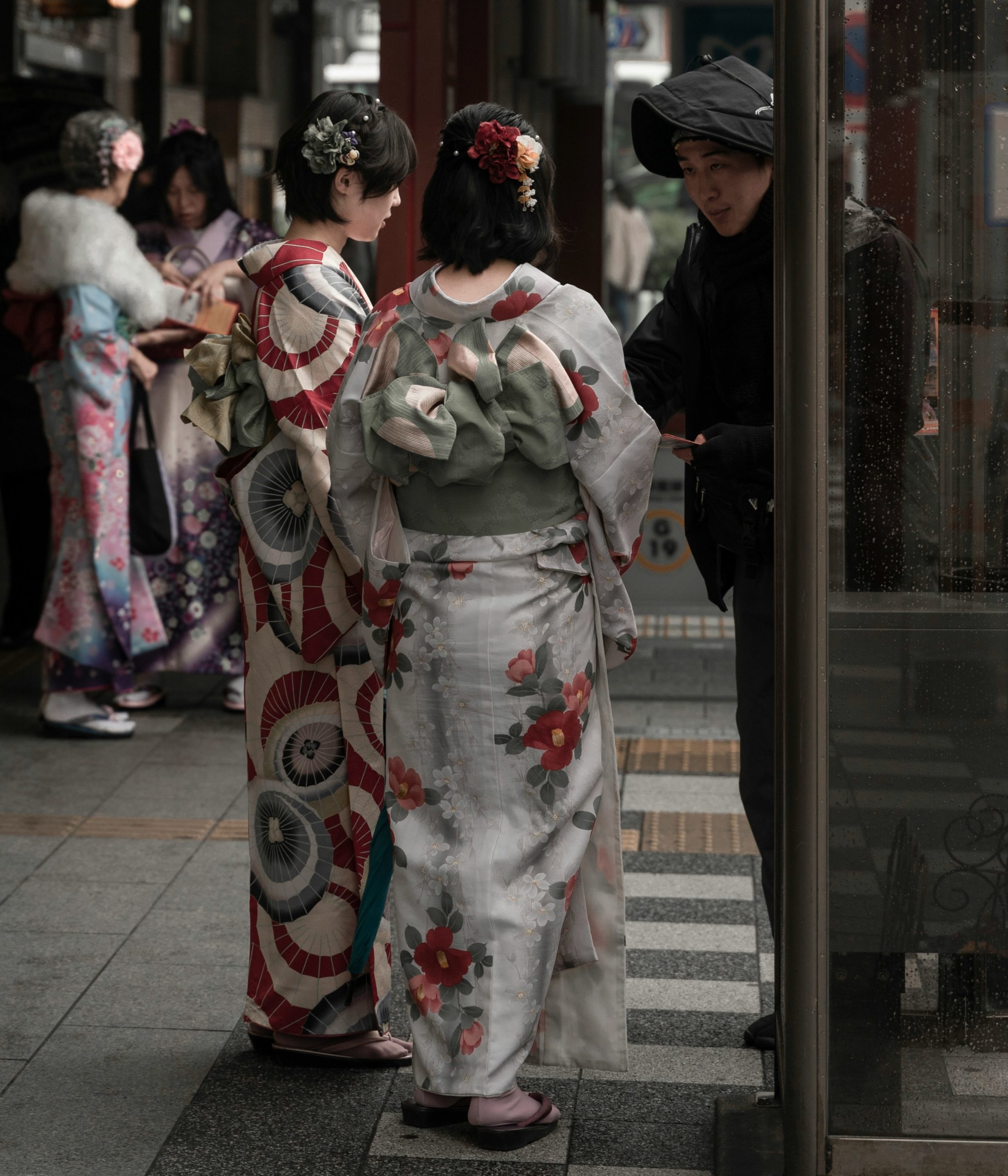
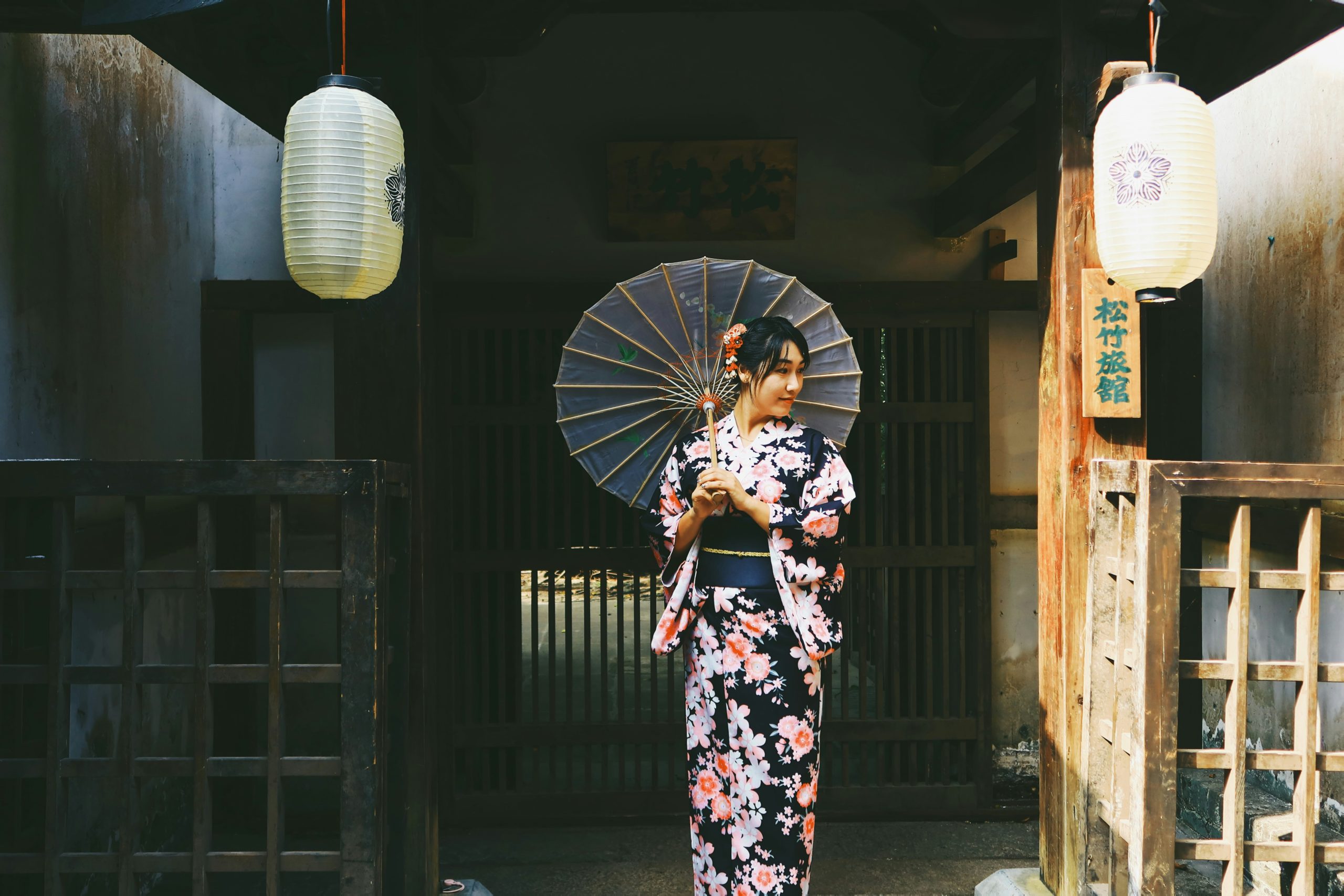
Capturing the Atmospheric Beauty
Reflections and Wet Surfaces
Rainy Kyoto creates incredible photographic opportunities through reflections in wet stone pathways, puddles, and rain-slicked surfaces. Position yourself to capture your kimono’s reflection in temple courtyard puddles or glistening walkways for dramatic, artistic shots.
Lighting Considerations
Overcast skies during rain create soft, even lighting that’s incredibly flattering for kimono photography. The diffused light eliminates harsh shadows and makes silk fabrics appear to glow softly. Take advantage of this natural softbox effect for portraits.
Using Rain as a Photographic Element
Don’t hide from the rain – incorporate it into your shots. Capture raindrops on your wagasa, the misty atmosphere around temples, or the way rain creates natural curtains around traditional architecture. These elements add drama and authenticity to your kimono photos.
Technical Photography Tips
Protecting Camera Equipment
Use weather-sealed cameras or protective covers to safeguard your equipment. Consider bringing backup batteries, as cold and humidity can drain power faster. Lens hoods help prevent water spots on your lens.
Composition Techniques
Frame shots using traditional architecture’s natural rain protection – temple eaves, covered walkways, and traditional rooflines create natural frames while keeping you and your camera dry. Use depth of field to blur rainy backgrounds while keeping your kimono in sharp focus.
Professional Photography Services
For those seeking professional results, consider booking a photography session through mk-mimosa-e.top. Professional photographers familiar with Kyoto’s locations know exactly where to find the best sheltered spots that still provide stunning backdrops for your kimono experience, ensuring you get incredible photos regardless of weather conditions.
Covered Walking Routes Through Historic Kyoto
The Philosopher’s Path Alternative Routes
While the famous Philosopher’s Path can be challenging in rain, several covered alternative routes connect the same temples and attractions. Traditional shopping arcades and covered walkways parallel much of this route, allowing you to experience the same cultural journey while staying dry.
Covered Shopping Districts
Kyoto’s traditional shopping areas like Pontocho Alley and Hanami-koji feature natural rain protection through traditional architecture. These narrow lanes with overhanging buildings create tunnel-like passages perfect for kimono walks during light rain.
Temple-to-Temple Covered Routes
Eastern Kyoto Temple Circuit
Plan routes that maximize covered walkways between major temples. Many temples are connected by traditional covered corridors or modern covered shopping areas that maintain the historic atmosphere while providing weather protection.
Arashiyama Covered Alternatives
While the bamboo grove offers natural rain protection, the Arashiyama district includes numerous covered temples, shops, and traditional buildings that provide excellent rainy day alternatives for kimono experiences.
Maintaining Your Kimono During Rainy Weather
Fabric Care and Protection
Silk Kimono Considerations
Traditional silk kimono require special care in humid conditions. Allow fabrics to air dry completely before storage, and consider bringing absorbent cloths to gently dab any moisture. Many rental shops provide care instructions specific to rainy weather conditions.
Obi and Accessories Care
The obi (sash) and other accessories need particular attention in rainy weather. Ensure these items remain dry, as they’re often more difficult to clean or replace than the main kimono garment.
Quick Drying Techniques
Emergency Drying Solutions
Know locations of public restrooms or changing areas where you can make quick adjustments or dry off slightly damp areas. Many temples and major attractions have facilities available for visitors.
Preventive Measures
Apply fabric protector sprays before your kimono experience if using your own garments. For rentals, discuss weather protection options with your rental shop – many offer advice or additional protective accessories.
Creating Memorable Rainy Day Kimono Experiences
Embracing the Unique Atmosphere
Sensory Experiences
Rainy day kimono experiences engage all your senses – the sound of rain on temple roofs, the fresh, clean scent of rain-washed gardens, the feeling of silk against your skin in humid air, and the visual beauty of mist-shrouded temples. These sensory memories often prove more lasting than those from perfect weather days.
Cultural Immersion Opportunities
Rainy weather often means fewer crowds at popular attractions, allowing for more intimate cultural experiences. You’ll have more opportunities for meaningful interactions with locals and better access to popular photography spots.
Planning Flexibility
Backup Activity Lists
Develop flexible itineraries with multiple indoor alternatives. This approach ensures your kimono experience remains enjoyable regardless of weather intensity. Include backup photography locations, alternative dining options, and indoor cultural activities.
Timing Strategies
Monitor weather forecasts and plan kimono activities during lighter rain periods. Early morning and late afternoon often provide the best opportunities for outdoor experiences even during rainy season.
Safety and Comfort Considerations
Staying Safe in Wet Conditions
Footwear Safety
Traditional Japanese footwear can become slippery on wet surfaces. Take extra care on temple steps, stone pathways, and wooden walkways. Consider bringing non-slip sole attachments if available.
Visibility and Awareness
Rainy conditions can reduce visibility and make pathways more challenging to navigate. Stay aware of your surroundings, especially when walking in traditional footwear on unfamiliar terrain.
Health and Comfort
Temperature Regulation
Layer appropriately under your kimono to maintain comfortable body temperature in humid, rainy conditions. Traditional undergarments help manage moisture and maintain comfort throughout your experience.
Hydration and Breaks
Plan regular breaks in covered areas to rest, warm up if needed, and ensure you remain comfortable throughout your kimono experience. Many traditional tea houses and rest areas cater specifically to visitors in traditional dress.
Making the Most of Indoor Cultural Activities
Traditional Arts and Crafts
Calligraphy and Painting
Many cultural centers offer traditional arts experiences perfect for rainy day kimono wear. Participating in calligraphy or traditional painting while dressed in kimono creates an immersive cultural experience that’s completely weather-independent.
Traditional Music and Dance
Seek out traditional music performances or participate in dance lessons while wearing kimono. These activities celebrate Japanese culture while keeping you comfortably indoors.
Educational Experiences
Cultural Workshops
Many venues offer workshops on kimono wearing, traditional makeup application, or Japanese cultural practices. These educational experiences complement your kimono wear while providing shelter from the rain.
Historical Tours
Indoor historical tours of palaces, museums, and cultural sites provide rich context for your kimono experience while keeping you dry and comfortable.
Conclusion: Embracing Kyoto’s Rainy Beauty in Traditional Style
Experiencing Kyoto in kimono during rainy weather offers unique opportunities for cultural immersion, stunning photography, and unforgettable memories. Rather than viewing rain as an obstacle, embrace it as an integral part of Kyoto’s natural beauty and seasonal rhythm.
The key to success lies in proper preparation, flexible planning, and the right mindset. With appropriate accessories, knowledge of covered routes and indoor alternatives, and an appreciation for rainy day atmospherics, your kimono experience can be just as magical – if not more so – than those perfect sunny days that fill social media feeds.
Remember that some of history’s most beautiful artwork, literature, and photography has been inspired by rainy day scenes in Kyoto. Your rainy day kimono experience connects you to centuries of cultural appreciation for this season’s unique beauty.
For professional photography services that can capture the magic of your rainy day kimono experience in Kyoto, visit mk-mimosa-e.top to book your session with photographers who specialize in traditional dress photography in all weather conditions.
Whether you’re seeking cultural education, artistic inspiration, or simply a unique travel experience, don’t let Kyoto’s rainy season deter you from enjoying the city’s timeless beauty in traditional kimono. Embrace the rain, prepare appropriately, and create memories that will last a lifetime in one of the world’s most beautiful cities.
Ready to Experience Rainy Kyoto in Kimono?
Don’t let the weather stop you from creating magical memories in Japan’s ancient capital.