Traditional Events in Kyoto Where You Can Wear Kimono
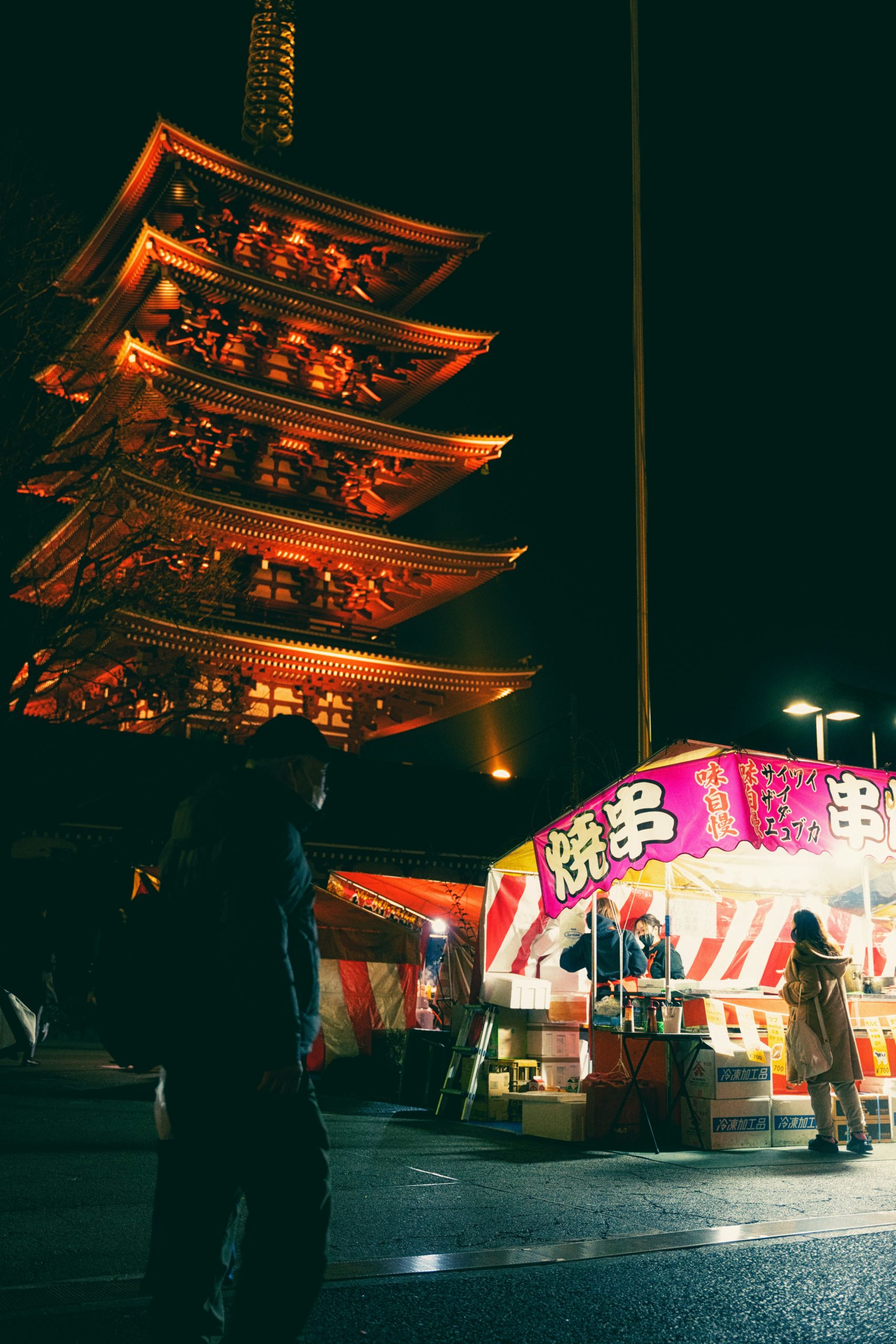
Traditional Events in Kyoto Where You Can Wear Kimono
A Complete Guide to Japan’s Cultural Celebrations
Introduction: Embracing Kyoto’s Timeless Traditions
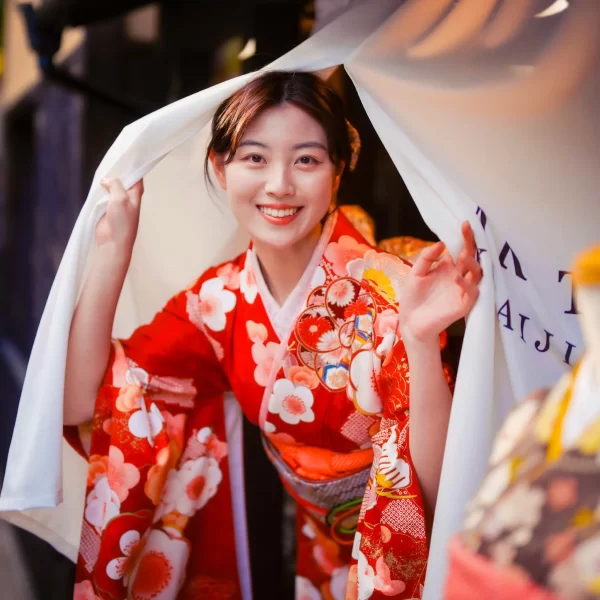
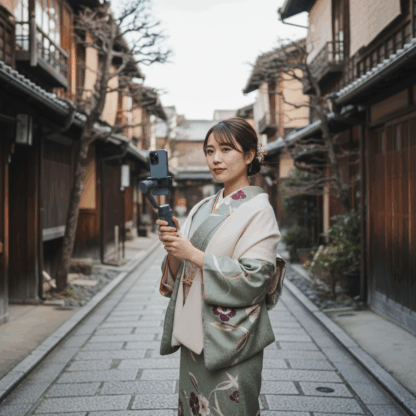
Kyoto, Japan’s former imperial capital, stands as a living testament to centuries of preserved culture and tradition. Unlike the bustling modernity of other Japanese cities, Kyoto maintains its historical charm through countless traditional events where wearing a kimono isn’t just welcomed—it’s celebrated. These cultural celebrations offer visitors and locals alike the opportunity to step into Japan’s rich heritage while creating stunning photographic memories.
Whether you’re planning a special cultural experience or seeking the perfect backdrop for professional photography, Kyoto’s traditional events provide unparalleled opportunities to immerse yourself in authentic Japanese culture. From ancient festivals dating back over a thousand years to seasonal celebrations that mark the changing of Japan’s distinct seasons, each event offers unique experiences where kimono wearing enhances the cultural authenticity.
Ready to capture these magical moments? Professional photography services can help you preserve these once-in-a-lifetime experiences. Book your kimono photoshoot in Kyoto to create lasting memories of your cultural journey.
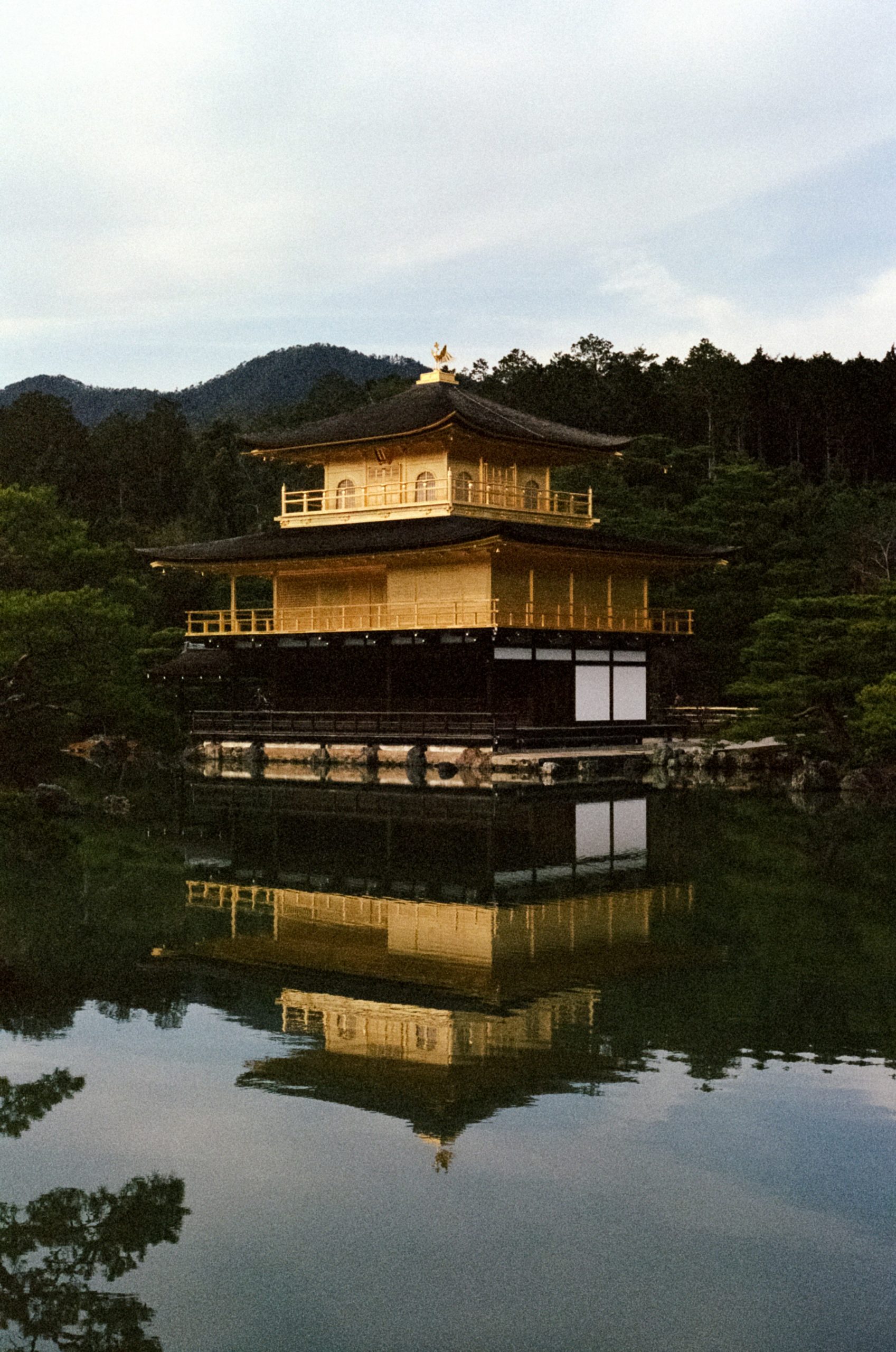
The Cultural Significance of Kimono in Kyoto’s Traditions
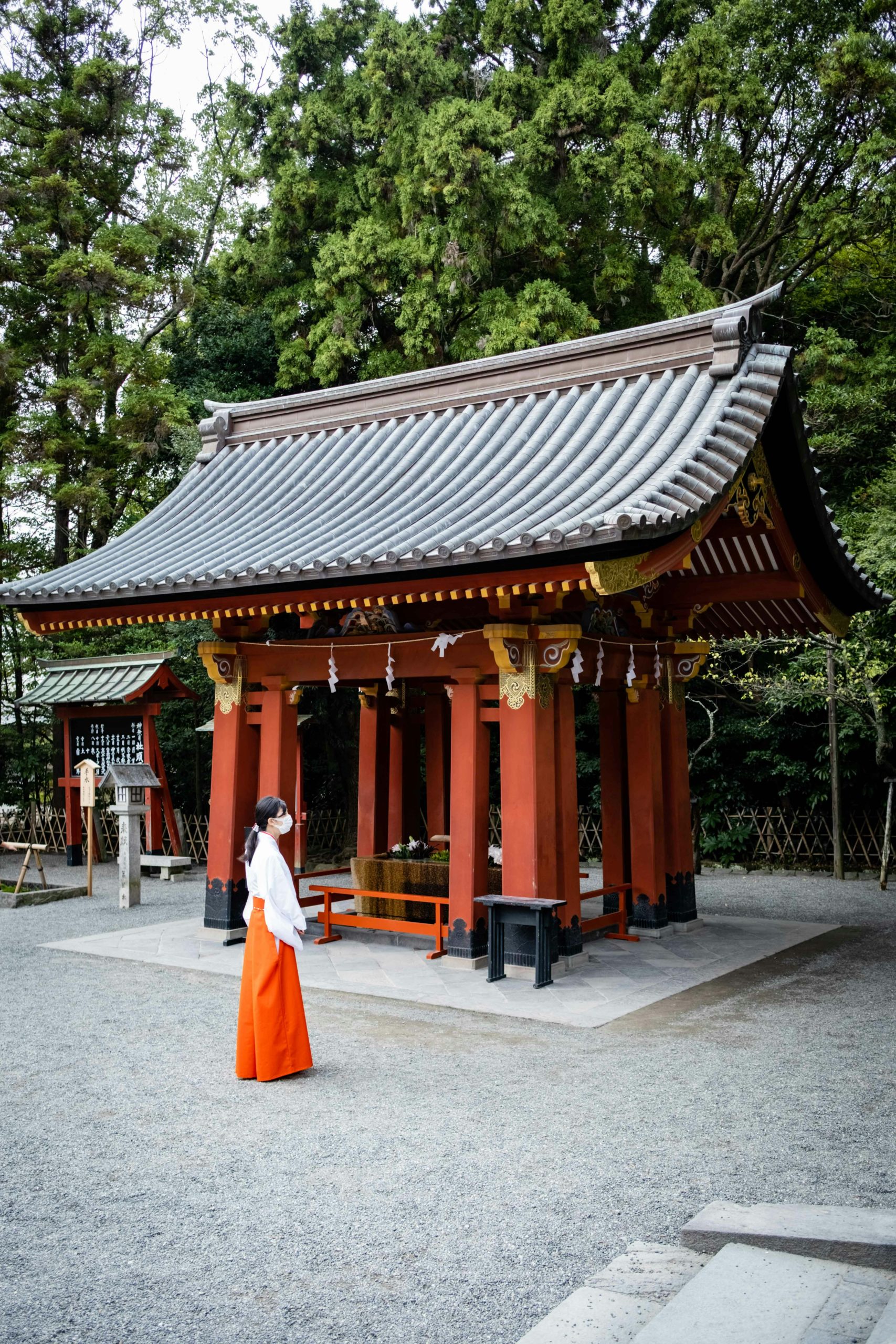
Understanding Kimono Etiquette at Traditional Events
Wearing kimono at Kyoto’s traditional events requires understanding proper etiquette and cultural respect. The kimono represents more than clothing—it embodies Japanese aesthetics, seasonal awareness, and social harmony. During traditional events, specific kimono styles, colors, and patterns hold deep cultural meanings that enhance the ceremonial experience.
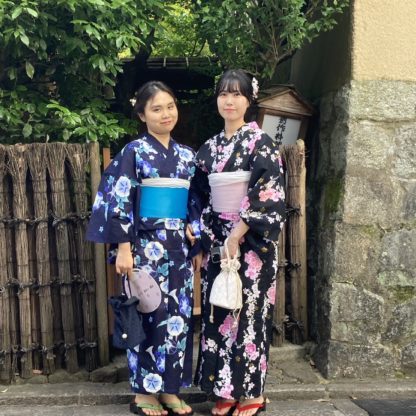
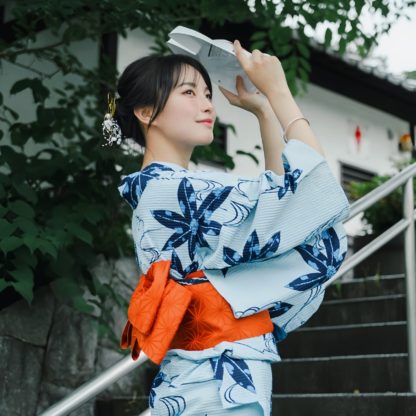
The art of kimono selection varies significantly between events. Spring festivals call for lighter fabrics with cherry blossom motifs, while autumn celebrations favor deeper colors reflecting changing leaves. Winter ceremonies often showcase formal black kimono with family crests, whereas summer festivals embrace yukata—lighter cotton alternatives perfect for warm weather celebrations.
Historical Context of Kyoto’s Festival Culture
Kyoto’s festival culture spans over 1,200 years, with many events originating during the Heian period (794-1185). These celebrations were originally court ceremonies that gradually evolved into community-wide festivals. The imperial court’s influence on Kyoto’s cultural development created sophisticated aesthetic standards that continue to define proper kimono wearing at traditional events.
Spring Events: Cherry Blossom Season Celebrations
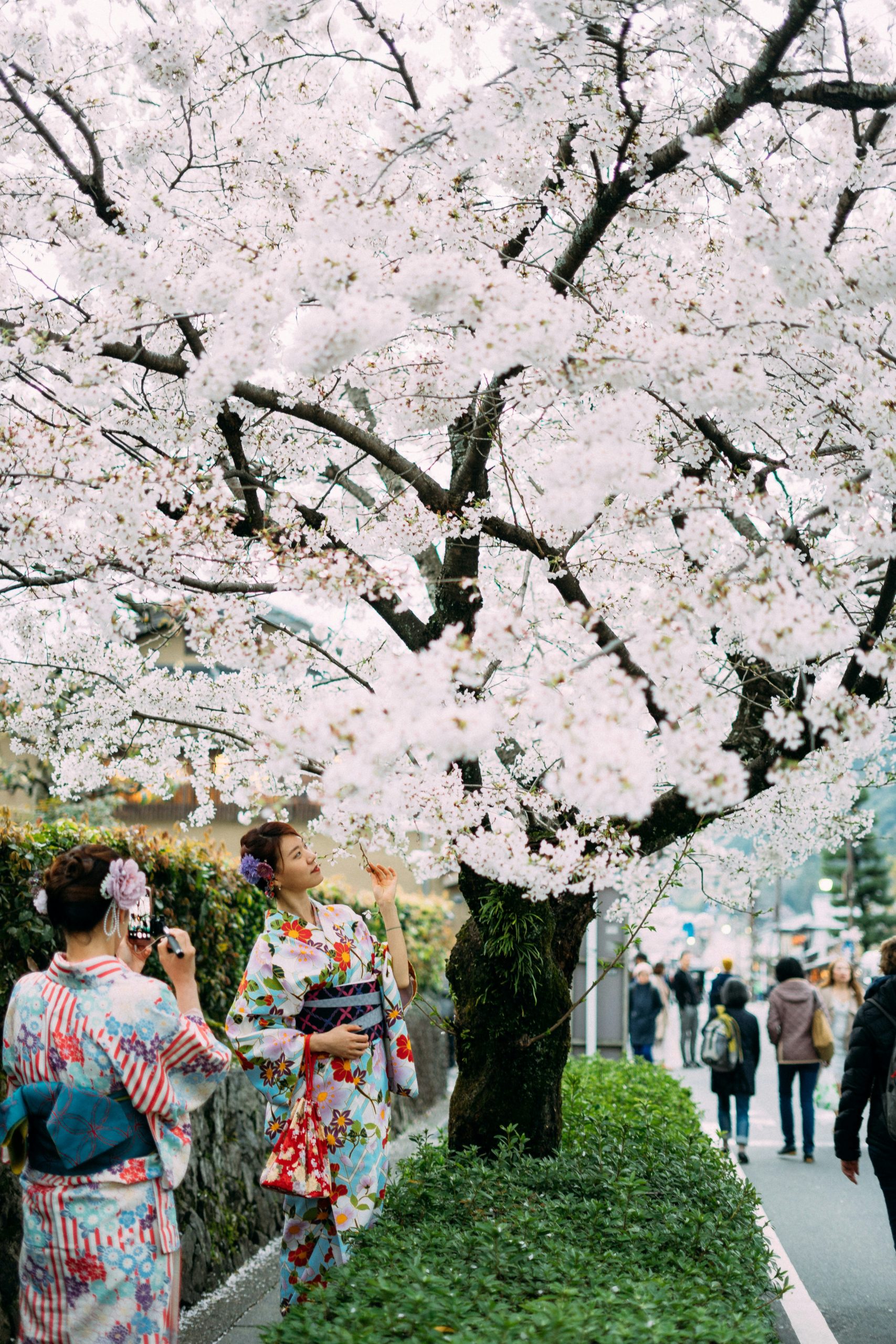
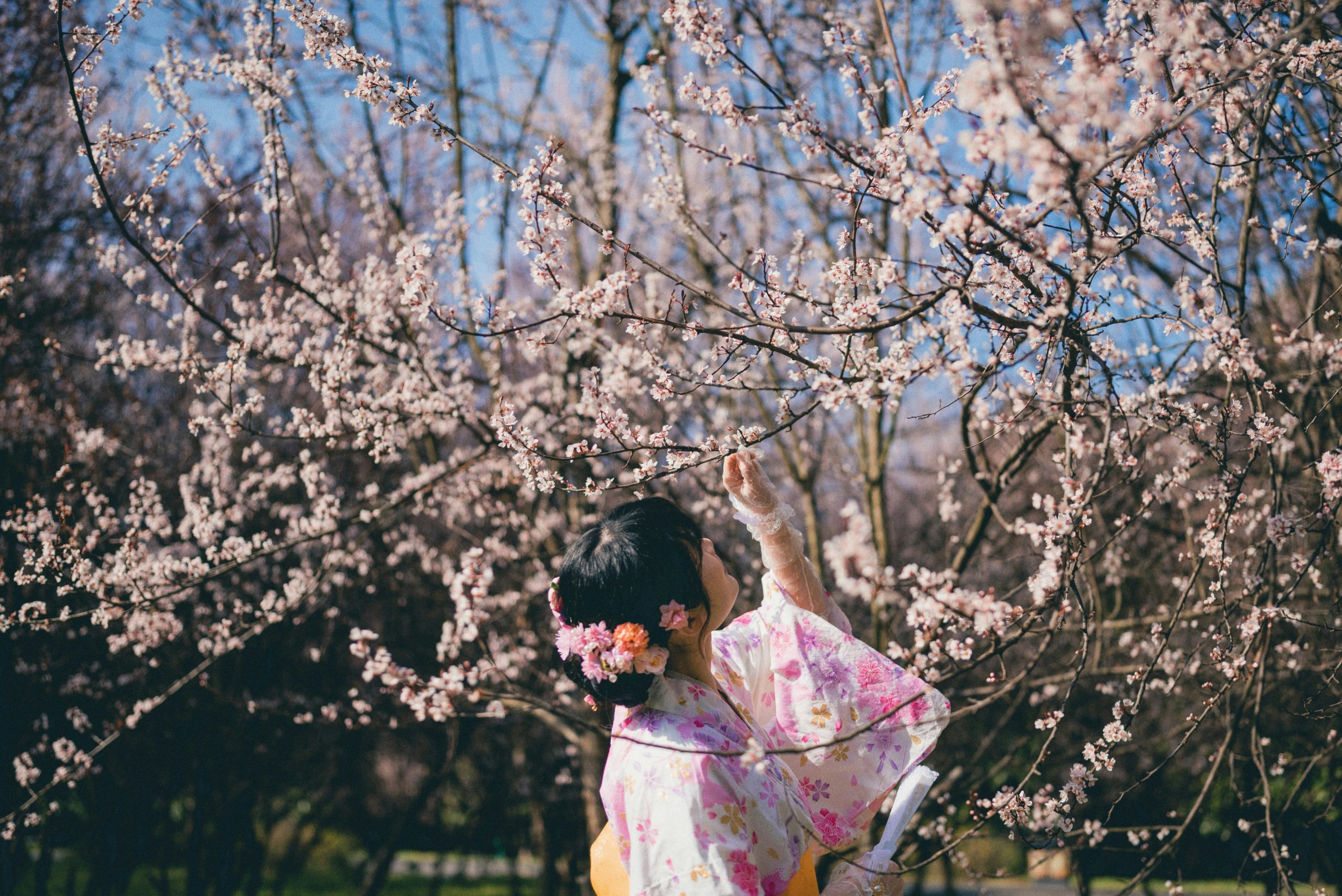
Hanami Festivals and Kimono Traditions
Spring in Kyoto brings the world-famous cherry blossom season, creating perfect opportunities for kimono wearing at hanami (flower viewing) celebrations. The most spectacular hanami events occur in Kyoto’s historic parks and temple grounds, where centuries-old cherry trees create breathtaking backdrops for traditional dress.
Philosopher’s Path Hanami transforms this famous walking route into a pink tunnel of cherry blossoms. Wearing pale pink or white kimono with subtle floral patterns perfectly complements the natural beauty. The path connects several temples, offering multiple opportunities for cultural photography and peaceful contemplation.
Maruyama Park Celebrations represent Kyoto’s most popular hanami destination. This public park becomes a festival ground where families and friends gather for traditional picnics under blooming trees. Kimono wearers blend seamlessly into this cultural tapestry, creating authentic scenes of Japanese springtime celebration.
Miyako Odori: The Cherry Blossom Dance
The Miyako Odori, performed by Kyoto’s famous geiko and maiko, represents one of Japan’s most prestigious cultural performances. While audience members don’t typically wear kimono, this event showcases the highest levels of traditional Japanese artistry. The performances occur in April at the Gion Corner, featuring elaborate kimono, traditional music, and classical dance.
Aoi Matsuri: The Hollyhock Festival
Aoi Matsuri, held annually on May 15th, represents one of Kyoto’s three most important festivals. This imperial procession recreates Heian period court ceremonies, featuring participants in authentic period costumes. While casual observers typically wear modern clothing, some special viewing areas welcome traditionally dressed guests.
Summer Events: Festival Season in Full Bloom
Gion Matsuri: Kyoto’s Premier Summer Festival
Gion Matsuri stands as Japan’s most famous festival, spanning the entire month of July with various events and celebrations. This thousand-year-old festival offers multiple opportunities for kimono wearing, from formal ceremonies to street celebrations. The festival’s highlight occurs during the Yamaboko Junko procession on July 17th and 24th, featuring massive decorated floats parading through central Kyoto.
Street Food and Evening Celebrations during Gion Matsuri create perfect atmospheres for yukata wearing. The lighter summer kimono allows comfortable participation in evening festivities while maintaining cultural authenticity. Local restaurants and shops often offer special festival menus, creating comprehensive cultural experiences.
Traditional Music and Dance Performances occur throughout the festival month at various temples and public spaces. These intimate performances welcome kimono-wearing audiences, creating opportunities for cultural photography and authentic Japanese entertainment experiences.
Tanabata Festivals
Kyoto celebrates Tanabata (Star Festival) on July 7th with various temple and shrine events featuring traditional decorations and ceremonies. This romantic festival creates magical atmospheres perfect for couples’ kimono photography.
Gozan no Okuribi
August 16th brings Gozan no Okuribi, where giant bonfires burn on mountains surrounding Kyoto to guide ancestral spirits back to the afterlife. Many participants wear subdued kimono colors appropriate for this spiritual event.
Summer Illuminations
Multiple temples and gardens offer special evening illuminations during summer months, extending cultural photography opportunities beyond daylight hours with kimono creating elegant evening scenes.
Autumn Events: Celebrating the Changing Seasons
Maple Leaf Festivals and Autumn Colors
Kyoto’s autumn festivals celebrate the spectacular changing of maple leaves, creating perfect backdrops for kimono photography. The deep reds, oranges, and yellows of autumn foliage complement rich kimono colors traditionally worn during this season. Multiple temples and gardens host special autumn illumination events extending viewing opportunities into evening hours.
Tofuku-ji Temple offers one of Kyoto’s most spectacular autumn displays, with bridges spanning valleys filled with colorful maple trees. The temple’s traditional architecture combined with natural beauty creates ideal settings for formal kimono photography.
Philosopher’s Path in Autumn transforms from spring’s pink cherry blossom tunnel into a golden corridor of maple leaves. The path’s temple connections provide multiple cultural photography locations where traditional dress enhances the seasonal beauty.
Shichi-Go-San Celebrations
November brings Shichi-Go-San, a traditional ceremony celebrating children’s growth and health. Families dress children in formal kimono for temple visits and photography sessions. While primarily focused on children, this event showcases beautiful family kimono coordination and traditional photography opportunities.
Adult family members often wear complementary formal kimono, creating opportunities for multi-generational cultural photography. Professional photographers frequently offer special Shichi-Go-San packages during this season.
Jidai Matsuri: Festival of the Ages
October 22nd features Jidai Matsuri, a historical parade showcasing different periods of Japanese history through authentic costumes and ceremonies. This educational festival demonstrates the evolution of Japanese dress, including various kimono styles from different historical periods.
The parade route passes through central Kyoto, providing opportunities to see historical accuracy in traditional dress while wearing your own kimono among appreciative audiences.
Winter Events: Serene Beauty and New Year Celebrations
New Year Temple Visits and Kimono Traditions
Hatsumode, the first temple or shrine visit of the new year, represents one of Japan’s most important cultural traditions. Many people wear their finest kimono for these visits, creating spectacular scenes of traditional dress against winter temple settings. The formal nature of New Year celebrations calls for elegant kimono choices with auspicious patterns and colors.
Fushimi Inari Shrine attracts millions of New Year visitors, creating vibrant crowds where kimono wearers participate in authentic Japanese traditions. The shrine’s famous torii gates provide stunning backdrops for traditional dress photography throughout the winter season.
Kiyomizu-dera Temple offers special New Year ceremonies where formal kimono wearing enhances the spiritual atmosphere. The temple’s elevated position provides panoramic views of Kyoto, combining cultural traditions with scenic beauty.
Setsubun: Bean Throwing Festivals
Early February brings Setsubun celebrations, marking the transition from winter to spring according to the traditional Japanese calendar. Temples throughout Kyoto host bean-throwing ceremonies believed to drive away evil spirits and welcome good fortune.
Winter Illuminations
Kyoto’s winter illumination events create magical atmospheres where kimono wearing adds elegance to evening celebrations. These modern additions to traditional calendar complement historical festivals while providing contemporary cultural experiences.
Evening Events
Multiple gardens and temples offer special evening illuminations during winter months, extending cultural photography opportunities beyond daylight hours. The combination of traditional architecture, seasonal lighting, and kimono creates unique photographic possibilities.
Essential Tips for Kimono Wearing at Traditional Events
Choosing Appropriate Kimono Styles
Selecting proper kimono for traditional events requires understanding seasonal appropriateness, event formality, and personal comfort levels. Spring events call for lighter colors and floral patterns, while autumn celebrations favor deeper tones reflecting changing leaves. Winter formal events often require darker colors with sophisticated patterns.
Fabric Selection impacts both comfort and cultural appropriateness. Silk kimono provide formal elegance suitable for ceremonial events, while cotton yukata offer comfortable options for summer festivals.
Practical Considerations for Event Participation
Wearing kimono at traditional events requires practical planning to ensure comfort and cultural appropriateness. Professional kimono dressing services throughout Kyoto offer styling assistance, proper fitting, and cultural guidance for first-time wearers.
Footwear Selection significantly impacts your comfort during long events. Traditional geta or zori provide authentic appearances but require practice for comfortable walking.
Photography Etiquette at Cultural Events
Understanding photography etiquette at traditional events ensures respectful participation while capturing memorable images. Many events welcome photography but require discretion during ceremonial moments. Professional photographers familiar with cultural protocols can provide guidance while capturing spectacular images.
Temple and Shrine Guidelines vary significantly between locations and events. Some areas prohibit photography during ceremonies, while others welcome visitors to document their cultural experiences. Researching specific guidelines before events prevents cultural missteps while maximizing photography opportunities.
Professional Photography Services for Cultural Events
Capturing Authentic Cultural Moments
Professional photography services specializing in cultural events understand the significance of traditional dress within historical contexts. These photographers combine technical expertise with cultural knowledge to create images that respectfully document authentic Japanese experiences while showcasing kimono beauty against appropriate backdrops.
Pre-Event Consultation helps coordinate kimono selection, event timing, and photography goals to maximize cultural authenticity and visual impact. Professional photographers familiar with Kyoto’s traditional events can recommend optimal locations, timing, and cultural protocols for spectacular results.
Creating Lasting Memories
Traditional events provide once-in-a-lifetime opportunities to participate in authentic Japanese culture while wearing historically significant dress. Professional photography services help preserve these meaningful experiences.
Album Creation Services
Compile your cultural event photography into professionally designed collections suitable for sharing with family and friends. These curated albums tell the story of your cultural journey.
Digital Gallery Options
Provide convenient access to high-resolution images suitable for social media sharing, personal printing, or professional display. These services ensure lasting value and convenient access.
Ready to document your kimono experience at Kyoto’s traditional events? Professional photography services can help you capture these meaningful cultural moments with expert knowledge of local traditions and optimal locations.
Planning Your Cultural Event Experience
Seasonal Event Calendar
Planning kimono experiences around Kyoto’s traditional events requires understanding seasonal schedules and cultural significance. Each season offers unique festivals and celebrations where traditional dress enhances cultural authenticity while providing spectacular photography opportunities.
Cultural Preparation and Etiquette
Understanding basic cultural etiquette enhances your participation in traditional events while ensuring respectful interaction with local customs and practitioners. Simple preparation steps help you navigate cultural situations with confidence while maximizing your authentic Japanese experience.
Language Preparation
Basic respectful greetings and expressions of appreciation enhance cultural interactions.
Cultural Context Research
Enriches understanding of event significance and provides conversation topics.
Budget Considerations and Value
Participating in traditional events while wearing kimono involves various cost considerations from rental fees to photography services. Understanding value propositions helps you make informed decisions while maximizing your cultural experience investment.
Kimono Rental Services offer various price points depending on quality levels, styling services, and accessory inclusions. Professional services often provide better value through complete packages including dressing assistance, accessories, and cultural guidance. Photography Investment preserves your cultural experience through professional documentation suitable for lifetime enjoyment.
Conclusion: Embracing Kyoto’s Living Culture
Kyoto’s traditional events offer unparalleled opportunities to participate in authentic Japanese culture while wearing historically significant traditional dress. These celebrations connect participants to centuries of cultural development while creating contemporary memories worthy of professional documentation.
From spring cherry blossom festivals to winter New Year ceremonies, each season provides unique cultural experiences where kimono wearing enhances authenticity while creating spectacular photography opportunities. Understanding cultural significance, proper etiquette, and practical considerations ensures meaningful participation while respecting traditional customs.
Professional photography services familiar with cultural protocols can help document these significant experiences, preserving meaningful moments while showcasing the beauty of traditional Japanese celebrations. Whether participating in ancient festivals or seasonal celebrations, wearing kimono at Kyoto’s traditional events creates lasting connections to Japan’s living cultural heritage.
Begin your cultural journey today. Professional kimono photography services await to help you create lasting memories of Kyoto’s magnificent traditional celebrations, ensuring your cultural experience is preserved with expert knowledge of local customs and optimal photographic techniques.