The Ultimate Kyoto Family Photo Guide for Your 2026 Japan Trip
The Ultimate Kyoto Family Photo Guide for Your 2026 Japan Trip
Meta Description: Discover the best photography tips, locations, and kimono experiences for families visiting Kyoto in 2026. Complete guide to capturing perfect family memories.
Introduction
Kyoto represents one of Japan’s most photogenic destinations, offering families an extraordinary opportunity to capture memories against backdrops of ancient temples, serene gardens, and authentic cultural landscapes. For families planning their 2026 Japan trip, Kyoto presents a unique challenge—how to photograph your family in ways that authentically capture both the destination’s beauty and the genuine joy of shared experiences. The challenge intensifies when you want photographs that transcend typical tourist snapshots, creating images that tell stories about your family’s cultural engagement and the meaningful connections formed during your journey.
Photography during family travel serves multiple purposes simultaneously. It documents moments that become family touchstones—the places you’ll reference in conversation for years afterward, the experiences that defined your children’s understanding of global diversity, the occasions when your family operated as a unified team exploring unfamiliar territory together. Quality family photographs transform travel experiences into tangible legacies, providing visual anchors for memories that naturally fade with time.
Kyoto offers exceptional family photography opportunities specifically because the city maintains authentic cultural practices alongside welcoming infrastructure for international visitors. Unlike some heritage destinations that feel frozen in time or overly commercialized, Kyoto strikes a balance where genuine cultural experiences and family-friendly services coexist naturally. When your family wears traditional kimono while exploring temples, participates in tea ceremonies, or captures candid moments in historic districts, you’re not just taking photographs—you’re creating documentation of meaningful cultural participation that distinguishes your family travel experience from countless other global destinations.
This comprehensive guide addresses the complete family photography experience in Kyoto, from practical technical considerations through location scouting, timing strategies, and cultural integration approaches that transform ordinary family vacation photographs into genuinely exceptional documentation of shared memories.
Understanding Family Photography in Cultural Destinations
Successfully photographing your family in Kyoto begins with recognizing how cultural destinations present distinct photographic challenges and opportunities compared to typical family vacation environments.
The Unique Dynamics of Cultural Photography
When families visit beaches or theme parks, photography typically focuses on people enjoying specific activities in familiar contexts. Cultural destinations like Kyoto introduce photographic complexity—how do you photograph your family authentically engaging with cultural practices without appearing as external observers imposing modern behavior patterns onto ancient spaces? How do you capture genuine joy and connection while maintaining appropriate respect for sacred and historically significant environments?
These tensions don’t constitute problems requiring resolution but rather tensions requiring skillful navigation. The most compelling family photographs from cultural travel document the intersection between your family’s modern identity and the destination’s cultural traditions—moments where genuine engagement, appropriate respect, and authentic joy converge visually.
The Value of Professional Guidance and Services
Many families approach travel photography with smartphone cameras and limited technical knowledge, capturing serviceable records of locations visited without necessarily creating photographs worthy of repeated viewing or meaningful display. Professional photography services offer distinct advantages—photographers possess technical expertise, cultural knowledge, understanding of optimal timing and positioning, and most importantly, the ability to photograph your family together rather than requiring one family member to act as photographer while others appear in images.
Professional services particularly enhance family experiences at cultural destinations because photographers understand how to position families within significant spaces respectfully while creating visually striking compositions. They recognize optimal lighting conditions transforming ordinary locations into dramatically beautiful backdrops, understand how to guide families toward authentic positioning rather than forced tourist poses, and possess knowledge of lesser-known photography locations that balance visual beauty with reduced crowd pressure.
Kimono as Photography Enhancement
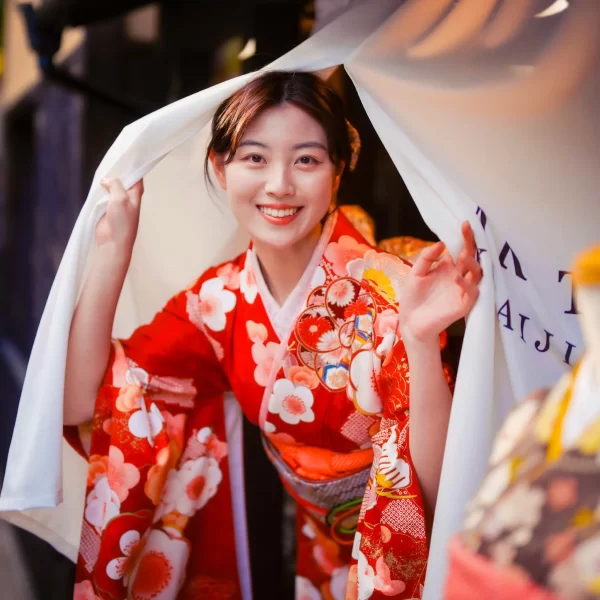
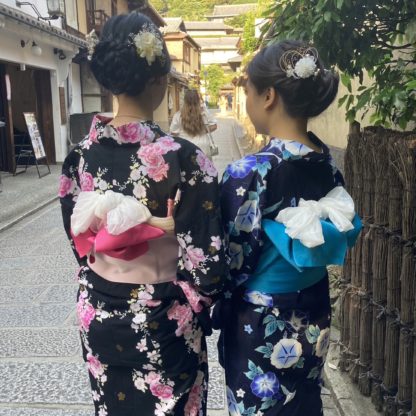
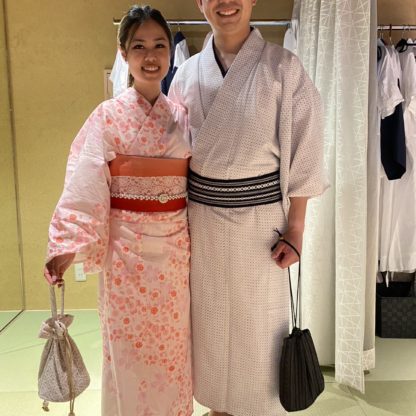
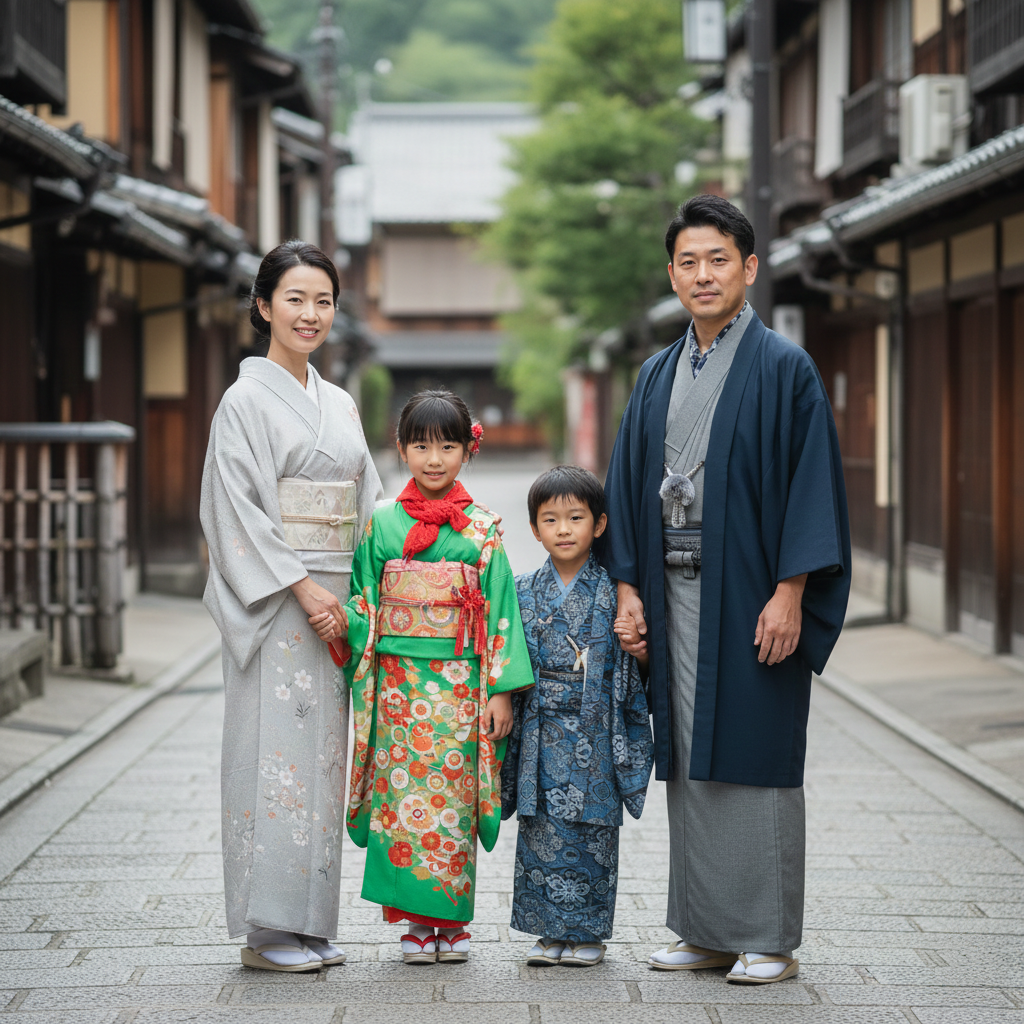
For families seeking to maximize photographic authenticity and visual impact during Kyoto visits, wearing traditional kimono represents a powerful decision. Rather than photographing your family in contemporary clothing against ancient temples, which creates visual discord between your appearance and the environment, kimono aligns your family’s appearance with the destination’s aesthetic context. The garment transformation becomes photographic enhancement—your children in colorful yukata or your parents in elegant semi-formal kimono create more visually harmonious compositions within temple environments than modern vacation clothing would produce.
Additionally, kimono-wearing changes how your family moves through Kyoto physically. The restrictive yet graceful nature of traditional dress naturally encourages slower pacing, more deliberate positioning, and greater physical awareness—qualities that directly enhance photograph quality by eliminating rushed, awkward positioning and creating more composed, intentional visual presence.
Planning Your Family Photography Trip: Timeline and Logistics
Successful family photography experiences result from deliberate planning addressing timing, logistics, and realistic expectations about family participation across different ages.
Seasonal Considerations for Family Photography
Kyoto’s photographic qualities vary dramatically across seasons, each offering distinct advantages and challenges for family travel and photography.
Spring Photography: Cherry Blossoms and Renewal
Spring’s cherry blossoms represent Kyoto’s most famous photographic backdrop. Soft pink and white blossoms frame temples, gardens, and pathways, creating naturally beautiful compositions that enhance family photographs. The moderate temperatures support comfortable extended outdoor time for families with young children.
However, cherry blossom season coincides with peak tourism, creating significant crowd challenges. Famous photography locations become overwhelmingly crowded, limiting opportunities for family photographs without dozens of strangers visible in backgrounds. Early morning visits (before 7 AM) provide access to less crowded conditions, though requiring coordinated early family wake-ups.
Spring’s unpredictable weather means carrying backup plans—sudden rain showers can interrupt photography sessions and require flexibility regarding indoor alternatives.
Summer Photography: Verdancy and Extended Light
Summer’s extended daylight hours (sunrise around 4:30 AM, sunset after 7 PM) provide flexibility for scheduling family activities and photography around preferred conditions. Lush green foliage creates rich, saturated color palettes distinct from other seasons.
However, summer heat presents significant family challenges. Temperatures frequently exceed 85°F (29°C) with high humidity, making extended outdoor photography uncomfortable for young children. Wearing traditional kimono in summer heat compounds thermal stress. Late afternoon photography sessions followed by rest periods provide a practical balance.
Autumn Photography: Optimal Conditions
Many photographers and families consider autumn the optimal season for Kyoto photography. Maple and ginkgo trees display fiery reds, golds, and oranges creating stunning natural color combinations. Temperatures remain comfortable (60-75°F / 15-24°C) for extended outdoor family time. Clear autumn light creates superior photography conditions compared to summer’s hazy humidity.
The tradeoff involves dealing with peak-season crowds rivaling spring cherry blossom season. Strategic early morning or late afternoon timing helps minimize crowd pressure.
Winter Photography: Solitude and Stark Beauty
Winter offers exceptional rewards for families seeking less crowded experiences. Bare branches reveal architectural details and sight lines hidden during growing seasons. Snow occasionally graces temples, creating ethereal landscape transformations. Clear winter light creates dramatic shadows and highlights.
Families must manage cold temperatures, particularly when wearing traditional dress. Young children may struggle with cold exposure during extended outdoor photography sessions. However, quieter temple grounds and opportunities for peaceful family exploration create profound photographic and emotional experiences.
Age-Appropriate Planning for Your Family
Different family compositions and children’s ages present distinct planning considerations for successful photography experiences.
Families with Young Children (Under Age 5)
Young children have limited attention spans and specific comfort requirements that influence photography planning. Rather than attempting extended photography sessions, plan multiple shorter experiences throughout your trip. A 30-minute morning photograph session followed by rest and other activities often produces more authentic images than forcing exhausted toddlers through lengthy photography attempts.
Wear comfortable clothing that transitions between photography and general sightseeing. Many young children resist wearing unfamiliar garments like kimono for extended periods—attempting partial-day kimono wear (perhaps 1-2 hours for professional photography) followed by changing into comfortable clothing may provide better results than insisting on full-day traditional dress.
Schedule photography during your child’s optimal energy times—typically mid-morning or late afternoon rather than demanding photography during typical nap windows or late evening when children feel fatigued.
Families with School-Age Children (Ages 5-12)
School-age children typically manage longer photography sessions and often engage enthusiastically with cultural dress and temple environments. They can understand simple explanations about cultural significance and photographic positioning, making them more cooperative participants in family photography plans.
Consider dedicating specific days to photography-focused activities—perhaps one or two full days incorporating professional photography services, temple visits in kimono, and photography-specific location scouting. Balance these focused days with other activities less centered on photography, preventing “photography fatigue” that discourages genuine engagement.
Families with Teenagers
Teenagers present distinct opportunities and challenges for photography. They typically possess greater physical stamina and cultural curiosity, potentially serving as enthusiastic participants in extended photography adventures. However, self-consciousness about appearance and reluctance to participate in culturally unfamiliar activities sometimes emerge.
Involving teenagers in photography planning—allowing them to suggest locations, express preferences regarding clothing choices, and participate in photography decisions rather than imposing participation—typically increases engagement and results in more authentic photographs reflecting genuine teenage presence rather than obligatory compliance.
Premier Family Photography Locations in Kyoto
Successfully photographing your family in Kyoto requires understanding which locations offer distinct photographic qualities, optimal timing, and varying crowd dynamics.
Kiyomizu-dera Temple: Iconic Architecture and City Vistas
Kiyomizu-dera stands among Kyoto’s most photographed locations for compelling reasons—the distinctive wooden main hall appears to float on the hillside, creating visually arresting compositions. The elevated position provides expansive city vistas visible from multiple vantage points, allowing families to photograph themselves with Kyoto’s urban landscape extending behind them.
For family photography, arrive early (7-8 AM) to access less crowded conditions and optimal golden-hour lighting. Position your family on the distinctive wooden platform for classic compositions, but also explore surrounding pathways and smaller shrine structures for varied photograph compositions. The extensive gardens provide intimate family photography opportunities away from crowds.
Professional photography services excel at Kiyomizu-dera due to the location’s diverse photography possibilities and dramatic visual backdrop. A two-hour professional session captures multiple photograph compositions ranging from iconic temple views to intimate family moments throughout the extensive grounds.
Arashiyama Bamboo Grove: Natural Wonder and Atmospheric Beauty
The famous bamboo grove creates instantly recognizable backgrounds that photograph beautifully regardless of technical skill level. The towering green stalks create natural framing for family photographs, and the pathway’s confined width creates compositional simplicity.
However, the bamboo grove attracts enormous crowds throughout the day. Very early visits (before 6:30 AM) provide nearly crowd-free access—arriving at opening time creates an entirely different experience compared to visiting even 90 minutes later. Alternatively, visiting late afternoon (after 5 PM) provides reduced crowds with different lighting qualities.
The bamboo grove alone typically occupies 20-30 minutes of photography time. Combine it with nearby Togetsukyo Bridge, Tenryu-ji Temple, and riverside pathways for a complete Arashiyama photography experience.
Fushimi Inari Shrine: Iconic Torii Gates and Spiritual Exploration
Fushimi Inari’s thousands of vermillion torii gates create instantly distinctive photographic backdrops unmistakable worldwide. Families photograph beautifully positioned between and beneath the iconic gates, creating visually dramatic compositions.
The main pathway near the entrance attracts crowds similar to the Arashiyama bamboo grove. However, Fushimi Inari extends across extensive hillside territory—adventurous families willing to climb uphill for 30-45 minutes discover increasingly less-crowded areas with equally beautiful photography opportunities. The elevated pathways also offer bird’s-eye photography perspectives of Kyoto’s landscape.
Plan 2-3 hours for complete Fushimi Inari exploration and photography. Wear comfortable walking shoes suitable for hillside navigation. Consider visiting early morning or late afternoon to avoid peak crowds and heat exposure.
Gion District: Authentic Architecture and Cultural Atmosphere
Gion represents Kyoto’s most atmospheric geisha district, featuring traditional wooden machiya houses lining narrow streets. The district’s authentic cultural character creates distinctive photographic context—your family photographed among preserved architecture feels genuinely connected to Kyoto’s cultural heritage.
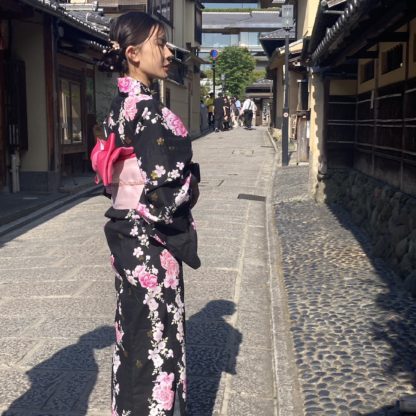
Gion works particularly well for photography when your family wears kimono—the traditional dress harmonizes naturally with the district’s preserved aesthetic. Hanamikoji Street and Ichinensaka Street offer particularly photogenic pathways with reduced commercial development.
Gion’s charm comes partly from avoiding overcrowded tourist areas. Wander secondary streets and passageways rather than remaining on main pathways. Late afternoon light (4-6 PM) creates particularly beautiful street photography conditions with angled light creating dramatic shadows and highlights.
Philosopher’s Path: Contemplative Walks and Seasonal Beauty
The Philosopher’s Path—a gentle 1.2-mile (2-km) canal-side walkway connecting two temples—offers exceptional family photography opportunities without the overwhelming crowds characterizing more famous locations. Cherry blossoms frame the path in spring, autumn foliage creates stunning backgrounds in fall, and the peaceful atmosphere encourages authentic family interaction.
The path’s length allows families to walk at their own pace, discovering favorite photography locations organically rather than rushing between predetermined spots. Small bridges crossing the canal provide natural compositional framing, and temple entrances along the route offer varied architectural backdrops.
The Philosopher’s Path works particularly well for candid family photography capturing genuine movement and interaction rather than posed compositions. Professional photographers excel at capturing authentic moments as families walk and explore together.
Professional Photography Services and Kimono Experiences
Integrating professional photography with traditional dress experiences amplifies the authenticity and visual quality of your family’s Kyoto photographs.
Combining Kimono Rental with Photography Services
The most comprehensive family photography experiences coordinate kimono rental with professional photography. This integration begins with consulting regarding which kimono styles suit your family members across different ages and sizes. Professional rental services possess expertise fitting diverse body types, ensuring children wear appropriately-sized garments and parents achieve flattering fits that enhance photographs.
The styling process becomes part of the memory creation—children often feel delighted witnessing their gradual transformation into traditional dress, experiencing the sensory differences between modern clothing and traditional garments. Parents often comment that the deliberate preparation process shifts their psychological relationship to the trip, creating a sense of occasion and intentionality that casual modern-clothing photography lacks.
Once dressed in coordinated kimono, your family naturally moves differently through temple spaces. The restricted yet graceful movement encouraged by traditional dress creates visual presence distinctly different from casual tourist photography. Professional photographers capture this transformed presence, documenting your family’s temporary engagement with traditional aesthetics.
Professional Photography Session Structure
Quality photography services typically structure family sessions to capture diverse photographic content. An initial session phase photographs your family at iconic locations during optimal lighting. A second phase focuses on candid moments—walking through temples together, interacting with each other, responding authentically to surroundings rather than posing for cameras. A third phase explores secondary locations away from crowds, discovering more intimate photography opportunities.
This varied approach ensures your final photograph collection balances iconic images (family positioned at famous temple locations), intimate moments (authentic connection and joy captured naturally), and unexpected discoveries (beautiful secondary locations your family discovered together).
Timing Professional Photography Sessions
Professional photographers excel at understanding optimal timing for different locations. Early morning sessions capture dramatic golden-hour light at temple entrances and architectural features. Mid-morning sessions work well for shade-dependent locations where harsh midday shadows prove problematic. Late afternoon sessions leverage golden-hour light returning as the sun descends toward the horizon.
For families, scheduling professional photography during your optimal family energy times ensures enthusiastic, authentic participation. Many families benefit from morning photography sessions (8-11 AM) when everyone feels fresh, followed by lunch breaks and rest periods before afternoon sightseeing.
Customizing Photography Services for Family Needs
Quality photography services adapt their approach to family-specific needs. Families with young children may schedule shorter sessions (60-90 minutes) capturing essential photograph moments without overwhelming tired toddlers. Families with older children comfortable with extended time outdoors might book 3-4 hour sessions exploring multiple locations.
Discuss specific moments or locations your family wants prioritized. If your children are particularly interested in specific temples or locations, professional photographers can incorporate these into session planning. If capturing authentic candid moments feels more important than posed compositions, photographers adjust their approach accordingly.
Kimono Selection for Family Photography
Choosing appropriate kimono for family members across different ages and sizes involves understanding available options and considering both aesthetic and practical factors.
Yukata vs. Kimono for Family Wear
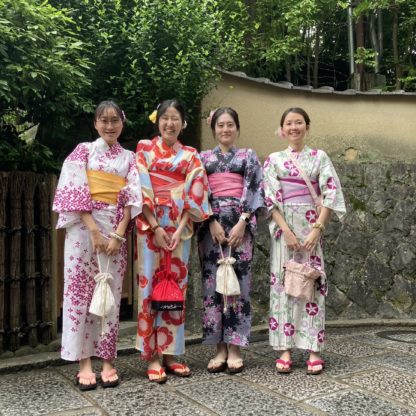
Yukata represents the most accessible kimono option for families. These casual summer garments feature simplified construction, easier wearing procedures, and lighter fabric weights compared to formal kimono. Yukata come in diverse colors, patterns, and sizes accommodating children through adults. The casual aesthetic works appropriately for temple exploration and general sightseeing.
More formal kimono options (semi-formal or ceremonial) require more complex wearing procedures, involve heavier fabrics less comfortable for extended wear, and may feel overly formal for casual temple visiting. For most family experiences, yukata provides the optimal balance between authenticity, comfort, and practical manageability.
Color Coordination for Family Groups
Coordinating family members’ kimono colors creates visual family unity while allowing individual expression. Several approaches work effectively:
Complementary Color Families: Each family member wears different colors from the same color family (different blues, multiple jewel tones, various earth tones). This creates visual cohesion while allowing distinct individual expression.
Coordinated Patterns: Family members wear matching patterns in different colors—identical geometric designs or seasonal motifs rendered in contrasting colors create visual harmony without appearing artificially uniform.
Thematic Coordination: Choose colors and patterns reflecting seasonal themes or cultural significance—perhaps autumn colors and maple leaf patterns during fall visits, or cherry blossom designs during spring.
Individual Expression: Allow older children and teens to select colors reflecting personal preferences rather than enforcing family-wide coordination. Individual expression often creates more authentic family photographs than forced matching.
Size and Fit Considerations Across Age Groups
Yukata sizing accommodates children effectively—smaller garments designed for younger wearers typically fit children ages 4-5 and older comfortably. Children younger than approximately four years old may find standard yukata challenging due to sizing constraints and wearing complexity.
Professional rental services excel at working with diverse family body types and ages. They understand which styles flatter different builds and possess expertise ensuring each family member feels comfortable and confident in their garment. This attention to fit significantly impacts photograph quality—comfortable, confident family members project more authentic presence in photographs than those struggling with uncomfortable or poorly-fitted garments.
Technical Photography Tips for Family Documentation
Successfully capturing family photographs in Kyoto involves applying technical photography principles adapted to family dynamics and destination-specific considerations.
Composition Principles for Family Photographs
Rule of Thirds: Position family members at compositional intersecting points rather than centered positioning. This creates more visually dynamic compositions compared to centered-subject photographs. Imagine dividing your frame into a 3×3 grid—positioning your family at grid intersections creates inherently more interesting compositions.
Leading Lines: Utilize Kyoto’s abundant architectural lines—temple rooflines, stone pathways, canal edges, and traditional wooden structure lines—to direct viewer attention toward your family. Positioning your family along or at the terminus of leading lines creates compositional flow that organizes visual information effectively.
Depth Layering: Position your family at varying distances from the camera rather than all positioned identically distant. Children in the immediate foreground with parents positioned slightly farther away, or vice versa, creates visual depth and sophistication compared to flat same-distance positioning.
Environmental Integration: Rather than photographing your family isolated against backgrounds, position family members interacting naturally with their environment—touching temple railings, walking along pathways together, responding authentically to surroundings. These integrated compositions feel less forced and more genuinely connected to the destination.
Lighting Considerations
Golden-hour lighting—the warm, angled light occurring shortly after sunrise or before sunset—creates inherently flattering light for family photography. Skin tones warm naturally under golden hour conditions, and the angled light creates dimensional shadows that add visual interest.
Midday harsh light creates unflattering shadows, particularly on faces when strong overhead sun creates shadow-filled eye sockets. Plan photography activities avoiding peak midday hours (11 AM-3 PM) when possible.
Overcast days provide soft, diffused light eliminating harsh shadows. While lacking the dramatic quality of golden-hour light, overcast conditions work excellently for family photography, ensuring even illumination across all family members’ faces.
Backlighting—positioning your family with light sources behind them—creates rim-lit hair effects and silhouettes that add visual drama to family photographs. Professional photographers use backlighting strategically to create more sophisticated compositions compared to straightforward front-lit positioning.
Photography Perspectives and Angles
Eye-Level Perspective: Photograph from approximately eye level, avoiding excessive downward angles (shooting from above) or upward angles (shooting from below) that distort family members’ proportions. Exceptions include intentional silhouettes or dramatic compositional choices, but default perspective-neutral positioning typically works best.
Varied Distances: Alternate between wide-angle shots capturing entire families within environmental context, medium shots capturing upper bodies and faces clearly, and close-up details (hands, jewelry, textile details). This variation in distances creates visual variety in your final photograph collection.
Different Vantage Points: Explore different locations from multiple angles rather than capturing one perspective per location. Walking around temples to photograph from different directions yields distinctly different compositions providing comprehensive visual documentation.
Low Angles: Shooting from lower angles looking upward toward temple structures and your family creates more dramatic compositions compared to conventional eye-level perspectives. Low angles make subjects appear more imposing and impressive.
Seasonal Family Photography Strategies
Different seasons require adapted photography approaches addressing season-specific conditions and opportunities.
Spring Strategies: Managing Cherry Blossom Season
Spring cherry blossom season attracts crowds that challenge family photography logistics. Arrive at famous photographing locations by 6:30-7:00 AM to access relatively crowd-free conditions lasting until approximately 8:30-9:00 AM. This narrow window requires coordinated early family wake-ups but provides incomparable photographic opportunities.
Alternatively, visit less-famous temples featuring equally beautiful cherry blossoms with reduced crowds. Secondary temples throughout Kyoto display blossoms equally beautiful as famous locations—exploring these alternatives yields superior family photography with less crowd pressure.
Spring’s variable weather means carrying backup plans. Sudden rain showers can interrupt photography sessions—identify covered or indoor alternative activities. Alternatively, embrace rain, photographing your family under umbrellas—rain-wet pathways and garden elements create distinctive atmospheric photographs different from sunny conditions.
Summer Strategies: Managing Heat and Humidity
Heat and humidity challenge extended family photography sessions. Schedule photography during early morning (6:30-9:00 AM) or late afternoon (4:30-7:00 PM) hours when temperatures remain manageable. Plan midday rest periods allowing family members to recover from heat exposure.
Wearing traditional dress in summer heat compounds thermal stress. Plan shorter kimono-wearing sessions (perhaps 2-3 hours maximum) rather than full-day traditional dress wear. Change into comfortable modern clothing for afternoon activities, preserving energy and enthusiasm.
Hydration becomes essential during summer photography. Carry substantial water supplies ensuring all family members drink regularly. Identify shaded rest areas where families can recover between photography sessions.
Autumn Strategies: Leveraging Optimal Conditions
Autumn’s comfortable temperatures and clear light create ideal family photography conditions. However, peak autumn foliage season brings crowds comparable to spring. Arrive early at famous locations or visit secondary locations featuring equally beautiful autumn colors.
Autumn’s predictable weather and comfortable temperatures allow extended family activities and photography sessions without heat or cold constraints. Longer photography sessions capture more comprehensive documentation of family experiences.
Autumn’s crisp, clear light creates particularly beautiful family photographs. The saturated colors of autumn foliage provide rich color contrasts distinguishing autumn photographs visually from other seasons.
Winter Strategies: Embracing Solitude
Winter’s reduced crowds and quiet temple atmosphere create profound family photography opportunities. The bare landscape reveals architectural details and sight lines hidden during growing seasons—photograph your family interacting with specific temple features clearly visible only during winter.
Cold temperatures require careful planning. Layer appropriately beneath traditional dress, ensuring children remain warm during extended outdoor time. Limit photography sessions to durations your family can manage comfortably in cold conditions.
Winter sunlight creates exceptional shadows and highlights—low-angle winter light creates dramatic photography conditions producing distinctly atmospheric images compared to summer’s more neutral light.
Cultural Etiquette and Respectful Family Photography
Photographing your family in Kyoto’s sacred spaces and cultural districts involves responsibilities regarding respectful behavior and appropriate conduct.
Photography Protocols at Religious Sites
While photography generally remains permitted at most Kyoto temples, certain inner sanctums or during active religious ceremonies may restrict photography. Observe signage clearly indicating restrictions, and respect staff guidance regarding photography limitations.
Never photograph Buddhist monks, priests, or staff without explicit permission. Additionally, avoid positioning yourself or your family intrusively during active religious practices or moments of personal prayer and meditation by other visitors.
Photography should never interrupt religious proceedings or disturb other visitors’ spiritual experiences. If your family witnesses active ceremonies or prayer moments, position yourselves respectfully away from primary activity centers.
Appropriate Behavior in Traditional Dress
When wearing traditional kimono, your appearance implicitly communicates commitment to respectful engagement with cultural traditions. Behaviors should reinforce this commitment through reverent conduct appropriate to sacred spaces.
Maintain quiet voices, avoid running or sudden movements, keep children within appropriate boundaries, and generally conduct yourselves with dignity befitting sacred environments. Children naturally find temple environments less restrictive than modern homes—help them understand that regardless of surroundings, respectful conduct remains essential.
Respectful Interaction with District Communities
Gion and other historic districts feature active business communities. While photographing family members against architectural backdrops, avoid photographing geisha, shop proprietors, or other individuals without explicit permission. These individuals represent cultural practitioners engaged in their work, not photographic subjects for tourist documentation.
Support local businesses through purchases or activities rather than purely extracting photographic moments without engaging commercially. This reciprocal engagement honors communities allowing tourism while maintaining their residential and professional viability.