A Family-Friendly Kimono Experience in Kyoto: 2026 Winter Travel Edition

Introduction: Creating Lasting Memories in Winter Kyoto
Winter transforms Kyoto into a realm of crystalline beauty and contemplative silence, making it an ideal season for families seeking authentic cultural experiences that transcend typical tourism. When your family dons traditional kimono during the colder months, you’re not simply wearing costumes—you’re participating in centuries-old cultural practices while creating memories that will resonate for decades. Winter kimono experiences offer unique advantages that warmer seasons cannot replicate: smaller crowds allowing your family greater freedom to explore, climate conditions that make layered traditional dress genuinely comfortable rather than burdensome, and the serene aesthetic that defines Kyoto’s spiritual essence.
For families planning 2026 winter travel to Kyoto, wearing kimono elevates the experience from passive sightseeing to active cultural immersion. Children benefit from hands-on engagement with traditional practices, gaining understanding of Japanese aesthetics and values that classroom education cannot convey. Parents appreciate the opportunity to document family moments in stunning historical settings while wearing garments that connect them to cultural traditions spanning centuries. This comprehensive guide explores every dimension of family kimono experiences in winter Kyoto, from practical preparation through cultural etiquette, ensuring that your family’s visit becomes genuinely transformative.
Why Winter is Optimal for Family Kimono Experiences
Comfort and Practical Advantages
Winter weather fundamentally changes how families experience traditional dress. The crisp temperatures that characterize Kyoto winters (typically ranging from 35-45°F or 2-8°C) align perfectly with kimono’s layered construction. Rather than struggling through summer heat while wearing multiple fabric layers, winter visitors find that traditional dress provides genuine warmth and comfort. The weight of kimono fabric becomes an asset rather than a burden, allowing children to wear their garments comfortably for extended periods without the physical exhaustion that summer wear demands.
Winter’s dry air also influences comfort levels. The moisture present during Kyoto’s spring and autumn seasons can make traditional fabrics feel heavy and clammy. Winter’s lower humidity creates a more pleasant wearing experience—garments feel lighter despite their layered construction, and the dry air keeps humidity concerns minimal. For families planning full-day temple explorations or extensive sightseeing, winter conditions allow greater comfort and longer engagement times.
Crowd Reduction and Peaceful Exploration
Kyoto’s peak tourism seasons—spring cherry blossoms and autumn foliage—transform temples and historic districts into crowded destinations where families struggle to navigate through throngs of visitors. Winter represents a profound contrast. Between peak seasons, winter offers exceptional opportunities for peaceful temple exploration, intimate family conversations, and photographs that capture your family without masses of background crowds competing for space.
This crowd reduction benefits families with young children particularly significantly. Small children often experience overstimulation in crowded environments, but winter’s quieter atmosphere allows them to move at comfortable paces and engage meaningfully with cultural sites without exhaustion from navigating dense crowds. Parents can spend time answering children’s questions, explaining temple significance, and encouraging genuine curiosity rather than simply herding their family through crowded spaces.
Aesthetic and Spiritual Dimensions
Winter Kyoto possesses distinctive aesthetic qualities that enhance the kimono experience. Bare branches reveal architectural details obscured during growing seasons. Frost creates crystalline beauty on temple gardens and traditional roofing. The low angle of winter sunlight creates dramatic shadows and highlights that transform familiar locations into visually striking environments. Photography captures these seasonal elements beautifully, ensuring your family’s images possess distinctive character reflecting the particular beauty of winter rather than generic tourist photographs.
Beyond visual aesthetics, winter’s quiet atmosphere encourages spiritual reflection and contemplation. Temple environments feel more sacred when peaceful rather than bustling with crowds. Families often report that winter temple visits feel more emotionally meaningful than crowded-season experiences—children frequently remark on the quietness and serenity, expressing wonder at the spiritual atmosphere in ways they might not during peak tourist seasons.
Selecting Appropriate Kimono for Children and Families
Understanding Children’s Kimono Options
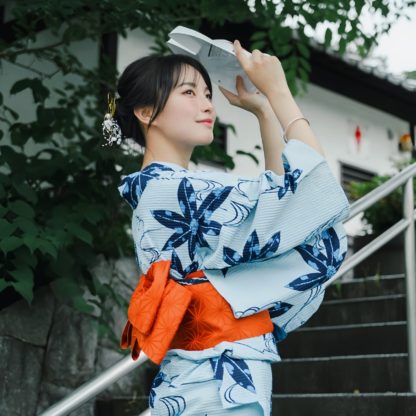
Children’s kimono come in various styles designed to accommodate growing bodies and active lifestyles. Yukata represent the most casual option—lightweight, relatively easy to wear, and comfortable for extended periods. While traditionally associated with summer, winter yukata remain appropriate when worn with adequate underlayers and warm accessories. For families prioritizing comfort and practicality, yukata offer excellent advantages despite being less formally dressy than alternatives.
Kodomo-yukata specifically refers to children’s yukata, featuring sizing and proportions designed for young bodies rather than simply smaller adult garments. Quality rental services maintain extensive kodomo-yukata selections in various colors and patterns, allowing children to choose options reflecting personal preferences. Involving children in color and pattern selection increases their enthusiasm and investment in the experience—when children feel their preferences matter, they’re more likely to engage positively with wearing and experiencing traditional dress.
Semi-formal children’s kimono and furisode-style options designed for young wearers offer more sophisticated aesthetics when families prioritize dressed-up occasions. These garments typically involve more complex construction and wearing procedures, but children frequently find excitement in the more elaborate nature of formal wear. Parents should honestly assess their child’s comfort with complexity and willingness to engage with more involved preparation when considering these options.
Size, Fit, and Growth Accommodation
Children’s bodies change dramatically across developmental stages, requiring careful attention to sizing. Quality rental services maintain extensive children’s sizes and possess expertise in fitting growing bodies into traditional garments. The adjustability inherent in kimono construction accommodates size variation better than Western clothing—experienced professionals can modify garments through strategic layering and fastening adjustments that accommodate a wider range of sizes than might initially seem possible.
When selecting children’s kimono, be honest about your child’s size and any particular sensitivities. Children with sensory processing differences might struggle with traditional garments’ specific textures or construction elements. Professional rental staff appreciate candid discussions about special needs and typically possess creative solutions accommodating various requirements. Never attempt to force uncomfortable garments on unwilling children—the goal is creating positive memories and associations with cultural traditions, not forcing compliance.
Coordinating Family Aesthetics
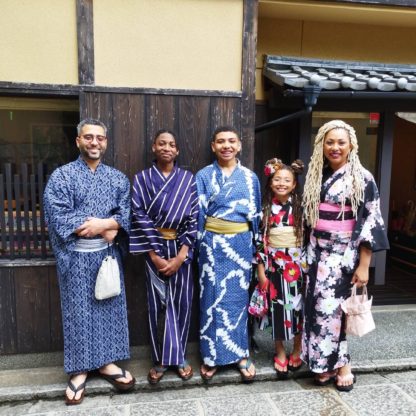
When the entire family wears kimono, coordinating color schemes and styles creates visual harmony and strengthens the shared experience. This doesn’t require identical matching—sophisticated families coordinate through complementary color families rather than exact matching. A parent wearing deep indigo might coordinate beautifully with a child wearing lighter blue, creating visual partnership without artificial sameness.
Professional rental services excel at helping families achieve coordinated aesthetics. Explain your vision to rental staff—whether you prefer matching colors across the family, coordinate through complementary tones, or choose entirely different aesthetics while maintaining overall harmony. Staff can guide selections ensuring your family appears intentional and coordinated while honoring individual preferences.
Preparing Children for the Kimono Experience
Setting Expectations and Building Excitement
Children who understand what to expect regarding clothing experiences approach them with greater enthusiasm and fewer behavioral challenges. Before arriving in Kyoto, discuss what wearing kimono involves—the multiple layers, the different way garments fasten, the particular movement styles they encourage. Use photographs and videos showing children and families in kimono, normalizing the experience and generating excitement about participation.
Allow children to contribute ideas about what they want from their kimono experience. Would they prefer visiting temples, photographing in scenic gardens, exploring traditional streets, or participating in cultural activities? When children help plan their experience, they feel greater ownership and motivation to engage positively. Some children enthusiastically embrace traditional dress; others feel more comfortable in brief, specific-purpose experiences. Understanding your child’s preferences allows appropriate planning.
Practice and Familiarity Building
For children with anxiety around new experiences or those particularly sensitive to clothing, practice helps significantly. Discuss how kimono differs from regular clothing, walk through the wearing process step-by-step, and explain why certain elements exist and function as they do. Children who understand the logic and purpose behind elements typically accept them more readily than those kept in mystery.
If possible, visit rental services a day or two before your actual visit. Many rental professionals allow quick visits for fittings and explanations without full preparation. This advance exposure helps children feel more comfortable and familiar with both the garments and the people assisting them, reducing anxiety during actual wearing.
Creating Positive Reinforcement
Praise children’s participation in the experience regardless of their relative enthusiasm level. Even children who prefer not to wear full formal wear might enjoy participating in partial ways—wearing specific accessories, observing family members, or engaging in the photography aspect. Creating positive associations with cultural engagement matters more than forcing absolute compliance with any particular element.
Winter Kimono Wardrobe Layering and Temperature Management
Understanding Seasonal Layering
Winter kimono wearing differs significantly from warmer-season experiences due to layering requirements. The foundation includes a long underwear layer or thermal base, providing both warmth and creating a smooth foundation beneath visible garments. Over this base, the nagajuban (kimono undergarment) provides the traditional layer worn beneath the main kimono. The kimono itself completes the visible ensemble, with the obi (sash) creating the final styling element.
Quality winter kimono typically feature heavier fabrics—silk-wool blends, brocades, and thick silk rather than lighter summer silks. These fabrics provide insulation while creating more substantial, prestigious aesthetic than lighter alternatives. Winter kimono often feature deeper, richer colors—jewel tones, dark neutrals, and rich patterns rather than the lighter pastels associated with warmer seasons.
Outerwear and Accessory Considerations
Winter in Kyoto frequently demands outerwear, requiring strategic choices that work with traditional dress. A modern winter coat worn over kimono compromises aesthetic authenticity, though practicality sometimes demands this choice. Alternatively, haori (kimono jackets) designed for traditional wear offer authentic outerwear options. Quality rental services maintain haori selections enabling you to maintain visual authenticity while providing necessary warmth.
Accessories including scarves, hand warmers, and carefully chosen modern outerwear can be incorporated thoughtfully. The goal is maintaining the overall traditional aesthetic while addressing legitimate safety and comfort concerns. Discuss outerwear options with rental professionals who understand how to balance warmth requirements with visual cohesion.
Footwear Selection for Winter Conditions
Winter temples often feature icy or moisture-covered surfaces that demand careful footwear consideration. Traditional geta (wooden sandals) and zori (flat sandals) look authentically beautiful but become genuinely dangerous on icy surfaces. Discuss your plans with rental services to identify alternatives—some rental companies offer modern-looking but functional footwear maintaining aesthetic appeal while providing necessary winter traction and stability.
For families with young children, safety concerns regarding footwear deserve particular attention. Children still developing balance and coordination need stable, reliable footwear when navigating potentially icy pathways. Professional rental services understand these concerns and can recommend options balancing authenticity with realistic safety requirements.
Family-Friendly Locations and Itinerary Planning
Temple Recommendations for Winter Family Visits
Kiyomizu-dera offers dramatic architecture and expansive city vistas making it rewarding for families. The main structure’s elevated position provides impressive views, though staircases require careful navigation with young children. The temple’s extensive gardens offer peaceful spaces where families can rest and explore quieter areas away from crowds.
Koudaiji Temple’s serene atmosphere and beautiful gardens make it particularly suitable for family visits. The temple’s more contemplative nature compared to some major tourist temples creates an environment where families can engage meaningfully with the space rather than simply rushing through crowded areas. The adjacent Maruyama Park offers open spaces where children can move freely while remaining within the cultural experience zone.
Tofukuji Temple features spectacular maple trees creating dramatic visual interest during autumn foliage season, but winter’s bare branches reveal distinctive architectural elements and create minimalist beauty that many find even more spiritually resonant than crowded foliage seasons. The temple’s spatial organization with connected sub-temples allows flexible itinerary planning accommodating different family members’ energy levels and interests.
Traditional Shopping Streets and Accessible Cultural Experiences
Higashiyama District’s Ninenzaka and Sannenzaka streets offer traditional shopping experiences where families can browse local crafts, sample regional foods, and engage with contemporary artisans working in traditional crafts. These pedestrian-friendly streets allow children to experience authentic Kyoto culture while having freedom to move and explore at their own pace. Many small establishments welcome families, and the casual nature of street exploration feels less pressured than formal temple visiting.
Gion district’s wooden machiya buildings and traditional geisha culture fascinate families interested in Kyoto’s social history. Walking through narrow streets in kimono allows families to experience how traditional dress functioned within everyday Kyoto environments. Early morning walks through Gion offer peaceful exploration with minimal crowds and excellent photography opportunities.
Creating Realistic Itineraries with Children
Families frequently overplan winter Kyoto visits, attempting to visit numerous temples and sites within short timeframes. This approach backfires with children, leading to exhaustion, irritability, and negative associations with cultural experiences. Instead, prioritize fewer locations, allowing adequate time at each site. Quality experiences at two or three locations create better memories than rushed visits to seven or eight sites.
Build in rest breaks at temple tea houses or nearby establishments. Many traditional tea houses offer hot beverages and light refreshments creating perfect rest points within the cultural environment. These breaks allow children’s bodies to recover while remaining engaged with the overall experience. The tea houses themselves often feature beautiful traditional aesthetics, turning rest periods into cultural experiences rather than mere interruptions.
Winter Photography and Creating Lasting Documentation
Professional Photography Services and Family Needs
Professional photographers trained in family dynamics and children’s behavior excel at capturing genuine moments rather than stiff formal poses. Experienced family photographers understand how to encourage children toward natural expressions and movements, resulting in emotionally authentic documentation of your family experience rather than awkwardly formal portraits.
Winter lighting creates exceptional photography opportunities—the low angle of winter sun creates dramatic shadows and highlights that add visual richness to images. The clarity of winter air creates crisp definition in photographs. Scheduling photography sessions during early morning or late afternoon golden hour maximizes these natural advantages, resulting in photographs where your family appears beautifully rendered against distinctive winter backgrounds.
Capturing Winter-Specific Beauty
Winter Kyoto’s distinctive aesthetic—bare branches, frost, minimalist gardens, dramatic shadows—creates photographic subjects unique to the season. Encourage your professional photographer to incorporate these seasonal elements. Images featuring your family against distinctively winter backgrounds create visual documentation that captures the specific season and atmosphere of your visit rather than generic photos that could theoretically be captured any time of year.
Candid photography throughout your visit, capturing natural moments and authentic family interactions, often produces the most meaningful images. While formal family portraits serve important documentation purposes, candid shots frequently generate stronger emotional responses because they capture genuine connection and authentic experience rather than posed performance.
Smartphone Photography Tips for Families
When professional photography isn’t feasible, smartphone capabilities enable significant photography quality. Utilize the golden hour—early morning and late afternoon sunlight—for optimal natural lighting. Position your family against visually interesting backgrounds rather than blank walls or generic spaces. Use your phone’s panorama features to capture expansive temple vistas and landscapes. Most importantly, photograph each other rather than always seeking external validation through selfies—photos featuring family members capturing each other often feel more emotionally authentic than self-taken images.
Health, Safety, and Comfort Considerations for Family Winter Visits
Temperature Management and Layering Strategy
Winter Kyoto temperatures occasionally drop below freezing, requiring thoughtful preparation. Thermal base layers beneath traditional undergarments provide essential warmth without compromising the kimono aesthetic. Hand warmers—small disposable heat packs placed in clothing pockets or held by children—provide significant comfort without disrupting appearance. Hat and glove use, while not traditional, becomes practical necessity during cold temperatures.
Professional rental services can suggest layering strategies accommodating various temperature tolerances and comfort preferences. Some individuals run cold naturally and need additional warmth provisions; others comfortably generate heat even in cold conditions. Honest communication about temperature sensitivity allows professionals to recommend appropriate solutions.
Hydration and Energy Management
Winter’s dry air and active temple exploration can lead to dehydration if families don’t consciously maintain fluid intake. Bring water bottles or plan frequent visits to tea houses and cafes where families can hydrate while taking needed rest breaks. Young children particularly benefit from consistent fluid and food intake preventing energy crashes that translate into irritability and behavioral challenges.
Snacks specifically chosen to align with Japanese cultural environment—rather than Western junk food—keep energy levels stable while contributing to the overall experience. Traditional sweets, rice crackers, and other regional foods feel appropriately aligned with your kimono-wearing cultural immersion rather than jarring cultural interruptions.
Physical Strain and Realistic Movement Expectations
Wearing kimono restricts movement compared to Western clothing—the garment’s construction encourages shorter steps and more deliberate positioning. Young children accustomed to free movement sometimes struggle with these restrictions. Set realistic expectations beforehand, explain why these restrictions exist, and remain flexible about duration if children genuinely become uncomfortable. Forcing extended wear of uncomfortable garments creates negative associations rather than positive cultural memories.
Temple exploration involves staircases, uneven pathways, and potentially icy surfaces during winter. Families with members having mobility challenges should honestly assess whether specific temple layouts work for their needs. Many Kyoto temples feature multiple levels and challenging terrain—prior research ensures families select appropriately challenging venues rather than attempting difficult locations that create frustration or safety concerns.
Cultural Etiquette and Teaching Family Values
Temple Behavior and Respectful Engagement
Wearing kimono to temples implicitly communicates intention to respect the space. Teach children that temples represent sacred environments where people come for spiritual practice, not entertainment venues. Explain that quiet voices, respectful movement, and observable reverence align with temple culture. Most children understand and internalize these expectations when explained clearly, transforming temple visits into opportunities for teaching cultural respect and mindful behavior.
Discuss photography etiquette before visiting—explain that certain areas might restrict photography, and that sometimes the respectful choice involves setting cameras aside to simply experience moments directly rather than constantly mediating experience through technological devices. When children understand the reasoning behind these guidelines rather than perceiving them as arbitrary restrictions, they typically comply more readily.
Wearing Traditional Dress as Cultural Respect Statement
Help children understand that wearing kimono represents more than costume play—it’s participation in cultural traditions, a statement of respect for Japanese heritage, and acknowledgment that they’re learning from cultures not originally their own. This framing elevates the experience from superficial tourism toward genuine cultural engagement, helping children develop deeper appreciation for traditions they encounter.
Encourage children to ask questions about what they observe. Rather than simply moving through temples, genuine curiosity about architectural elements, religious practices, artistic details, and cultural significance creates more meaningful learning experiences. When children understand “why” rather than just seeing “what,” their engagement becomes substantially deeper.
Kyoto Kimono Rental mimosa Family Services and Comprehensive Support
Specialized Family Packages and Coordination
Kyoto Kimono Rental mimosa recognizes family needs through thoughtfully designed services accommodating multiple family members simultaneously. Rather than juggling different rental companies for different family sizes, coordinated services ensure consistent aesthetic coordination across your entire family. Professional staff assist all family members simultaneously, streamlining the typically complicated process of preparing multiple people in traditional garments.
Their expertise particularly benefits families with young children who may need reassurance during unfamiliar experiences. Staff trained in working with diverse age groups understand how to make preparation feel like an adventure rather than an imposition. The comfortable rental environment—specifically designed for multiple customer simultaneous service—eliminates the stress of crowded, impersonal rental facilities.
Professional Styling and Hair Services
Traditional hairstyling specifically designed for kimono wearing elevates the overall aesthetic while making children feel special and celebrated. Professional stylists trained in family dynamics create beautiful arrangements that children enjoy seeing in mirrors and photographs. For parents, professional styling ensures their presentation matches the intentionality of their garment choices rather than undermining careful clothing selections with misaligned hair presentation.
Hairstyling services particularly benefit families because coordinated styling across family members creates visual cohesion—when everyone’s hair has been professionally arranged to coordinate with their chosen kimono, the overall family aesthetic feels substantially more intentional and polished than DIY approaches.
Photography Service Integration
Kyoto Kimono Rental mimosa’s professional photography services (60 minutes, ¥18,000) integrate seamlessly with rental services. Rather than coordinating separately with unconnected photographers, integrated services ensure photographers understand your rental preferences, arrival timing, and specific locations you’ll visit. This coordination eliminates logistical complications while ensuring photographers and rental professionals operate with shared understanding of your family’s needs and preferences.
Professional photographers working through rental companies often possess extensive temple knowledge and access to optimal photography locations. They understand where crowds typically concentrate and can guide your family to beautiful photograph locations avoiding peak tourist congestion. This expertise results in superior images compared to attempting independent photography navigation.
Group Pricing and Value Considerations for Families
Kyoto Kimono Rental mimosa’s group experience pricing (¥39,000 for 1-6 persons; ¥6,000 per person for groups 7+) provides excellent value for family groups. When multiple family members participate in tea ceremony experiences alongside kimono rental, comprehensive package pricing becomes significantly more economical than booking individual services separately. For families planning multi-element experiences combining cultural activities with traditional dress, group packages represent substantial value.
The basic kimono rental starting at ¥4,000 provides accessible entry points for families on varied budgets. Understanding your priorities—whether investing heavily in professional photography and premium styling or utilizing more basic rental options while prioritizing extended temple exploration time—allows appropriate budget allocation based on family values and preferences.
Frequently Asked Questions
Is winter too cold for children to comfortably wear kimono?
Winter temperatures make properly layered kimono actually more comfortable than warm-season wear. The multiple layers provide genuine warmth rather than feeling burdensome. Quality winter kimono feature heavier fabrics specifically designed for cold conditions. Strategic layering beneath the visible garments ensures children remain warm and comfortable throughout their temple visits. With appropriate preparation and professional guidance, winter represents an excellent season for children’s kimono experiences.
What age is appropriate for children’s first kimono experience?
Children as young as 3-4 years can successfully wear kimono for brief periods with appropriate garment selection and parental support. However, comfort levels vary significantly between children. Some young children enjoy the special attention and unique aesthetic; others feel constrained by restricted movement. Assess your specific child’s comfort with unfamiliar experiences and sensory sensitivities before committing to extended wear. Starting with shorter experiences allows gauge building before attempting full-day temple visits.
How do I help my child feel comfortable in unfamiliar clothing?
Preparation and expectation-setting help significantly. Before arriving in Kyoto, discuss what wearing kimono involves using photographs and videos. Visit the rental location in advance if possible, allowing your child to become familiar with the space and people assisting them. Involve your child in garment selection—when children help choose colors and patterns, they feel greater investment in wearing them. Most importantly, remain flexible; if your child genuinely feels uncomfortable, briefer experiences or alternative approaches can replace forced compliance.
Can we rent appropriate kimono for winter without professional guidance?
Professional guidance substantially improves outcomes, particularly for families unfamiliar with traditional dress. Rental professionals understand layering requirements, size calibration for children, fit adjustments ensuring comfort, and seasonal fabric selection. They can address questions arising during wearing and provide confidence that your family’s experience reflects quality and authenticity. While DIY rental is technically possible, professional services typically produce superior results justifying modest additional costs.
What if my family members have different sizes and body types?
Kimono construction accommodates size diversity better than most Western clothing. Quality rental services maintain extensive size ranges and possess expertise in fitting different body types. Semi-professional and formal kimono offer greater adjustability than casual wear. Professional staff excel at finding flattering options for diverse figures—communicate honestly about any concerns and trust professional guidance rather than attempting DIY fitting.
How many temples can we realistically visit in one day wearing kimono?
With young children in traditional dress, realistic planning suggests visiting 2-3 temples thoroughly rather than rushing through 7-8 locations. Quality experiences at fewer locations create stronger memories and better engagement with cultural sites. Include rest breaks at tea houses, allow time for photography and genuine appreciation of artistic elements, and remain flexible about adjusting plans based on children’s energy levels and comfort.
Is professional photography really necessary, or can smartphone photos work?
Smartphone photography certainly captures memories, but professional services offer advantages including expertise in temple locations, optimal lighting conditions, ability to photograph your entire family together, and technical knowledge creating genuinely beautiful images. For special occasions like family winter trips to Kyoto in traditional dress, professional documentation often creates treasured records surpassing what hurried smartphone photography can produce. Consider professional services as celebrating the occasion’s significance.
What should we do if our child becomes uncomfortable or resistant during the experience?
Flexibility and the child’s comfort should take priority over maintaining perfect aesthetic plans. If your child becomes genuinely distressed, you can briefly remove garments, have them wear simplified alternatives, or shift to different activities. Creating positive associations with cultural experiences matters more than forcing uncomfortable compliance. Most children who feel heard and supported during minor challenges develop positive feelings about the experience overall.
Store Information
Kyoto Kimono Rental mimosa
? Address: 362 Masuya-cho, Higashiyama-ku, Kyoto
? Operating Hours: 8:00 AM – 7:00 PM
? Phone: [075-600-0422]
? Email: [kimono.mimosa01@gmail.com]
? WhatsApp: [wa.me/819085726361]
Services Offered:
Premium Kimono & Yukata Rentals
Professional Hair Styling & Traditional Arrangement
Professional Photography Services (60 minutes: ¥18,000)
Tea Ceremony Experiences (1-6 persons: ¥39,000; 7+ persons: ¥6,000 per person)
Zen Meditation Sessions
Group Package Experiences
Basic Kimono Rental: ¥4,000+
Kyoto Kimono Rental mimosa specializes in creating transformative family experiences through carefully curated kimono rental services, professional styling, and comprehensive cultural guidance. Their expertise in accommodating diverse family sizes and ages ensures that every family member feels comfortable, beautiful, and genuinely connected to their Kyoto cultural experience. For families planning winter 2026 travel seeking meaningful shared memories in traditional dress, Kyoto Kimono Rental mimosa provides the professional expertise and dedicated service that elevates a simple rental into a genuinely transformative family experience.