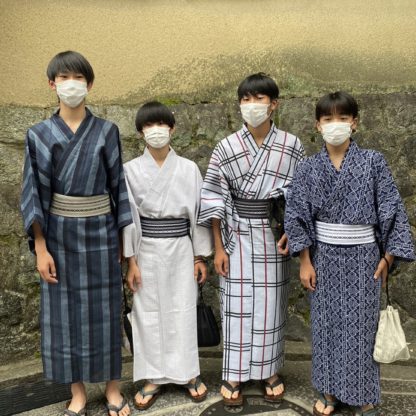
Top Kyoto Experiences for Couples in 2026: Kimono Photoshoots & Hidden Winter Spots
Introduction
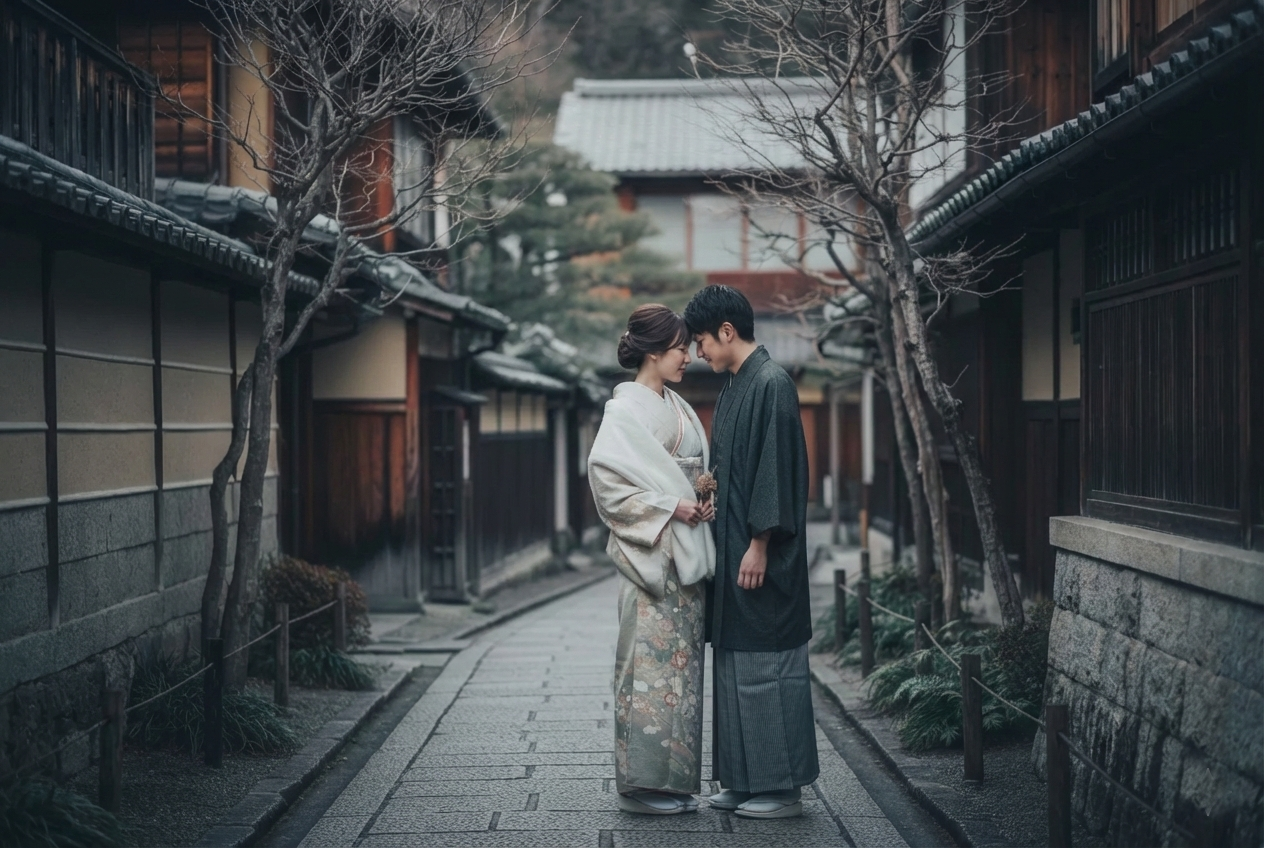
Kyoto in 2026 promises an extraordinary opportunity for couples seeking to transcend typical tourist experiences and discover authentic moments of connection within Japan’s most enchanting cultural landscape. While countless travel guides tout the same well-trodden temples and crowded districts, savvy couples are increasingly seeking alternatives—curated experiences that combine visual splendor with genuine cultural immersion and intimate partner connection.
This comprehensive guide explores the contemporary couples’ experience in Kyoto, moving beyond basic sightseeing to encompass professional kimono photoshoots that transform fleeting moments into permanent artistic documentation, winter exploration of hidden temple treasures that reveal Kyoto’s profound spiritual essence, and strategic experience combinations that create personalized itineraries reflecting each couple’s unique preferences and desires.
For couples planning 2026 visits, understanding how to navigate Kyoto’s evolving tourism landscape while accessing genuinely exceptional experiences represents crucial knowledge. The difference between a standard tourist visit and a truly transformative couples’ retreat often hinges on knowing where to look, when to visit, and which services genuinely enhance meaningful connection versus merely perpetuating Instagram clichés. This guide provides the insider knowledge necessary to craft Kyoto experiences worthy of the emotional and financial investment you’re making in quality time together.
Why Kyoto is the Ultimate Couples’ Destination
The Cultural Landscape and Romantic Atmosphere
Kyoto occupies a unique position in the global travel consciousness—a city where modernity and tradition coexist in surprisingly harmonious balance, where ancient temples stand alongside contemporary cafes, and where centuries-old spiritual practices continue uninterrupted despite surrounding 21st-century transformation. For couples, this intersection creates an environment inherently conducive to meaningful connection.
The aesthetic foundations of Kyoto—carefully composed gardens, refined architectural traditions, sophisticated design principles embedded within even everyday objects—communicate values that align with romantic partnership. Beauty isn’t accidental in Kyoto; it results from intentional cultivation, meticulous attention to detail, and the recognition that environments profoundly influence human experience and emotional states. Couples moving through such thoughtfully designed spaces naturally become more present, more attuned to subtleties, and more connected to their partners and surroundings.
Seasonal Advantages and Winter’s Unique Appeal
While spring cherry blossoms and autumn foliage justifiably dominate Kyoto tourism discourse, winter represents an often-overlooked season offering distinct advantages for couples specifically. Winter crowds diminish substantially compared to other seasons, meaning couples access sites with reduced congestion, fewer competing photographers, and greater opportunities for intimate moments without constant awareness of surrounding tourists.
Winter light creates photographic magic unavailable during other seasons. The low angle of winter sunlight creates dramatic shadows and highlights that transform ordinary architectural features into subjects worthy of professional-quality photography. The crystalline quality of winter air, the frost on temple grounds at dawn, and the bare branches revealing sight lines obscured during growing seasons all contribute to an aesthetic distinctiveness that many photographers consider superior to other seasons.
Additionally, winter’s lower temperatures encourage the wearing of traditional layered garments—including premium kimono with multiple layers—that would feel uncomfortable or impractical during warmer months. For couples seeking authentic cultural experiences, winter enables full embrace of traditional dress without compromising comfort.
The Art of Kimono Photoshoots for Couples
Understanding Professional Photography in Sacred Spaces
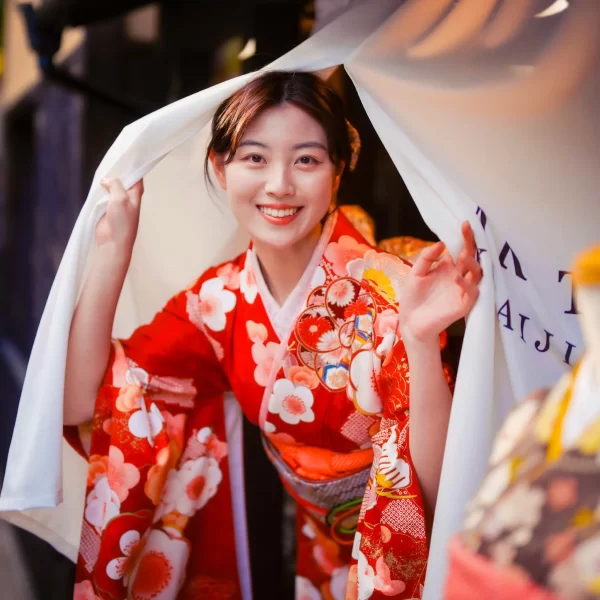
Professional kimono photography in Kyoto has evolved dramatically over the past decade, transitioning from simple tourist service to sophisticated art form. Contemporary professional photographers specializing in couples’ kimono sessions understand not merely technical photography principles, but also cultural nuance, temple etiquette, optimal timing for light conditions, and the psychology of helping couples feel comfortable and genuinely connected during photography sessions.
The distinction between amateur smartphone photography and professional services extends far beyond simple image quality. Professional photographers possess specialized knowledge regarding which temple locations offer superior composition opportunities, how to position couples to showcase both individual beauty and partnership connection, and how to guide couples toward authentic emotional expression rather than forced smiling. They understand how different fabrics photograph under various light conditions, how to position garments to display intricate details and craftsmanship, and how to incorporate environmental elements that enhance rather than distract from couple composition.
Selecting Your Perfect Kimono for Photography
Choosing appropriate kimono for professional photoshoots involves considerations extending beyond simple aesthetic preference. Understanding your skin tone, hair color, and personal style preferences provides the foundation, but successful couples’ photoshoots require additionally considering how your chosen garments will photograph together, how they complement your partner’s selection, and how they’ll perform under specific seasonal lighting conditions.
Color Coordination for Visual Harmony
Couples photographers consistently report that coordinated color families—while not requiring identical colors—create the most visually striking compositions. Rather than perfectly matching kimono that can appear costume-like and artificial, professionals recommend complementary colors that share undertone families while allowing individual expression. A couple featuring one partner in deep sapphire and the other in jewel-toned purple creates visual partnership without artificial uniformity. Alternatively, warm and cool tones positioned strategically can create dynamic contrast that photographs exceptionally well.
Understanding the psychology of color in photography matters significantly. Jewel tones consistently outperform pastels and muted colors in professional photography, appearing more sophisticated, more saturated, and more visually commanding. If your rental options include various colors within similar families—multiple reds ranging from crimson to coral, multiple blues from navy to sapphire—selecting the more saturated option typically produces superior photographic results.
Pattern Selection and Visual Interest
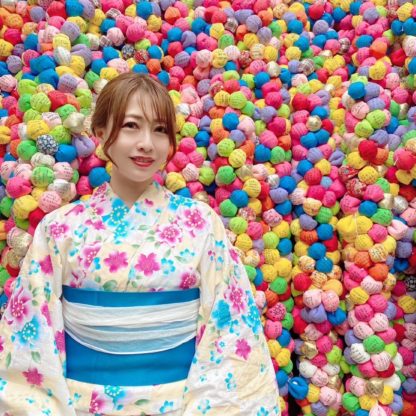
While solid-colored kimono offer classic elegance, patterned options create visual richness that photographs beautifully. However, not all patterns photograph equally well. Large geometric patterns can sometimes overwhelm composition, while very small intricate patterns may blur or disappear in photography. Professional rental services maintain expertise in understanding which patterns photograph best, and they should confidently guide your selections toward options known to produce striking images.
Strategic Timing for Optimal Photography Results
Photography professionals consistently emphasize that timing represents one of the most crucial variables determining photographic quality. The technical excellence of modern cameras means that with proper positioning and light optimization, nearly any photographer can capture acceptable images. However, professional-quality results—images that capture both technical excellence and genuine emotional resonance—require strategic timing.
Golden Hour Advantages
The “golden hour”—the period shortly after sunrise or before sunset when sunlight strikes at low angles, creating warm tones and dramatic shadows—produces consistently superior photographic results. Winter’s shorter daylight hours mean golden hour periods are quite narrow, but the intensity and quality of winter light during these hours far exceeds that of other seasons. Professional photographers schedule sessions strategically to maximize golden hour timing, understanding that 30 minutes of shooting during optimal light produces superior results compared to several hours during unfavorable conditions.
Early morning sessions offer additional advantages beyond light quality. Temple grounds remain peaceful and less crowded. The contrast between quiet spaces and active temple life creates compositional opportunities and emotional authenticity. Frost on grounds and morning mist add atmospheric elements that enhance photographic appeal. Additionally, morning sessions allow couples to complete their photoshoot while remaining energized, rather than attempting photography after hours of temple exploration when fatigue affects natural expression and physical presence.
Weather Considerations
While clear winter days offer bright, high-contrast photography opportunities, many professional photographers actually prefer overcast winter conditions. Overcast skies create diffused lighting that eliminates harsh shadows, produces flattering skin tones, and creates romantic, ethereal atmospheres particularly suited to couples’ photography. Rain or mist creates mood and uniqueness that distinguishes your photographs from millions of generic clear-day temple images.
Maximizing Your Professional Photography Experience
Professional photographers can only work optimally when they understand your vision, preferences, and the emotional tones you want images to convey. Couples benefit tremendously from pre-session consultations where you discuss desired aesthetics, emotional approaches to photography, and any concerns about posing or feeling self-conscious during sessions.
Some couples prefer formal, composed images emphasizing traditional aesthetics and garment beauty. Others prioritize candid captures emphasizing genuine connection and authentic emotional response. Still others want combinations—formal shots for display purposes paired with candid moments for personal enjoyment. Communicating these preferences in advance allows photographers to calibrate their approach and deliver exactly what you envision.
Winter in Kyoto: Discovering Hidden Gems
Understanding Winter Temple Culture
Winter fundamentally transforms Kyoto’s temple experience. While spring and autumn temples feel crowded and festival-like, winter temples recover something approximating their original spiritual purpose. The reduced tourism allows for contemplative temple experiences largely unavailable during other seasons. For couples specifically, winter creates opportunities for intimate moments—sitting together in quiet tea houses within temple grounds, observing winter gardens with minimal surrounding crowds, and experiencing temples as active spiritual centers rather than museums.
Winter also reveals architectural and landscape details obscured during other seasons. Bare branches expose sight lines and structural elements hidden by foliage. The architectural relationships between structures become apparent. Garden composition becomes visible in winter minimalism. Professional photographers specifically seek these winter qualities, recognizing that bare branches, frost patterns, and clear sight lines create photographic compositions with visual sophistication unmatched by more traditionally “beautiful” seasons.
Lesser-Known Winter Temple Experiences Beyond Tourist Crowds
Nanzenji Temple’s Winter Solitude
While famous enough to attract visitors, Nanzenji possesses sufficient spatial complexity and distributed attractions that couples can discover quiet corners unavailable at most central Kyoto temples. The expansive grounds feature multiple sub-temples, each maintaining its own character and spiritual focus. Winter visits reveal architectural details in the famous brick aqueduct, while reduced crowds enable couples to spend unhurried time in specific areas of particular appeal rather than rushing through standard tourist circuits.
Tofukuji Temple’s Winter Landscape
Tofukuji traditionally attracts massive autumn foliage crowds but remains remarkably quiet during winter months. The temple’s philosophy garden becomes particularly beautiful in winter, with snow and frost creating starkly beautiful aesthetic contexts. The wooden bridge—famous for autumn photography—offers entirely different but equally striking winter photography opportunities. Winter light through bare branches creates delicate shadow patterns on temple grounds that photographers spend years learning to capture in other locations.
Entsuji Temple’s Serene Forest Setting
Located outside central Kyoto’s main tourist districts, Entsuji offers couples a genuinely peaceful temple experience without the consciousness of surrounding crowds that characterizes more famous sites. The temple’s forested setting, mountain backdrop, and architectural integration with natural landscape create romantic atmosphere particularly enhanced by winter’s minimalist aesthetic. The reduced foliage reveals the carefully composed relationship between structures and landscape that garden designers intended.
Hidden Neighborhoods for Intimate Exploration
Kurama and Kibune Area
The mountain villages of Kurama and Kibune, while not completely unknown, receive substantially fewer couples visitors than central Kyoto temples. These areas maintain village character—small shrines, natural hot springs, mountain views, and walking paths through traditional structures—that create intimate couple experiences fundamentally different from temple-focused tourism. Winter brings snow and mountain frost that create visual beauty alongside practical advantages of solitude and peaceful atmosphere.
Sagano District Beyond the Bamboo Grove
While the Sagano bamboo grove attracts considerable crowds, the surrounding district features quieter temples, small shrines, and walking paths that allow couples to experience traditional Kyoto landscape without constant awareness of surrounding photographers. Winter reveals the grove’s structure and creates photographic opportunities distinct from the crowded daytime visits most tourists experience.
Top Winter Experiences Beyond the Crowded Spots
Professional Kimono Sessions at Hidden Locations
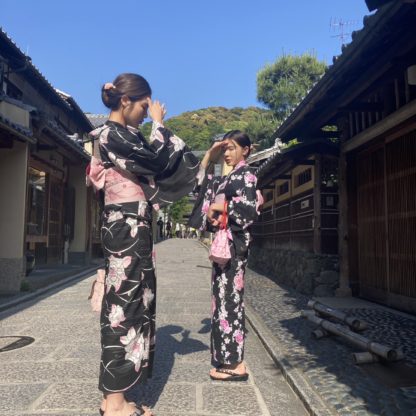
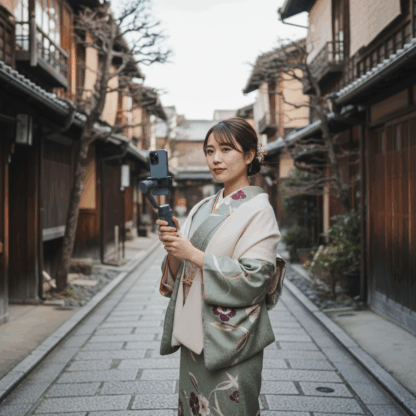
Rather than photographing at the same temple locations thousands of other couples visit, professional photographers specializing in couples’ sessions increasingly guide their clients to aesthetically superior alternatives. These might include lesser-known temple areas that offer exceptional architecture without crowds, traditional neighborhoods featuring authentic Kyoto aesthetic without tourist infrastructure, or deliberately selected outdoor locations providing natural backdrops that complement rather than overwhelm couple composition.
Couples benefit from explicitly discussing with photographers whether they want traditional temple settings, alternative Kyoto locations, or hybrid approaches combining multiple environments. Some photographers create multi-location sessions where couples move between environments—perhaps beginning with kimono selection and styling at rental services, transitioning to a quiet temple or shrine for initial sessions, followed by neighborhood exploration for different aesthetic contexts, and concluding at a traditional tea house or scenic overlook for final images capturing both visual beauty and reflective mood.
Tea Ceremony Experiences in Winter Settings
The Japanese tea ceremony—a practice refined over centuries into a sophisticated art form encompassing philosophy, aesthetics, and spiritual discipline—creates profoundly meaningful experiences for couples willing to engage thoughtfully with the practice. Tea ceremonies conducted in winter settings, perhaps within temple grounds or traditional tea houses, gain additional poignancy from winter’s contemplative atmosphere.
Experiencing tea ceremony together creates shared understanding of Japanese aesthetic principles—the appreciation for imperfection, the philosophy of emptiness and form, the deliberate pacing that creates awareness of present moments. For couples, these philosophical frameworks often generate meaningful conversations and deepened appreciation for subtlety and intentionality. Winter settings amplify these effects, as the minimalist landscape and quiet atmosphere naturally encourage the contemplative engagement that tea ceremony cultivates.
Zen Meditation Sessions for Spiritual Connection
Many contemporary couples recognize that travel experiences creating spiritual growth or emotional deepening often produce more lasting memories than purely aesthetic tourism. Zen meditation sessions—particularly those conducted in temple settings during winter when atmosphere and reduced crowds facilitate genuine practice—create opportunities for couples to experience shared spiritual practice rarely available in contemporary Western life.
Unlike tea ceremony, which emphasizes external aesthetic refinement, Zen meditation directs attention inward, cultivating awareness of present-moment consciousness and the spacious awareness that underlies thought. For couples, practicing meditation together creates extraordinary intimacy—the shared silence, the mutual commitment to present-moment awareness, and the dissolution of everyday communication patterns generate connection often described as more profound than conversation alone. Winter temple settings, with their inherent quietude and minimal external stimulation, facilitate deeper meditation than would be possible in busier seasons or environments.
Winter Seasonal Cuisine and Culinary Experiences
Kyoto maintains a distinguished culinary tradition, with kaiseki (haute Japanese cuisine) representing the pinnacle of Japanese gastronomic artistry. Winter kaiseki specifically emphasizes seasonal ingredients at their peak—precious vegetables, fresh mountain vegetables, game, and fish selected during their optimal season. Experiencing kaiseki together as a couple creates a shared sensory and aesthetic experience that often generates meaningful conversation and deepened appreciation for seasonal rhythms and culinary craftsmanship.
Alternatively, couples might explore Kyoto’s traditional sweets culture—visiting tea houses and sweet shops featuring winter specialties. Tasting together while seated in traditional spaces creates intimate moments distinguished from restaurant dining by their contemplative pace and aesthetic attention.
Planning Your Perfect Couples’ Winter Escape
Timing Considerations for 2026 Visits
Early winter (late November through December) offers the advantage of late autumn light remaining partially visible, alongside emerging winter characteristics. Late autumn foliage persists in some temple areas, creating interesting visual combinations with winter frost and bare branches. However, December brings holiday tourism in some areas and year-end festival activities.
Mid-winter (January through early February) offers maximum solitude, crystalline winter light, and weather patterns that create photographic drama. However, temperatures can be quite cold—couples should prepare for layering and be realistic about comfortable outdoor activity duration. Post-holiday timing means fewer tourists and often reduced tourism infrastructure congestion.
Late winter (late February through March) begins the transition toward spring. Some early plum blossoms may emerge. Weather becomes more moderate, reducing cold-weather challenges. However, tourism gradually increases as spring approaches, and the contemplative winter atmosphere begins dissolving into spring tourism season.
Duration and Pacing Recommendations
Meaningful couples’ experiences in Kyoto typically require minimum 4-5 days to experience thoughtfully. This duration allows time for kimono selection and styling (requiring several hours), professional photography sessions (typically 2-3 hours), temple exploration without rushing, participation in experiences like tea ceremony or meditation (requiring unhurried time), and simple couple time enjoying tea houses, neighborhoods, or reflective walks without activity pressure.
Attempting to experience everything in 2-3 days results in rushed tourism rather than meaningful exploration. Conversely, 7-10 day visits allow deeper engagement with specific interests, multiple photography sessions with different photographers or in different locations, participation in multiple spiritual experiences, and the luxury of days with no planned activities—simply allowing couple spontaneity and wandering.
Budget Considerations and Investment Perspectives
Quality couples’ experiences in Kyoto require investment—premium kimono rentals, professional photography services, and meaningful cultural experiences all carry costs. However, understanding these expenses as investments in permanent memories and deepened partnership often recalibrates perspective. Professional photography sessions typically cost ¥18,000-¥30,000 for couples’ coverage, while quality kimono rentals range from ¥4,000-¥8,000 per person for multi-hour experiences. Tea ceremony experiences range from ¥8,000-¥15,000 per person.
Rather than viewing these as discretionary luxury expenses, couples often discover that allocating substantial portions of travel budgets toward these experiences produces dramatically superior satisfaction compared to distributing resources across numerous budget accommodation and dining options. A couple spending several thousand yen on professional photography documentation typically values those images far more than equivalent spending on standard tourism activities.
Combining Experiences: Creating Your Ideal Itinerary
Day-by-Day Example Itineraries
4-Day Winter Couples’ Retreat Structure
Day One: Arrival and Orientation – Arrive early enough to visit your rental service for consultation, selection, and initial styling. Explore neighborhood near your accommodation to acclimate. Evening meditation or tea experience.
Day Two: Professional Photography Session – Early morning kimono fitting and styling. Mid-morning photography session at strategically selected locations. Afternoon rest and exploration. Evening dinner at kaiseki restaurant.
Day Three: Temple Exploration and Hidden Locations – Revisit kimono (different garments or styling) or explore in contemporary clothing. Visit lesser-known temples. Afternoon tea ceremony experience. Evening reflection and conversation.
Day Four: Personal Preferences and Flexibility – Pursue individual interests or share additional experiences. Second photography session if desired. Reflection time before departure.
7-Day Extended Couples’ Experience
Extended visits allow time for additional professional photography, multiple tea ceremony or meditation sessions, participation in specialized cultural experiences, and unhurried neighborhood exploration. Rather than rushing between destinations, couples have the luxury of discovering spontaneous moments—conversations in temple gardens, unexpected connections in traditional neighborhoods, or simply unhurried time together without activity pressure.
Weather-Responsive Flexibility
Winter weather can vary dramatically day-to-day. Professional photographers maintain flexibility to adjust session timing based on evolving weather patterns—postponing sessions if snow creates photographic opportunity, or photographing earlier than planned if clear skies are forecast only for specific morning hours. Couples benefit from maintaining similar flexibility, being willing to adjust planned activities based on actual conditions while remaining open to unexpected opportunities winter weather creates.
Frequently Asked Questions
How far in advance should we book professional photography services for winter 2026?
Professional couples’ photographers specializing in Kyoto experiences book substantially in advance—often 3-6 months ahead for peak seasons. Winter remains less crowded than spring and autumn, but quality photographers still book well in advance. Reserving 2-3 months ahead for 2026 winter dates provides good availability while allowing time for consultation and planning.
What should we wear under our kimono during winter photography?
Proper underlayers include a nagajuban (traditional kimono undergarment) worn directly against skin. Western undergarments—bra and slip—can work with careful arrangement to avoid visible lines. Your rental provider discusses layering options during fitting. The key is remaining comfortable without creating visible undergarment lines through the kimono fabric.
Will professional photography at hidden temple locations produce better results than famous sites?
Professional-quality photography depends more on lighting, composition, and photographer expertise than location. However, lesser-known locations offer advantages including fewer competing photographers, greater positioning flexibility, and unique backgrounds unavailable at crowded famous temples. Discuss location preferences with your photographer—they’ll recommend options balancing your aesthetic preferences with practical photography considerations.
Is it appropriate for international couples to wear kimono to temples?
Absolutely. Respectfully wearing traditional dress demonstrates cultural respect and genuine interest. Japanese visitors and temple staff typically appreciate when international visitors engage thoughtfully with cultural traditions. Your non-Japanese background doesn’t diminish appropriateness—what matters is genuine respect and authentic engagement with the experience.
Can we participate in tea ceremony or meditation without prior experience?
Yes. These experiences are specifically designed for participants of all backgrounds and experience levels. Professional practitioners explain principles clearly and guide participants through appropriate processes. You’re not expected to be experts—genuine curiosity and openness are what matters.
What if winter weather prevents our planned photography session?
Quality photographers maintain flexible rescheduling policies, and winter weather often creates unique photographic opportunities rather than preventing sessions. Discuss weather contingencies when booking. Many photographers possess expertise handling challenging conditions—rain, frost, or snow can all be incorporated into stunning photography when handled professionally.
How much time should we budget for kimono rental and styling?
Plan 60-90 minutes for complete preparation including consultation, fitting, styling, hair arrangement, and any final adjustments. This timeframe ensures unhurried preparation without rushing, significantly affecting comfort and confidence levels during your temple visit.
Should we coordinate our kimono colors or select different colors?
Both approaches work beautifully when executed thoughtfully. Coordinated color families create visual partnership without artificial matching. Different colors allowing individual expression while sharing undertone families creates sophisticated aesthetic. Discuss preferences with your rental professional—they’ll guide you toward options that photograph beautifully together.
Store Information
Kyoto Kimono Rental mimosa
? Address: 362 Masuya-cho, Higashiyama-ku, Kyoto
? Operating Hours: 8:00 AM – 7:00 PM
? Phone: [075-600-0422]
? Email: [kimono.mimosa01@gmail.com]
? WhatsApp: [wa.me/819085726361]
Services Offered:
Premium Kimono & Yukata Rentals
Professional Hair Styling & Traditional Arrangement
Professional Photography Services (60 minutes: ¥18,000)
Tea Ceremony Experiences (1-6 persons: ¥39,000; 7+ persons: ¥6,000 per person)
Zen Meditation Sessions
Group Package Experiences
Basic Kimono Rental: ¥4,000+
Kyoto Kimono Rental mimosa specializes in creating extraordinary couples’ experiences combining premium kimono rentals, expert styling, professional photography documentation, and guidance to Kyoto’s most meaningful cultural experiences. Their comprehensive approach ensures every aspect of your winter couples’ retreat—from garment selection through photography coordination—reflects quality, authenticity, and genuine cultural respect. For couples planning transformative 2026 Kyoto experiences emphasizing connection, beauty, and authentic cultural engagement, Kyoto Kimono Rental mimosa provides the expertise and services that distinguish truly exceptional travels from ordinary tourism.