The Sacred Thread: How Kimono Embodies Japanese Zen Philosophy in Kyoto’s Ancient Temples

The Sacred Thread: How Kimono Embodies Japanese Zen Philosophy in Kyoto’s Ancient Temples
Discover the profound spiritual connection between traditional Japanese kimono and Zen philosophy through the lens of Kyoto’s timeless wisdom

Introduction: Where Fashion Meets Philosophy
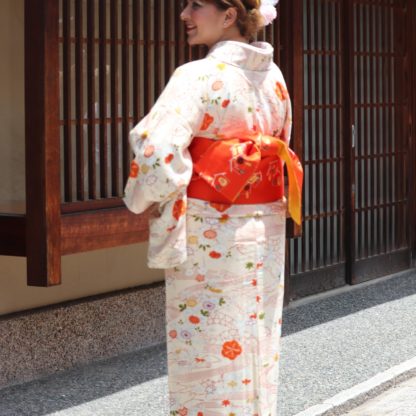
In the ancient streets of Kyoto, where cherry blossoms dance with the wind and temple bells echo through bamboo groves, an extraordinary relationship unfolds between clothing and consciousness. The kimono, Japan’s most iconic traditional garment, serves as more than mere fabric—it becomes a living embodiment of Zen philosophy.

This profound connection between dress and spiritual practice has flourished for over a millennium in Kyoto’s temples, tea houses, and cultural districts. Understanding this relationship offers modern practitioners a unique pathway to mindfulness, aesthetic appreciation, and spiritual growth.
The kimono and Zen philosophy share fundamental principles that transform the simple act of dressing into a meditative practice. Through exploring this sacred thread that weaves together textile artistry and Buddhist wisdom, we discover how traditional Japanese culture creates harmony between the material and spiritual worlds.
The Historical Roots of Kimono in Kyoto
Ancient Origins in Japan’s Cultural Capital
Kyoto, serving as Japan’s imperial capital for over a thousand years, became the natural birthplace of refined kimono artistry. During the Heian period (794-1185), the city’s aristocrats developed sophisticated clothing customs that reflected both aesthetic sensibilities and spiritual awareness.
The word “kimono” literally means “thing to wear,” but this simple translation barely captures the garment’s profound significance. In Kyoto’s imperial court, clothing choices reflected one’s understanding of:
- Seasonal harmony with nature’s rhythms
- Color relationships based on Buddhist teachings
- Layering techniques that demonstrated cultural refinement
- Textile selection showing respect for craftsmanship
Buddhist Influence on Textile Arts
As Buddhism spread throughout Japan, Kyoto’s temples became centers of learning where monks and artisans collaborated. This collaboration profoundly influenced kimono design, introducing concepts that would become central to both Zen philosophy and traditional dress:
- Impermanence (Mujo): Reflected in seasonal motifs that remind wearers of life’s transient beauty
- Simplicity (Kanso): Expressed through clean lines and uncluttered designs
- Natural Harmony (Shizen): Demonstrated via organic patterns and earth-based colors
The great Zen master Dogen, who established Soto Zen in Japan, often spoke about finding the sacred in everyday activities. This teaching naturally extended to clothing, transforming the kimono into a vehicle for spiritual practice.
Zen Philosophy: The Art of Mindful Living
Core Principles of Zen Buddhism
To understand the relationship between kimono and Zen philosophy, we must first explore Zen’s fundamental teachings. Zen Buddhism, which reached its peak in medieval Kyoto, emphasizes:
- Mindful Presence: Complete attention to the present moment
- Non-attachment: Freedom from material desires while appreciating beauty
- Simplicity: Finding profound meaning in basic experiences
- Natural flow: Moving in harmony with life’s rhythms
The Philosophy of Everyday Enlightenment
Zen master Huang Po taught that enlightenment exists within ordinary activities. This revolutionary idea transformed how practitioners viewed daily routines, including dressing. In Kyoto’s Zen temples, monks discovered that wearing traditional garments mindfully could become a form of meditation.
The practice involves:
- Conscious selection of appropriate clothing
- Mindful handling of delicate fabrics
- Grateful appreciation for craftsmanship
- Present-moment awareness during dressing
Wabi-Sabi Aesthetics in Daily Life
Wabi-sabi, the Japanese aesthetic philosophy celebrating imperfection and impermanence, deeply influences both Zen practice and kimono appreciation. This concept teaches us to find beauty in:
- Subtle color variations in hand-dyed fabrics
- Natural aging of silk and cotton materials
- Unique characteristics that make each kimono special
- Seasonal changes reflected in textile choices
Kimono as Meditation: The Ritual of Dressing
The Sacred Act of Clothing Oneself
In traditional Japanese culture, particularly within Kyoto’s cultural circles, dressing in kimono transcends mere preparation for the day. It becomes a meditative ritual that cultivates mindfulness, patience, and aesthetic sensitivity.
The process involves multiple layers of consciousness:
- Physical Awareness: Feeling fabric textures, weights, and temperatures
- Mental Focus: Concentrating on proper folding and arrangement techniques
- Emotional Balance: Cultivating calm patience during the intricate dressing process
- Spiritual Connection: Honoring ancestors and cultural traditions
Step-by-Step Mindful Dressing
Traditional kimono dressing in Kyoto follows specific sequences that naturally promote meditative states:
- Preparation Phase: Clearing mental space and organizing materials
- Foundation Layer: Applying undergarments with careful attention
- Primary Garment: Wrapping the kimono with precise measurements
- Obi Selection: Choosing the appropriate sash based on season and occasion
- Final Adjustments: Perfecting alignment and proportions
Each step requires present-moment attention, preventing the mind from wandering to past regrets or future anxieties. This natural mindfulness training aligns perfectly with Zen meditation practices.
Breathing and Movement Coordination
Master tea ceremony practitioners in Kyoto understand that kimono wearing affects breathing patterns and body movement. The garment’s structure encourages:
- Deeper, slower breathing due to obi positioning
- Graceful, deliberate movements that prevent fabric damage
- Upright posture that promotes mental alertness
- Careful spatial awareness in crowded environments
Seasonal Awareness: Nature’s Teachings in Textile
Kyoto’s Four Seasons Philosophy
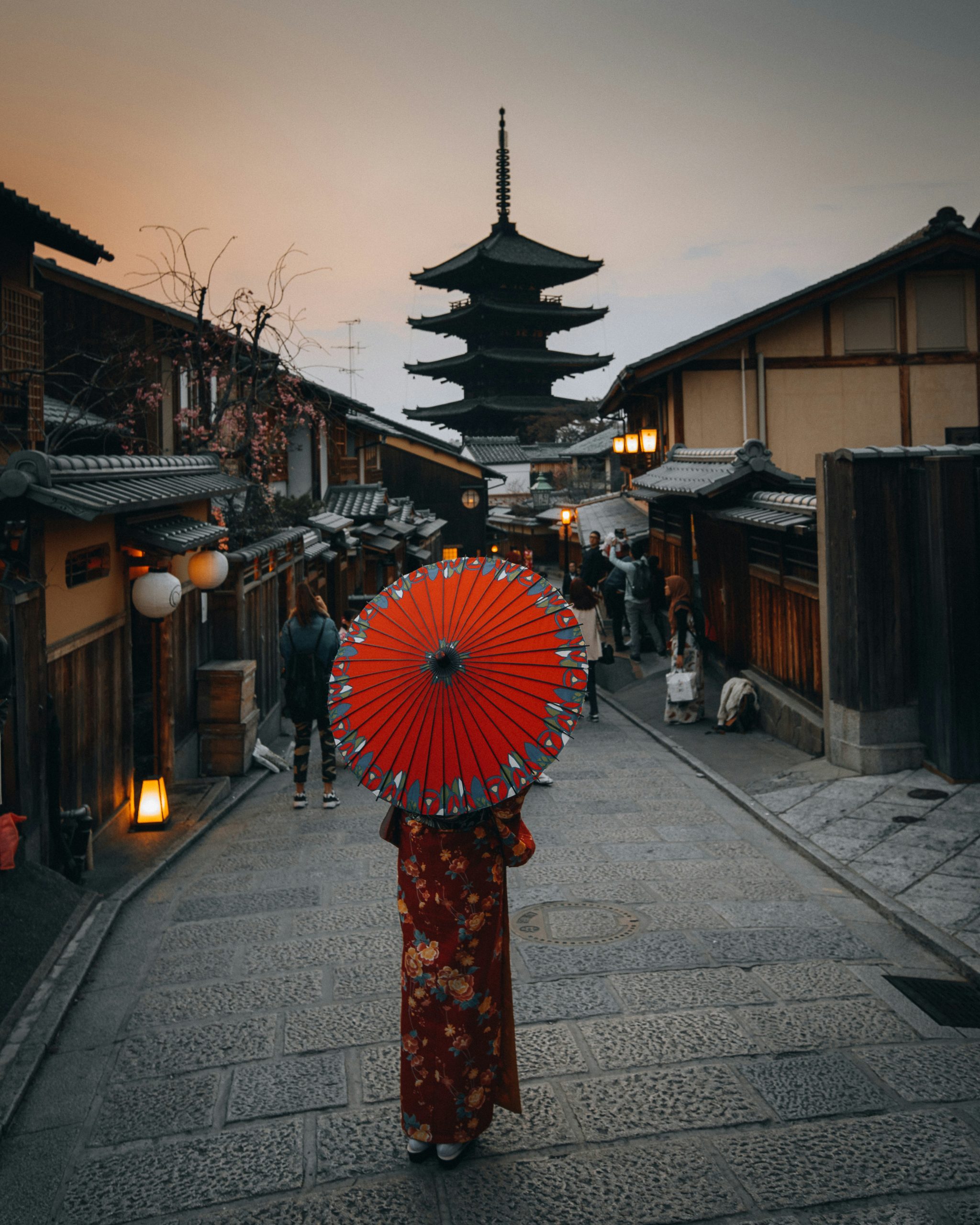
Kyoto’s distinct seasonal changes provide the perfect backdrop for understanding how kimono reflects Zen philosophy. The city’s residents have developed profound sensitivity to nature’s rhythms, expressing this awareness through careful textile selection.
Spring Consciousness (March-May):
- Cherry blossom motifs celebrating impermanence
- Light silk fabrics reflecting nature’s awakening
- Pastel color palettes honoring new growth
- Flowing patterns suggesting gentle spring breezes
Summer Mindfulness (June-August):
- Cooling linen materials providing comfort
- Water-inspired designs suggesting coolness
- Minimal layering respecting body comfort
- Transparent fabrics creating visual lightness
Autumn Reflection (September-November):
- Maple leaf patterns acknowledging change
- Warmer fabric weights preparing for winter
- Earth-tone colors harmonizing with falling leaves
- Harvest motifs expressing gratitude for abundance
Winter Contemplation (December-February):
- Multi-layered construction providing warmth
- Rich, deep colors contrasting with snow
- Camellia and plum designs symbolizing perseverance
- Heavier silk brocades offering protection
Nature as Spiritual Teacher
Zen philosophy views nature as humanity’s greatest teacher. Through seasonal kimono selection, practitioners learn:
- Impermanence Acceptance: Understanding that beauty is temporary
- Present-moment Appreciation: Finding joy in current conditions
- Natural Rhythm Harmony: Aligning personal energy with seasonal changes
- Grateful Recognition: Appreciating each season’s unique gifts
Simplicity and Elegance: Wabi-Sabi in Kimono Design
The Beauty of Restraint
Kyoto’s kimono artisans have mastered the art of elegant simplicity, creating garments that embody wabi-sabi aesthetics. This approach emphasizes:
- Subtle Color Harmonies: Avoiding overwhelming visual complexity
- Natural Material Beauty: Letting fabric textures speak for themselves
- Minimal Pattern Usage: Creating impact through careful placement
- Refined Proportions: Achieving balance without ostentation
Traditional Design Principles
Master craftspeople in Kyoto’s Nishijin textile district follow time-honored principles that reflect Zen philosophy:
- Ma (Negative Space): Using empty areas to enhance pattern effectiveness
- Kanso (Simplicity): Eliminating unnecessary decorative elements
- Shizen (Naturalness): Incorporating organic forms and movements
- Kokō (Refinement): Achieving sophistication through subtlety
Modern Applications of Ancient Wisdom
Contemporary kimono designers in Kyoto continue honoring these principles while adapting to modern lifestyles. They create garments that:
- Suit urban environments while maintaining traditional elegance
- Accommodate contemporary body types without losing cultural authenticity
- Use sustainable materials reflecting environmental consciousness
- Bridge generational gaps by appealing to younger practitioners
Color Psychology and Zen Principles
The Spiritual Significance of Color
In traditional Japanese culture, particularly within Kyoto’s temple communities, kimono colors carry deep spiritual meanings rooted in Buddhist and Zen philosophy. Understanding these associations transforms garment selection into spiritual practice.
Sacred Color Meanings:
- Indigo (Ai): Representing depth of wisdom and meditation
- White (Shiro): Symbolizing purity and new beginnings
- Crimson (Kurenai): Expressing life force and passionate dedication
- Gold (Kin): Indicating enlightenment and divine connection
- Black (Kuro): Suggesting mystery and infinite possibility
- Green (Midori): Connecting wearers with natural harmony
Seasonal Color Consciousness
Kyoto residents traditionally select kimono colors based on complex seasonal considerations that reflect Zen mindfulness:
- Early Spring: Soft pinks and pale greens suggesting hope
- Late Spring: Vibrant cherry blossom hues celebrating peak beauty
- Early Summer: Cool blues and whites providing visual relief
- Late Summer: Deeper blues and purples acknowledging intensity
- Early Autumn: Warm oranges and yellows honoring harvest
- Late Autumn: Rich browns and deep reds accepting change
- Winter: Pure whites and deep indigos embracing contemplation
Color Meditation Practices
Zen practitioners in Kyoto often use kimono color selection as meditation focus:
- Morning Contemplation: Considering day’s energy needs
- Color Visualization: Imagining chosen hues affecting mood
- Emotional Alignment: Matching internal states with external expression
- Gratitude Practice: Appreciating color’s ability to communicate
The Tea Ceremony Connection
Where Kimono Meets Sacred Ritual
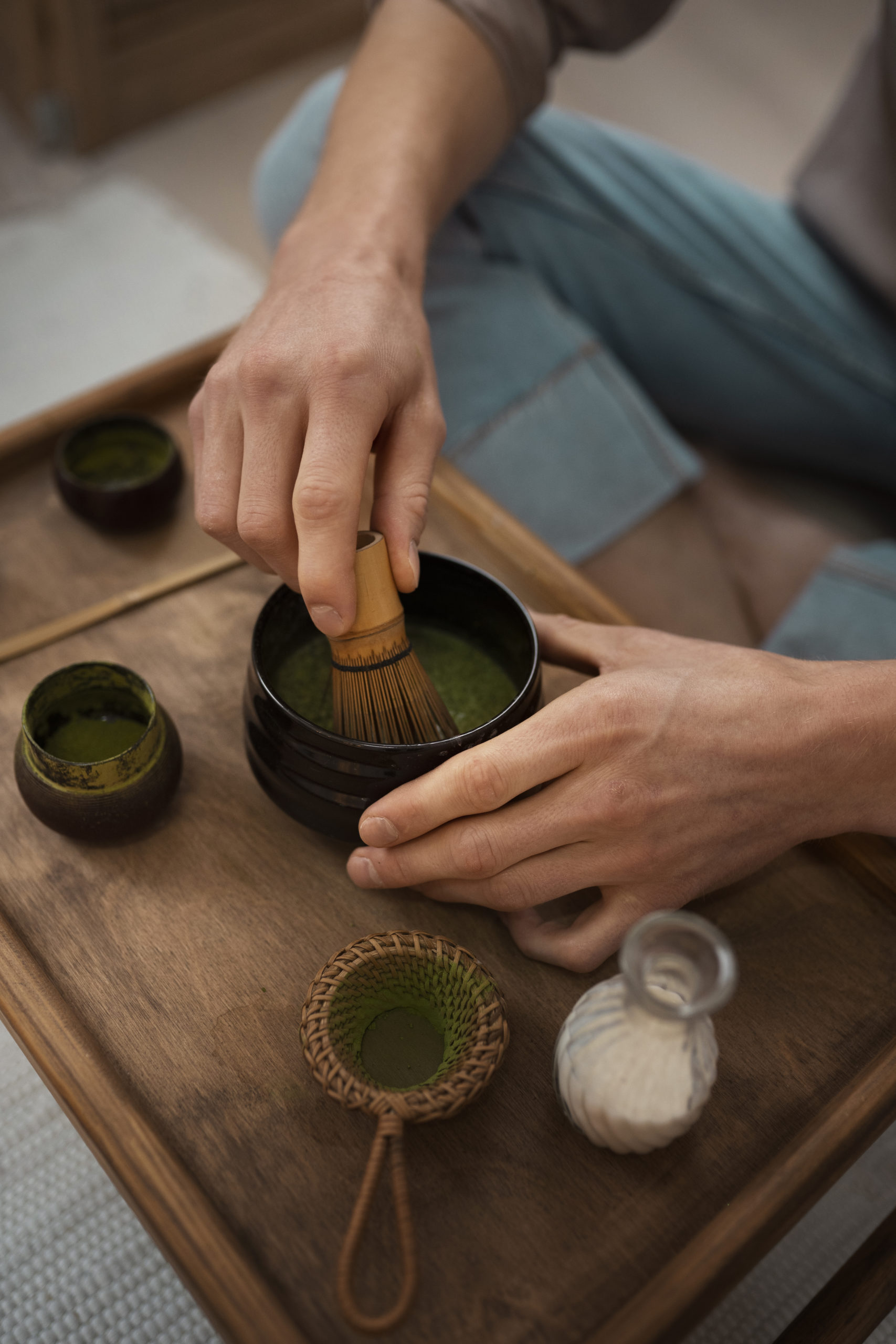
The Japanese tea ceremony (Chanoyu), perfected in Kyoto’s temple gardens, represents the ultimate fusion of kimono artistry and Zen philosophy. This sacred practice demonstrates how clothing becomes integral to spiritual experience.
Master Sen no Rikyū, who developed the modern tea ceremony in 16th-century Kyoto, emphasized four principles that apply equally to kimono selection:
- Wa (Harmony): Creating visual balance between garment and environment
- Kei (Respect): Honoring guests through appropriate dress choices
- Sei (Purity): Maintaining cleanliness in both spirit and appearance
- Jaku (Tranquility): Cultivating inner peace through mindful preparation
Ceremonial Dress Protocols
Tea ceremony participants in Kyoto follow specific kimono protocols that enhance meditative atmosphere:
Host Requirements:
- Subdued colors that won’t distract from tea presentation
- Seasonal appropriateness reflecting natural awareness
- Quality materials showing respect for tradition
- Proper proportions allowing graceful movement
Guest Considerations:
- Complementary patterns that honor host’s selections
- Appropriate formality levels matching ceremony style
- Comfortable fit enabling proper sitting positions
- Cultural sensitivity demonstrating understanding
Movement and Mindfulness
Kimono structure naturally supports tea ceremony movements, creating a feedback loop between clothing and consciousness:
- Restricted arm movement encourages deliberate gestures
- Formal posture requirements promote mental alertness
- Careful fabric management develops mindful attention
- Graceful locomotion cultivates present-moment awareness
Modern Applications: Living Zen Through Traditional Dress
Contemporary Kimono Practice
Modern practitioners in Kyoto and worldwide are rediscovering how traditional kimono wearing can enhance contemporary spiritual practice. This revival demonstrates Zen philosophy’s timeless relevance.
Daily Practice Integration:
- Morning meditation while selecting appropriate garments
- Mindful dressing as preparation for important meetings
- Seasonal awareness through textile choice consciousness
- Cultural appreciation fostering global understanding
Therapeutic Applications
Mental health professionals increasingly recognize kimono practice benefits:
- Anxiety Reduction: Slow, deliberate dressing processes calm nervous systems
- Depression Relief: Beautiful fabrics and colors stimulate positive emotions
- Mindfulness Training: Complex dressing sequences require present-moment attention
- Cultural Connection: Traditional practices provide belonging and meaning
Educational Programs
Kyoto universities and cultural centers now offer programs combining kimono appreciation with Zen philosophy:
- Historical context courses exploring cultural development
- Practical workshops teaching proper dressing techniques
- Meditation retreats incorporating textile consciousness
- Artistic appreciation classes developing aesthetic sensitivity
Kyoto’s Role as the Guardian of Tradition
UNESCO World Heritage Significance
Kyoto’s seventeen UNESCO World Heritage sites serve as living museums where kimono and Zen philosophy continue thriving. These sacred spaces maintain authentic practices that might otherwise disappear.
Key Preservation Sites:
- Kiyomizu-dera Temple: Where seasonal kimono viewing continues year-round
- Gion District: Professional geiko and maiko demonstrate traditional dress
- Nijo Castle: Historical displays showing imperial kimono evolution
- Bamboo Grove: Natural setting enhancing kimono photography and contemplation
Master Craftsperson Networks
Kyoto’s artisan communities maintain generational knowledge about kimono creation and spiritual significance:
- Nishijin Weavers: Creating complex brocades using centuries-old techniques
- Yuzen Dyers: Hand-painting intricate designs with natural pigments
- Obi Makers: Crafting ceremonial sashes with spiritual symbolism
- Accessory Artisans: Producing traditional ornaments and fasteners
Cultural Tourism and Education
International visitors to Kyoto increasingly seek authentic experiences combining kimono appreciation with Zen learning:
- Temple stays including traditional dress instruction
- Tea ceremony participation with proper kimono etiquette
- Artisan studio visits showing creation processes
- Cultural immersion programs teaching lifestyle integration
Capture your own authentic Kyoto kimono experience with professional photography services at https://mk-mimosa-e.top/ – preserve these meaningful moments forever.

The Philosophy of Impermanence in Textile Art
Mono no Aware: The Pathos of Things
Mono no aware, often translated as “the pathos of things,” represents a fundamental Japanese aesthetic concept deeply connected to both kimono appreciation and Zen philosophy. This bittersweet awareness of impermanence transforms how we view beautiful objects.
In Kyoto’s traditional textile arts, mono no aware manifests through:
- Seasonal Motifs: Cherry blossoms remind us that beauty fades
- Natural Aging: Silk fabrics develop character through use
- Vintage Appreciation: Older kimono gain value through history
- Generational Passing: Garments carry family memories and stories
Embracing Transience Through Dress
Zen masters teach that accepting impermanence leads to deeper appreciation of present beauty. Kimono practice naturally cultivates this awareness:
- Delicate fabrics require careful handling, teaching gentle respect
- Seasonal changes force regular wardrobe transitions
- Special occasion use makes each wearing precious
- Maintenance requirements create ongoing relationships with garments
Mindful Consumption and Sustainable Practice
Zen Principles and Modern Shopping
Contemporary kimono practice in Kyoto demonstrates how Zen philosophy can guide sustainable consumption choices:
- Quality Over Quantity: Investing in well-made pieces rather than cheap alternatives
- Timeless Design: Choosing classic styles that transcend fashion trends
- Natural Materials: Preferring silk, cotton, and linen over synthetic fabrics
- Local Craftsmanship: Supporting traditional artisans and communities
Vintage Kimono Renaissance
Modern practitioners increasingly embrace vintage kimono, aligning with both environmental consciousness and Zen values:
- Historical Appreciation: Learning from past aesthetic achievements
- Resource Conservation: Extending garment lifespans through careful use
- Unique Character: Finding beauty in age-related patina and wear
- Cultural Continuity: Maintaining connections with ancestral wisdom
Digital Age Integration: Technology Meets Tradition
Online Learning Platforms
Modern technology now supports traditional kimono and Zen education:
- Virtual workshops teaching proper dressing techniques
- Online communities sharing seasonal coordination ideas
- Digital archives preserving historical garment collections
- Mobile apps identifying authentic kimono patterns and meanings
Social Media and Cultural Preservation
Instagram and TikTok unexpectedly contribute to kimono tradition preservation:
- Global Awareness: Introducing international audiences to Japanese culture
- Young Practitioner Engagement: Attracting new generations to traditional arts
- Educational Content: Sharing authentic information about proper practices
- Cultural Exchange: Facilitating dialogue between practitioners worldwide
Health and Wellness Benefits
Physical Wellness Through Traditional Dress
Research studies increasingly document kimono wearing’s physical health benefits:
- Posture Improvement: Obi support encourages spinal alignment
- Core Strengthening: Proper kimono posture engages abdominal muscles
- Breathing Enhancement: Formal positioning promotes deeper respiration
- Stress Reduction: Slow dressing processes calm autonomic nervous systems
Mental Health Applications
Therapists in Kyoto now incorporate kimono practice into treatment programs:
- Mindfulness Training: Complex dressing sequences require present-moment attention
- Self-Esteem Building: Beautiful garments enhance positive self-image
- Cultural Pride: Traditional practice connections foster identity strength
- Social Bonding: Group kimono activities build community relationships
Future Preservation and Innovation
Next Generation Practitioners
Young people in Kyoto show increasing interest in combining traditional kimono practice with contemporary Zen applications:
- University clubs dedicated to kimono and meditation study
- Startup companies creating modern kimono accessories
- Art installations exploring textile and philosophy intersections
- International exchanges spreading Kyoto traditions globally
Sustainable Innovation
Contemporary designers develop eco-friendly kimono maintaining traditional aesthetics:
- Organic Materials: Using naturally grown silk and cotton
- Natural Dyes: Reviving plant-based coloring techniques
- Zero-Waste Patterns: Designing garments using entire fabric widths
- Repair Traditions: Teaching maintenance and alteration skills
Conclusion: Embracing the Philosophy
The profound relationship between kimono and Japanese Zen philosophy offers modern practitioners a unique pathway to mindfulness, aesthetic appreciation, and spiritual growth. Through Kyoto’s preserved traditions, we discover how clothing transcends mere fashion to become a vehicle for consciousness development.
This ancient wisdom teaches us that every aspect of daily life can become sacred through mindful attention. Whether selecting morning garments, appreciating seasonal changes, or participating in formal ceremonies, kimono practice cultivates the present-moment awareness that Zen philosophy champions.
As we face increasingly complex modern challenges, traditional Japanese practices provide valuable tools for maintaining balance, finding beauty, and developing spiritual resilience. The kimono’s gentle lessons about impermanence, simplicity, and natural harmony speak directly to contemporary needs for authentic meaning and mindful living.
Kyoto’s role as guardian of these traditions ensures that future generations will inherit not just beautiful textiles, but profound wisdom about living consciously. By embracing both kimono artistry and Zen philosophy, we participate in this ongoing preservation while enriching our own spiritual journeys.
The sacred thread connecting fabric and philosophy continues weaving through time, inviting each new practitioner to discover personal transformation through traditional beauty. In wearing kimono mindfully, we honor ancestors, appreciate present moments, and create foundations for mindful futures.
Experience the sacred beauty of traditional kimono in Kyoto’s authentic settings. Capture your spiritual journey with professional photography at https://mk-mimosa-e.top/