Why the Kimono is Considered a National Treasure in Japan

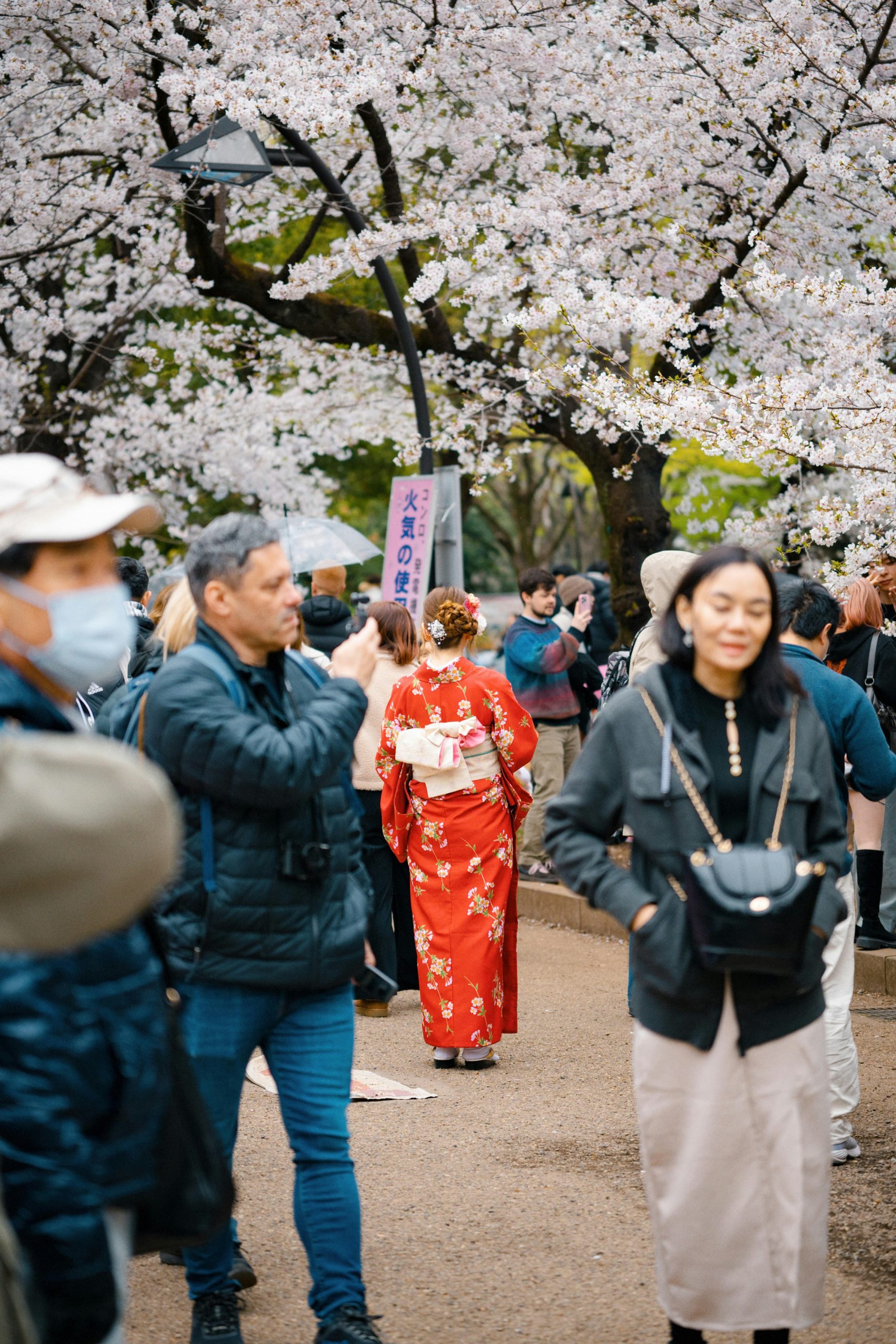
The kimono is not just a piece of clothing—it is a living symbol of Japanese culture, history, and identity. For centuries, this traditional garment has represented elegance, social status, and the deep artistry of Japan. Today, the kimono is widely recognized as a national treasure and continues to captivate people across the globe.
In this article, we’ll explore the fascinating history of the kimono, its symbolism, how it became a cultural treasure, and why Kyoto remains the timeless heart of kimono tradition.
If you are visiting Kyoto and want to experience this heritage personally, don’t miss the opportunity to rent a kimono and capture stunning photos with professionals. Book your session here: Kimono Photography in Kyoto.
The Origins of the Kimono: A Journey Through Time
The word kimono literally means “thing to wear” (着物). Its history dates back over 1,000 years to the Heian period (794–1185). Unlike today’s fast-changing fashion, the kimono was designed to last, symbolizing stability and refinement.
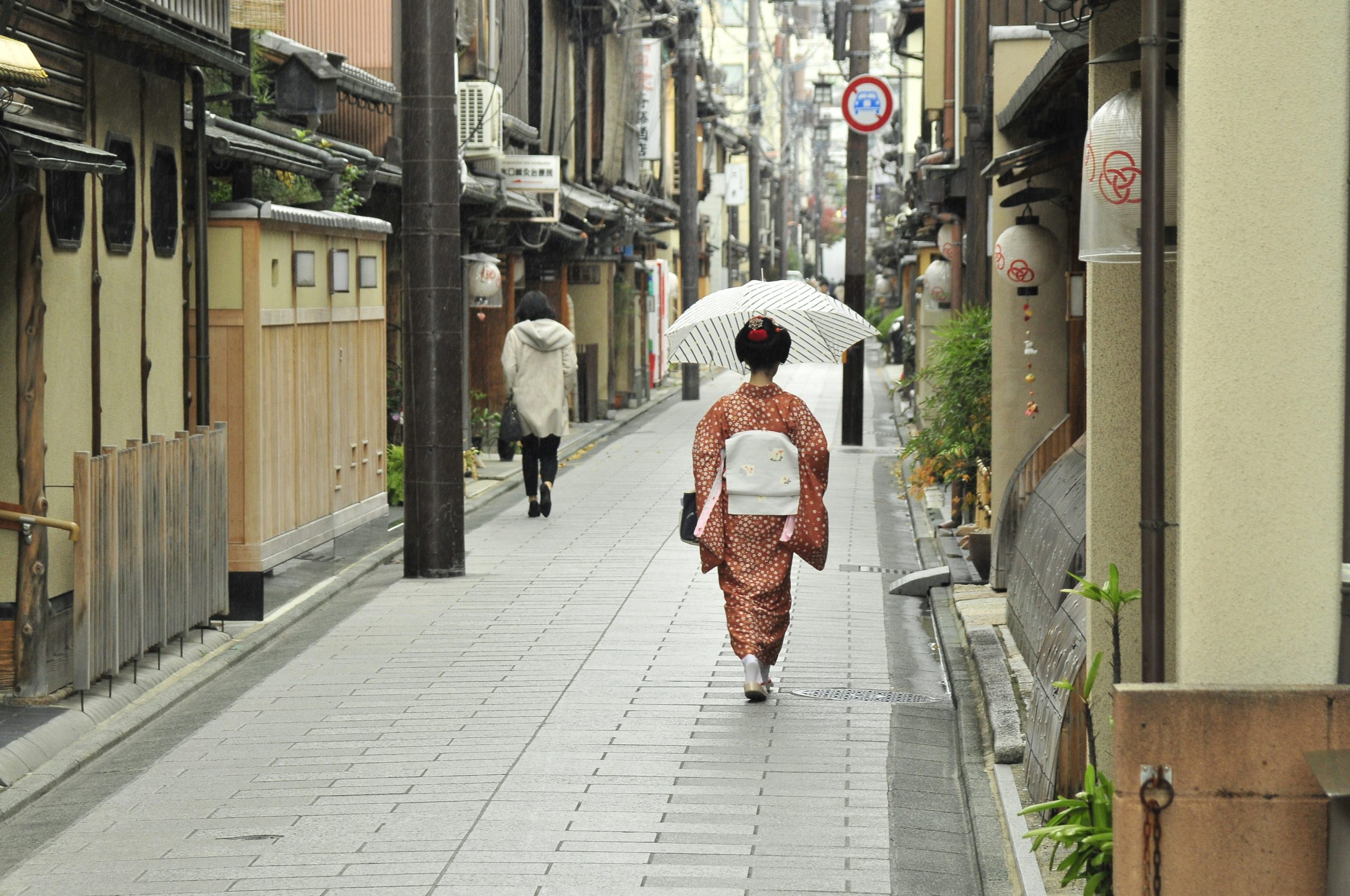
Traditional Jūnihitoe from the Heian period – the elaborate twelve-layered ceremonial kimono of Japanese aristocrats
Heian Period (794–1185): Aristocrats wore multilayered kimonos called jūnihitoe, often in seasonal colors.
Kamakura & Muromachi Periods (1185–1573): Simpler designs emerged, practical for samurai and daily life.
Edo Period (1603–1868): The kimono became a canvas for artistic expression, with elaborate dyeing, embroidery, and patterns. Merchants and commoners also wore stylish designs, making the kimono part of urban culture.
Even today, each fold, color, and fabric speaks volumes about Japanese traditions.
The Symbolism Behind the Kimono
Every kimono carries meaning beyond aesthetics.
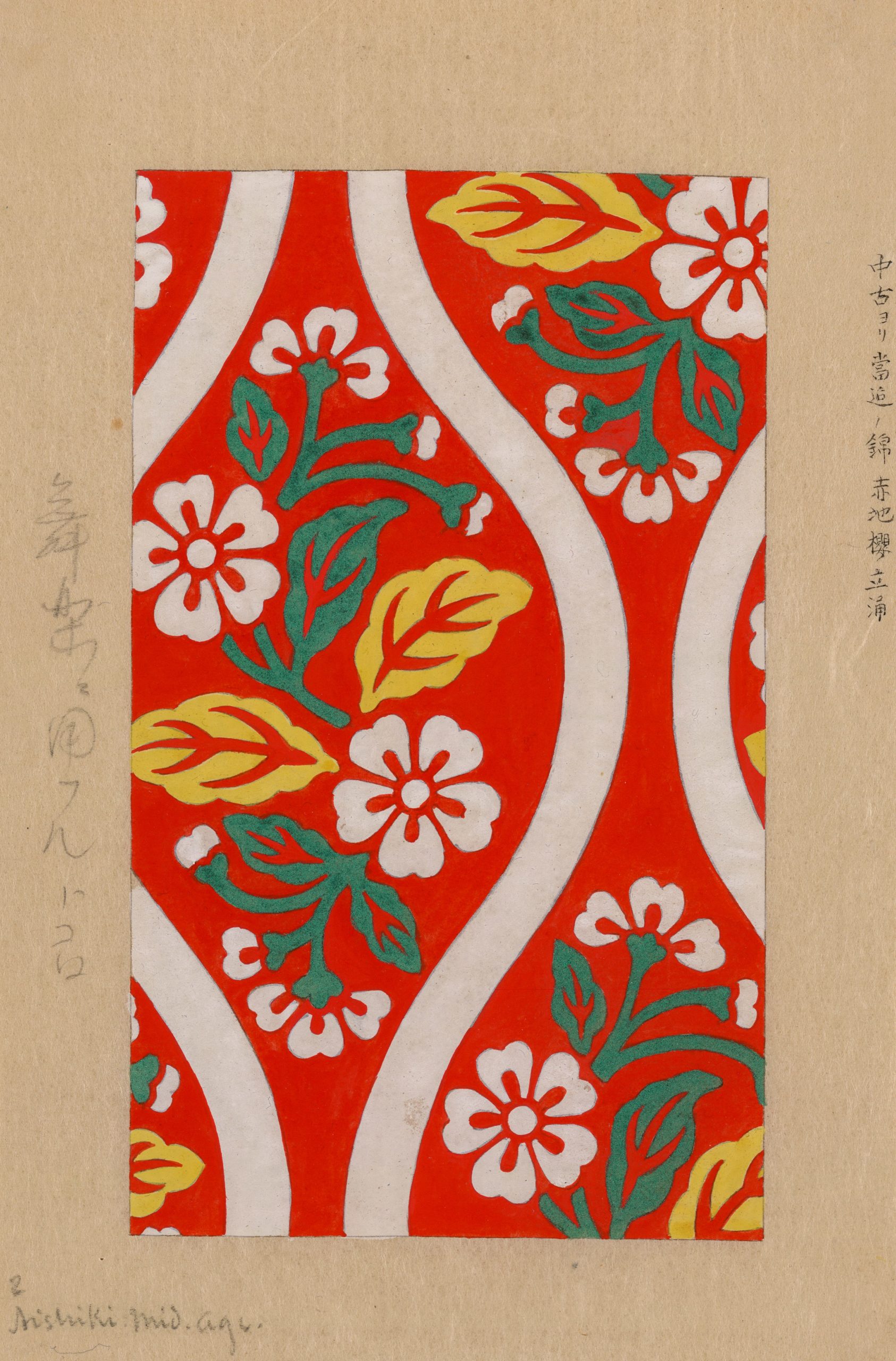
Traditional kimono patterns featuring symbolic elements: cranes for longevity, cherry blossoms for beauty, and natural motifs
Colors: Red for youth and celebration, indigo for protection, black for formality.
Patterns: Cranes represent longevity, cherry blossoms symbolize beauty and impermanence, waves evoke strength.
Seasons: Seasonal motifs ensure harmony with nature, a concept deeply rooted in Japanese philosophy.
Wearing a kimono is like wearing poetry—it tells a story about the wearer’s life stage, occasion, and connection to nature.
Kyoto: The Capital of Kimono Culture
When we talk about the kimono, we must talk about Kyoto. Unlike Tokyo, Kyoto has preserved the essence of traditional Japan. Its temples, tea houses, and geisha districts make it the living museum of Japanese heritage.
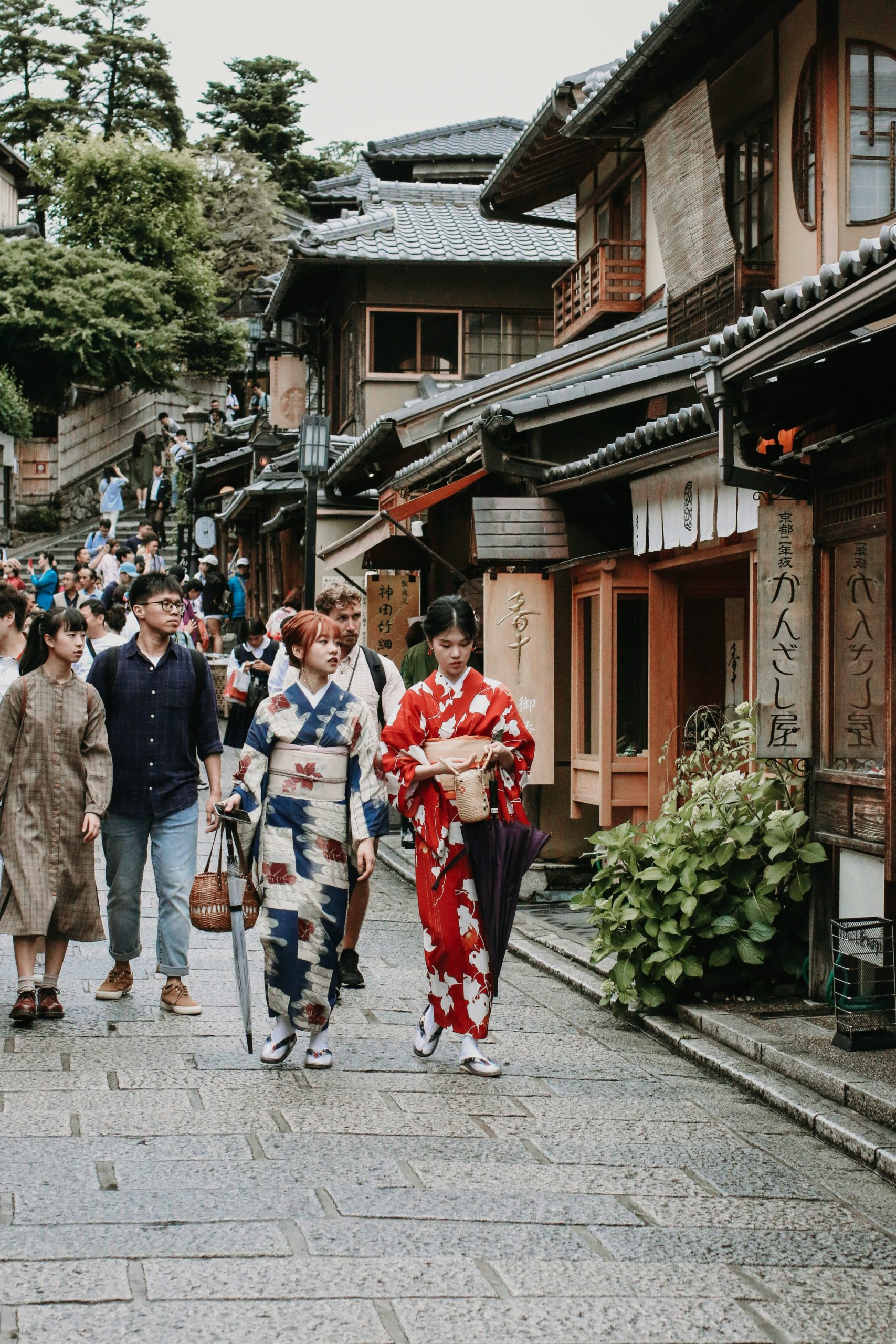
The historic Gion district in Kyoto – the heart of geisha culture and traditional kimono artistry
Gion District: Famous for geisha and maiko (apprentice geisha), often seen in exquisite kimonos.
Nishijin Weaving District: Known for luxurious kimono fabrics like Nishijin-ori, used by nobles for centuries.
Traditional Ceremonies: Kyoto hosts festivals where the kimono takes center stage, such as the Jidai Matsuri and Gion Matsuri.
To fully embrace Kyoto’s beauty, many visitors rent a kimono for a day. You can explore the ancient streets, visit shrines, and take breathtaking photos. Find more here: Kimono Experience in Kyoto.
Why the Kimono is Considered a National Treasure
The Japanese government has officially recognized kimono craftsmanship as an Important Intangible Cultural Property. This is because:
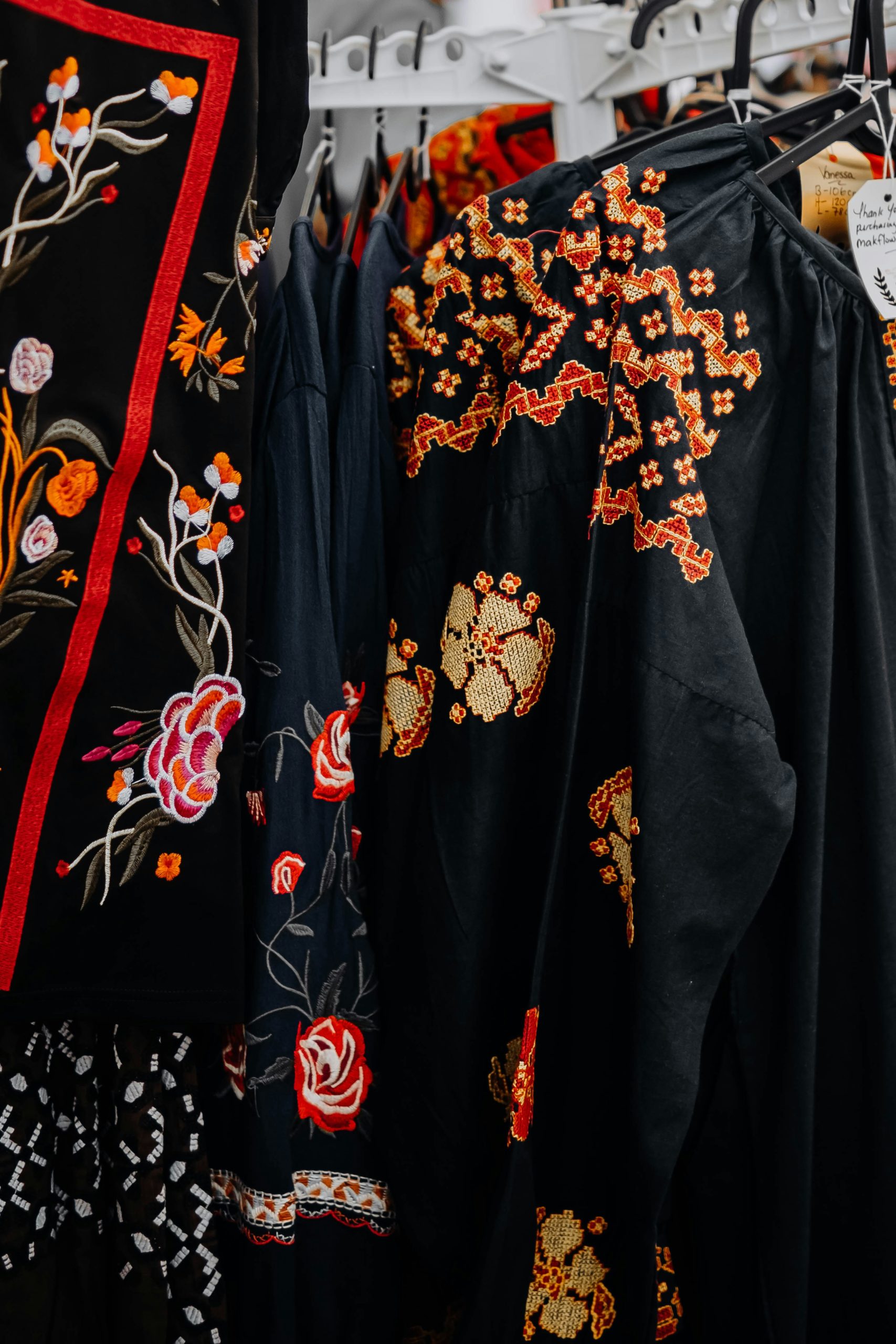
Nishijin-ori weaving – the traditional silk textile craft that creates luxurious kimono fabrics in Kyoto
Artistry: Hand-dyeing, weaving, and embroidery techniques are passed down through generations.
Cultural Identity: The kimono embodies Japanese aesthetics, from simplicity to elegance.
Historical Value: It preserves centuries of tradition that shaped Japan’s visual culture.
Global Symbol: Just like sushi or cherry blossoms, the kimono has become an international icon of Japan.
The Kimono in Modern Japan
While most Japanese wear Western clothing daily, the kimono is still cherished for important occasions:
Modern Japanese bride in traditional wedding kimono – demonstrating kimono’s continued importance in contemporary ceremonies
Weddings: Brides often wear a white shiromuku or a colorful uchikake.
Coming-of-Age Day (Seijin Shiki): Young women wear furisode with long sleeves.
Tea Ceremonies & Festivals: Kimono enhances the authenticity of traditional rituals.
Graduation Ceremonies: Students wear hakama (wide-legged pants) with kimono tops.
Interestingly, modern designers are reinventing the kimono for global fashion, blending tradition with contemporary style.
The Kimono Experience for Tourists in Kyoto
For visitors, wearing a kimono is one of the most memorable experiences in Japan. Rental shops in Kyoto provide everything: the kimono, accessories, hairstyling, and even photography.
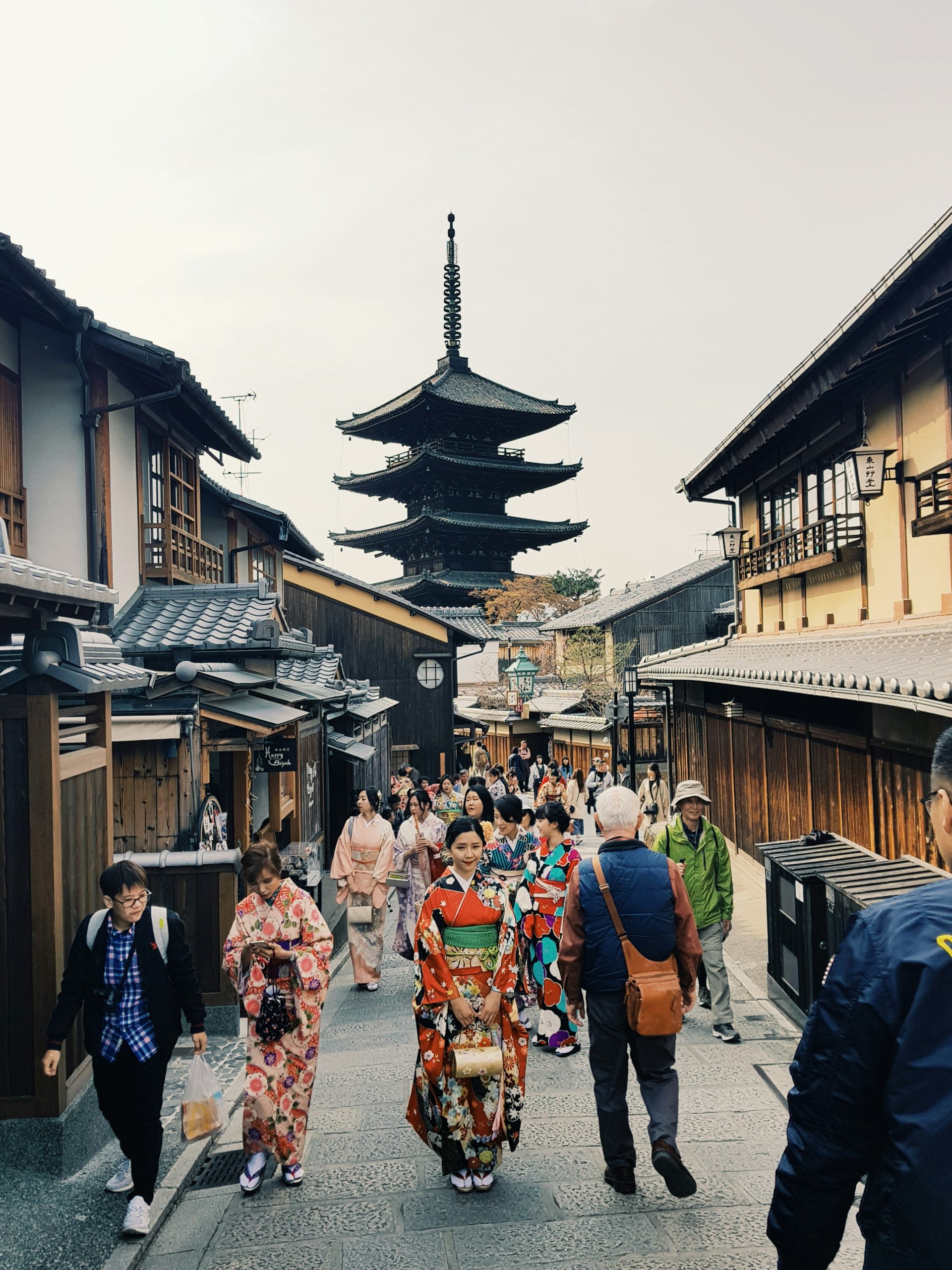
Imagine walking along the stone-paved streets of Gion, standing in front of Yasaka Pagoda, or posing under the cherry blossoms—all while dressed in a stunning kimono.
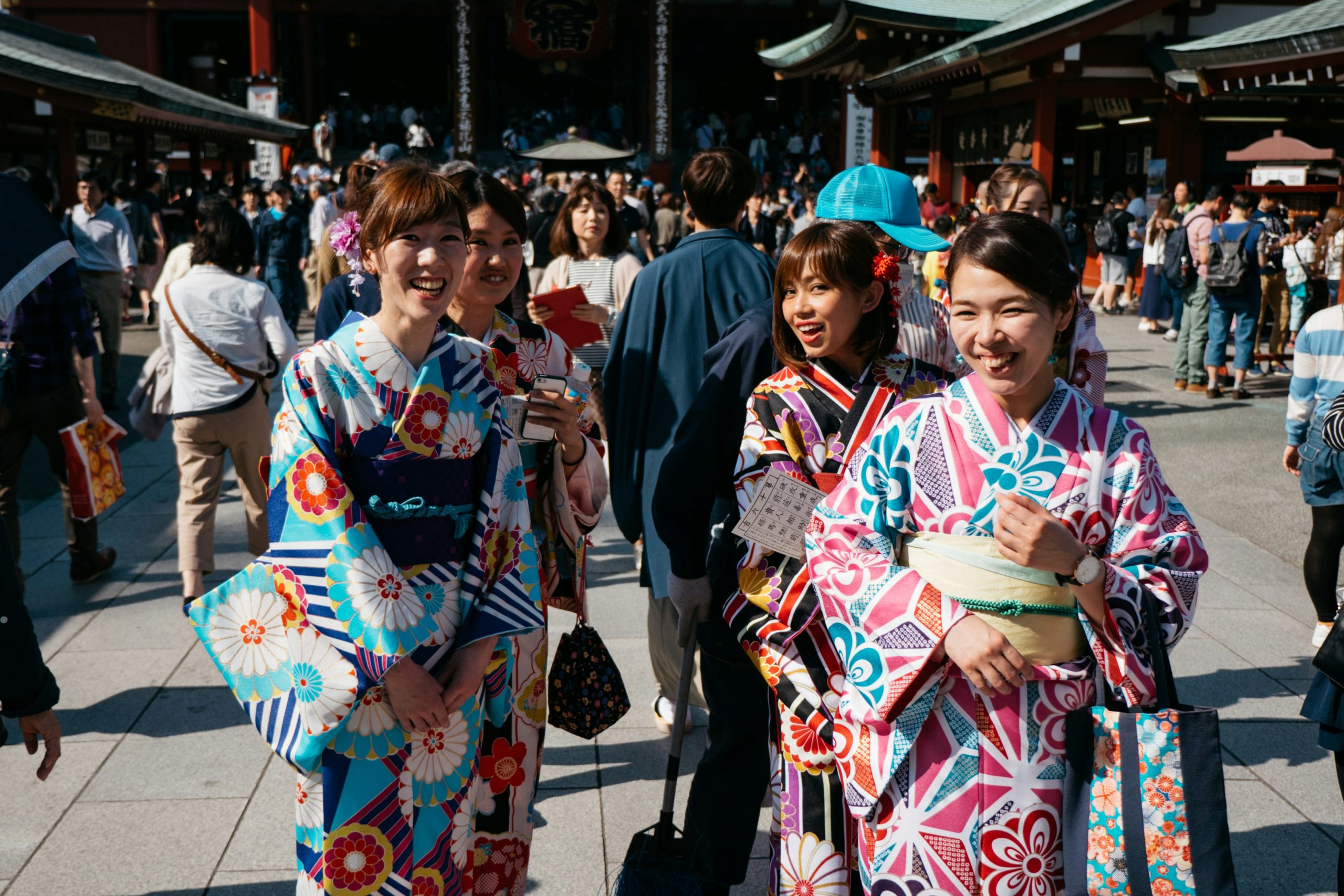
Tourists experiencing the magic of wearing kimono in Kyoto’s historic temples and traditional districts
Ready to try it? Book your Kyoto kimono photoshoot here: Kimono Photography in Kyoto.
How to Choose the Right Kimono
If you’re new to kimono culture, here are some tips:
Select Based on Occasion: A simple yukata for summer festivals, or a formal furisode for celebrations.
Mind the Season: Choose patterns with cherry blossoms in spring, maple leaves in autumn.
Comfort: Kimono are wrapped tightly, so find one that fits well.
Color Harmony: Traditionally, colors reflect age and marital status—though tourists often choose freely.
Kyoto’s Kimono and Photography: The Perfect Pair
In today’s digital age, the kimono is not only cultural—it’s Instagram-worthy. Many travelers combine kimono rentals with professional photography to create lasting memories.
Your trip to Kyoto deserves more than selfies. A professional photoshoot captures the magic of the kimono in iconic locations.
Secure your session here: Kimono Photography in Kyoto.
Preserving Kimono for the Future
Unfortunately, fewer artisans are making kimonos today. The high cost and labor-intensive process have reduced demand. However, efforts are being made to keep the tradition alive through:
- Government support for artisans
- Kimono museums and exhibitions
- International fashion collaborations
- Tourism experiences in Kyoto
Every time a traveler rents a kimono in Kyoto, they contribute to sustaining this priceless tradition.
Conclusion
The kimono is more than clothing—it is a national treasure that carries Japan’s history, artistry, and identity. And while it has evolved over the centuries, Kyoto remains its eternal home.
Whether you are a history lover, a fashion enthusiast, or simply curious about Japanese culture, wearing a kimono in Kyoto is an unforgettable experience.
Experience the Magic of Kimono
Don’t just read about it—live it. Book your kimono photoshoot today.