
Why Gion Remains the Timeless Heart of Kimono Culture in Kyoto
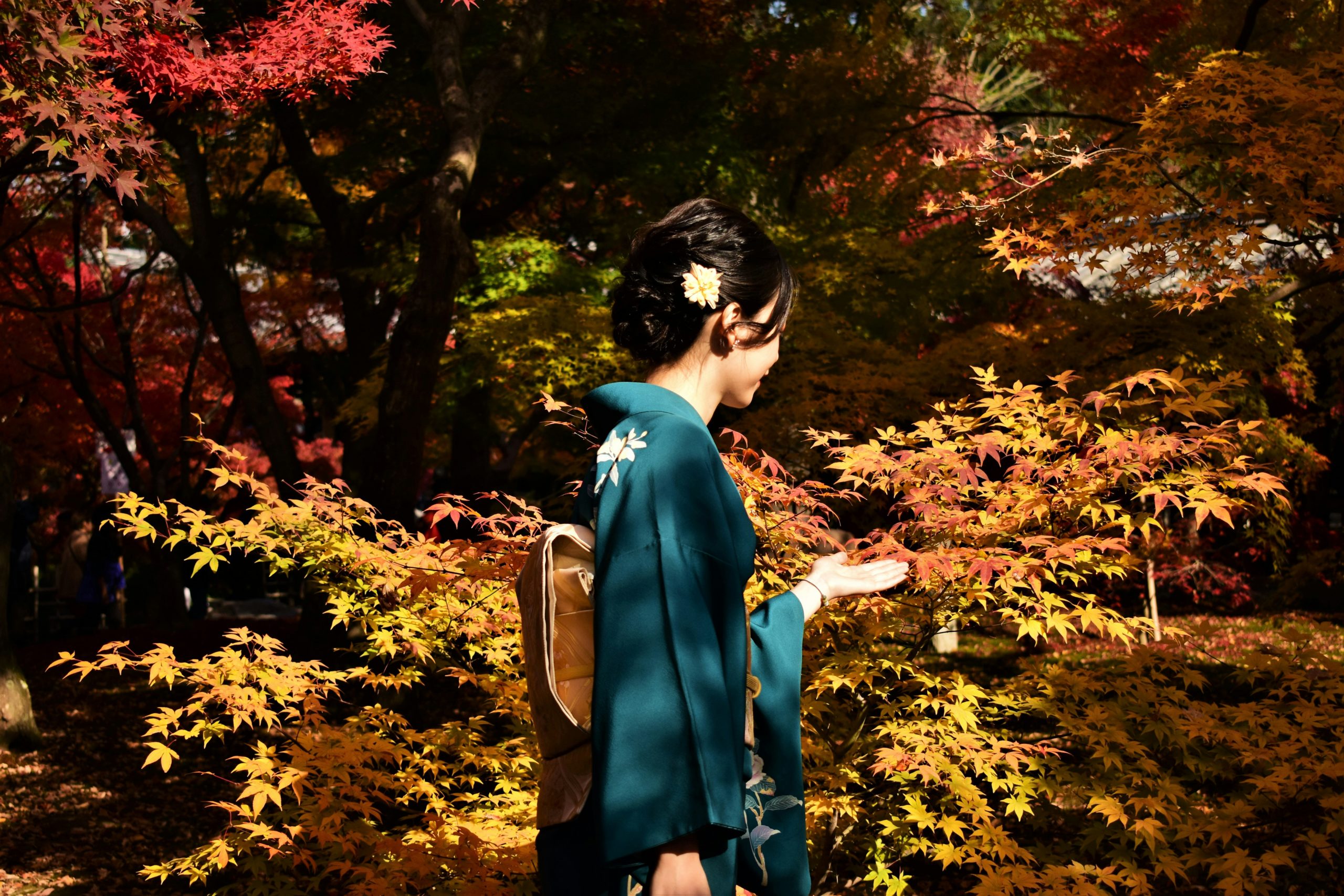
Why Gion Remains the Timeless Heart of Kimono Culture in Kyoto
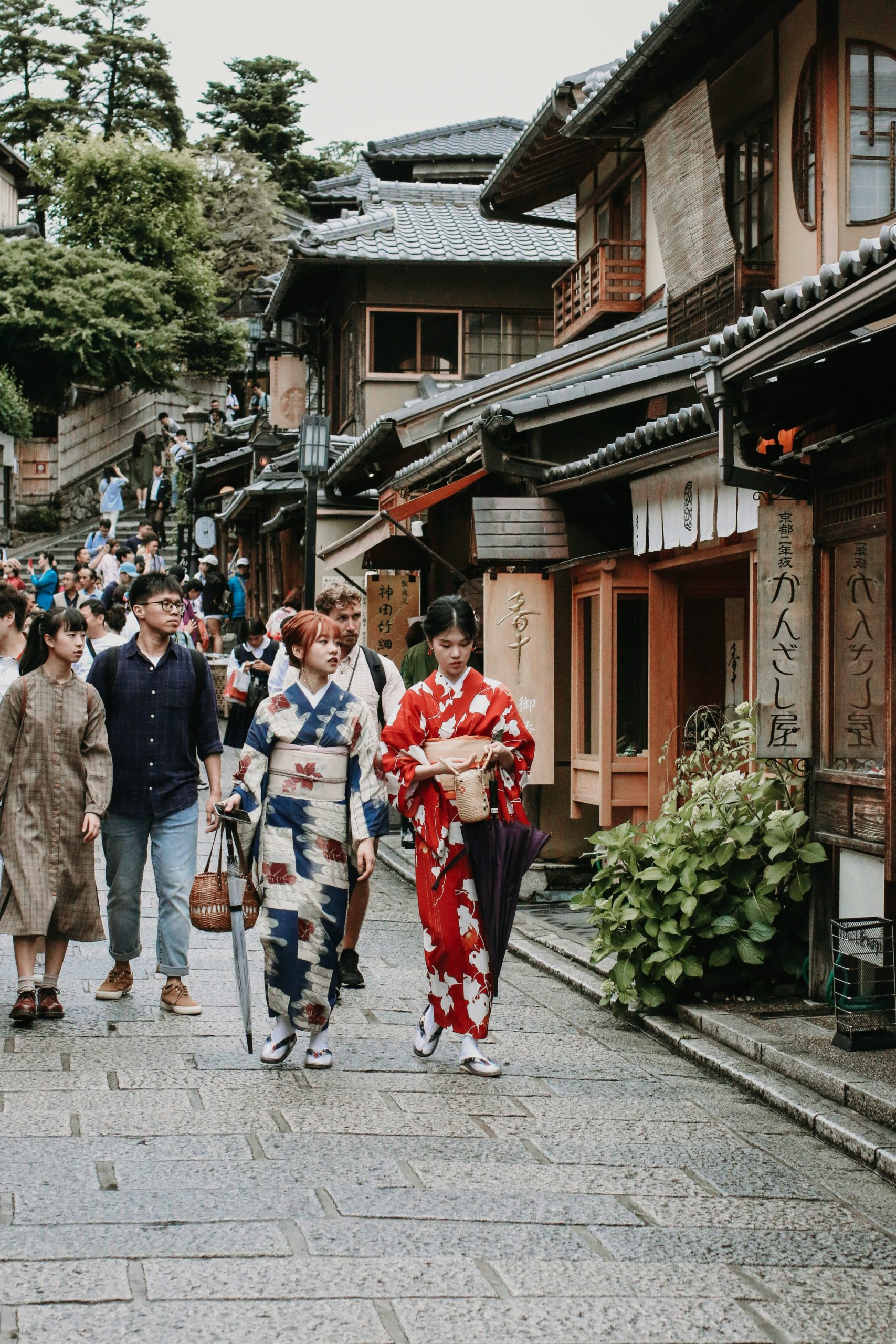
The historic streets of Gion district showcase traditional machiya architecture
Introduction: A City Draped in Elegance
Kyoto is often described as the soul of Japan, a city where ancient traditions thrive in harmony with the present. Among its many districts, Gion stands out as the epicenter of kimono culture—a neighborhood where history, artistry, and style intertwine.
Walking through Gion is like stepping into a living museum. Cobblestone streets, wooden machiya houses, and the occasional sight of a geisha or maiko create an atmosphere that is both cinematic and deeply authentic. Whether you’re a history lover, a fashion enthusiast, or a traveler seeking an unforgettable photo experience, Gion offers something truly unique.
This post will explore why Gion remains the heart of kimono in Kyoto, how the tradition has evolved, the best spots for photography, and how you can immerse yourself in this cultural jewel.
1. The Historical Roots of Gion and the Kimono
Gion’s history dates back to the Edo period (1603–1868), when it flourished as a hub for entertainment and cultural refinement. Its location near Yasaka Shrine made it a natural gathering place for pilgrims, merchants, and aristocrats.
Back then, the kimono was more than a garment—it was a status symbol, a work of art, and a reflection of seasonal aesthetics. Each pattern and color combination held meaning, often tied to nature, poetry, or auspicious symbols.
Traditional kimono patterns featuring sakura (cherry blossom) designs symbolizing renewal and beauty
Even today, many kimono designs in Gion follow traditional motifs, such as:
- Sakura (cherry blossoms): Symbolizing renewal and the fleeting nature of life.
- Kikkō (tortoise shell patterns): Representing longevity.
- Seigaiha (blue ocean waves): A wish for peaceful living.
2. The Living Kimono Tradition in Gion
Unlike Tokyo’s fast-paced fashion culture, Kyoto—and especially Gion—maintains a slower, more deliberate approach to style. Here, kimono rental shops and traditional tailors keep centuries-old techniques alive.
Many locals still wear kimono for festivals, tea ceremonies, or special occasions. The art of dressing—known as kitsuke—requires skill, as each fold, sash, and layer must be arranged with precision.
In Gion, you can experience:
- Authentic silk kimono rentals for visitors.
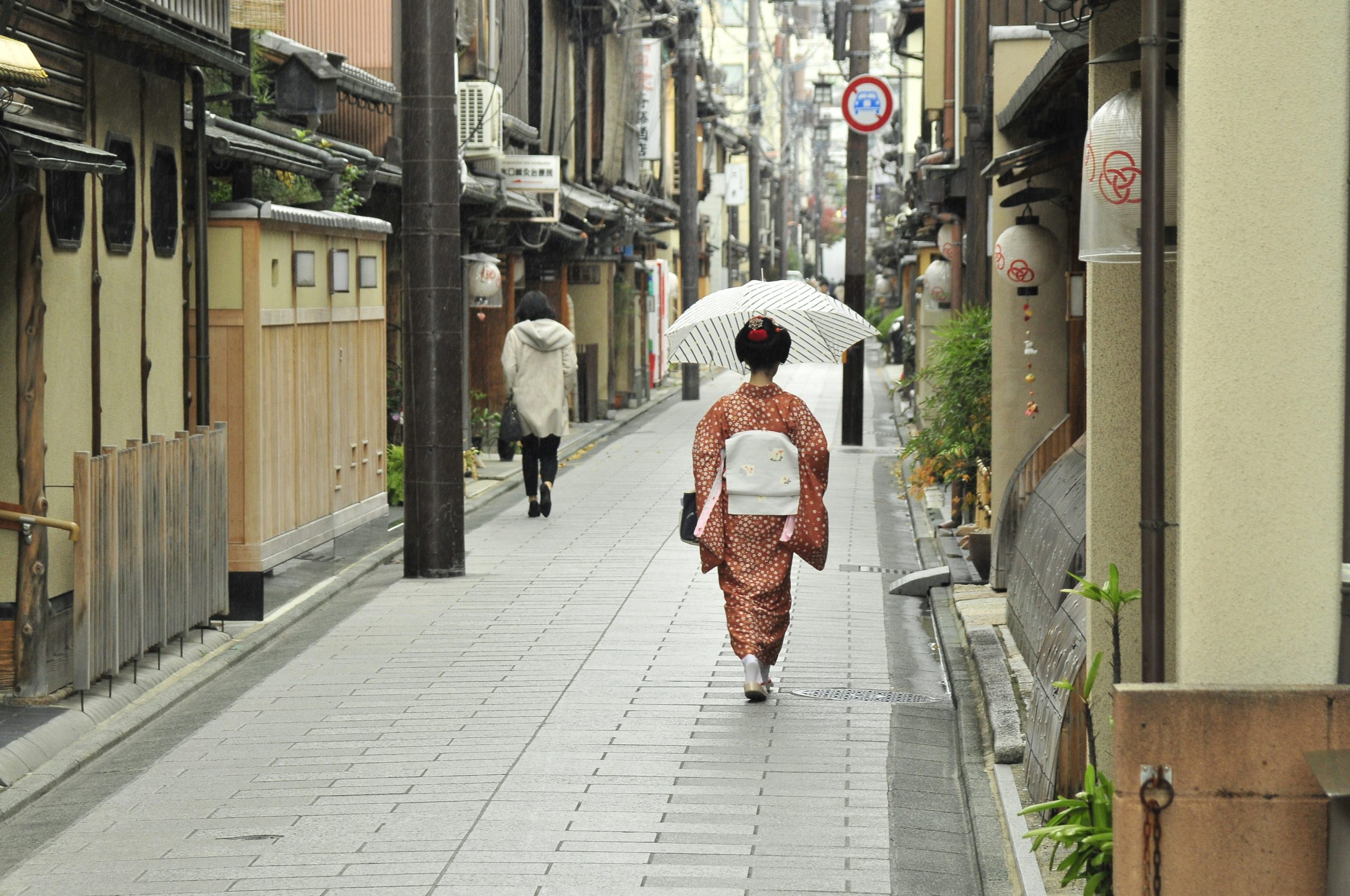
- Geisha and maiko encounters on Hanamikoji Street.
- Seasonal kimono styles reflecting Kyoto’s changing landscapes.
Geisha and maiko in elegant kimono walking through Gion’s historic Hanamikoji Street
? Pro Tip: If you want to capture your Kyoto moments in stunning detail, consider booking a professional kimono photoshoot in Gion. Check our service here: Book Your Kyoto Photoshoot
3. Why Gion is a Photographer’s Paradise
From sunrise to twilight, Gion offers endless photo opportunities. The combination of soft natural light, historic architecture, and colorful kimono makes every frame look like a postcard.
Iconic spots for kimono photography in Gion:
- Hanamikoji Street – The main artery of Gion, lined with ochaya (teahouses) and glowing lanterns.
- Shirakawa Canal – A romantic setting with willow trees and stone bridges.
- Yasaka Pagoda (Hokan-ji Temple) – A striking backdrop for any kimono portrait.
- Kenninji Temple Gardens – Perfect for serene, Zen-inspired shots.
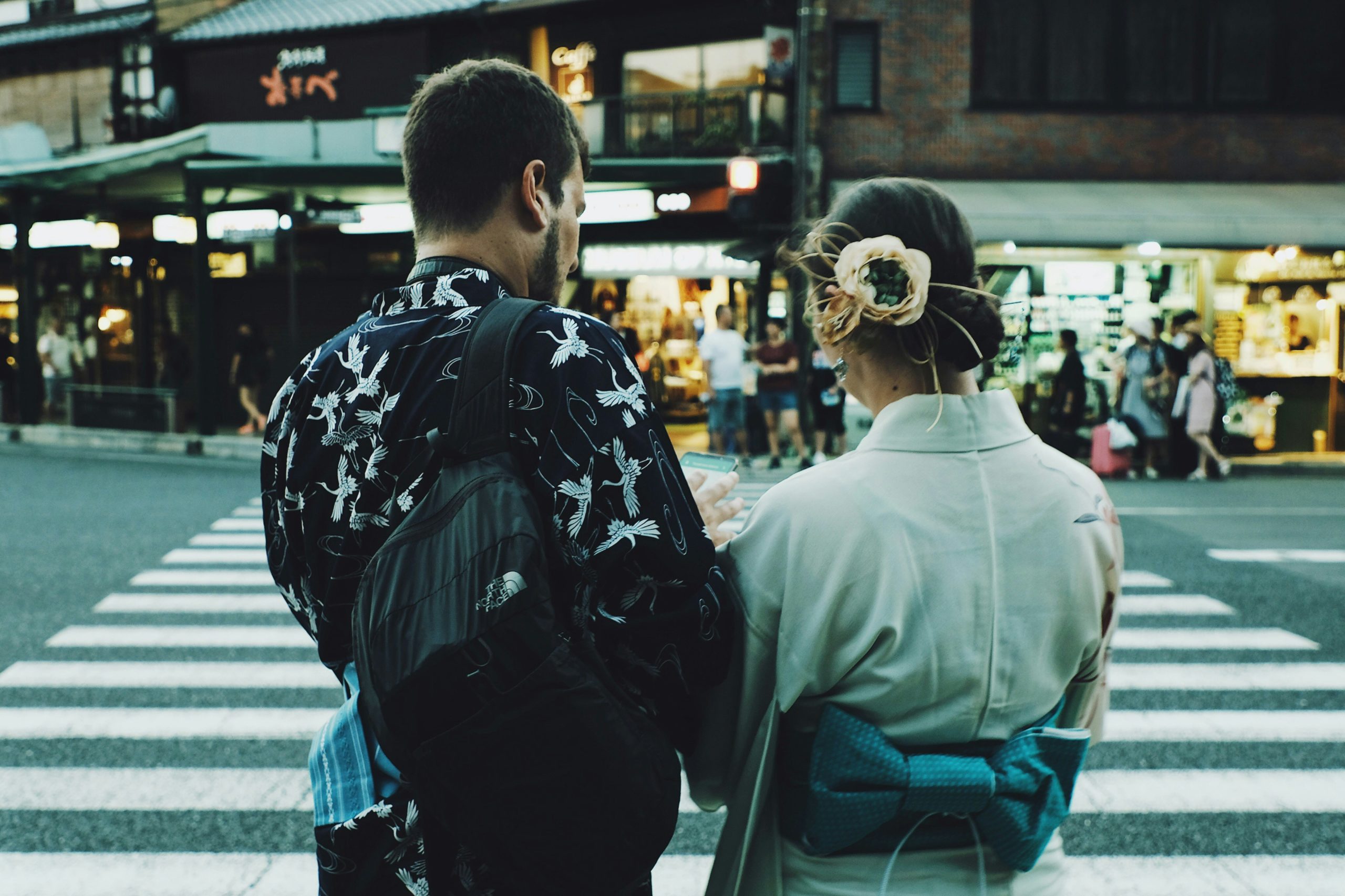
The romantic Shirakawa Canal with its iconic stone bridge and willow trees – a perfect kimono photography location
Whether you’re posing in a vibrant furisode or a subtle iromuji, Gion turns every photo into a memory worth keeping forever.
4. Seasonal Magic: Kimono in Kyoto’s Four Seasons
One reason Gion’s kimono culture remains so alive is its harmony with Kyoto’s distinct seasons.
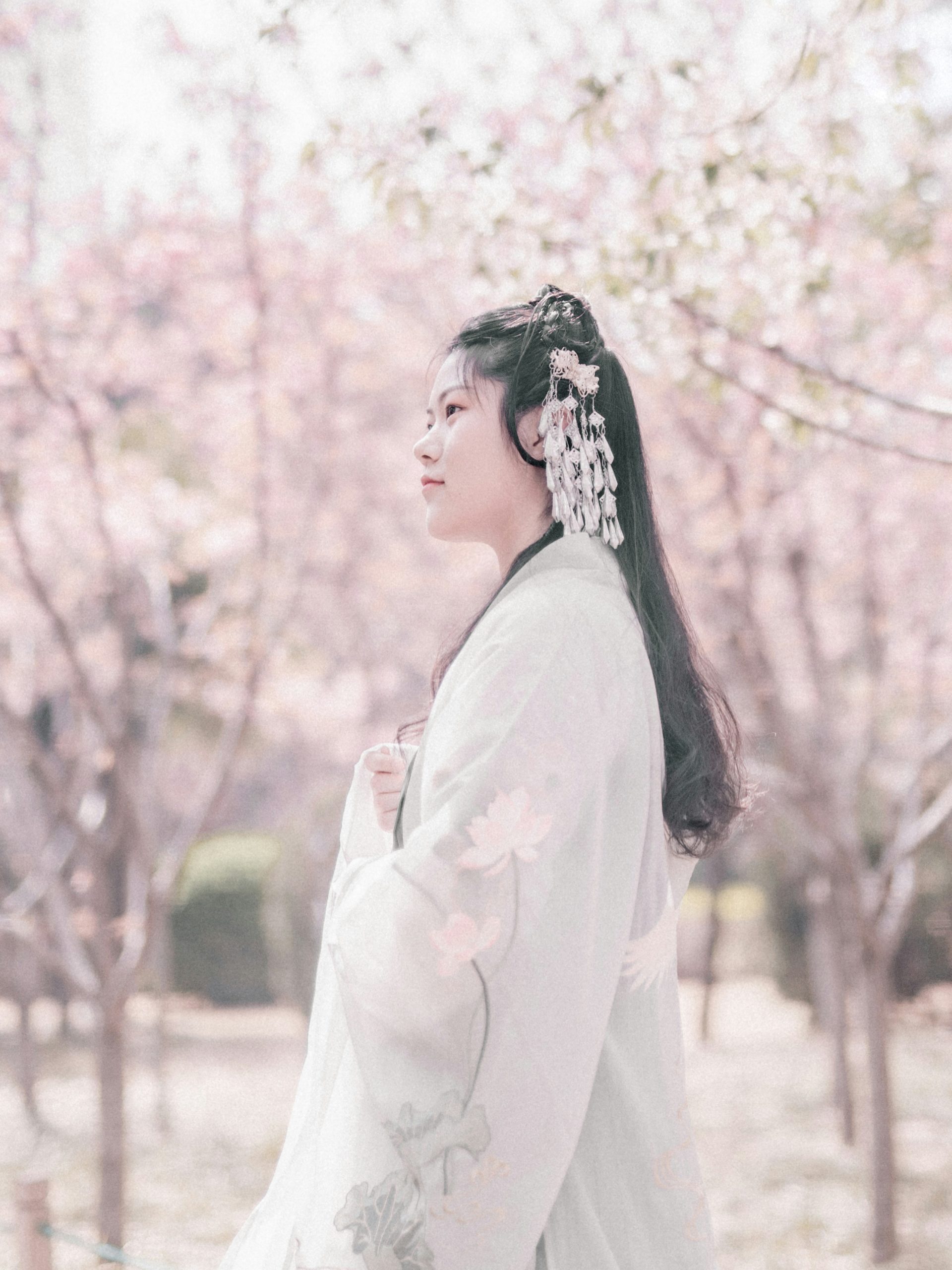
- Spring (March–May): Pink and pastel kimonos match cherry blossom backdrops at Maruyama Park.
- Summer (June–August): Lightweight yukata are worn during the Gion Matsuri, one of Japan’s most famous festivals.
- Autumn (September–November): Deep reds and golds echo the maple leaves in Higashiyama.
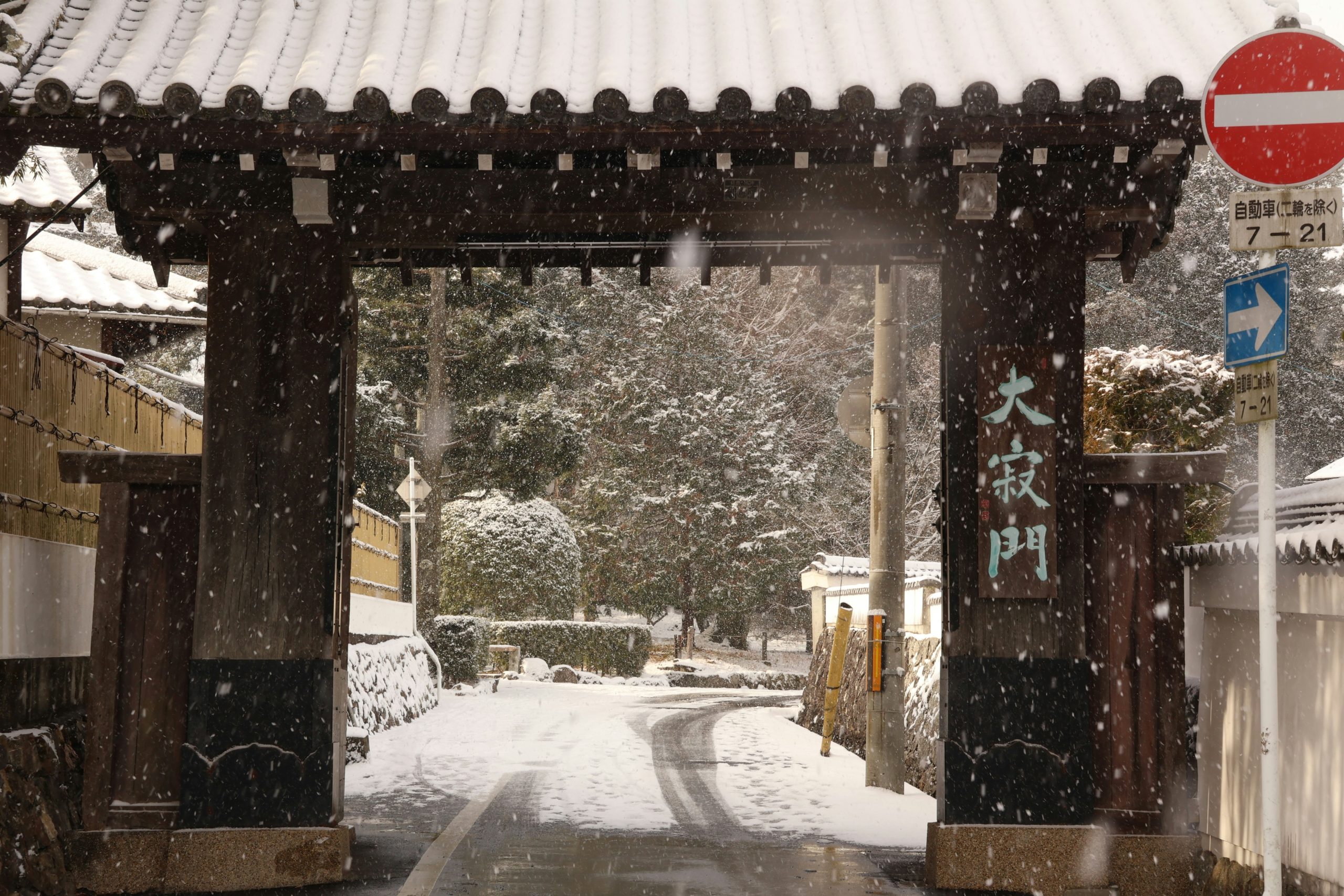
- Winter (December–February): Elegant layers and rich fabrics complement the peaceful, snow-dusted streets.
Spring in Kyoto: Traditional kimono perfectly complement the cherry blossom season
5. The Art of Choosing the Perfect Kimono in Gion
Not all kimonos are the same. When visiting Gion, you’ll find different types:
- Furisode: Long-sleeved kimono for young, unmarried women—perfect for vibrant, festive photos.
- Houmongi: Semi-formal kimono often worn for visiting or ceremonies.
- Tomesode: Short-sleeved formal kimono, often with family crests.
- Yukata: Casual summer kimono made of cotton.
When selecting a kimono for your photoshoot, consider:
- Your skin tone and what colors complement it.
- Seasonal patterns.
- The setting of your shoot.
The iconic Yasaka Pagoda provides a stunning backdrop for traditional kimono photography
6. Gion’s Role in Preserving Kyoto’s Cultural Identity
Kyoto faces a unique challenge: balancing modern tourism with the preservation of its traditions. Gion serves as a cultural guardian, maintaining:
- Kimono craftsmanship through family-owned ateliers.
- Cultural etiquette around geisha and maiko interactions.
- Architectural heritage by protecting historic teahouses.
By choosing to rent a kimono and explore Gion respectfully, you actively support this preservation.
7. The Ultimate Kimono Experience: Combining Sightseeing and Photography
Imagine this itinerary for the perfect Gion day:
- Morning: Kimono fitting at a local rental shop.
- Late Morning: Stroll along Hanamikoji Street, stopping for matcha and wagashi.
- Afternoon: Professional photoshoot at Yasaka Pagoda and Shirakawa Canal.
- Evening: Enjoy traditional kaiseki dinner in a teahouse.

Traditional kimono rental shops in Gion offer authentic experiences with professional fitting services
? Book this experience here: Kyoto Kimono Photoshoot
8. How to Be a Respectful Visitor in Gion
Tourism in Gion is welcome, but respect for the neighborhood’s traditions is key. Follow these tips:
- Don’t block pathways when photographing geisha.
- Avoid touching kimono without permission.
- Keep your voice down in residential areas.
- Ask before entering private properties.
9. Why Gion Will Always Be Kyoto’s Kimono Capital
The allure of Gion lies in its authenticity. While many cities recreate tradition for tourists, Gion lives it daily. Kimono here are not just costumes—they’re living history, woven into Kyoto’s cultural DNA.
By visiting Gion in kimono, you step into a story that spans centuries, connecting you with Japan’s artistic and spiritual heritage.
Conclusion
Whether you’re a first-time visitor or a Kyoto regular, Gion offers an experience like no other. Its timeless charm, preserved traditions, and photogenic streets make it the ultimate destination for kimono lovers.
If you’re ready to capture the magic of Kyoto in kimono, book your personalized photoshoot today: Kyoto Kimono Photography