
Why Did Samurai Also Wear Kimono? The Fascinating History of Samurai Clothing in Ancient Kyoto

Why Did Samurai Also Wear Kimono? The Fascinating History of Samurai Clothing in Ancient Kyoto
Discover the untold story of how Japan’s legendary warriors embraced elegant traditional dress beyond their iconic armor
The Dual Identity of Japan’s Elite Warriors
When most people imagine a samurai, they picture a fierce warrior clad in intricate armor, wielding a katana on ancient battlefields. However, the reality of samurai life was far more nuanced and sophisticated than popular culture suggests. These elite warriors of feudal Japan, particularly those who served in the imperial capital of Kyoto, lived complex lives that required them to navigate both martial and civilian spheres with equal grace and dignity.
The question of why samurai wore kimono reveals a fascinating intersection of practicality, social status, and cultural identity that defined Japanese society for over seven centuries. Far from being merely instruments of war, samurai were cultivated individuals who needed to function effectively in peaceful settings, diplomatic missions, and courtly ceremonies—situations where armor would have been not only inappropriate but potentially offensive to their hosts and peers.

Understanding the Samurai Class Structure
The Evolution from Warriors to Administrators
The samurai class underwent a remarkable transformation throughout Japanese history, particularly evident in the cultural heart of Kyoto. Initially emerging as mounted warriors in the Heian period (794-1185), samurai gradually evolved into a sophisticated administrative class that governed Japan under the Tokugawa shogunate (1603-1868).
During peacetime, which characterized much of the Edo period, samurai found themselves serving primarily as bureaucrats, scholars, and cultural ambassadors rather than active combatants. This shift necessitated a wardrobe that could accommodate their diverse roles while maintaining the dignity and respect their social position demanded.

Social Hierarchy and Dress Codes
Japanese society operated under a strict four-tier class system known as “shi-no-ko-sho” (warrior-farmer-artisan-merchant), with samurai occupying the highest social stratum. This elevated status came with specific expectations regarding appearance, behavior, and dress. The wearing of kimono by samurai wasn’t merely a fashion choice—it was a visual representation of their refined cultural education and social responsibilities.
In Kyoto, where the imperial court maintained its residence, these expectations were particularly stringent. Samurai serving in the ancient capital needed to demonstrate not only their martial prowess but also their cultural sophistication and understanding of court etiquette. The kimono became an essential tool for navigating these complex social waters.
The Historical Context of Samurai Kimono
Origins in the Heian Court Culture
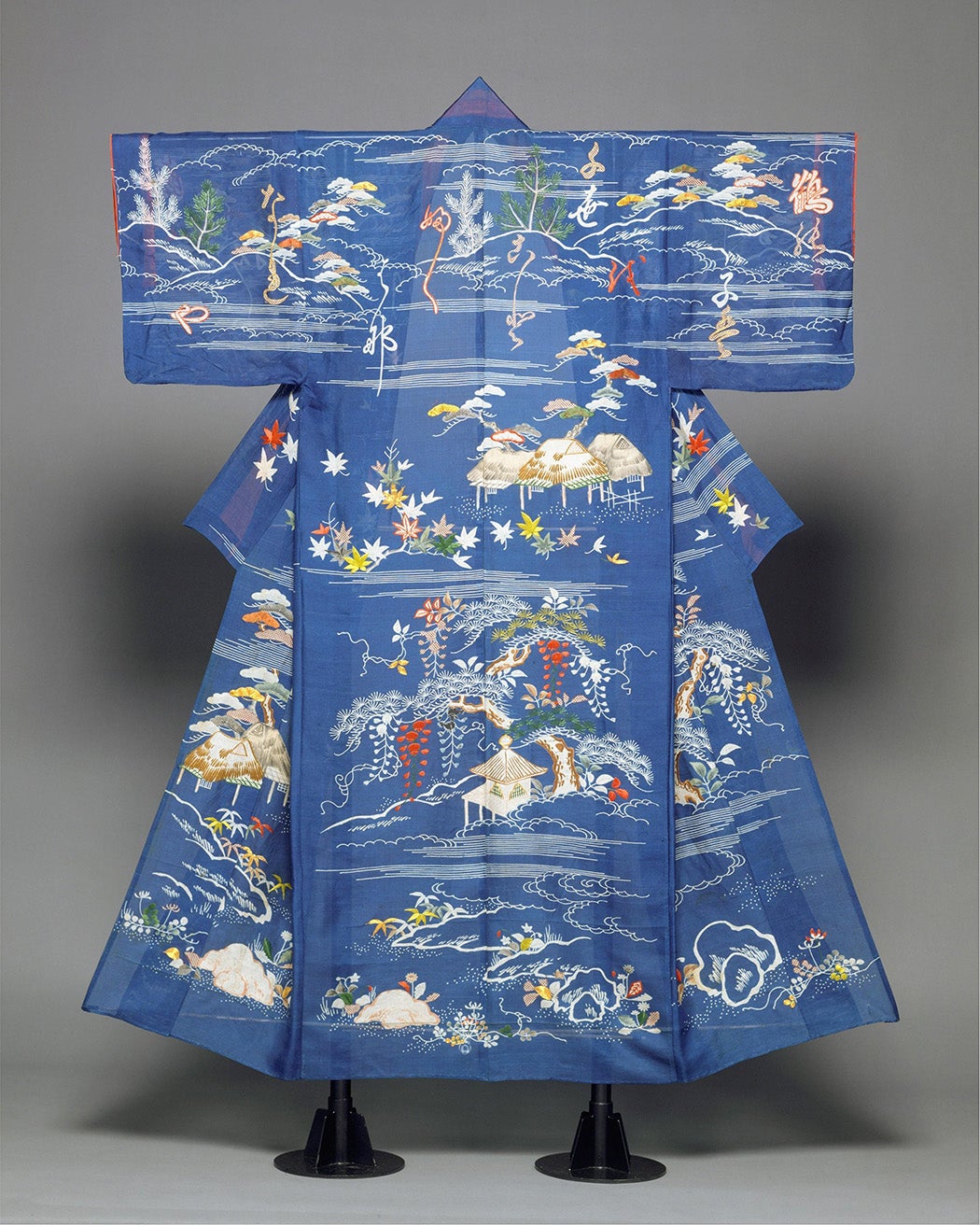
The tradition of samurai wearing kimono can be traced back to the Heian period, when Kyoto (then known as Heian-kyo) served as the center of Japanese civilization. During this era, court culture placed enormous emphasis on aesthetic refinement, poetic ability, and sartorial elegance. Samurai who served the imperial court were expected to participate fully in this cultural milieu.
The Heian court developed elaborate dress codes that varied according to season, occasion, and social rank. Samurai, as members of the aristocratic class, were required to master these complex systems of dress. The kimono, with its subtle variations in color, pattern, and fabric, provided the perfect medium for expressing these nuanced social distinctions.
The Influence of Buddhism and Confucianism
The philosophical underpinnings of samurai culture were deeply influenced by both Buddhist and Confucian teachings, both of which emphasized the importance of proper conduct and appearance. Buddhism taught the concept of “wa” (harmony), which extended to one’s dress and behavior in social situations. Confucianism stressed the importance of ritual propriety and the visual representation of one’s social role.
These philosophical influences made the kimono more than just clothing for samurai—it became a means of expressing their inner cultivation and spiritual development. The careful selection of colors, patterns, and accessories reflected not only aesthetic taste but also moral character and philosophical alignment.
Practical Reasons for Samurai Kimono Wearing
Versatility
Freedom of movement while maintaining dignity and refinement
Climate Adaptation
Sophisticated temperature regulation through layering systems
Social Function
Appropriate dress for ceremonies and diplomatic occasions
Versatility in Daily Life
One of the most compelling reasons samurai adopted kimono was its remarkable versatility. Unlike armor, which was heavy, restrictive, and suitable only for combat situations, kimono allowed for freedom of movement while maintaining an appearance of dignity and refinement. This versatility was crucial for samurai who needed to transition seamlessly between various roles throughout their day.
A typical samurai’s schedule might include administrative duties in the morning, sword practice in the afternoon, and attendance at a poetry reading or tea ceremony in the evening. The kimono, with its layered construction and adaptable styling, could be adjusted to suit each of these different contexts without requiring a complete change of attire.
Climate Considerations in Kyoto
Kyoto’s climate, with its hot, humid summers and cold winters, presented specific challenges for daily wear. The traditional layering system of kimono, known as “kasane-no-irome,” allowed for sophisticated temperature regulation that armor simply couldn’t provide. During summer months, samurai could wear lighter silk kimono with minimal undergarments, while winter called for multiple layers of silk and cotton fabrics.

The seasonal nature of kimono wearing also aligned with Japanese aesthetic principles that emphasized harmony with natural cycles. Samurai demonstrated their cultural sophistication by selecting appropriate seasonal colors and patterns—cherry blossoms for spring, flowing water motifs for summer, autumn leaves for fall, and snow-covered pine branches for winter.
Ceremonial and Diplomatic Functions
Samurai frequently participated in formal ceremonies, diplomatic meetings, and cultural events where armor would have been entirely inappropriate. The kimono provided an elegant solution that allowed them to maintain their dignity while showing proper respect for the occasion and their hosts.
In Kyoto’s numerous temples and shrines, samurai participated in religious ceremonies that required specific dress codes. The kimono’s adaptability allowed them to incorporate sacred colors and symbols appropriate to different Buddhist and Shinto rituals, demonstrating their spiritual devotion and cultural literacy.
The Art of Samurai Kimono Selection
Color Symbolism and Rank Indication
The selection of kimono colors by samurai was never arbitrary—each hue carried specific meanings and indicated the wearer’s rank, clan affiliation, and current circumstances. Deep indigo blue, for example, was associated with loyalty and determination, making it a popular choice among samurai. Subdued browns and grays indicated humility and scholarly pursuits, while certain shades of red were reserved for special occasions or specific family lineages.
In Kyoto’s court culture, seasonal color combinations held particular significance. The practice of “kasane-no-irome” involved layering kimono in specific color combinations that referenced classical poetry, historical events, or natural phenomena. A samurai’s ability to select appropriate color combinations demonstrated not only aesthetic sense but also literary education and cultural refinement.
Family Crests and Personal Identity
Samurai kimono typically featured family crests (mon) that identified the wearer’s clan and lineage. These crests served both decorative and practical purposes, allowing for immediate recognition of family affiliations and social connections. In the complex political landscape of feudal Japan, particularly in Kyoto where multiple powerful families maintained residences, these visual identifiers were crucial for proper social interaction.
The placement and size of family crests on kimono followed strict protocols that varied according to the formality of the occasion. Formal kimono might feature five crests (one on the back center, one on each sleeve, and one on each front panel), while casual wear might display only one or three crests. The ability to navigate these complex protocols was part of the samurai’s essential social education.

Textile Quality and Economic Status
The quality of silk and the intricacy of weaving techniques used in samurai kimono reflected not only personal wealth but also the economic power of their clan. High-ranking samurai from prosperous families could afford the finest silk brocades, elaborate embroidery, and rare dyes that marked them as members of the elite class. These visual markers of status were particularly important in Kyoto, where samurai from various provinces gathered and needed to establish their relative social positions quickly.
However, sumptuary laws periodically restricted the display of luxury in clothing, forcing samurai to express their status through subtle means—the quality of silk weave, the sophistication of dyeing techniques, or the exclusivity of pattern designs. This led to the development of increasingly refined aesthetic sensibilities that valued understated elegance over ostentatious display.
Regional Variations: Kyoto vs. Other Domains
The Kyoto Aesthetic Tradition
Samurai kimono worn in Kyoto developed distinctive characteristics that reflected the city’s role as the cultural and spiritual heart of Japan. The proximity to the imperial court, numerous temples and shrines, and thriving artisan communities created an environment where aesthetic refinement reached its highest expression.
Kyoto samurai developed a preference for subtle elegance over bold display, favoring muted colors, sophisticated pattern combinations, and the finest textile craftsmanship available. This aesthetic, known as “miyabi,” emphasized refined beauty and emotional depth over superficial decoration. The kimono became a canvas for expressing these aesthetic principles through careful selection of colors, patterns, and accessories.
Influence of Kyoto’s Artisan Traditions
The concentration of skilled textile artisans in Kyoto provided samurai with access to the highest quality fabrics and most innovative design techniques. The city’s famous Nishijin district became synonymous with luxury silk weaving, while other neighborhoods specialized in dyeing, embroidery, and fabric finishing techniques that were unavailable elsewhere in Japan.
This proximity to exceptional craftsmanship allowed Kyoto samurai to commission custom kimono that reflected their individual tastes and social requirements. The relationship between samurai patrons and textile artisans created a feedback loop that drove continuous innovation in fabric design and production techniques, establishing Kyoto as the undisputed center of Japanese textile arts.
Comparison with Edo and Provincial Styles
While samurai throughout Japan wore kimono, regional variations reflected local preferences, economic conditions, and cultural influences. Samurai in Edo (modern Tokyo) tended toward slightly more practical designs that accommodated the busy commercial atmosphere of the shogun’s capital. Provincial samurai often adopted simpler styles that reflected both economic constraints and local aesthetic traditions.
However, Kyoto remained the standard by which all other styles were measured. Samurai from other regions who visited the ancient capital often commissioned new kimono from Kyoto artisans to ensure they met the sophisticated standards expected in imperial court circles. This cultural influence helped spread Kyoto aesthetic principles throughout Japan while maintaining the city’s reputation as the ultimate arbiter of taste and refinement.
The Transition from War to Peace

The Edo Period Transformation
The establishment of the Tokugawa shogunate in 1603 ushered in an unprecedented period of peace that fundamentally transformed samurai society. With active warfare largely eliminated, samurai needed to redefine their role and identity within Japanese society. The kimono became increasingly important as a means of maintaining cultural continuity while adapting to new social realities.
During this peaceful era, many samurai turned to scholarly pursuits, artistic endeavors, and administrative responsibilities that required them to spend most of their time in civilian settings. The kimono’s versatility and cultural significance made it the ideal garment for navigating these new roles while maintaining connection to samurai traditions and values.
The Development of Samurai Fashion
As warfare became less central to samurai life, attention to clothing and personal appearance increased dramatically. What had once been purely functional considerations evolved into sophisticated fashion systems that rivaled those of the imperial court. Samurai began to view their kimono not merely as practical garments but as expressions of personal style and cultural sophistication.
This shift led to the development of specifically samurai fashion trends that differed subtly from those of other social classes. While maintaining the dignity and restraint expected of their rank, samurai kimono incorporated innovative design elements that reflected their unique position in Japanese society. These developments were particularly pronounced in Kyoto, where the concentration of high-ranking samurai created a dynamic fashion environment.
Integration with Cultural Pursuits
The peaceful Edo period saw samurai increasingly involved in cultural activities such as tea ceremony, flower arrangement, poetry composition, and scholarly research. Each of these pursuits had specific dress requirements that the versatile kimono could accommodate. The tea ceremony, for example, required clothing that was elegant but not ostentatious, comfortable for sitting in seiza position, and appropriate for the seasonal themes that governed ceremonial practice.
Similarly, samurai scholars needed clothing that projected intellectual seriousness while remaining comfortable for long hours of reading and writing. The kimono’s layered construction allowed for temperature regulation during extended study sessions, while its sophisticated aesthetic maintained the dignity appropriate to scholarly pursuits.
Kimono in Samurai Ceremonies and Rituals
Coming-of-Age Celebrations
One of the most significant occasions for samurai kimono wearing was the genpuku ceremony, marking a young samurai’s transition to adulthood. This elaborate ritual required specific ceremonial dress that combined traditional elements with family and regional variations. The kimono worn during genpuku ceremonies often became treasured family heirlooms, passed down through generations as symbols of continuity and tradition.
In Kyoto, where many genpuku ceremonies took place in the presence of imperial court officials, the standards for ceremonial dress were particularly exacting. Young samurai and their families invested considerable resources in commissioning appropriate ceremonial kimono that would reflect well on their family’s reputation and social standing.
Marriage and Family Occasions
Samurai weddings required elaborate kimono that demonstrated the families’ social status and economic resources while adhering to complex protocols governing ceremonial dress. The bride’s kimono, in particular, featured intricate designs and expensive materials that showcased the family’s prosperity and cultural sophistication.
These ceremonial kimono often incorporated symbolic motifs that expressed hopes for the marriage—cranes for longevity, pine trees for steadfastness, and cherry blossoms for beauty and the ephemeral nature of life. The careful selection and combination of these symbols demonstrated the families’ cultural education and aesthetic sensibilities.
Seasonal Festival Participation
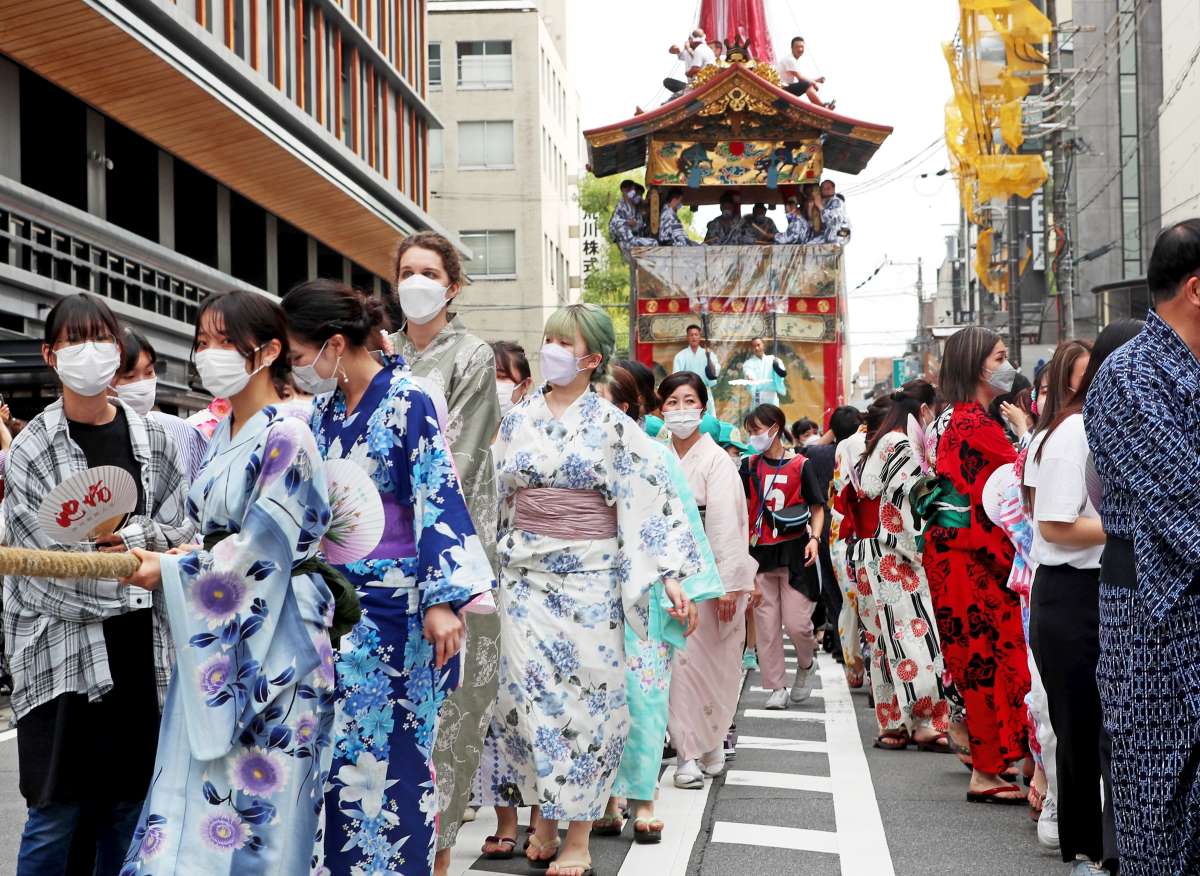
Throughout the year, Kyoto hosted numerous festivals and religious observances that required specific dress codes. Samurai participation in these events was expected and provided opportunities to display their cultural integration and community involvement. The kimono worn for festival occasions often featured seasonal motifs and colors that aligned with the event’s themes and timing.
The famous Gion Festival, for example, required participants to wear summer kimono in specific color combinations that had been established through centuries of tradition. Samurai families often maintained special festival kimono that were worn only for these occasions, creating a visual link between their family history and the broader cultural traditions of Kyoto.
The Decline and Legacy of Samurai Kimono
The Meiji Restoration Impact
The Meiji Restoration of 1868 fundamentally altered Japanese society and effectively ended the samurai class as a distinct social group. The new government’s modernization policies, including the adoption of Western dress for official occasions, gradually reduced the practical importance of kimono in daily life. However, the aesthetic principles and cultural values embodied in samurai kimono continued to influence Japanese fashion and design.
Many former samurai families preserved their ceremonial kimono as links to their ancestral heritage, even as they adapted to new social and economic realities. These preserved garments became important cultural artifacts that provided insights into historical aesthetics, textile techniques, and social customs of the feudal period.
Preservation in Modern Kyoto
Today, Kyoto maintains its position as the center of traditional Japanese textile arts, with many workshops and studios continuing techniques that were developed to serve samurai clients centuries ago. The city’s museums and cultural institutions preserve significant collections of historical samurai kimono that provide valuable insights into the intersection of military culture, aesthetic refinement, and social identity.
Modern visitors to Kyoto can still experience elements of this historical tradition through cultural programs, museum exhibitions, and traditional craft demonstrations that showcase the techniques and aesthetic principles that made samurai kimono such remarkable examples of functional art.
Capturing the Essence: Photography and Cultural Preservation
The visual legacy of samurai kimono continues to inspire contemporary artists, photographers, and cultural enthusiasts who seek to document and preserve these remarkable traditions. Professional photography plays a crucial role in maintaining cultural memory and making historical aesthetics accessible to modern audiences.
For those interested in exploring and documenting the rich cultural heritage of Kyoto’s samurai traditions, professional photography services can help capture the subtle beauty and historical significance of these remarkable garments and the cultural contexts in which they were worn. Discover professional photography services that specialize in cultural heritage documentation.
Conclusion: The Enduring Significance of Samurai Kimono
“The legacy of samurai kimono extends far beyond their historical period, continuing to influence modern Japanese aesthetics, fashion design, and cultural identity.”
The question of why samurai wore kimono reveals a complex intersection of practical necessity, social obligation, and cultural expression that defined Japanese elite society for centuries. Far from being a contradiction to their warrior identity, the adoption of elegant civilian dress demonstrated the samurai’s versatility, cultural sophistication, and ability to navigate the complex social requirements of their elevated position.
In Kyoto, where imperial court culture set the highest standards for aesthetic refinement, samurai kimono reached their most sophisticated expression. The city’s concentration of skilled artisans, cultural institutions, and aristocratic patrons created an environment where clothing became high art, and the simple act of getting dressed became an expression of cultural values and personal identity.
The legacy of samurai kimono extends far beyond their historical period, continuing to influence modern Japanese aesthetics, fashion design, and cultural identity. These remarkable garments remind us that true strength often lies not in the display of force but in the mastery of subtle cultural forms that require patience, education, and refined sensibility to fully appreciate.
Understanding the role of kimono in samurai culture helps us appreciate the complexity and sophistication of historical Japanese society, where warriors were expected to be not only effective fighters but also cultured individuals capable of participating fully in the intellectual and artistic life of their communities. This dual identity, perfectly embodied in the elegant simplicity of the kimono, represents one of the most fascinating aspects of Japan’s remarkable cultural heritage.

