Where Fashion Meets Theater in Kyoto
Introduction: Where Fashion Meets Theater in Kyoto
In Kyoto, the ancient capital of Japan, culture breathes in every street, temple, and performance. Among its most fascinating traditions stands Bunraku theater—Japan’s refined form of puppet theater—and the kimono, the iconic garment that embodies centuries of Japanese artistry. While the kimono is often associated with weddings, tea ceremonies, and seasonal festivals, it also has a deep relationship with traditional performing arts. In Bunraku, costumes are not merely fabric—they represent storytelling, symbolism, and heritage.

Experience the elegance of traditional Japanese kimono in Kyoto’s historic streets
For visitors to Kyoto, experiencing Bunraku while wearing a kimono bridges past and present, allowing you to live Japanese culture firsthand. This article explores how these two art forms connect, why Kyoto is the ideal city to experience them, and how you can immerse yourself in this living tradition.
Discover kimono rental experiences here →
1. What is Bunraku Theater?
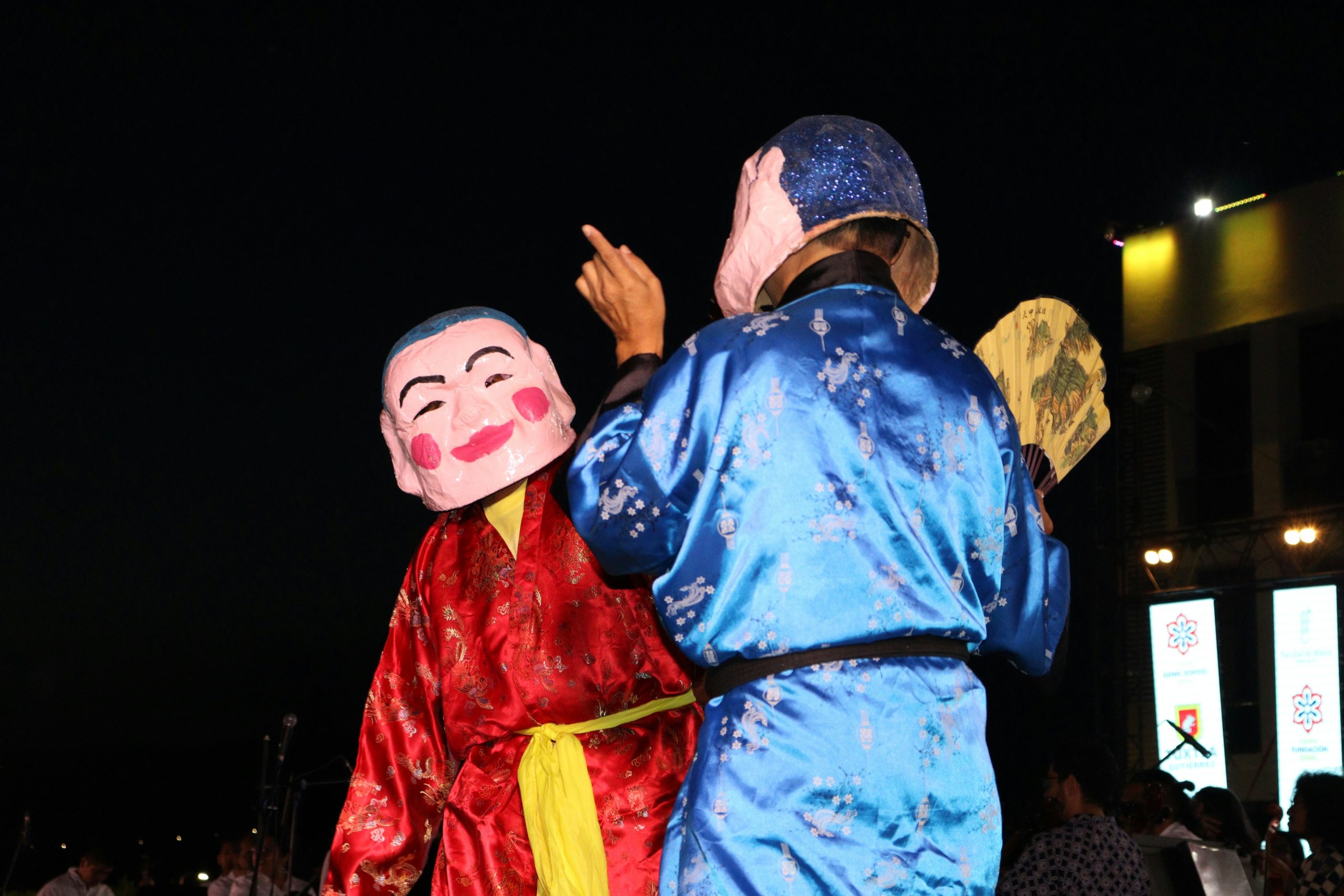
Bunraku puppet theater – a masterpiece of Japanese traditional performing arts
Bunraku (文楽) is one of Japan’s three great classical theater forms, alongside Noh and Kabuki. Originating in Osaka during the 17th century, Bunraku combines:
- Large wooden puppets (up to 1 meter tall).
- Narration by a tayū (chanter), who performs all characters’ voices.
- Music played on the shamisen (a three-stringed instrument).
Though Bunraku was born in Osaka, Kyoto embraced it quickly, integrating it into its festivals and cultural identity. The puppets themselves are dressed in exquisite miniature kimonos, handcrafted with the same dedication as full-sized ones.
Fun fact: The costumes in Bunraku reflect social rank, emotions, and even supernatural themes. A puppet wearing a luxurious kimono with gold embroidery often represents nobility or a spirit from folklore.
2. The Kimono as a Storytelling Tool in Bunraku
Bunraku puppet dressed in traditional kimono showcasing exquisite Japanese textile artistry
The kimono is more than clothing—it’s a visual language. On the Bunraku stage, fabrics, colors, and patterns all contribute to the story.
- Colors: Red may symbolize youth or passion, while indigo indicates sorrow or maturity.
- Patterns: Cherry blossoms suggest fleeting beauty, while cranes symbolize longevity.
- Seasons: Just as Kyoto locals wear seasonal kimono, puppets change costumes to align with spring, summer, autumn, or winter.
By mirroring real-life kimono customs, Bunraku costumes preserve cultural values. For an audience in Kyoto, watching these symbolic garments enhances the emotional depth of the performance.
3. Experiencing Bunraku in Kyoto
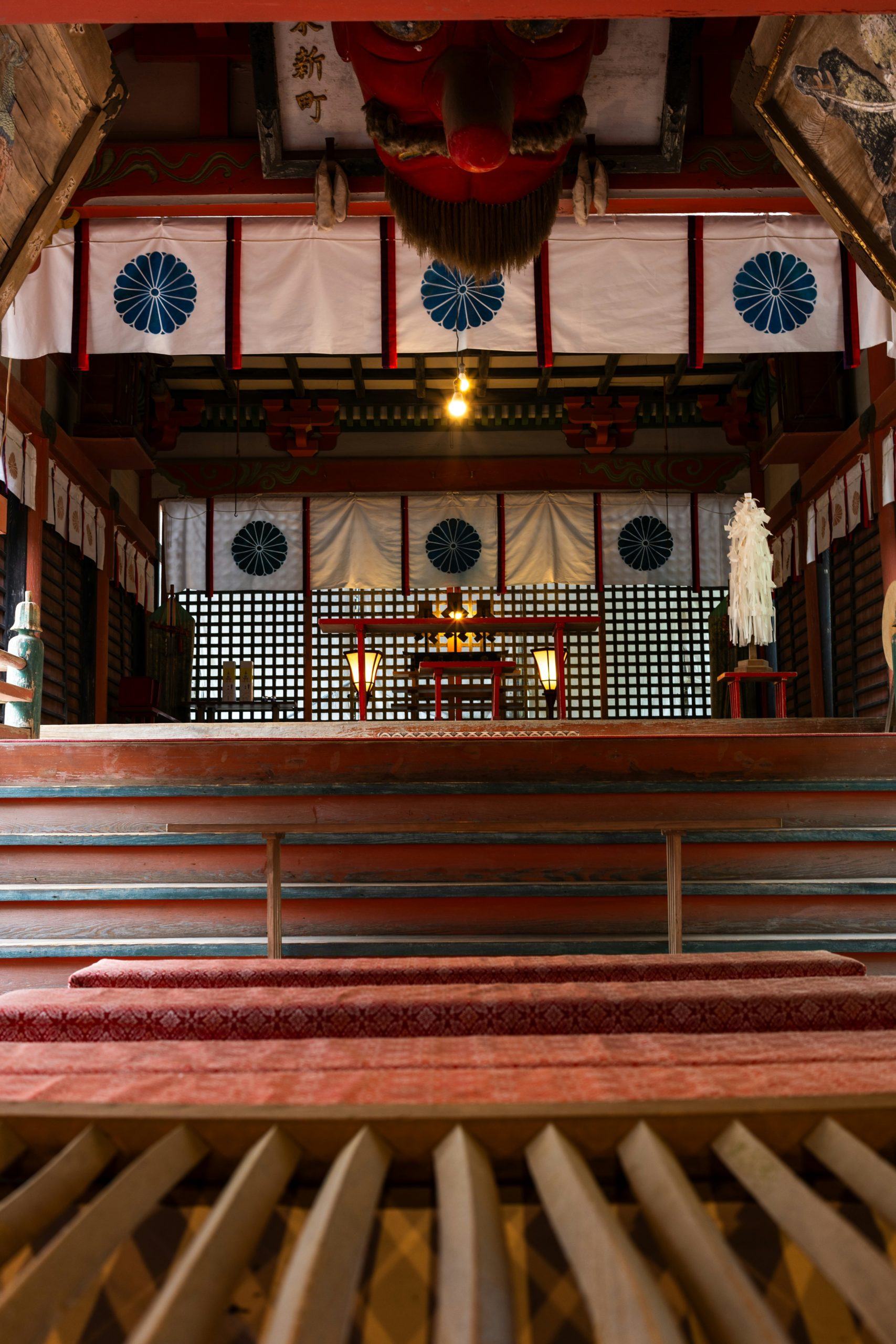
The historic Minami-za Theatre in Kyoto – a premier venue for traditional Japanese performing arts
Kyoto hosts regular performances where visitors can enjoy Bunraku in traditional settings. Some key venues include:
- Minami-za Theatre: A historical stage near Gion, often featuring classic plays.
- Kyoto Art Theater Shunjuza: Known for blending tradition with modernity.
- Special seasonal performances during festivals such as Gion Matsuri.
Imagine attending such a performance while dressed in a kimono. The experience transforms you from spectator to participant in Kyoto’s cultural fabric.
Reserve your kimono rental in Kyoto now and elevate your Bunraku evening with authentic attire.
4. Why Kimono and Bunraku Are Intertwined
A. Shared Symbolism
Both kimono and Bunraku puppets represent layers of meaning. They are carefully crafted art pieces, where every detail communicates emotion, class, or destiny.
B. Preservation of Tradition
Artisans in Kyoto dedicate their lives to weaving kimono fabrics and tailoring them, much like puppet-makers and performers preserve Bunraku. Both crafts are recognized as Intangible Cultural Heritage by UNESCO.
C. Accessibility for Modern Visitors
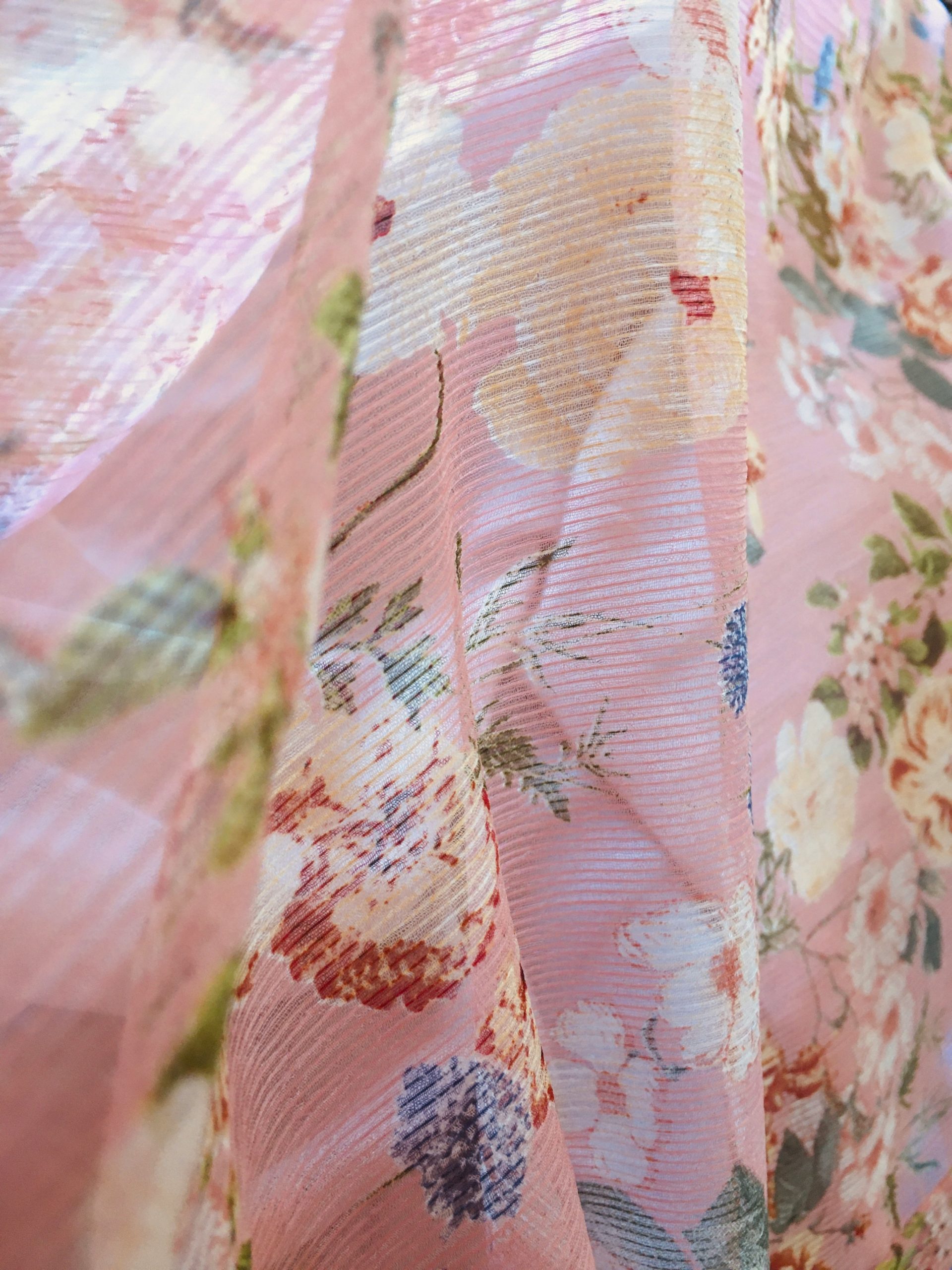
Traditional kimono patterns featuring cranes and cherry blossoms – symbols of longevity and fleeting beauty
While many Japanese people wear kimono mainly for formal occasions, visitors to Kyoto can easily rent one. Similarly, Bunraku, once reserved for elites, is now available to everyone through public performances.
5. Wearing a Kimono in Kyoto: Tips for Visitors
When planning to enjoy Bunraku in Kyoto, consider renting a kimono to make the evening unforgettable.
- Seasonal Choices: Light cotton yukata in summer, silk kimono in winter.
- Comfort First: Rental shops provide professional dressing services, ensuring you can move comfortably.
- Coordinate Colors: Choose colors that match the season—pastel for spring, deep tones for autumn.
- Photoshoots: Many shops, such as Mimosa, offer photography packages in scenic Kyoto streets.
6. Kyoto as the Perfect Backdrop
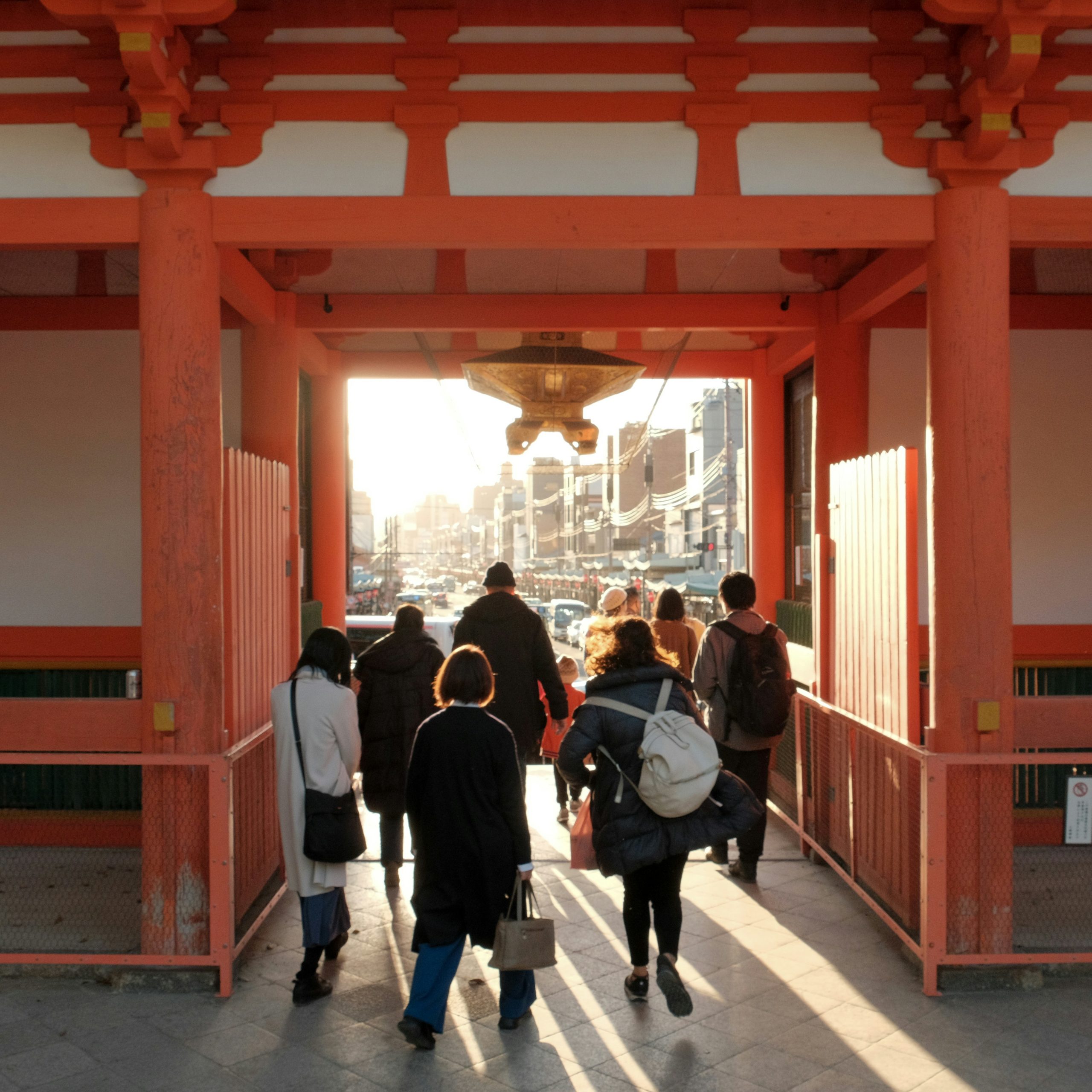
The enchanting Gion district in Kyoto – where traditional culture comes alive in historic streets
Kyoto’s atmosphere makes the connection between kimono and Bunraku more powerful:
- Historic districts: Gion, Pontocho, and Higashiyama glow with lantern-lit streets.
- Temples and shrines: Wear your kimono to Yasaka Jinja or Kiyomizu-dera for memorable photos before a performance.
- Seasonal magic: Cherry blossoms in spring, red maple leaves in autumn—the ideal backdrop for kimono attire.
7. How Kimono Rental Enhances Cultural Appreciation
By wearing a kimono before attending Bunraku, visitors gain a deeper connection to the performance. It creates a shared perspective with the puppets’ costumes and the world they represent.
This practice is not only about beauty but also about respect for tradition. It shows mindfulness toward Kyoto’s living heritage.
8. Practical Guide for Visitors
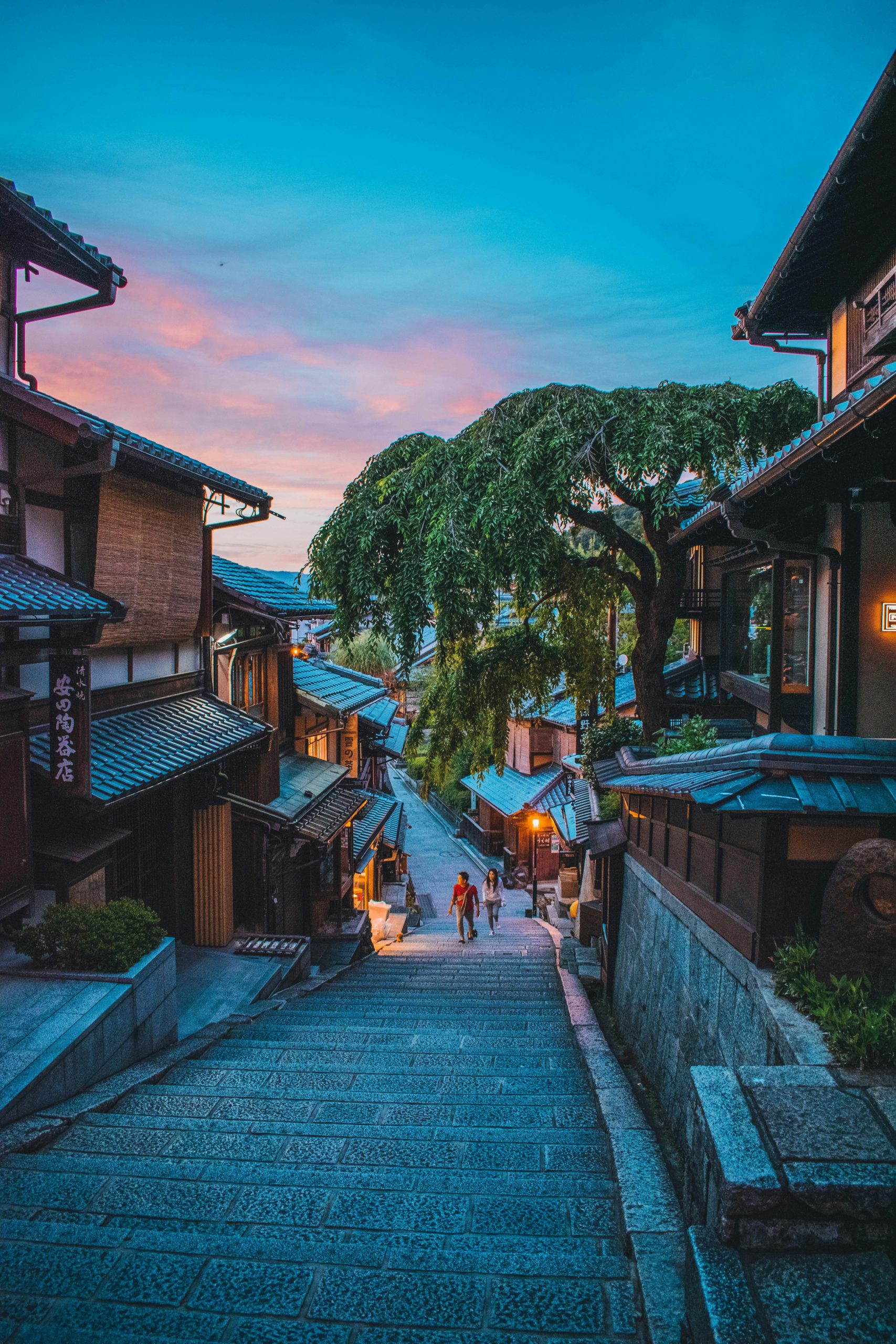
Perfect kimono photography at Kiyomizu-dera Temple – capturing the essence of Japanese tradition
- Step 1: Book your kimono rental in advance.
- Step 2: Arrive 30–60 minutes before your Bunraku show for dressing.
- Step 3: Take photos in Kyoto’s streets before heading to the theater.
- Step 4: Enjoy the show with new cultural insight.
Start your kimono journey here
Conclusion: Living Tradition in Kyoto
The connection between kimono and Bunraku theater represents the harmony of Japan’s aesthetic and cultural identity. In Kyoto, wearing a kimono is not just about fashion—it’s about stepping into history, art, and performance. Whether you are watching puppets dressed in vibrant costumes or walking through lantern-lit streets, you are part of a tradition that continues to thrive.
For an unforgettable experience in Kyoto, combine kimono rental with the elegance of Bunraku theater—and carry a piece of Japan’s soul with you.