
Unlock the Secret Meanings Behind Kimono Colors: Discover the Fascinating Symbolism of This Traditional Attire!

Unlock the Secret Meanings Behind Kimono Colors: Discover the Fascinating Symbolism of This Traditional Attire!
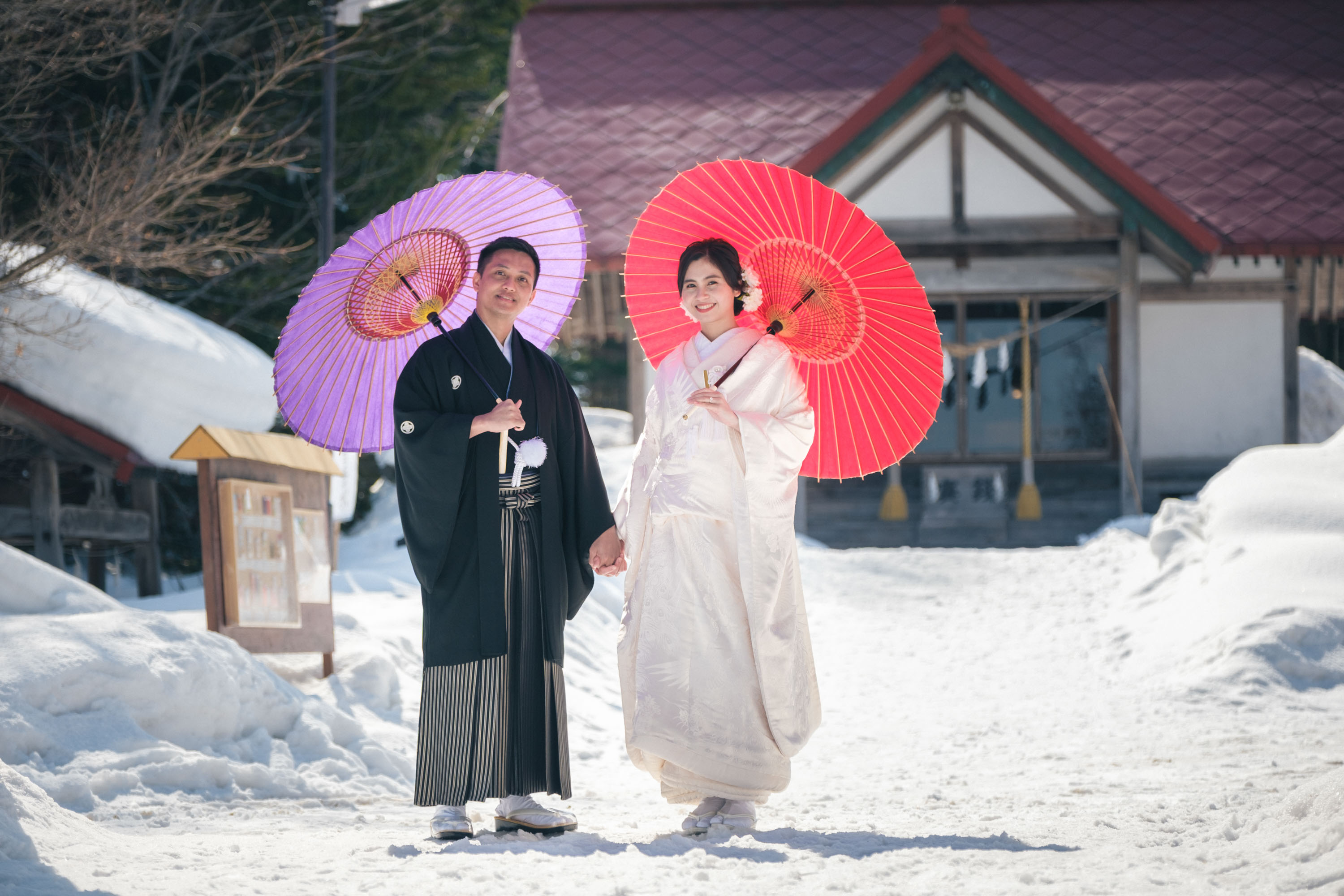
Did you know that the colors of the kimono have meaning? Traditional Japanese kimonos are not just garments; they are a profound expression of cultural heritage and symbolism. Each hue woven into these exquisite pieces of clothing tells a story, filled with depth and meaning, revolving around nature, the seasons, and cultural beliefs. In this extensive guide, we will delve into the hidden meanings behind kimono colors, illustrating how these vibrant hues reflect the identity, status, and sensations of the wearer, creating a fascinating tapestry of tradition and elegance.
The Japanese Kimono and Symbolism of Colors
The traditional Japanese kimono is much more than a piece of clothing; it is a cultural emblem that encapsulates Japan’s rich history and profound symbolism. Each color used in a kimono holds a unique significance, representing elements of nature, seasonal changes, or cultural beliefs that influence its design. For example, white kimonos signify purity and are typically worn during religious ceremonies or as bridal attire. On the other hand, red kimonos symbolize vitality and protection against evil, making them ideal for celebratory occasions. Green, with its association with youth and eternal life, represents new beginnings and growth.
- White Kimonos: Symbolize purity; commonly worn in religious ceremonies and weddings.
- Red Kimonos: Signify vitality and protection; popular for celebratory events.
- Green Kimonos: Reflect youth, growth, and renewal; often used for new beginnings.
The choice of colors in a kimono is not arbitrary. It conveys the wearer’s status, emotions, and personal or social identity, allowing the wearer to communicate through a traditional attire rich with hidden meanings.
3 Responses to “The Japanese Kimono and Symbolism of Colors”
The Japanese kimono, with its intricate patterns and vibrant hues, is deeply intertwined with cultural symbolism, where each color holds a distinct meaning and conveys messages about the wearer’s status or emotions. Red, a prominent color in kimonos, is associated with youth, passion, and energy, while white is the epitome of purity and innocence, often used in bridal kimonos. Blue represents tranquility and fidelity, making it popular for formal occasions, while black signifies maturity and elegance, reflecting its use in formal or ceremonial attire.
- Red: Youth, passion, and energy.
- White: Purity and innocence.
- Blue: Tranquility and fidelity.
- Black: Maturity and elegance.
The combination of colors in a kimono can communicate complex layers of personal and social identity, illustrating that traditional attire is deeply rich with nuanced meanings that continue to resonate through Japanese culture.
Kimono Color Meanings
Kimono colors carry profound symbolic meanings, often representing distinct qualities or emotions. Red is traditionally associated with passion and energy, making it a prominent choice for celebrations and joyful events. In contrast, blue is emblematic of tranquility and peace, often donned for ceremonies requiring a calm atmosphere. Green signifies growth, often worn during events symbolizing new beginnings. Lastly, white is synonymous with purity and cleanliness, commonly chosen for rituals emphasizing purification.
- Red: Passion, energy; used in celebrations.
- Blue: Tranquility, peace; selected for serene ceremonies.
- Green: Growth, renewal; indicative of new beginnings.
- White: Purity, cleanliness; for purification rituals.
By understanding these color meanings, one gains a greater appreciation of the personal and cultural narratives expressed through kimonos.
Traditional Colors of Japan and What They Symbolize
Traditional Japanese colors are rooted in cultural and historical significance, often derived from nature. Each color used in kimonos carries symbolic meanings such as wealth, happiness, protection, and purity. Red symbolizes life and protection against evil spirits, while white stands for purity and truth, vital in ceremonies like weddings. Blue denotes peace and calmness, symbolizing stability and harmony with nature.
- Red: Life, energy, protection.
- White: Purity, truth; used in weddings and funerals.
- Blue: Peace, trust; nature harmony.
These colors offer a window into Japan’s rich history and the cultural narratives that continue to influence its traditions.
Red and White
Red in kimonos often signifies strength, passion, and happiness, making it a sought-out choice for auspicious occasions like weddings. White, on the other hand, symbolizes purity and innocence, frequently worn for rituals and significant life milestones. When combined, red and white represent a harmonious balance between passion and purity, illustrating how these colors are integral to both tradition and modern interpretations of kimono fashion.
- Red: Passion, happiness; for weddings.
- White: Purity, innocence; significant milestones.
- Red & White: Harmony between emotions.
Understanding the symbolism within these colors enhances appreciation of the intricate and meaningful layers embedded within this traditional attire.
Red
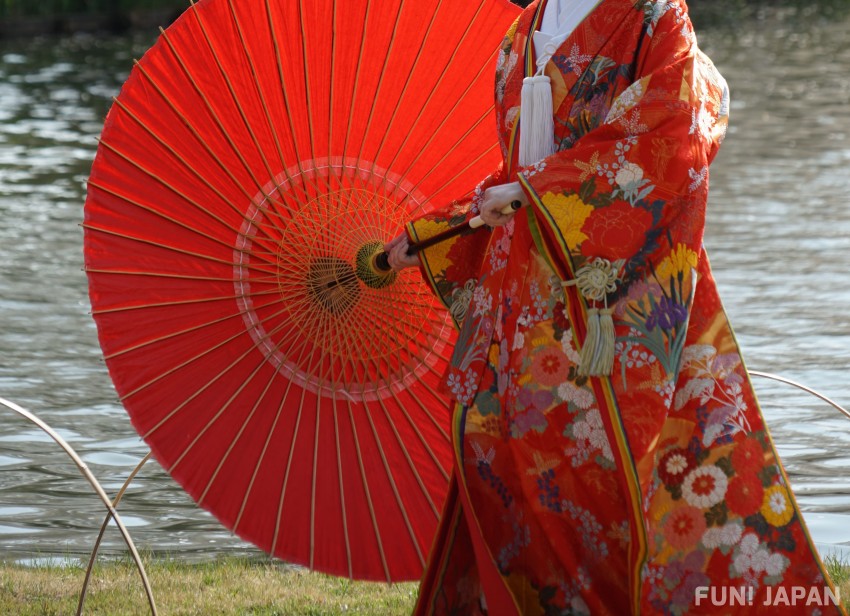
In traditional Japanese culture, the color red holds significant meaning and is often associated with strong emotions like passion and love. Red kimonos are typically reserved for celebrations and joyous occasions, signifying happiness and festivities. This vibrant hue also symbolizes protection, believed to ward off evil spirits and attract good fortune. Red is favored for young women’s kimonos, denoting youthful beauty.
- Joyous Occasions: Weddings, festivals.
- Youth: Represents beauty and energy.
- Protection: Wards off evil spirits.
The shades of red used in a kimono can communicate different nuances, from deep mature tones to bright youthful hues.
White

White in kimono culture often symbolizes purity and cleanliness, mirroring its association with sacred rituals and ceremonies. It is customarily donned by brides to symbolize a fresh start and new beginnings. However, in some contexts, white may allude to mourning, as it is the color worn at funerals in Japan. This duality highlights white’s spiritual depth, underscoring its significant cultural value.
- Purity: Used in sacred rituals and weddings.
- Mourning: Traditional for funerals.
- New Beginnings: Signifies fresh starts.
Beyond formal occasions, white kimonos offer understated elegance and versatility, adding to their timeless appeal.
Blue
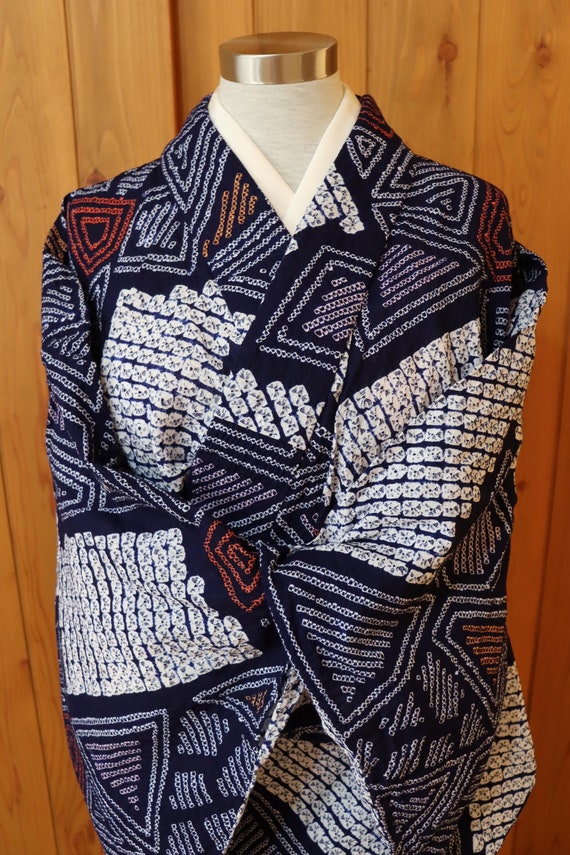
Blue is a symbol of calmness and tranquility in kimono traditions, representing qualities such as fidelity and intelligence. Historically, blue was often favored by people of high status, indicating wealth and sophistication. The dye for blue hues traditionally hails from natural indigo plants, enriching this color with a historical context.
- Calmness: Events requiring serenity.
- High Status: Worn by wealthy patrons.
- Protection: Against harm and evil.
Blue kimonos introduce a serene elegance that enhances their role in ceremonial attire.
Green
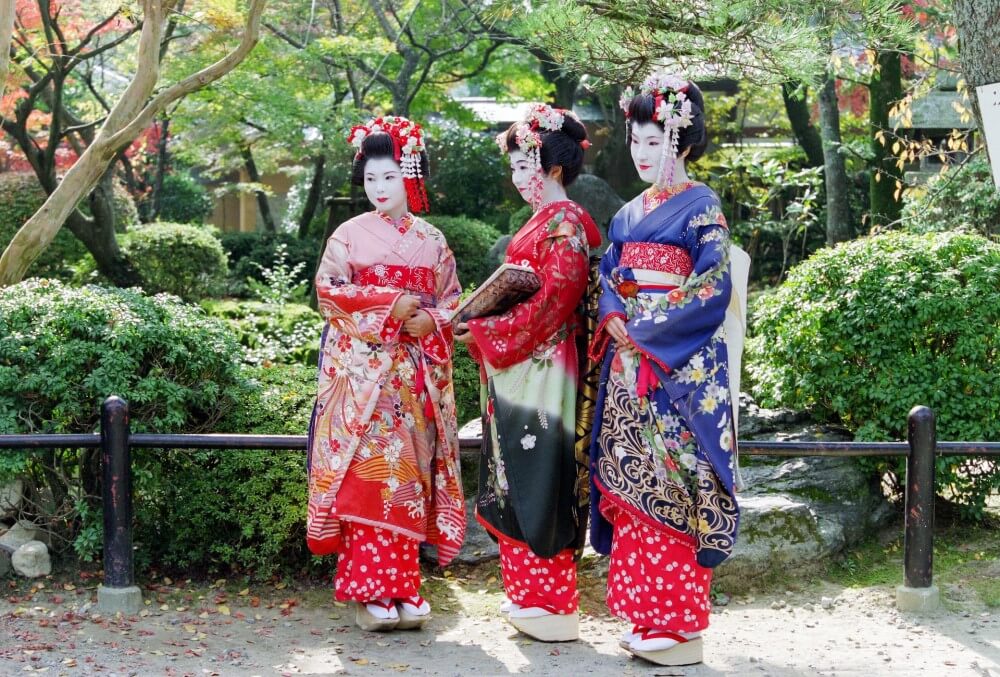
Green symbolizes growth, youth, and renewal, resonating with the lush vitality seen in nature. Traditionally, green in kimonos represents new life and energy, popular in festivals marking new seasons. This hue conveys spiritual harmony, aligning with tranquil landscapes.
- Youth: Popular in life-transitional events.
- New Growth: Reflects new beginnings.
- Spiritual Harmony: Resonates with nature.
By wearing green, one embraces a kinship with the environment, highlighting an enduring respect for nature.
Gold and Silver
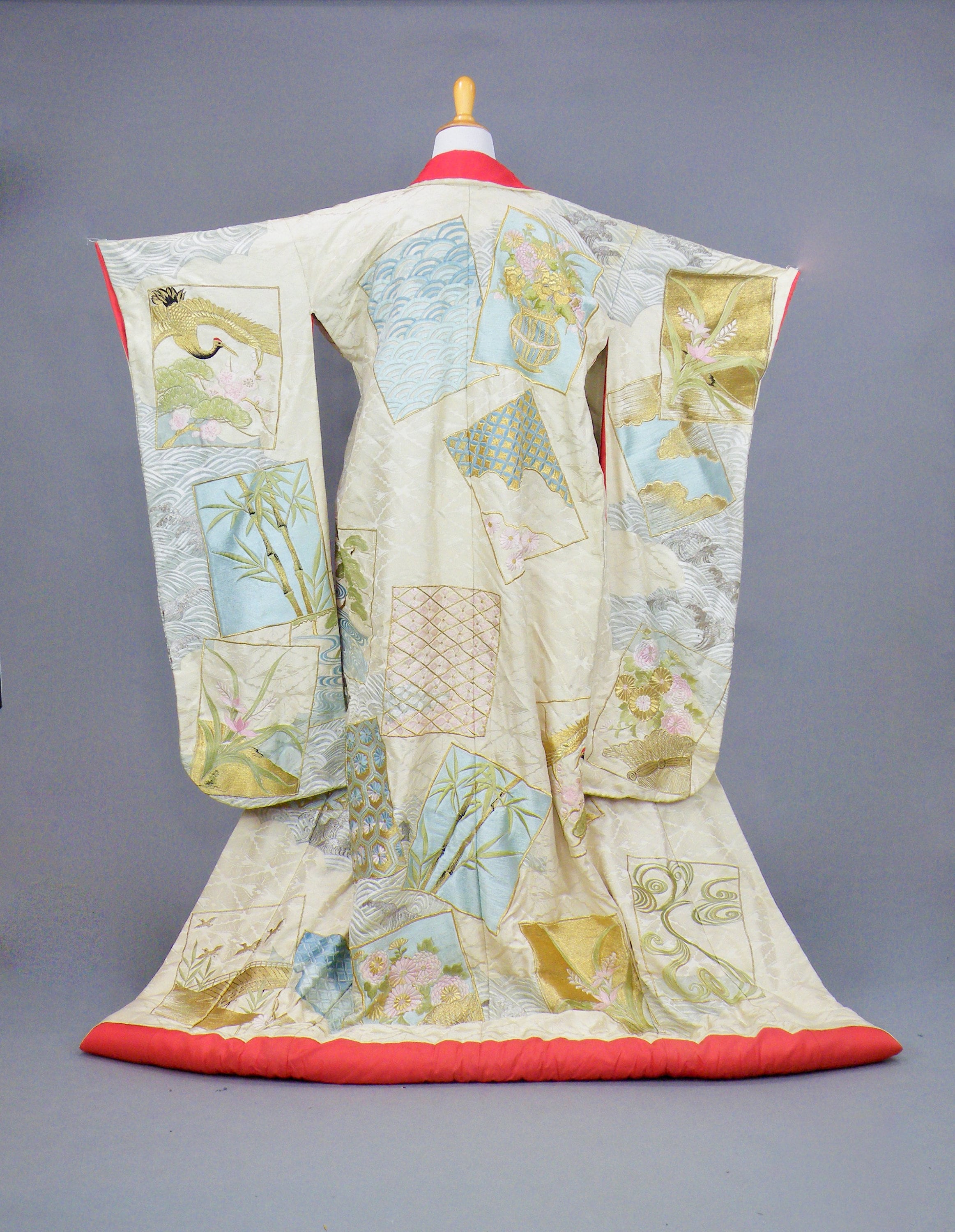
Gold exudes wealth, prosperity, and status, often denoting the kimonos of high-ranking individuals or marking special events. Silver represents elegance and refinement, frequently featured in formal settings to convey grace. These colors elegantly adorn wedding and ceremonial kimonos, signifying auspiciousness.
- Gold: Wealth, prosperity; special events.
- Silver: Refinement, elegance; formal settings.
- Ceremonial Use: Reflects celebration.
Gold and silver embroidery add luxurious appeal, enhancing the aesthetic splendor of kimonos.
Black
Black kimonos are traditionally associated with formality and elegance, often worn during significant ceremonies and events. This timeless color symbolizes strength, conveying prestige and authority. While black often signifies mourning in Western cultures, in the kimono tradition it expresses an appreciation for beauty and sophistication.
- Elegance: For formal events.
- Strength: Represents authority.
- Sophistication: Contrasts with vibrant accents.
In Japanese fashion, black kimonos offer a versatile canvas for personal expression.
Brown
Brown in kimono symbolism often represents the earth, nature, and stability, connecting the wearer to natural elements. This hue exudes humility and is a modest yet powerful choice. Browns resonate during the autumn season, aligning with the hues of falling leaves and the harvest.
- Nature: Connection to the earth.
- Humility: Modest and stable.
- Autumn: Aligns with seasonal change.
Historically, brown was worn by monks and priests, emphasizing its spiritual and grounding essence.
Pink

Pink is associated with the spring season, epitomizing renewal and beauty through the symbolism of cherry blossoms. In traditional Japanese culture, it signifies femininity and grace, making it a dominant selection for women’s kimonos. Pink delineates the transition from youth to maturity, fitting for coming-of-age ceremonies.
- Spring: Cherry blossom representation.
- Femininity: Common for women’s attire.
- Coming-of-Age: Transition symbol.
Despite its associations, pink occasionally extends to men’s kimonos, symbolizing peace.
Yellow
Yellow in kimono color symbolism represents courage and nobility, historically worn by those with high social status. Beyond status, yellow also signifies cheerfulness, energy, and warmth. Yellow’s positive emotions make it suitable for joyous events.
- Nobility: High-ranking symbolism.
- Cheerfulness: Associated with energy.
- Prosperity: Celebrating growth.
Yellow kimonos proclaim a vibrant personality while honoring tradition.
Purple
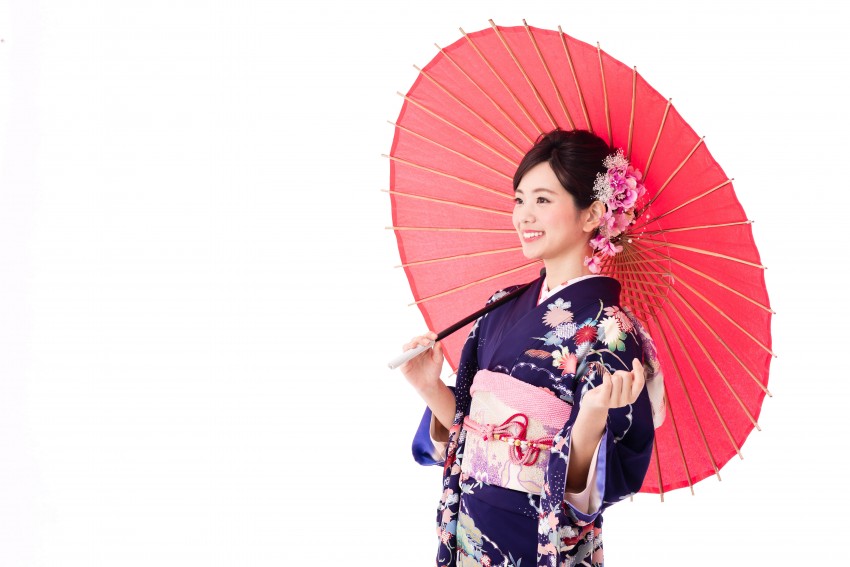
Purple in kimono culture signals nobility, power, and luxury, historically reserved for Japanese elite. This color embodies spirituality, often linked to wisdom and enlightenment. Purple’s association with the Wisteria flower highlights its representation of longevity.
- Nobility: Power and luxury.
- Spirituality: Wisdom and enlightenment.
- Longevity: Wisteria connections.
In modern kimono fashion, purple remains a symbol of sophistication and elegance.
Exploring the Essence of Kimono Colors
As we journey through the cultural meanings attributed to kimono colors, it becomes evident how deeply ingrained these symbols are in Japanese tradition. From the passionate vitality of red to the tranquil wisdom of blue, each color not only represents emotions and statuses but connects wearers to a broader cultural narrative. This vivid tapestry of meanings enriches our understanding and appreciation of kimonos, showcasing their timeless allure and complexity, far beyond the surface of their exquisite fabric.

