
The Ultimate Guide to Traditional Kimono Storage and Care: Preserving Kyoto’s Cultural Heritage

The Ultimate Guide to Traditional Kimono Storage and Care: Preserving Kyoto’s Cultural Heritage
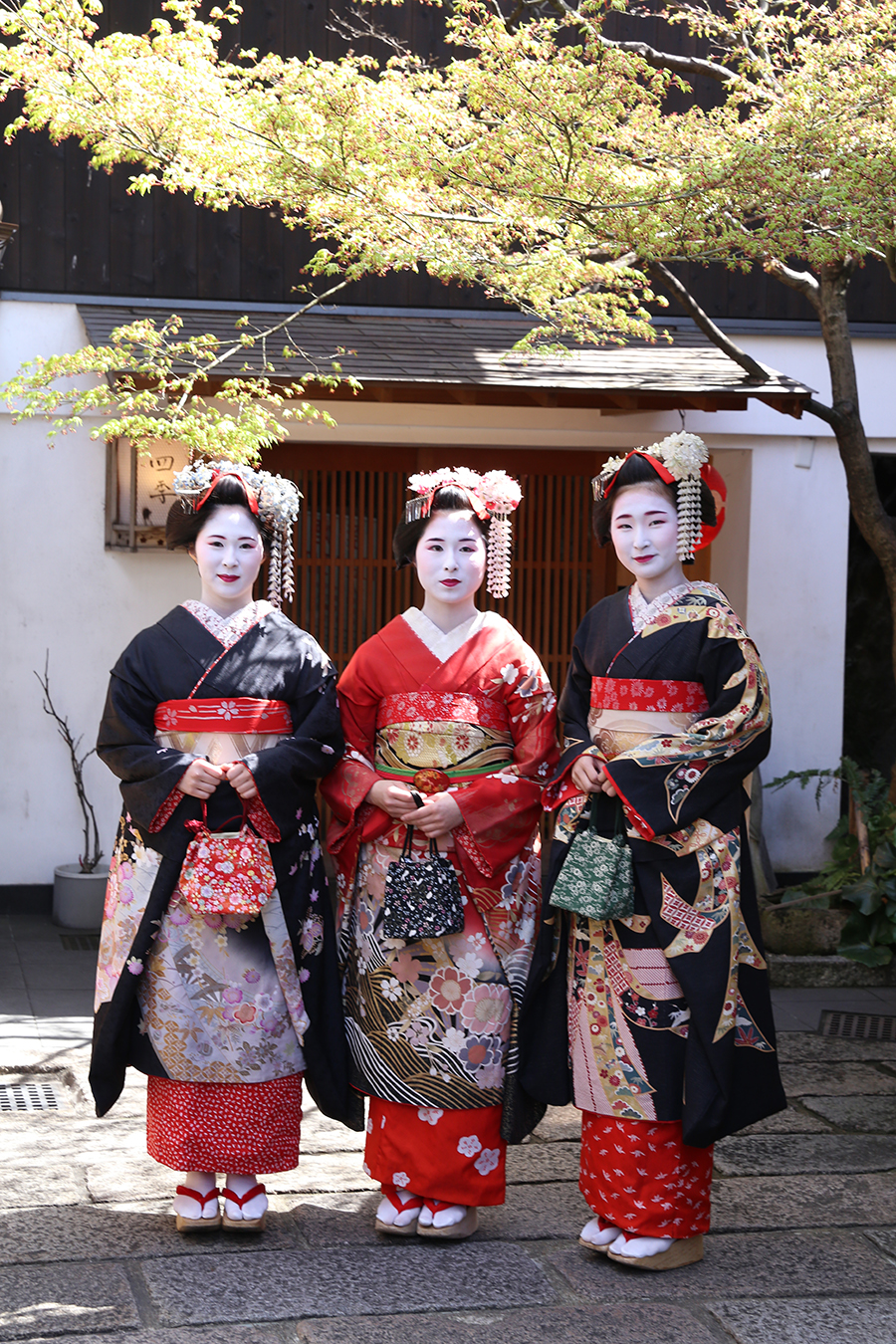
Traditional kimonos represent one of Japan’s most treasured cultural artifacts, particularly in the historic city of Kyoto where these elegant garments have been crafted and cherished for over a millennium. Understanding how to properly store and care for traditional kimonos is essential for preserving their beauty, cultural significance, and monetary value. Whether you own a vintage family heirloom or a contemporary piece from Kyoto’s renowned textile districts, this comprehensive guide will teach you everything you need to know about kimono preservation.
Why Proper Kimono Care Matters More Than Ever
In Kyoto, the former imperial capital of Japan, kimono culture remains vibrantly alive. The city’s Nishijin district continues to produce some of the world’s finest silk textiles, while Gion’s geishas still don authentic kimonos daily. However, these precious garments require meticulous care to maintain their integrity across generations.

Traditional kimonos are not merely clothing—they are wearable art pieces that can cost thousands of dollars and hold immeasurable sentimental value. A single antique kimono from Kyoto’s golden age can be worth more than a luxury car, making proper storage and maintenance crucial for both cultural preservation and financial protection.
Understanding Kimono Construction: The Foundation of Proper Care
Before diving into storage techniques, it’s essential to understand what makes kimono care so specialized. Traditional kimonos consist of multiple layers and components:
The Main Garment Structure:
- Kimono body (honkaradachi): The primary robe made from silk, cotton, or synthetic materials
- Obi: The wide decorative sash that secures the kimono
- Nagajuban: The undergarment that protects the main kimono from body oils
- Accessories: Including obijime (cord), obiage (scarf), and various decorative elements
Each component requires different care approaches due to varying materials, dyes, and construction methods used by Kyoto’s master craftsmen.
Essential Materials for Kimono Storage
Professional kimono storage requires specific materials that protect against the common enemies of textile preservation: moisture, light, insects, and improper handling.
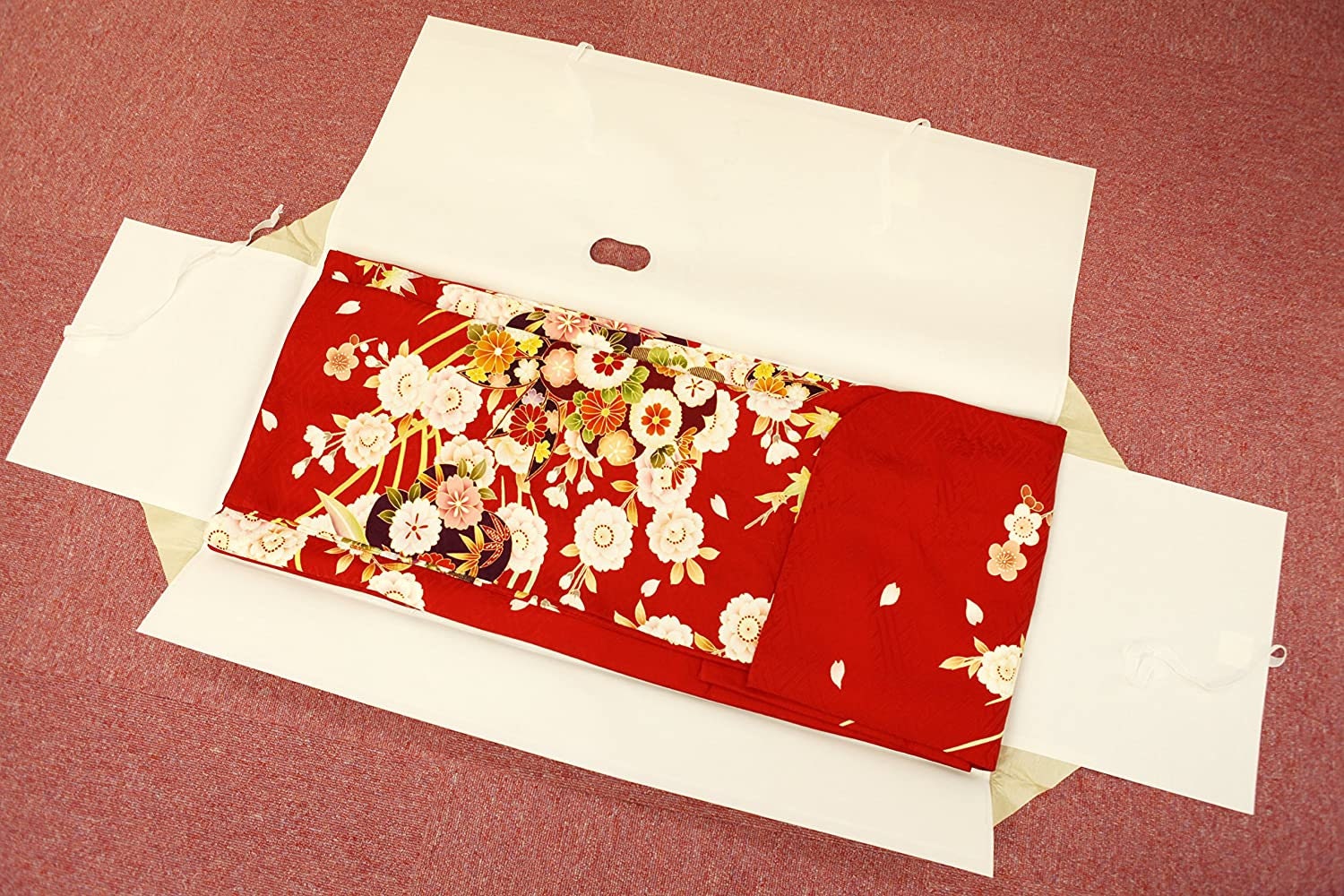
Primary Storage Materials:
Tatoshi Paper (Japanese Acid-Free Paper): This specially treated paper, traditionally made from mulberry fibers, provides the ideal environment for kimono storage. Unlike Western tissue paper, tatoshi paper is designed specifically for silk preservation and helps regulate moisture while preventing fabric-to-fabric contact.

Cedar Storage Boxes (Kiribako): Kyoto artisans have long used paulownia wood boxes for kimono storage. These lightweight, moisture-resistant containers naturally repel insects while allowing proper air circulation. The wood’s natural properties help maintain stable humidity levels.
Silk Storage Bags: For frequently worn kimonos, breathable silk bags provide protection while allowing easy access. These bags should be large enough to accommodate folded kimonos without compression.
Natural Insect Repellents: Traditional Japanese storage includes natural repellents like dried chrysanthemum petals, cedar sachets, or specialized Japanese mothballs made from natural camphor.
The Art of Kimono Folding: Traditional Techniques from Kyoto Masters
Proper folding is perhaps the most critical aspect of kimono care. In Kyoto’s traditional households and kimono shops, specific folding techniques have been passed down through generations.

The Hontatami Method (Main Folding Technique):
1. Initial Preparation: Lay the kimono face-down on a clean, flat surface covered with tatoshi paper. Ensure the surface is large enough to accommodate the kimono’s full length without hanging over edges.
2. Sleeve Management: Fold the left sleeve across the back panel, aligning the sleeve seam with the center back seam. Repeat with the right sleeve, creating a neat overlap.
3. Side Panel Folding: Fold the left side panel inward along the side seam, then fold the right panel over it. The kimono should now be roughly one-third its original width.
4. Length Adjustment: Depending on storage space, fold the kimono horizontally at natural break points—typically at the obi line and knee level. Avoid creating sharp creases in decorative areas.
5. Final Positioning: Place tatoshi paper between each fold to prevent fabric-to-fabric contact and moisture transfer.
Special Considerations for Obi Storage:
Obi require different treatment due to their weight and construction. Formal obi should be stored flat when possible, rolled around acid-free tubes, or carefully folded with extensive padding to prevent permanent creasing.

Climate Control: Creating the Perfect Environment
Kyoto’s humid summers and dry winters present unique challenges for kimono storage. Professional preservation requires careful attention to environmental factors.

Optimal Storage Conditions:
Temperature: Maintain consistent temperatures between 60-70°F (15-21°C). Avoid storage areas subject to temperature fluctuations, such as attics or basements.
Humidity: Target 45-55% relative humidity. Kyoto’s seasonal humidity variations require active monitoring and adjustment using dehumidifiers or humidifiers as needed.
Air Circulation: Ensure gentle air movement without direct drafts. Stagnant air promotes mold growth, while excessive air movement can cause fabric stress.
Light Protection: Store kimonos in complete darkness. Even minimal light exposure can cause irreversible fading of natural dyes used in traditional Kyoto textiles.
Seasonal Care Rituals: The Japanese Approach
Traditional kimono care in Kyoto follows seasonal rhythms that align with Japan’s distinct climate patterns.
Spring Preparation (March-May):
- Remove kimonos from winter storage
- Inspect for insect damage or moisture issues
- Air garments in shaded, well-ventilated areas
- Replace insect repellents and moisture absorbers
Summer Maintenance (June-August):
- Increase frequency of storage area checks
- Monitor for increased humidity levels
- Consider temporary relocation if storage areas become too humid
- Prepare lightweight summer kimonos for wear
Autumn Storage (September-November):
- Thoroughly clean and inspect all kimonos before winter storage
- Replace tatoshi paper and storage materials
- Apply fresh natural insect repellents
- Document any changes in condition
Winter Preservation (December-February):
- Minimize disturbance to stored garments
- Monitor for dry air damage
- Plan for professional cleaning and repairs if needed
- Research and document kimono history and provenance
Professional Cleaning and Maintenance
While daily care can be handled at home, certain maintenance tasks require professional expertise, particularly for valuable antique kimonos from Kyoto’s historic periods.
When to Seek Professional Help:
Stain Removal: Traditional kimono cleaning involves specialized techniques like “arai-hari” (washing and re-stretching) that require expert knowledge of different silk types and dye methods.
Structural Repairs: Loose seams, torn fabric, or damaged linings should only be addressed by craftspeople familiar with traditional construction techniques.
Re-sizing and Alterations: Professional kimono artisans can adjust dimensions while maintaining the garment’s aesthetic proportions and structural integrity.
Authentication and Appraisal: For valuable pieces, professional evaluation can determine historical significance, maker attribution, and current market value.
Modern Technology Meets Traditional Care
Contemporary kimono enthusiasts in Kyoto increasingly incorporate modern tools into traditional care routines.
Digital Documentation: Photograph kimonos before storage to track condition changes and create insurance records. Professional photography services can capture the intricate details and craftsmanship that make each piece unique. For those looking to professionally document their kimono collection, expert photography services can provide museum-quality images that preserve both the visual beauty and historical significance of these cultural treasures.
Environmental Monitoring: Modern humidity and temperature sensors with smartphone connectivity allow remote monitoring of storage conditions.
UV-Filtering Materials: Advanced storage materials incorporate UV-blocking properties while maintaining traditional breathability characteristics.
Precision Climate Control: Dedicated storage rooms can maintain perfect conditions year-round, eliminating seasonal care concerns.
Common Mistakes That Damage Kimonos
Understanding what to avoid is as important as knowing proper techniques.
Storage Errors to Prevent:
Plastic Bags: Never store kimonos in plastic, which traps moisture and promotes mold growth.
Hanging Storage: Long-term hanging causes fabric stress and permanent stretching, particularly in heavy formal kimonos.
Chemical Mothballs: Modern chemical repellents can stain silk and leave permanent odors.
Compression: Tight packing creates permanent creases and weakens fibers.
Direct Sunlight: Even brief exposure can cause irreversible fading of traditional dyes.
Special Considerations for Different Kimono Types
Various kimono styles require adapted care approaches based on their construction, materials, and intended use.

Furisode (Formal Long-Sleeved Kimono): These elaborate garments, often worn for coming-of-age ceremonies in Kyoto, require extra attention due to their long sleeves and heavy decorative elements. Store with additional padding in sleeve areas and avoid folding across major design elements.

Tomesode (Formal Married Woman’s Kimono): Black tomesode with family crests demand careful handling of metallic threads and embroidered elements. Use extra tatoshi paper around decorated areas and inspect regularly for loose threads.
Yukata (Summer Cotton Kimono): While more casual, yukata still benefit from proper storage. Cotton varieties are more resistant to humidity but require protection from insects that may be attracted to natural fibers.

Vintage and Antique Pieces: Historic kimonos from Kyoto’s Meiji, Taisho, or early Showa periods require museum-level care. Consider climate-controlled storage and professional conservation services for pieces over 50 years old.
The Cultural Significance of Proper Kimono Care
In Kyoto, kimono care extends beyond simple garment maintenance—it represents respect for cultural heritage and ancestral wisdom. Many families maintain kimono collections spanning multiple generations, with care techniques passed down as carefully as the garments themselves.
Traditional Japanese aesthetics emphasize the beauty of aging gracefully, and well-maintained kimonos embody this philosophy. Rather than showing wear, properly cared-for kimonos develop a patina and character that enhances their cultural value.
Building Your Kimono Care Routine
Establishing a consistent care routine ensures long-term preservation success.
Monthly Tasks:
- Visual inspection of stored garments
- Environmental condition monitoring
- Rotation of frequently accessed pieces
Seasonal Tasks:
- Comprehensive inventory and condition assessment
- Storage material replacement
- Professional consultation for any concerns
Annual Tasks:
- Complete documentation update
- Professional cleaning for worn pieces
- Storage system evaluation and improvement
Investment Protection and Insurance Considerations
Quality kimonos represent significant financial investments that require proper protection strategies.
Documentation Requirements:
- Professional photographs showing overall condition
- Detailed condition reports noting any imperfections
- Provenance documentation when available
- Professional appraisals for valuable pieces
Insurance Considerations:
- Specialized coverage for cultural artifacts
- Regular appraisal updates to reflect market changes
- Detailed inventory maintenance for claim purposes
Future-Proofing Your Kimono Collection
As climate change affects traditional storage methods, modern kimono enthusiasts must adapt preservation techniques while maintaining cultural authenticity.
Emerging Technologies:
- Smart storage systems with automated climate control
- Advanced textile preservation materials
- Digital archiving for historical documentation
- Conservation science applications for textile preservation
Sustainable Practices:
- Eco-friendly storage materials
- Energy-efficient climate control systems
- Traditional natural preservation methods
- Community sharing of knowledge and resources
Conclusion: Preserving Kyoto’s Living Heritage
Proper kimono storage and care represents more than mere garment maintenance—it’s an act of cultural preservation that honors the centuries of craftsmanship embedded in these remarkable textiles. From the silk weavers of Nishijin to the dyers of Yuzen, countless artisans have contributed to each kimono’s creation, making proper care a responsibility to both past and future generations.
By following these traditional techniques enhanced with modern understanding, kimono enthusiasts can ensure these cultural treasures continue to inspire and delight for generations to come. Whether you’re caring for a family heirloom or a contemporary piece from Kyoto’s vibrant textile community, remember that each act of proper maintenance helps preserve not just a garment, but a piece of Japan’s living cultural heritage.
The art of kimono care, like the garments themselves, requires patience, respect, and attention to detail—qualities that reflect the deeper philosophical traditions of Japanese culture. In our fast-paced modern world, the meditative practices of kimono care offer an opportunity to slow down, appreciate beauty, and connect with the timeless wisdom of Kyoto’s cultural masters.
For professional documentation and photography of your kimono collection, consider working with specialists who understand the cultural and artistic significance of these treasured garments. Proper visual documentation not only aids in preservation planning but also creates lasting records of these beautiful cultural artifacts for future generations to appreciate and study.

