
The Ultimate Guide to Kyoto Kimono Rental
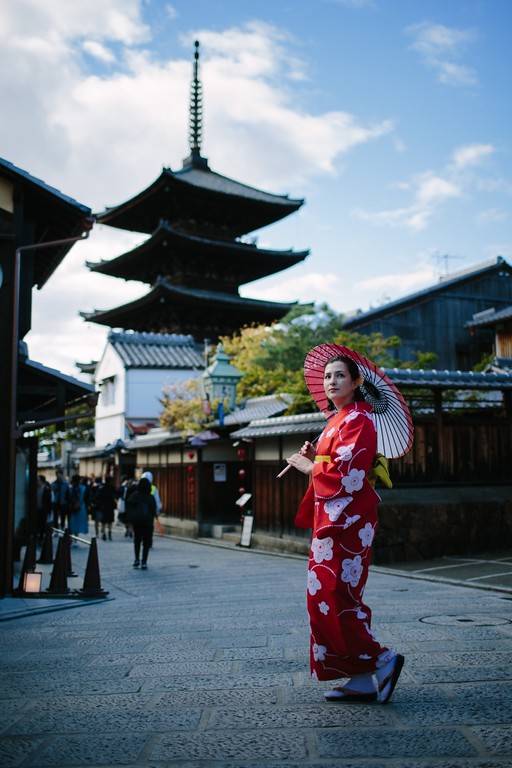
The Ultimate Guide to Kyoto Kimono Rental
12 Must-Visit Temples and Shrines for an Authentic Japanese Experience
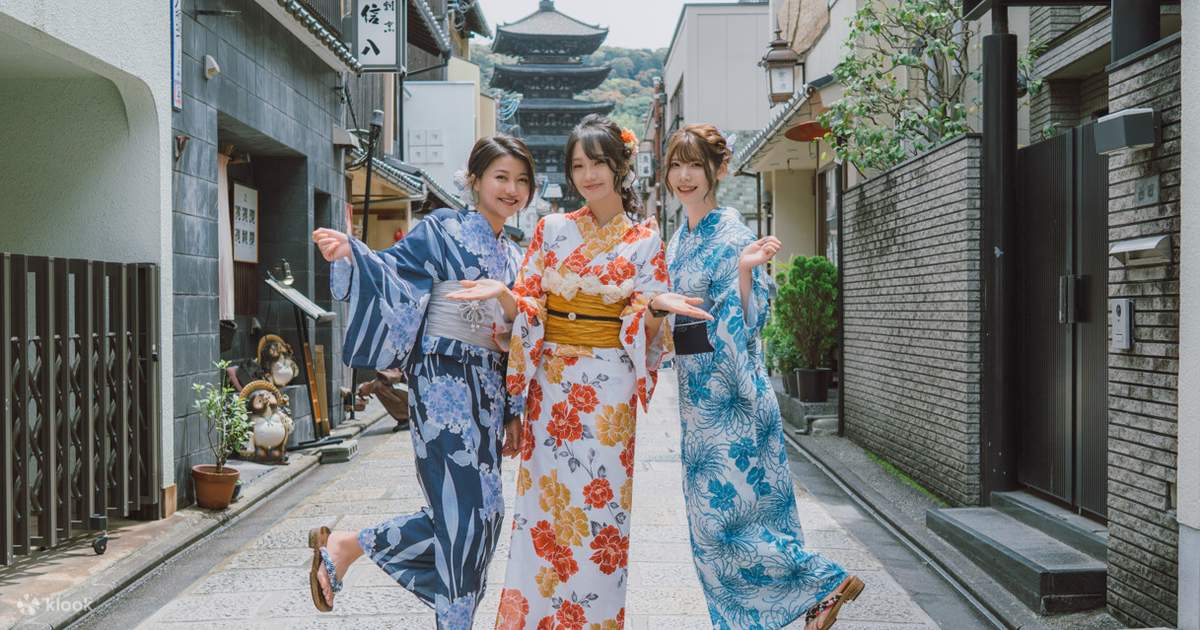
Discover the magic of exploring Kyoto’s most enchanting temples and shrines while wearing a traditional kimono. This comprehensive guide reveals the best spots for kimono photography, cultural immersion, and unforgettable memories in Japan’s ancient capital.

Experience Authentic Japan
Immerse yourself in centuries-old traditions as you explore Kyoto’s sacred spaces dressed in elegant kimono. From iconic vermillion torii gates to peaceful zen gardens, discover the perfect harmony between cultural dress and spiritual destinations.
Why Choose Kimono Rental in Kyoto?
Kyoto, Japan’s former imperial capital, offers visitors an unparalleled opportunity to step back in time and experience authentic Japanese culture. Kimono rental in Kyoto has become increasingly popular among travelers seeking to enhance their temple and shrine visits with traditional elegance and cultural authenticity.
Wearing a kimono while exploring Kyoto’s sacred sites creates a deeper connection to Japanese heritage and traditions. The flowing silk fabrics, intricate patterns, and vibrant colors of a traditional Japanese kimono complement the architectural beauty of ancient temples, creating picture-perfect moments that capture the essence of Japan’s cultural identity.
For the most authentic experience, consider professional kimono rental services that provide high-quality garments, expert dressing assistance, and styling advice to ensure you look and feel your best during your Kyoto adventure.
Benefits of Kimono Temple Visits:
Best Time to Visit: New Year Hatsumode Tradition
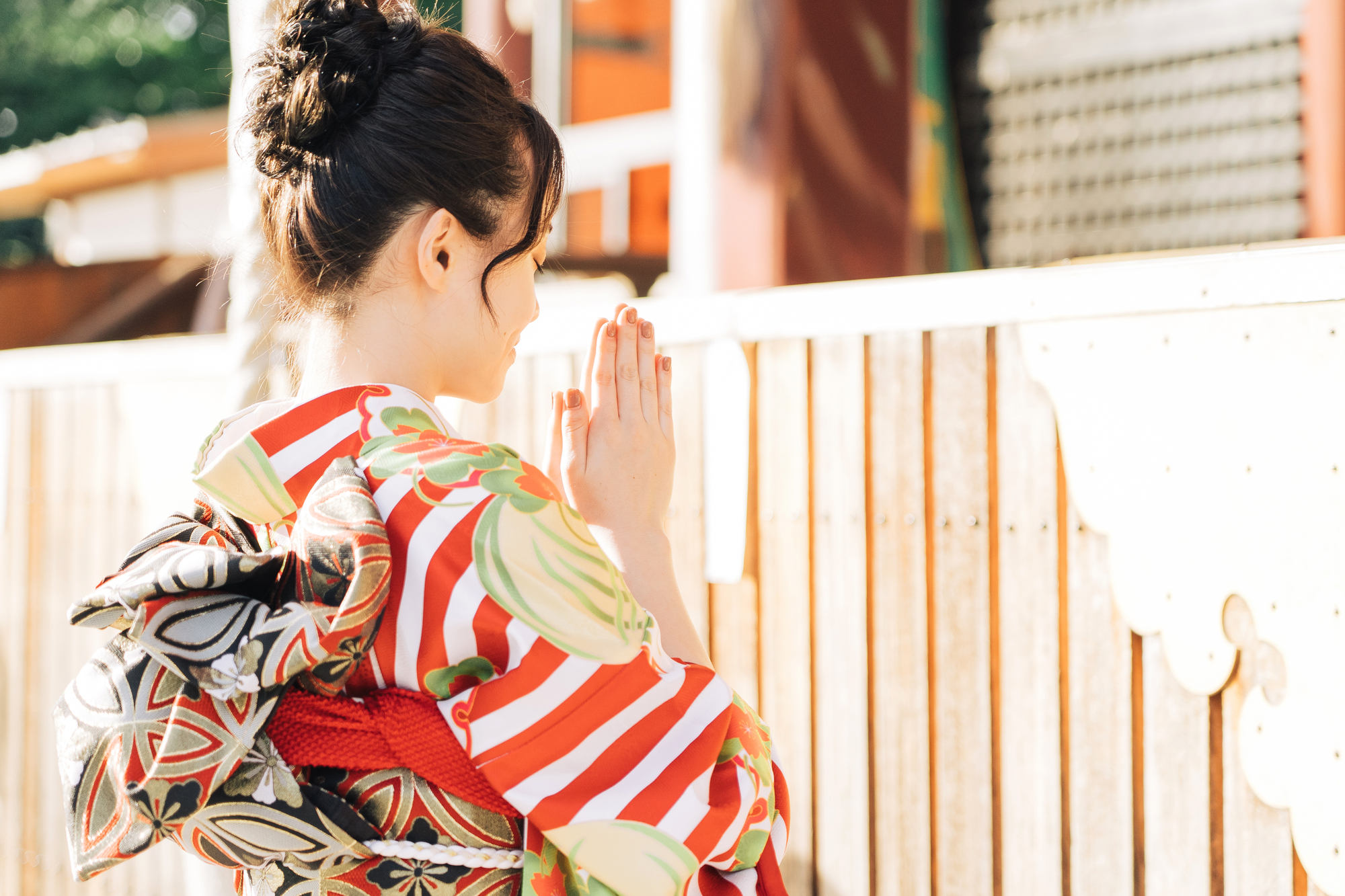
The Hatsumode tradition represents one of Japan’s most significant cultural celebrations, where millions of people visit temples and shrines during the first few days of January to pray for good fortune in the coming year. This period offers an exceptional opportunity for kimono rental during New Year celebrations in Kyoto.
During Hatsumode, temples and shrines across Kyoto buzz with activity as locals and visitors alike don their finest traditional attire. The combination of festive atmosphere, traditional ceremonies, and stunning winter landscapes creates an ideal backdrop for kimono photography and cultural exploration.
Planning Your New Year Kimono Experience:
- Book your kimono rental well in advance due to high demand
- Arrive early at popular temples to avoid crowds
- Prepare for cooler weather with appropriate accessories
- Learn basic temple etiquette and prayer customs
- Bring a professional camera or smartphone for photography
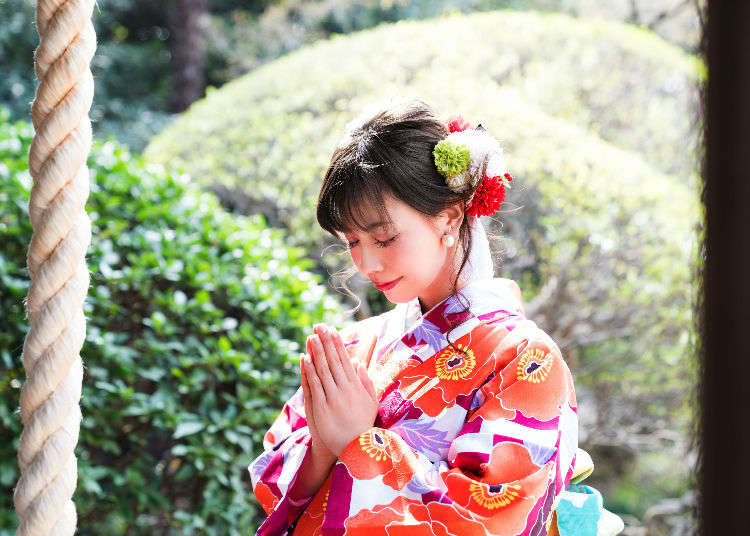
Top 12 Temples and Shrines for Kimono Experiences
1. Fushimi Inari Taisha: The Iconic Thousand Torii Gates
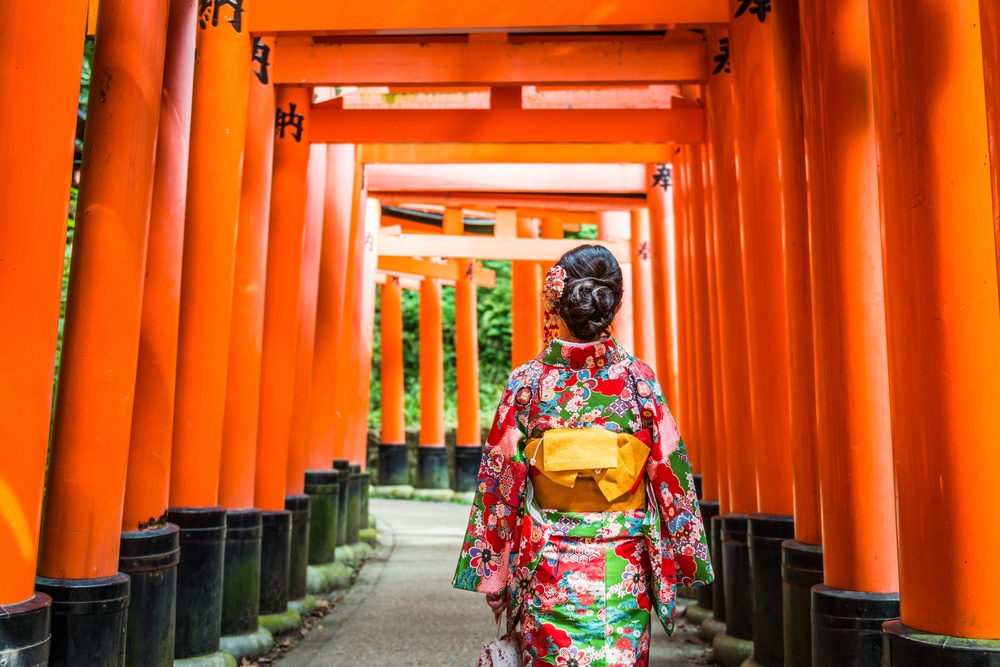
Fushimi Inari Taisha stands as Kyoto’s most photographed shrine, featuring thousands of vermillion torii gates that create mesmerizing tunnels up Mount Inari. This UNESCO World Heritage candidate offers unparalleled opportunities for kimono photography against its iconic red structures.
The shrine’s significance extends beyond its visual appeal. Dedicated to Inari, the Shinto deity of rice, agriculture, and prosperity, Fushimi Inari has served as a spiritual center for over 1,300 years. The contrast between traditional kimono colors and the bright vermillion gates creates stunning visual compositions that embody the essence of Japanese aesthetics.
What Makes It Special for Kimono Visits:
- Endless photo opportunities along the torii gate pathways
- Peaceful mountain trails perfect for contemplative walks
- Traditional tea houses for rest and refreshment
- Spiritual atmosphere enhanced by kimono attire
- Accessible location from central Kyoto
Photography Tips: The golden hour provides the most flattering lighting for kimono portraits. Consider booking a professional kimono rental with styling services to ensure your outfit complements the shrine’s color palette perfectly.


2. Kiyomizu-dera: Panoramic Views in Traditional Splendor
Kiyomizu-dera Temple, meaning “Clear Water Temple,” offers breathtaking panoramic views of Kyoto from its famous wooden stage. This UNESCO World Heritage Site provides an elevated perspective that’s perfect for kimono photography with the city skyline as a backdrop.
The temple’s construction without using a single nail demonstrates remarkable Japanese craftsmanship from the 8th century. During different seasons, visitors can witness cherry blossoms in spring, lush greenery in summer, vibrant autumn colors, and snow-covered landscapes in winter—each providing unique opportunities for seasonal kimono photography.
Kimono Experience Highlights:
- Iconic wooden stage overlooking Kyoto
- Sacred Otawa Waterfall with purification rituals
- Traditional shopping streets leading to the temple
- Seasonal illuminations during special events
The surrounding Sannenzaka and Ninenzaka historical streets offer additional kimono-friendly environments with traditional architecture, craft shops, and tea houses that complete the authentic Japanese experience.
3. Matsuo Taisha: Kyoto’s Oldest Sacred Space
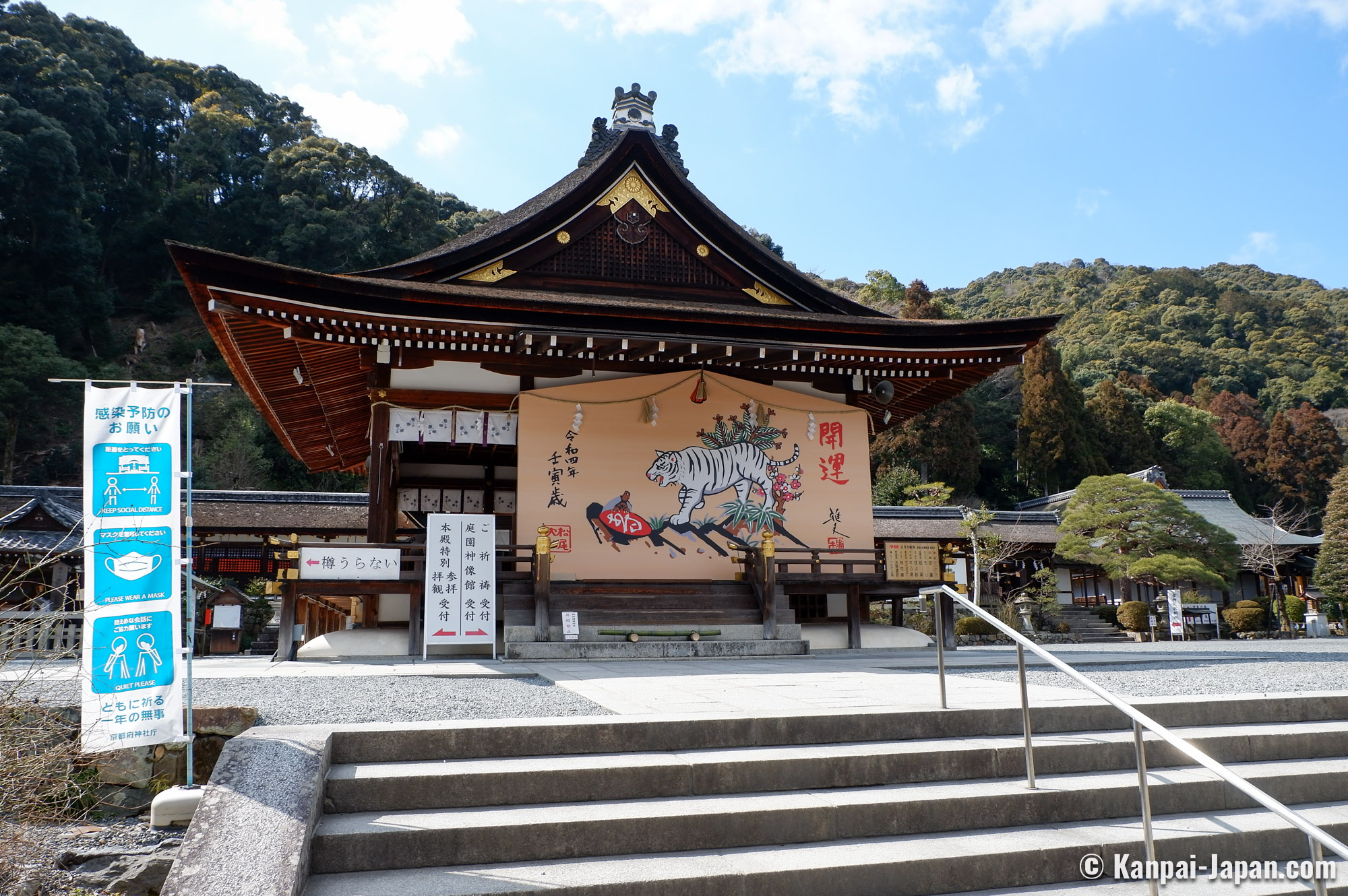
Established in 701 AD, Matsuo Taisha Shrine holds the distinction of being Kyoto’s oldest shrine, making it a perfect destination for visitors seeking to connect with Japan’s ancient spiritual traditions while wearing traditional kimono.
The shrine’s historical significance extends beyond its age. Known as the patron shrine of sake brewing, Matsuo Taisha attracts visitors from Japan’s alcohol industry who come to pray for successful fermentation and business prosperity. The sacred water springs on the grounds are believed to possess purifying properties, adding a mystical element to kimono visits.

Unique Features for Kimono Visitors:
- Ancient architecture dating back over 1,300 years
- Meticulously maintained traditional gardens
- Sacred water springs for purification ceremonies
- Peaceful atmosphere away from tourist crowds
- Significant cultural and historical importance
The shrine’s tranquil gardens provide intimate settings for kimono portraits that capture both natural beauty and spiritual serenity. Reserve your traditional kimono to fully appreciate this historical treasure’s timeless atmosphere.


4. Kamigamo Shrine: Ancient Mysteries and UNESCO Heritage
Dating back to the 7th century, Kamigamo Shrine represents one of Japan’s oldest Shinto shrines and a designated UNESCO World Heritage Site. The shrine’s mysterious atmosphere and ancient traditions create an ideal environment for meaningful kimono experiences that connect visitors with Japan’s spiritual heritage.
The shrine is famous for its Tatesuna sand cones, two perfectly shaped mounds of white sand believed to possess spiritual power and ward off evil spirits. These unique architectural features, combined with the shrine’s historical significance, provide fascinating subjects for kimono photography that tells stories of ancient Japanese beliefs.
Cultural Highlights:
- UNESCO World Heritage designation
- Mysterious Tatesuna sand cone formations
- Traditional festivals throughout the year
- Ancient purification rituals
During the Aoi Matsuri (Hollyhock Festival) in May, Kamigamo Shrine becomes the focal point of one of Kyoto’s three major festivals, offering spectacular opportunities for festival kimono photography and cultural immersion.
5. Heian Shrine: Celebrating Kyoto’s Imperial Heritage
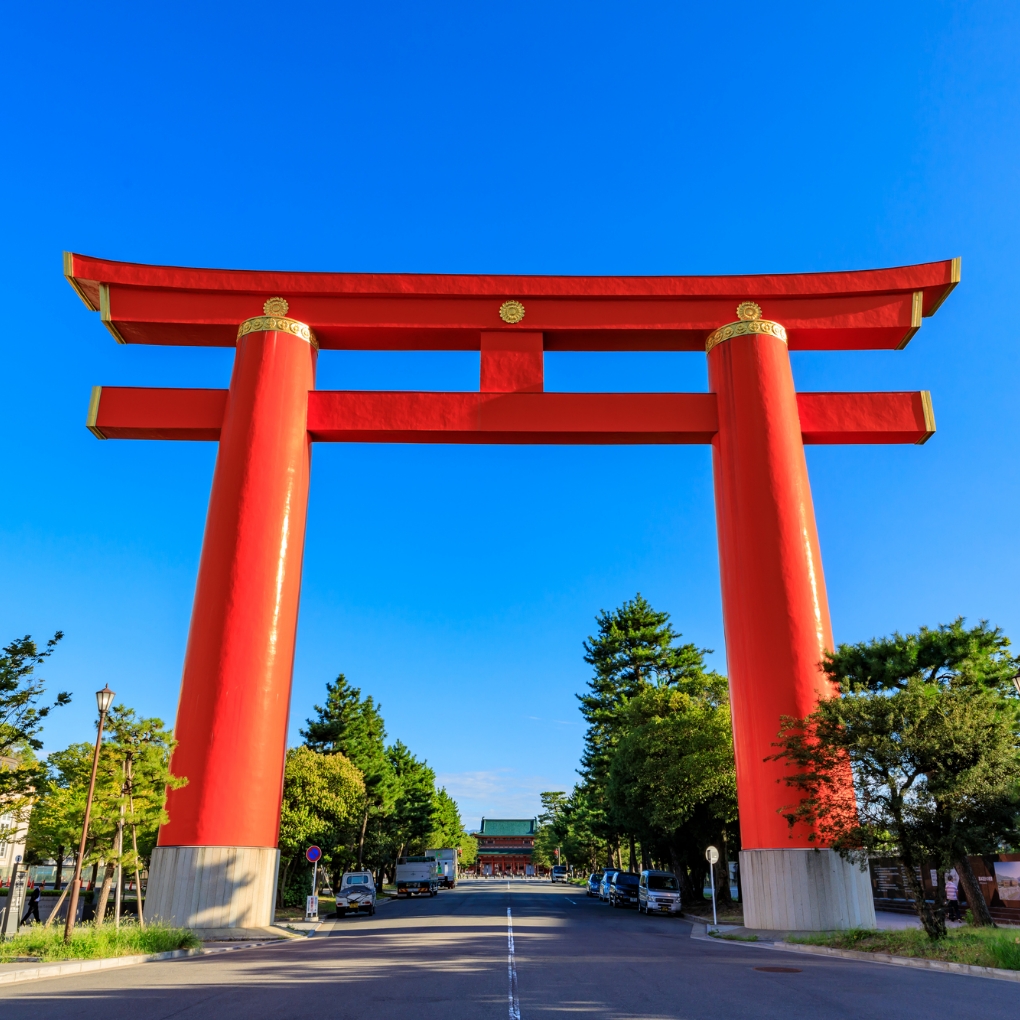
Heian Shrine stands as a magnificent tribute to Kyoto’s role as Japan’s ancient capital, featuring impressive vermillion structures and expansive gardens that perfectly complement traditional kimono attire. Built in 1895 to commemorate the 1100th anniversary of Kyoto’s founding, the shrine celebrates the artistic and architectural achievements of the Heian Period.
The shrine’s traditional Japanese gardens span over 33,000 square meters and showcase different seasonal beauty throughout the year. These meticulously designed landscapes provide diverse backgrounds for kimono photography, from cherry blossom tunnels in spring to autumn maple displays.

Distinctive Features:
- Massive vermillion torii gate entrance
- Expansive traditional Japanese gardens
- Annual Jidai Matsuri historical parade
- Heian Period architectural reproduction
- Seasonal flower displays and illuminations
The Jidai Matsuri held every October transforms Heian Shrine into a living museum of Japanese history, with participants wearing authentic period costumes representing different eras. This festival offers unique opportunities for historical kimono photography and cultural education.

6. Kitano Tenmangu: The Scholar’s Shrine
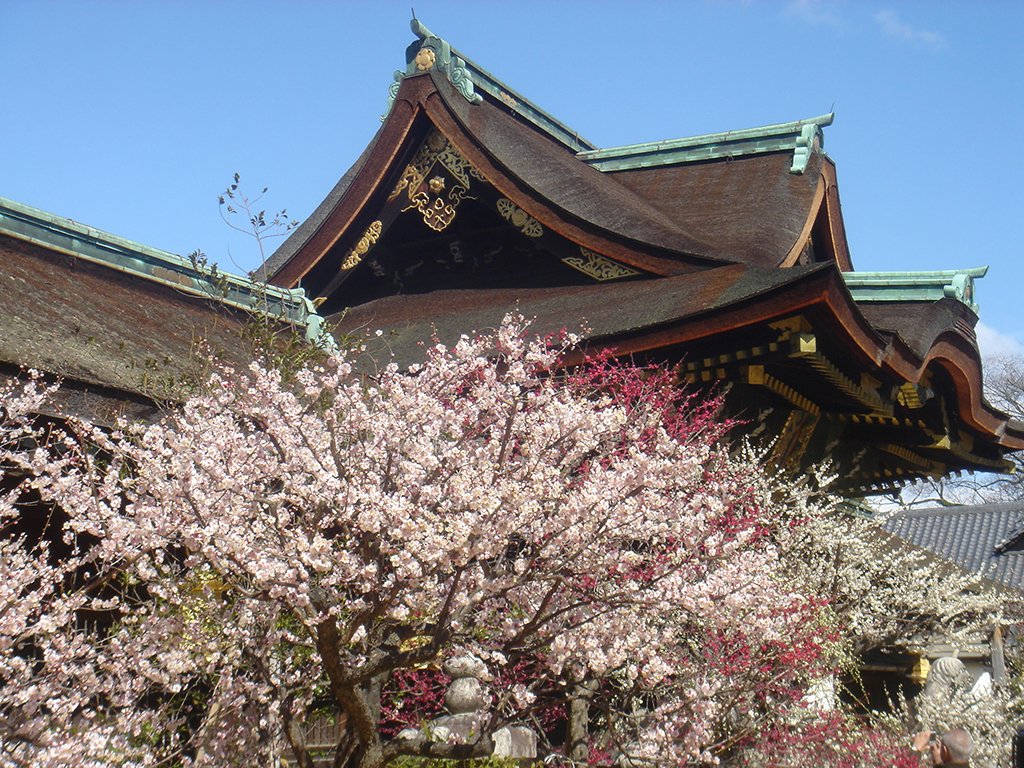
Dedicated to Sugawara no Michizane, the deified spirit of learning and scholarship, Kitano Tenmangu Shrine attracts students, academics, and anyone seeking educational success. The shrine’s association with academic achievement makes it particularly meaningful for graduation kimono photography and scholarly celebrations.
The shrine’s grounds feature over 1,500 plum trees that bloom from late January through March, creating a spectacular natural backdrop for spring kimono photography. The ume (plum) blossoms hold special significance in Japanese culture, symbolizing perseverance and hope—perfect themes for kimono portraits.
Academic and Cultural Significance:
- Patron shrine of learning and scholarship
- Extensive plum grove with seasonal blooms
- Traditional ema (wooden wish plaques) for academic success
- Monthly flea markets with antiques and crafts
Students often visit while wearing kimono to pray for exam success, creating a beautiful blend of academic tradition and cultural heritage. Book your scholarly kimono experience to participate in this meaningful Japanese custom.
7. Yasaka Shrine: Gateway to Gion’s Cultural Heart
Conveniently located at the heart of Gion, Kyoto’s famous geisha district, Yasaka Shrine serves as the perfect starting point for kimono adventures through traditional Kyoto. The shrine’s proximity to historic tea houses, traditional restaurants, and cultural attractions makes it an essential stop for comprehensive Gion kimono experiences.
Known locally as Gion-san, Yasaka Shrine hosts the famous Gion Matsuri, one of Japan’s three most celebrated festivals. During July, the shrine and surrounding streets come alive with traditional music, dance, and elaborate float processions that provide extraordinary opportunities for festival kimono photography.
Gion District Highlights:
- Central location in historic Gion
- Traditional lantern-lined pathways
- Proximity to geisha districts and tea houses
- Famous Gion Matsuri festival venue
- Evening illumination for night photography
The shrine’s traditional stone lanterns create romantic lighting for evening kimono portraits, while the historic streets of Gion provide authentic backdrops that capture the essence of old Kyoto.
8. Kinkaku-ji: The Golden Pavilion’s Reflected Beauty
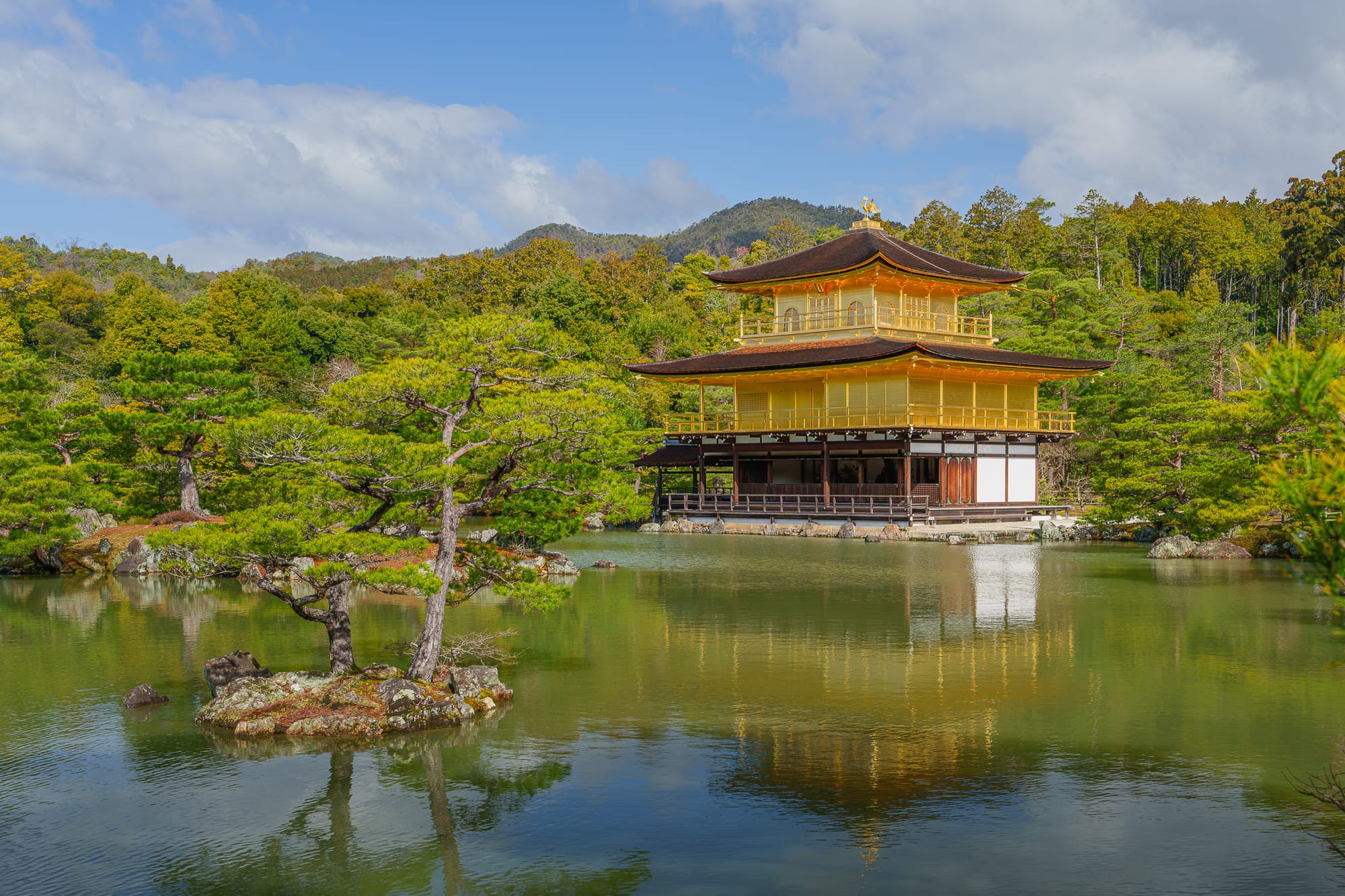
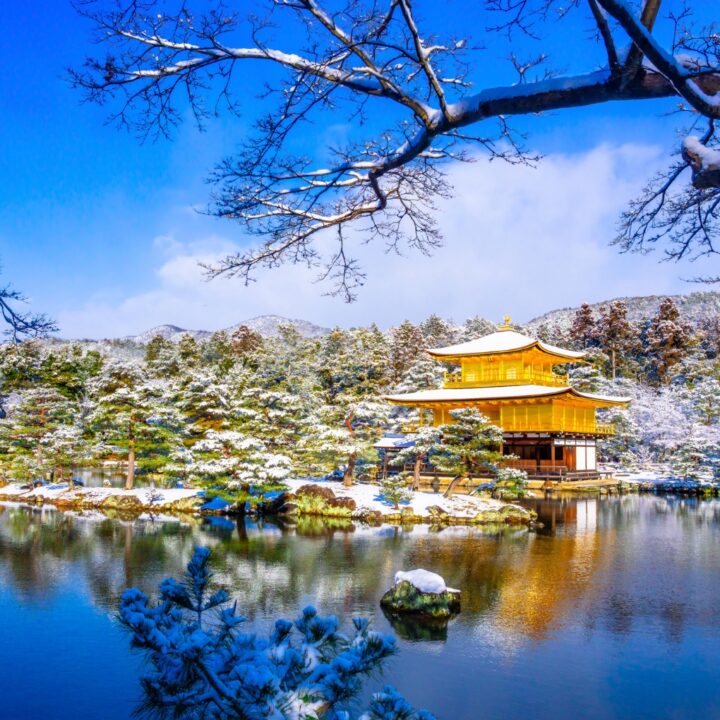
Kinkaku-ji, officially known as Rokuon-ji, stands as one of Japan’s most recognizable landmarks and a UNESCO World Heritage Site. The temple’s gold-leafed exterior creates stunning reflections in the surrounding mirror pond, providing breathtaking backgrounds for luxury kimono photography.
The temple’s three-story structure represents different architectural styles: the first floor reflects Heian Period aristocratic style, the second floor showcases samurai architecture, and the third floor displays Zen temple characteristics. This architectural diversity symbolizes the harmony between different aspects of Japanese culture—a perfect metaphor for kimono cultural experiences.
Photography and Cultural Features:
- Iconic gold-leafed temple architecture
- Perfect mirror pond reflections
- Meticulously maintained Japanese gardens
- Multiple viewing angles and perspectives
The surrounding Rokuon-ji gardens offer various vantage points for kimono photography, from intimate portrait settings among ancient trees to panoramic shots capturing the temple’s full splendor. Reserve your golden kimono experience to complement this magnificent setting.
9. Ryoan-ji: Zen Minimalism and Contemplative Beauty
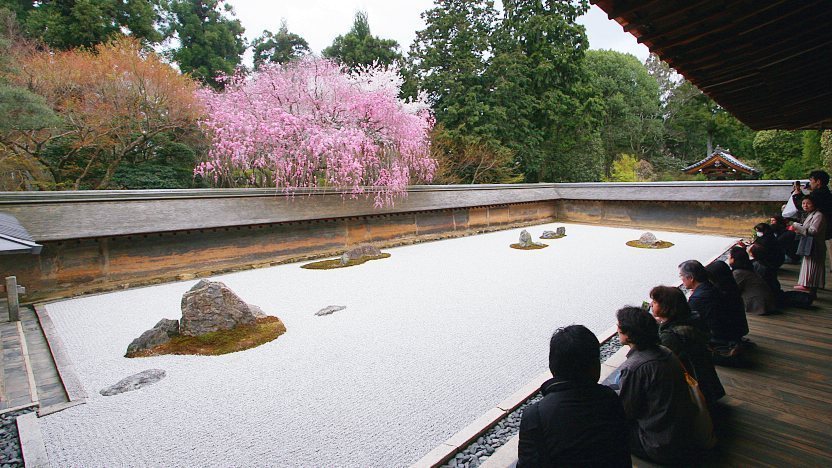
Ryoan-ji Temple houses Japan’s most famous rock garden (karesansui), a masterpiece of Zen Buddhist art that embodies the principles of simplicity, meditation, and spiritual contemplation. The temple’s minimalist aesthetic provides a unique backdrop for contemplative kimono photography that emphasizes inner peace and cultural reflection.
The temple’s 15 carefully arranged stones in raked white gravel create a meditation focus that has inspired visitors for over 500 years. The garden’s design ensures that all 15 stones can never be viewed simultaneously from any single vantage point, symbolizing the Buddhist concept of enlightenment’s gradual nature.

Zen Garden Experience:
- World-famous rock garden meditation space
- UNESCO World Heritage Site designation
- Peaceful atmosphere for reflection
- Traditional temple architecture
- Opportunities for mindful kimono portraits
The temple’s contemplative atmosphere encourages visitors to slow down and appreciate the subtle beauty of Japanese aesthetics—an experience enhanced by wearing traditional kimono while practicing mindful observation.


10. Nijo Castle: Shogunate Grandeur and Historical Significance
While technically a castle rather than a temple, Nijo Castle represents a crucial component of Kyoto’s cultural heritage and provides exceptional opportunities for historical kimono photography. The castle served as the Kyoto residence of Tokugawa shoguns and witnessed many pivotal moments in Japanese history.
The castle’s “nightingale floors” (uguisubari) squeak when walked upon, serving as an ancient security system to detect intruders. This unique architectural feature adds an element of historical intrigue to kimono visits, allowing visitors to literally walk through Japanese history.
Historical and Architectural Highlights:
- UNESCO World Heritage Site
- Original Edo Period architecture
- Famous “nightingale floors”
- Elaborate painted screens and decorations
The castle’s traditional gardens bloom spectacularly during cherry blossom season, creating romantic settings for spring kimono photography that combines natural beauty with historical significance.
11. Rokuharamitsu-ji Temple: Health and Spiritual Wellness
Rokuharamitsu-ji Temple offers visitors a unique cultural experience through its traditional “Emperor’s Fortune Tea” ceremony, believed to promote health and longevity. This temple provides an intimate setting for wellness-focused kimono experiences that combine spiritual practice with traditional Japanese tea culture.
The temple’s quiet atmosphere and traditional architecture create perfect conditions for peaceful kimono portraits that emphasize serenity and cultural appreciation. The combination of tea ceremony participation and temple exploration offers a comprehensive Japanese cultural experience.


Wellness and Cultural Features:
- Traditional “Emperor’s Fortune Tea” ceremony
- Health and longevity blessings
- Intimate temple atmosphere
- Cultural tea ceremony education
- Peaceful meditation opportunities
Participating in the temple’s tea ceremony while wearing kimono creates an authentic Japanese cultural experience that connects visitors with traditional wellness practices and spiritual beliefs.

12. Kifune Shrine: Water Divination and Mountain Serenity
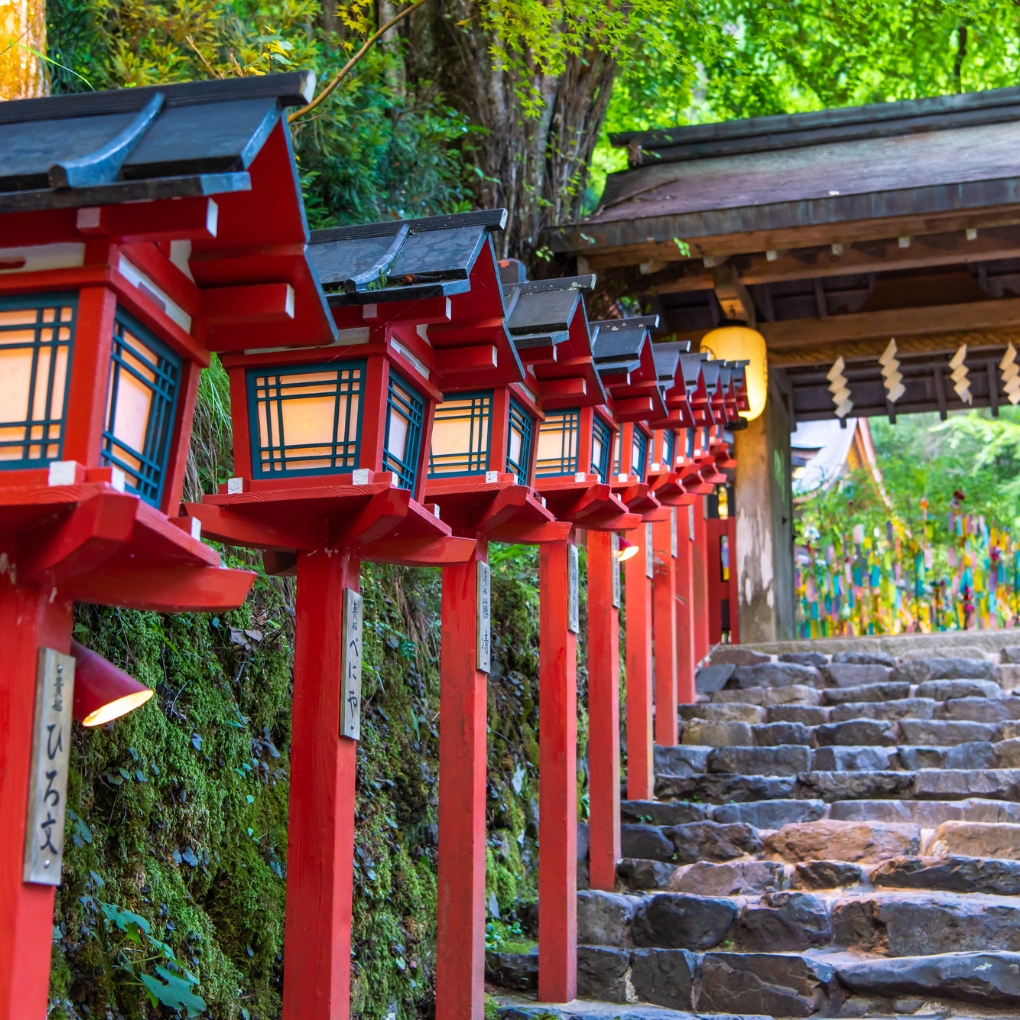
Nestled in Kyoto’s northern mountains, Kifune Shrine offers the unique experience of “Mizu-uranai” (water divination), where visitors can have their fortunes revealed through special papers that develop text when placed in the shrine’s sacred spring water.
The shrine’s mountain location provides cooler temperatures during summer months, making it ideal for comfortable kimono wearing while enjoying natural beauty and spiritual practices. The journey to Kifune Shrine often involves a scenic train ride and mountain hiking, adding adventure to the cultural experience.
Mountain Shrine Experience:
- Unique water divination rituals
- Cool mountain climate
- Natural forest surroundings
- Scenic train access
The natural forest setting creates intimate opportunities for nature-focused kimono photography that showcases the harmony between traditional dress and Japan’s natural beauty.
Photography Tips for Kimono Temple Visits

Professional Photography Techniques:
Capturing the perfect kimono temple photograph requires understanding of lighting, composition, and cultural sensitivity. Follow these expert tips to create stunning images that honor both the traditional attire and sacred spaces.
Lighting Considerations
Golden Hour Magic:
Schedule visits during sunrise or sunset for warm, flattering light
Overcast Advantages:
Cloudy skies provide even, soft lighting ideal for portraits
Shade Seeking:
Use temple structures to create natural light diffusion
Backlighting Drama:
Position kimono silhouettes against bright backgrounds for artistic effects
Composition Strategies
Rule of Thirds:
Position kimono subjects along intersection points for balanced compositions
Leading Lines:
Use temple pathways, gates, and architectural elements to guide viewer attention
Framing Techniques:
Utilize torii gates, doorways, and garden elements to naturally frame subjects
Depth Creation:
Include foreground, middle ground, and background elements for dimensional photos
Cultural Sensitivity
Respectful Photography:
Always observe temple photography rules and restrictions
Quiet Observation:
Maintain peaceful behavior that respects spiritual environments
Permission Seeking:
Ask before photographing other visitors or temple staff
Sacred Space Awareness:
Avoid photographing private ceremonies or restricted areas
Professional kimono rental services often provide photography guidance and location recommendations to help visitors capture their best temple and shrine experiences.
Cultural Etiquette and Respect
Understanding Temple Traditions
Respectful behavior in temples and shrines is essential for meaningful cultural experiences. Learning proper etiquette shows appreciation for Japanese traditions and creates positive interactions with local communities.

Temple and Shrine Behavior
Proper Conduct Guidelines:
-
Purification Rituals: Cleanse hands and mouth at temizu basins before entering sacred areas
-
Bowing Etiquette: Bow appropriately before torii gates and at temple entrances
-
Prayer Practices: Learn basic prayer procedures and observe quietly
-
Offering Customs: Understand proper methods for making monetary offerings
-
Photography Restrictions: Respect “no photography” signs and sacred spaces
Kimono Wearing Etiquette
Traditional Dress Guidelines:
-
Proper Layering: Ensure left side overlaps right (opposite indicates funeral attire)
-
Walking Style: Take smaller steps to prevent tripping on hem length
-
Sleeve Awareness: Be mindful of long sleeves around flames and narrow spaces
-
Seasonal Appropriateness: Choose colors and patterns suitable for the season
-
Respectful Removal: Change out of kimono respectfully when visiting certain indoor areas
Cultural Appreciation vs. Appropriation
Respectful Participation:
-
Educational Approach: Learn about kimono history and cultural significance
-
Quality Rental: Choose reputable kimono rental services that respect traditional craftsmanship
-
Meaningful Engagement: Participate in cultural activities with genuine interest and respect
-
Local Support: Support local businesses and artisans who preserve traditional practices
How to Book Your Perfect Kimono Experience
Choosing the Right Rental Service
Quality Indicators:
-
Authentic Garments: Look for rental services offering genuine silk kimono and traditional accessories
-
Professional Dressing: Select services that provide expert kimono dressing and styling assistance
-
Variety Selection: Choose companies with diverse kimono styles, colors, and seasonal options
-
Cultural Education: Prefer services that include cultural information and etiquette guidance
-
Photography Support: Consider rentals that offer photography tips or professional photo services
Premium Kimono Rental Experience
For the ultimate Kyoto kimono experience, professional rental services provide:
-
High-Quality Silk Kimono: Authentic traditional garments in various styles and colors
-
Expert Dressing Service: Professional assistance ensuring proper kimono wearing technique
-
Complete Accessory Sets: Traditional obi, geta sandals, handbags, and hair accessories
-
Seasonal Recommendations: Expert advice on appropriate kimono choices for different times of year
-
Cultural Guidance: Information about temple etiquette, photography tips, and cultural significance
Booking Process and Preparation
Reservation Steps:
Package Options and Pricing
Rental Package Types:
Basic Kimono Experience:
Traditional kimono with essential accessories for temple visits
Premium Cultural Package:
High-end silk kimono with professional photography guidance
Seasonal Special Packages:
Limited-time offerings for cherry blossom, autumn, and New Year seasons
Group Discounts:
Special rates for families and friends planning temple visits together
Seasonal Considerations for Temple Kimono Visits
Spring (March-May): Cherry Blossom Magic
Optimal Experiences:
- Sakura Season Photography: Pink kimono complement cherry blossom backgrounds perfectly
- Hanami Traditions: Participate in traditional flower viewing parties at temple grounds
- Mild Weather Comfort: Pleasant temperatures ideal for all-day kimono wearing
- Festival Celebrations: Many temples host spring festivals perfect for cultural immersion
Recommended Temples: Kiyomizu-dera, Heian Shrine, Kitano Tenmangu for plum and cherry blossoms
Summer (June-August): Festival Season Energy
Cultural Highlights:
- Gion Matsuri Participation: July’s famous festival offers unparalleled kimono experiences
- Evening Temple Illuminations: Many temples offer special summer lighting displays
- Yukata Alternatives: Consider lighter summer kimono for comfortable warm-weather wear
- Traditional Cooling Methods: Learn about historical Japanese cooling techniques
Best Choices: Yasaka Shrine for Gion Matsuri, mountain shrines like Kifune for cooler temperatures
Autumn (September-November): Maple Leaf Splendor
Seasonal Beauty:
- Koyo Color Combinations: Rich autumn kimono colors harmonize with fall foliage
- Photography Excellence: Autumn provides some of year’s most stunning kimono photography opportunities
- Comfortable Temperatures: Ideal weather for extended temple exploration
- Harvest Celebrations: Participate in traditional autumn festivals and ceremonies
Top Destinations: All temples offer spectacular autumn experiences, particularly those with extensive gardens
Winter (December-February): New Year Traditions
Special Experiences:
- Hatsumode Participation: New Year’s first shrine visits represent Japan’s most important religious tradition
- Snow Photography: Winter kimono against snow-covered temple grounds creates magical images
- Warm Accessories: Traditional winter kimono accessories add authenticity and comfort
- Intimate Atmosphere: Fewer tourists allow for more personal temple experiences
Essential Visits: All major shrines and temples participate in New Year celebrations
Transportation and Logistics
Getting Around Kyoto in Kimono
Transportation Options:
-
Taxi Services: Most comfortable option for kimono travel, protecting garments and allowing rest
-
Public Transportation: Buses and trains accessible, but require careful navigation in traditional dress
-
Walking Routes: Plan shorter walking distances between temple sites when wearing kimono
-
Bicycle Rental: Not recommended while wearing traditional kimono due to mobility restrictions
Temple Visit Planning
Efficient Routing:
-
Geographic Clustering: Group nearby temples together to minimize travel time in kimono
-
Time Management: Allow extra time for kimono adjustments and photography
-
Rest Planning: Include tea house visits and rest stops in your temple itinerary
-
Weather Considerations: Have backup indoor locations ready for inclement weather
Conclusion: Creating Unforgettable Kyoto Memories
Exploring Kyoto’s magnificent temples and shrines while wearing traditional kimono creates an immersive cultural experience that connects visitors deeply with Japan’s spiritual heritage and artistic traditions. From the iconic vermillion gates of Fushimi Inari to the golden reflections of Kinkaku-ji, each sacred site offers unique opportunities for cultural discovery, spiritual reflection, and stunning photography.
The combination of traditional kimono and temple visits represents more than just tourism—it’s a meaningful participation in centuries-old Japanese customs that continue to shape the country’s cultural identity. Whether you’re seeking spiritual enlightenment, cultural education, or simply unforgettable travel memories, Kyoto’s temple and shrine experiences enhanced by kimono rental provide transformative journeys through Japan’s living history.
Begin your authentic Kyoto kimono adventure today and discover why millions of visitors choose this traditional approach to exploring Japan’s ancient capital. From professional dressing services to cultural guidance, premium kimono rental experiences ensure that your temple visits become treasured memories that last a lifetime.
Ready to experience Kyoto’s spiritual heart in traditional style?
Book your kimono rental now and embark on a cultural journey that celebrates the timeless beauty of Japanese traditions while creating modern memories in one of the world’s most enchanting destinations.
Additional Resources
Planning Your Visit:
- Best Seasons: Each season offers unique kimono and temple experiences
- Cultural Events: Check temple festival calendars for special ceremony opportunities
- Photography Guidelines: Research individual temple photography policies before visiting
- Reservation Requirements: Book kimono rentals in advance, especially during popular seasons
Cultural Learning:
- Kimono History: Learn about traditional garment significance and regional variations
- Temple Architecture: Understand different Buddhist and Shinto architectural styles
- Spiritual Practices: Research basic meditation and prayer techniques before visiting
- Local Customs: Familiarize yourself with Kyoto-specific cultural practices and etiquette
Transform your Kyoto visit into an authentic cultural immersion by combining traditional kimono rental with meaningful temple and shrine exploration. Start planning your unforgettable Japanese experience today.

