
The Secret History of the Nagajuban: The Hidden Garment Beneath Kyoto’s Iconic Kimono

The Secret History of the Nagajuban: The Hidden Garment Beneath Kyoto’s Iconic Kimono
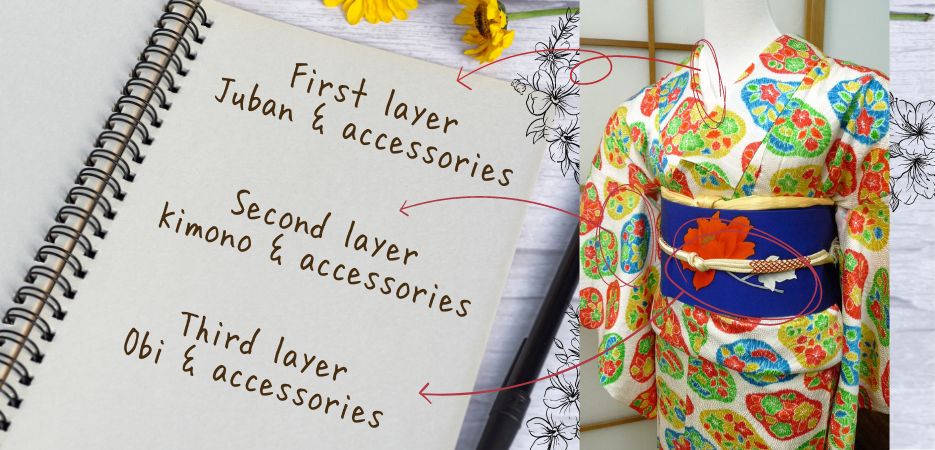
Introduction: Unveiling Kyoto’s Best-Kept Fashion Secret
Deep within the ancient streets of Kyoto, where traditional culture thrives alongside modern life, lies a secret that even many kimono enthusiasts don’t fully understand: the nagajuban. This essential undergarment, hidden beneath the elegant layers of a kimono, carries centuries of Japanese history, craftsmanship, and cultural significance that rivals the outer garment itself.
The nagajuban represents more than just functional underwear – it embodies the Japanese philosophy of beauty existing even in unseen places, a concept deeply rooted in Kyoto’s aesthetic traditions. From the imperial courts of ancient Japan to today’s traditional tea ceremonies in Kyoto’s historic districts, this hidden garment has played a crucial role in defining Japanese elegance and comfort.

What Exactly Is a Nagajuban? Understanding Japan’s Essential Undergarment
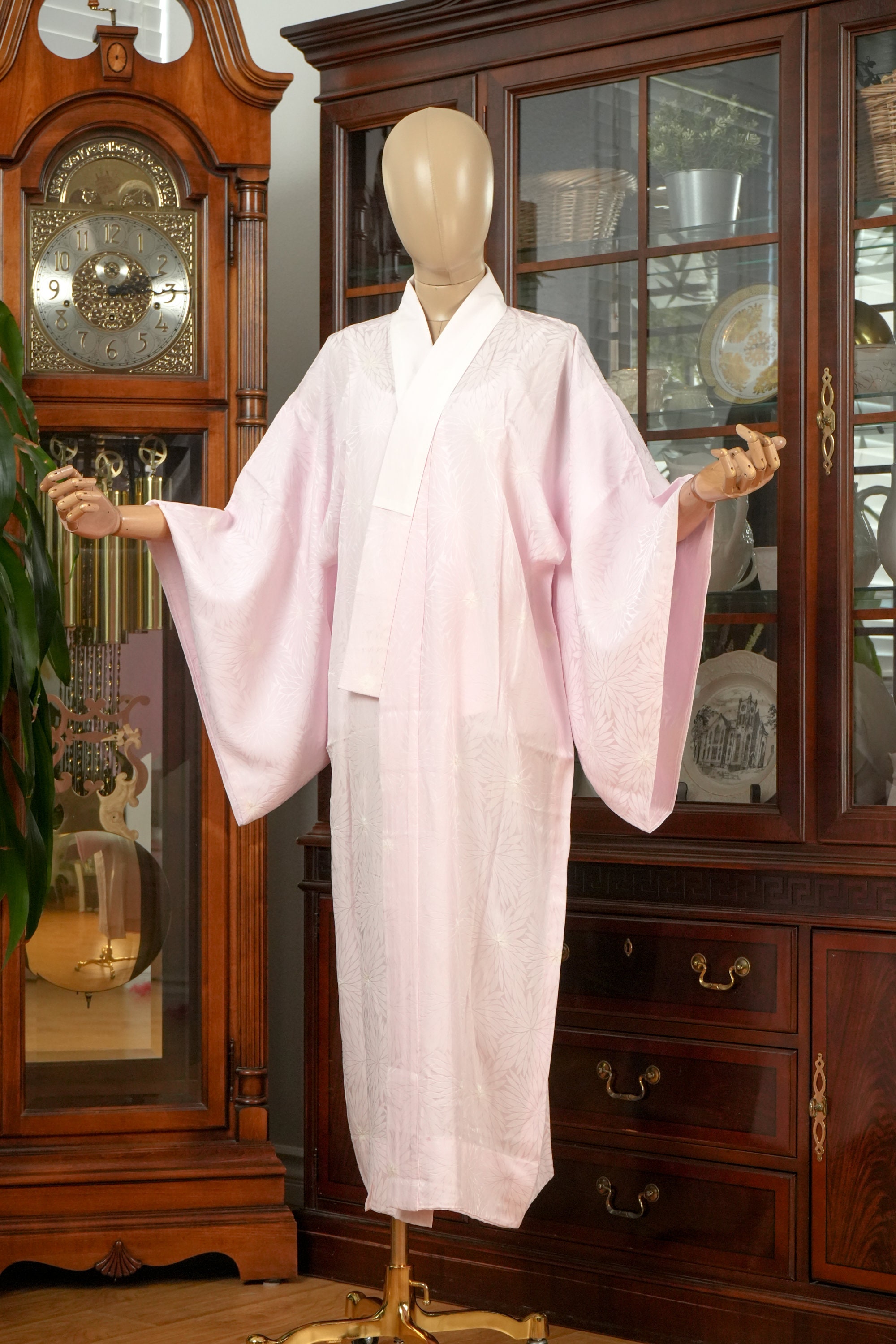
A nagajuban (長襦袢) is a traditional Japanese undergarment worn directly beneath a kimono. The name literally translates to “long undergarment,” and it serves multiple essential purposes in traditional Japanese dress. Unlike Western undergarments, the nagajuban is a full-length garment that extends from the shoulders to the ankles, carefully designed to protect the precious kimono fabric while providing comfort and modesty.
The Anatomy of a Nagajuban
The nagajuban consists of several key components that make it indispensable for proper kimono wearing:
The Body: Made from lightweight, breathable fabrics like silk, cotton, or modern synthetic materials, the nagajuban’s body provides a smooth foundation for the kimono layers above.
The Collar (Han-eri): Perhaps the most visible part of the nagajuban, the han-eri is a detachable white collar that peeks out from beneath the kimono collar, creating the classic layered look associated with traditional Japanese dress.
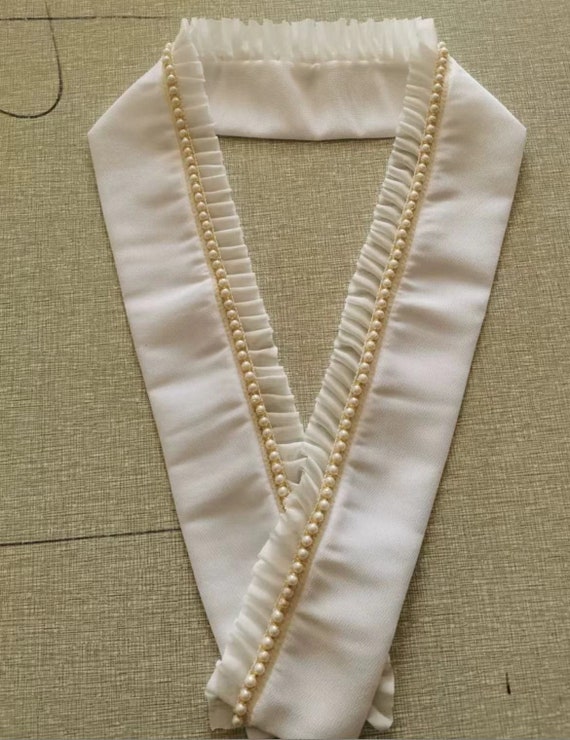
The Sleeves: Designed to be slightly shorter than kimono sleeves, nagajuban sleeves prevent the undergarment from showing while maintaining the proper drape of the outer garment.
The Ties (Koshi-himo): Internal ties help secure the nagajuban in place, ensuring it doesn’t shift during movement and maintains the proper silhouette.
The Ancient Origins: Tracing the Nagajuban Through Kyoto’s Imperial History
The history of the nagajuban begins in Japan’s ancient capital, where court fashion set the standards for elegance throughout the nation. During the Heian period (794-1185), when Kyoto served as the imperial capital, court ladies wore elaborate layered garments called jūnihitoe (twelve-layer robe). The nagajuban evolved from these early undergarments, initially serving the practical purpose of protecting expensive outer robes from body oils and sweat.
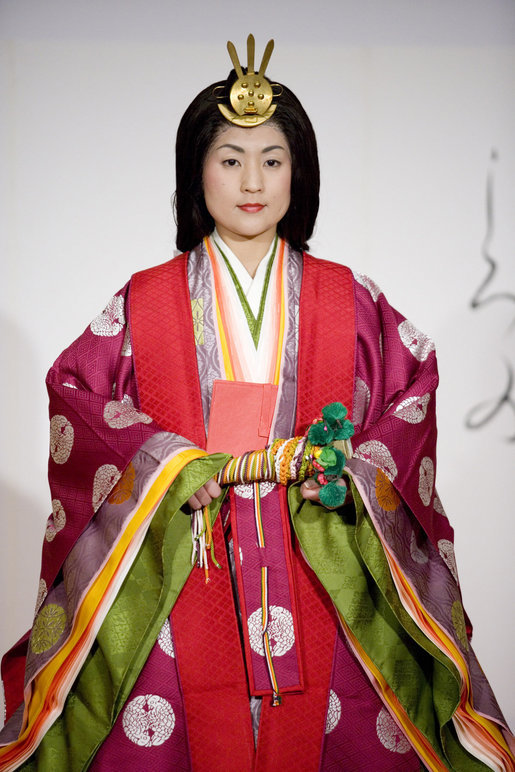
The Heian Court Influence
In Kyoto’s imperial court, clothing was not merely functional but deeply symbolic. The nagajuban represented the Japanese concept of omotenashi – hospitality and attention to detail that extends even to unseen elements. Court ladies understood that true elegance required perfection at every level, including undergarments that would never be fully visible to others.
Archaeological evidence from Kyoto temples and burial sites suggests that early nagajuban were often made from imported Chinese silks, highlighting their importance in the wardrobes of the wealthy and powerful. These garments were frequently decorated with subtle patterns or dyed in colors that would complement the outer robes, demonstrating the sophisticated aesthetic sensibilities of Kyoto’s aristocracy.
The Muromachi Period Evolution
During the Muromachi period (1336-1573), as Kyoto continued to serve as Japan’s cultural center, the nagajuban began to take on more standardized forms. The rise of the merchant class and increased trade brought new fabrics and techniques to Kyoto’s textile districts, allowing for innovations in nagajuban construction and design.
The famous Nishiki-koji textile district in Kyoto became a center for nagajuban production, with skilled artisans developing new weaving techniques specifically for undergarments. These innovations included improved ventilation systems, better moisture-wicking properties, and more durable construction methods that would extend the life of both the nagajuban and the precious kimono worn over it.
Cultural Significance: More Than Just Underwear in Japanese Society
The nagajuban holds profound cultural significance that extends far beyond its practical functions. In Japanese culture, the concept of inner beauty – both literal and metaphorical – is fundamental to personal development and social interaction. The nagajuban embodies this philosophy, representing the idea that true elegance begins with what cannot be seen.
The Philosophy of Hidden Beauty
Japanese aesthetics emphasize that beauty should exist at every level, even in places where others cannot see. This philosophy, deeply ingrained in Kyoto’s cultural traditions, is perfectly exemplified by the nagajuban. A woman might spend considerable time and money selecting the perfect nagajuban, knowing that its quality and beauty would be felt rather than seen.
This attention to hidden details reflects the broader Japanese concept of kokoro (heart/spirit), suggesting that outer beauty must be supported by inner substance. In traditional Japanese thought, wearing a beautiful nagajuban was believed to enhance one’s confidence and spiritual well-being, even if no one else would ever see it.
Social Status and the Nagajuban
Throughout history, the quality and style of one’s nagajuban served as a subtle indicator of social status and personal refinement. Wealthy merchants and aristocrats in Kyoto would commission custom nagajuban from the city’s most skilled textile artisans, incorporating rare fabrics, intricate patterns, and innovative design elements.
The han-eri (collar) portion of the nagajuban became particularly important as a status symbol, as this was the only part regularly visible to others. Kyoto’s fashion-conscious residents would change their han-eri seasonally, selecting colors and patterns that demonstrated their knowledge of seasonal aesthetics and cultural traditions.
Traditional Materials and Craftsmanship: Kyoto’s Textile Mastery
Kyoto has long been renowned for its textile craftsmanship, and nagajuban production represents some of the finest examples of this traditional artistry. The choice of materials for nagajuban was crucial, as these garments needed to be comfortable against the skin while providing the proper foundation for the kimono layers above.
Silk: The Premium Choice
Silk nagajuban represented the highest quality option, prized for their natural temperature regulation, moisture-wicking properties, and luxurious feel. Kyoto’s silk merchants developed special weaving techniques specifically for nagajuban production, creating fabrics that were strong enough to withstand regular wear while maintaining their softness and drape.
The most prized silk nagajuban were made from chirimen (crepe silk), woven in Kyoto using traditional techniques passed down through generations of artisan families. Chirimen’s slightly textured surface provided excellent breathability while creating a smooth foundation that prevented the outer kimono from clinging or bunching.
Cotton and Hemp: Practical Alternatives
For daily wear and summer seasons, cotton and hemp nagajuban offered practical alternatives to silk. Kyoto’s textile districts produced high-quality cotton nagajuban using locally grown cotton and traditional weaving methods. These garments were often treated with special finishing processes that enhanced their absorbency and comfort.
Hemp nagajuban were particularly popular during hot Kyoto summers, as hemp’s natural properties provided superior cooling and moisture management. The best hemp nagajuban were made from fibers grown in the mountains surrounding Kyoto, where the cool climate and pure water produced exceptionally fine hemp suitable for delicate garments.
Modern Synthetic Materials
Contemporary nagajuban often incorporate modern synthetic materials that offer enhanced performance characteristics while maintaining traditional aesthetics. High-quality polyester blends, moisture-wicking synthetics, and anti-microbial treatments have revolutionized nagajuban comfort and care while preserving their cultural significance.
The Art of Wearing: Proper Nagajuban Etiquette and Technique
Putting on a nagajuban correctly requires skill, patience, and attention to detail – qualities that reflect the broader Japanese approach to traditional dress. In Kyoto’s kimono schools and traditional tea ceremony classes, proper nagajuban technique is considered fundamental to achieving an elegant kimono appearance.
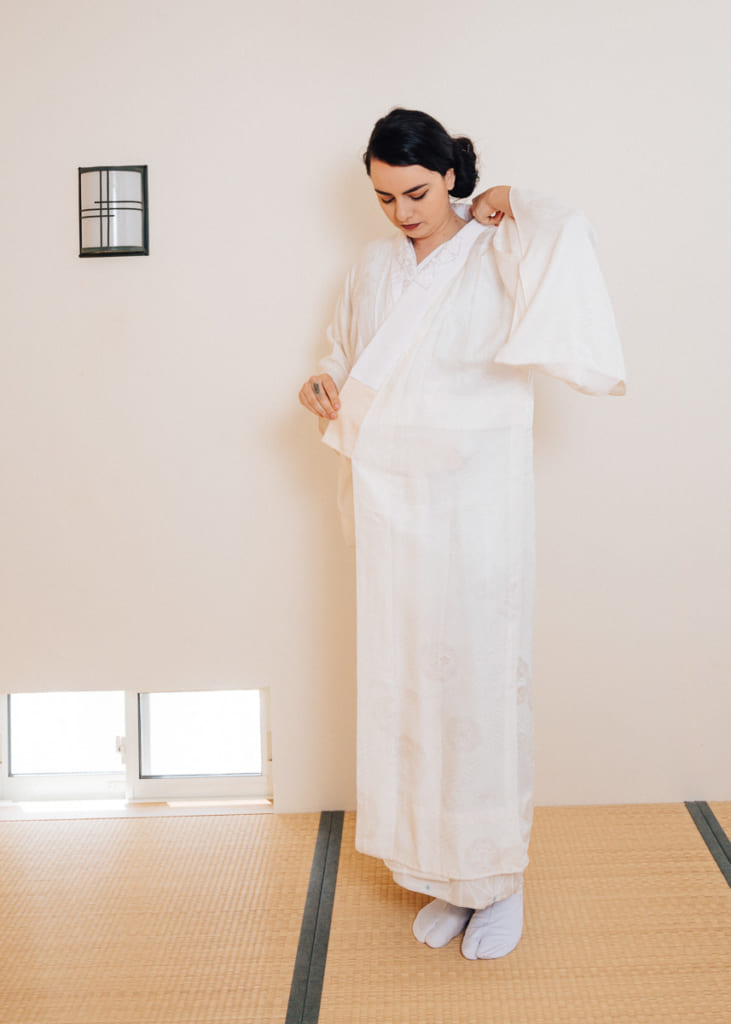
Step-by-Step Dressing Process
The process of putting on a nagajuban follows a specific sequence that has been refined over centuries:
Preparation: The nagajuban is carefully laid out and inspected for any wrinkles or imperfections. The han-eri is attached if it’s a separate piece, and all ties are checked for proper placement.
Initial Fitting: The nagajuban is put on like a robe, with careful attention to the placement of the collar and the alignment of the side seams. The garment should fit smoothly without any pulling or bunching.
Collar Adjustment: The han-eri is positioned to show approximately 1-2 centimeters below the kimono collar, creating the classic layered look. This requires precise measurement and adjustment.
Securing: The nagajuban is secured with koshi-himo ties at the waist, ensuring that the garment stays in place during movement while maintaining the proper silhouette.
Common Mistakes and How to Avoid Them
Even experienced kimono wearers can make mistakes with nagajuban fitting. Common issues include:
Collar misalignment: The han-eri should lie flat and show evenly around the neckline
Length problems: The nagajuban should be slightly shorter than the kimono to prevent it from showing
Bunching: Proper smoothing and adjustment are essential to prevent unsightly bunching under the kimono
Seasonal Variations: Adapting the Nagajuban to Kyoto’s Climate
Kyoto’s distinct four seasons require different approaches to nagajuban selection and styling. Traditional Japanese dress follows strict seasonal guidelines, and the nagajuban plays a crucial role in comfort and appropriateness throughout the year.
Spring (Haru) Nagajuban
Spring in Kyoto brings mild temperatures and occasional rain, requiring nagajuban that can adapt to changing conditions. Silk or cotton blends are ideal for spring wear, providing warmth during cool mornings while offering breathability as temperatures rise throughout the day.
Spring han-eri often feature subtle floral patterns or soft pastel colors that complement the season’s aesthetic. Cherry blossom motifs, though never explicitly depicted, might be suggested through color choices of pale pink or soft white.
Summer (Natsu) Considerations
Kyoto’s hot, humid summers demand maximum comfort and breathability from nagajuban. Lightweight cotton, hemp, or modern moisture-wicking synthetics are essential for summer wear. Traditional summer nagajuban, called natsumono, are specifically designed for hot weather with enhanced ventilation and cooling properties.
Summer han-eri are typically white or very pale colors, following the Japanese aesthetic principle that lighter colors create a cooling psychological effect. The fabric is often slightly more open-weave to enhance airflow.
Autumn (Aki) Transitions
Autumn nagajuban bridge the gap between summer’s heat and winter’s cold. Medium-weight silk or wool blends provide appropriate warmth while maintaining comfort during Kyoto’s pleasant autumn days. The han-eri colors often shift to warmer tones – deep reds, golden yellows, or rich browns that echo the changing foliage.
Winter (Fuyu) Warmth
Winter nagajuban prioritize warmth and insulation while maintaining the proper foundation for formal winter kimono. Silk flannel, wool, or padded cotton nagajuban provide necessary warmth during Kyoto’s cold winters. Multiple layers might be worn, with an additional under-kimono called a susoyoke providing extra warmth and modesty.
Winter han-eri often feature richer, deeper colors and may incorporate subtle metallic threads that catch and reflect winter light, adding visual interest during the darker months.
Regional Styles: How Kyoto’s Nagajuban Differs from Other Japanese Regions
While nagajuban are worn throughout Japan, regional variations reflect local climate, cultural preferences, and historical influences. Kyoto’s nagajuban traditions, shaped by centuries of imperial court influence and textile craftsmanship, represent some of the most refined and sophisticated approaches to this essential garment.
Kyoto vs. Tokyo Styles
Kyoto nagajuban traditionally emphasize subtle elegance and classical proportions, reflecting the city’s role as Japan’s cultural capital. Colors tend to be more muted, patterns more refined, and construction more traditionally oriented. This contrasts with Tokyo styles, which often incorporate more modern elements and bolder design choices.
Osaka Commercial Influences
Osaka’s merchant culture influenced nagajuban design with an emphasis on practical luxury – high-quality materials and construction combined with cost-effective production methods. Osaka nagajuban makers developed innovative techniques for mass production while maintaining quality standards.
Rural Variations
Rural Japanese regions developed nagajuban styles adapted to local climates and lifestyles. These often featured more durable construction, locally sourced materials, and practical design elements that reflected the different needs of rural life compared to urban environments like Kyoto.
Modern Revival: The Nagajuban in Contemporary Japanese Fashion
The 21st century has seen a remarkable revival of interest in traditional Japanese clothing, with the nagajuban playing a crucial role in this cultural renaissance. Young Japanese people, particularly in culturally rich cities like Kyoto, are rediscovering the elegance and comfort of traditional undergarments.
Contemporary Innovations
Modern nagajuban incorporate technological advances while maintaining traditional aesthetics:
Performance fabrics: New synthetic materials offer superior moisture management, temperature regulation, and antibacterial properties while maintaining the look and feel of traditional materials.
Simplified construction: Modern designs often feature simplified putting-on processes while maintaining traditional appearance and function.
Customization options: Contemporary manufacturers offer extensive customization options, allowing customers to create nagajuban that perfectly fit their needs and preferences.
Fashion Week and High Fashion
International fashion designers have begun incorporating nagajuban-inspired elements into contemporary clothing lines. The layering concepts, attention to hidden details, and emphasis on comfort have influenced modern lingerie design and luxury ready-to-wear collections.
Caring for Your Nagajuban: Preservation and Maintenance
Proper care of a nagajuban is essential for maintaining its beauty, function, and longevity. Traditional Japanese textile care methods, refined over centuries in Kyoto’s textile districts, provide the foundation for modern nagajuban maintenance.
Cleaning Techniques
Silk nagajuban require specialized cleaning to maintain their luster and strength. Traditional methods include gentle hand washing with silk-specific soaps, careful pressing while damp, and proper storage to prevent damage from insects or humidity.
Cotton and hemp nagajuban are generally more durable and can withstand more robust cleaning methods, though traditional hand washing is still preferred for the finest examples.
Storage and Preservation
Proper storage is crucial for nagajuban longevity:
Climate control: Stable temperature and humidity levels prevent fabric deterioration
Proper folding: Traditional Japanese folding methods minimize stress on the fabric
Protective wrapping: Acid-free tissue paper and natural fiber storage bags protect against environmental damage
Regular inspection: Periodic examination allows for early detection and treatment of problems
The Economic Impact: Nagajuban in Kyoto’s Textile Industry
The nagajuban industry represents a significant portion of Kyoto’s traditional textile economy. From high-end artisan workshops to modern manufacturing facilities, nagajuban production supports hundreds of businesses and thousands of workers in the Kyoto region.

Artisan Workshops
Traditional artisan workshops in Kyoto continue to produce hand-crafted nagajuban using centuries-old techniques. These businesses serve both domestic and international markets, with customers willing to pay premium prices for authentic, hand-made garments.
Modern Manufacturing
Contemporary manufacturers have adapted traditional techniques to modern production methods, creating nagajuban that maintain quality while achieving price points accessible to broader markets.
Export Markets
Kyoto nagajuban makers increasingly serve international markets, particularly in countries with growing interest in Japanese culture and traditional fashion. This export trade helps sustain traditional techniques while funding innovation and development.
Cultural Preservation: Teaching Nagajuban Traditions to Future Generations
Ensuring the continuation of nagajuban traditions requires active effort to educate new generations about their cultural significance and practical importance. Kyoto’s educational institutions, cultural organizations, and master craftspeople work together to preserve and transmit this knowledge.
Educational Programs
Kyoto’s universities and cultural institutions offer courses in traditional Japanese textiles, including detailed instruction in nagajuban history, construction, and cultural significance. These programs attract students from around the world who come to Kyoto to study authentic Japanese textile traditions.
Apprenticeship Systems
Traditional master-apprentice relationships continue to play a crucial role in preserving nagajuban-making skills. Young artisans spend years learning not just the technical aspects of construction, but the cultural knowledge and aesthetic sensibilities that inform truly exceptional work.
Museum Collections and Exhibitions
Kyoto’s museums maintain extensive collections of historical nagajuban, providing researchers and the public with opportunities to study and appreciate these remarkable garments. Regular exhibitions showcase the evolution of nagajuban design and their role in Japanese culture.
Photography and Documentation: Capturing the Beauty of Hidden Garments
Professional photography plays a crucial role in documenting and preserving nagajuban traditions. Skilled photographers work to capture not just the visual beauty of these garments, but their cultural significance and craftsmanship details.
For those interested in professional photography services to document traditional Japanese clothing and cultural practices, including the intricate details of nagajuban and kimono, visit https://mk-mimosa-e.top/ for expert photography services that honor and preserve these important cultural traditions.
Technical Challenges
Photographing nagajuban presents unique challenges:
Hidden details: Much of the garment’s beauty lies in construction details that are typically hidden
Layering effects: Showing how the nagajuban interacts with outer garments requires careful styling and lighting
Cultural sensitivity: Representing these garments requires understanding of their cultural significance and appropriate presentation methods
The Future of the Nagajuban: Traditions in Evolution
As Japanese society continues to evolve, the nagajuban faces both challenges and opportunities. Changing lifestyles, global fashion influences, and technological advances all impact how these traditional garments fit into contemporary life.
Adaptation and Innovation
The future of the nagajuban likely lies in thoughtful adaptation that preserves cultural significance while meeting contemporary needs:
Hybrid designs that combine traditional aesthetics with modern functionality
Sustainable materials that reflect growing environmental consciousness
Global accessibility through online education and sales platforms
Cultural exchange programs that share nagajuban traditions with international audiences
Preserving Authenticity
The challenge for the future is maintaining the authentic cultural significance of the nagajuban while allowing for necessary evolution and adaptation. This requires ongoing dialogue between traditionalists and innovators, ensuring that change serves to strengthen rather than diminish these important traditions.

Conclusion: The Enduring Legacy of Kyoto’s Hidden Garment
The nagajuban represents far more than a simple undergarment – it embodies centuries of Japanese aesthetic philosophy, craftsmanship traditions, and cultural values that continue to resonate in contemporary society. From its origins in Kyoto’s imperial court to its role in modern fashion revival, the nagajuban demonstrates the enduring power of thoughtful design and cultural preservation.
As we look toward the future, the nagajuban serves as a reminder that true elegance often lies in details that remain hidden from casual observation. The Japanese concept that beauty should exist at every level, even where others cannot see, offers valuable insights for contemporary life and design philosophy.
For those drawn to explore the rich traditions of Japanese culture through its textiles, the nagajuban provides a perfect entry point – a garment that connects ancient traditions with modern needs, hidden beauty with practical function, and individual expression with cultural continuity. In the ancient streets of Kyoto, where tradition and innovation continue to coexist, the nagajuban remains a testament to the enduring power of thoughtful craftsmanship and cultural preservation.
Whether you’re a student of Japanese culture, a fashion enthusiast, or simply someone who appreciates the intersection of beauty and function, the secret history of the nagajuban offers insights into a world where every detail matters, even those that remain forever hidden beneath the surface.

