The Role of the Kimono in the Seijin no Hi (Coming of Age) Ceremony in Kyoto
The Role of the Kimono in the Seijin no Hi (Coming of Age) Ceremony in Kyoto
Introduction
Every year in January, Japan celebrates Seijin no Hi, or Coming of Age Day, a national holiday dedicated to young people turning 20 years old. In Kyoto, a city deeply rooted in tradition, the ceremony takes on a special cultural meaning. At the center of this important milestone is the kimono, a garment that not only symbolizes elegance but also adulthood, responsibility, and identity.
For visitors and locals alike, the sight of hundreds of young women and men walking through Kyoto in their colorful kimonos during Seijin no Hi is unforgettable. This article explores the significance of the kimono in this event, the types of kimonos worn, and how renting a kimono in Kyoto allows anyone to connect with this tradition.
? If you want to experience Kyoto in an authentic way, consider renting a kimono during your visit. Learn more here: Kimono Rental Kyoto
What is Seijin no Hi?
Seijin no Hi, or Coming of Age Day, is held every second Monday of January across Japan. It celebrates the transition into adulthood, granting young men and women the right to vote, drink alcohol, and be recognized as full members of society.
In Kyoto, Seijin no Hi ceremonies are especially meaningful because the city is often seen as the cultural capital of Japan. The traditional setting of shrines like Heian Jingu or Yasaka Shrine provides a beautiful backdrop where young adults gather in their finest attire.
The Symbolism of the Kimono in Seijin no Hi
A garment of identity and tradition
The kimono is not just clothing—it is a cultural symbol. For Seijin no Hi, it represents the passage from youth to adulthood. The patterns, colors, and styles chosen carry messages about family heritage, beauty, and social expectations.
Women’s Kimono: The Furisode
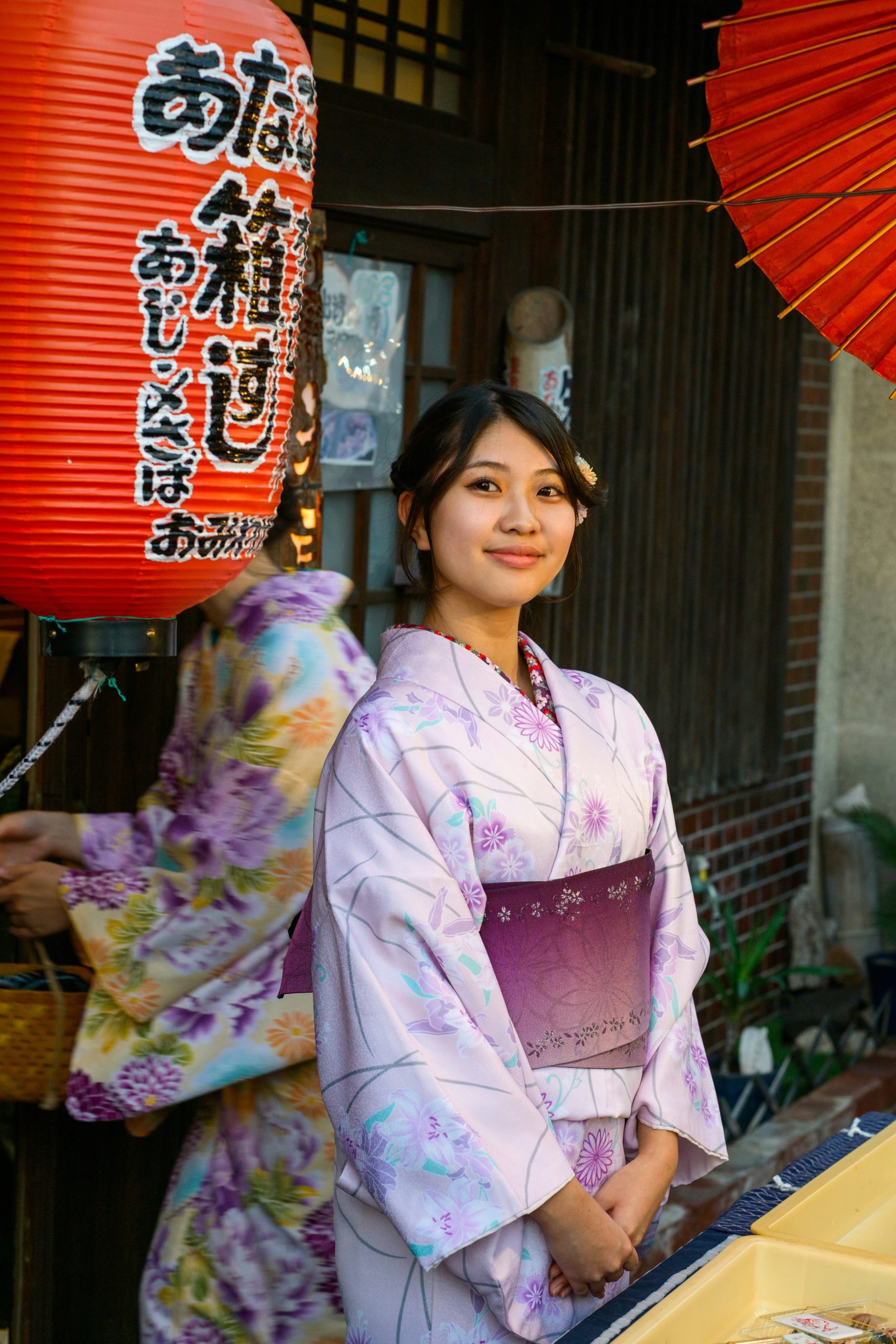
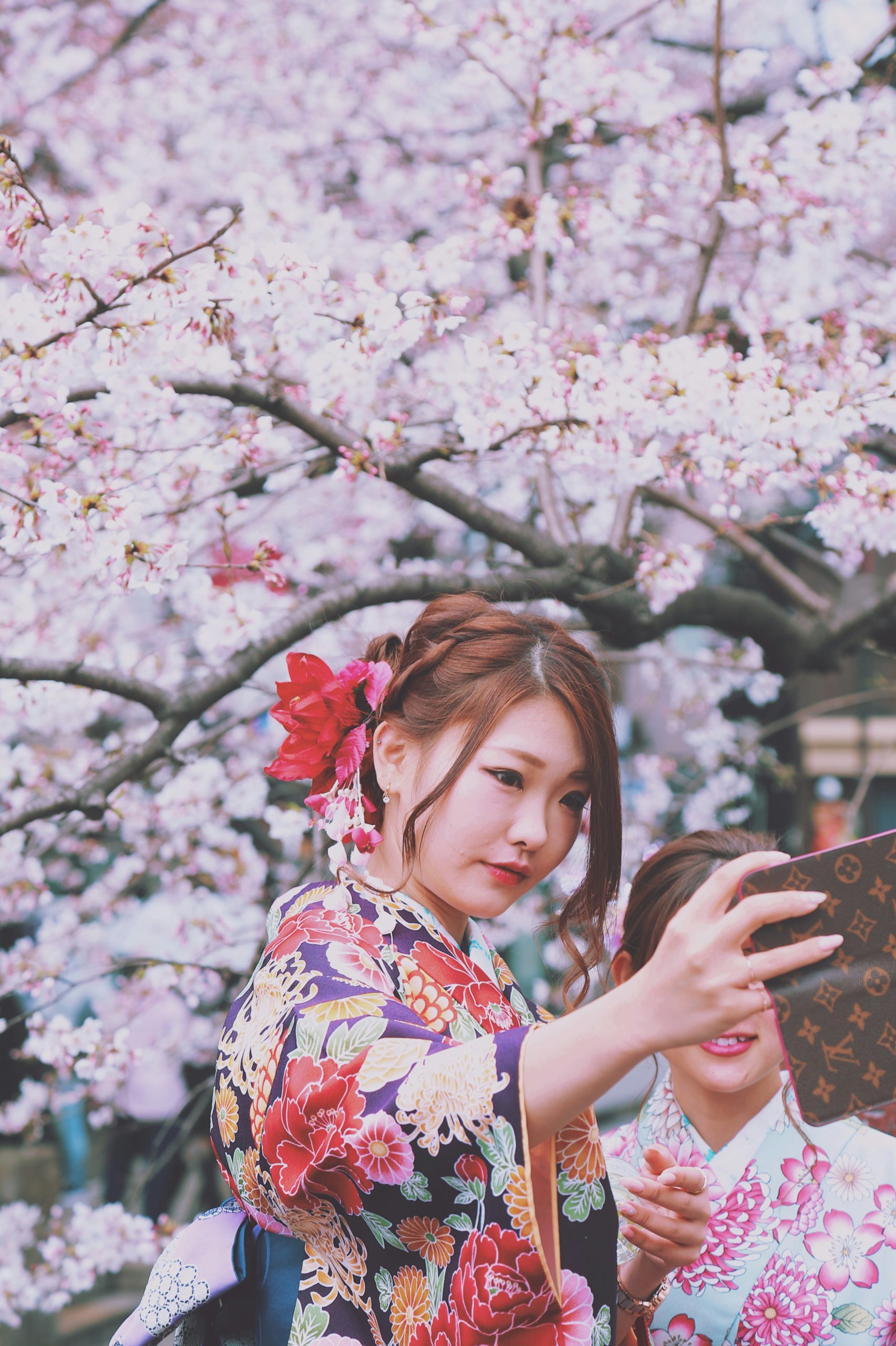
The most iconic garment for women on Seijin no Hi is the furisode, a long-sleeved kimono traditionally worn by unmarried women. The length of the sleeves symbolizes youth and elegance. Bright colors and intricate patterns reflect hope and prosperity for the future.
Men’s Kimono: Montsuki and Hakama
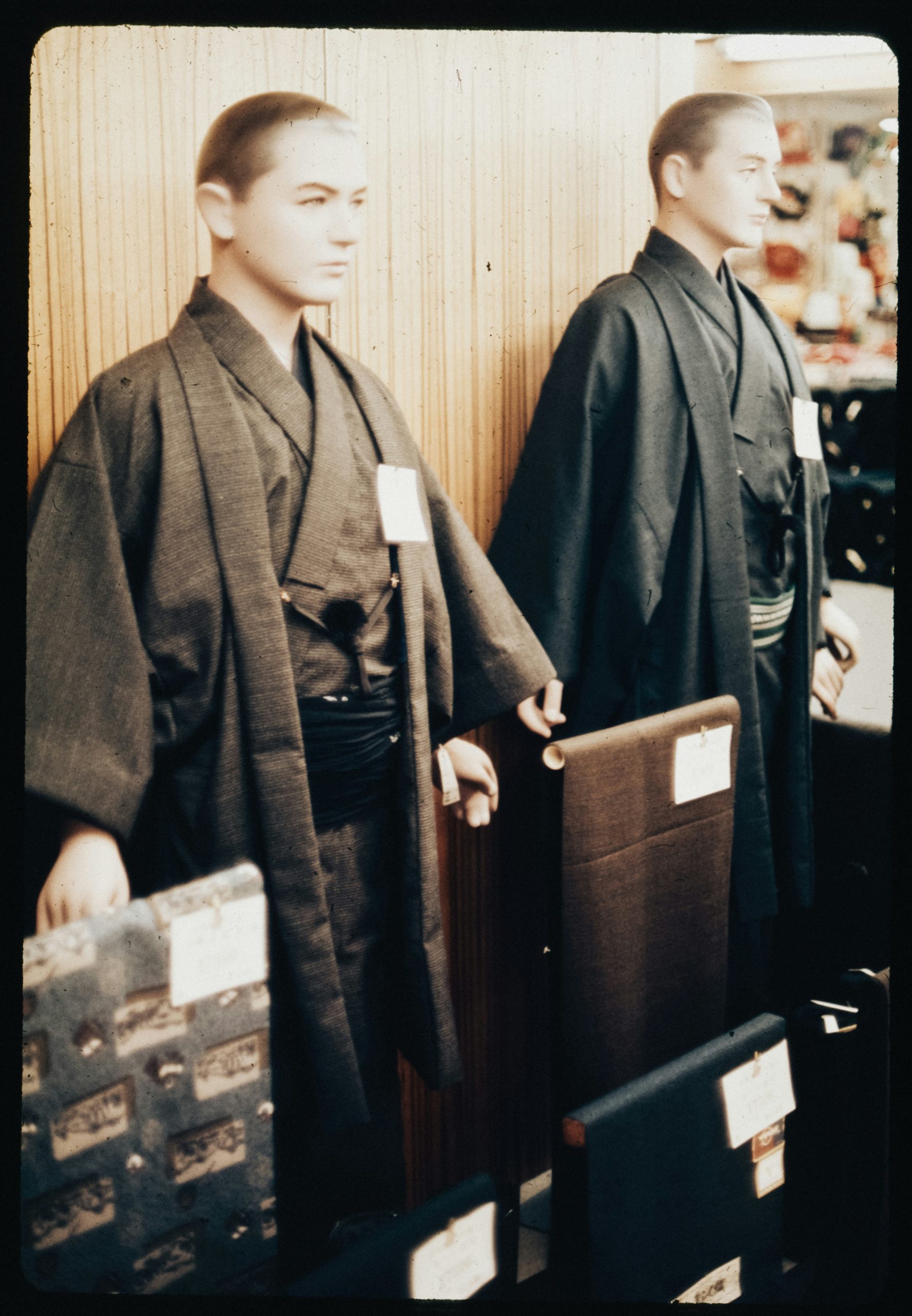
For men, formal wear often includes a montsuki kimono (with family crests) paired with hakama trousers. Although some young men now choose Western suits, traditional Japanese attire remains a strong statement of respect for culture.
Kyoto as the Stage for Seijin no Hi
The importance of the city’s heritage
Kyoto is home to thousands of temples and shrines, making it the perfect backdrop for this ceremony. Young adults in kimono often visit iconic places like:
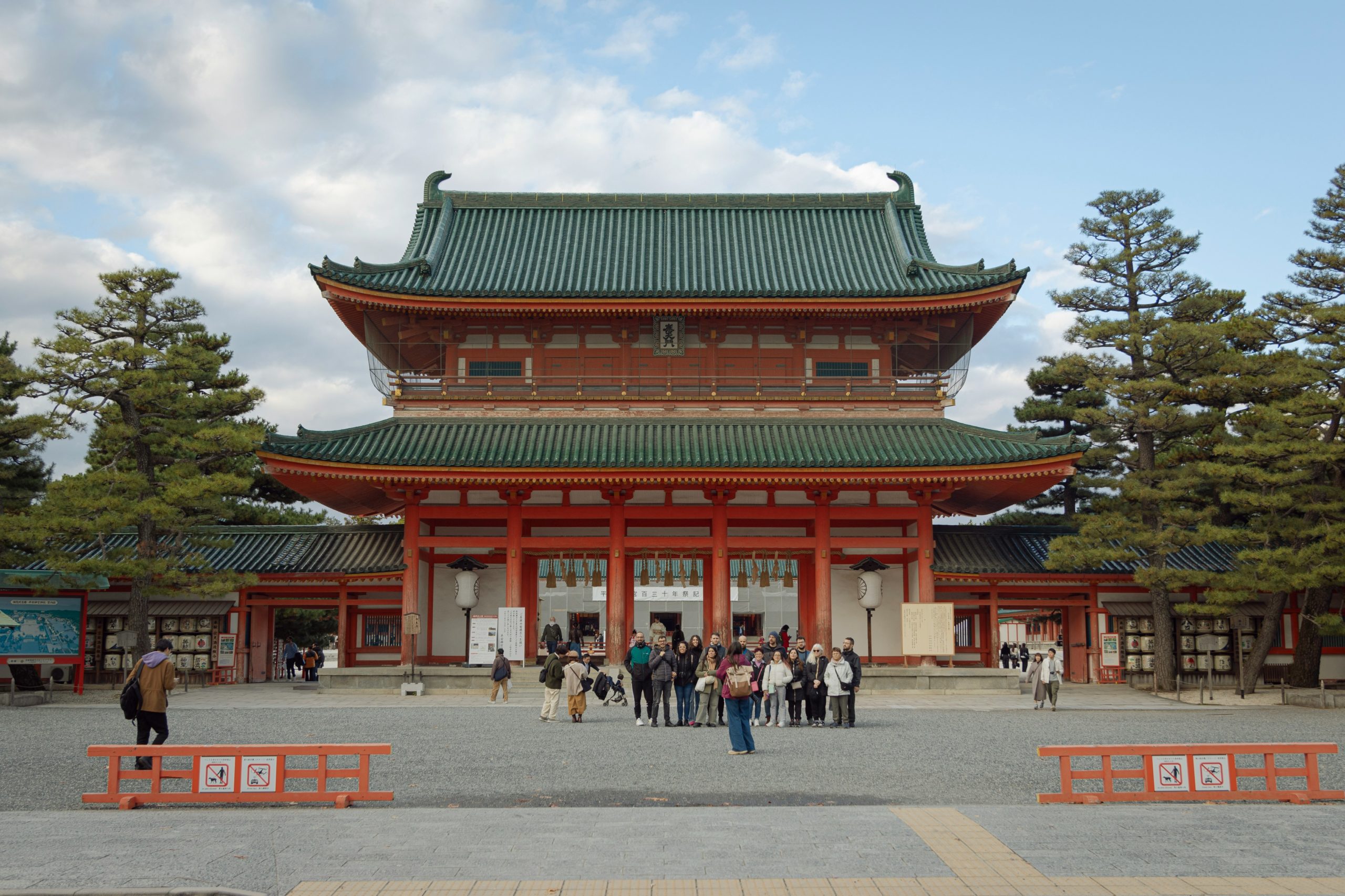
Heian Jingu Shrine
Famous for its wide grounds and torii gate
Yasaka Shrine in Gion
Deeply tied to Kyoto’s geisha culture
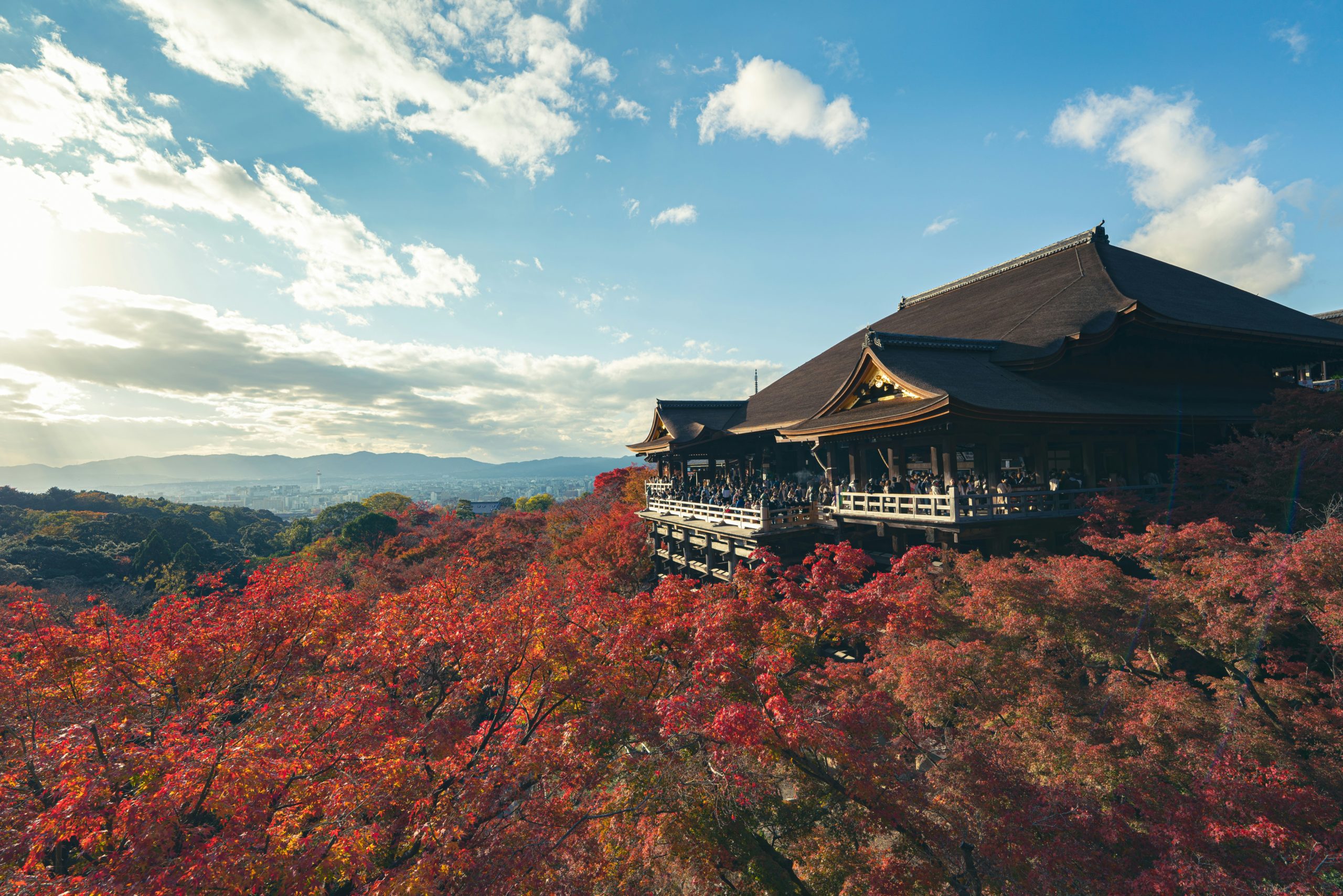
Kiyomizudera Temple
A UNESCO World Heritage site where kimono photos are unforgettable
A feast for the senses
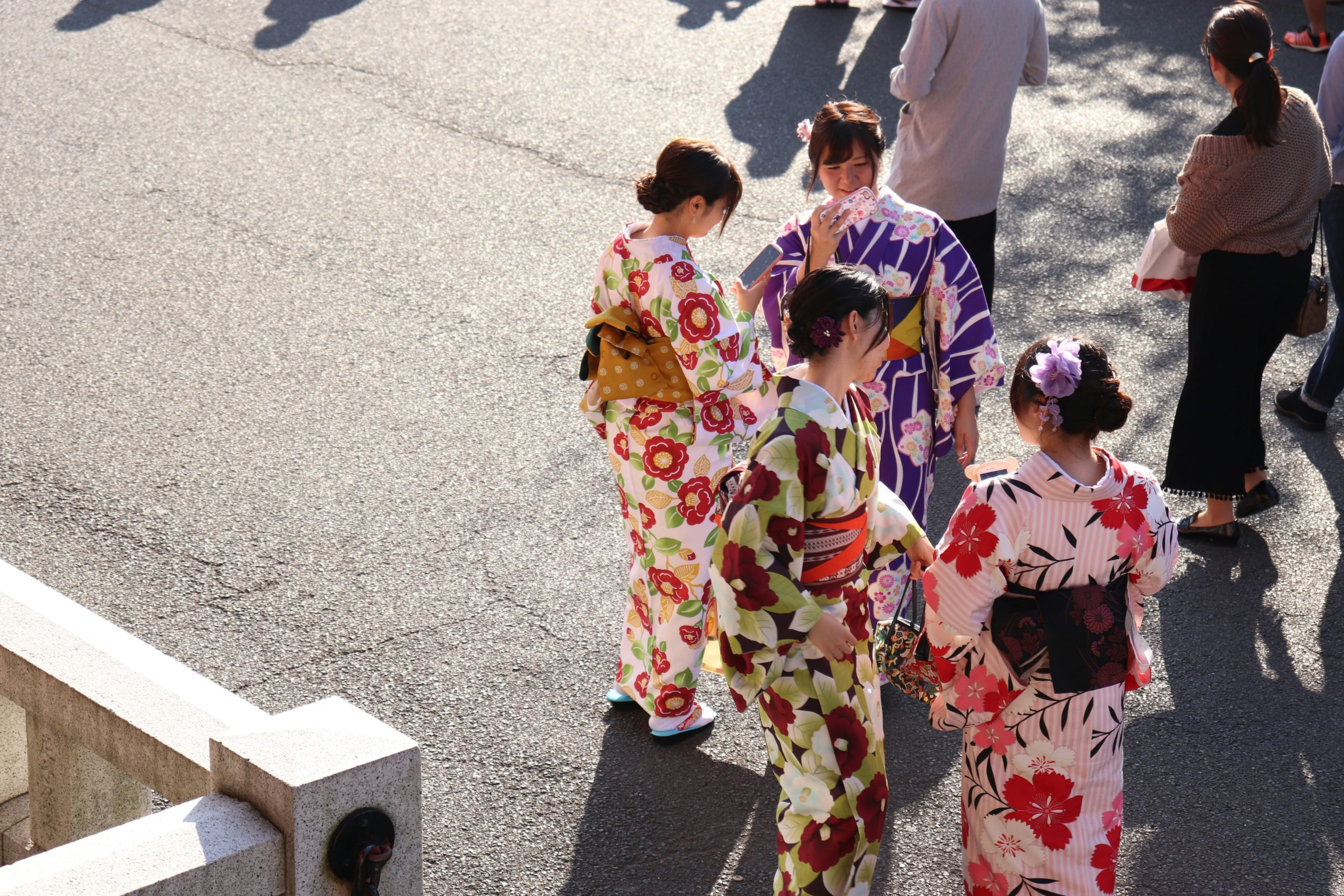
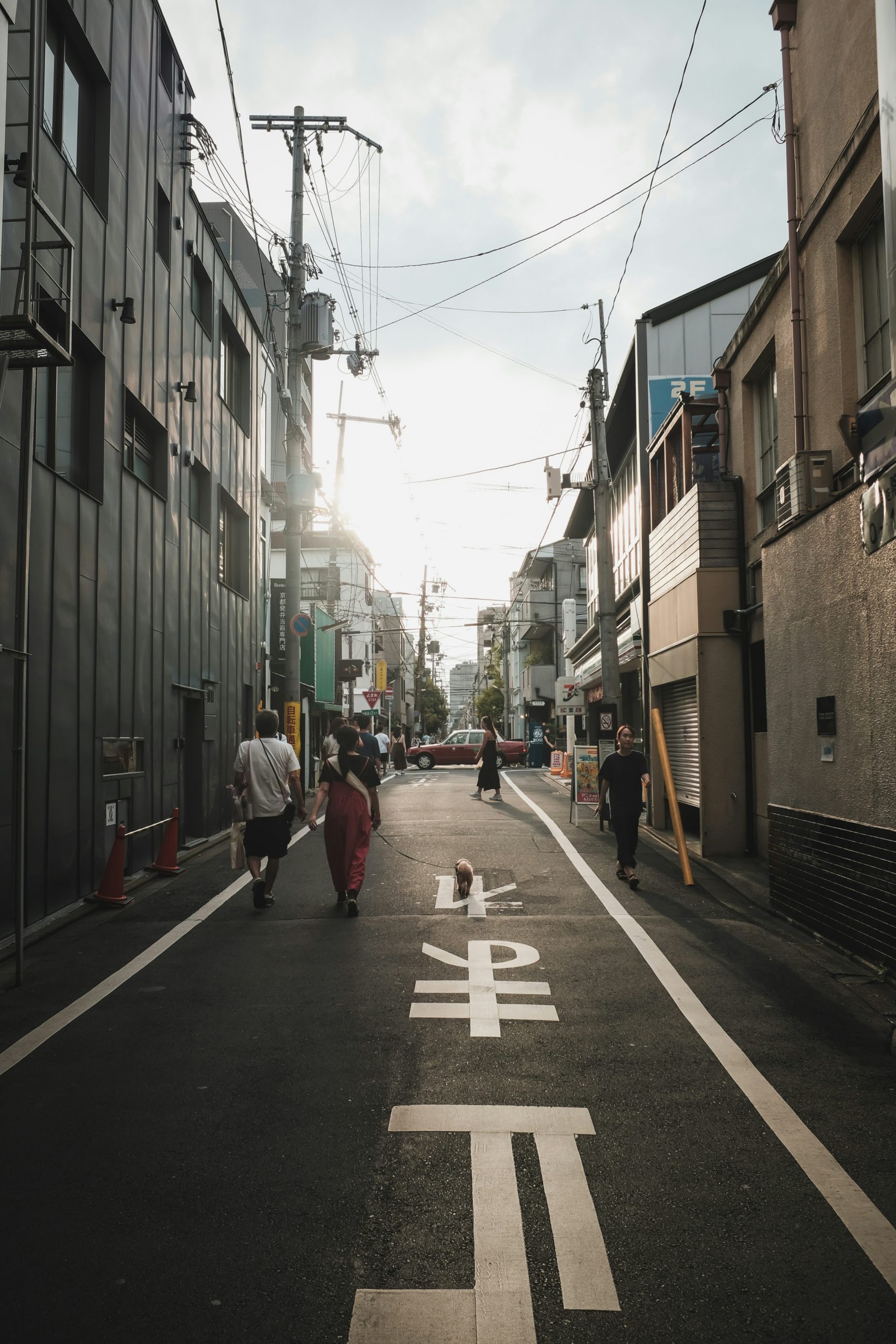
Walking through Kyoto during Seijin no Hi feels like stepping into a living museum. Streets like Hanamikoji in Gion or Pontocho Alley are filled with young adults proudly displaying their kimonos, posing for photos, and meeting friends.
Renting a Kimono for Seijin no Hi in Kyoto
Not everyone owns a kimono—especially furisode, which can cost thousands of dollars. This is why kimono rental shops in Kyoto are so popular, not only for tourists but also for Japanese residents who want to celebrate in style without the high costs.
Why rent instead of buying?
- Affordability – Renting a furisode or montsuki is much cheaper than purchasing one.
- Variety – Rental shops offer seasonal designs and trendy styles.
- Convenience – Professional dressing (kitsuke) is included in most rentals.
- Photography opportunities – Walking in kimono through Kyoto provides once-in-a-lifetime experiences.
? If you want to rent a kimono in Kyoto and enjoy the city like locals do on Seijin no Hi, check out our services: Kimono Rental in Kyoto
The Experience of Wearing a Kimono on Seijin no Hi
1. Choosing the right design
For women, colors such as red, pink, and gold are common choices, symbolizing luck and happiness. For men, darker colors like black or navy reflect formality.
2. The dressing ritual
Putting on a kimono is not simple. Layers of fabric, sashes, and accessories like obi belts and zori sandals are carefully arranged. Rental shops provide professional dressers who ensure every fold is perfect.
3. Visiting shrines and temples
Once dressed, young adults and visitors walk to shrines for blessings. The combination of sacred spaces and colorful kimonos makes the day visually stunning.
4. Capturing memories
Although your business is kimono rental, many customers enjoy taking photos while wearing kimono in Kyoto. Pairing kimono rental with photography opportunities is a powerful way to experience Seijin no Hi like a local.
Cultural Etiquette: How to Respect the Tradition
- •Do not confuse the kimono with a costume – Wearing it means honoring the culture.
- •Be careful with posture – The kimono restricts large movements; grace is key.
- •Mind the season – Furisode are often made of silk and should be handled delicately.
- •Respect sacred spaces – Shrines and temples are not just backdrops for photos but places of worship.
Kyoto vs. Tokyo: Why Kyoto is Special for Seijin no Hi
While Tokyo hosts large-scale ceremonies in civic halls, Kyoto offers an authentic, traditional experience. Here, the setting is not just modern conference centers but ancient shrines surrounded by history. For anyone renting a kimono, Kyoto provides an atmosphere that no other city can match.
Conclusion
Seijin no Hi is more than just a holiday—it is a profound cultural milestone. In Kyoto, the ceremony becomes even more memorable thanks to the kimono, a garment that bridges past and present. Whether you are a young adult celebrating adulthood or a visitor exploring Japanese traditions, wearing a kimono in Kyoto during this time is a unique way to connect with Japan’s cultural identity.
? Ready to experience Seijin no Hi in Kyoto with elegance? Rent your kimono today at Kimono Rental Kyoto.