
The Evolution of Cultural Tourism in Japan and the Role of the Kimono

The Evolution of Cultural Tourism in Japan and the Role of the Kimono
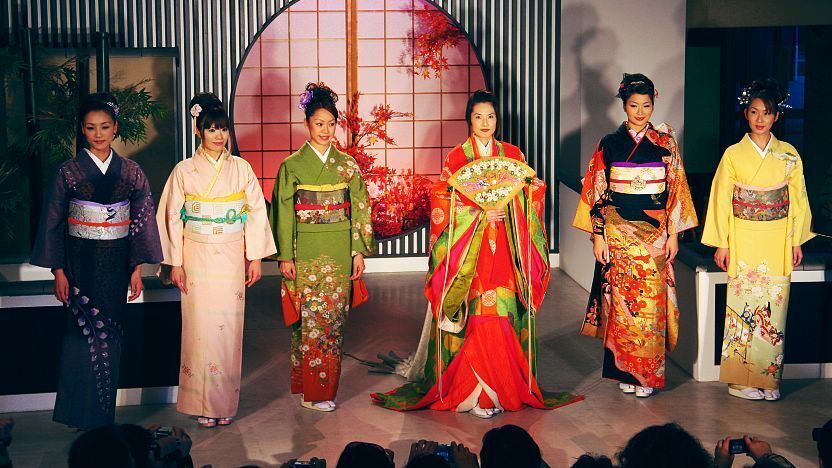
Traditional Japanese kimono representing cultural tourism and heritage experiences
The cultural tapestry of Japan is a vivid and multifaceted entity, intricately woven with elements that have both endured and transformed over the centuries. Among these elements, the Japanese kimono stands out as a profound symbol of identity, heritage, and aesthetic beauty. As cultural tourism continues to flourish, the kimono not only represents Japan’s storied past but also shapes its modern engagements with the world. By understanding the evolution of the kimono from its inception to its current status as a cultural emblem, we delve into a narrative that is both enchanting and informative.
The Evolution of the Japanese Kimono: From Antiquity to Contemporary
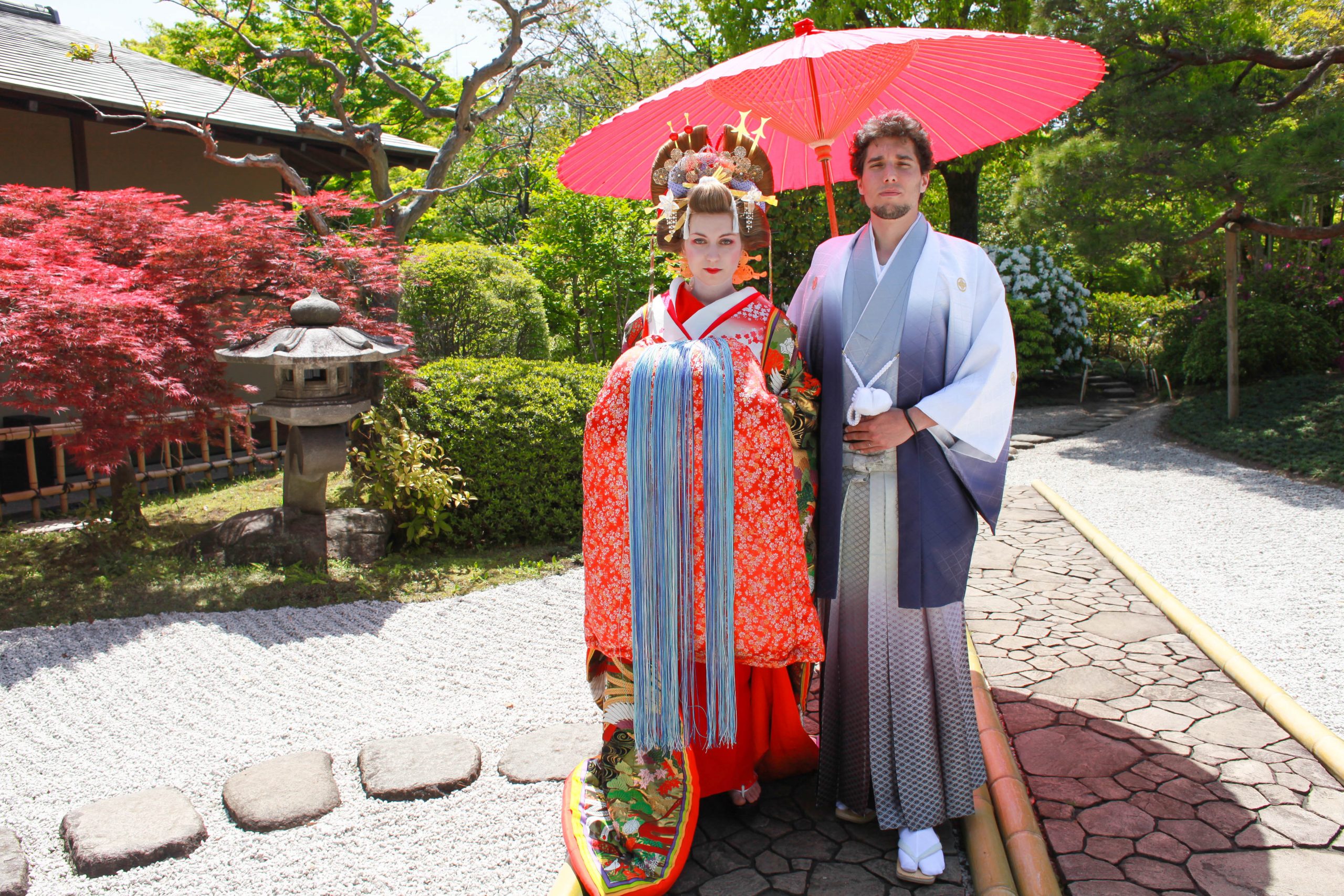
Evolution of traditional Japanese kimono through the ages
The kimono’s journey begins in the Heian period, where it started as a daily garment that went through transformations across various eras. It was during this time that each iteration brought about modifications that reflected socio-cultural shifts and absorbed external influences. Originally, the kimono served as an everyday attire but gradually evolved into a garment reserved for special occasions, symbolizing heritage and tradition. Today, it is primarily worn during cultural ceremonies, festivals, and unique celebrations, thus playing a pivotal role in Japan’s tourism industry.
As the kimono became a focal point of cultural tourism, it attracted visitors eager to engage with authentic Japanese customs. This rich historical journey not only highlights the garment’s aesthetic appeal but also its emblematic significance. Modern adaptations and innovations in kimono design have further anchored its place in global fashion, infusing traditional forms with contemporary styles. The incorporation of global aesthetics into kimono designs demonstrates how cultural preservation and international allure can coalesce.
Nara Period: The First Appearance of the Japanese Kimono
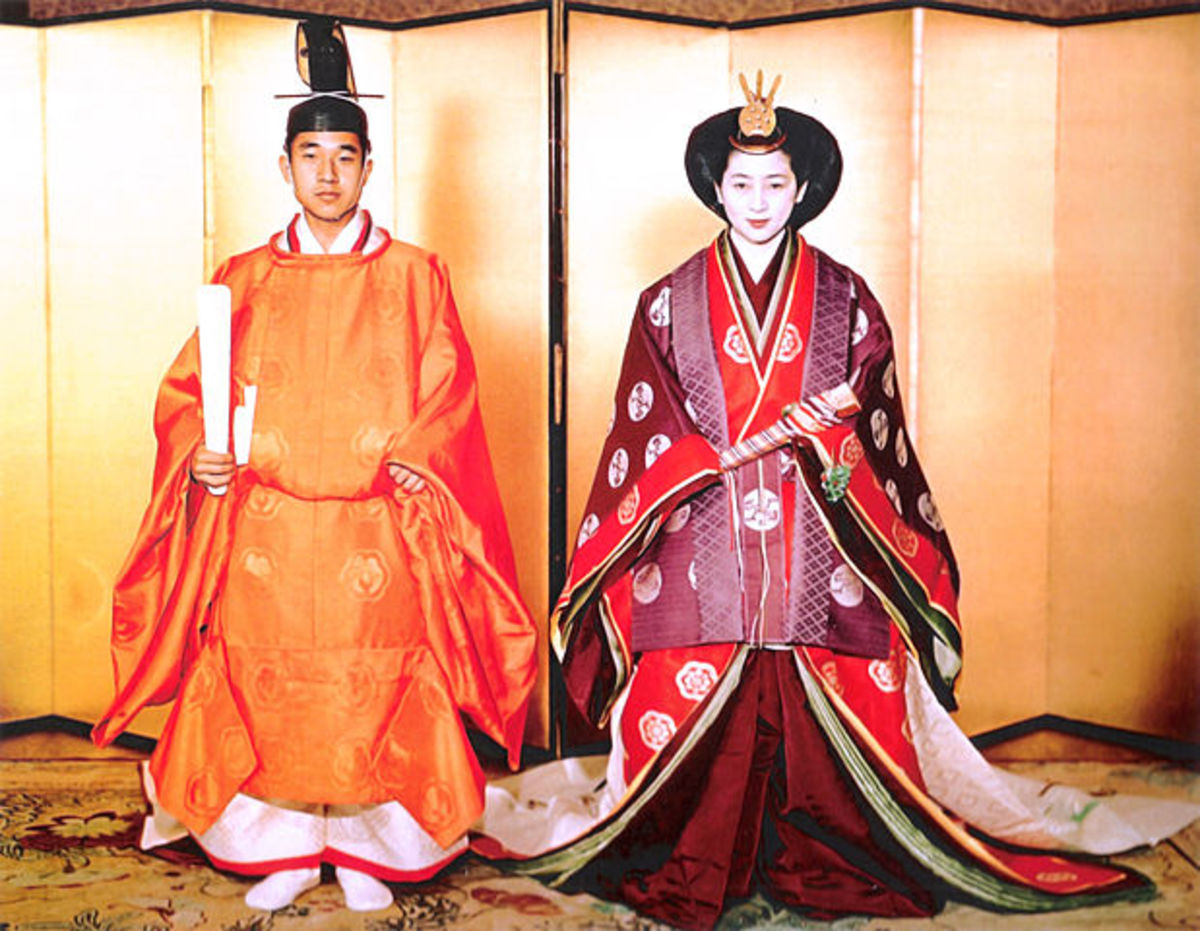
Nara period kimono showing Chinese Hanfu influence and early development
The Nara Period (710-794 AD) marks the earliest phase of the kimono’s illustrious history. Drawing inspiration from the Chinese Hanfu, the kimono evolved through cultural exchanges, setting the foundation for what would become an iconic Japanese garment. At this time, the kimono was not the robe-like piece we recognize today; rather, it was composed of separate upper and lower garments that progressively merged into a singular, more recognizable form. Initially worn by the nobility, the kimono symbolized social standing and cultural sophistication.
This era laid the groundwork for the kimono’s establishment as a cultural icon. The rich cultural exchanges during the Nara Period not only exemplified the garment’s significance but also paved the way for its prominent role in cultural tourism. As visitors explore Japan’s historical vestiges, the kimono’s origins offer a glimpse into ancient societal structures and artistic expressions.
- The evolution from Hanfu to kimono illustrates early cultural exchanges with China.
- Kimono pieces in this era were initially separate, later merging into one coherent structure.
- The garment was primarily used by the nobility to denote status and refinement.
- Discussions and exhibits on the Nara Period today focus heavily on these beginnings.
Kamakura Period: The Samurai Aesthetic of the Japanese Kimono (1185–1333)

Kamakura period samurai kimono demonstrating warrior aesthetic and cultural identity
The significance of the Kamakura Period (1185–1333) lies in its association with the rise of the samurai class. This era introduced a practical elegance to the kimono, marked by the samurai’s values and distinct lifestyles. Samurai influence fostered designs that combined simplicity, functionality, and a unique beauty, focusing on the balance of form and utility. During this period, the kimono transcended its practical origins to become a cultural artifact, epitomizing both status and cultural identity.
The samurai aesthetic significantly impacted the kimono’s role in cultural tourism. Understanding this influence offers insights into broader Japanese cultural narratives and continues to attract global interest. Today’s tourists, drawn by samurai lore, find the kimono a compelling representation of martial elegance and historical depth.
- Samurai influenced designs that emphasized practicality and subtle elegance.
- Kimonos during this era symbolized social status and reflected cultural identity.
- The period is pivotal in understanding the diversity and depth of Japanese cultural artifacts.
- Tours and exhibitions often highlight samurai influences and traditional craftsmanship.
Japanese Dress and Meiji Era (1868–1912)

Meiji era kimono showing Western influence and cultural transformation
The Meiji Era marked significant shifts in Japanese dress, integrating Western influences with traditional garments like the kimono. This period of transformation embraced change while safeguarding artistic heritage, reflecting Japan’s dual inclination towards modernization and tradition. Despite the growing prevalence of Western-style clothing, the kimono remained a powerful emblem of cultural identity. As a focal point for cultural tourism, the history and artistry of kimono-making stand out as a key attraction for visitors seeking authentic experiences.
The kimono’s bridging role between Japan’s historical traditions and modern culture amplifies its tourism appeal. Efforts have been made to preserve and promote the craft, thus underscoring the kimono’s enduring cultural importance in Japanese society. These endeavors highlight the garment’s journey and the skillful artistry it entails.
- The Meiji Era introduced Western elements into Japanese wardrobe selections.
- Kimonos symbolized cultural identity amidst widespread Western influences.
- Many Japan’s cultural tourism attractions emphasize the artisan craft of kimonos.
- Preservation efforts focus on blending innovation with traditional craftsmanship.
Japanese Culture and Western Modern Art
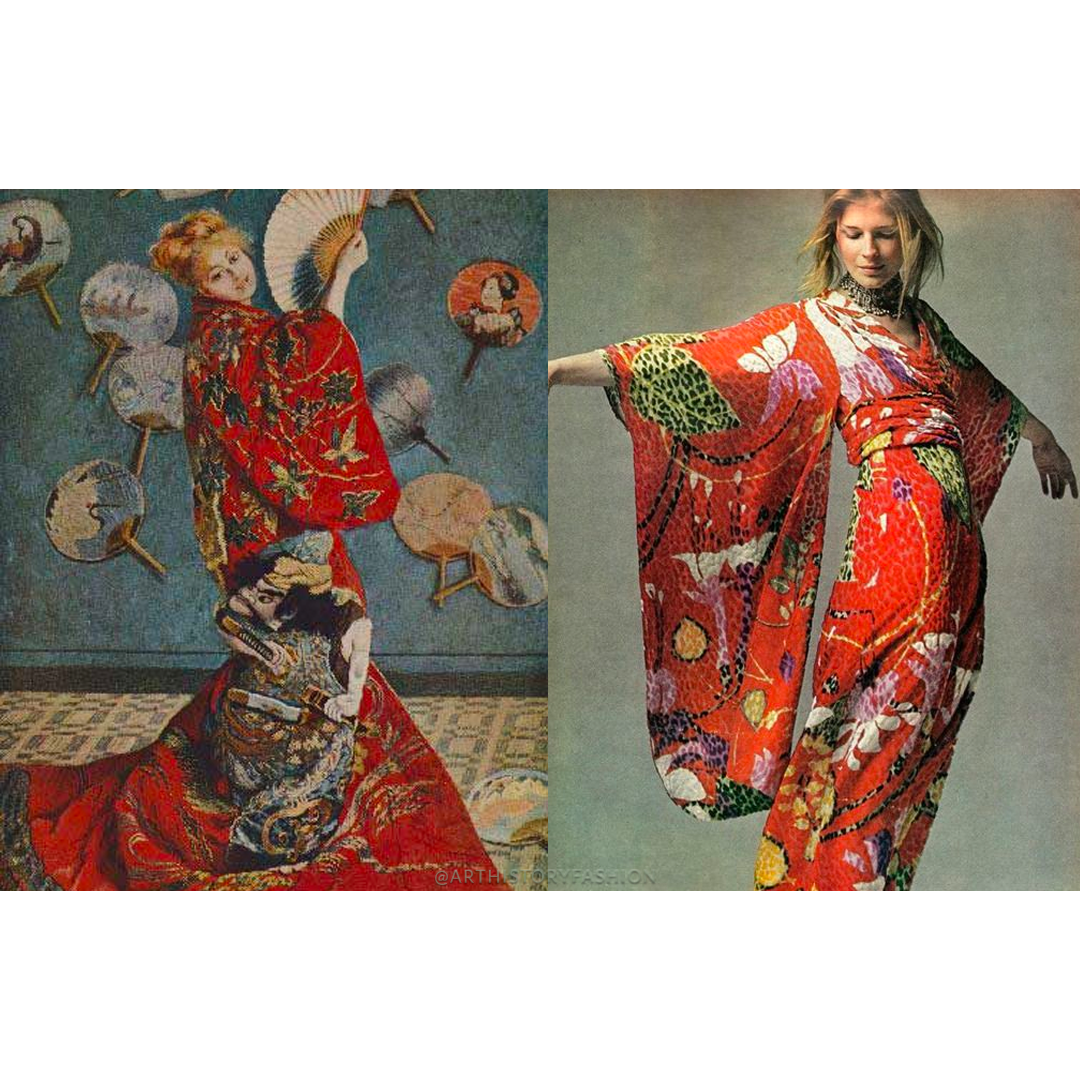
Japanese kimono influence on Western modern art and fashion design
Japanese culture has notably influenced Western modern art, creating a dynamic and reciprocal exchange of artistic ideas. The kimono, with its rich cultural heritage, serves as a bridge between traditional Japanese aesthetics and contemporary global art influences. As Western artists encountered Japanese elements such as minimalism and distinctive color palettes, they began integrating these into their works, highlighting the kimono’s intricate artistry and historical resonance.
Cultural tourism thrives as international interest in traditional crafts and arts continues to grow. The kimono plays a central role as both an artistic and cultural institution, appealing to modern art enthusiasts and traditionalists alike. Its influence reaches beyond textile art into broader spheres of international cultural exchanges, enriching Japan’s tourism with its compelling narrative.
- Western modern art incorporates Japanese minimalism and color palettes.
- The kimono bridges traditional culture and global art influences.
- Interest in traditional crafts like kimono-making drives international tourism.
- Exhibitions and cultural exchanges focus on capturing this artistic interplay.
Japanese Kimono from the Post-war Period to Present Day

Post-war modern Japanese kimono showing contemporary fashion evolution
In the aftermath of World War II, the kimono experienced a decline in everyday use but retained its status as a significant cultural symbol. Recent decades have seen a resurgence in its popularity, driven by both cultural tourism and an expanding appreciation for traditional crafts. Numerous local initiatives provide tourists with kimono-wearing experiences, enhancing the garment’s historical and artistic significance. These curated experiences foster a deeper understanding of Japan’s past while promoting its cultural narratives.
The fusion of modern design elements into traditional kimono patterns has made this garment appealing to new audiences, including younger generations within Japan and international tourists. As a cultural ambassador, the kimono continues to be an integral feature of Japan’s tourism industry, facilitating connections between history and contemporary identity.
- Post-war era marked a turning point for kimono use within Japan.
- Cultural tourism has revived interest and appreciation for traditional garments.
- Workshops and cultural programs offer first-hand kimono experiences.
- Fashion designers blend modern trends with traditional kimono elements to attract new audiences.
The Origins of the Kimono
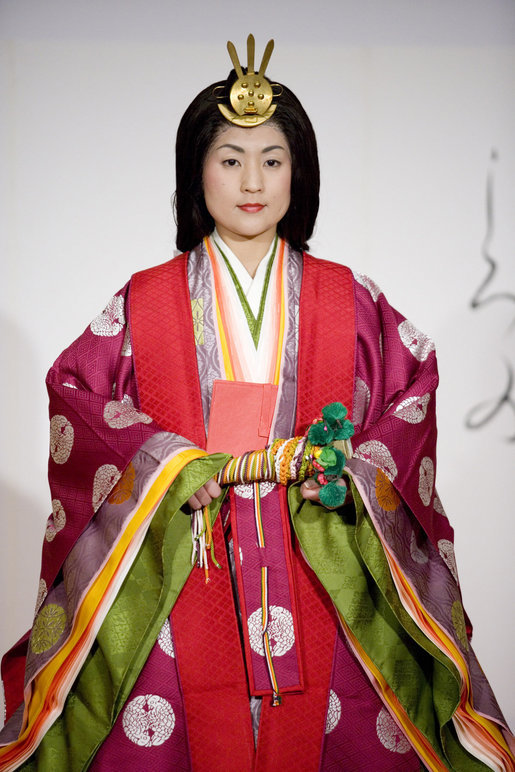
Ancient origins of the kimono showing Heian period court dress traditions
Dating back over a thousand years, the kimono’s origins trace its evolution from the Chinese Hanfu during the Heian period (794-1185 AD). Initially designed for pragmatic purposes, early kimonos featured straight seams and wide sleeves, accommodating Japan’s varied climates and daily functions. Over time, the kimono transitioned from a practical garment to one that signified cultural identity, with designs reflecting an individual’s status, age, and marital status.
The Edo period (1603-1868) was transformative for the kimono, marked by the introduction of vibrant colors and elaborate patterns. These developments allowed individuals to express personal style and artistic flair through their attire. Today, the kimono remains a significant draw for cultural tourism, with visitors inspired to engage with its history by both viewing and wearing this iconic garment.
- The Heian period marked the fusion of practicality with evolving style in kimonos.
- During the Edo period, kimonos featured vivid colors and diverse patterns.
- Status, age, and marital roles were often signified through kimono design.
- Modern-day cultural tourism prominently features kimono-themed experiences.
The Foundations of a Kimono Fashion Industry

Edo period kimono demonstrating the foundations of traditional Japanese fashion industry
The kimono stands as a quintessential symbol of Japanese culture, recognized both locally and globally as a traditional garment and a key attraction in cultural tourism. The Edo period was critical in laying the foundations for the kimono fashion industry, where artists and designers experimented with complex patterns and opulent materials. Today, rising global interest in Japanese fashion and culture has reignited this industry, with artisans and designers committed to preserving traditional techniques while exploring innovative interpretations.
Cultural tourism experiences, such as kimono-wearing workshops and participation in traditional festivals, promise guests an immersive encounter with Japanese heritage. This blend of creative expression and cultural preservation ensures that visitors appreciate and understand Japan’s intricate narrative through the lens of its most iconic attire.
- Edo period developments positioned kimono-making as an art form.
- Economic resurgence and global interest boost the kimono industry.
- Artisans and designers blend old techniques with modern innovation.
- Festivals and workshops provide engaging ways to experience Japanese culture.
The Social System of the Edo Period
The Edo Period (1603-1868) was defined by a rigid social hierarchy, which categorized the populace into distinct classes such as samurai, farmers, artisans, and merchants. At the top were the samurai, who served as both protectors and administrators within society. While farmers held a respected place due to their role in rice production, they were often burdened by heavy taxes. Despite being lower in status, artisans and merchants gained economic influence over time.
This period of social stratification fostered cultural development and artistic growth, particularly in fields like fashion, where the kimono emerged as an emblematic symbol. Understanding these societal dynamics offers insights into the evolution of Japanese culture and the kimono’s historical impact, enriching the cultural tourism experience.
- Edo’s firm social hierarchy included samurai, farmers, artisans, and merchants.
- Cultural growth in the Edo period significantly influenced kimono development.
- Farmers, though respected, faced onerous taxation leading to cultural shifts.
- Understanding these dynamics provides insight into Japan’s historical evolution.
What is Cultural Tourism, and How Has it Evolved in Japan?

Cultural tourism experience with kimono rental showcasing traditional Japanese customs
Cultural tourism invites individuals to immerse themselves in the cultural heritage, arts, and identity of a place. In Japan, cultural tourism has evolved, spurred by globalization, technological advancements, and heightened international interest in traditional Japanese culture. Initially, it concentrated on attractions such as ancient temples, shrines, and local festivals. However, today it has expanded to incorporate hands-on experiences like tea ceremonies, calligraphy, and traditional crafting workshops.
The kimono, emblematic of Japanese culture, serves as both an iconic symbol and a centerpiece for cultural tourism. Tourists often partake in kimono rentals and dressing sessions, gaining a tangible connection to Japan’s historical essence. Complemented by ongoing preservation efforts, such initiatives secure the kimono’s cultural significance and perpetuate its role within the broader tourism landscape.
- Cultural tourism emphasizes engagement with local traditions and history.
- Globalization and technology have transformed Japan’s tourism offerings.
- Tourists now enjoy diverse experiences, from crafts to ceremonies.
- Kimono rentals provide direct interaction with Japanese cultural symbols.
Rekindling Traditional Ties in Modern Tourism

Traditional Japanese kimono ceremony demonstrating cultural heritage in modern tourism
As cultural tourism gains momentum in Japan, the kimono remains a timeless symbol of the nation’s rich cultural legacy and artistic sophistication. From its origins in ancient history to its pivotal role today, the kimono embodies more than tradition—it is a living narrative of Japan’s journey through time. Its continued evolution, along with strategic preservation and modern reinterpretations, not only inspires Japanese and global audiences but also enriches the nation’s tourism industry by offering an authentic cultural connection.
By exploring the historical facets and artistic influences of the kimono, tourists, historians, and enthusiasts alike find themselves immersed in a deeper narrative—one that transcends mere fashion and delves into the soul of Japanese cultural identity. In this way, the kimono not only bridges Japan’s past with its present but also invites the world to partake in its cultural odyssey.

