Kyoto Museums Where You Can Learn More About Kimono

Introduction: Discovering Kyoto Through Kimono
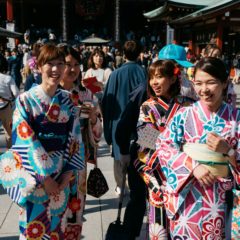
When people think of Kyoto, images of elegant geisha walking through cobbled streets in colorful kimonos often come to mind. Kyoto, Japan’s cultural heart, is not just famous for its temples and shrines but also for being the birthplace of kimono tradition. For anyone interested in Japanese culture, visiting Kyoto’s museums dedicated to kimono is a once-in-a-lifetime opportunity.
In this guide, we will explore the top Kyoto museums where you can learn more about kimono, from its history and craftsmanship to its role in modern fashion. Whether you’re a tourist, a fashion enthusiast, or a photographer seeking the perfect cultural backdrop, this article will help you dive deeper into the timeless art of kimono.
Why Kyoto is the Best Place to Learn About Kimono
- Kyoto was Japan’s imperial capital for over 1,000 years.
- The city nurtured unique kimono styles such as Nishijin-ori (luxurious silk weaving).
- Many artisans and families in Kyoto have passed down kimono-making techniques for generations.
- Kyoto museums allow visitors to see kimonos up close, some dating back to centuries ago.
- If you want not just to see but also to experience kimono, Kyoto is unmatched.
Top Kimono Museums in Kyoto
1. Nishijin Textile Center (Nishijin-ori Kaikan)
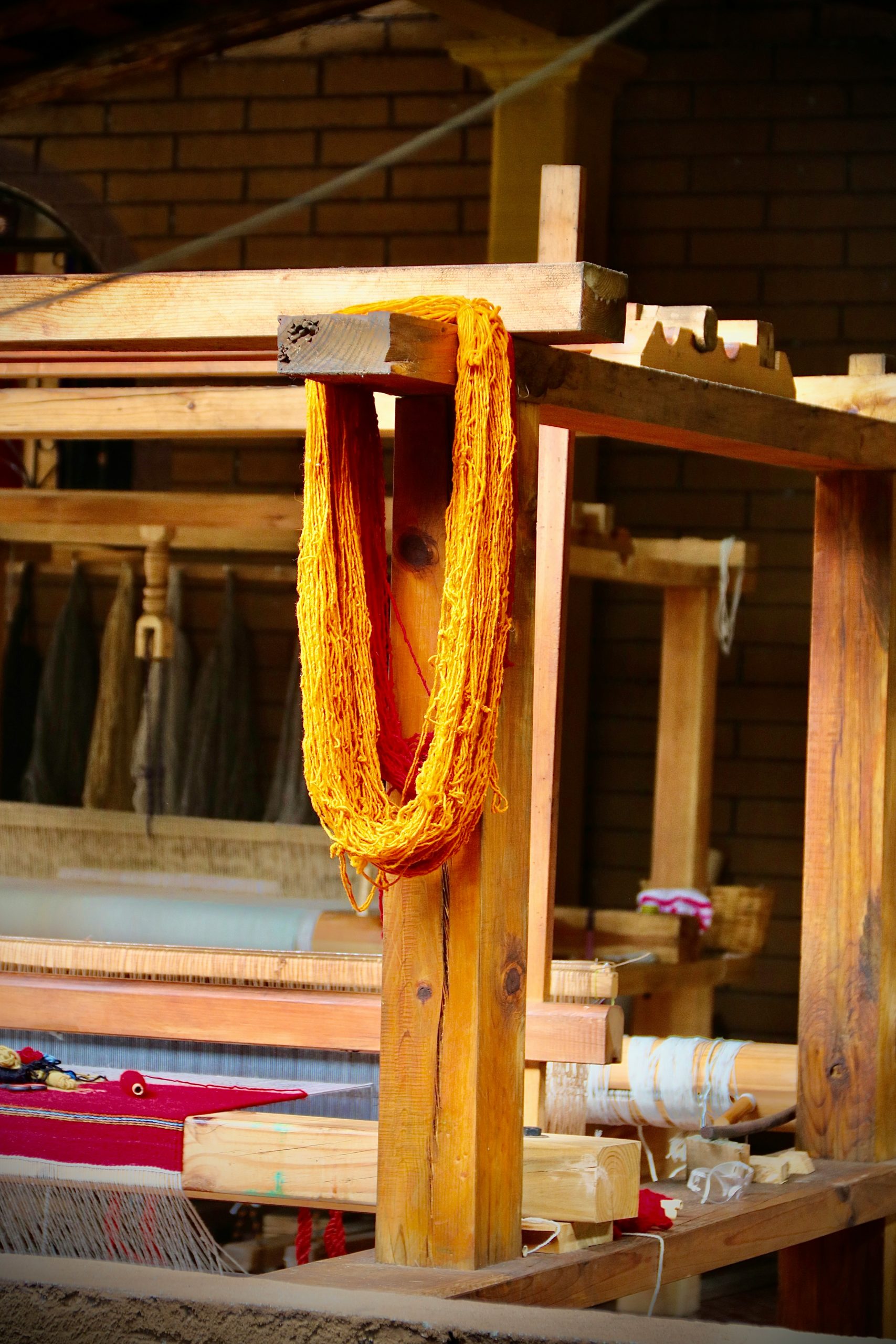
The Nishijin Textile Center is the most famous place in Kyoto to learn about kimono weaving and the art of Nishijin-ori.
Highlights:
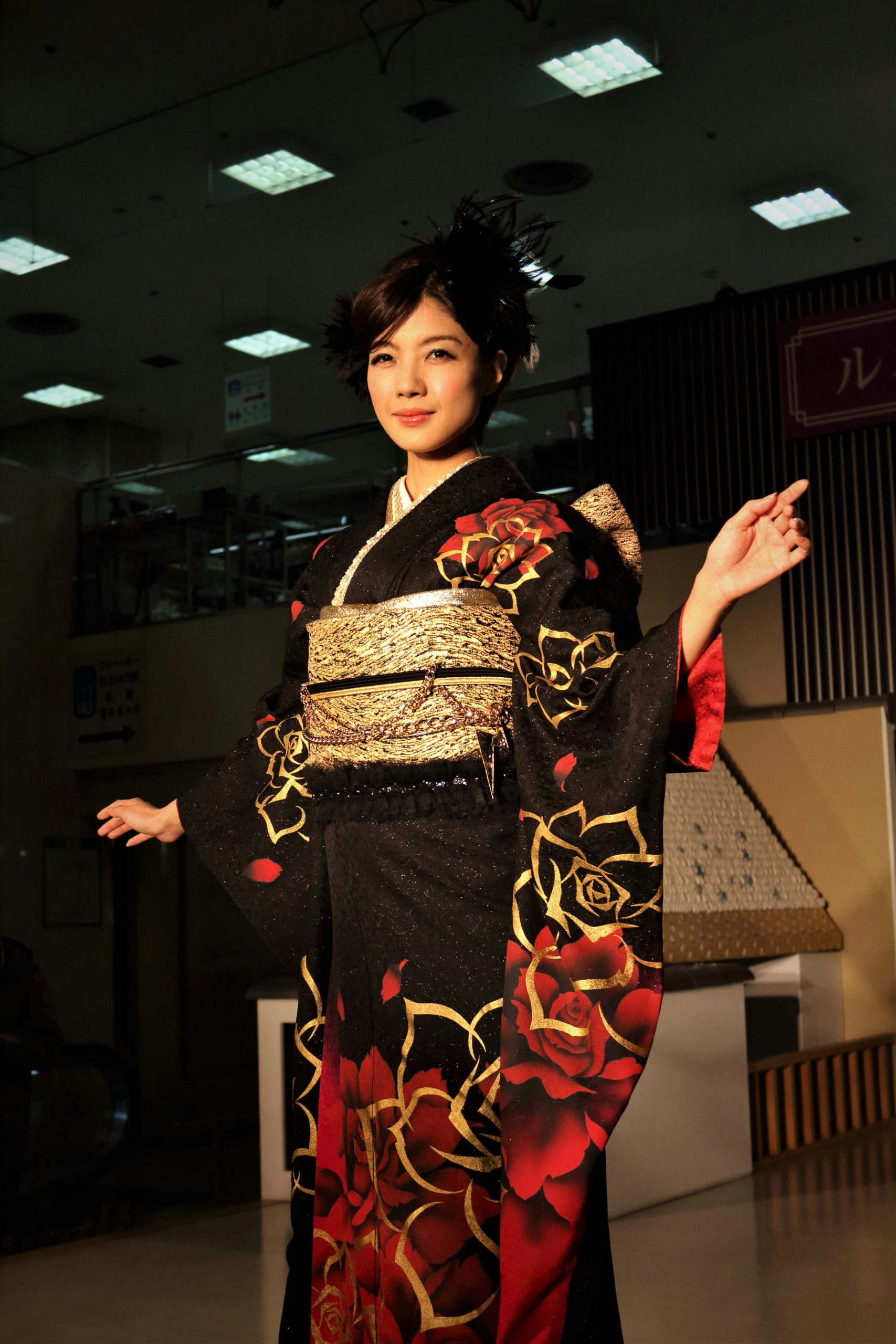
- • Daily kimono fashion shows featuring both traditional and modern designs.
- • Exhibitions of weaving techniques with live demonstrations.
- • Workshops where you can try weaving your own textile.
Why visit: It’s one of the most interactive museums in Kyoto and perfect for tourists who want to see artisans at work.
2. Kyoto Costume Institute (KCI)
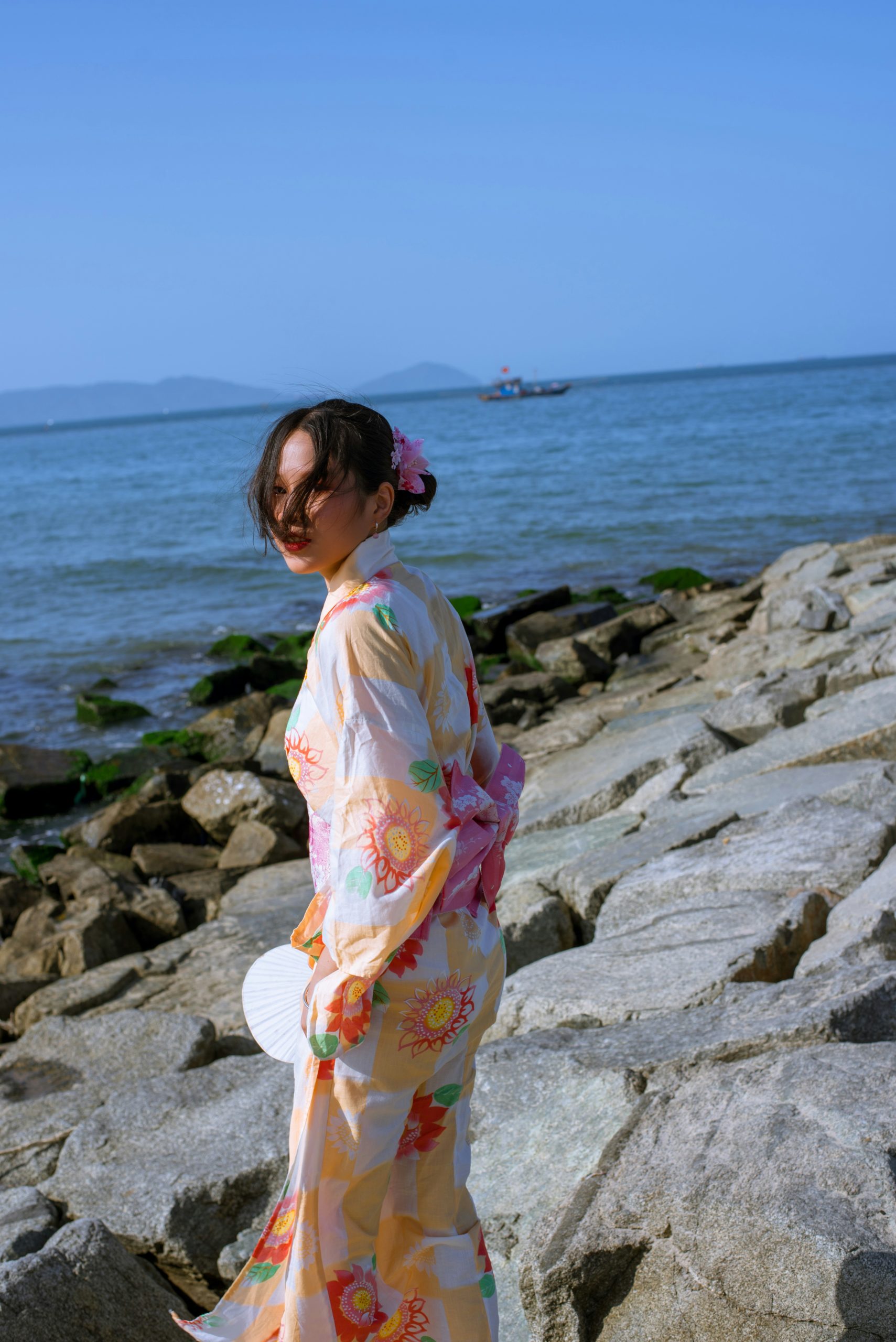
The Kyoto Costume Institute is internationally known for preserving and researching traditional Japanese clothing.
Highlights:
- • World-class collection of historical garments, including Edo-period kimonos.
- • Exhibitions linking traditional kimono to modern fashion trends.
- • Academic research that shows the influence of kimono on global fashion.
Why visit: If you’re passionate about fashion history, this museum connects Kyoto’s kimono with the world stage.
3. Kyoto National Museum
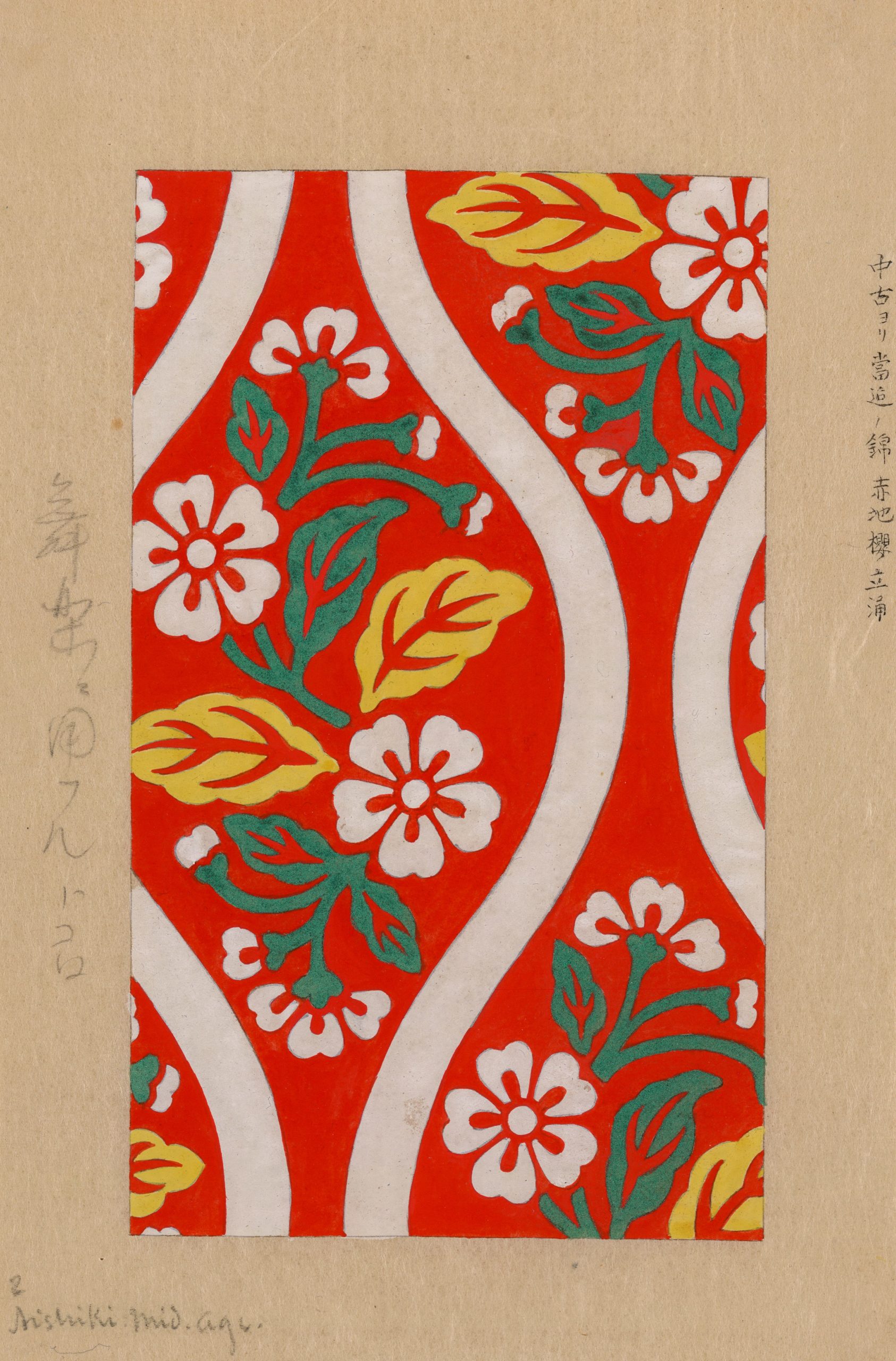
While not exclusively dedicated to kimono, the Kyoto National Museum often features exhibitions on Japanese textiles and clothing.
Highlights:
- • Seasonal exhibitions including samurai armor, Buddhist robes, and aristocratic kimonos.
- • Traditional artwork depicting people wearing kimono in different eras.
Why visit: It provides cultural context, showing how kimono fits into the larger Japanese art and history.
4. Shitamachi Museum Annex (Kimono & Fabric Section)
This smaller but charming museum focuses on daily life in historical Japan, including kimono as everyday wear.
Highlights:
- • Displays of kimono used by ordinary people, not just aristocrats.
- • Hands-on experiences: you may be able to try on kimono replicas.
Why visit: It gives you a deeper appreciation for the kimono as a practical yet elegant garment.
5. Local Kimono Workshops & Artisan Houses
Beyond museums, many Kyoto workshops open their doors to visitors.
Examples:
- • Dyeing workshops where you can try Yuzen (hand-painted kimono).
- • Kimono rental shops that explain the meanings behind patterns and colors.
Why visit: These experiences combine education with fun and are perfect for photography.

The Cultural Importance of Kimono in Kyoto
Kimono is not just clothing—it reflects status, identity, and artistry. Each season in Kyoto inspires new kimono colors and patterns.
Understanding these details will make your museum visits more meaningful.
Kimono and Photography in Kyoto
Visiting kimono museums is not only educational but also visually stunning. If you want to capture your own kimono experience in Kyoto, you can combine your museum visit with a professional kimono photography session.
? For example, you can book a photo shoot in Gion or near Kiyomizu-dera temple while wearing a beautiful kimono. These photos are more than souvenirs—they are memories of living Japanese culture.
? To learn more about kimono photography in Kyoto, visit this page and book your session today.
Travel Tips for Visiting Kimono Museums in Kyoto
Conclusion: Kyoto, the Living Museum of Kimono
Kyoto is not just a city of temples—it’s a living museum where kimono still breathes as part of everyday culture. By visiting its museums and workshops, you can explore the history, artistry, and modern influence of kimono.
For travelers, fashion enthusiasts, and photographers alike, Kyoto offers a unique opportunity: to walk through history while wearing one of the most beautiful garments in the world.
✨ Don’t forget to make your kimono journey unforgettable with a professional photoshoot.