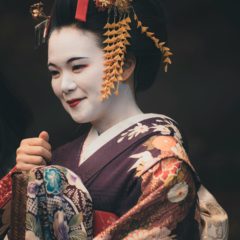
Kyoto Kimono Museums Visual Gallery Enhancement
Kyoto Kimono Museums Visual Gallery Enhancement
The Kimono in Japanese Poetry: Symbols in Haiku and Waka
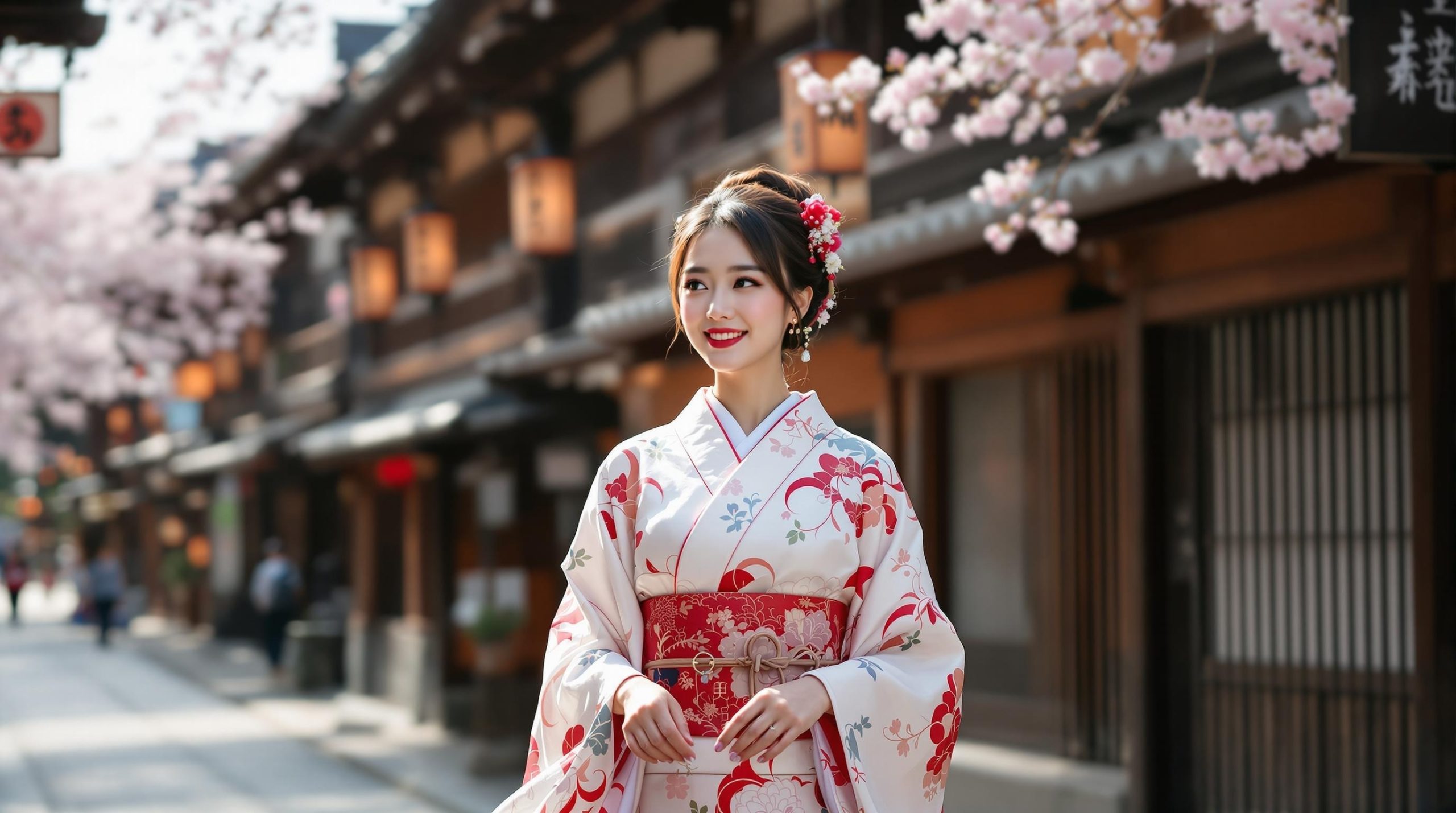
Japanese culture is deeply tied to aesthetics, symbolism, and the harmony between nature and human life. Few cultural elements embody this spirit as profoundly as the kimono, Japan’s traditional garment. Beyond being a fashion statement or ceremonial attire, the kimono often appears as a symbol in haiku and waka—two of Japan’s most refined poetic forms.
And nowhere does this connection shine brighter than in Kyoto, the cultural capital of Japan, where the streets, temples, and seasonal landscapes continue to inspire poets, artists, and photographers alike.
In this article, we will explore:
- The role of the kimono in traditional Japanese poetry.
- Symbolism of kimono patterns, fabrics, and colors in haiku and waka.
- How Kyoto’s seasonal beauty shaped the poetic imagination.
- Modern interpretations: kimonos in photography and contemporary art.
- Where visitors in Kyoto today can still experience this poetic heritage.
? If you’d like to capture your own kimono photography session in Kyoto, don’t miss this professional service —perfect for creating timeless memories.
1. Poetry and the Kimono: An Intimate Connection
In Japan, poetry has never been just about words. It’s about atmosphere, emotion, and the subtle interplay between the seen and the unseen.
The kimono, with its flowing lines and seasonal motifs, often becomes a poetic metaphor. For poets, the kimono was not simply clothing—it was an extension of one’s spirit and a reflection of nature’s cycles.
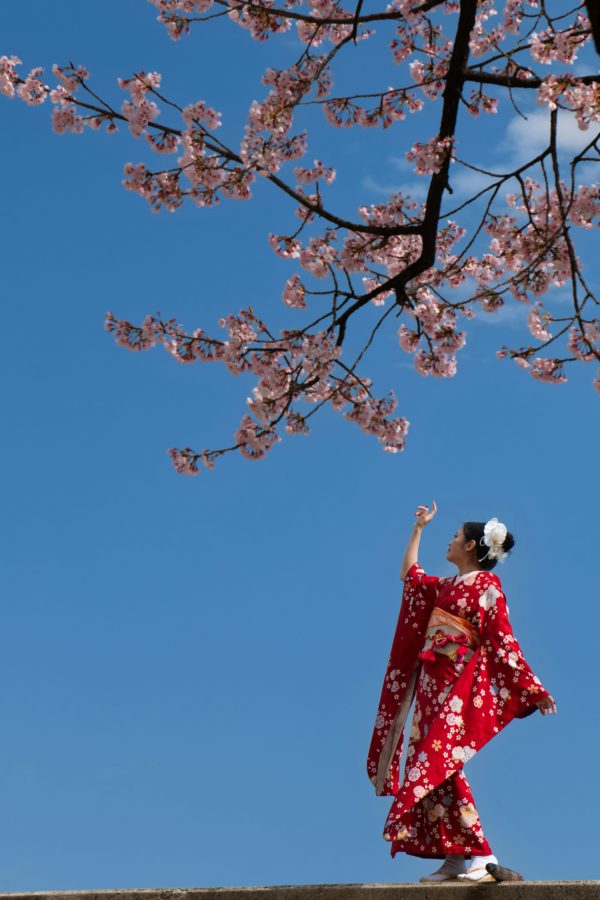
Haiku and Kimono Imagery
Haiku, with its 17-syllable structure, condenses an entire scene into a few words. The kimono often appears in these verses as a subtle reference: the swish of fabric echoing the wind, a falling sleeve symbolizing sadness, or embroidered blossoms representing spring.
For example, a haiku might read:
Cherry blossoms fall—
on the patterned silk sleeve,
a fleeting spring dream.
Here, the kimono sleeve becomes a stage where nature and human emotion meet.
Waka and Courtly Elegance
Waka, older and more formal than haiku, flourished during Kyoto’s Heian period. Aristocrats often exchanged waka poems alongside beautifully folded kimonos or as embroidered inscriptions. The colors and designs on a kimono were often referenced in the verse, making garment and poetry inseparable.
2. Symbolism of Kimono Patterns in Poetry
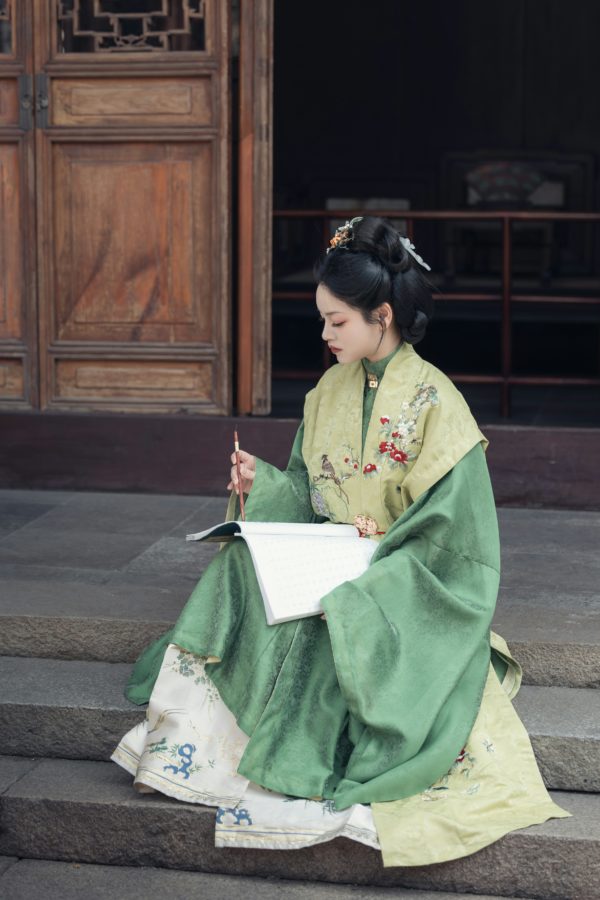
Kimonos are more than clothing; they are visual poetry. Every color, motif, and fabric choice carries meaning. When mentioned in waka or haiku, these elements create rich layers of symbolism.
- Cherry Blossom (Sakura): Fleeting beauty, the impermanence of life.
- Cranes (Tsuru): Longevity, good fortune.
- Waves (Seigaiha): Eternal flow, resilience.
- Maple Leaves (Momiji): Autumn beauty, melancholy of passing time.
- Pine Trees (Matsu): Strength, eternal friendship.
For poets, referencing a kimono pattern meant referencing the entire cultural and emotional weight it carried. A single line mentioning a crane on silk could invoke themes of immortality and hope.
3. Kyoto’s Seasonal Influence on Kimono Poetry
Kyoto is a city of seasons. Each temple garden, each narrow alley of Gion, reflects the cycle of nature—spring blossoms, summer greenery, autumn leaves, and winter snow.
Poets often tied the imagery of kimonos to these seasonal landscapes. For instance:
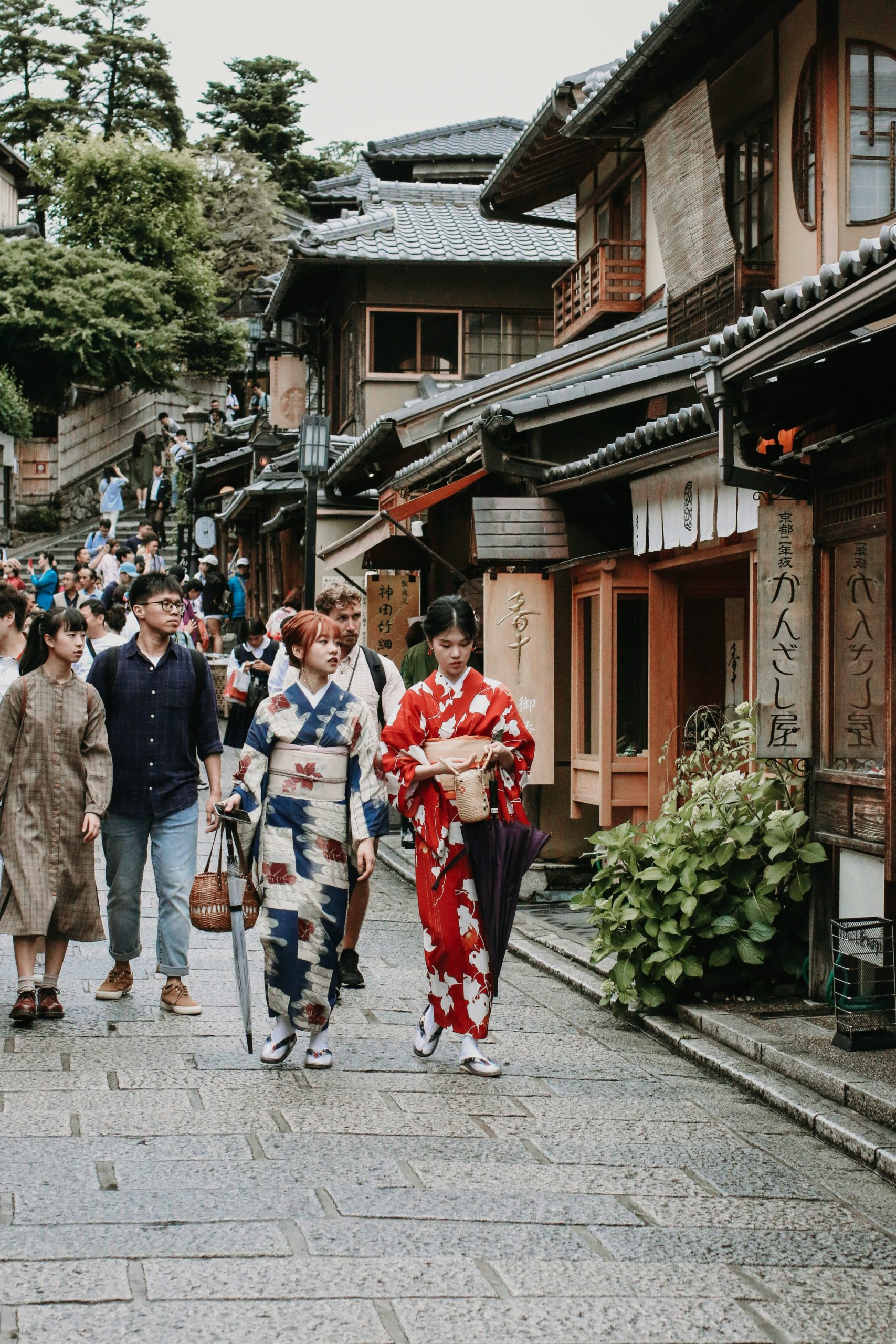
- In spring, a waka might describe sleeves dampened with tears under cherry blossoms.
- In summer, haiku refer to light cotton kimonos (yukata) fluttering in festival breezes.
- In autumn, the deep crimson of maple leaves was mirrored in dyed silk robes.
- In winter, thick white layers suggested both purity and solitude.
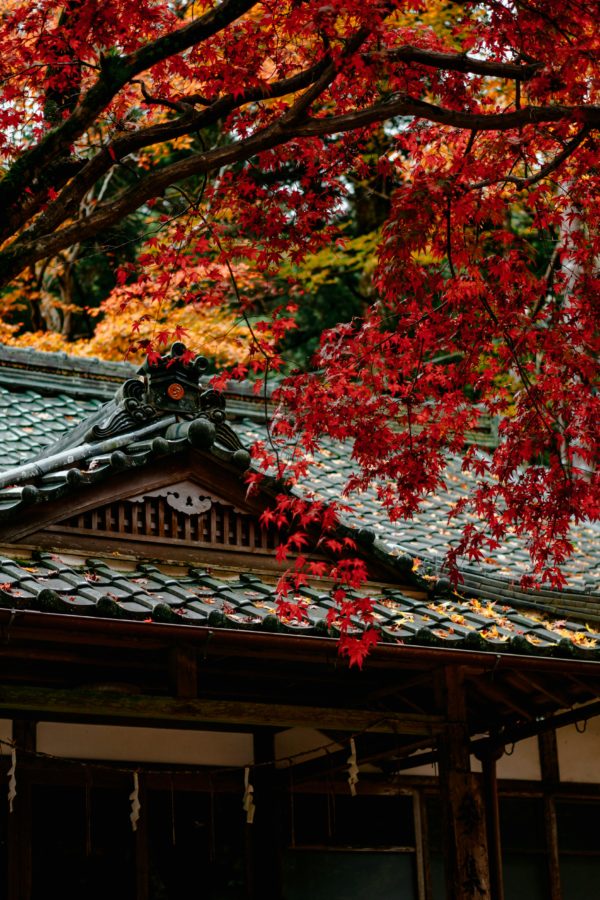
Thus, the kimono became a poetic canvas where Kyoto’s seasons were painted.
4. From Poetry to Photography: A Modern Interpretation
While waka and haiku no longer dominate Japan’s literary scene, the symbolic connection between kimono and art endures. Today, this continues through photography.
Modern photographers in Kyoto often frame kimono-clad individuals against iconic backdrops:
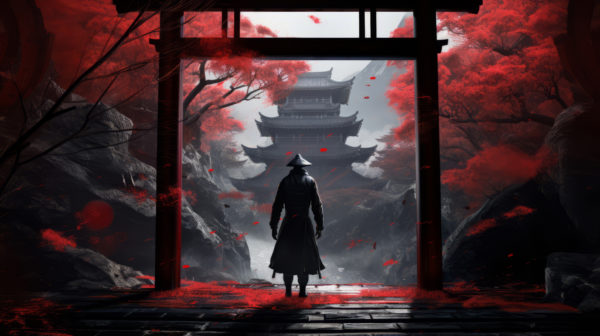
- The vermilion gates of Fushimi Inari Taisha.
- The serene wooden streets of Gion.
- The golden shimmer of Kinkaku-ji (Golden Pavilion).
- The rustic charm of Arashiyama’s bamboo grove.
In many ways, kimono photography revives the poetic tradition. Just as poets once captured fleeting moments in verse, photographers now capture them in images.
? If you want to immortalize your Kyoto experience, consider booking a kimono photography session here.
5. Experiencing Kimono Poetry in Kyoto Today
Visitors to Kyoto can still feel the poetic aura of kimonos in daily life:
- Tea ceremonies often feature kimono attire that reflects the season.
- Gion festivals showcase colorful yukata and obi, echoing old waka descriptions.
- Museums such as the Kyoto Costume Institute preserve historical garments.
- Kimono rental shops allow tourists to embody the poetic spirit for a day.
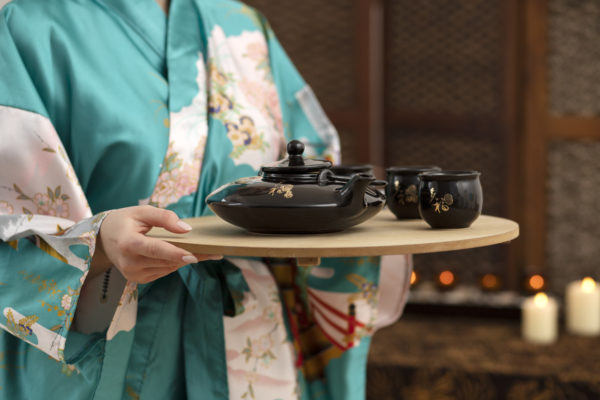
Walking through Kyoto in a kimono transforms the city into a living haiku—each step weaving together history, art, and nature.
6. Conclusion: The Kimono as Living Poetry
The kimono is more than fabric; it is a language of its own. In haiku and waka, it became a vessel for emotion, nature, and memory. In modern Kyoto, it continues to inspire as both a cultural symbol and an art form—especially through photography.
By embracing the kimono, whether through poetry or imagery, we step into a dialogue with Japan’s timeless spirit.
? Ready to live your own poem in Kyoto? Book your kimono photography session today at this link.