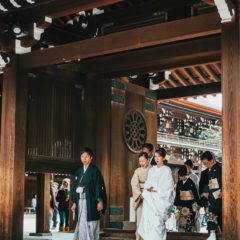
Kimonos in Noh and Kabuki theater: costumes with centuries of history
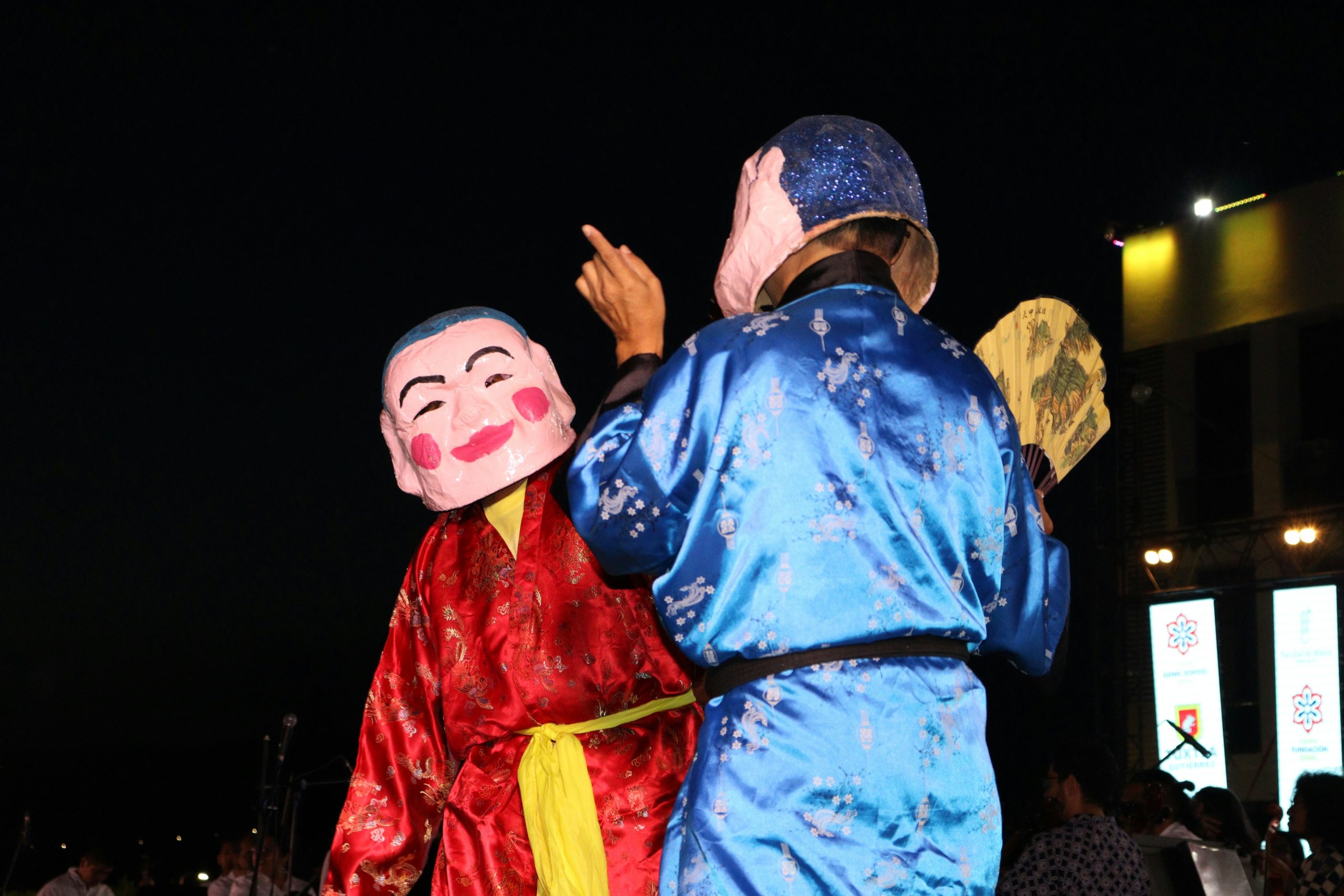
Introduction: Kyoto, the Heart of Japan’s Costume Legacy
When people think of traditional Japanese performing arts, Noh and Kabuki stand out as the most iconic. These theatrical forms are not just about acting and music—they are also visual masterpieces, where costumes play a leading role. Among these costumes, the kimono is the undeniable star, carrying centuries of history, symbolism, and craftsmanship.
Unlike Tokyo, which is Japan’s bustling capital of modern trends, Kyoto remains a living museum of Japan’s cultural heritage. Here, artisans still create kimonos for Noh and Kabuki theater using techniques passed down through generations. This makes Kyoto the perfect place to explore the deep connection between theater and traditional costume.
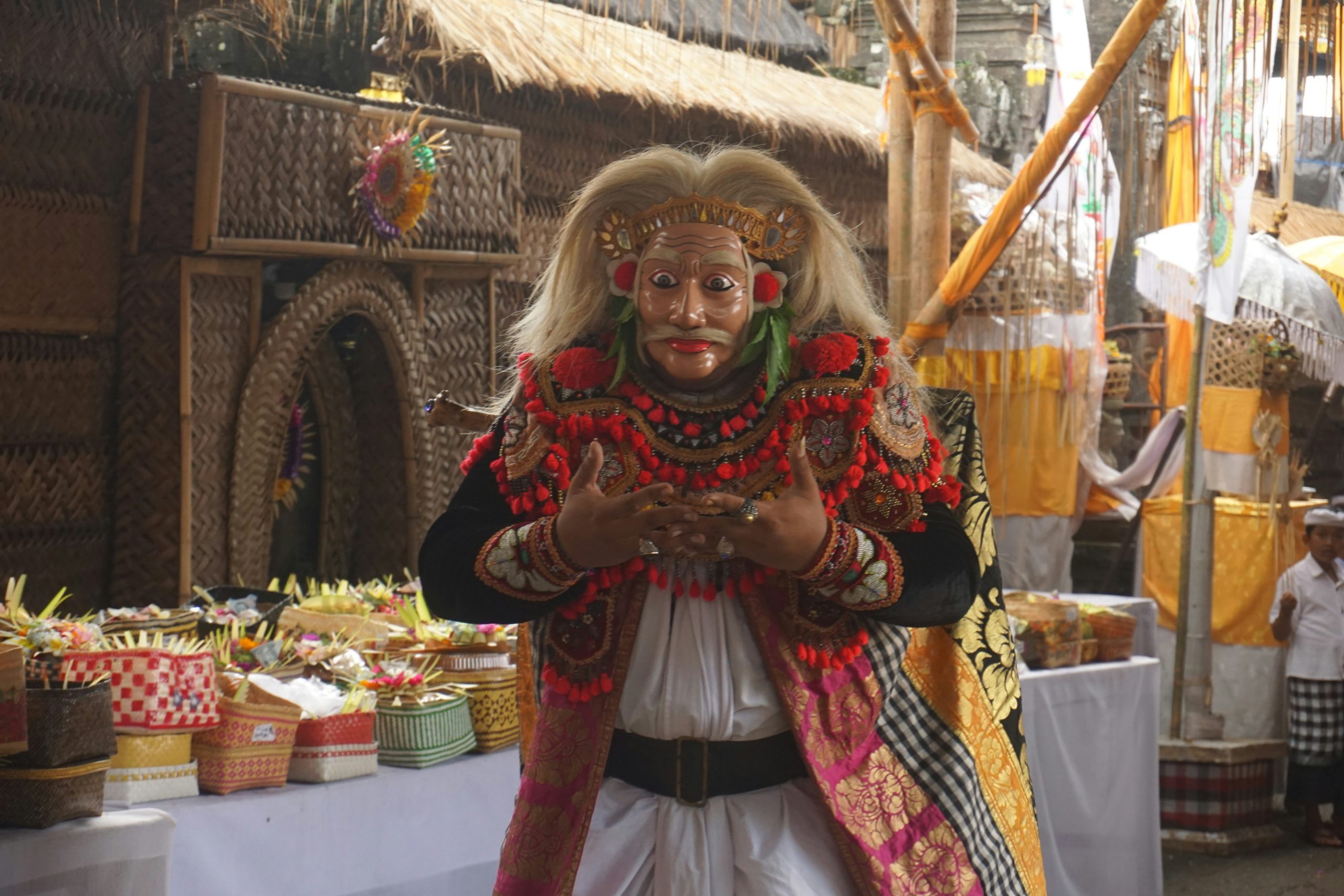
1. The Historical Roots of Kimonos in Kyoto’s Theater
Noh: The Subtle Art of Minimalism
Noh theater, originating in the 14th century, is one of the world’s oldest theatrical traditions still performed today. The costumes used in Noh are deeply tied to Kyoto’s weaving and dyeing history.
- Noh kimonos are known as “Nuihaku” and “Karaori”, often decorated with gold and silver leaf.
- Each garment can take months to make, with patterns symbolizing seasons, virtues, or narrative themes.
- The costumes are not just clothing—they are spiritual and artistic statements.
Kabuki: The Spectacle of Bold Expression
Kabuki emerged in the early 17th century as a more dynamic and colorful theatrical form. While Noh is minimal, Kabuki is extravagant.
- Kabuki kimonos in Kyoto often use silk brocade, vibrant embroidery, and dramatic patterns.
- Costumes are designed to be visually striking from afar, matching the flamboyant acting style.
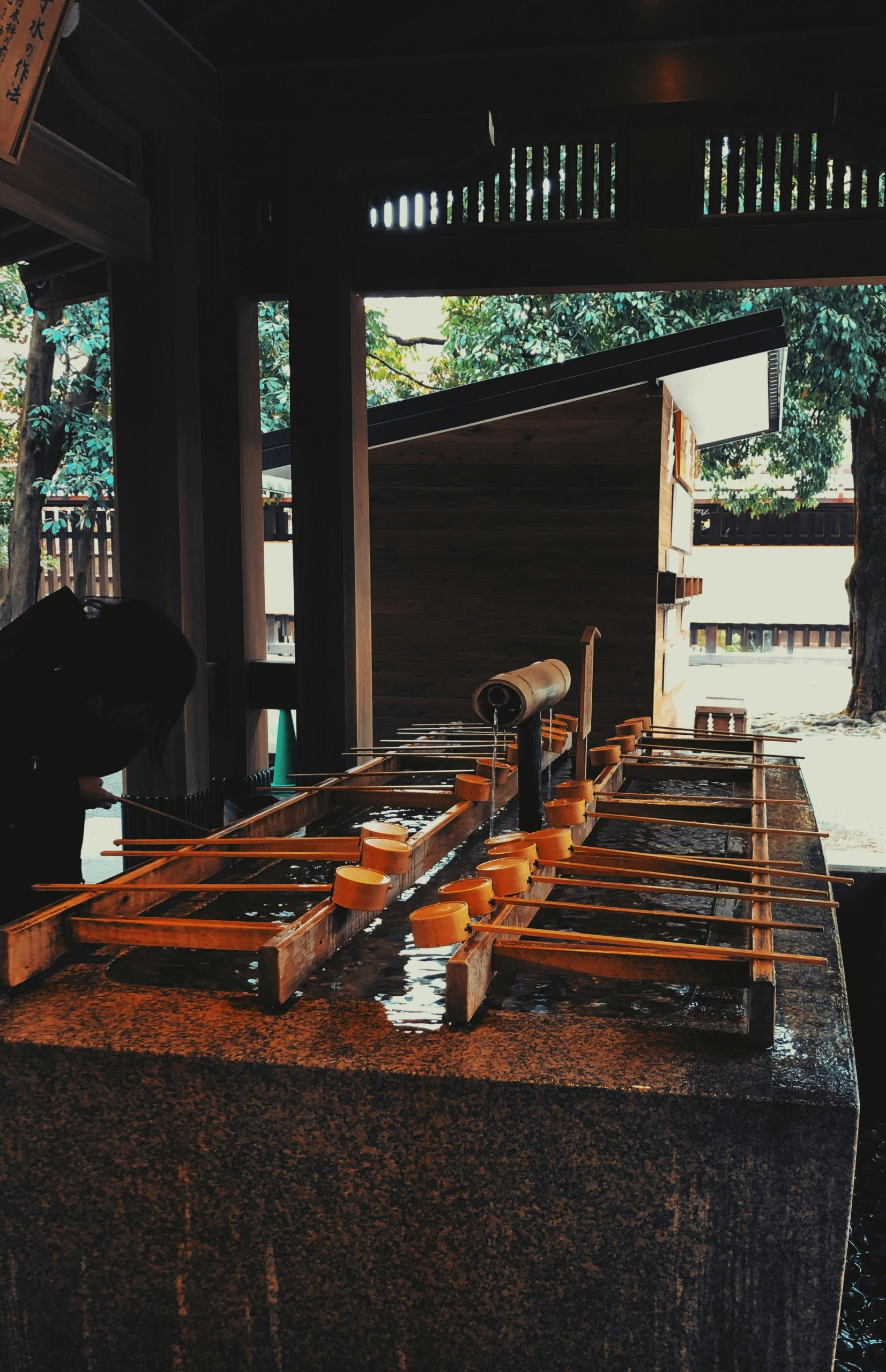
Traditional Kabuki costume showcasing vibrant colors and elaborate designs
2. Kyoto as the Center of Kimono Production
Master artisan creating Nishijin-ori silk at Kyoto’s famous textile district
Kyoto has been Japan’s capital of kimono production for over a thousand years. Neighborhoods like Nishijin are world-famous for weaving silk of extraordinary quality.
- Nishijin-ori fabrics are still used for high-end Noh and Kabuki costumes today.
- Kyoto’s artisans blend ancient techniques with modern creativity, ensuring these traditions stay alive.
3. Symbolism in Theatrical Kimonos
Every thread, color, and pattern in a Noh or Kabuki kimono is intentional.
Colors:
Red for passion and youth, white for purity, black for formality or mourning.
Motifs:
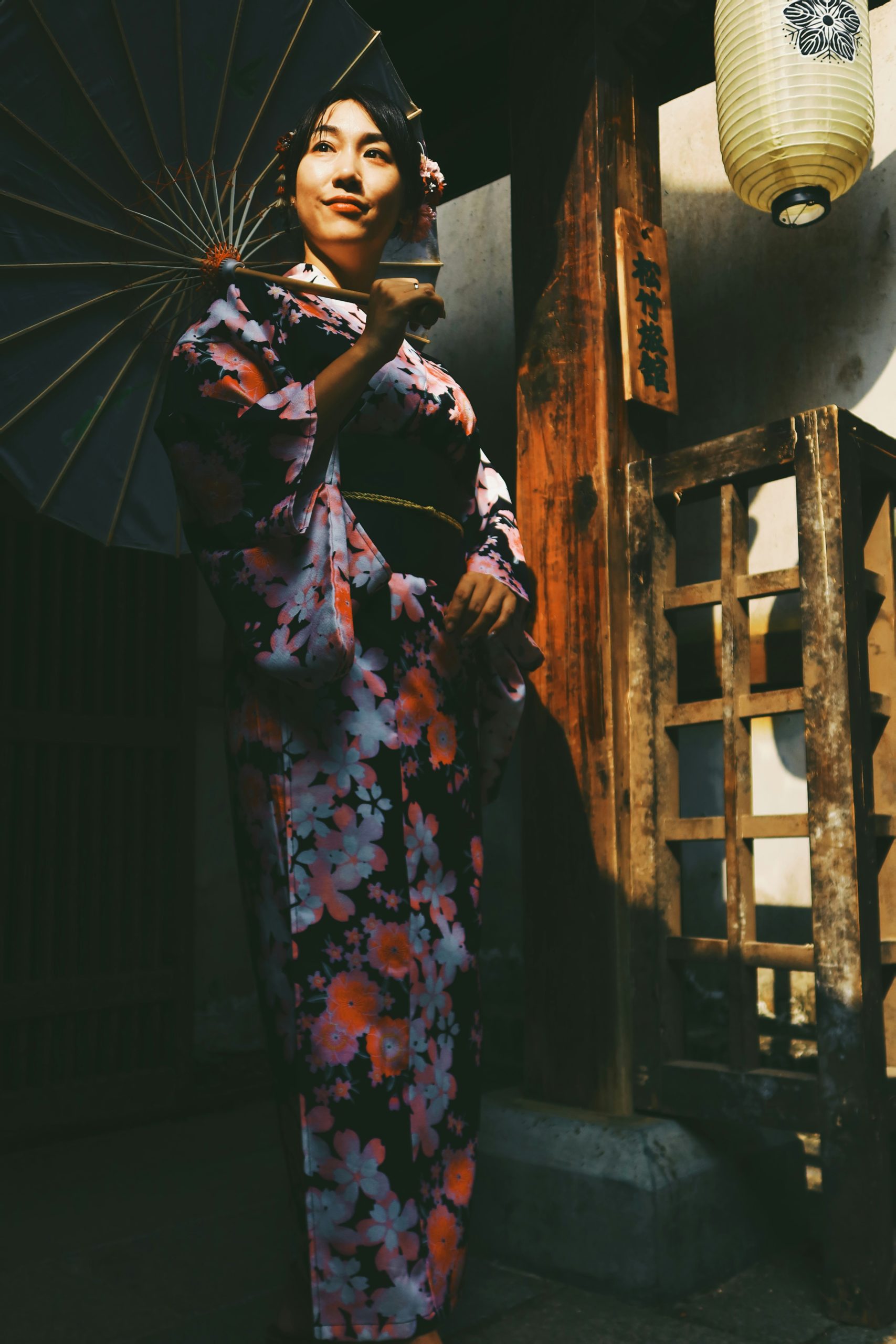
Cherry blossoms for spring, cranes for longevity, waves for resilience.
Seasonal Changes:
Just like in tea ceremonies, costumes in theater follow the seasons, connecting the audience with nature.
Kimono with crane patterns symbolizing longevity and spiritual meaning
4. The Role of Kimonos in Storytelling
In both Noh and Kabuki, costumes are narrative tools. Without a single line of dialogue, the kimono can tell you:
The character’s age, gender, and social class
Whether they are a hero, villain, or supernatural being
The emotional tone of the scene
Example: In Noh, a female ghost might wear a pale, flowing kimono to evoke a sense of mystery and sorrow.
5. Experiencing Theatrical Kimonos in Kyoto Today
Kyoto offers many ways to see these costumes up close:
- Kyoto National Museum – Regular exhibits on Noh and Kabuki attire
- Minami-za Theater – The birthplace of Kabuki, still hosting live performances
- Kimono workshops – Where visitors can try on authentic costumes
Museum exhibition showcasing traditional theatrical kimono collection
6. Photography and the Modern Revival of Theatrical Kimonos
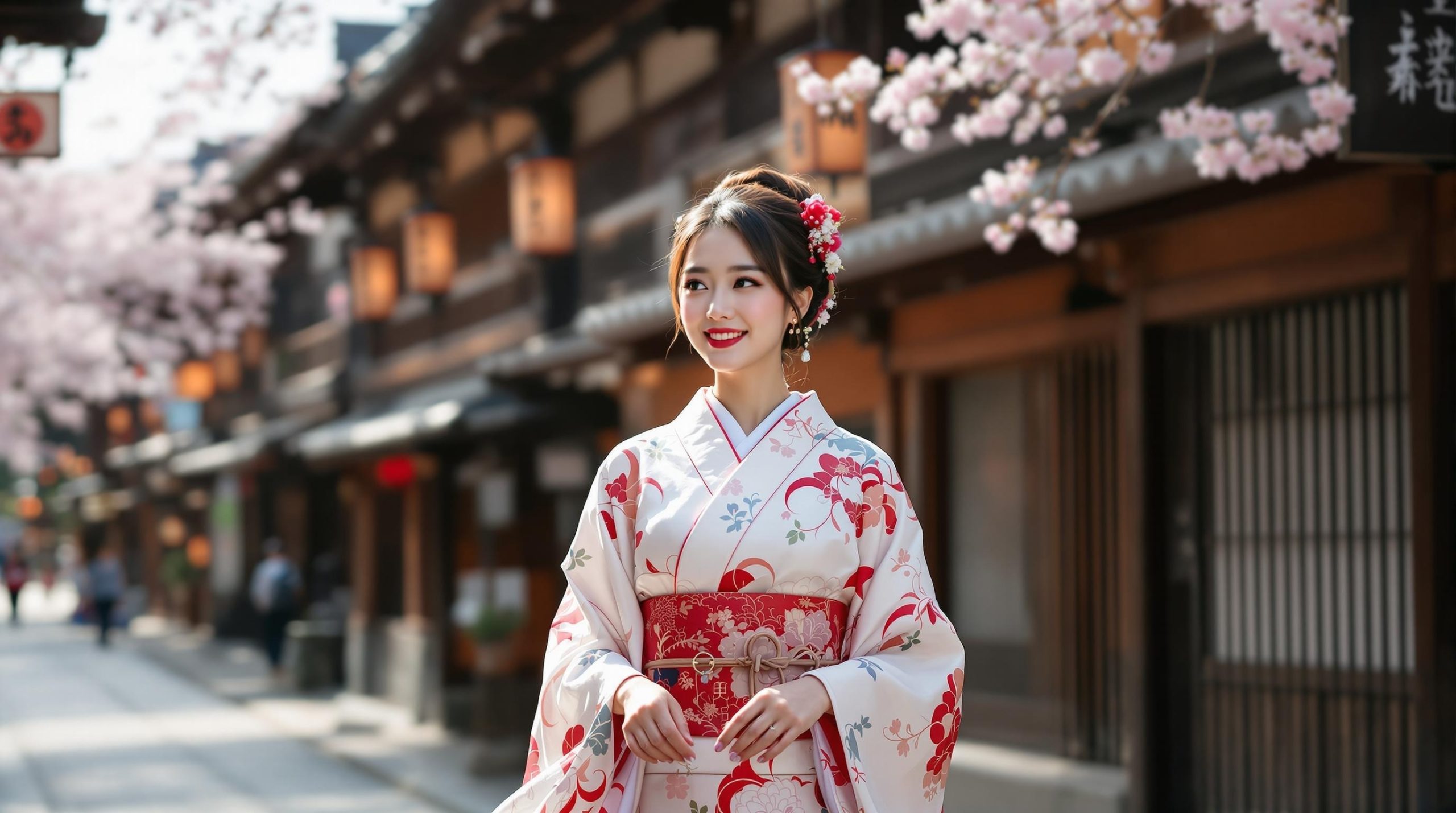
Professional kimono photography session capturing traditional elegance
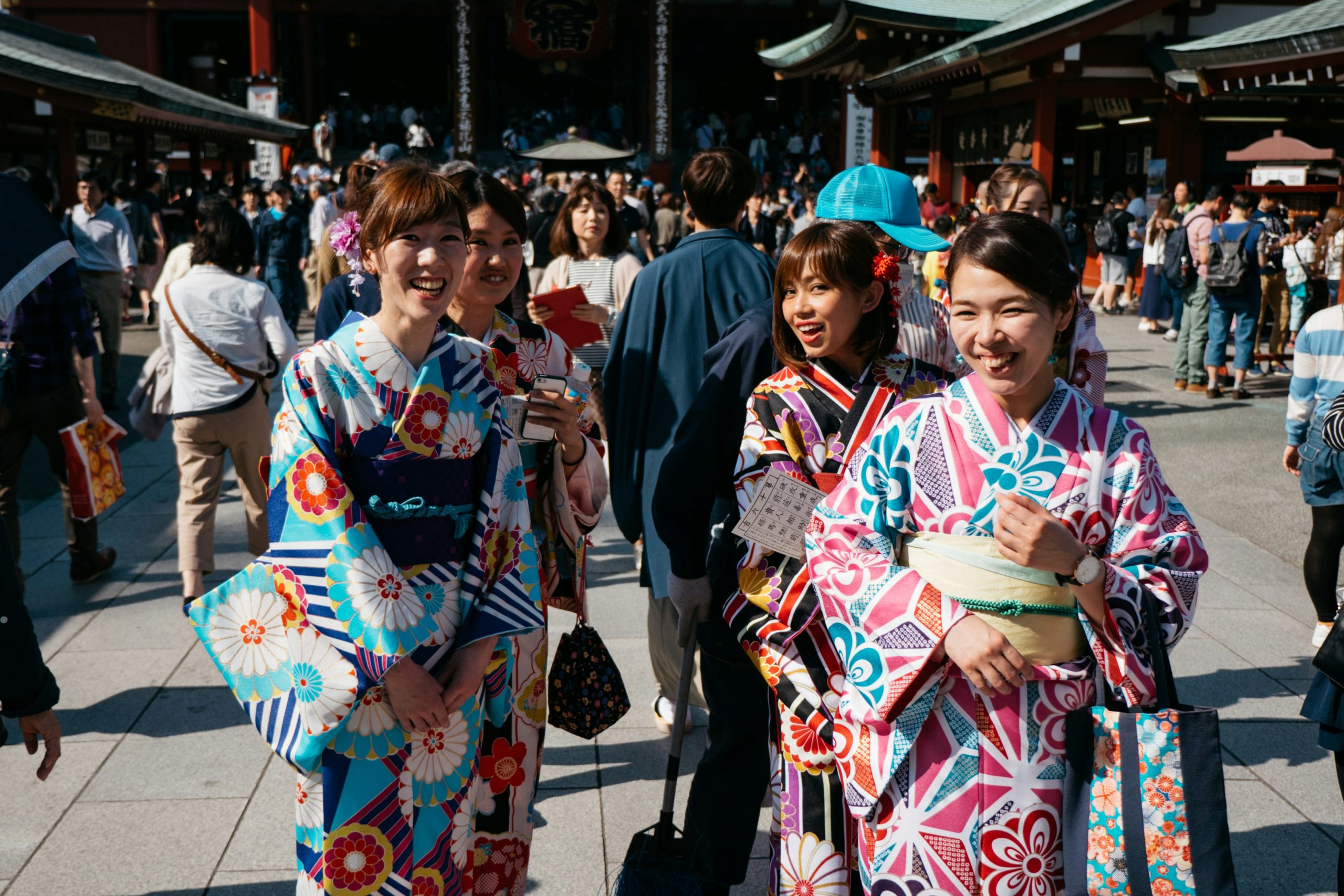
In recent years, kimono photography has gained popularity among travelers. While few people can wear an authentic Noh or Kabuki costume, Kyoto kimono rental shops offer beautiful recreations. These photo sessions allow anyone to step into history for a day.
? If you want to capture your own kimono experience in Kyoto, book a professional photoshoot here:
? Click to Book Your Kimono Photography Session in Kyoto
7. How Theatrical Kimonos Inspire Modern Fashion
Designers around the world have borrowed elements from Noh and Kabuki costumes—oversized sleeves, bold prints, and layered silhouettes. Kyoto remains a hub for such cultural crossovers, blending tradition with contemporary style.
Historic Minami-za Theater
The legendary Minami-za Theater stands as Kyoto’s premier venue for traditional Japanese performing arts, where centuries of Kabuki tradition continue to thrive in authentic architectural surroundings.
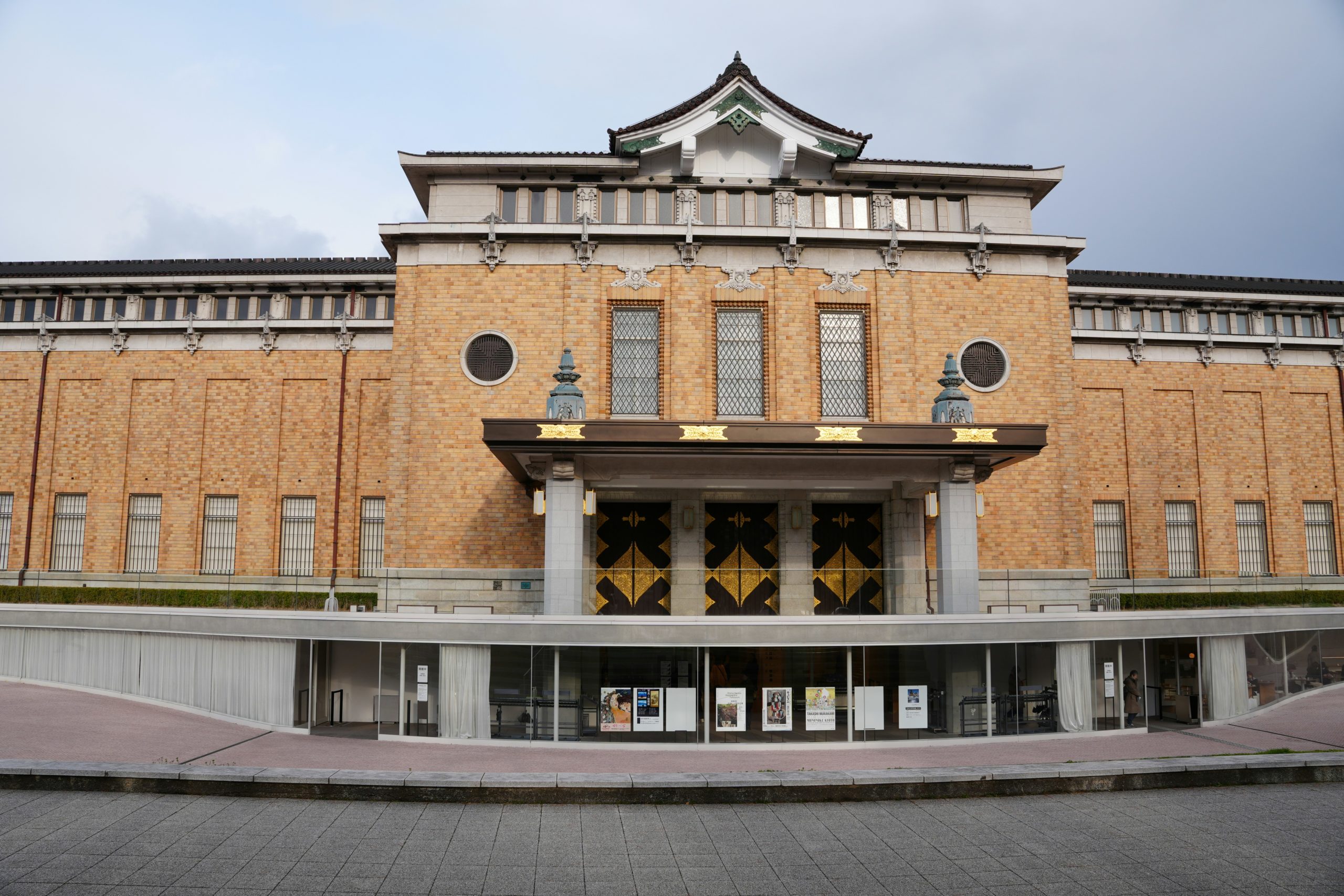
The historic Minami-za Theater, Kyoto’s premier Kabuki venue
8. Tips for Tourists Wanting to Explore Kyoto’s Kimono Culture
Book tickets for a live performance
Minami-za Theater is a must for Kabuki lovers.
Visit a weaving workshop
Nishijin Textile Center offers demonstrations.
Take a kimono photoshoot
Immortalize your Kyoto memories in traditional attire.
Respect the tradition
Learn the basic etiquette of wearing a kimono before your shoot.
Conclusion: Preserving a Living Art Form
Kimonos in Noh and Kabuki theater are not just costumes—they are living works of art, holding stories from Kyoto’s centuries-old cultural heritage. By experiencing these garments firsthand, whether through theater, museums, or photography, we help preserve their beauty for generations to come.