
Kimonos and Tea Ceremony: An Authentic Japanese Experience in Kyoto’s Ancient Heart
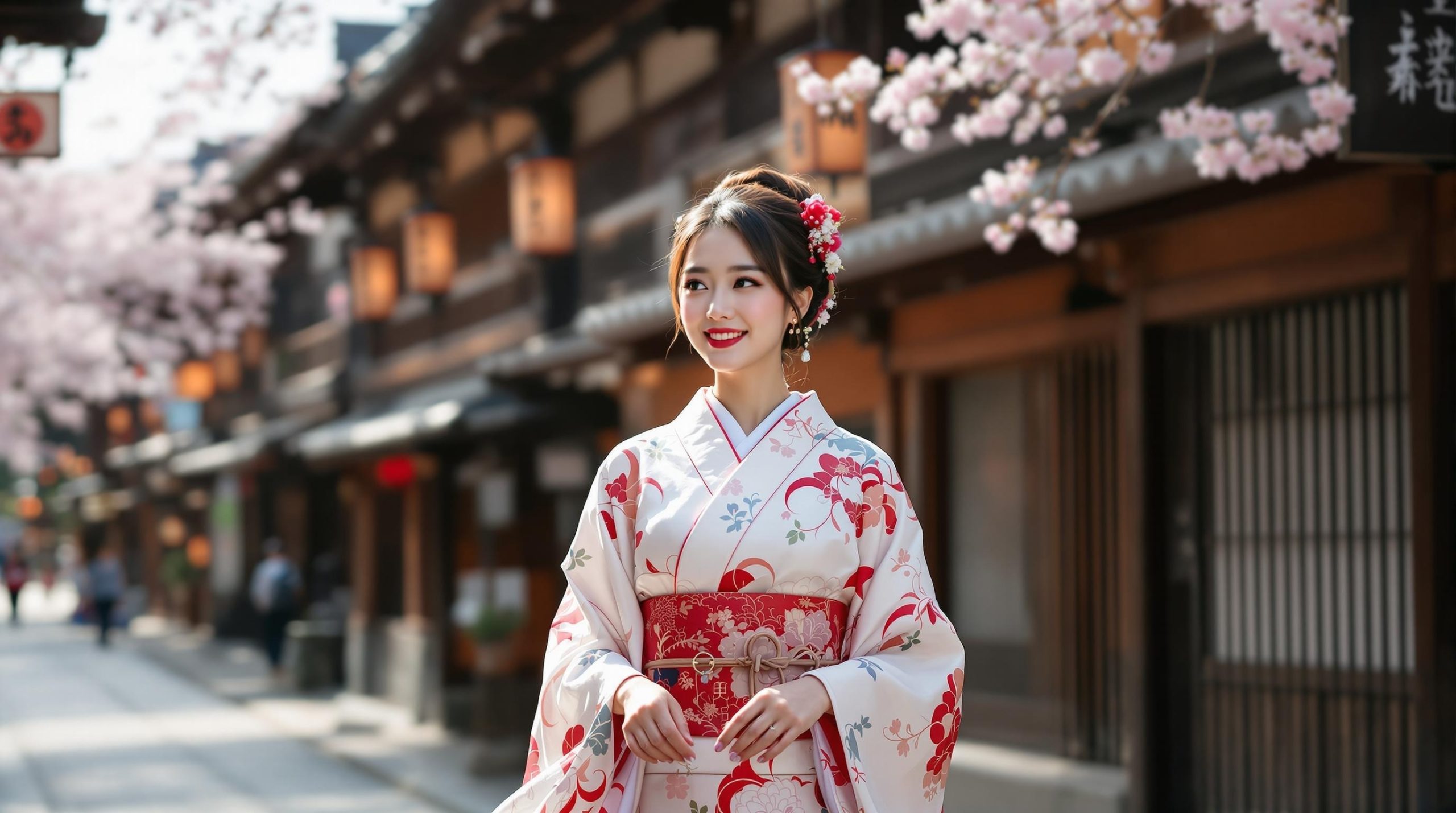
The Magical World of Kyoto’s Cultural Traditions
Kyoto, Japan’s ancient capital, stands as the beating heart of traditional Japanese culture. For over a millennium, this enchanting city has preserved the delicate arts of kimono wearing and tea ceremony, creating an atmosphere where visitors can step back in time and experience authentic Japanese traditions. The cobblestone streets of Gion district echo with the gentle rustle of silk kimonos, while the aroma of matcha tea wafts through traditional wooden buildings, creating an sensory journey unlike anywhere else in the world.
The combination of kimono and tea ceremony represents more than just cultural activities – they embody the Japanese philosophy of finding beauty in simplicity, respect for tradition, and mindful presence in each moment. In Kyoto’s historic districts like Arashiyama, Higashiyama, and Pontocho, these traditions continue to thrive, offering visitors an opportunity to connect with centuries-old customs that have shaped Japanese society.
Understanding the profound significance of these cultural practices enhances every aspect of your Kyoto experience. The kimono, literally meaning “thing to wear,” represents Japanese aesthetic values of elegance, modesty, and seasonal awareness. Similarly, the tea ceremony, known as “chanoyu” or “sado,” embodies principles of harmony, respect, purity, and tranquility that form the foundation of Japanese cultural identity.
Understanding the Art of Kimono in Kyoto
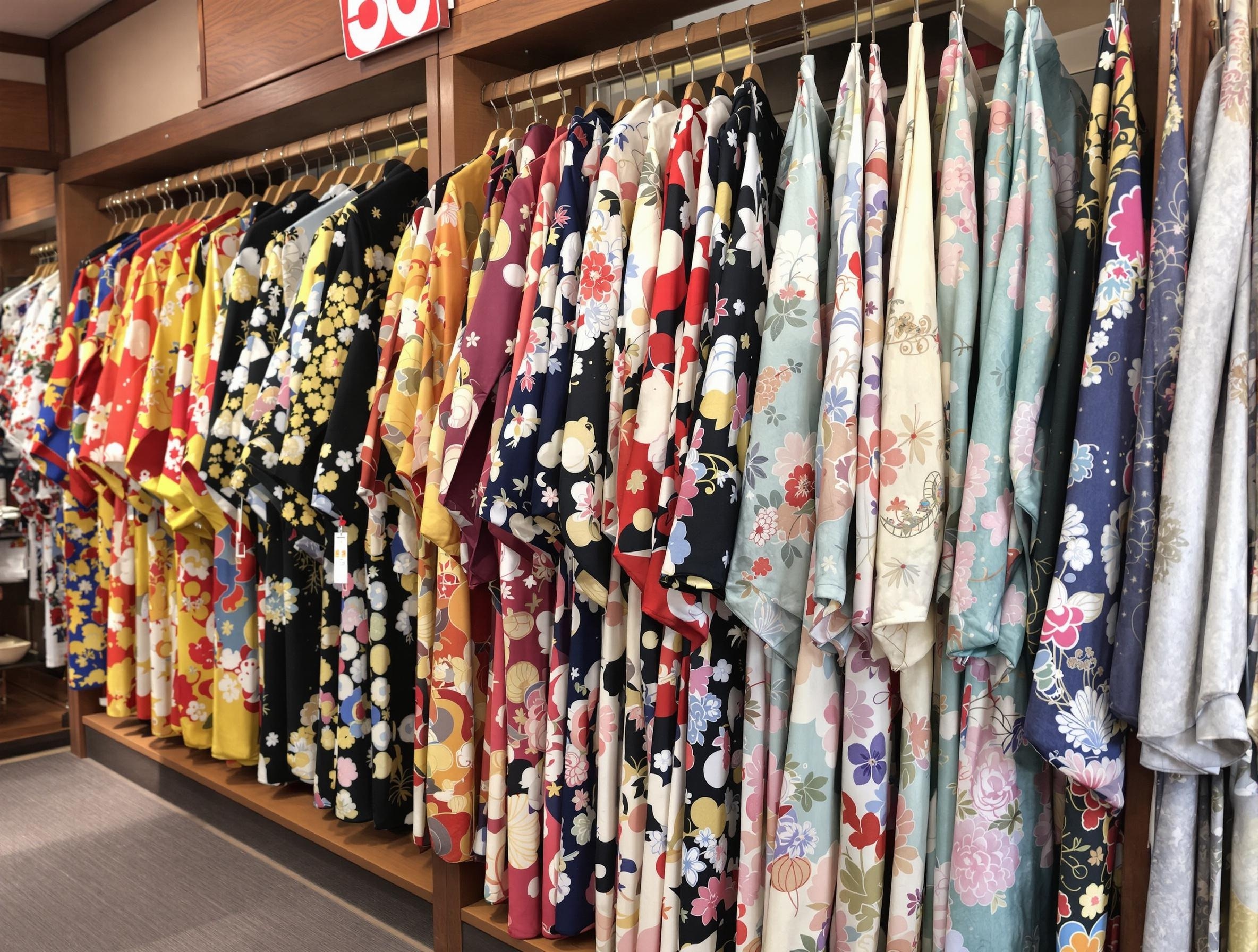
Traditional kimono display showcasing the artistry of Japanese textile craftsmanship
The Historical Significance of Kimono Culture
The kimono tradition in Kyoto dates back over 1,000 years, evolving from Chinese court dress into a uniquely Japanese art form. During the Heian period (794-1185), when Kyoto served as Japan’s imperial capital, the kimono became a symbol of refinement and cultural sophistication. The intricate layering system, color combinations, and seasonal motifs developed during this era continue to influence modern kimono design.
Traditional Kyoto kimono workshops, many of which have been family-operated for generations, maintain techniques passed down through centuries. The Nishiki textile district, known as “Kyoto’s Kitchen,” houses numerous kimono shops and workshops where master craftsmen create these wearable works of art using traditional methods like yuzen dyeing and hand-painted designs.
Types of Kimono for Different Occasions
Furisode: The most formal kimono for unmarried women, featuring long sleeves that can extend nearly to the ground. These elaborate garments often showcase vibrant colors and intricate patterns, making them perfect for special ceremonies and celebrations in Kyoto’s temples and shrines.
Tomesode: Formal kimono for married women, typically featuring sophisticated designs concentrated near the hem. The subdued elegance of tomesode makes them appropriate for tea ceremonies and formal cultural events throughout Kyoto.
Houmongi: Semi-formal visiting kimono suitable for various social occasions. These versatile garments allow wearers to participate in cultural activities while maintaining appropriate formality levels.
Yukata: Casual cotton kimono perfect for summer festivals and informal occasions. In Kyoto’s warmer months, yukata provide comfort while maintaining traditional aesthetics during temple visits and evening strolls through historic districts.
The Art of Kimono Coordination
Proper kimono coordination involves understanding seasonal appropriateness, color harmony, and pattern balance. In Kyoto, where seasons are celebrated with particular reverence, kimono selection reflects natural cycles through motifs like cherry blossoms for spring, flowing water for summer, maple leaves for autumn, and snow crystals for winter.
The obi (sash) serves as both functional and decorative element, often featuring complementary or contrasting designs that enhance the kimono’s overall aesthetic. Traditional obi tying creates elaborate knots and bows that add sculptural elements to the silhouette, transforming the wearer into a living work of art.
Accessories like kanzashi (hair ornaments), tabi (split-toe socks), and geta (wooden sandals) complete the ensemble while serving practical purposes. Each element contributes to the kimono’s overall harmony, reflecting Japanese values of attention to detail and aesthetic balance.
The Sacred Ritual of Tea Ceremony
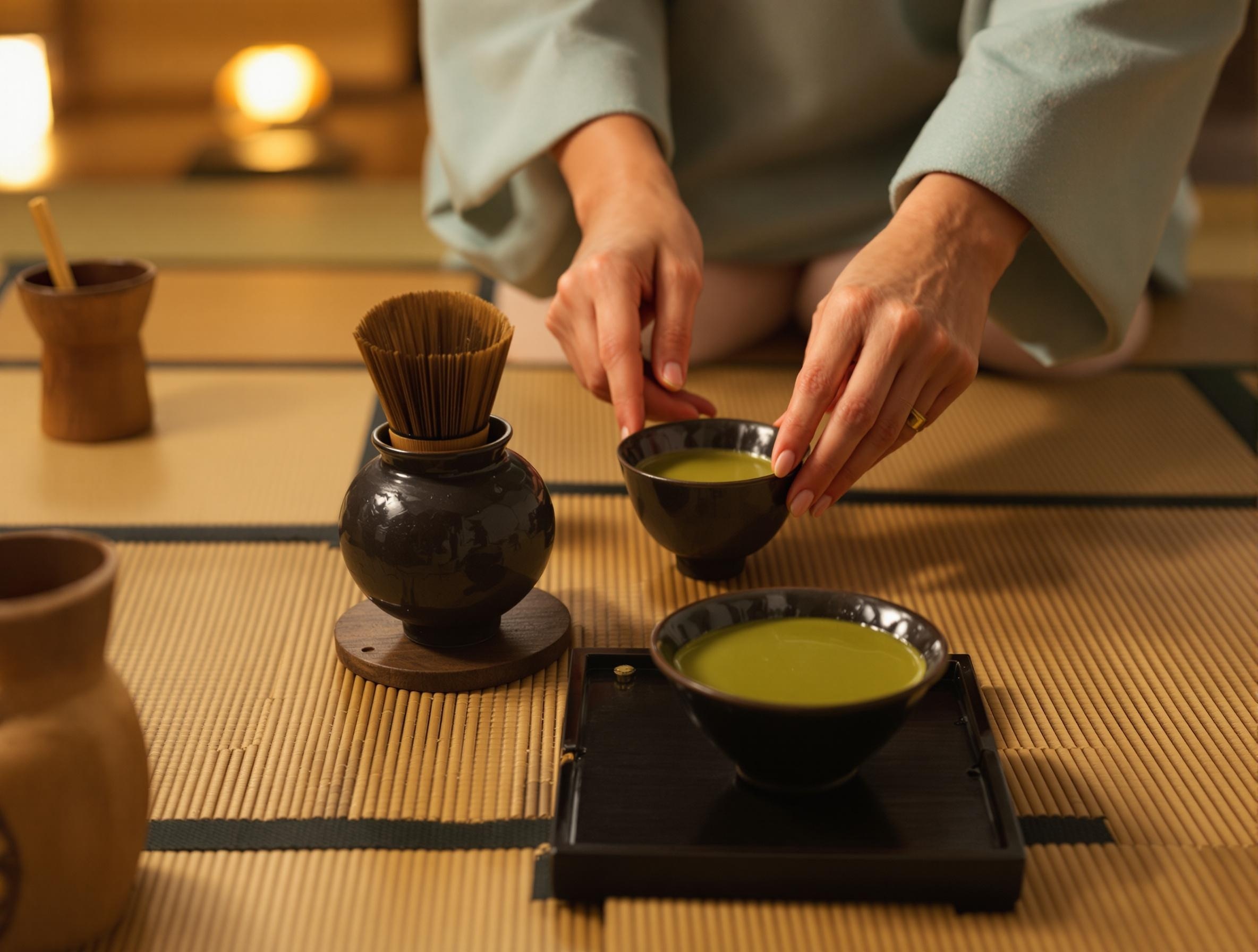
The meditative art of traditional Japanese tea ceremony preparation
Origins and Philosophy of Chanoyu
The Japanese tea ceremony originated in Kyoto during the 15th century, influenced by Zen Buddhism and refined by tea masters like Sen no Rikyu. This meditative practice transforms the simple act of preparing and serving tea into a spiritual experience emphasizing mindfulness, respect, and appreciation for beauty in everyday moments.
The philosophy of “ichigo ichie” (one time, one meeting) underlies every tea gathering, recognizing that each ceremony is unique and unrepeatable. This concept encourages participants to be fully present, appreciating the temporary beauty of the moment and the people sharing the experience.
Four fundamental principles guide the tea ceremony: wa (harmony), kei (respect), sei (purity), and jaku (tranquility). These concepts extend beyond the tea room, influencing how participants interact with each other and their environment, creating a microcosm of ideal human relationships.
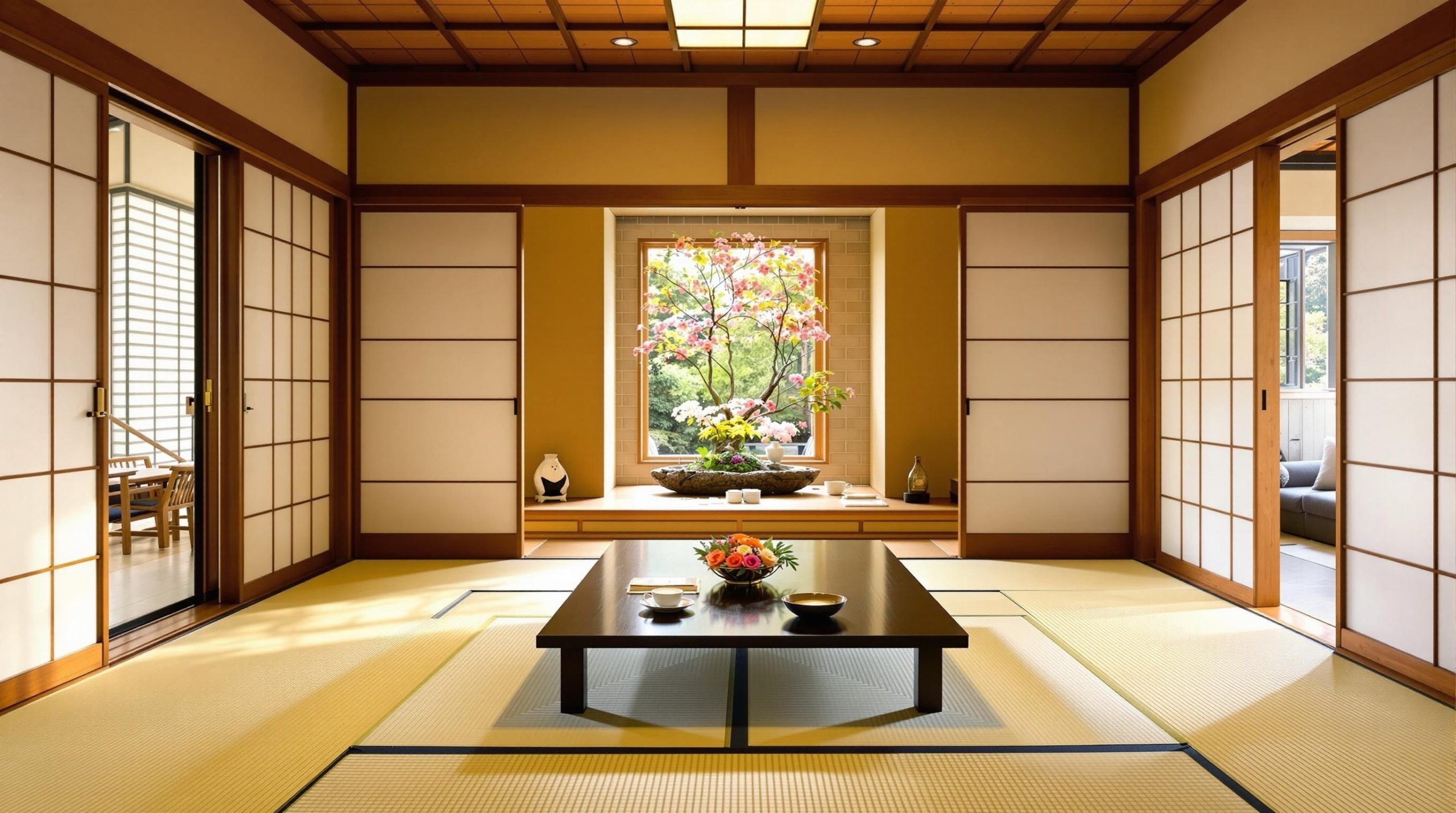
Serene tea ceremony room embodying traditional Japanese architectural principles
The Tea Ceremony Process and Rituals
Preparation Phase: The tea master begins by purifying utensils with precise, choreographed movements. Each action serves both practical and symbolic purposes, demonstrating respect for the tools and the ceremony itself. The careful arrangement of tea bowls, bamboo whisks, and other implements creates visual harmony that enhances the overall experience.
Water and Fire Elements: Heating water over charcoal requires careful attention to temperature and timing. The sound of boiling water, described poetically as “wind in the pines,” signals readiness for tea preparation. This auditory element adds another layer of sensory engagement to the ceremony.
Matcha Preparation: Powdered green tea is whisked with hot water using specific wrist movements that create smooth, frothy tea without lumps. The whisking technique requires practice and skill, creating tea with the proper consistency and temperature for optimal flavor and presentation.
Serving and Receiving: Tea is served with specific gestures that demonstrate humility and gratitude. Guests receive their tea bowls with both hands, turning them before drinking to avoid placing lips where decorative elements might be damaged. These ritualized movements create a dance-like quality that transforms tea drinking into performance art.
Seasonal Variations in Tea Ceremony
Kyoto’s tea ceremony traditions celebrate seasonal changes through carefully selected utensils, decorations, and even tea varieties. Spring ceremonies might feature cherry blossom motifs and lighter tea bowls, while winter gatherings emphasize warmth through heavier ceramics and charcoal braziers.
The tea room’s tokonoma (alcove) displays seasonal artwork and flower arrangements that complement the ceremony’s mood and timing. These elements connect participants with nature’s rhythms and Japan’s deep appreciation for seasonal beauty.
Where to Experience Authentic Kimono and Tea Ceremony in Kyoto
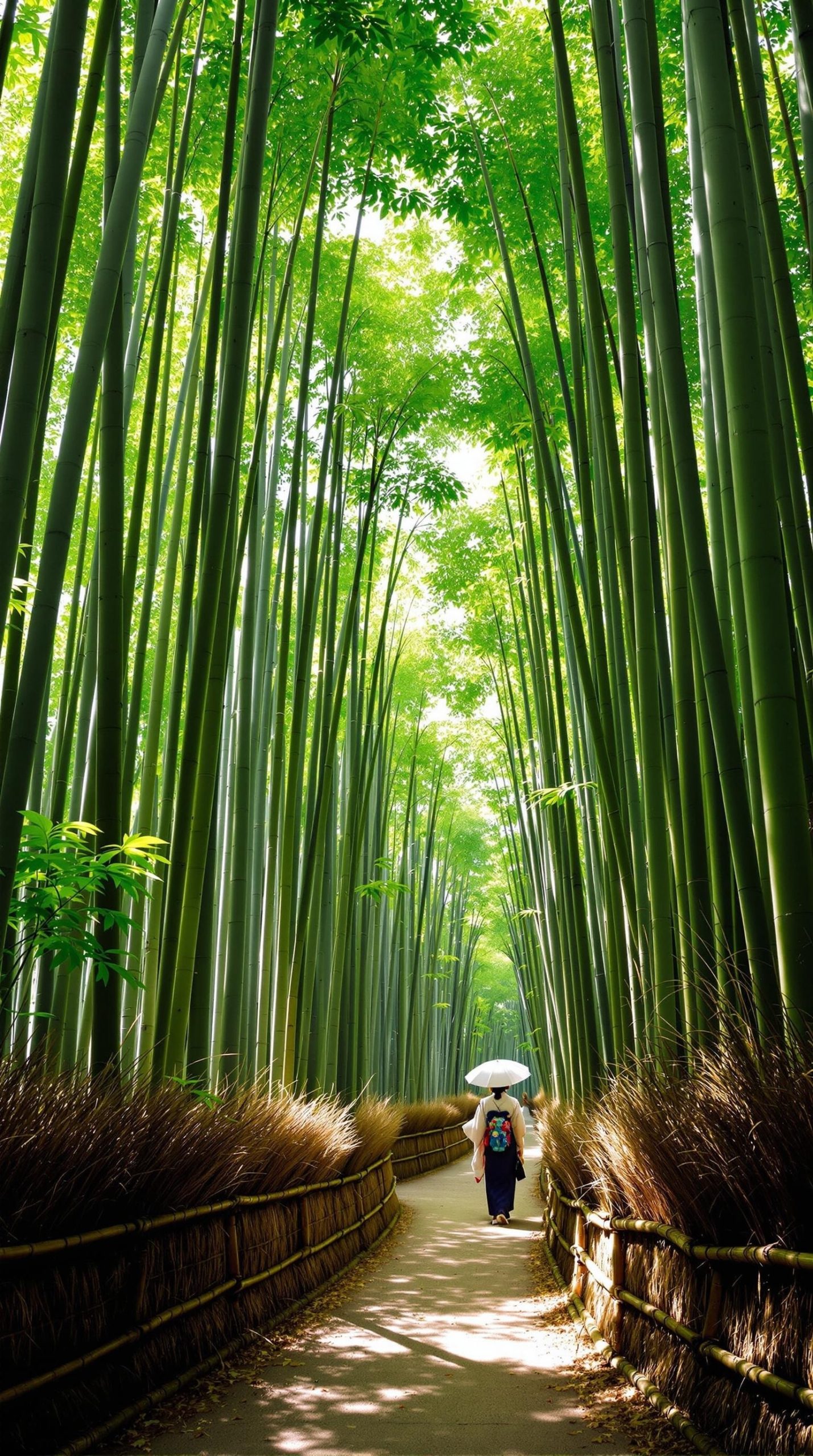
The mystical beauty of Arashiyama’s bamboo grove provides an enchanting backdrop for kimono experiences
Traditional Districts for Cultural Immersion
Gion District: Kyoto’s most famous geisha district offers numerous kimono rental shops and traditional tea houses. Walking through Gion’s narrow streets in kimono provides an authentic atmosphere where traditional and modern Japan intersect harmoniously. Many establishments offer package deals combining kimono rental with tea ceremony experiences.
Arashiyama: This western Kyoto district, famous for its bamboo grove, provides stunning backdrops for kimono photography and peaceful settings for tea ceremonies. The area’s temples and traditional architecture create perfect environments for cultural immersion activities.
Higashiyama: The preserved historic district along Kyoto’s eastern mountains offers cobblestone streets, traditional wooden buildings, and numerous cultural activity venues. The area’s steep paths and historic temples provide diverse settings for kimono experiences and tea ceremony participation.
Pontocho Alley: This narrow alley between Kawaramachi and the Kamogawa River features traditional tea houses and restaurants where visitors can experience authentic cultural activities in intimate settings. The alley’s atmospheric lighting and traditional architecture enhance the overall cultural experience.
Recommended Venues and Experiences
Several venues throughout Kyoto offer high-quality kimono and tea ceremony experiences. Traditional ryokan (inns) often provide comprehensive cultural packages that include accommodations, meals, and guided cultural activities. These establishments maintain authentic settings and employ knowledgeable staff who can explain cultural significance and proper etiquette.
Temple-based experiences offer spiritual dimensions to cultural activities, allowing participants to engage with Buddhist traditions alongside secular cultural practices. Many temples provide tea ceremony instruction in traditional settings surrounded by gardens and historic architecture.
Cultural centers and schools throughout Kyoto offer structured learning opportunities for visitors interested in deeper understanding of these traditions. These venues often provide English instruction and cultural context that enhance appreciation for the practices being learned.
Seasonal Variations and Cultural Significance
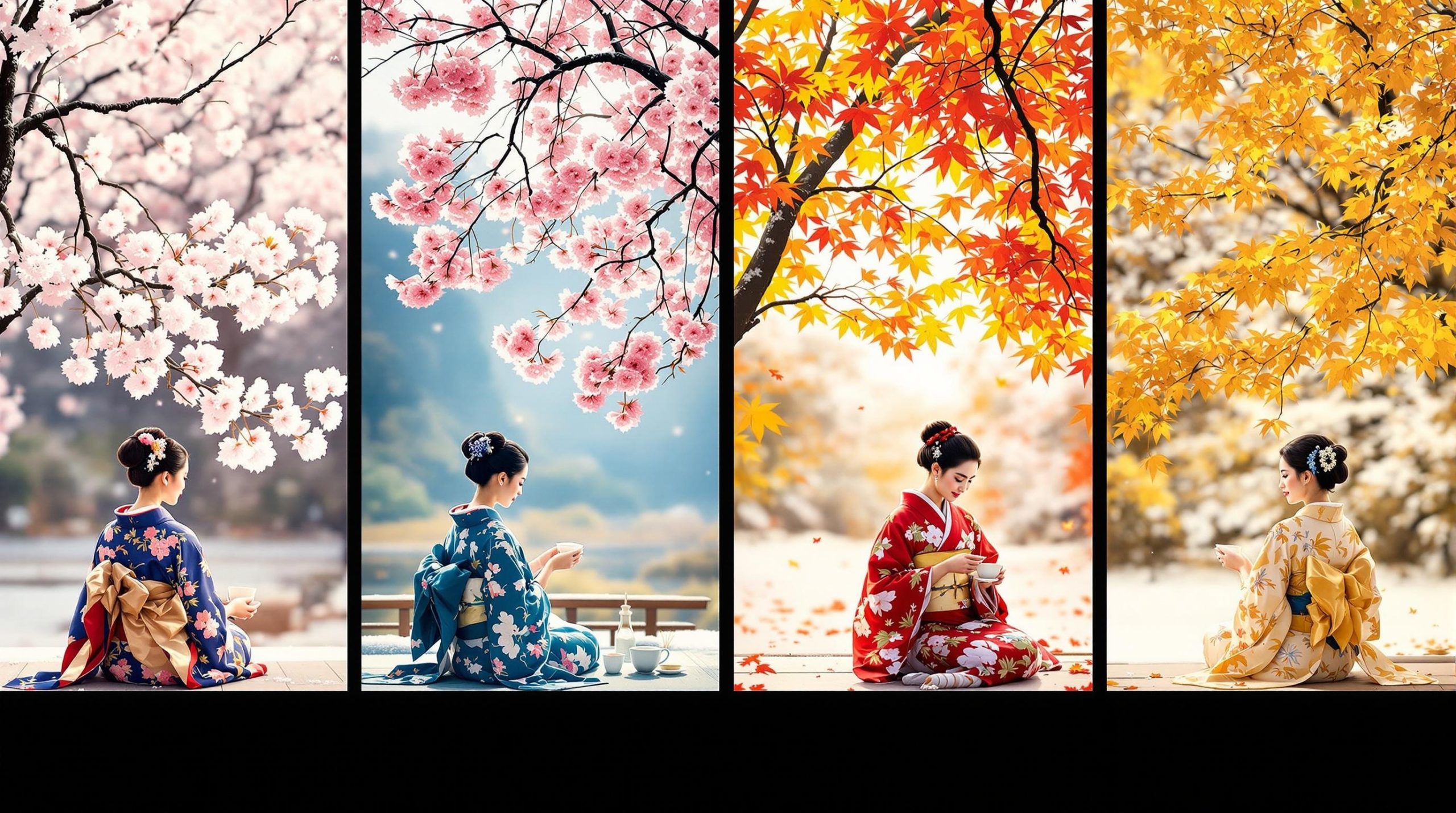
The four seasons of Kyoto showcase the ever-changing beauty of kimono and tea ceremony traditions
Spring: Cherry Blossom Season
Spring in Kyoto transforms the city into a pink and white wonderland, making it the most popular season for kimono and tea ceremony experiences. Cherry blossom motifs appear on kimono fabrics, while tea ceremonies incorporate seasonal flowers and decorations celebrating renewal and beauty.
The concept of mono no aware (the pathos of things) becomes particularly relevant during cherry blossom season, as the temporary nature of the blossoms reminds participants of life’s fleeting beauty. This philosophical backdrop adds depth to cultural experiences and encourages mindful appreciation of present moments.
Summer: Festival Season and Cooling Traditions
Summer brings festivals and the wearing of yukata, lighter kimono perfect for Kyoto’s humid climate. Tea ceremonies adapt with cooling elements like summer tea varieties and decorative motifs representing flowing water and cool breezes.
The Gion Matsuri festival in July provides spectacular opportunities for kimono wearing and cultural participation, as the entire city celebrates with traditional clothing, foods, and activities that have continued for over 1,000 years.
Autumn: Maple Leaf Colors
Autumn in Kyoto rivals spring for natural beauty, with maple leaves creating spectacular red and gold landscapes. Kimono designs feature autumn motifs like maple leaves, chrysanthemums, and harvest imagery, while tea ceremonies incorporate seasonal elements that celebrate abundance and preparation for winter.
The concept of seasonal transition becomes particularly meaningful during autumn, as tea ceremony participants reflect on change and impermanence while surrounded by nature’s dramatic color displays.
Winter: Quiet Elegance and Inner Warmth
Winter provides intimate settings for cultural experiences, with snow-covered temples and gardens creating serene backdrops for kimono photography and contemplative tea ceremonies. Heavier fabrics and warming elements like charcoal braziers become important aspects of seasonal adaptation.
The principle of finding beauty in simplicity becomes especially relevant during winter, as stripped-down landscapes and minimal decorations emphasize essential elements of Japanese aesthetics.
Planning Your Perfect Kyoto Cultural Experience
Timing and Reservations
Advanced planning ensures availability and quality experiences, particularly during popular seasons like spring and autumn. Many venues require reservations several weeks in advance, especially for comprehensive packages combining multiple cultural activities.
Morning experiences often provide the most authentic atmosphere, as traditional districts maintain their historic character before crowds arrive. Early timing also allows for better lighting conditions for photography and more intimate cultural interactions.
Choosing the Right Package
Cultural experience packages range from basic kimono rentals to comprehensive multi-day programs including accommodations, meals, and guided activities. Consider your interests, time constraints, and desired level of cultural immersion when selecting appropriate options.
Some packages focus on photography opportunities, providing professional photographers and multiple location shoots. Others emphasize educational components, including detailed instruction in cultural practices and historical context.
Budget Considerations
Kimono rental prices vary significantly based on garment quality, included accessories, and service level. Basic rentals might include simple kimono and basic accessories, while premium packages feature high-quality silk garments, professional dressing services, and comprehensive accessory sets.
Tea ceremony experiences range from brief demonstrations to extended instruction sessions with meal components. Consider the value of educational elements and cultural authenticity when comparing pricing options.
Etiquette and Respectful Participation
Proper Behavior in Kimono
Wearing kimono requires modified movement patterns that maintain garment integrity and demonstrate cultural respect. Small steps, graceful postures, and careful attention to fabric positioning show appreciation for the art form and consideration for others sharing cultural spaces.
Photography etiquette becomes particularly important when wearing kimono in public spaces. Respectful interaction with locals and other visitors, appropriate posing techniques, and awareness of private property boundaries ensure positive experiences for everyone involved.
Tea Ceremony Protocols
Tea ceremony participation requires understanding specific behaviors and responses that demonstrate respect for the practice and other participants. Proper bowing, appropriate conversation levels, and correct handling of tea implements show cultural awareness and appreciation.
The concept of “omotenashi” (hospitality) guides interactions during tea ceremonies, encouraging participants to consider others’ comfort and experience. This mindset transforms individual participation into collective harmony that enhances everyone’s cultural experience.
Photography and Social Media Considerations
Respectful photography practices include obtaining permission before photographing others, avoiding disruptive behavior in cultural spaces, and presenting cultural activities in authentic, dignified ways on social media platforms.
Cultural sensitivity extends to image sharing and description accuracy, ensuring that cultural practices are represented respectfully and educational information is shared accurately with wider audiences.
Capturing Your Memories Professionally
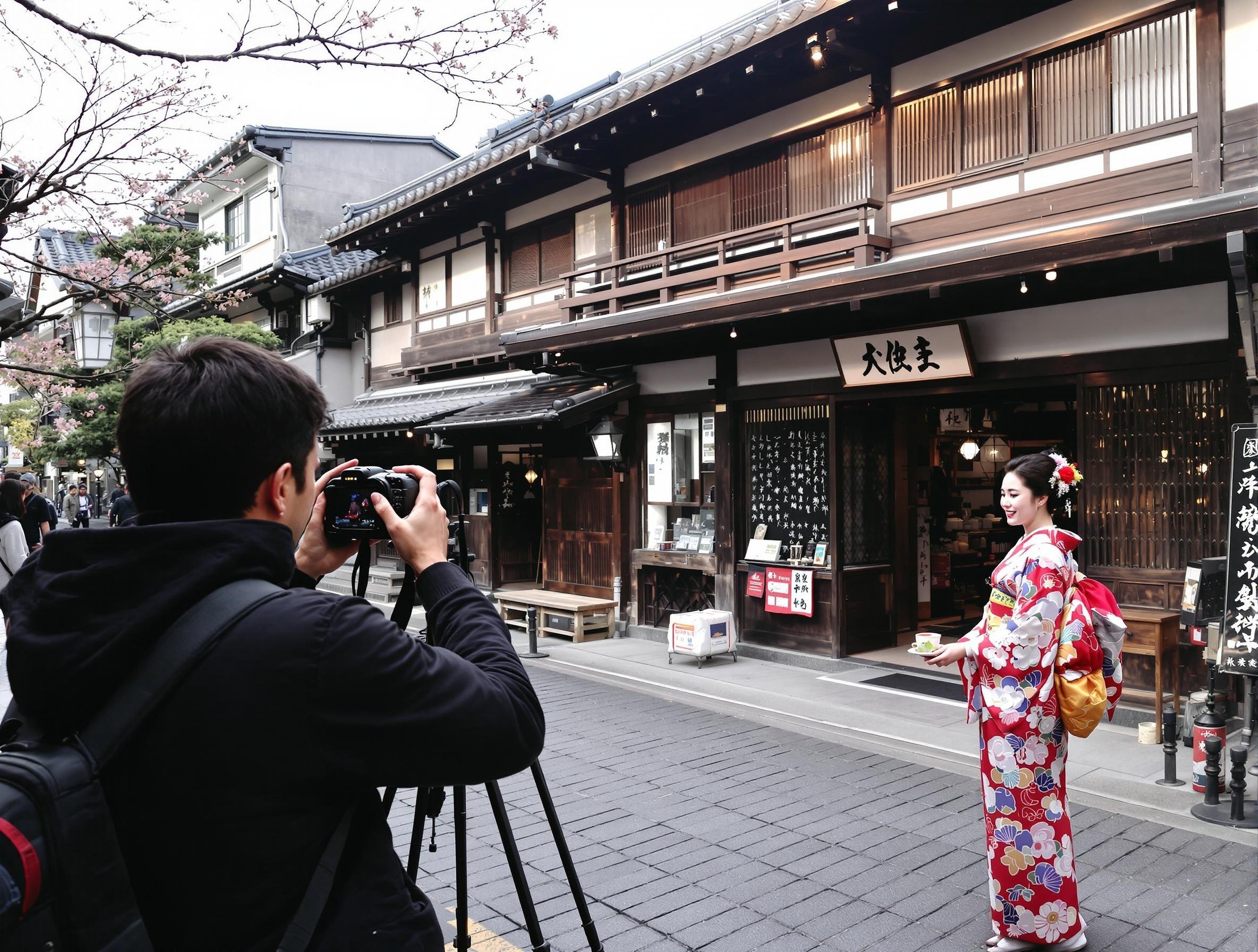
Professional photography services capture the authentic beauty of your Kyoto cultural experience
The Importance of Professional Photography
Professional photography services elevate kimono and tea ceremony experiences by capturing authentic moments with technical expertise and cultural knowledge. Professional photographers understand optimal lighting conditions, traditional poses, and cultural significance of various elements, creating images that serve as lasting memories of cultural participation.
Quality photography also provides opportunities to share cultural experiences with family and friends who cannot visit Kyoto personally, extending the educational and inspirational impact of cultural participation beyond individual experiences.
Recommended Photography Services
For those seeking exceptional photography services to document their Kyoto cultural experience, professional photography services provide expert guidance and high-quality results. Experienced photographers familiar with Kyoto’s cultural districts can suggest optimal locations, timing, and poses that capture both individual memories and cultural authenticity.
Professional services often include multiple outfit changes, various location shoots, and post-processing services that enhance image quality while maintaining natural appearance. These comprehensive packages ensure visitors receive professional-quality documentation of their cultural experiences.
Creating Lasting Memories
Professional photography transforms cultural participation into lasting artwork that can be displayed, shared, and treasured for years. High-quality images capture not just appearance but also the emotional experience of cultural immersion, providing tangible reminders of personal growth and cultural appreciation.
Investment in professional photography reflects commitment to preserving meaningful experiences and sharing Japanese cultural appreciation with wider communities, extending the impact of individual cultural participation.
Conclusion: Embracing Kyoto’s Timeless Traditions
The combination of kimono wearing and tea ceremony participation in Kyoto offers more than cultural tourism – it provides opportunities for personal transformation and deep appreciation for Japanese values of beauty, mindfulness, and respect. These ancient practices continue to relevance in modern life, offering respite from fast-paced contemporary existence and connection with timeless human values.
Kyoto’s preservation of these traditions creates unique opportunities for cultural bridge-building, allowing visitors from around the world to experience Japanese culture authentically while contributing to the continuation of these important practices. Each participation supports local artisans, cultural practitioners, and the ongoing vitality of traditional Japanese arts.
The memories created through kimono and tea ceremony experiences in Kyoto extend far beyond individual enjoyment, fostering international understanding and appreciation for cultural diversity. These experiences remind us of the universal human capacity for creating beauty, meaning, and connection through traditional practices that transcend linguistic and cultural boundaries.
Whether seeking personal enrichment, cultural education, or simply the joy of participating in beautiful traditions, Kyoto’s kimono and tea ceremony experiences offer transformative opportunities that honor the past while enriching present moments and future memories.
Ready to capture your authentic Japanese cultural experience?
Preserve your Kyoto kimono and tea ceremony memories with expert quality and cultural sensitivity.