
Kimono Experience for Seniors: Slow, Comfortable and Unforgettable

Kimono Experience for Seniors: Slow, Comfortable and Unforgettable
Discover the magic of traditional Japanese kimono wearing designed specifically for seniors in Kyoto’s historic districts
Introduction: Embracing Japanese Tradition at Any Age
Kyoto, the ancient capital of Japan, offers countless cultural experiences that transport visitors back in time. Among these treasured traditions, the kimono experience stands out as one of the most enchanting and accessible activities for travelers of all ages. For seniors seeking a meaningful connection with Japanese culture, a carefully curated kimono experience provides the perfect blend of comfort, authenticity, and unforgettable memories.
Unlike the bustling streets of other major cities, Kyoto’s serene temples, traditional neighborhoods, and preserved historical sites create an ideal backdrop for seniors to immerse themselves in the timeless elegance of kimono wearing. This comprehensive guide explores everything you need to know about enjoying a kimono experience tailored specifically for older adults, ensuring comfort, dignity, and pure joy throughout your cultural journey.
Understanding the Senior-Friendly Kimono Experience
What Makes a Kimono Experience Senior-Friendly?
A senior-friendly kimono experience goes beyond simply providing beautiful garments. It encompasses thoughtful service, comfortable pacing, and accommodations that respect the unique needs of mature travelers. Professional kimono rental services in Kyoto have evolved to offer specialized experiences that prioritize comfort without compromising on authenticity.
The process begins with patient, skilled dressers who understand that seniors may require additional time and assistance. These experienced professionals take pride in their craft and approach each client with the reverence that traditional Japanese culture demands. The fitting process becomes a cultural exchange, where seniors learn about the significance of each garment layer while experiencing the meditative quality of traditional dressing.
Senior-friendly kimono experiences also feature comfortable seating areas, accessible facilities, and flexible scheduling that allows for rest breaks when needed. The staff typically speaks multiple languages and possesses deep knowledge of both kimono traditions and Kyoto’s senior-accessible attractions, making them invaluable guides for planning your cultural adventure.
The Health and Wellness Benefits
Participating in a kimono experience offers surprising health and wellness benefits for seniors. The gentle process of kimono wearing promotes good posture, as the traditional obi (sash) naturally encourages an upright stance. The mindful walking required when wearing kimono creates a form of moving meditation that can reduce stress and promote mental clarity.
Many seniors report feeling a profound sense of connection to Japanese culture and history when wearing kimono. This cultural immersion can boost cognitive function, encourage social interaction, and provide a sense of accomplishment that enhances overall well-being. The photography opportunities inherent in kimono experiences also create lasting memories that families cherish for generations.
Choosing the Perfect Kimono: Style and Comfort Considerations
Traditional Kimono Styles for Seniors
Kyoto’s kimono rental shops offer an extensive selection of traditional styles particularly suited for mature wearers. The classic houmongi (visiting dress) represents an elegant choice for seniors, featuring sophisticated patterns that complement silver hair and mature features beautifully. These semi-formal kimono often display seasonal motifs that reflect Kyoto’s changing landscapes throughout the year.

Iromuji (solid-colored kimono) provide another excellent option for seniors seeking understated elegance. These single-color garments create a refined, timeless look that photographs beautifully against Kyoto’s historic architecture. The subtle sophistication of iromuji allows the wearer’s natural dignity to shine through while maintaining cultural authenticity.
For seniors interested in more ornate options, tsukesage kimono offer beautiful asymmetrical patterns that create visual interest without overwhelming the wearer. These garments strike the perfect balance between formality and accessibility, making them ideal for temple visits and cultural site exploration.
Fabric Choices and Seasonal Considerations
The choice of kimono fabric significantly impacts comfort levels for senior wearers. Silk kimono remain the gold standard for authenticity and elegance, offering natural temperature regulation and luxurious feel. However, modern kimono rental services also provide high-quality cotton and polyester blends that offer easier care and increased comfort for extended wear.
During Kyoto’s warm summers, lightweight ro (gauze) kimono provide excellent breathability while maintaining traditional aesthetics. These summer kimono feature looser weaves that allow air circulation, making them ideal for seniors who may be more sensitive to heat. The transparent quality of ro kimono creates an ethereal, sophisticated appearance that complements Kyoto’s summer festivals and garden visits.
Winter kimono experiences call for lined silk garments that provide warmth without bulk. These awase kimono feature beautiful inner linings that add both warmth and visual interest when glimpsed at the collar and sleeves. The additional layer provides comfort during Kyoto’s cooler months while maintaining the elegant silhouette that kimono are famous for.
The Kimono Dressing Process: A Cultural Journey
Professional Dressing Services
The kimono dressing process represents a cultural ceremony in itself, particularly when performed by skilled professionals who understand the needs of senior clients. Expert dressers begin by explaining each step of the process, creating an educational experience that deepens appreciation for Japanese craftsmanship and tradition.

The initial layer, called nagajuban (under-kimono), establishes the foundation for the entire ensemble. Professional dressers ensure this layer fits comfortably and provides appropriate coverage for seniors who may have mobility concerns or require additional support. The careful attention to this foundational layer sets the tone for the entire experience.
The main kimono follows, with skilled hands ensuring proper alignment and comfortable fit. Professional dressers understand that seniors may require additional time for positioning and adjustment, and they provide this service with patience and respect. The process becomes a form of cultural exchange, where seniors learn about kimono construction while experiencing the meditative quality of traditional dressing.
The Art of Obi Tying
The obi (sash) represents the most crucial element of kimono wearing, both aesthetically and functionally. For seniors, professional obi tying ensures proper support and comfort throughout the wearing experience. Skilled dressers select obi styles that complement the wearer’s body type and mobility needs while maintaining traditional aesthetics.
The otaiko (drum) knot remains the most popular choice for seniors, offering a classic, elegant appearance that photographs beautifully. This traditional knot provides excellent support for the lower back while creating the iconic kimono silhouette. Professional dressers ensure the obi is tied snugly enough to provide support without restricting breathing or movement.
Alternative obi styles, such as the bunko (literary) knot, offer slightly less formal options that may be more comfortable for seniors planning extended wear. These knots require less fabric manipulation and can be adjusted more easily if comfort modifications become necessary during the experience.
Exploring Kyoto in Kimono: Senior-Friendly Destinations
Temple and Shrine Visits
Kyoto’s numerous temples and shrines provide the perfect backdrop for kimono experiences, offering seniors the opportunity to engage with Japanese spiritual culture while wearing traditional attire. Kiyomizu-dera Temple stands as perhaps the most popular destination for kimono wearers, with its wooden stage offering panoramic views of the city and convenient rest areas for seniors.

The approach to Kiyomizu-dera, known as Sannenzaka and Ninenzaka, features traditional stone-paved streets lined with historic buildings. These preserved neighborhoods create authentic settings for kimono photography while offering numerous tea houses and shops where seniors can rest and refresh during their cultural exploration.
Fushimi Inari Shrine provides another excellent destination for seniors in kimono, though the extensive hiking trails may be challenging for some. The lower shrine areas offer beautiful torii gates and traditional architecture that create stunning photographic opportunities without requiring strenuous walking.
Traditional Districts and Gardens
Kyoto’s Gion District represents the heart of traditional Japanese culture, where geishas still walk the streets and traditional architecture transports visitors to another era. Senior kimono wearers often feel particularly at home in Gion, where the pace of life moves more slowly and cultural appreciation takes precedence over commercial concerns.

The Arashiyama Bamboo Grove offers a unique natural setting for kimono experiences, with towering bamboo creating a mystical atmosphere that complements traditional Japanese aesthetics. The relatively flat walking paths make this destination accessible for most seniors, while the natural beauty provides an unforgettable backdrop for kimono photography.

Philosopher’s Path (Tetsugaku-no-michi) provides a peaceful walking route that connects several important temples while offering cherry blossom viewing opportunities during spring. This stone path alongside a canal creates a contemplative environment perfect for seniors seeking a more meditative kimono experience.
Photography Opportunities and Professional Services
Professional photography services specifically designed for senior kimono experiences have become increasingly popular in Kyoto. These services understand the unique needs of mature clients and provide patient, skilled photographers who capture the dignity and beauty of seniors in traditional Japanese attire.
Professional kimono photography services offer comprehensive packages that include multiple locations, outfit changes, and digital image delivery. These services often include transportation between locations, ensuring seniors can enjoy multiple settings without the stress of navigation or logistics.
The golden hour lighting conditions in Kyoto create particularly flattering photographs for senior kimono wearers. Professional photographers understand how to work with mature subjects, using lighting techniques that enhance natural beauty while creating timeless, elegant images that families treasure for generations.
Comfort and Accessibility Considerations
Physical Comfort During Extended Wear
Extended kimono wearing requires careful attention to comfort details that become increasingly important for senior wearers. Professional rental services provide cushioned geta (wooden sandals) or comfortable zori (flat sandals) that offer better support than traditional footwear options.
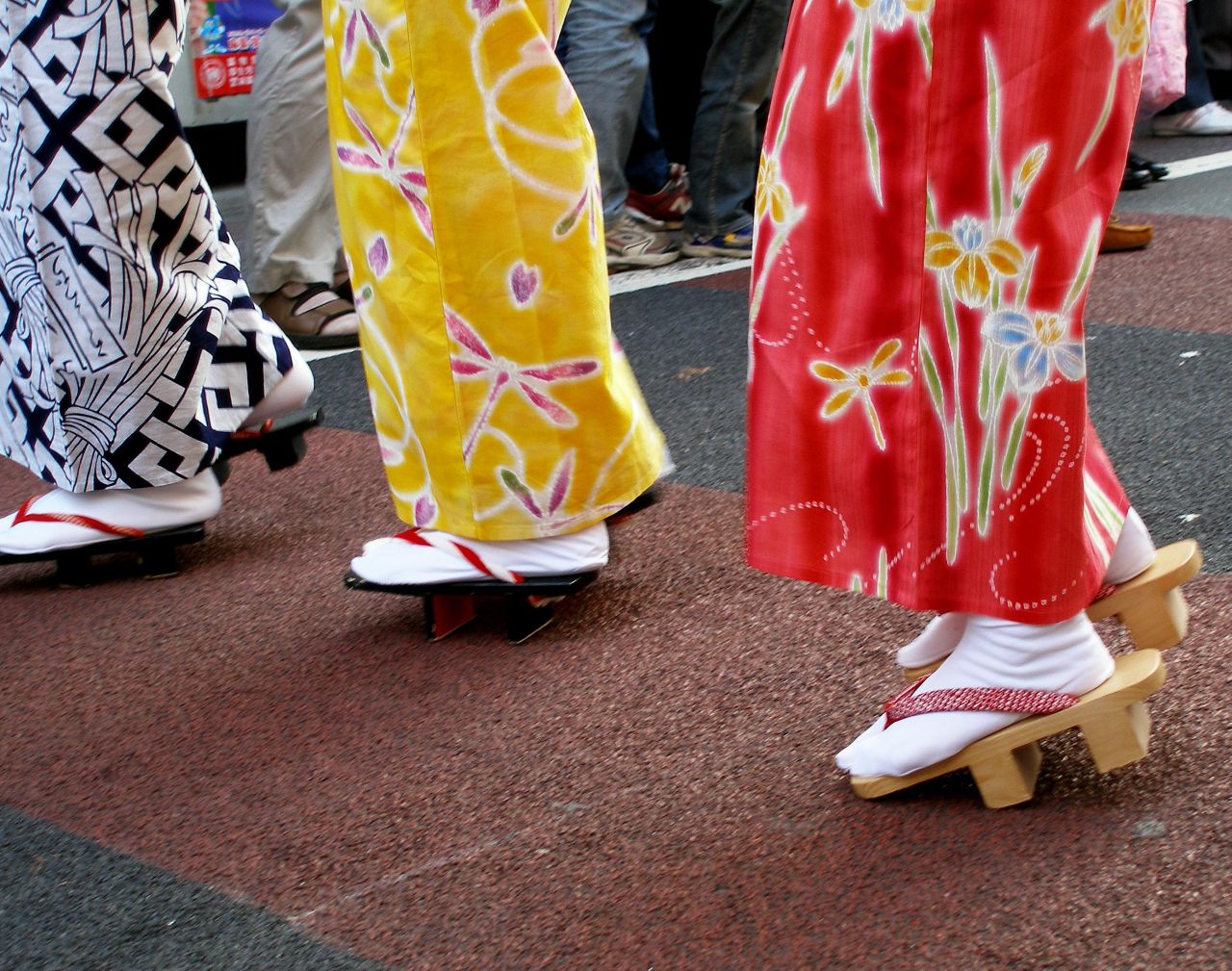
The layered nature of kimono can initially feel restrictive for seniors accustomed to Western clothing. However, properly fitted kimono actually provide excellent support for the torso while encouraging good posture. The key lies in professional fitting that ensures comfort without compromising traditional aesthetics.
Temperature regulation becomes crucial for senior kimono wearers, particularly during Kyoto’s seasonal extremes. Professional rental services provide appropriate undergarments and accessories that help maintain comfortable body temperature throughout the experience.
Mobility and Movement Considerations
Kimono naturally encourage a more deliberate, graceful style of movement that many seniors find appealing after an initial adjustment period. The restricted step length created by traditional kimono wearing can actually provide stability for seniors who may have balance concerns.
Professional kimono services offer mobility aids and adjustments that maintain traditional appearance while accommodating senior needs. These might include slightly shorter kimono lengths, modified obi tying techniques, or specialized footwear that provides additional support.
Rest opportunities and flexible scheduling allow seniors to pace their kimono experience according to their individual needs and energy levels. Many rental services provide comfortable seating areas where seniors can rest while remaining in kimono, extending the cultural experience without physical strain.
Cultural Significance and Educational Value
Understanding Kimono History and Symbolism
The kimono experience offers seniors an opportunity to engage with over 1,000 years of Japanese cultural history. Each element of kimono design carries symbolic meaning, from seasonal motifs that reflect Japan’s deep connection to nature to color choices that indicate social status and personal taste.
Traditional kimono construction techniques represent centuries of refined craftsmanship, with each garment requiring dozens of skilled hands and months of work to complete. Senior kimono wearers often develop deep appreciation for this artisanal tradition, recognizing parallels to craftsmanship traditions in their own cultures.
The seasonal nature of kimono wearing reflects Japanese aesthetic principles that emphasize harmony with natural cycles. Seniors participating in kimono experiences learn to appreciate these subtle seasonal cues, developing a more nuanced understanding of Japanese cultural values.
Intergenerational Cultural Exchange
Kimono experiences create unique opportunities for intergenerational cultural exchange, particularly when seniors participate alongside younger family members. The shared experience of traditional dressing and cultural exploration creates bonds that transcend age differences while honoring Japanese cultural values.
Many seniors report that kimono experiences provide excellent conversation starters when meeting Japanese people during their travels. The respectful engagement with traditional culture demonstrates cultural appreciation that Japanese people often acknowledge with warmth and hospitality.
The photography and memory-making aspects of kimono experiences create lasting legacies that seniors can share with future generations. These cultural experiences become family stories that preserve not only personal memories but also appreciation for Japanese cultural traditions.
Planning Your Senior Kimono Experience
Choosing the Right Service Provider
Selecting an appropriate kimono rental service requires careful consideration of factors that matter most to senior travelers. Experience with senior clients represents perhaps the most important criterion, as skilled providers understand the unique needs and preferences of mature travelers.
Language capabilities become crucial for seniors who may require detailed explanations or have specific comfort needs. The best kimono rental services employ staff who speak multiple languages and possess deep knowledge of both traditional practices and modern accessibility requirements.
Flexible scheduling and pacing allow seniors to enjoy their kimono experience without feeling rushed or pressured. Premium services offer extended rental periods and flexible return policies that accommodate the more relaxed pace that many seniors prefer.
Seasonal Timing and Weather Considerations
Kyoto’s distinct seasons each offer unique advantages for senior kimono experiences. Spring brings cherry blossom season, creating magical photographic opportunities but also larger crowds that may be challenging for some seniors. The mild temperatures make this season ideal for comfortable kimono wearing.
Summer kimono experiences require careful planning due to high temperatures and humidity. However, summer festivals and traditional events provide cultural experiences unavailable during other seasons. Lightweight kimono and frequent rest breaks make summer experiences manageable for many seniors.
Autumn offers perhaps the ideal conditions for senior kimono experiences, with comfortable temperatures, stunning fall foliage, and fewer crowds than spring. The autumn light creates particularly flattering photographic conditions for mature kimono wearers.
Winter kimono experiences provide unique opportunities to experience traditional Japanese winter aesthetics, though cold temperatures require appropriate layering and planning for senior comfort.
Booking and Preparation Tips
Advanced booking becomes essential for senior kimono experiences, particularly during peak seasons when the best service providers may be fully reserved. Early booking also allows for detailed discussions about specific needs and preferences.
Health considerations should be discussed with rental service providers in advance, ensuring that any mobility aids or comfort accommodations can be arranged. Professional services are typically very accommodating when given advance notice of special needs.
Appropriate undergarments and preparation clothing can significantly impact comfort levels during kimono wearing. Professional rental services provide detailed preparation instructions that help seniors arrive ready for their cultural experience.
The Photography Experience: Capturing Memories
Professional Photography Services
Professional kimono photography services in Kyoto have evolved to specialize in senior clients, understanding that mature subjects require different approaches than younger customers. These photographers possess technical skills for working with kimono’s complex textures and colors while demonstrating patience and respect for senior clients.
The consultation process typically begins with discussions about desired styles, locations, and comfort levels. Professional photographers familiar with senior clients ask about mobility concerns, preferred poses, and energy levels to create realistic shooting schedules that ensure beautiful results without physical strain.
Location scouting becomes particularly important for senior kimono photography, as accessibility and comfort factors must be balanced with aesthetic considerations. Experienced photographers know which locations offer the best combination of traditional beauty and senior-friendly access.
DIY Photography Tips for Families
Families accompanying seniors on kimono experiences can capture beautiful memories using smartphones and basic photography techniques. Golden hour lighting (early morning or late afternoon) provides the most flattering illumination for senior subjects while creating magical atmospheric conditions.
Composition techniques that work well for senior kimono photography include using traditional architecture as backgrounds, incorporating natural elements like gardens or bamboo, and focusing on details like hands, fabric patterns, and facial expressions that convey dignity and grace.
Patience and flexibility become essential when photographing seniors in kimono, as traditional garments may require movement adjustments and rest breaks. The best family photographs often emerge from relaxed, unhurried sessions that allow natural expressions and comfortable poses.
Economic and Practical Considerations
Budgeting for Your Kimono Experience
Senior kimono experiences in Kyoto range from basic rental services to luxury packages that include professional photography, transportation, and cultural activities. Basic rental packages typically include kimono, obi, accessories, and dressing services for half-day periods.
Premium packages may include professional photography, multiple outfit changes, transportation between locations, and cultural activities like tea ceremony or traditional crafts workshops. These comprehensive experiences often provide better value for seniors seeking full cultural immersion.
Group discounts are often available for families or senior travel groups, making kimono experiences more affordable when shared among multiple participants. Many rental services offer special rates for seniors or extended family bookings.
Insurance and Safety Considerations
Travel insurance considerations become important for senior kimono experiences, particularly for travelers with pre-existing health conditions. Some policies may require notification of cultural activities or traditional costume wearing.
Safety protocols at professional kimono rental services typically include emergency procedures, first aid capabilities, and protocols for addressing health concerns that may arise during traditional clothing experiences.
Liability considerations vary among service providers, with professional businesses typically maintaining comprehensive insurance coverage for customer activities. Seniors should inquire about coverage policies when booking their experiences.
Conclusion: Creating Unforgettable Cultural Memories
The kimono experience represents one of Japan’s most accessible and rewarding cultural activities for seniors visiting Kyoto. When approached with proper planning, appropriate service selection, and realistic expectations, kimono wearing provides mature travelers with profound cultural connections and lasting memories.

The dignity and grace that seniors bring to kimono wearing creates a beautiful synergy between wisdom and tradition. Professional photographers and cultural observers often note that senior kimono wearers possess a natural elegance that younger participants may struggle to achieve, suggesting that this cultural experience may be particularly well-suited to mature travelers.
The memories created during senior kimono experiences extend far beyond the immediate activity, becoming family stories that preserve cultural appreciation and personal achievements. Many seniors report that their kimono experience becomes a highlight of their Japan travels, representing a perfect blend of cultural education, personal challenge, and aesthetic beauty.
For seniors considering a kimono experience in Kyoto, the key lies in selecting appropriate services, maintaining realistic expectations, and approaching the activity with openness to cultural learning. The reward – a deep connection to Japanese tradition and unforgettable memories – makes the experience invaluable for mature travelers seeking meaningful cultural engagement.
Whether participating alone, with family, or as part of a senior travel group, the kimono experience offers something special for every mature traveler. The combination of traditional beauty, cultural education, and personal achievement creates a unique travel experience that enriches understanding of Japanese culture while providing lasting personal satisfaction.
Ready to create your own unforgettable kimono memories in Kyoto? Book your professional kimono photography experience today and discover why thousands of seniors have chosen this traditional cultural activity as the highlight of their Japanese travels.
Experience the timeless beauty of traditional Japanese culture with our senior-friendly kimono services in Kyoto. Professional dressing, comfortable pacing, and unforgettable memories await.

