Kimono and the Incense Ceremony (Kōdō): The Japanese Art of Smelling Mindfully in Kyoto

Kimono and the Incense Ceremony (Kōdō): The Japanese Art of Smelling Mindfully in Kyoto
This union of beauty and mindfulness captures everything Kyoto represents: refinement, respect, and presence. Let’s explore how these two arts—kimono and Kōdō—come together to create an unforgettable experience in Japan’s former capital.
1. Kyoto: Where Tradition Breathes in Every Step
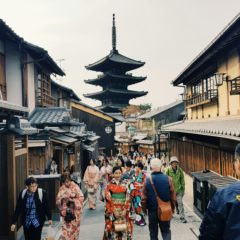
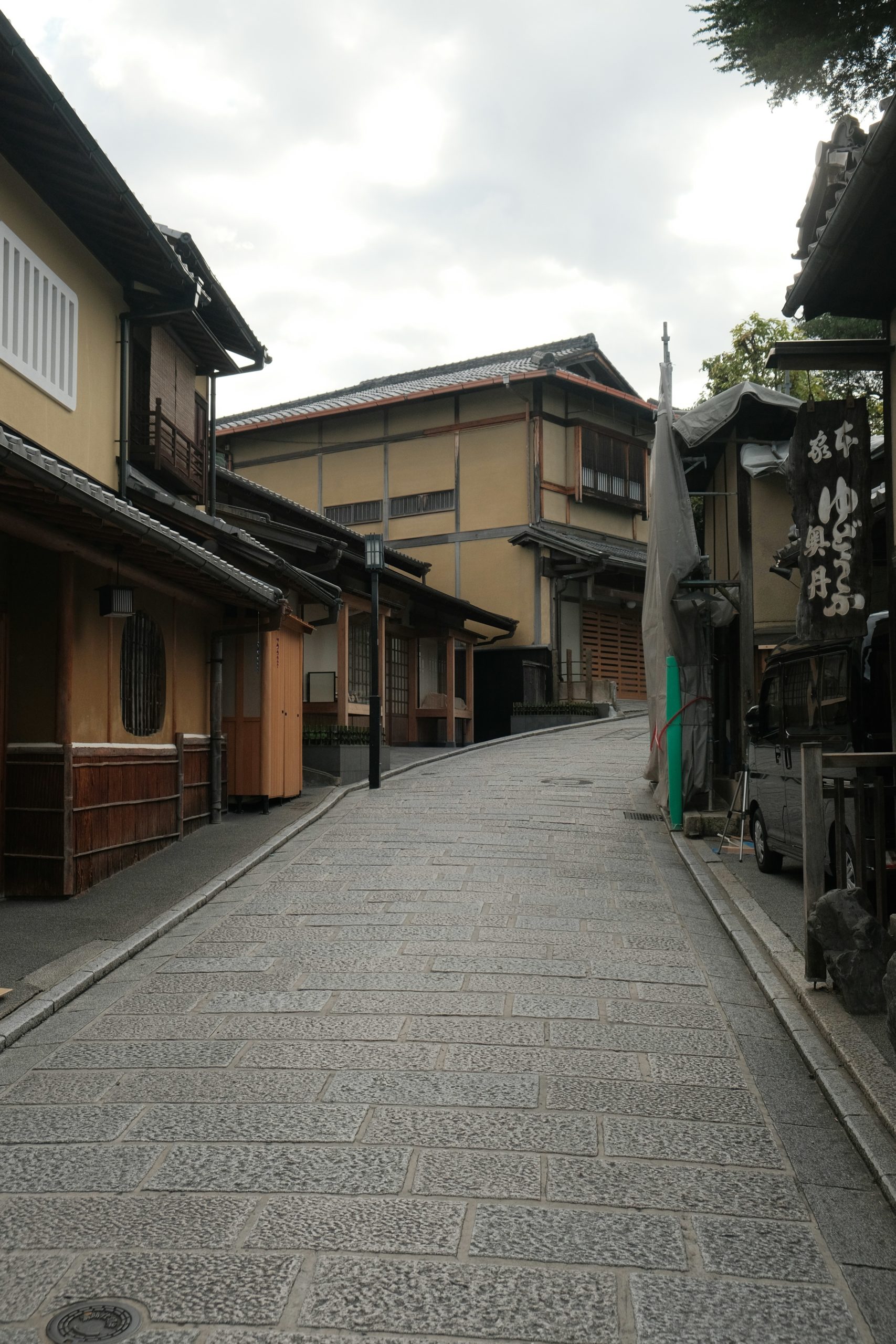
Kyoto is not just a destination; it is a living museum of Japanese culture. Home to countless temples, shrines, and teahouses, it invites visitors to slow down, listen, and feel. When you walk through the narrow lanes of Gion or the slopes of Higashiyama wearing a kimono, you don’t just visit Kyoto—you become part of it.
The rustle of silk, the subtle weight of the obi (belt), and the graceful posture encouraged by traditional attire create a bridge between the modern traveler and Japan’s refined past.
It’s the perfect setting for another sensory art form that values calm attention and subtle appreciation: Kōdō, the incense ceremony.
2. What Is Kōdō? The Way of Incense
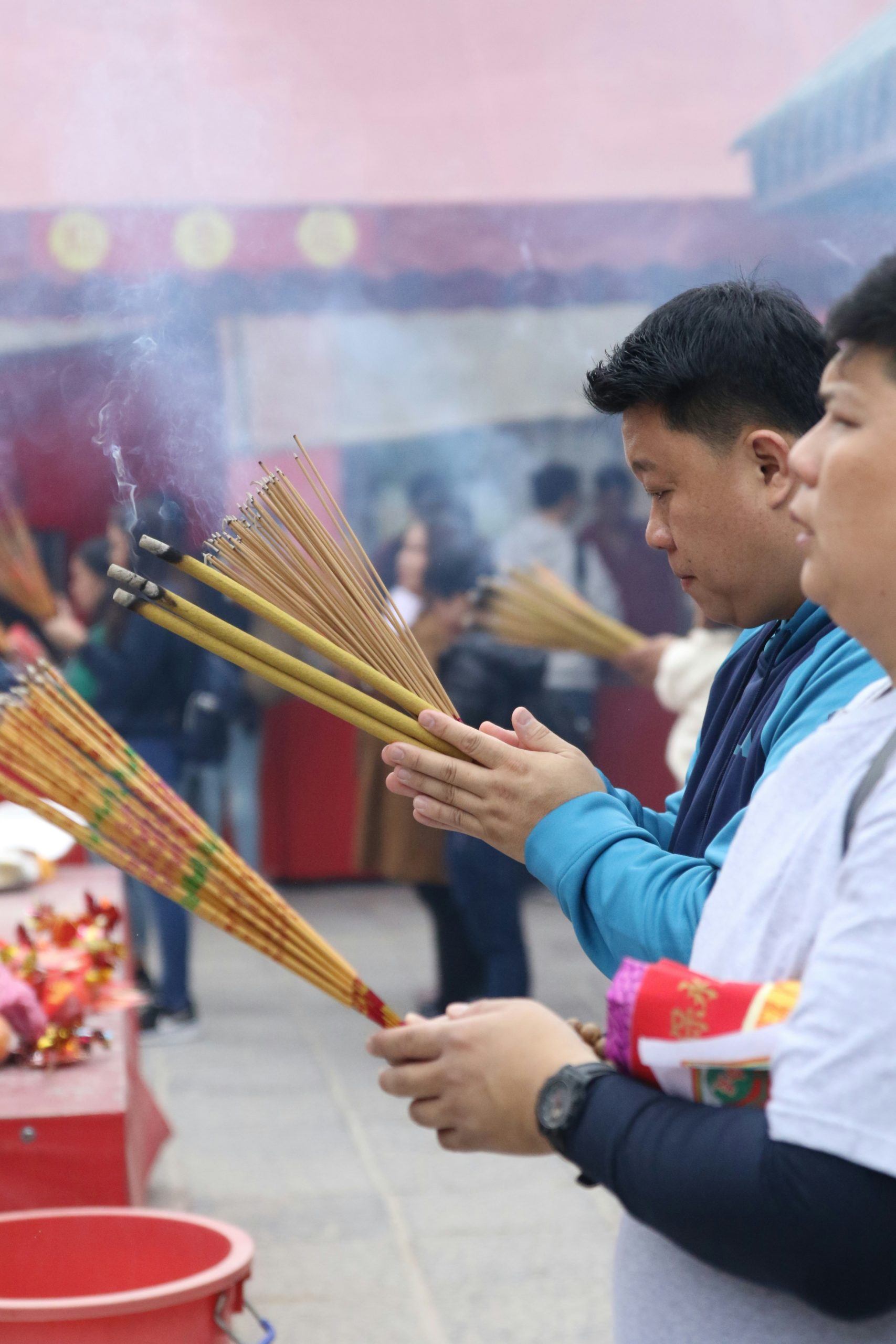 Kōdō (香道), literally “the way of fragrance,” is one of Japan’s classical arts—alongside chadō (tea ceremony) and kadō (flower arrangement). While tea ceremony refines the sense of taste and flower arrangement refines sight, Kōdō refines the sense of smell.
This practice began over a thousand years ago, when rare aromatic woods were brought to Japan from distant lands. By the Heian period (794–1185), the imperial court had transformed incense appreciation into a sophisticated pastime—writing poems about fragrances, competing to identify scents, and even using incense to perfume their clothing.
To “listen” to incense, or monkō (聞香), means to engage your whole awareness with a fragrance. The aim isn’t simply to identify the scent, but to experience it deeply, almost meditatively, as if the aroma were a story or a fleeting emotion.
3. Inside a Kōdō Ceremony
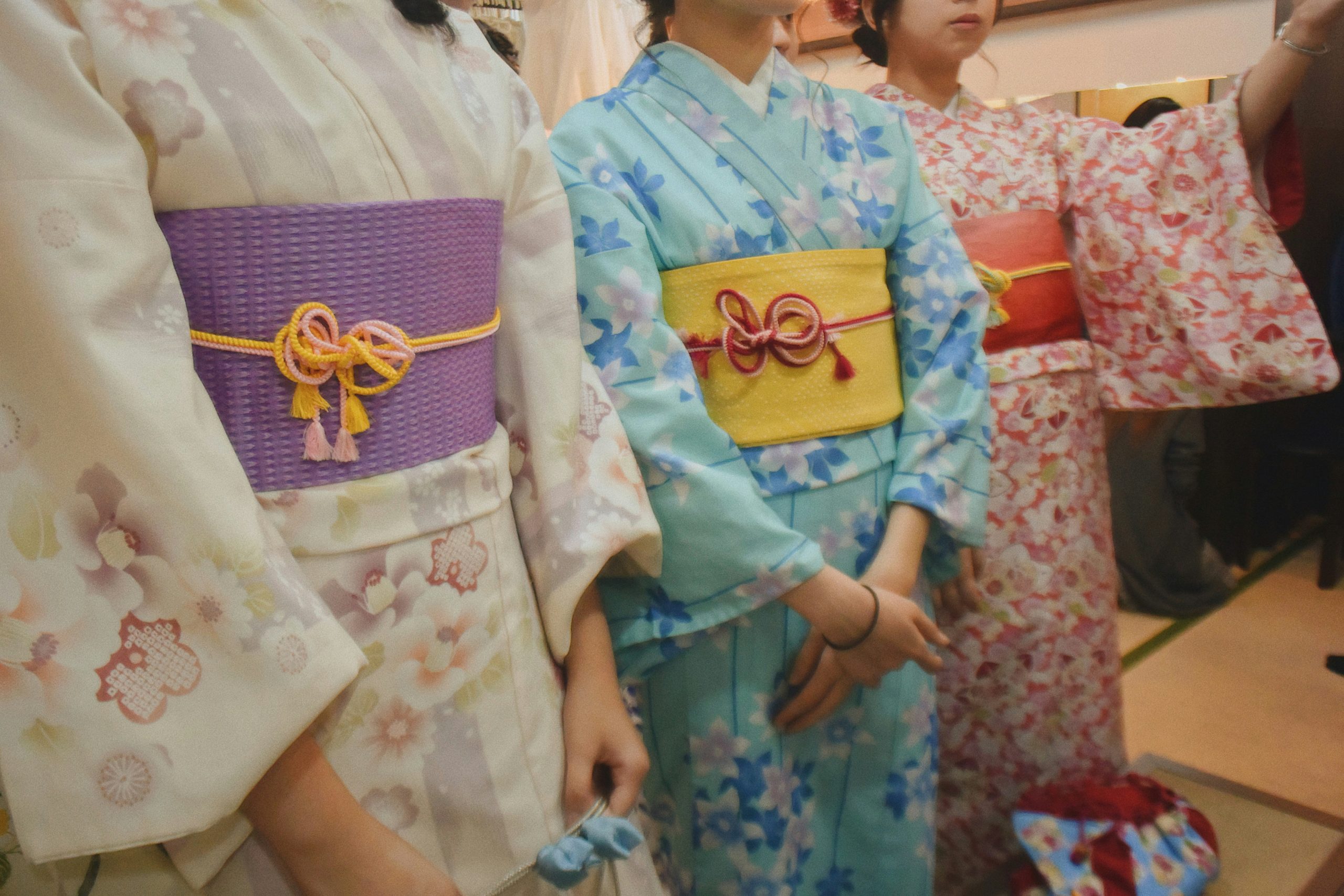 A Kōdō ceremony often unfolds in a quiet tatami room, with participants seated in a circle. In the center lies a small incense burner called a kōro, containing fine ash, charcoal, and a fragment of aromatic wood such as agarwood (jinkō).
When the host gently places the heated wood on the charcoal, a faint yet complex aroma drifts through the air. The participants “listen” to the scent—breathing slowly, focusing on its depth, warmth, and subtle transitions.
Some sessions include a game known as kumikō, where guests try to distinguish between several incense types. The most famous version, Genjikō, is inspired by The Tale of Genji and connects scent to literature, memory, and emotion.
More than a ritual, Kōdō is an invitation to mindfulness. It reminds us to slow down, engage one sense fully, and discover joy in stillness.
4. The Harmony Between Kimono and Kōdō
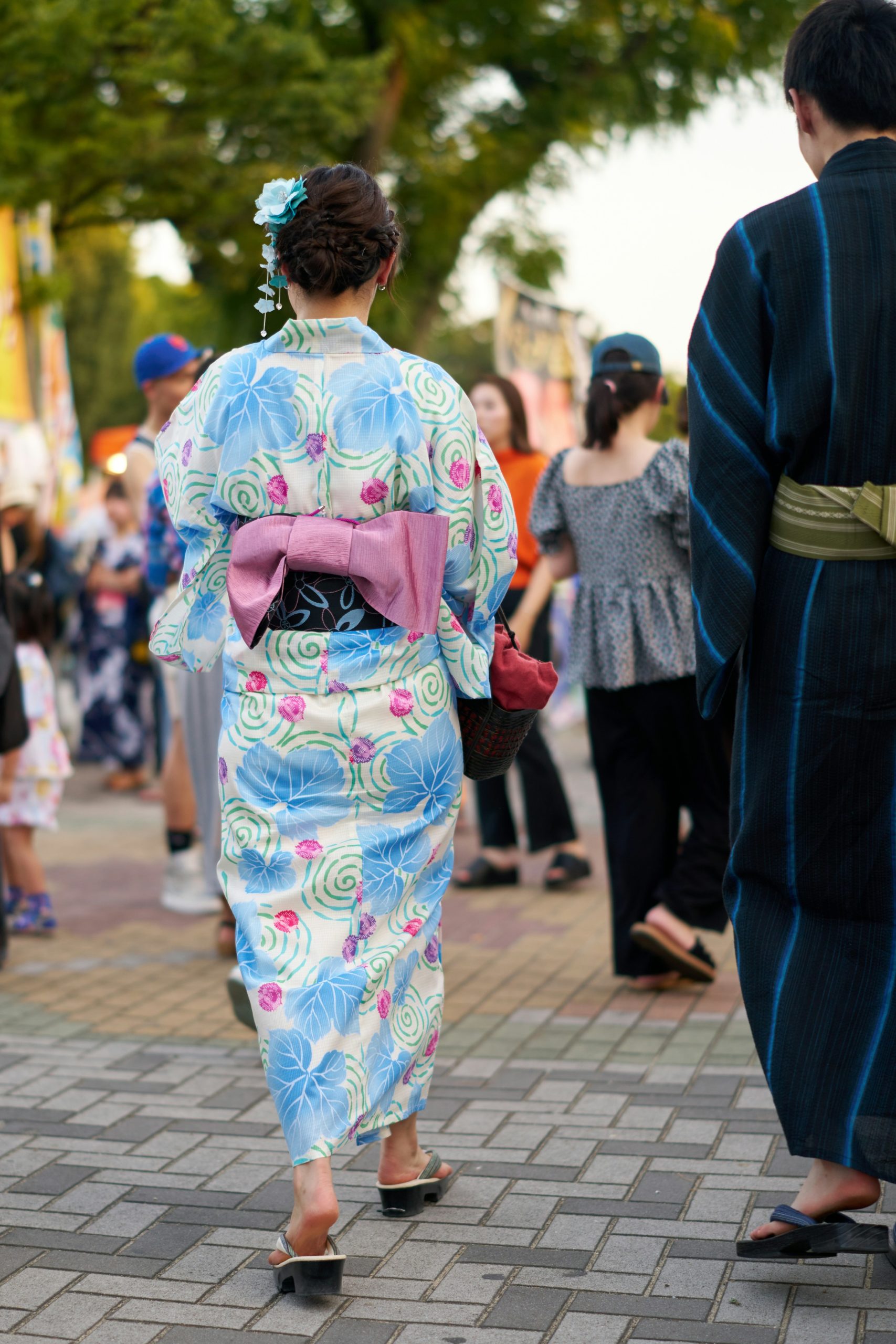 Wearing a kimono transforms how you move and perceive the world; participating in Kōdō transforms how you sense it. Together, they create harmony—sight and scent, form and spirit.
Imagine this:
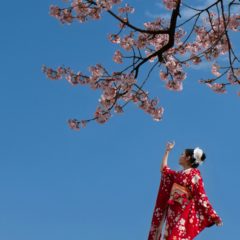
You arrive at a Kyoto kimono rental shop early in the morning. You choose a silk kimono whose color complements the season—perhaps soft cherry hues in spring or maple tones in autumn. After being dressed, you walk through Ninenzaka and Yasaka Shrine, pausing for photos among the wooden machiya houses.
Later, you enter a traditional incense studio. The quiet room, the soft aroma, the gentle movement of your sleeves—it all feels like a painting come to life. Every breath connects you to centuries of Japanese artistry.
For travelers, it’s not merely sightseeing—it’s living heritage. For businesses like Kimono Rental Mimosa, offering both kimono rental and cultural experiences like Kōdō creates a powerful, authentic memory guests will cherish—and share.
5. Experiencing Kōdō in Kyoto
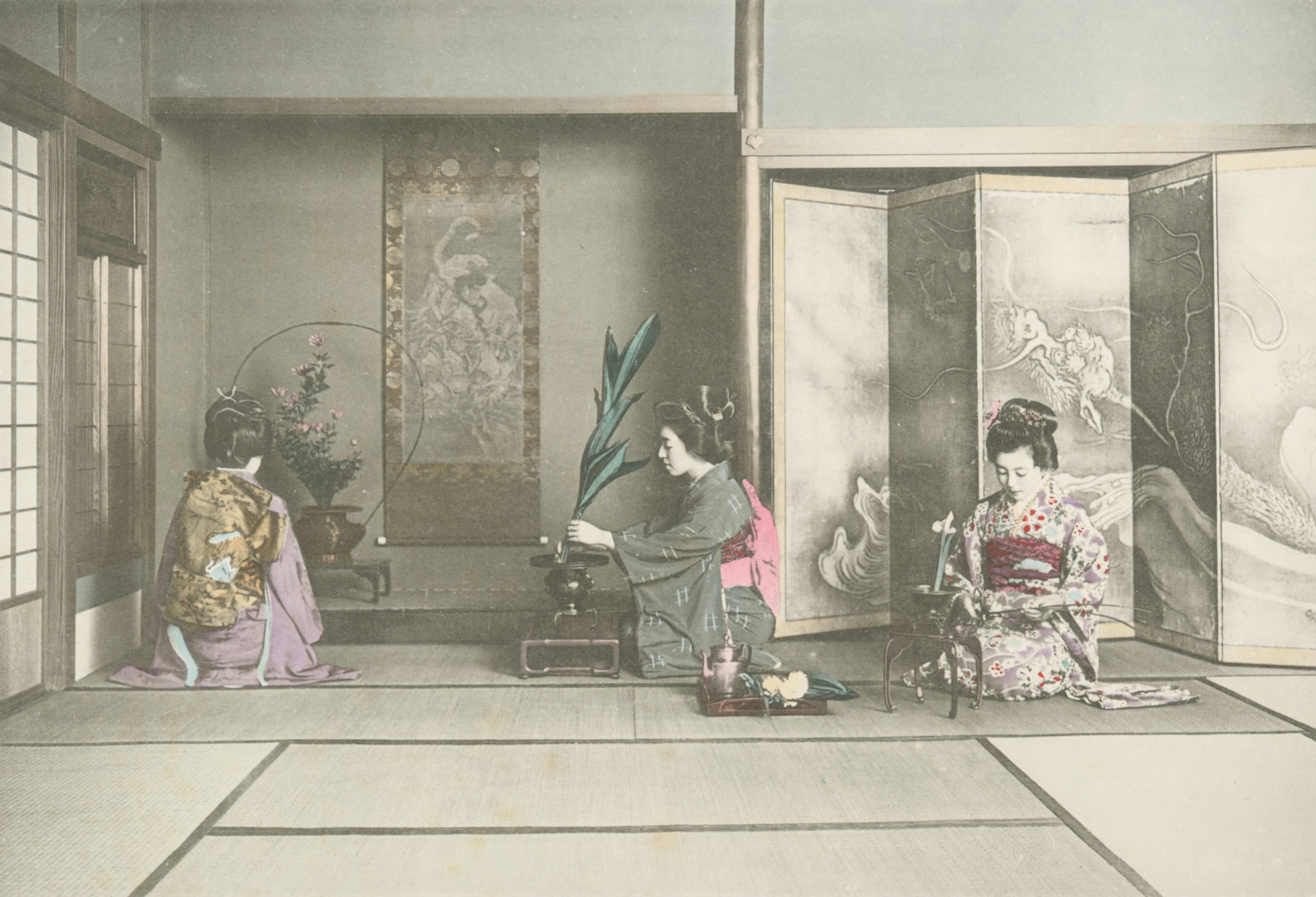 Kyoto is one of the few cities in Japan where you can easily find Kōdō workshops open to visitors. Many are led by masters who preserve lineages dating back hundreds of years. These sessions may include:
Introduction to incense materials – Learn about agarwood, sandalwood, and blends.
Monkō (“listening” to incense) – Focus your mind as you experience the scent.
Kumikō game – Test your ability to identify fragrances.
Tea and reflection – End with matcha and wagashi sweets.
The ceremony lasts about one hour, and pairing it with a kimono rental creates a balanced day: beauty, culture, and peace of mind.
6. The Spirit of Mindfulness in Japanese Arts
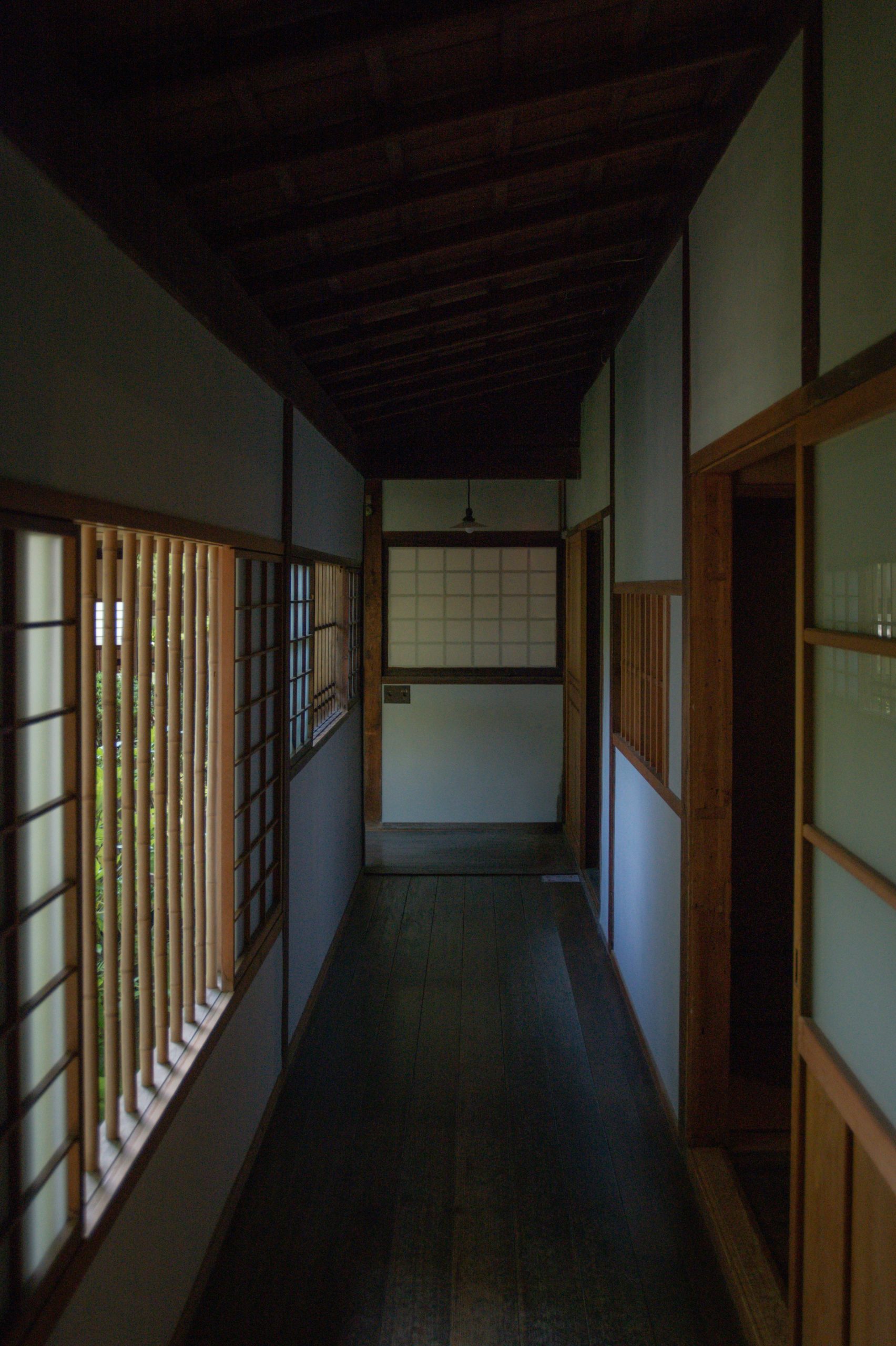 All traditional Japanese arts share one core value: presence. Whether arranging flowers, preparing tea, or listening to incense, the goal is not performance—it’s awareness.
The kimono, too, is part of this mindfulness. Its layers require deliberate movement; it demands stillness, posture, and care. Together, the kimono and Kōdō teach us to move, see, and feel with intention.
In our digital world, where moments rush by, these practices offer a rare luxury: slowness. They remind us that elegance lies in simplicity and attention.
7. Creating an Unforgettable Cultural Memory
For visitors, wearing a kimono and joining an incense ceremony offers more than beautiful photos—it creates a connection with Kyoto’s living spirit.
Businesses like Kimono Rental Mimosa can enhance that experience by offering convenient packages: kimono rental, hairstyling, and optional participation in a local incense ceremony. Guests can enjoy Kyoto as locals once did—through fabric, fragrance, and quiet contemplation.
And while the memory fades, the scent lingers—just like the impression of Kyoto itself.
8. Conclusion
The art of Kōdō invites you to “listen” to fragrance; the kimono invites you to “wear” beauty. Together, they define Kyoto’s refined way of living—graceful, deliberate, and filled with meaning.
So next time you visit Kyoto, don’t just take pictures. Step into a silk kimono, slow your breath, and let the aroma of ancient woods tell its story.
Experience Kyoto with Kimono Rental Mimosa
Where tradition, scent, and style meet in perfect harmony.