Kimono and Shintoism in Kyoto
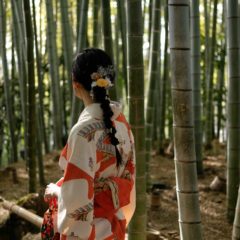
When visiting Kyoto, one cannot help but notice the timeless presence of the kimono. This traditional garment is not just clothing—it is a symbol of Japanese identity, deeply intertwined with religion, ritual, and seasonal festivals. In Shintoism, Japan’s indigenous faith, clothing plays a vital role in connecting humans to the divine. Among all garments, the kimono remains the most iconic, embodying both cultural heritage and spiritual symbolism.
In this article, we will explore how kimono is used in Shinto rituals, its role in Kyoto’s many festivals, and why wearing one while experiencing these traditions allows you to feel the heart of Japan.
Fushimi Inari Shrine – Kimono Experience
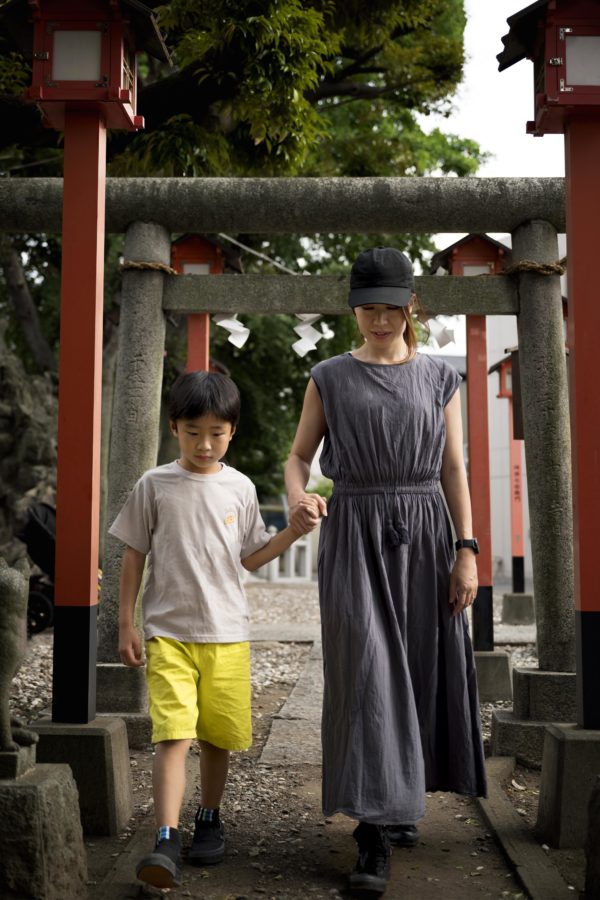
Traditional kimono worn during shrine visits creates a spiritual connection between visitor and sacred space
1. The Connection Between Shintoism and Clothing
Shintoism emphasizes purity, nature, and harmony with the kami (gods or spirits). Clothing is not only practical but also a sacred layer that protects the body and expresses respect for divine beings.
Clothing in Shintoism is therefore not just fashion, but a channel of communication with the sacred.
2. Kimono in Kyoto’s Shinto Shrines
Kyoto, the cultural capital of Japan, is home to more than 1,600 temples and 400 shrines. Among them, major Shinto shrines like Fushimi Inari Taisha, Heian Shrine, and Yasaka Shrine host grand festivals where the kimono takes center stage.
Fushimi Inari Taisha:
Known for its thousands of vermilion torii gates, this shrine sees visitors wearing elegant kimono as they pray for prosperity and safe journeys.
Heian Shrine:
During the Jidai Matsuri (Festival of the Ages), participants wear historical kimono that recreate centuries of Japanese clothing styles.
Yasaka Shrine:
At the Gion Matsuri, one of Japan’s most famous festivals, kimono-clad locals and tourists blend into a sea of tradition and celebration.
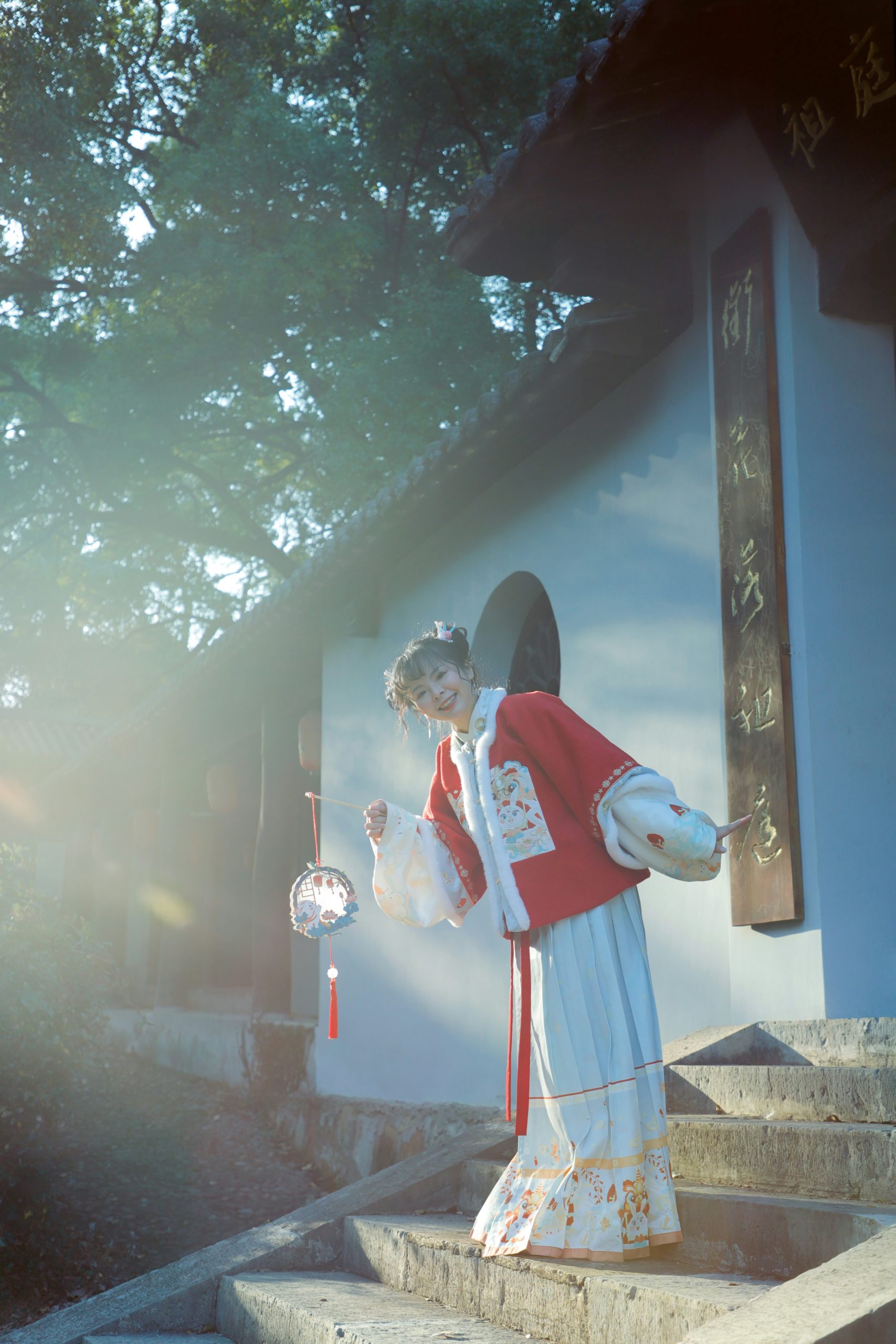
Wearing kimono in these shrines is not only a cultural gesture but a way to immerse oneself in the spiritual atmosphere of Kyoto.
3. Symbolism of Kimono in Shinto Rituals
Each detail of the kimono carries symbolic meaning:
Colors:
White = purity, beginnings
Red = protection against evil spirits
Blue/green = harmony with nature
Motifs:
When worn in rituals, these elements transform the kimono into a living prayer, making the body itself part of the sacred act.
4. Festivals in Kyoto Where Kimono Plays a Central Role
? Gion Matsuri (祇園祭)
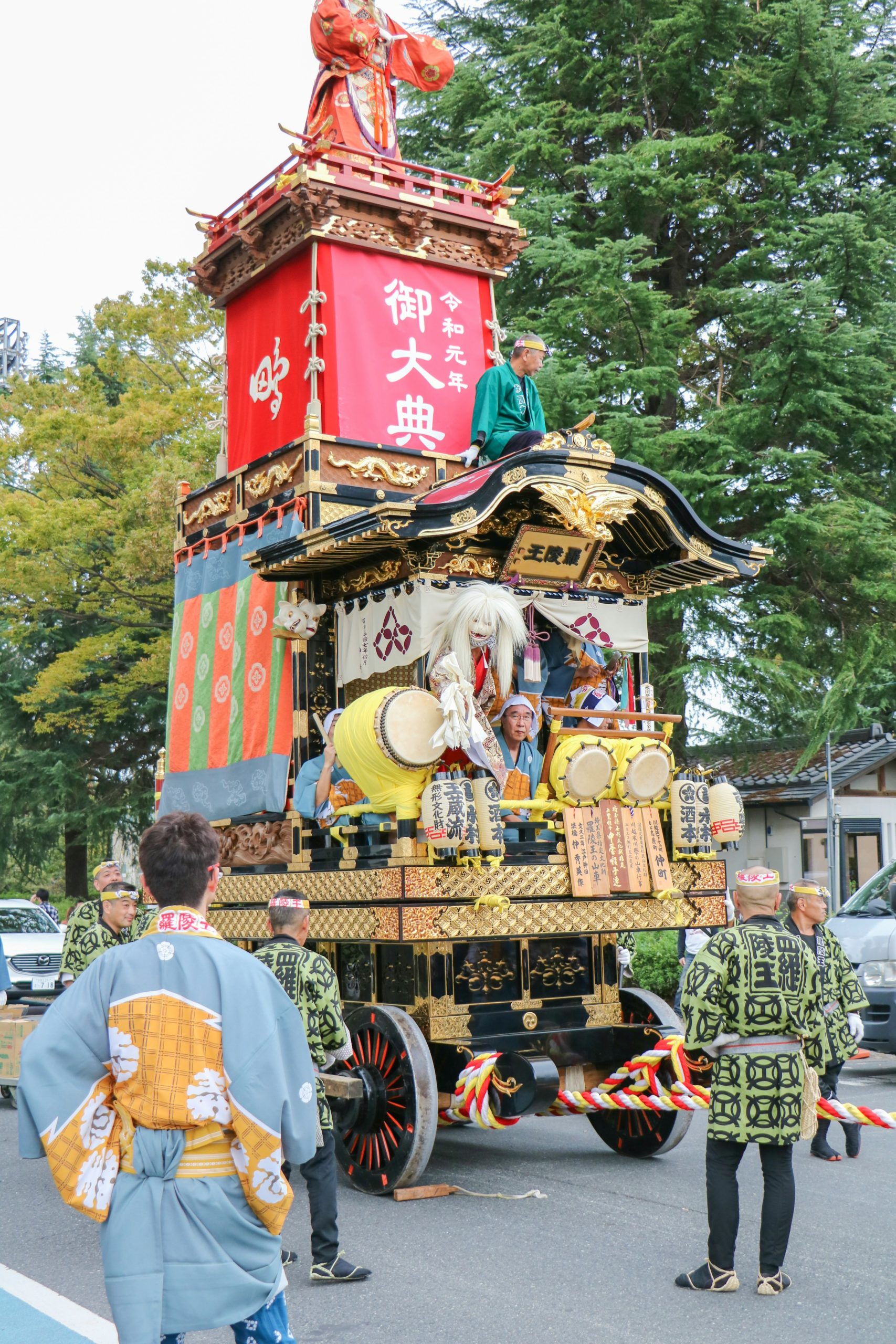
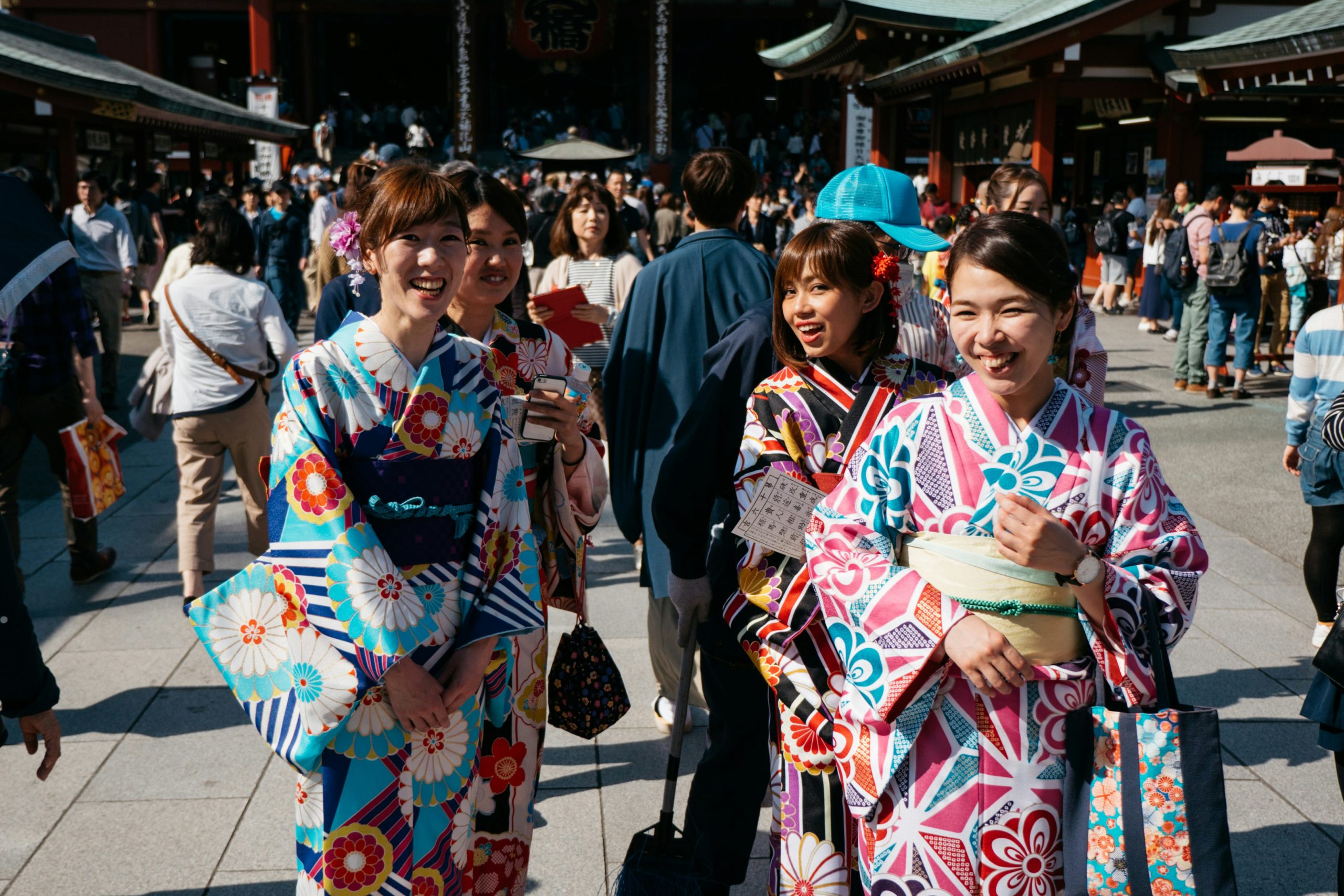
Held every July, this is Kyoto’s most iconic festival. Streets fill with floats, processions, and people in colorful kimono. Tourists often rent kimono to join the celebration, blending modern experiences with centuries-old traditions.
? Aoi Matsuri (葵祭)
One of Kyoto’s three great festivals, held at the Shimogamo and Kamigamo Shrines, it features a grand procession where participants wear aristocratic Heian-era kimono.
? Jidai Matsuri (時代祭)
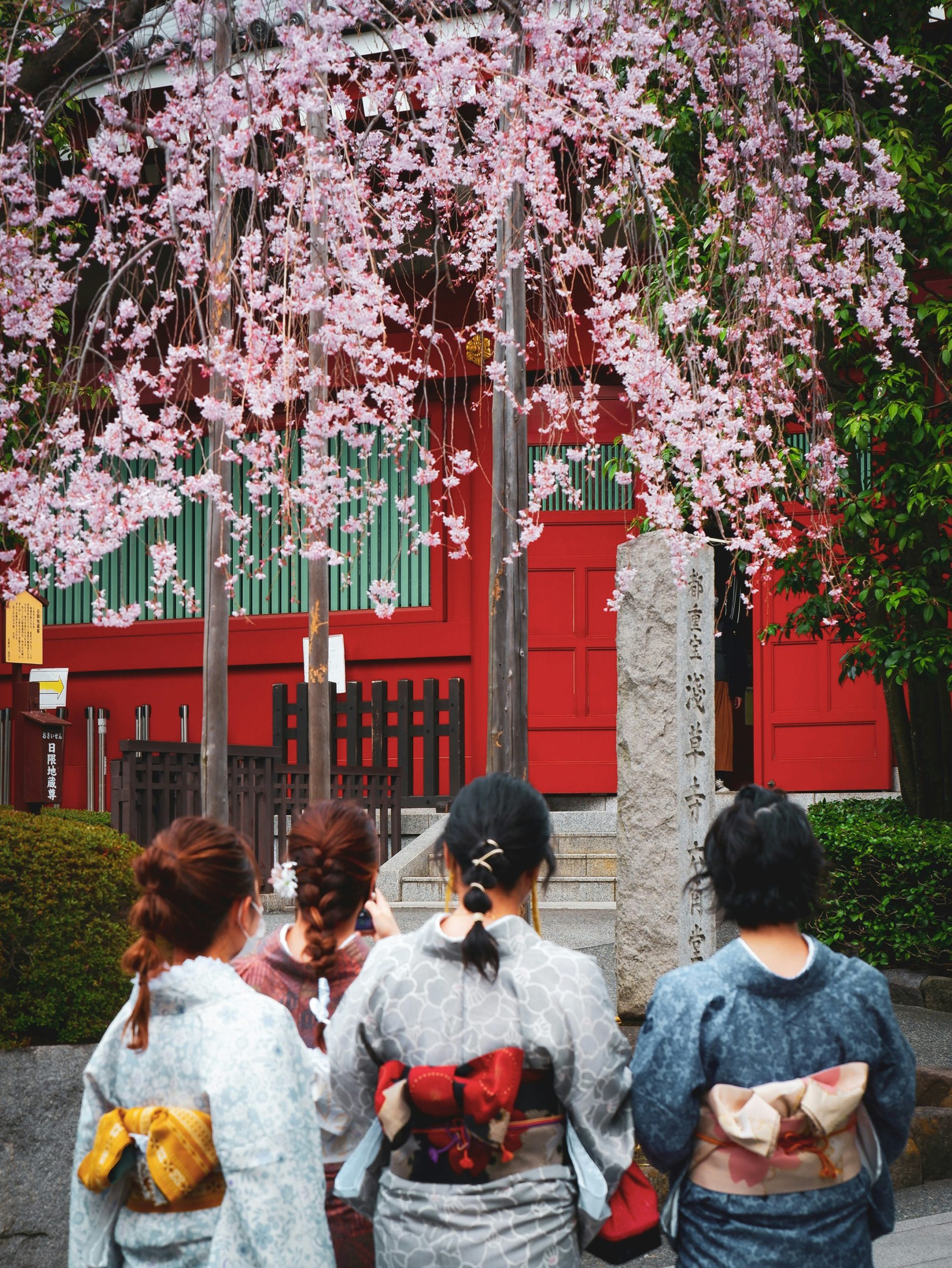
The “Festival of the Ages” celebrates Kyoto’s rich history, showcasing kimono from different eras. Visitors in rental kimono can watch the spectacle while walking the same streets once graced by emperors and nobles.
? Setsubun (節分) at Yasaka Shrine
A seasonal festival marking the beginning of spring. People in kimono join the ritual of throwing beans to ward off evil spirits, embracing both fun and faith.
5. Renting a Kimono in Kyoto for a Shinto Experience
If you want to take part in these traditions, renting a kimono is the best way. Kyoto offers countless rental shops, but choosing the right one is key to comfort and authenticity.
At Mimosa Kimono Rental in Kyoto, you can find high-quality kimono tailored for festivals, shrine visits, and photoshoots. Whether you are walking under the torii gates of Fushimi Inari or posing in front of Yasaka Shrine, a kimono allows you to merge with the spirit of Kyoto.
? Tip: Book your rental in advance during festivals, as demand is extremely high.
6. Experiencing Shinto Rituals in Kimono
Visitors who wear kimono while attending shrine rituals often describe the experience as transformative. The garment changes posture, movement, and even the way one perceives the atmosphere.
Steps to fully experience it:
- 1Rent a kimono and learn how to wear it properly.
- 2Visit a shrine such as Fushimi Inari or Heian Jingu.
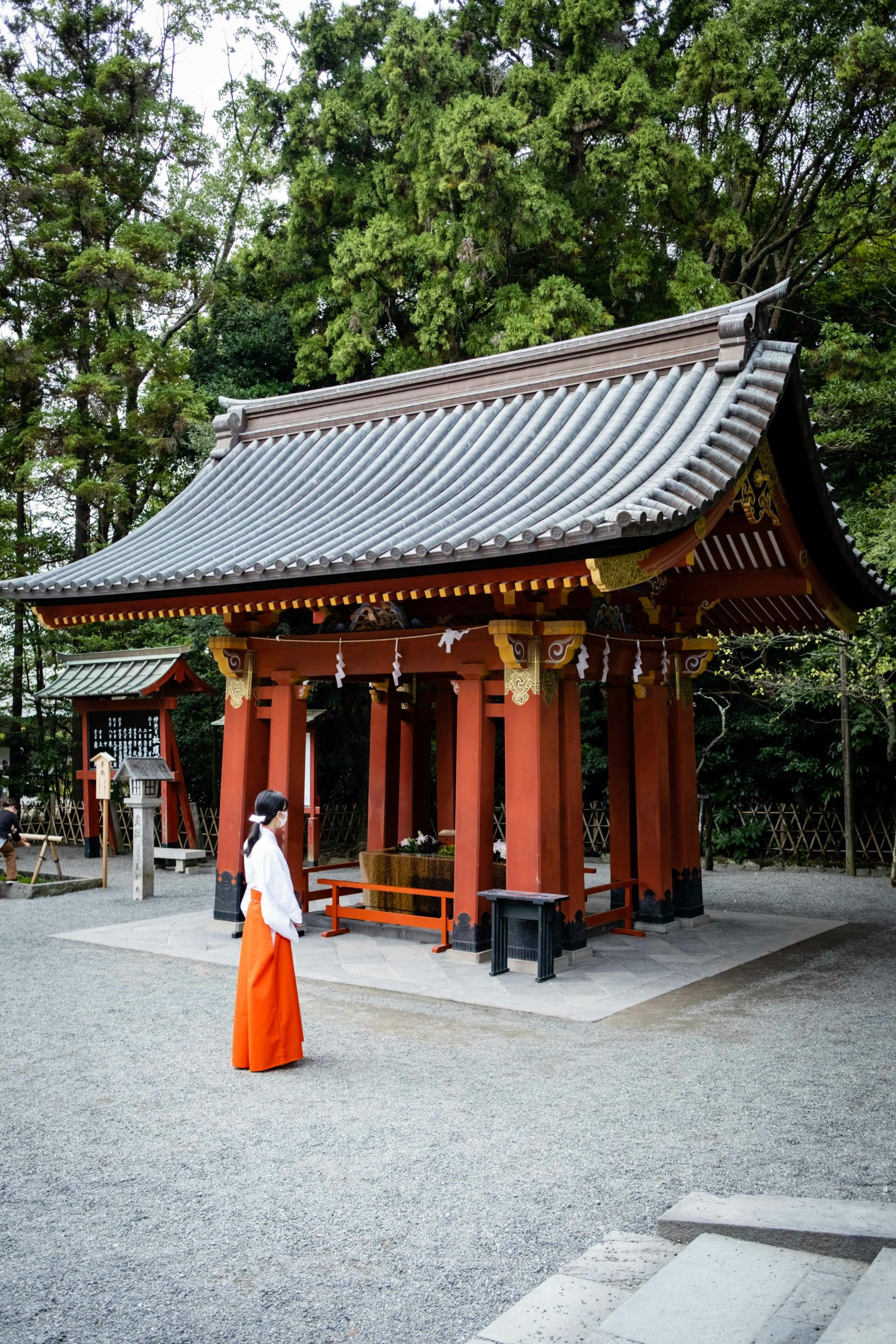
- 3Wash hands and mouth at the purification fountain.
- 4Bow, clap, and offer prayers while in kimono.
- 5Take respectful photographs to remember the spiritual moment.
7. The Modern Appeal: Kimono as Cultural Tourism
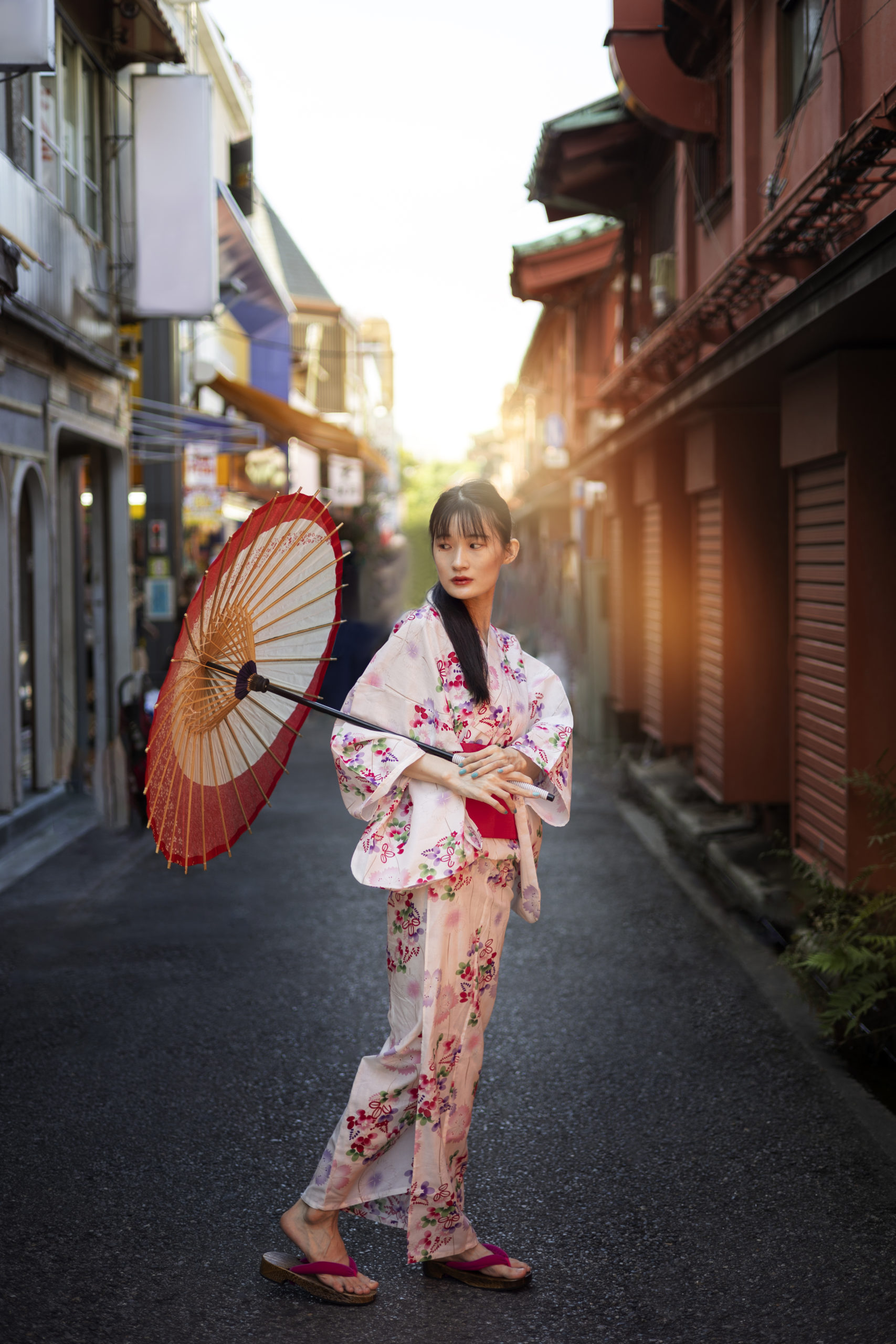
Beyond rituals, kimono has become a bridge between tradition and tourism. In Kyoto, thousands of international visitors rent kimono not just for style, but for the chance to embody centuries of culture.
The growing popularity of kimono rental services allows both locals and travelers to preserve traditions while adapting them for today’s world.
8. Conclusion: Kimono as a Sacred and Cultural Gateway
Kyoto is not just a city—it is a living museum of Japanese culture. By wearing a kimono during Shinto rituals and festivals, you don’t just witness history—you become part of it.
For anyone visiting Kyoto, experiencing Shinto traditions in kimono is a must. It is a journey into Japan’s spiritual heart, where clothing becomes a sacred expression of harmony with nature, community, and the divine.
? Book your kimono experience now at Mimosa Kimono Rental Kyoto
and immerse yourself in the beauty of Shinto traditions.