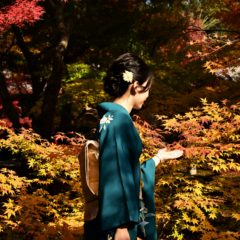
Kimono and Japanese Calligraphy in Kyoto
Kyoto is the beating heart of Japan’s traditional culture. Unlike the fast-paced modernity of Tokyo, Kyoto moves at a slower rhythm—one that allows you to truly savor history, beauty, and the elegance of Japanese traditions. Two of the most iconic experiences you can enjoy in this ancient city are wearing a kimono and learning Japanese calligraphy (shodō).
Combining these activities into a single day not only immerses you in Japanese culture but also gives you memories—and stunning photographs—that will last a lifetime. Whether you are a traveler, a culture enthusiast, or simply someone seeking a unique experience, this guide will help you plan the perfect day in Kyoto, blending the art of the kimono with the timeless beauty of calligraphy.
Why Kyoto is the Best Place for This Experience
Kyoto was Japan’s capital for over a thousand years, from 794 to 1868. It is home to ancient temples, shrines, traditional tea houses, and well-preserved streets where history feels alive. Here, the kimono is not just a costume for tourists—it’s part of the city’s living tradition.
Many Kyoto neighborhoods, like Gion, Higashiyama, and Arashiyama, are perfect for walking in a kimono. And when you add Japanese calligraphy into the mix, you connect not only with the aesthetic side of Japan but also with its philosophical and meditative aspects.
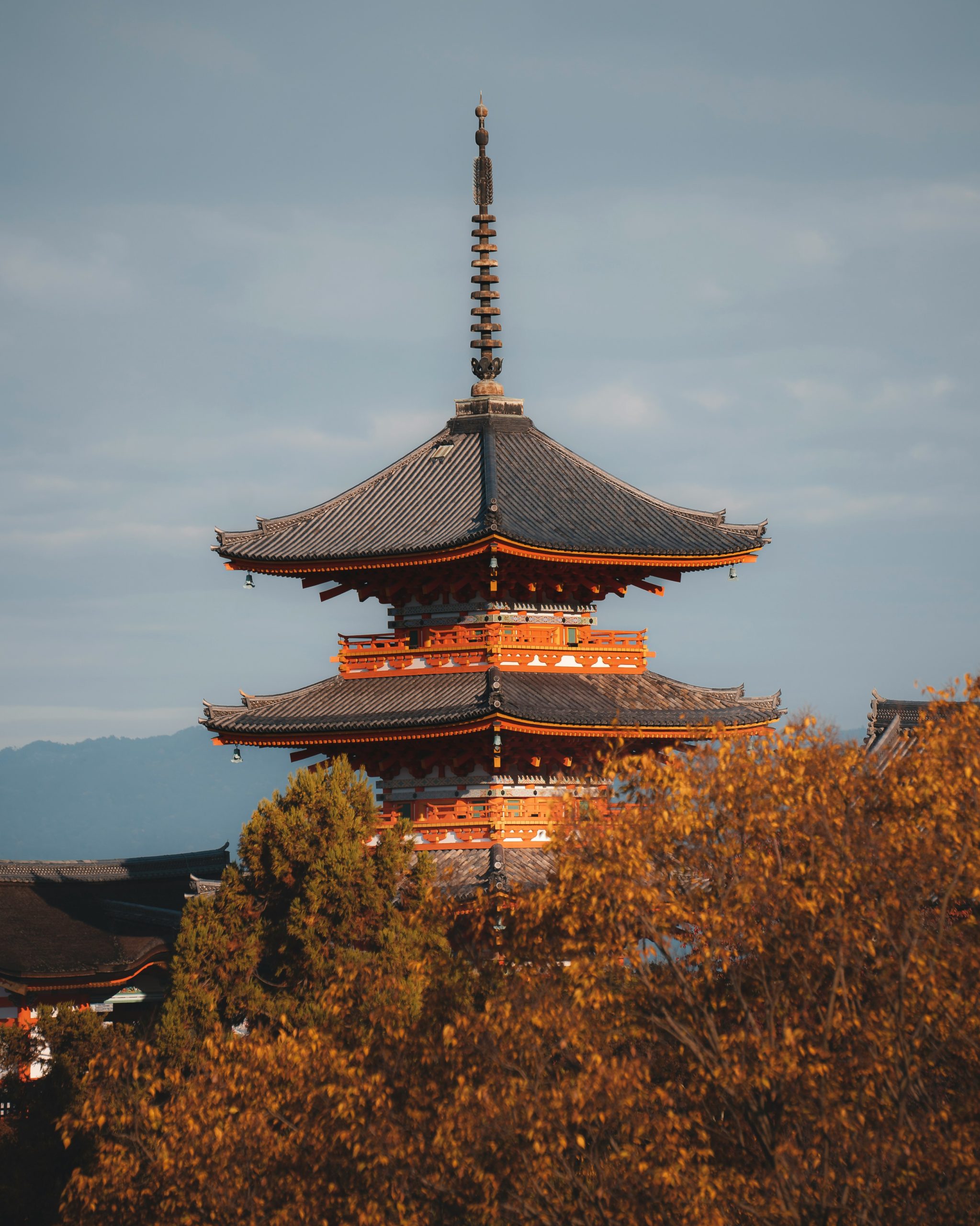
The iconic Yasaka Pagoda in Higashiyama District – a perfect backdrop for kimono photography
Morning: Wearing the Kimono
The Meaning Behind the Kimono
The kimono is Japan’s national garment, symbolizing elegance, respect, and tradition. The word kimono literally means “thing to wear” (ki = wear, mono = thing), but it’s much more than clothing—it’s a piece of living art.
Kyoto offers numerous kimono rental shops that dress you in authentic styles. Many include hairstyling, accessories, and advice on how to pose for photographs. The fabrics, patterns, and seasonal motifs in kimonos have deep cultural meaning. For example:
- Spring kimonos often feature cherry blossoms (sakura) or wisteria (fuji).
- Summer kimonos use lighter fabrics and refreshing colors like aqua blue or soft pink.
- Autumn kimonos may include maple leaves (momiji) in shades of red and gold.
- Winter kimonos often display pine, bamboo, and plum flowers—symbols of resilience and hope.
How to Choose the Right Kimono in Kyoto
When selecting your kimono rental, consider:
- Location proximity to the areas you want to visit.
- Photographic scenery nearby.
- Package options (some include professional photoshoots).
Tip:
If you want a truly memorable experience, book a kimono rental that also offers a photography session. Our business provides this service right in Kyoto—book your photo session here.
Best Spots in Kyoto for Kimono Photography
- Gion District – Famous for geisha culture and wooden machiya houses.
- Kiyomizu-dera Temple – A UNESCO site with sweeping city views.
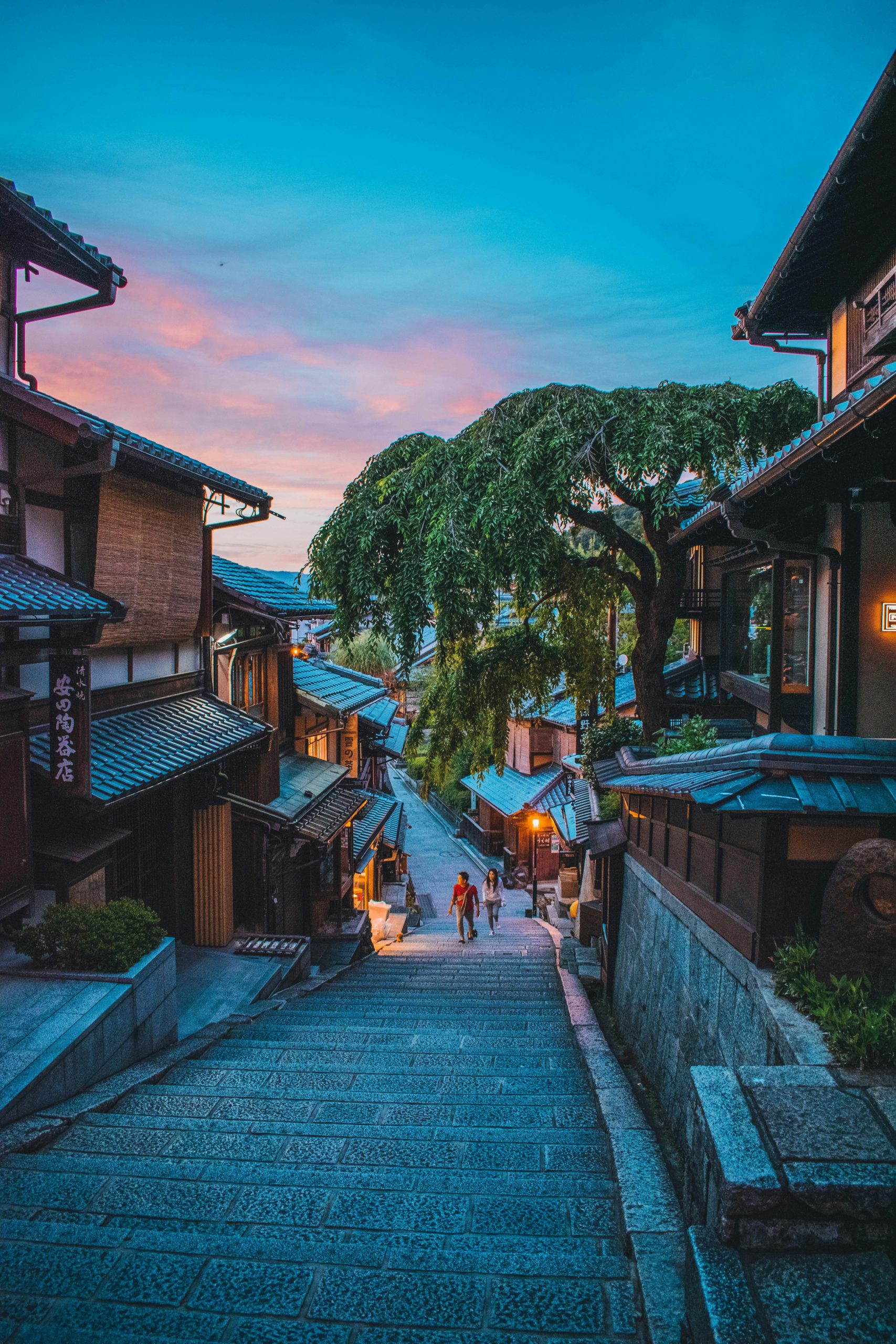
- Higashiyama Streets – Narrow, stone-paved lanes lined with shops.
- Yasaka Pagoda – Iconic five-story pagoda perfect for traditional shots.
- Arashiyama Bamboo Grove – Magical green pathways.
Kiyomizu-dera Temple – A UNESCO World Heritage Site offering breathtaking views of Kyoto
Afternoon: Discovering Japanese Calligraphy (Shodō)
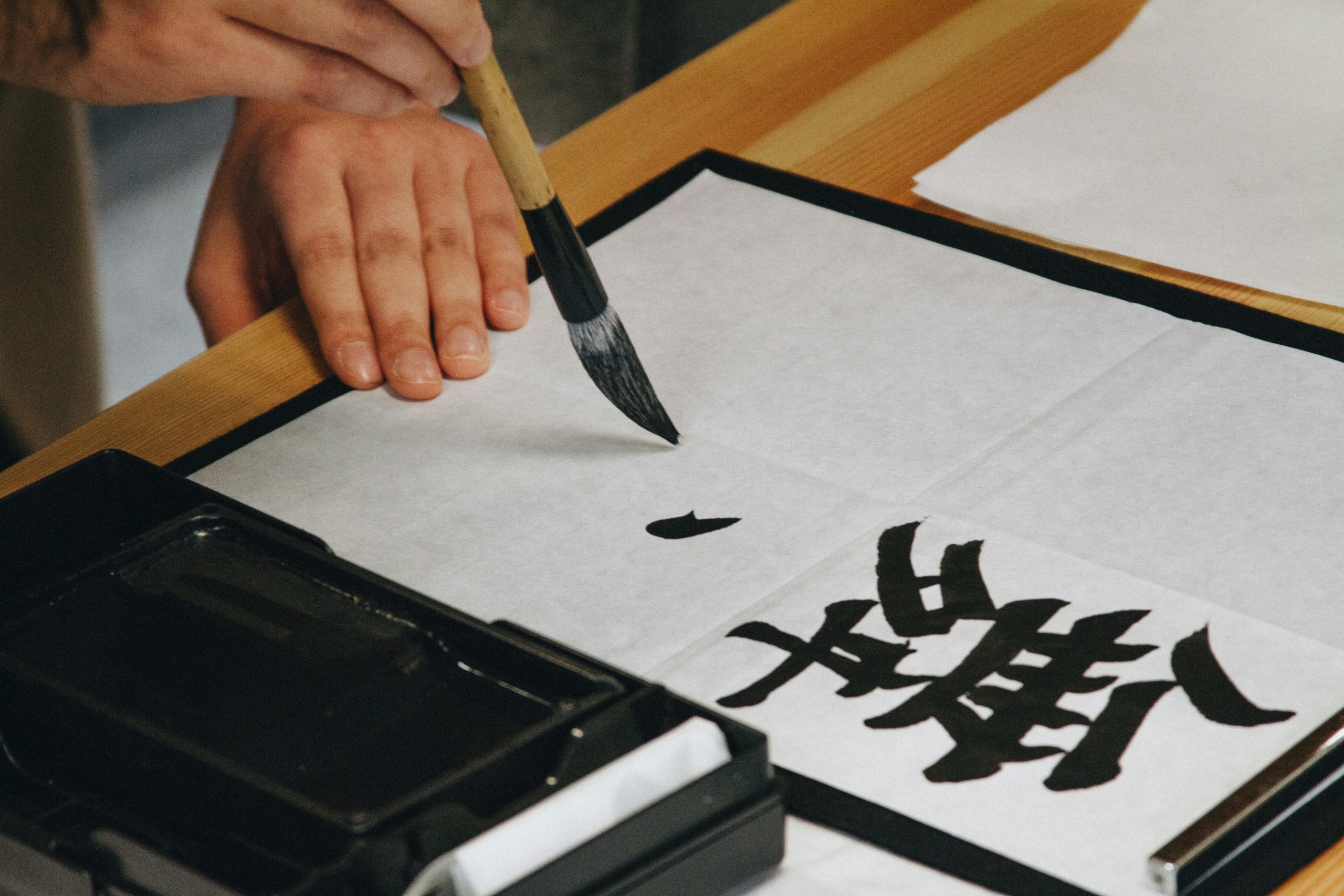
The elegant art of Shodō – Japanese calligraphy combining meditation and artistic expression
The Art of Shodō
Shodō, or Japanese calligraphy, is more than writing—it’s a meditative art form. Using ink (sumi), brush (fude), and paper (washi), calligraphy artists express emotion, philosophy, and beauty in every stroke.
Learning shodō in Kyoto connects you to centuries-old traditions. Classes often take place in serene tatami rooms, surrounded by the scent of ink and the soft sound of brush on paper.
What You’ll Learn in a Kyoto Calligraphy Class
A typical beginner’s session covers:
- Introduction to tools – brush, inkstone, paper.
- Basic strokes – vertical, horizontal, diagonal.
- Common kanji – characters like 愛 (ai = love), 和 (wa = harmony), or 夢 (yume = dream).
- Creating your own piece – guided by the instructor.
Some classes even let you write your name in katakana, perfect for framing as a travel memory.
Why Calligraphy Complements the Kimono Experience
Both the kimono and shodō require mindfulness, patience, and attention to detail. Wearing a kimono changes how you move—gracefully, slowly—while calligraphy teaches you to slow your mind. Together, they create a full cultural immersion in Kyoto’s timeless atmosphere.
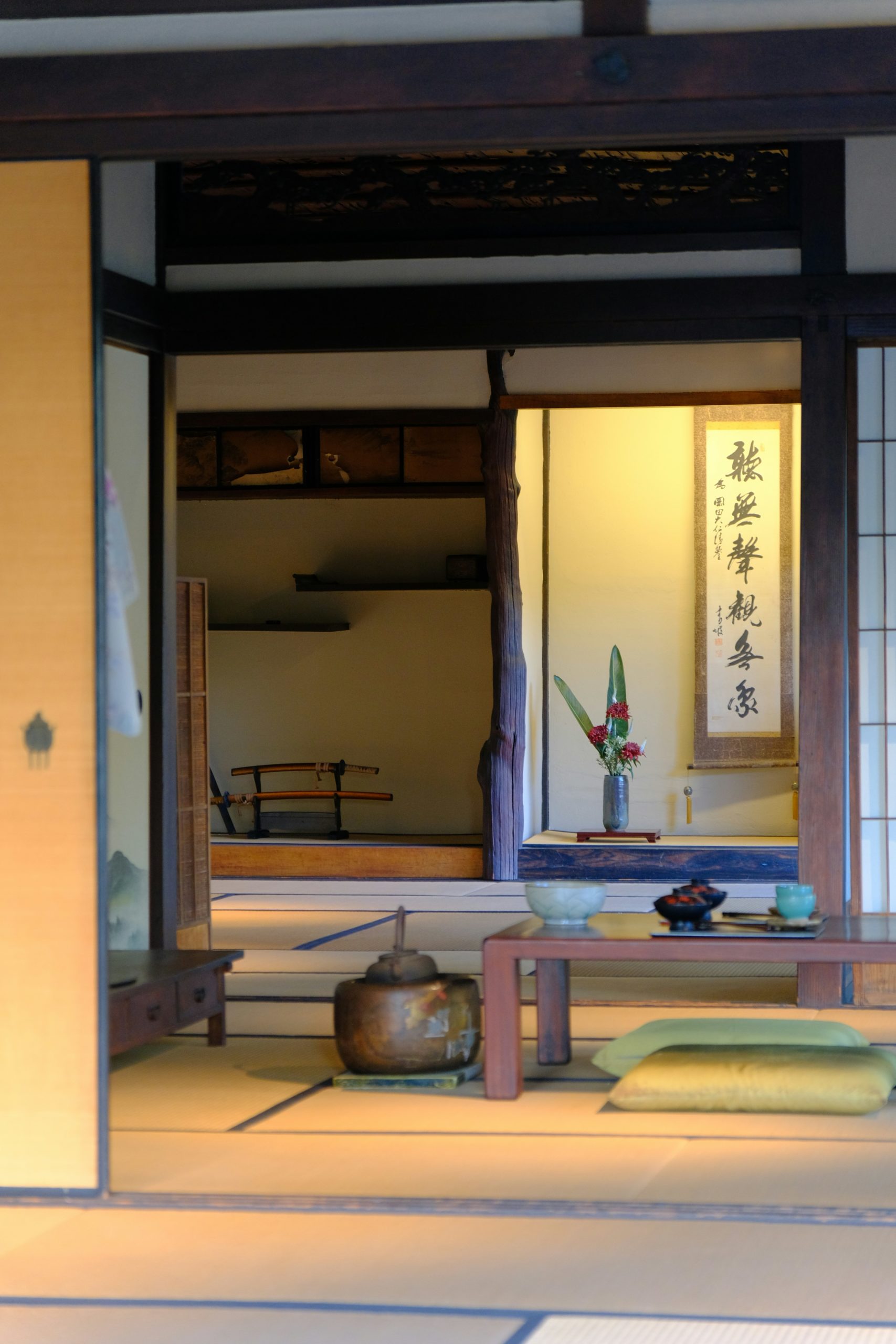
The enchanting Arashiyama Bamboo Grove – a magical setting for kimono photography
The Perfect One-Day Itinerary
| Time | Activity | Location Suggestion |
|---|---|---|
| 9:00 AM | Pick up your kimono & hairstyling | Gion area |
| 10:00 AM | Morning photography session | Yasaka Pagoda & Higashiyama |
| 12:30 PM | Lunch at a traditional Kyoto restaurant | Pontocho or Nishiki Market |
| 2:00 PM | Japanese calligraphy class | Local cultural center or studio |
| 4:30 PM | Afternoon tea or matcha ceremony | Near Kiyomizu-dera |
| 6:00 PM | Return kimono & enjoy evening in Kyoto | Gion streets at dusk |
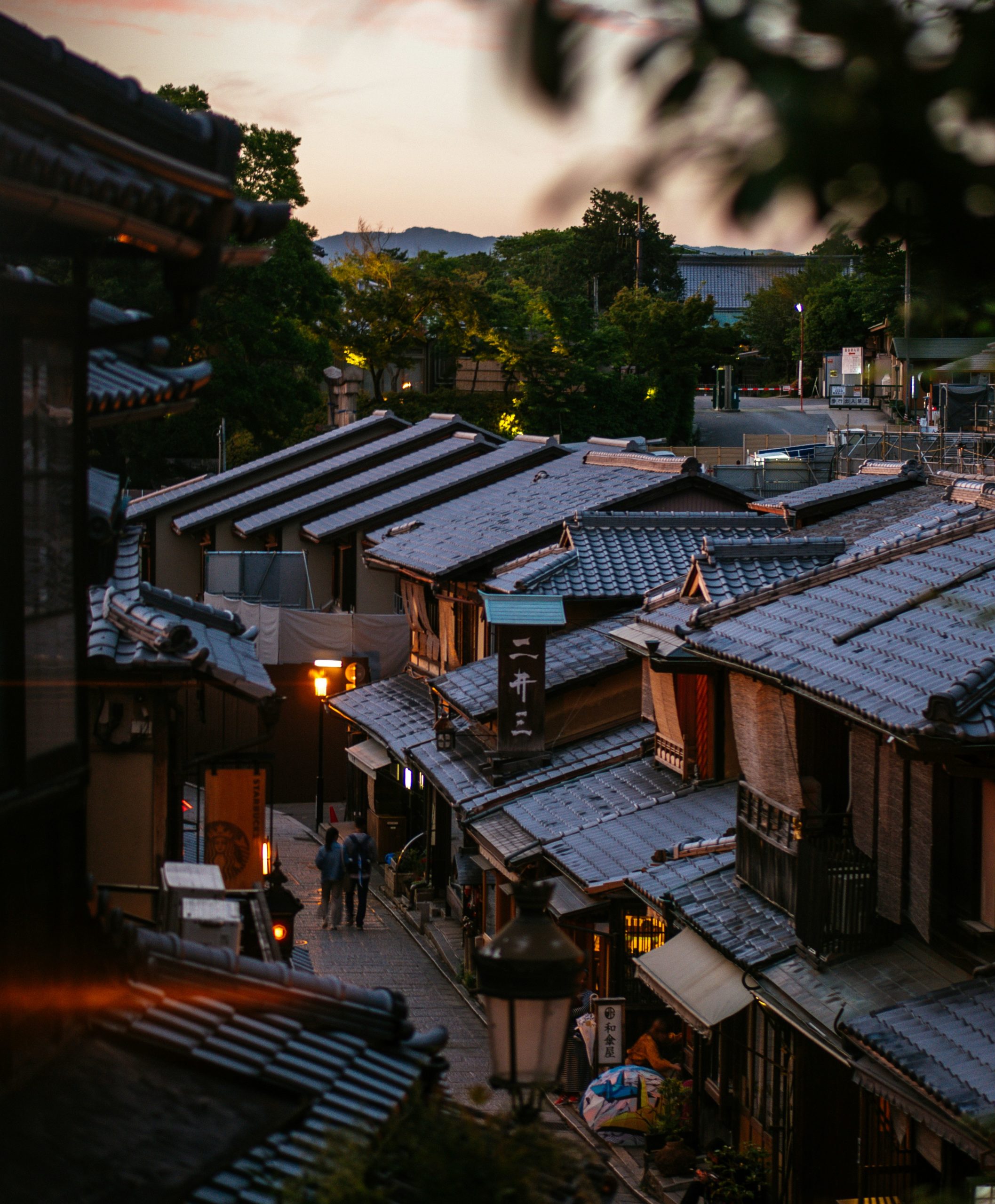
Experience an authentic tea ceremony while wearing kimono – the perfect cultural combination
Tips for a Smooth Experience
- Book in advance, especially during cherry blossom or autumn leaf seasons.
- Wear comfortable tabi socks before arriving at the kimono shop.
- Avoid rainy days if possible—silk kimonos are delicate.
- Bring a small bag for personal items.
- Take breaks during photography sessions to enjoy the scenery, not just pose for photos.
Why This Experience is Perfect for Travelers
- Combines visual beauty (kimono) with cultural depth (calligraphy).
- Provides Instagram-worthy photos and meaningful souvenirs.
- Supports local artisans and cultural preservation.
- Works for solo travelers, couples, and small groups.
Book Your Kimono Photography in Kyoto
If you want to make your kimono experience truly unforgettable, consider booking a professional photo session. Our team in Kyoto offers:
- Authentic kimono rentals.
- Experienced photographers who know the best hidden spots.
- Flexible packages for individuals, couples, and families.
Reserve your spot here:
Kimono Photography in Kyoto
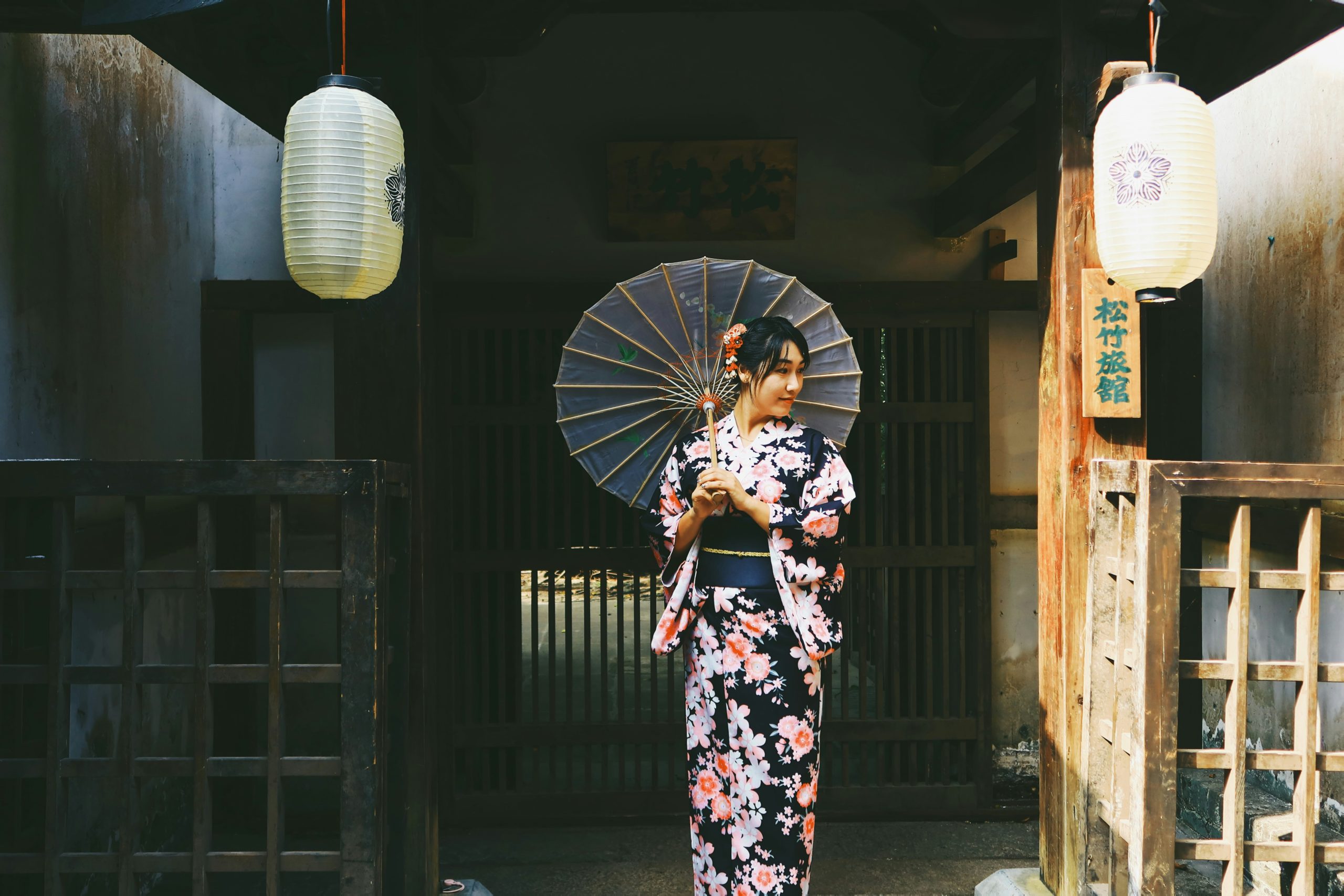
The magical atmosphere of Gion district at dusk – perfect for ending your cultural day
Conclusion
Kyoto is more than just a city—it’s a living museum of Japanese culture. By spending one day wearing a kimono and practicing Japanese calligraphy, you are not just observing tradition—you are becoming part of it. The combination of these two experiences offers a balance of beauty, mindfulness, and cultural immersion that few other activities can match.
Whether you are wandering the narrow lanes of Gion or carefully brushing ink onto washi paper, you’ll leave Kyoto with a deeper appreciation for Japan’s timeless elegance—and with memories that will stay with you forever.