Introduction: Kyoto, the Heart of Tradition and Literature
When people think of Japan, they often imagine Tokyo’s skyscrapers and neon lights. Yet, the true soul of Japanese tradition lies in Kyoto, a city where history and artistry are woven into every street. From ancient temples to the flow of calligraphy brushes, Kyoto represents the essence of both nostalgia and modernity.
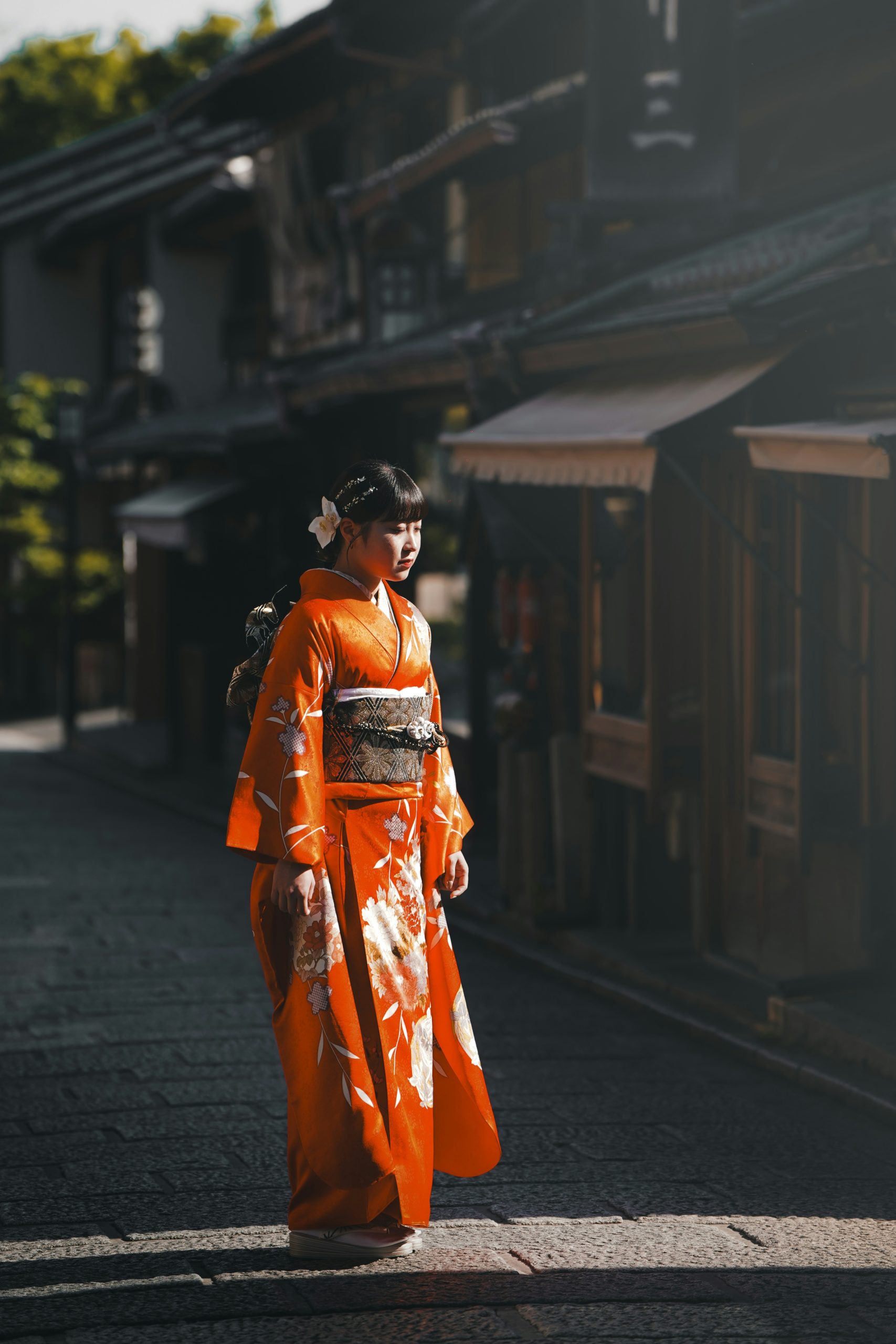
Among its many cultural treasures, the kimono stands out as a living symbol of Japanese identity. It is not only worn during tea ceremonies or weddings but also serves as a recurring motif in modern Japanese novels, where it embodies themes of memory, identity, and transformation.
In this article, we will explore the fascinating relationship between kimonos and calligraphy, how literature continues to portray these icons of tradition, and why renting a kimono in Kyoto is one of the most immersive cultural experiences you can have.
? If you are visiting Kyoto and wish to experience this tradition for yourself, explore our kimono rental service here.
The Kimono as a Cultural Symbol
The kimono is far more than clothing—it is a statement of identity, a vessel of memory, and a bridge between generations. In Japanese novels, characters often appear in kimonos during turning points of their lives, such as:
- Coming-of-age ceremonies
- Weddings or funerals
- Encounters with past lovers
- Visits to temples and shrines
Writers often describe not only the kimono’s fabric but also its textures, seasonal motifs, and colors, creating imagery that connects the character’s inner world with Japanese aesthetics.
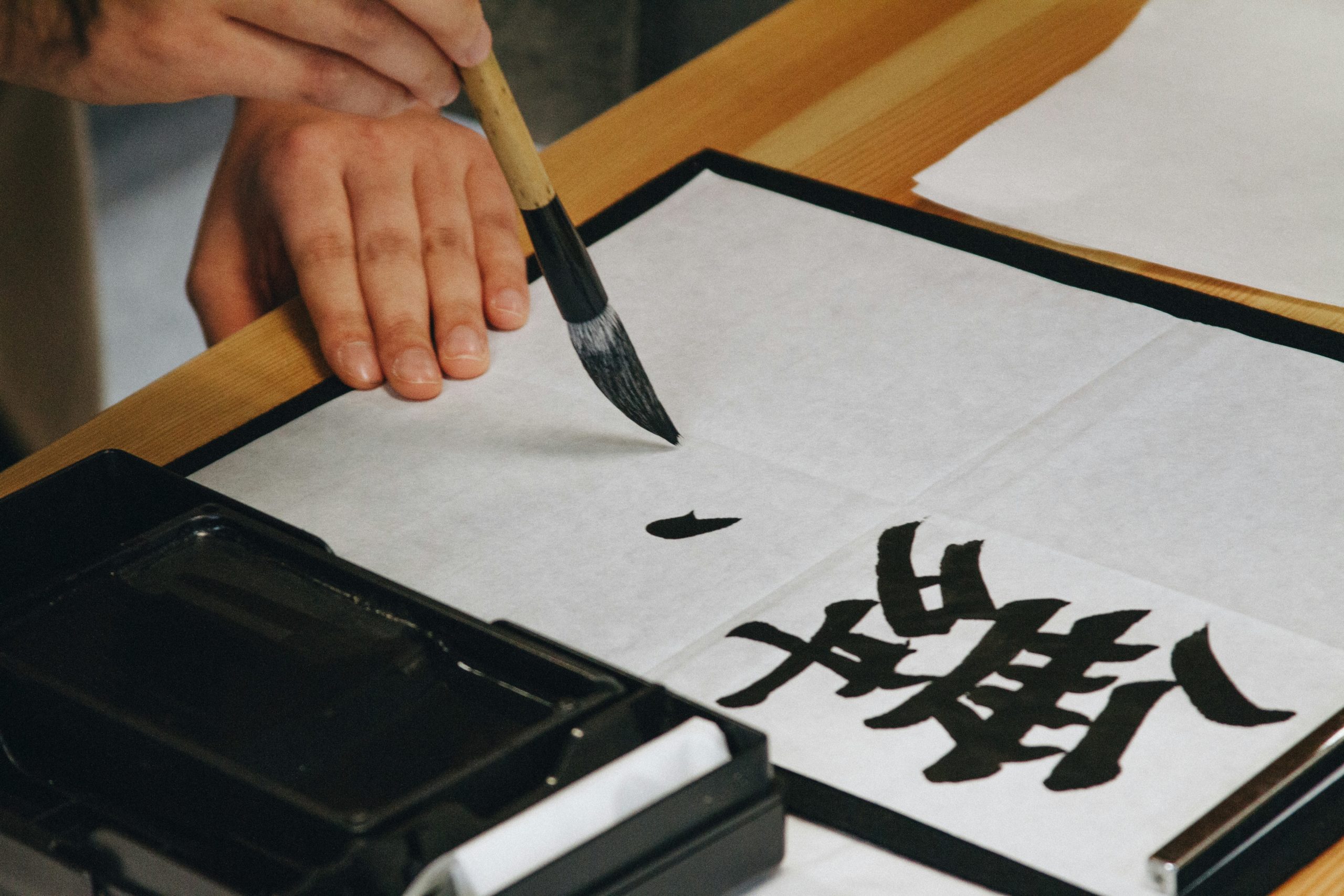 In Kyoto especially, where tradition meets tourism, the kimono has retained its aura of dignity. Renting a kimono in Kyoto allows you to step into the same atmosphere depicted in literature.
Calligraphy and Kimono: The Art of Japanese Aesthetics
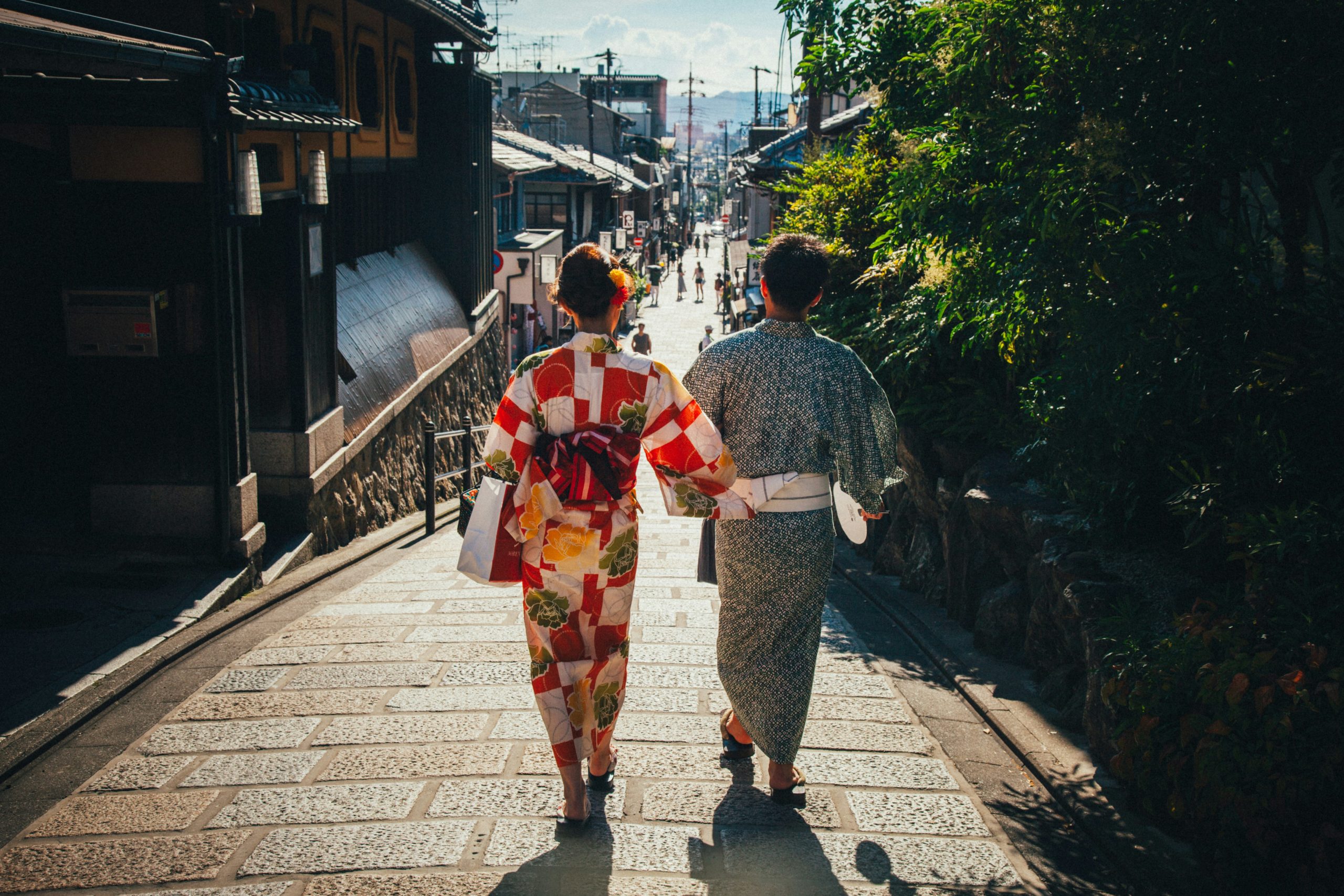
In Japanese novels, the art of calligraphy (書道, shodō) is often compared to wearing a kimono. Both demand discipline, grace, and attention to detail.
Calligraphy: Each brushstroke reflects the writer’s spirit, rhythm, and personality.
Kimono: Each fold, sash, and fabric pattern reveals the wearer’s status, taste, and identity.
In modern fiction, writers often use these two cultural symbols to highlight the contrast between tradition and modern life. Characters who struggle with identity may find themselves writing calligraphy or wearing a kimono as a way to reconnect with their roots.
Nostalgia and Modernity in Japanese Literature
Modern Japanese novels often balance between longing for the past and embracing the future. The kimono becomes a metaphor for this tension:
Nostalgia: In novels like those of Yasunari Kawabata, the kimono symbolizes elegance, silence, and memories of lost love.
Modernity: Contemporary authors often depict kimonos worn in urban Kyoto, blending old fabrics with modern sneakers, showing how youth reinterpret tradition.
Calligraphy, likewise, appears as a way for younger generations to slow down in a world dominated by technology. Together, these art forms remind readers that culture is not static—it evolves.

Kyoto as a Living Novel
If Tokyo is the city of the future, Kyoto is the city of memory. Every street in Gion, every gate at Yasaka Shrine, and every seasonal festival feels like stepping into the pages of a Japanese novel.
Writers often set their stories in Kyoto because it is the perfect stage for characters in search of identity. Walking in a kimono through these streets allows you to feel like a character yourself.
? That’s why many visitors choose our kimono rental in Kyoto: it is not just a costume, it is an entrance into a story that blends nostalgia with modernity.
Why Rent a Kimono in Kyoto? (Practical and Cultural Reasons)
- Immerse in Literature – Feel like a character in a Japanese novel.
- Connect with Tradition – Experience first-hand the beauty described by writers.
- Photographic Memories – Kyoto’s temples, gardens, and streets become the perfect backdrop.
- Seasonal Expression – Just like in novels, your kimono’s colors reflect the season (cherry blossoms, autumn leaves, snow).
- Affordable Experience – Renting a kimono is a practical way to live this tradition without owning an expensive garment.
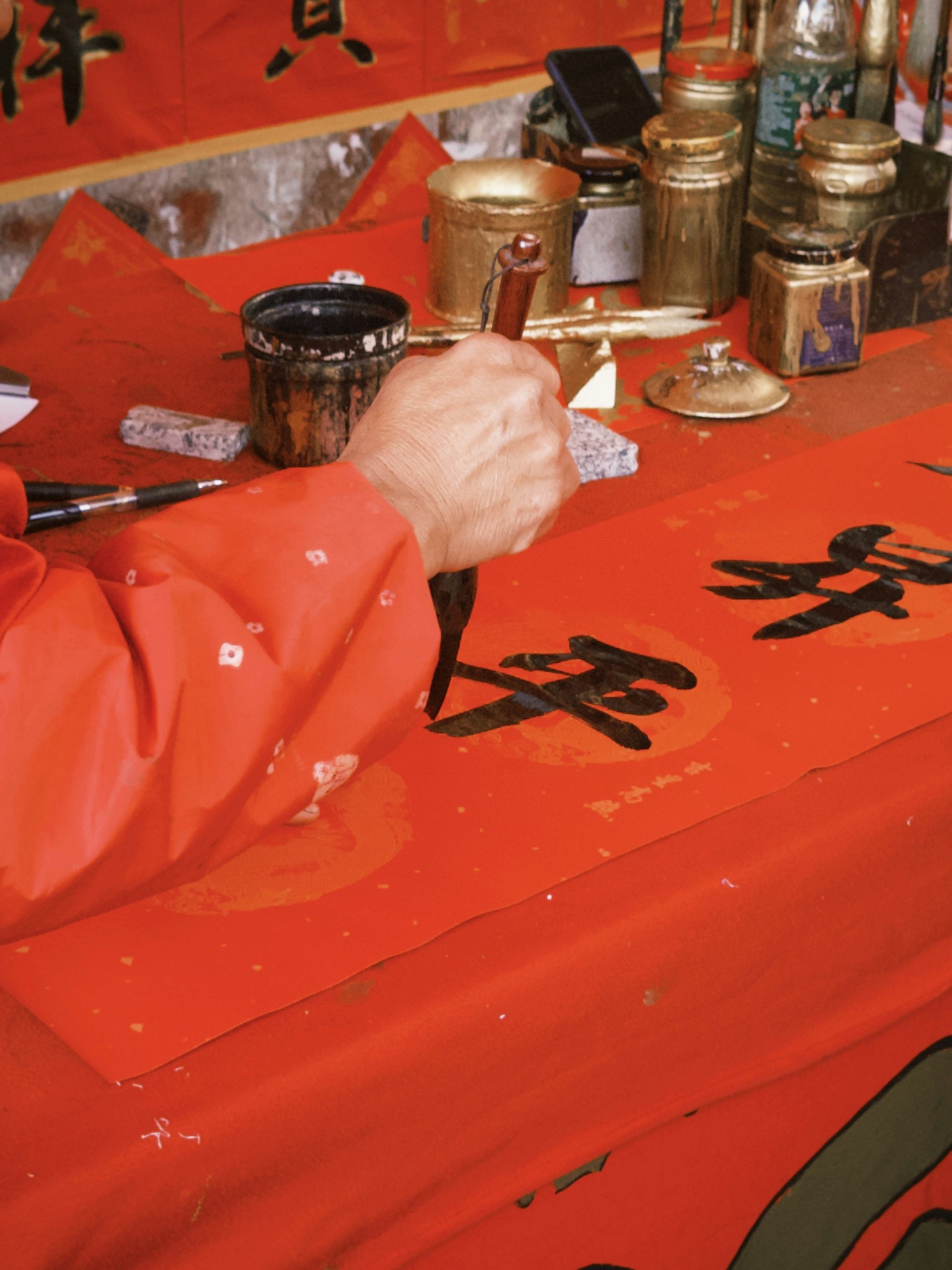
Calligraphy Workshops and Kimono Experiences
In Kyoto, some cultural centers even combine kimono rental with calligraphy workshops. Imagine spending the morning writing poetry with a brush and ink, and then walking through Gion in a beautifully tied obi belt.
This combination of art forms brings literature to life and allows visitors to feel the fusion of words, fabric, and memory.
The Future of Kimono in Literature and Daily Life
Will the kimono survive in the digital age? Japanese authors suggest yes. While most people wear modern clothing, the kimono is making a comeback in novels, fashion, and tourism.
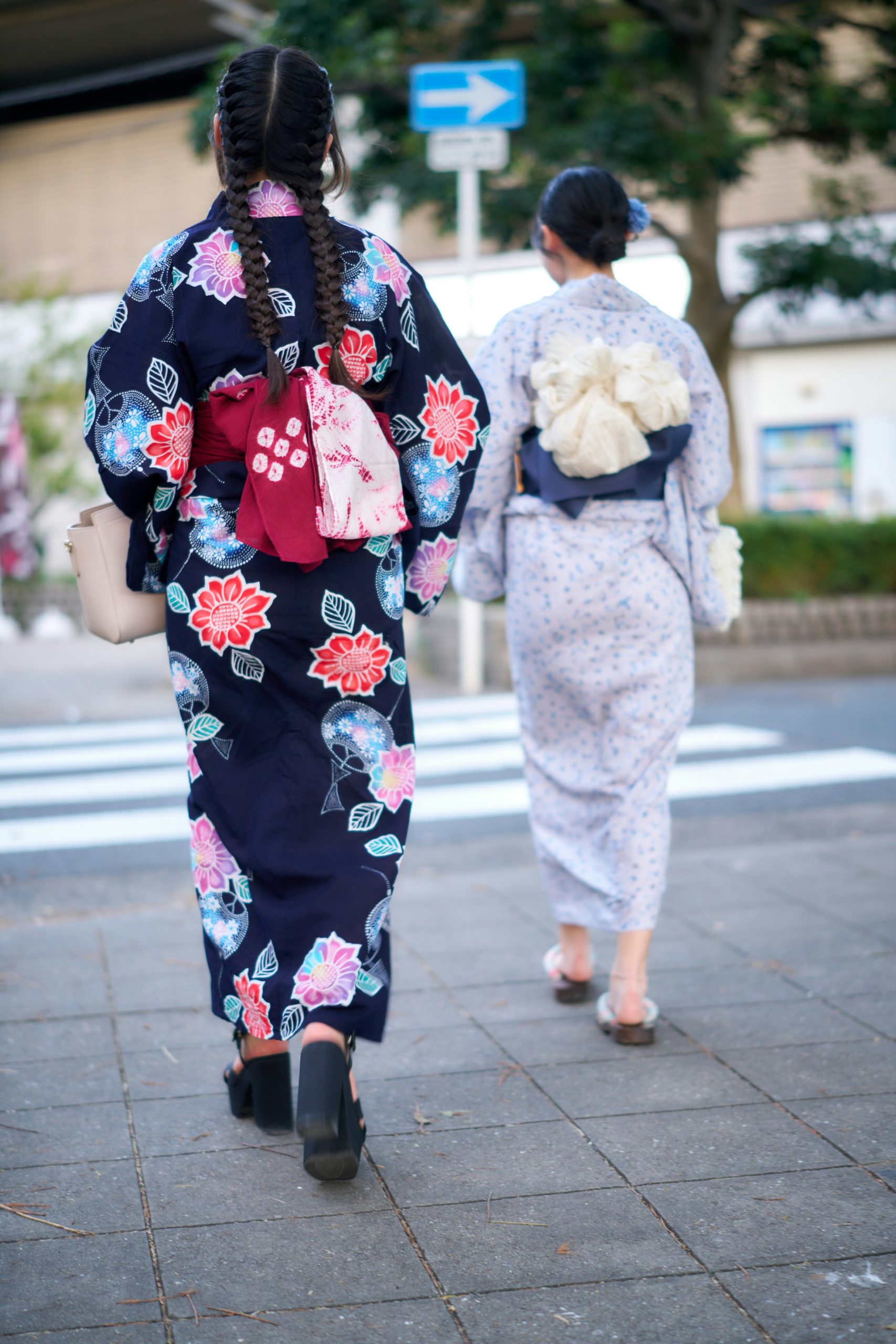 In Kyoto, young people increasingly rent kimonos for Instagram photos, weddings, or even casual outings. Writers use this phenomenon to show how tradition adapts without losing its essence.
The same goes for calligraphy—though fewer people practice it daily, its symbolism continues to inspire. Together, they remain unshakable symbols of Japan’s cultural identity.
Conclusion: Wear Your Own Story in Kyoto
The intersection of kimono and calligraphy in modern Japanese novels reflects the struggle between nostalgia and modernity. For writers, these symbols are metaphors; for visitors in Kyoto, they are living experiences.
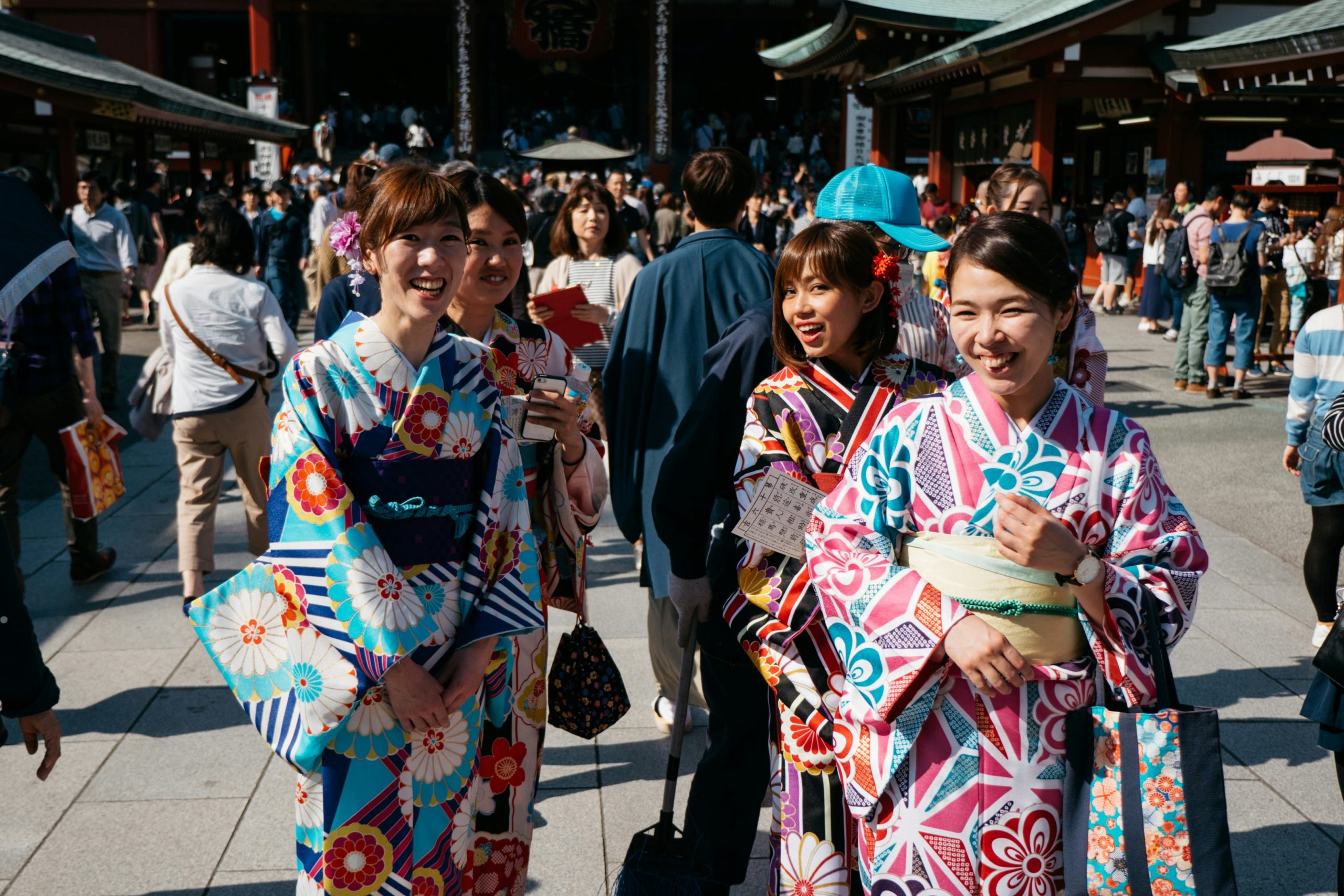 When you rent a kimono in Kyoto, you step into the pages of literature, experiencing the rhythm of brushstrokes and the flow of silk. It is more than fashion—it is storytelling through tradition.
? Ready to live your own story in Kyoto? Visit our kimono rental page here and start your journey between nostalgia and modernity.