Ideal duration of a kimono experience: half a day or a full day?
Discover the timeless beauty of traditional Japanese culture through kimono experiences
Introduction
Kyoto, the timeless heart of Japanese tradition, is world-famous for its geisha culture, tea houses, shrines, and stunning seasonal landscapes. One of the most memorable ways to connect with Kyoto’s heritage is by renting a kimono and exploring the city in traditional style.
“Should I rent a kimono for half a day, or is it worth enjoying the full-day experience?”
In this guide, we’ll dive deep into the pros and cons of both options, helping you decide the ideal duration for your kimono adventure. We’ll also share local insights, photography tips, must-visit Kyoto spots, and cultural etiquette to make your day unforgettable.
If you’re planning your own experience, don’t forget you can book professional photography sessions directly in Kyoto through AllPhoto Kyoto, ensuring your kimono memories are beautifully captured.
1. Why Wear a Kimono in Kyoto?
Kyoto is a city where tradition meets modern life. Wearing a kimono here isn’t just a tourist activity—it’s a way to step into Japanese history. From walking through the cobblestone streets of Gion, to visiting temples like Kiyomizudera or Fushimi Inari Taisha, a kimono elevates the atmosphere of your journey.
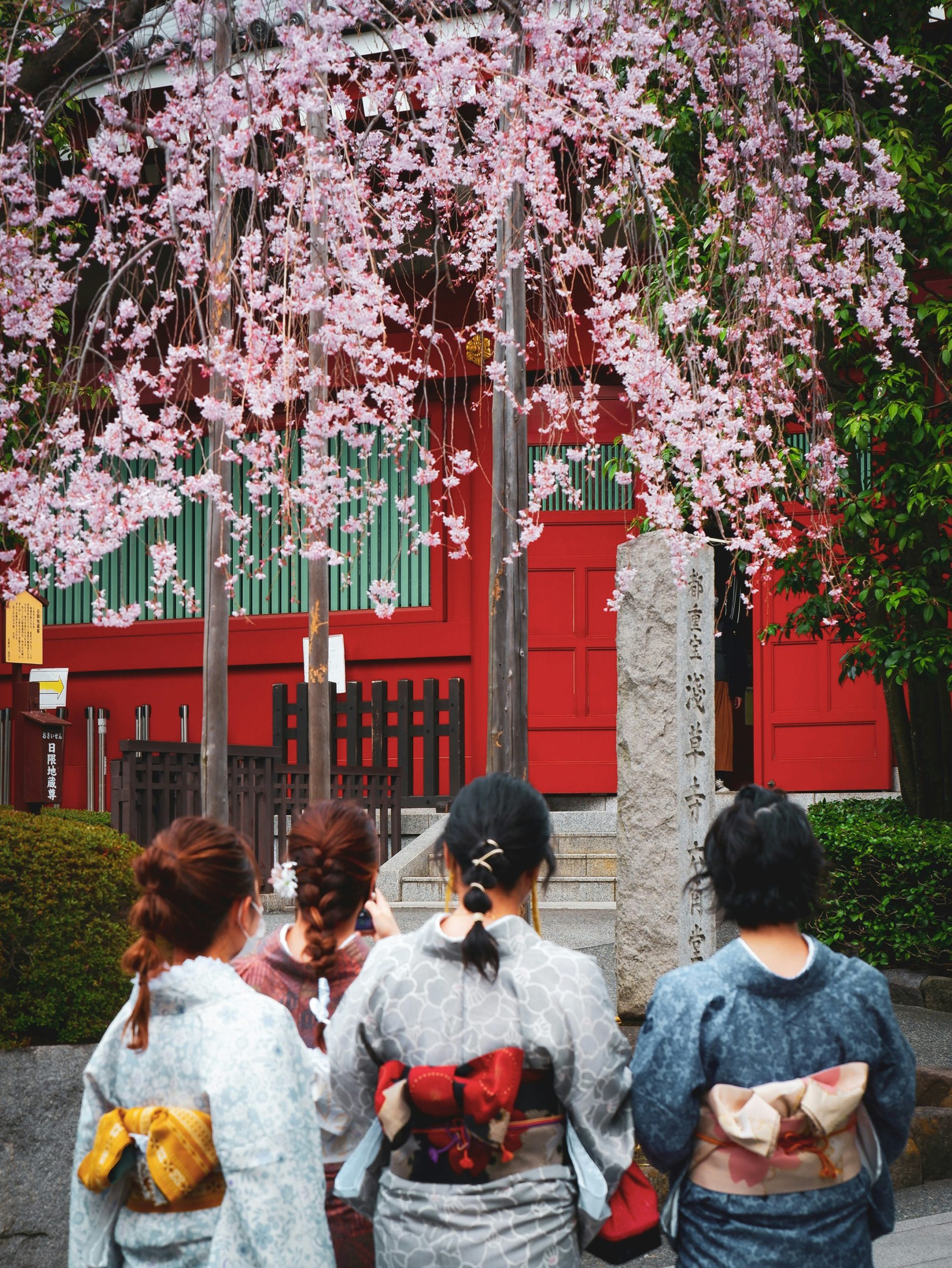
It’s also a photographic dream. Imagine capturing yourself in vibrant kimono colors against autumn’s fiery red leaves (momiji), or with the delicate pink backdrop of spring cherry blossoms (sakura).
Wearing a kimono in Kyoto isn’t only about the clothing—it’s about immersing yourself in Japanese culture.
2. The Half-Day Kimono Experience
A half-day rental usually lasts about 3–4 hours, and it’s a popular choice for travelers with tight schedules.
Benefits:
- Perfect if you’re only in Kyoto for a short time.
- Ideal for visiting one or two nearby attractions, like Yasaka Shrine or Ninenzaka.
- Lighter on the budget.
- Less tiring, since kimono can feel warm in summer or heavy to walk long distances in.
Limitations:
- Limited time for exploring multiple spots.
- You may feel rushed to return the kimono.
- Harder to enjoy golden-hour or evening photography.
A half-day rental is best for travelers on a quick Kyoto visit, or those who want a taste of tradition without committing to a full-day.
3. The Full-Day Kimono Experience
A full-day rental typically lasts 8–10 hours, sometimes allowing you to keep the kimono until evening.
Benefits:
- Time to explore multiple iconic districts: Gion, Arashiyama, Higashiyama.
- Enjoy meals in kimono—traditional restaurants love when guests wear them.
- Perfect for sunset and night photography.
- Greater immersion in local culture.
Considerations:
- Slightly more expensive.
- Walking all day in geta sandals can be tiring.
- Weather conditions (hot summers or rainy days) might make it less comfortable.
A full-day kimono rental is ideal for travelers who want the complete Kyoto experience, soaking in both daytime and evening beauty.
4. Best Kyoto Neighborhoods to Explore in Kimono
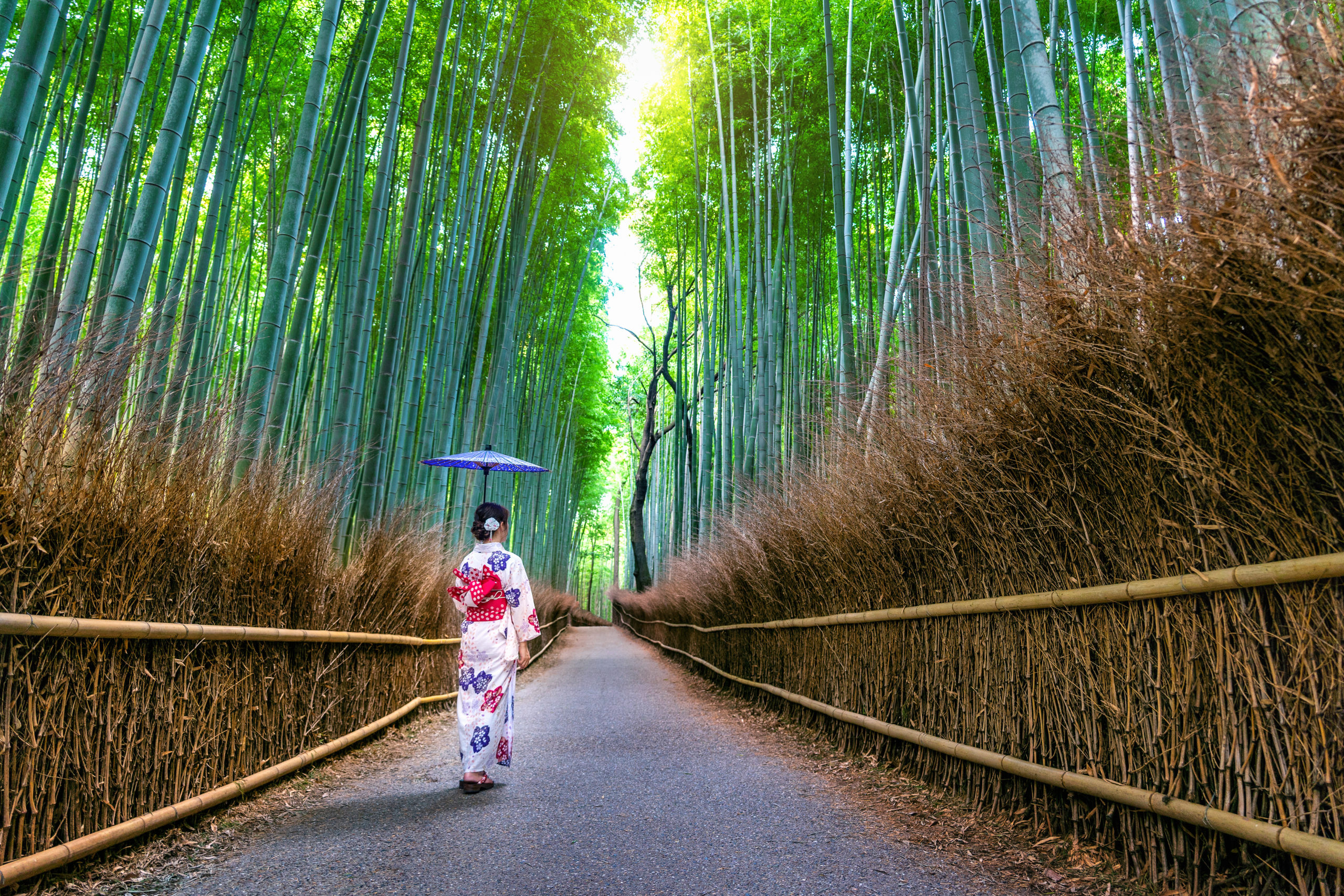
Arashiyama Bamboo Grove
Famous bamboo grove and scenic river views.
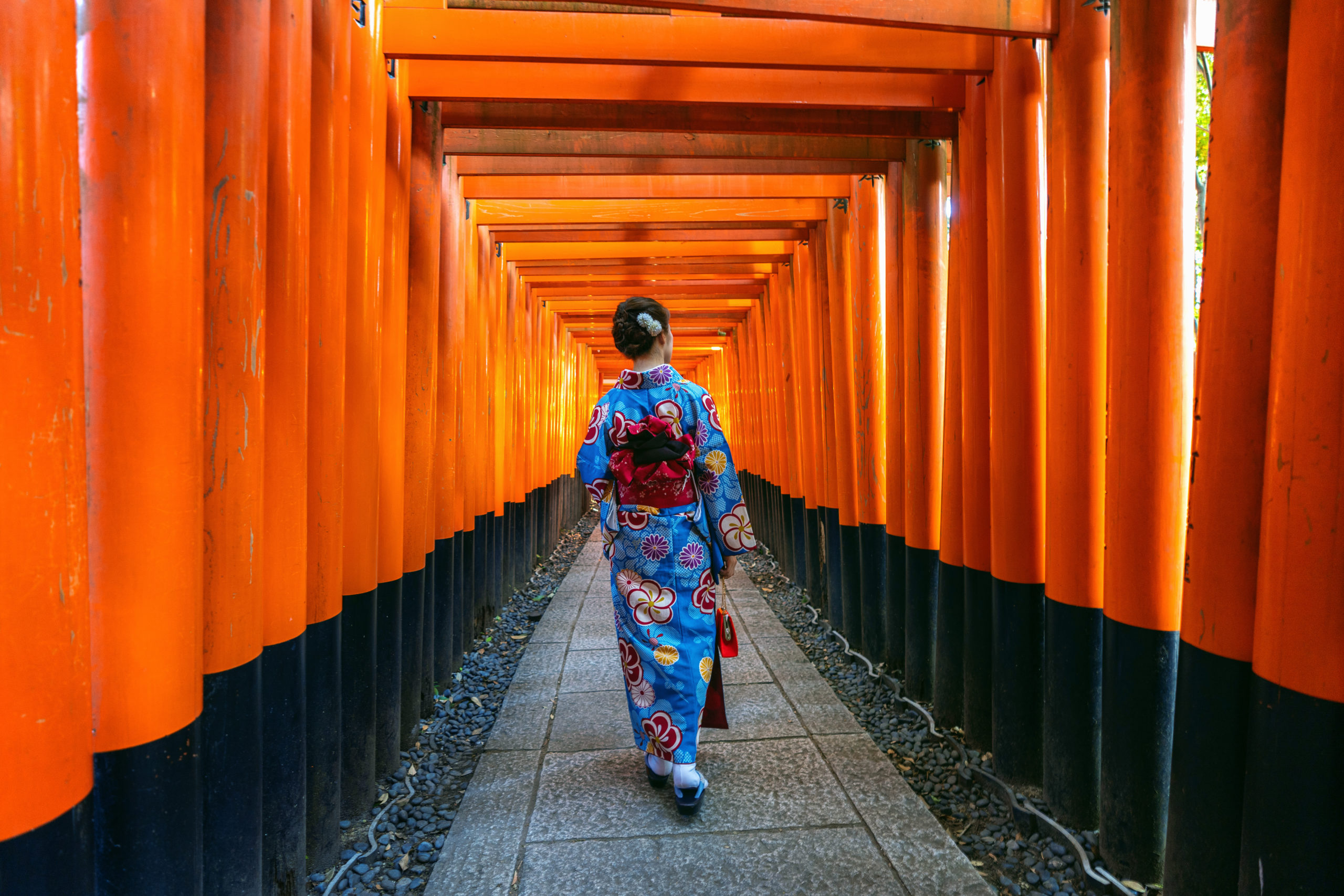
Fushimi Inari Taisha
Iconic red torii gates (early morning recommended).
Gion
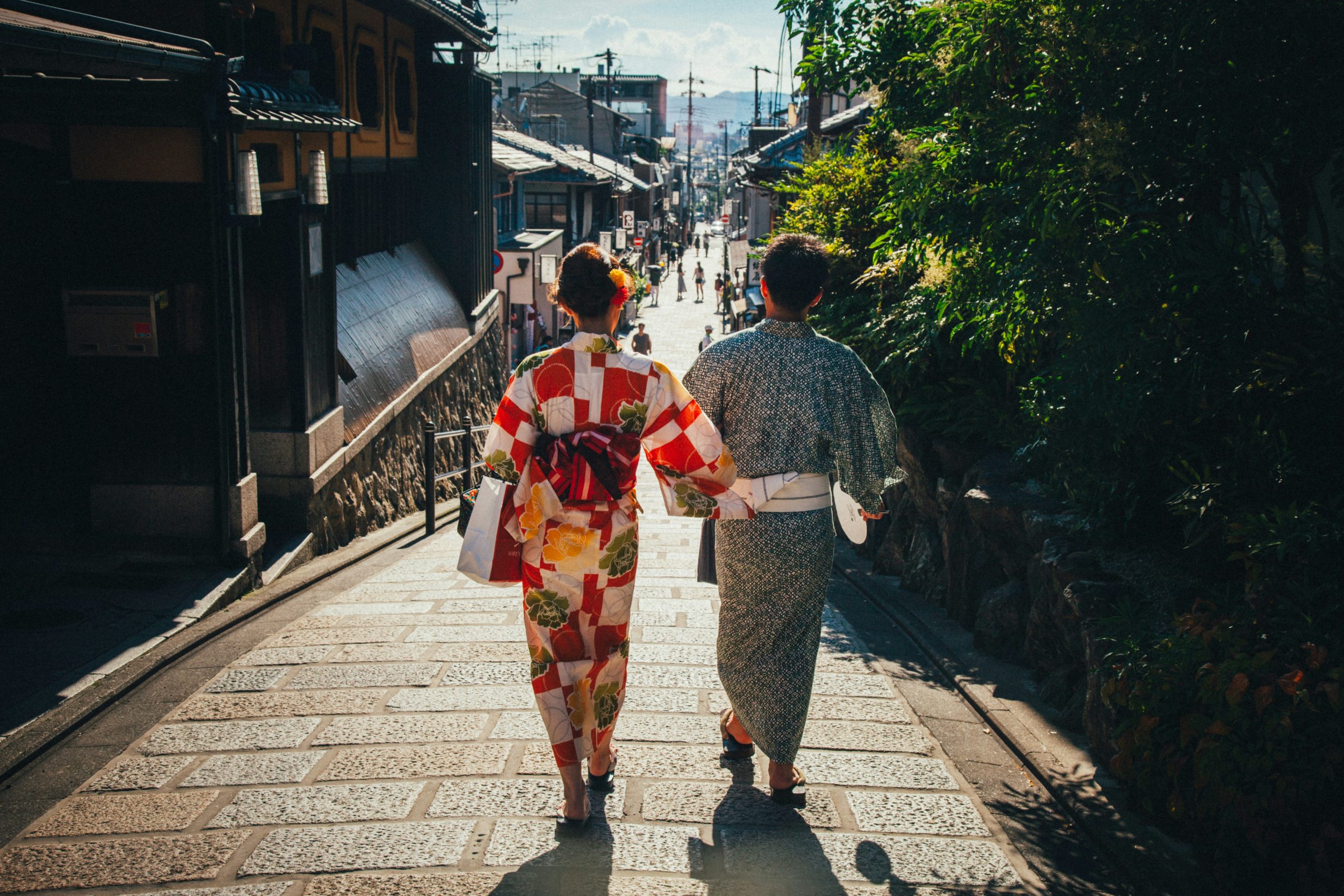
Traditional geisha district with lantern-lit streets.
Higashiyama
Narrow alleys and historical tea houses.
Nanzenji & Philosopher’s Path
Perfect in cherry blossom season.
Each of these areas offers unique photography backdrops, making them perfect for kimono exploration.
5. Seasonal Highlights
Spring (March–April)
Cherry blossoms bloom; pastel kimono recommended.
Summer (June–August)
Lightweight yukata rentals available.
Autumn (October–November)
Maple leaves (momiji) turn fiery red.
Winter (December–February)
Elegant kimono with warm layers and shawls.
Your choice of half-day or full-day can also depend on the season: for example, summer might be better for shorter experiences, while autumn evenings are magical for full-day rentals.
6. Kimono Etiquette: Do’s and Don’ts
Do’s:
- Walk gracefully and slowly.
- Use both hands to adjust the kimono when sitting.
- Smile and greet locals—it adds to the cultural charm.
Don’ts:
- Don’t run or eat messy street food while in kimono.
- Avoid sitting on dirty surfaces.
Respect for tradition is part of the experience.
7. Photography Tips
Golden Hour
Just before sunset is ideal for romantic shots in Gion or Arashiyama.
Traditional Props
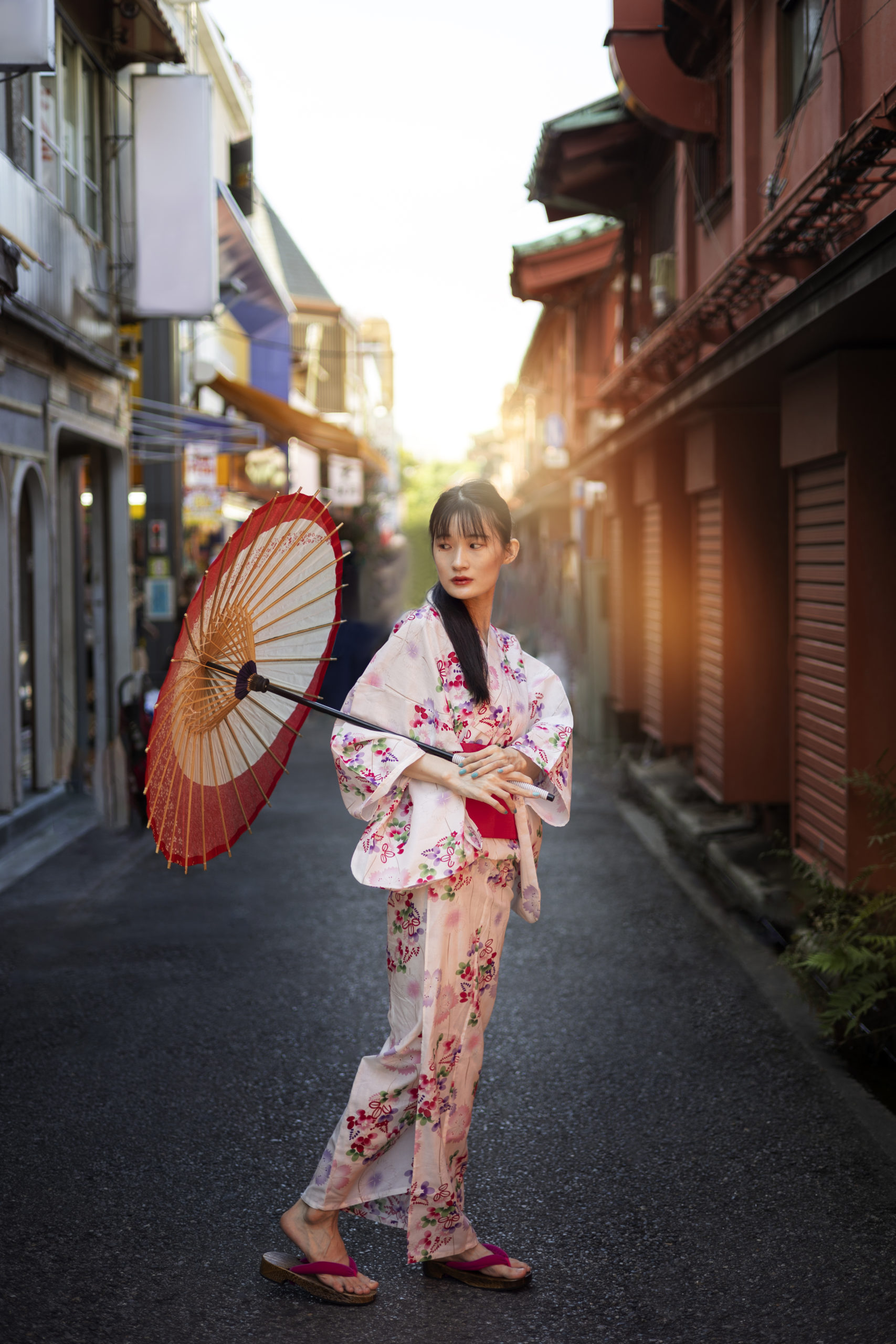
Use wagasa umbrellas or sensu fans for authentic touches.
Historic Landmarks
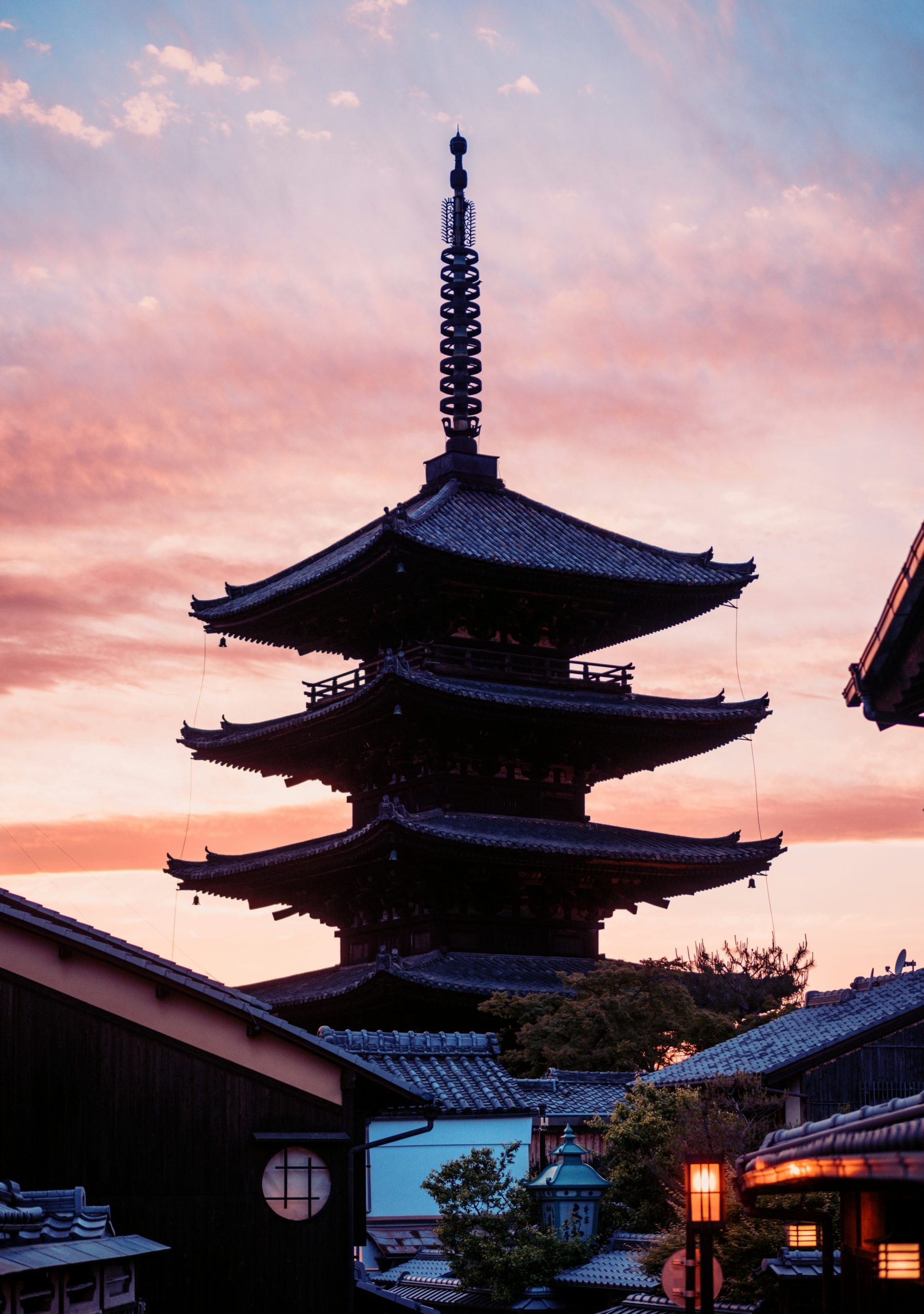
Pair kimono with Kyoto landmarks for the best storytelling.
Professional Photos
Consider hiring a photographer from AllPhoto Kyoto.
Consider hiring a professional photographer from AllPhoto Kyoto to capture magazine-quality shots.
8. Half-Day vs Full-Day: Which to Choose?
Half-Day
Best for short trips, budget travelers, or summer visits.
Full-Day
Best for cultural immersion, photography lovers, or when exploring multiple districts.
Choose half-day if you want a taste. Choose full-day if you want the full story.
9. Where to Book Your Kimono Rental & Photoshoot
Kyoto has many kimono rental shops, but not all include professional photography. If you want your memories to last, booking a photoshoot is worth it.
You can easily arrange both kimono rental and a professional photography package at AllPhoto Kyoto. Their local photographers know the best hidden streets, seasonal spots, and lighting tricks to make your pictures stand out.
Local Expertise
Professional photographers with insider knowledge
Conclusion
Whether you choose a half-day or a full-day kimono experience in Kyoto, the most important thing is to immerse yourself in tradition, enjoy the city, and capture the moment.
Your kimono journey isn’t just about clothes—it’s about feeling the spirit of Kyoto. And with the right choice, your memories will be as timeless as the city itself.
Cultural Immersion
Perfect Photos