
How Wearing a Kimono Connects You to Authentic Japanese Culture: A Complete Guide

How Wearing a Kimono Connects You to Authentic Japanese Culture: A Complete Guide
Discover the profound cultural significance of traditional Japanese kimono and how wearing one creates an authentic connection to Japan’s rich heritage, customs, and artistic traditions.
Introduction: The Kimono as Your Gateway to Japanese Culture
The kimono stands as one of Japan’s most recognizable cultural symbols, representing far more than elegant traditional clothing. When you wear a kimono, you’re not simply putting on a garment—you’re embracing centuries of Japanese history, artistry, and cultural values that continue to shape modern Japan today.

Whether you’re planning to visit Japan, attend a cultural event, or simply want to understand Japanese traditions more deeply, wearing a kimono offers an immersive experience that connects you directly to the heart of Japanese culture. This comprehensive guide explores how donning traditional Japanese dress creates meaningful cultural connections and why the kimono remains such a powerful symbol of Japanese identity.
The Rich Historical Significance of the Japanese Kimono
Origins in the Heian Period (794-1185)
The kimono’s story begins during Japan’s Heian period, when what started as a simple garment evolved into an intricate expression of art and social identity. During this golden age of Japanese culture, sophisticated layering techniques emerged, and elaborate designs became the norm among the aristocracy.
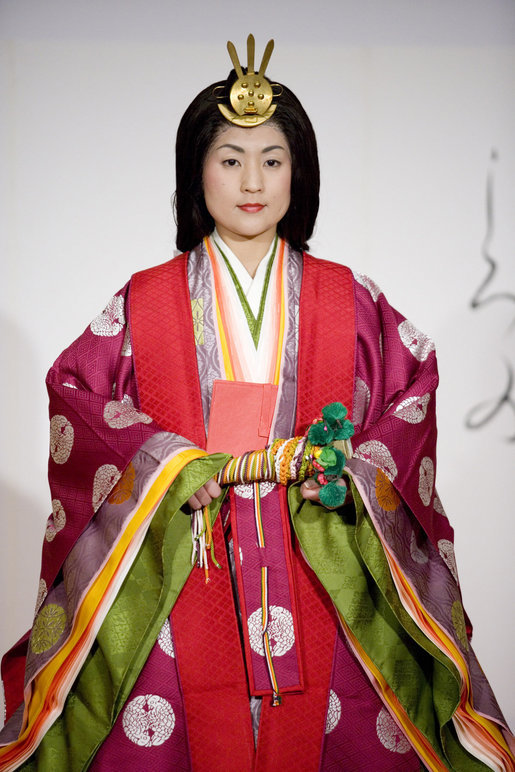
Each kimono from this era was carefully crafted to tell stories and convey meanings that reflected the wearer’s social status, seasonal awareness, and cultural sophistication. The Heian court’s emphasis on aesthetic refinement laid the foundation for the kimono’s enduring cultural importance.
Evolution Through Japanese History
The Kamakura and Muromachi Periods (1185-1573)
During the rise of the samurai class, kimono designs adapted to reflect the changing social structure. Military influences introduced more practical elements while maintaining the garment’s artistic integrity.

The Edo Period (1603-1868)
This era saw the kimono reach new heights of artistic expression. Strict social regulations actually sparked creativity, as artisans found innovative ways to create beautiful designs within legal constraints. The merchant class’s growing prosperity led to increasingly elaborate kimono styles.
The Meiji Restoration and Modern Era (1868-present)
Western influence brought new materials and techniques to kimono production. Rather than replacing traditional methods, these innovations enhanced the kimono’s versatility and appeal to modern wearers.
Historical Events That Shaped Kimono Design
Throughout Japanese history, significant events have influenced kimono aesthetics:
- Imperial decrees dictated acceptable colors and patterns for different social classes
- International trade introduced new dyes, fabrics, and design motifs
- Cultural exchanges with China and later the West brought fresh artistic perspectives
- Seasonal ceremonies established specific kimono-wearing traditions that persist today
Deep Cultural Insights: Understanding Japanese Values Through Kimono
The Philosophy of “Iki” and Aesthetic Simplicity
Wearing a kimono introduces you to the Japanese concept of “iki”—a sophisticated aesthetic philosophy that values understated elegance over flashy display. This principle permeates Japanese culture, from traditional arts to modern design sensibilities.
When you wear a kimono, you embody this aesthetic through:
- Subtle color harmonies that reflect seasonal changes
- Refined patterns that suggest rather than boldly state
- Graceful movement that emphasizes poise over dramatic gesture
- Attention to detail in every aspect of the ensemble
The Concept of “Ma” (Negative Space)
The kimono also teaches the importance of “ma”—the meaningful use of empty space. This concept appears in:
- Fabric patterns that balance design elements with open areas
- Layering techniques that create visual depth through strategic reveals
- Seasonal timing of when certain patterns and colors are appropriate
- Social interactions where restraint and subtlety are valued
Traditional Etiquette and Social Customs
Proper kimono wearing involves understanding complex etiquette rules that reflect deep cultural values:
Seasonal Appropriateness
- Spring: Cherry blossom motifs and soft pastels
- Summer: Lightweight fabrics and cool colors
- Autumn: Maple leaf patterns and warm earth tones
- Winter: Rich colors and substantial fabrics
Formal vs. Casual Occasions
- Formal events: Elaborate designs with gold or silver accents
- Daily wear: Simpler patterns and more practical fabrics
- Special ceremonies: Specific color combinations and traditional accessories
Age-Appropriate Styling
- Young unmarried women: Bright colors and long sleeves (furisode)
- Married women: More subdued colors and shorter sleeves
- Elderly individuals: Sophisticated patterns that reflect life experience
Symbolic Connections: The Language of Kimono Patterns
Nature-Inspired Motifs and Their Meanings
Japanese kimono patterns are rich with symbolism drawn from nature, each carrying specific cultural meanings:

#image_title
Crane (Tsuru)
- Symbolizes longevity and good fortune
- Often featured in wedding kimono
- Represents marital harmony and fidelity
Cherry Blossoms (Sakura)
- Embodies the beauty and transience of life
- Associated with renewal and the fleeting nature of beauty
- Popular in spring kimono designs
Bamboo (Take)
- Represents strength, flexibility, and growth
- Symbolizes resilience in facing life’s challenges
- Often used in men’s kimono patterns
Waves (Nami)
- Signifies strength and tranquility
- Associated with life’s ebbs and flows
- Popular in both traditional and modern designs
Chrysanthemums (Kiku)
- Imperial flower symbolizing autumn
- Represents perfection and rejuvenation
- Often used in formal kimono designs

Seasonal Symbolism and Cultural Awareness
Understanding seasonal symbolism is crucial for proper kimono wearing:
Spring Symbols
- Plum blossoms, cherry blossoms, wisteria
- Butterflies, young bamboo shoots
- Soft greens and pinks
Summer Symbols
- Morning glories, hydrangeas, goldfish
- Flowing water, cooling fans
- Blues, whites, and pale colors
Autumn Symbols
- Maple leaves, chrysanthemums, ginkgo leaves
- Harvest moons, persimmons
- Rich oranges, deep reds, golden yellows
Winter Symbols
- Pine, plum, bamboo (the “Three Friends of Winter”)
- Snow crystals, camellias
- Deep purples, blacks, and silvers
Color Psychology in Kimono Design
Colors in kimono design carry deep cultural significance:
Red (Aka)
- Symbolizes life force and happiness
- Associated with celebration and good fortune
- Traditional for wedding kimono
Blue (Ao)
- Represents tranquility and stability
- Connected to water and sky imagery
- Popular for summer kimono
White (Shiro)
- Signifies purity and new beginnings
- Essential for formal ceremonies
- Base color for many traditional patterns
Black (Kuro)
- Denotes formality and sophistication
- Used in the most formal kimono styles
- Associated with maturity and wisdom
Social Experiences: Kimono as Community Bridge
Participating in Traditional Festivals (Matsuri)
Wearing a kimono during Japanese festivals creates immediate cultural connections:

Summer Festivals
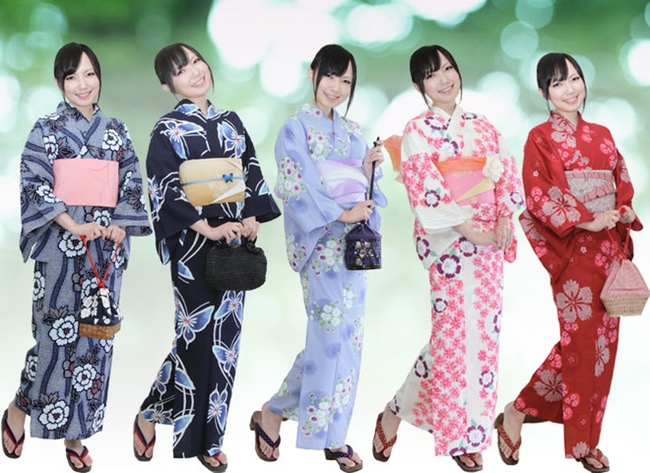
- Yukata (casual summer kimono) are traditional festival wear
- Participants enjoy fireworks, traditional games, and street food
- Creates instant bonds with locals who appreciate cultural respect
Autumn Festivals
- Harvest celebrations feature more formal kimono
- Traditional dances and ceremonies welcome kimono wearers
- Opportunities to learn local customs and traditions
New Year Celebrations
- Formal kimono are traditional for shrine visits
- Hatsumode (first shrine visit) becomes more meaningful in traditional dress
- Connects wearers to Japanese spiritual traditions
Tea Ceremony and Cultural Arts
The tea ceremony (chanoyu) represents one of the most profound ways to experience Japanese culture while wearing a kimono:

Preparation Rituals
- Proper kimono selection shows respect for the ceremony
- Seasonal appropriateness demonstrates cultural knowledge
- Creates meditative mindset essential for tea ceremony
Movement and Grace
- Kimono naturally encourages the slow, deliberate movements traditional to tea ceremony
- Teaches appreciation for mindful actions
- Connects modern practitioners to centuries of tradition
Aesthetic Harmony
- Kimono patterns often complement tea ceremony implements
- Color coordination with seasonal themes
- Creates visual poetry that enhances the spiritual experience
Cultural Workshops and Learning Opportunities
Many cultural centers offer kimono-wearing workshops that provide:
Professional Instruction
- Proper dressing techniques from certified instructors
- Understanding of cultural protocols and etiquette
- Hands-on experience with traditional accessories
Cultural Context
- Historical background of different kimono styles
- Regional variations and their significance
- Modern adaptations and contemporary relevance
Community Building
- Connections with other culture enthusiasts
- Opportunities to practice Japanese language
- Invitations to cultural events and celebrations
Appreciating Japanese Artistry Through Kimono Craftsmanship
Traditional Textile Techniques
The creation of authentic kimono involves numerous traditional techniques passed down through generations:

Yuzen Dyeing
- Hand-painted designs using rice paste resist
- Allows for incredibly detailed and colorful patterns
- Each piece represents weeks or months of skilled work
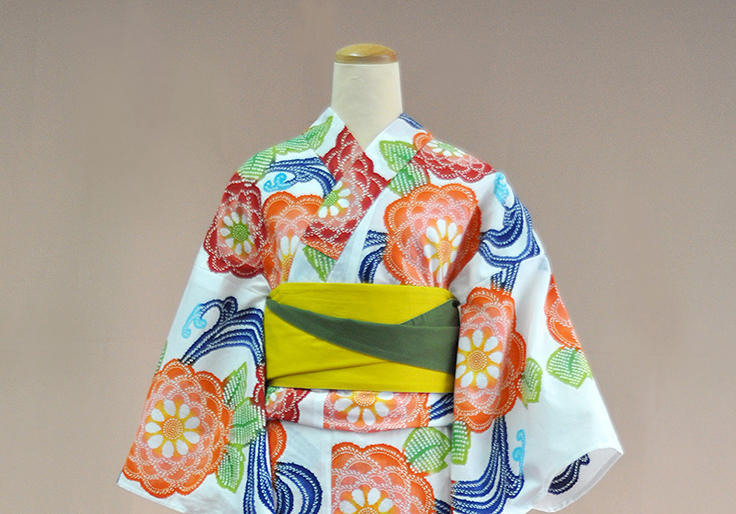
Shibori Tie-Dyeing
- Ancient technique creating unique patterns through binding and dyeing
- No two pieces are exactly alike
- Demonstrates Japanese appreciation for natural variation
Nishiki Brocade Weaving
- Complex weaving incorporating gold and silver threads
- Creates luxurious fabrics for formal occasions
- Requires master-level skill and years of training
Katazome Stencil Dyeing
- Uses intricate cut stencils for repeated patterns
- Allows for precise, geometric designs
- Combines artistic vision with technical precision
The Role of Master Artisans
Kimono creation involves collaboration between multiple specialists:
Fabric Producers
- Silk weavers who create the base materials
- Dye masters who develop color formulations
- Quality control experts who ensure consistency
Design Artists
- Pattern creators who develop new motifs
- Color specialists who plan seasonal collections
- Cultural consultants who ensure appropriateness
Skilled Tailors
- Cutting experts who maximize fabric efficiency
- Sewing masters who create invisible seams
- Fitting specialists who ensure proper drape
Modern Innovations in Traditional Craft
Contemporary kimono makers blend tradition with innovation:
New Materials
- Synthetic fabrics that maintain traditional appearance
- Washable alternatives for everyday wear
- Eco-friendly dyes and sustainable practices
Updated Techniques
- Computer-aided design for pattern planning
- Modern equipment for precise cutting
- Quality control through traditional and modern methods
Accessibility Improvements
- Simplified wearing techniques for beginners
- Rental services for occasional wear
- Educational programs for cultural appreciation
The Journey from China to Japan: Cultural Exchange and Adaptation
Ancient Trade Routes and Cultural Transmission
The kimono’s ancestors arrived in Japan through ancient trade relationships:
Han Dynasty Influences (206 BCE – 220 CE)
- Chinese court robes provided initial inspiration
- Straight-line construction became foundation for kimono design
- Layering techniques adapted to Japanese climate and customs
Silk Road Connections
- Precious fabrics and dyes traveled ancient trade routes
- Cultural exchange included artistic techniques and aesthetic concepts
- Japanese artisans adapted foreign influences to local preferences
Japanese Innovation and Cultural Adaptation
Rather than simple copying, Japanese artisans transformed foreign influences:
Climate Adaptations
- Seasonal variations addressed Japan’s distinct four seasons
- Lightweight fabrics for humid summers
- Layering systems for cold winters
Social Adaptations
- Designs reflected Japanese social hierarchies
- Patterns incorporated native flora and fauna
- Color symbolism adapted to Japanese cultural values
Aesthetic Refinements
- Japanese preference for subtle beauty over bold display
- Integration of negative space (ma) concepts
- Development of uniquely Japanese proportions and silhouettes
The Kimono as Cultural Ambassador
Today’s kimono serves as a bridge between cultures:
International Appreciation
- Museums worldwide showcase kimono as art
- Fashion designers draw inspiration from traditional techniques
- Cultural exchange programs use kimono as teaching tools
Modern Diplomacy
- Kimono gifts represent Japan’s cultural heritage
- International events feature kimono demonstrations
- Cultural festivals spread appreciation globally
Traditional Male Japanese Dress: Beyond the Female Kimono
Understanding Men’s Kimono Styles
While women’s kimono often receive more attention, men’s traditional dress offers equally rich cultural connections:
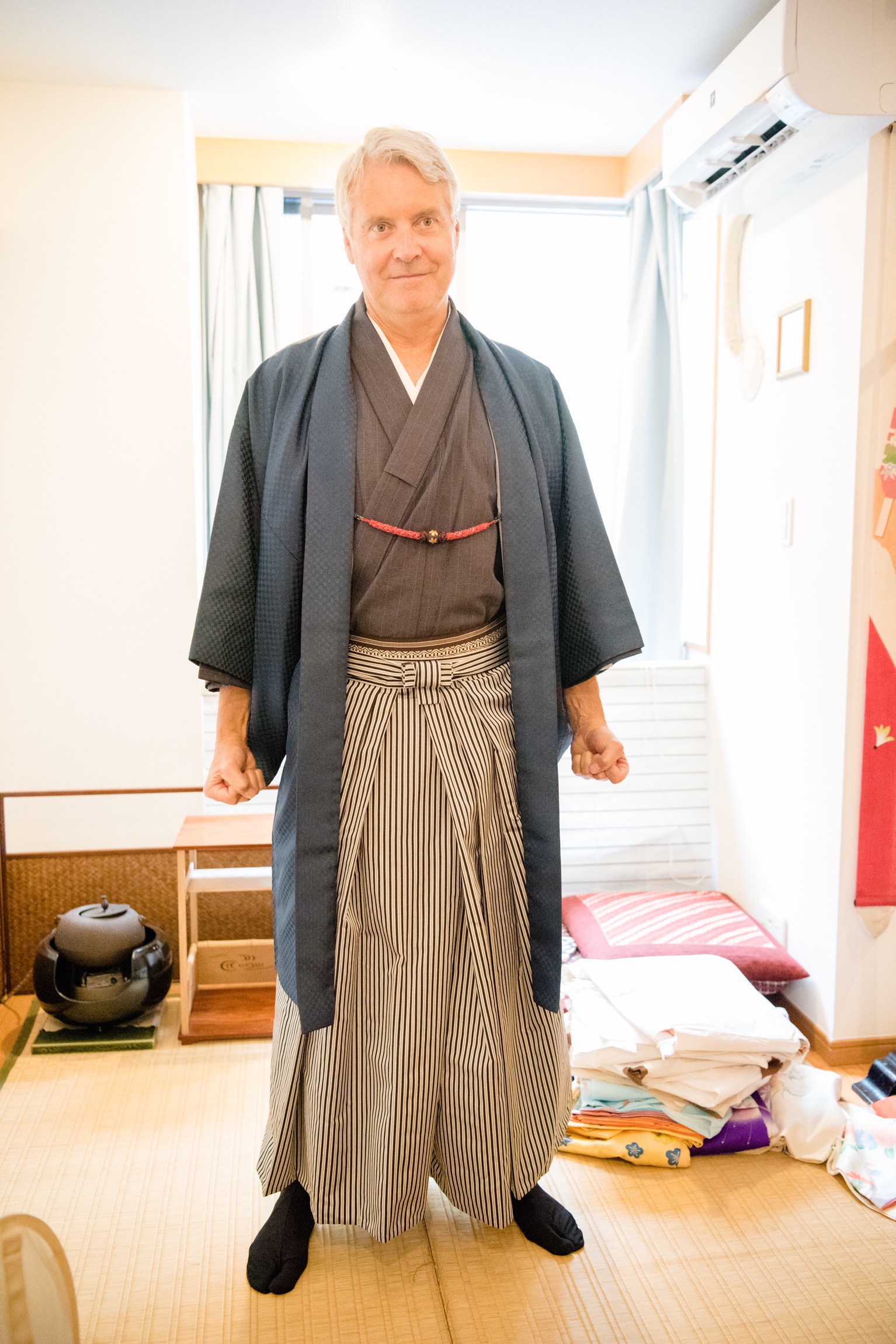
Montsuki (Formal Kimono)
- Features family crests (mon) for formal occasions
- Typically black with subtle patterns
- Worn for weddings, funerals, and ceremonies
Yukata (Summer Kimono)
- Casual cotton kimono for summer festivals
- More relaxed fit and simpler patterns
- Accessible entry point for kimono appreciation
Hakama (Pleated Trousers)
- Worn over kimono for formal occasions
- Associated with martial arts and traditional ceremonies
- Requires specific skills for proper wearing
Cultural Significance of Male Kimono
Men’s traditional dress carries unique cultural meanings:
Samurai Heritage
- Hakama originally worn by warrior class
- Represents discipline and honor
- Connects modern men to historical values
Professional Traditions
- Worn by traditional craftsmen and artists
- Indicates mastery of traditional skills
- Maintains connection to pre-modern professions
Ceremonial Importance
- Essential for traditional wedding ceremonies
- Required for certain religious observances
- Demonstrates respect for cultural protocols
Practical Guide: Experiencing Kimono Culture Today
Kimono Rental Services and Cultural Experiences
For those interested in experiencing kimono culture firsthand, professional rental services offer authentic experiences:
What to Expect from Quality Rental Services
- Professional dressing assistance
- Authentic accessories and proper undergarments
- Cultural education about your chosen kimono style
- Photography opportunities in traditional settings
Seasonal Considerations
- Summer: Lightweight yukata for festivals and casual wear
- Spring/Autumn: Medium-weight kimono for cultural events
- Winter: Heavier fabrics with appropriate accessories
Regional Specialties
- Kyoto: Traditional patterns and classic styles
- Tokyo: Modern adaptations and contemporary designs
- Regional areas: Local specialty fabrics and unique patterns
For an authentic kimono experience in Japan, consider visiting https://mk-mimosa-e.top/ for professional kimono rentals that provide genuine cultural immersion.
Cultural Etiquette and Respectful Participation
Understanding proper etiquette ensures respectful cultural participation:
Wearing Guidelines
- Always wear appropriate undergarments
- Maintain neat appearance throughout the day
- Move gracefully and avoid damaging the fabric
- Follow seasonal and occasion-appropriate choices
Cultural Sensitivity
- Understand the significance of your chosen patterns
- Show respect for the cultural history you’re representing
- Learn basic Japanese greetings and courtesy expressions
- Participate mindfully in cultural activities
Photography Considerations
- Respect photography restrictions in temples and shrines
- Understand that kimono wearing may attract attention
- Be prepared to share cultural knowledge with curious observers
- Maintain dignity and respect while wearing traditional dress
Modern Relevance: Kimono in Contemporary Culture
Fashion Industry Influence
The kimono’s influence extends far beyond traditional wear:
International Fashion
- Designers worldwide incorporate kimono elements
- Sustainable fashion movement embraces kimono longevity
- Luxury brands create kimono-inspired collections
Street Fashion
- Modern adaptations for everyday wear
- Fusion styles combining Eastern and Western elements
- Vintage kimono repurposed for contemporary use
Cultural Preservation Efforts
Organizations worldwide work to preserve kimono culture:
Educational Programs
- Museums offer kimono appreciation courses
- Cultural centers provide hands-on learning experiences
- Online resources share traditional knowledge
Artisan Support
- Programs training new generations of craftspeople
- Support for traditional textile techniques
- Recognition of master artisans as cultural treasures
International Awareness
- Cultural exchange programs featuring kimono
- Social media spreading appreciation globally
- Travel experiences incorporating authentic kimono culture
Conclusion: Your Personal Journey into Japanese Culture
Wearing a kimono offers more than a beautiful aesthetic experience—it provides a profound connection to Japanese culture that spans centuries of history, artistry, and social tradition. From the moment you wrap yourself in these elegant folds, you become part of a living cultural narrative that continues to evolve while honoring its ancient roots.
Whether you’re drawn to the intricate symbolism of traditional patterns, the meditative process of proper dressing, or the social connections fostered by cultural participation, the kimono serves as your gateway to understanding Japan’s rich heritage. Every aspect of the kimono experience—from selecting appropriate seasonal colors to moving gracefully in traditional dress—teaches valuable lessons about Japanese values, aesthetics, and social harmony.
As you embark on your own kimono journey, remember that you’re not just wearing clothing—you’re participating in a cultural tradition that connects you to generations of Japanese artists, craftspeople, and culture bearers. This connection transcends mere fashion, creating lasting appreciation for the depth and beauty of Japanese civilization.
The kimono’s enduring appeal lies in its ability to make ancient culture accessible to modern participants while maintaining its essential dignity and significance. Through respectful engagement with this traditional art form, you join a global community of individuals who recognize the kimono’s power to bridge cultural divides and create meaningful connections across time and space.
Start your authentic kimono experience today, and discover how this remarkable garment can transform your understanding of Japanese culture while creating memories that will last a lifetime.
Ready to experience authentic Japanese culture through traditional kimono? Visit https://mk-mimosa-e.top/ for professional kimono rentals and cultural experiences that connect you directly to Japan’s rich heritage.

