
How Big is a Kimono? Complete Guide to Kimono Sizes, Weight, and Surprising Details in Kyoto

How Big is a Kimono? Complete Guide to Kimono Sizes, Weight, and Surprising Details in Kyoto
When you first encounter a traditional kimono in the historic streets of Kyoto, one of the most striking aspects is its impressive size and flowing silhouette. But have you ever wondered exactly how big a kimono really is? The dimensions, weight, and construction of these iconic Japanese garments hold fascinating secrets that reveal centuries of cultural evolution and practical design.
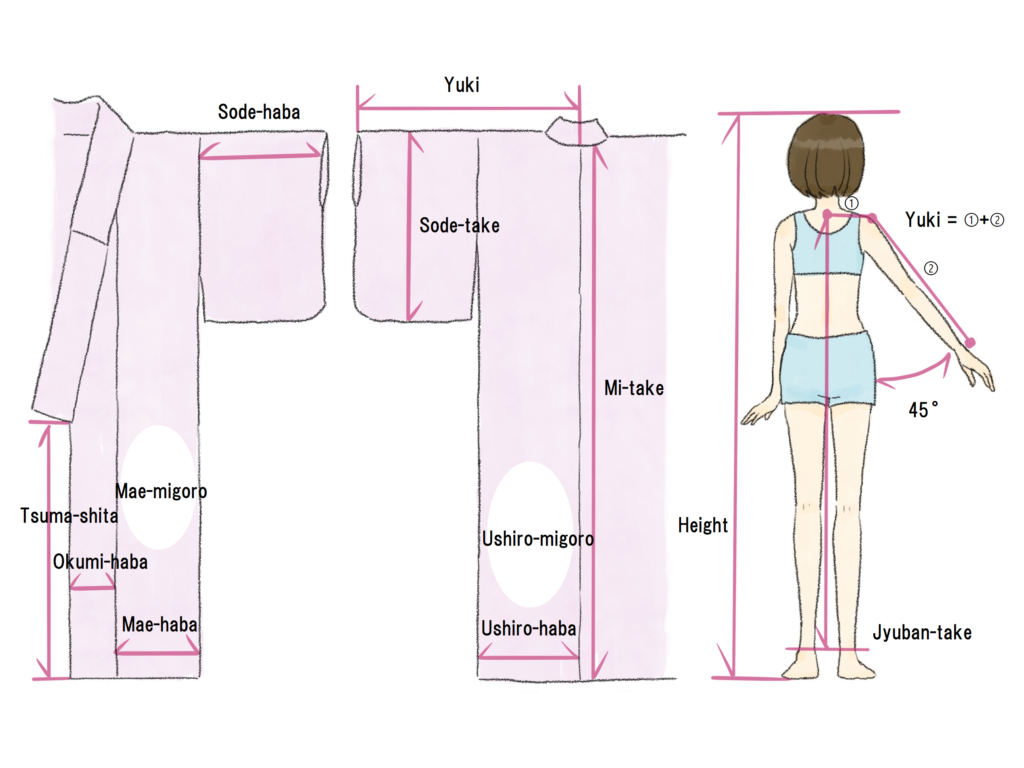
Traditional kimono measurement specifications and sizing guide
In this comprehensive guide, we’ll explore everything you need to know about kimono dimensions, from the standard measurements that have remained unchanged for generations to the surprising weight variations that can affect how these garments feel and move. Whether you’re planning to wear a kimono during your visit to Kyoto’s temples or you’re simply curious about Japanese fashion heritage, understanding kimono sizing opens a window into Japanese culture itself.
The Standard Dimensions of a Traditional Kimono
Length Specifications: From Shoulder to Hem
A traditional adult kimono typically measures between 150 to 175 centimeters (approximately 59 to 69 inches) in total length. This measurement runs from the shoulder seam down to the hem, creating the characteristic floor-length silhouette that has defined Japanese formal wear for over a millennium.
The length isn’t arbitrary – it’s carefully calculated based on the wearer’s height plus additional fabric for proper draping. In Kyoto’s traditional kimono shops, master tailors still follow ancient formulas where the kimono length should equal the wearer’s height plus 20-30 centimeters for optimal fit and movement.
Standard kimono lengths by category:
- Furisode (unmarried women’s formal kimono): 160-175 cm
- Tomesode (married women’s formal kimono): 150-165 cm
- Yukata (summer cotton kimono): 145-160 cm
- Men’s kimono: 140-155 cm (traditionally shorter than women’s)
Width Measurements: The Generous Cut
The width of a kimono when laid flat typically ranges from 65 to 70 centimeters (25.6 to 27.6 inches) from sleeve edge to sleeve edge. This generous width allows for the distinctive layered wearing style and provides comfort during movement.

Comprehensive kimono measurement chart with width and length specifications
The body width (from side seam to side seam) usually measures 35 to 40 centimeters (13.8 to 15.7 inches), which might seem narrow by Western standards but creates the elegant, streamlined silhouette characteristic of kimono wearing.
Sleeve Specifications: The Dramatic Elements
Kimono sleeves deserve special attention as they significantly contribute to the garment’s overall dimensions:
Furisode sleeves can measure up to 114 centimeters (45 inches) in length, creating the dramatic swinging motion that gives this kimono style its name (furisode literally means “swinging sleeves”). These extraordinarily long sleeves are reserved for unmarried women and represent one of the most visually striking aspects of formal Japanese dress.

Furisode kimono showcasing the dramatically long sleeves measuring up to 114 centimeters
Standard adult kimono sleeves typically measure 49 to 67 centimeters (19 to 26 inches) in length, while the sleeve opening width usually ranges from 32 to 35 centimeters (12.6 to 13.8 inches).
Understanding Kimono Weight: More Than Meets the Eye
Fabric Weight Variations
The weight of a kimono varies dramatically depending on the fabric, season, and intended use. This variation significantly impacts both the wearing experience and the garment’s overall presence.
Silk kimono weights:
- Lightweight summer silk (ro, sha): 400-600 grams (0.9-1.3 lbs)
- Standard silk kimono: 800-1200 grams (1.8-2.6 lbs)
- Heavy formal silk (with elaborate weaving): 1500-2000 grams (3.3-4.4 lbs)
- Wedding kimono (uchikake): 3000-5000 grams (6.6-11 lbs)
Cotton and other materials:
- Yukata (summer cotton): 300-500 grams (0.7-1.1 lbs)
- Wool kimono: 700-1000 grams (1.5-2.2 lbs)
- Modern synthetic kimono: 400-800 grams (0.9-1.8 lbs)
The Impact of Obi and Accessories
When calculating the total weight of a complete kimono ensemble, the obi (sash) and accessories add considerable heft. A formal fukuro obi can weigh between 500-800 grams (1.1-1.8 lbs), while the most elaborate ceremonial obi can reach 1500 grams (3.3 lbs).

Traditional obi sash demonstrating the substantial weight and elaborate construction of kimono accessories
Complete formal kimono ensembles, including all undergarments, kimono, obi, and accessories, typically weigh between 3-7 kilograms (6.6-15.4 lbs). This substantial weight contributes to the dignified, graceful movement associated with traditional kimono wearing.
Surprising Details About Kimono Construction and Sizing
The Modular Design Philosophy
One of the most remarkable aspects of kimono construction is its modular design. Unlike Western clothing, kimono are constructed from straight-line pattern pieces without curved seams. This creates several surprising advantages:

Traditional kimono construction showing modular design with straight-line pattern pieces
The standard kimono uses approximately 12-13 meters (39-42 feet) of fabric, cut into rectangular panels that are sewn together with simple straight seams. This construction method means that kimono can be completely taken apart, washed piece by piece, and reconstructed – a practice called “arai-hari” that allows these garments to last for generations.
Size Adaptability: One Size Fits Many
Traditional kimono don’t use the numbered sizing systems familiar in Western fashion. Instead, they employ a sophisticated system of adjustable fit through folding, tucking, and layering techniques. A single kimono can accommodate wearers with height variations of up to 15-20 centimeters (6-8 inches) through proper dressing techniques.
This adaptability explains why vintage kimono from Kyoto’s antique markets can often be adjusted to fit modern wearers, despite being decades or even centuries old. The ohashori (fold at the waist) allows for length adjustment, while the generous width accommodates various body types.
Seasonal Size Variations
Kyoto’s distinct seasons have influenced kimono sizing in subtle but important ways. Summer kimono (natsu-mono) are often cut slightly larger to allow air circulation, while winter kimono (fuyu-mono) may have marginally smaller dimensions to accommodate the multiple layers worn underneath.
The ro and sha summer weaves used in Kyoto create kimono that appear lighter and more flowing, while the heavier silk weaves of winter kimono create more structured silhouettes despite similar base measurements.
Regional Variations: Kyoto’s Unique Kimono Characteristics
The Kyoto Style Legacy
Kyoto, as the former imperial capital and the heart of Japanese textile arts, has developed distinctive kimono characteristics that differ subtly from other regions. Kyoto kimono tend to feature slightly more generous dimensions, reflecting the city’s preference for elegant, flowing silhouettes that complement the graceful walking style developed for navigating the city’s historic stone pathways.
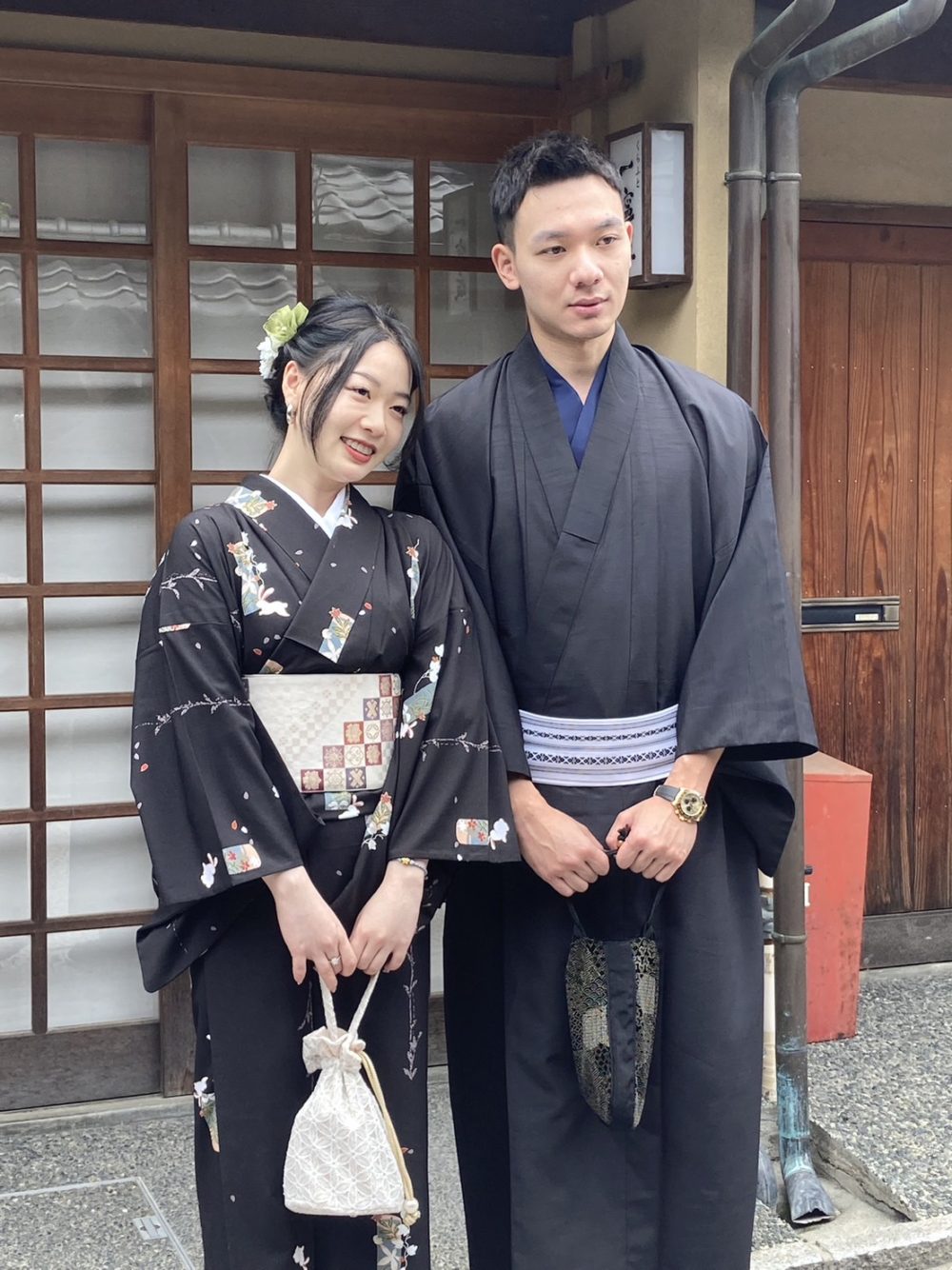
Kyoto kimono rental showcasing the distinctive Kyoto style with elegant proportions
The sleeve openings in Kyoto-style kimono are often 2-3 centimeters wider than those made in other regions, allowing for the distinctive arm movements associated with traditional Kyoto dance and tea ceremony practices.
Traditional Measurements in Kyoto Workshops
Kyoto’s traditional kimono makers still use the kane-jaku (curved measuring stick) and shaku measurement system, where one shaku equals approximately 37.9 centimeters. Traditional kimono proportions are calculated in these units:
- Standard kimono length: 4.2-4.6 shaku
- Body width: 0.95-1.05 shaku
- Sleeve length: 1.3-3.0 shaku (depending on style)
These measurements have remained virtually unchanged for over 300 years, representing one of the most stable sizing systems in global fashion history.
Modern Adaptations and Contemporary Sizing
Accommodating Modern Body Types
Contemporary kimono makers in Kyoto have begun subtle adaptations to accommodate changes in average Japanese body proportions over the past century. Modern Japanese people are on average 10-15 centimeters taller than their ancestors from 100 years ago, leading to gradual increases in standard kimono lengths.
Contemporary adjustments include:
- Increased standard lengths (now averaging 165 cm vs 155 cm historically)
- Slightly wider shoulder measurements
- Modified sleeve proportions for everyday wear
- Enhanced comfort features for extended wearing
International Size Considerations
As kimono appreciation has spread globally, Kyoto artisans have developed sizing guidelines for international customers. For Western wearers, typical adjustments include:
Height considerations:
- Petite (under 155 cm): Standard vintage sizes work well
- Average (155-170 cm): Contemporary standard sizes
- Tall (over 170 cm): Custom sizing or extended-length options
Body type adaptations:
- Increased obi lengths for larger waist circumferences
- Modified sleeve openings for different arm proportions
- Adjusted shoulder measurements for broader frames
The Art of Kimono Fitting and Adjustment
Professional Fitting Services in Kyoto
Kyoto maintains a thriving community of professional kimono fitters called kitsuke professionals who specialize in achieving perfect fit regardless of the wearer’s proportions. These experts can transform a seemingly ill-fitting kimono into a perfectly proportioned garment through skillful adjustment techniques.

Professional kimono fitting services in Kyoto ensuring perfect traditional proportions
The fitting process involves measuring over 15 different body points and calculating optimal fold placements, tuck positions, and layering arrangements. This personalized approach ensures that each kimono, regardless of its original dimensions, creates the ideal silhouette for the individual wearer.
Essential Measurement Points
Professional kimono fitting requires precise measurements of:
- Miyuki (neck to floor length)
- Kata-haba (shoulder width)
- Sode-take (sleeve length from shoulder)
- Yuki (arm span measurement)
- Koshi-mawari (hip circumference)
- Ohashori-take (fold length calculation)
These measurements allow for precise adjustments that can make any kimono fit beautifully while maintaining traditional proportions and aesthetic principles.
Care and Storage Considerations Related to Size
Impact of Dimensions on Storage
The generous dimensions of kimono create specific storage challenges that have influenced Japanese home design for centuries. Traditional tansu (kimono chests) are designed with drawers measuring approximately 90 x 45 centimeters (35 x 18 inches) to accommodate folded kimono without excessive creasing.
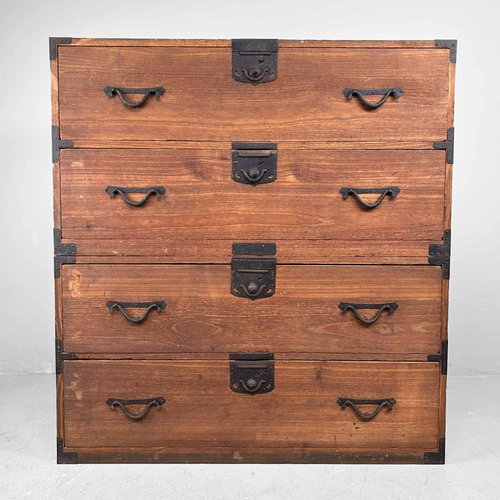
Traditional kimono tansu chest designed specifically for kimono storage dimensions
Proper folding techniques (called tatami) must account for the kimono’s full dimensions while minimizing stress on the fabric. Master folders can reduce a full-size kimono to a compact rectangle measuring just 40 x 30 centimeters (16 x 12 inches) through precise folding patterns developed over centuries.
Weight Considerations for Preservation
The substantial weight of formal kimono affects long-term preservation strategies. Heavy silk kimono require specialized hanging systems that distribute weight evenly to prevent stretching. Traditional Kyoto preservation methods include:
- Mushiboshi (seasonal airing) to prevent moisture retention
- Rotation hanging to prevent permanent fold marks
- Weight-distributed storage using traditional paulownia wood boxes
These preservation methods ensure that kimono maintain their proper dimensions and structure across generations of use.
Professional Photography and Kimono Dimensions
Capturing the Full Impact
The impressive dimensions of kimono present unique opportunities for professional photography. The flowing lines, dramatic sleeve movements, and layered textures create visually striking compositions that showcase both the garment’s beauty and the wearer’s grace.
For stunning kimono photography that captures these dimensional qualities, consider professional services that understand the unique requirements of traditional Japanese dress. Professional kimono photography services can help you create memorable images that properly showcase the magnificent scale and detail of these remarkable garments.
Expert photographers understand how to work with kimono dimensions, using the generous fabric flows and dramatic silhouettes to create images that honor both tradition and contemporary aesthetic sensibilities.
Conclusion: Understanding Kimono Dimensions Enhances Appreciation
The dimensions of a kimono – from its impressive 170-centimeter length to its surprising 2-kilogram weight – represent far more than simple measurements. These specifications embody centuries of cultural evolution, practical wisdom, and aesthetic refinement that continue to influence fashion and design today.
In Kyoto, where kimono culture remains vibrantly alive, understanding these dimensions helps visitors and enthusiasts appreciate the remarkable engineering and artistry that goes into every garment. Whether you’re planning to wear a kimono during your visit to Kyoto’s historic districts or simply want to understand this iconic aspect of Japanese culture, knowing the true scale of these magnificent garments adds depth to your appreciation.
The next time you see someone gracefully walking through Kyoto’s bamboo groves or temple grounds wearing a traditional kimono, you’ll understand the impressive dimensions hidden within those flowing silk folds – and perhaps gain a new appreciation for the skill required to move so elegantly while wearing nearly seven kilograms of traditional silk artistry.
From the dramatic 114-centimeter furisode sleeves of a young woman’s formal kimono to the precisely calculated proportions that have remained unchanged for three centuries, every dimension of a kimono tells a story of Japanese culture, craftsmanship, and enduring beauty. In understanding these measurements, we gain insight into one of the world’s most sophisticated and enduring fashion traditions.

