
Discover the Joyful Ritual of Dressing in Kimono: A Beautiful Connection to Japan’s Rich Cultural Heritage!

Discover the Joyful Ritual of Dressing in Kimono: A Beautiful Connection to Japan’s Rich Cultural Heritage!

In a world where fashion often changes with the seasons, the kimono stands apart as a timeless garment that embodies the elegance and sophistication of Japanese culture. To many, the act of dressing in kimono is not merely a fashion choice but a ritual that offers a deep connection to Japan’s rich cultural history. This enduring tradition is more than just putting on clothes; it is a celebration of artistry, heritage, and personal expression. The experience of draping oneself in this iconic attire transcends mere appearance and transforms into a reverent nod to the past. Dressing in kimono: a ritual to connect with Japan serves not only as a bridge to historical traditions but also as a gateway to understanding the cultural significance embedded in every thread.
The Rituals of Kimono Wearing: Understanding the Cultural Significance

The meticulously detailed process of donning a kimono is interwoven with centuries of Japanese history. It reflects cultural traditions and social norms passed down from generation to generation. Each component of the kimono—from the fabric selection to the intricate tying of the obi—holds emblematic meaning, rooted in the formal etiquette and artistic symbolism of the past. This ceremonial practice requires precision, often involving several steps that connect wearers to the continuum of Japanese heritage. It manifests Japan’s aesthetic values of harmony, elegance, and importantly, respect for tradition. By participating in these time-honored rituals, individuals not only celebrate their cultural identity but also nurture a profound, personal connection with Japan’s rich history and timeless artistic legacy.
Historical Context

The practice of dressing in kimono is deeply engraved in Japan’s cultural evolution, representing an intricate tapestry of history and tradition. Tracing its origins back to the Heian period, the kimono once symbolized social status and cultural identity. As centuries passed, influences from interactions with neighboring cultures brought about gradual changes in style and form. Yet, wearing a kimono today remains a cherished conduit to Japan’s storied past. It safeguards the artistry and craftsmanship that traditional textile techniques encapsulate. Unlike typical fashion, the ritual of wearing a kimono is a cultural practice, one that fosters a profound appreciation of Japan’s heritage.
- Heian period kimono signified aristocratic identity and hierarchy.
- The Edo era saw the introduction of more intricate patterns and craftsmanship.
- Western influences in the Meiji restoration altered kimono styles yet preserved core traditions.
- Kimono served as diplomatic attire reflecting Japanese artistry in early international relations.
- Today’s kimonos bridge historical continuity with contemporary appreciation.
The Art and Ritual of Dressing
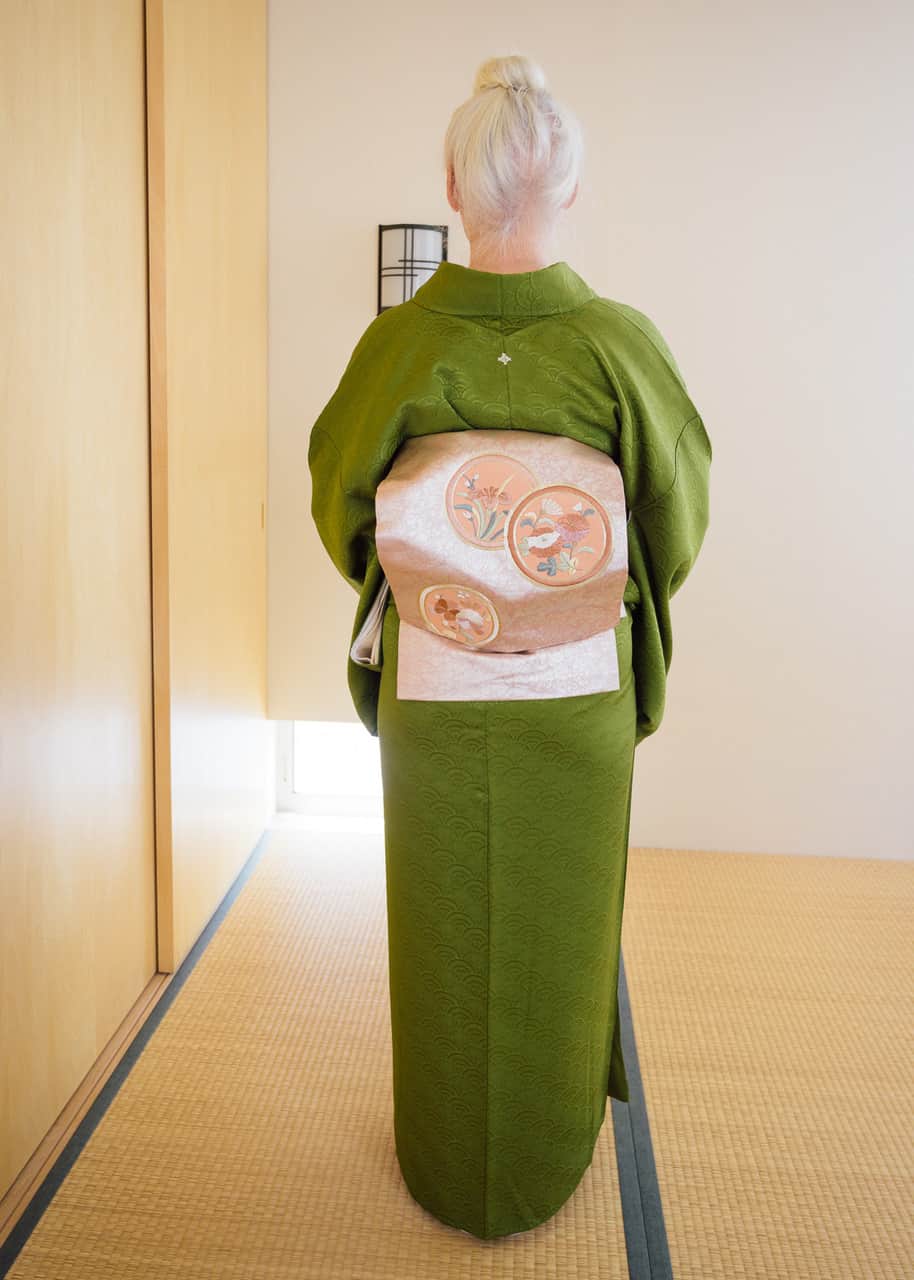
Engaging in the traditional act of dressing in a kimono offers a truly immersive connection to Japanese cultural heritage. Each step of the process is deliberate, echoing centuries-old customs and an exceptional attention to detail. Understanding the kimono’s cultural significance is crucial, encompassing everything from the fabric’s hue and texture to the careful placement of accessories. This ritual is far from mere fashion; it’s a graceful, mindful practice that encapsulates Japanese values of harmony, respect, and beauty. Embracing this traditional attire celebrates an individual’s personal reflection and is an enchanting way to engage deeply with Japan’s cultural legacy.
- Begin with selecting fabric patterns that resonate with personal or seasonal themes.
- Carefully fold and layer each garment to uphold symmetry and elegance.
- Tie the obi intricately, a skill passed down through generations.
- Incorporate traditional accessories such as obiage and obijime for a polished look.
- Practice mindful dressing to experience the tranquility and beauty of this tradition.
Symbolism and Patterns

The richness of kimono attire lies in its profound symbolism and the patterns that narrate Japan’s cultural values and profound affinity with nature. Every color, motif, and symbol used in a kimono holds significant meaning, often representing themes such as seasons, prosperity, and protection. Cherry blossoms, for example, signify renewal, while cranes symbolize longevity and good fortune. Wearing a kimono invites a deeper understanding and appreciation of these symbols, fostering a spiritual connection to Japan’s historical narrative and customs. The artful combination of patterns allows wearers to express personal and cultural stories, reinforcing a bond to Japanese heritage.

- Chrysanthemums depict imperial legacy and endurance.
- Bamboo signifies resilience and vigor amidst challenging circumstances.
- Plum blossoms represent the beauty of overcoming adversity.
- Waves illustrate the balance between life’s challenges and serendipities.
- Geometric patterns symbolize layered complexities in nature and human existence.
Ceremonial and Contemporary Significance
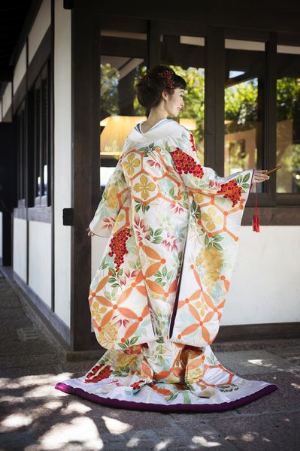
Today, the kimono serves as a meaningful bridge between Japan’s storied past and vibrant present, harmonizing traditional aesthetics with current fashion trends. Engaging in kimono dressing is not merely ceremonial; it’s a ritual that reaffirms individuals’ connections to their cultural roots. This evocative experience conjures a sense of nostalgia and deep respect for Japanese customs. The modern adaptations of kimonos are reflective of ongoing cultural dialogue, combining contemporary elements with valued traditions. By participating in the practice of wearing a kimono, one gains a greater appreciation for Japanese artistry and craftsmanship, epitomizing the elegance of blending historical continuity with contemporary flair.
- Celebratory events often feature a fusion of luxe textiles and modern design labors.
- Contemporary kimono fashion houses integrate traditional and avant-garde styles.
- Cultural festivals promote wearing kimonos to celebrate Japanese heritage.
- Designers collaborate with artists for striking impact in global fashion spheres.
- The hybridization of kimono styles reflects the evolving nature of Japanese identity.
Kyoto: The Heart of Kimono Culture

Kyoto remains the epicenter of kimono culture, offering a profound link to Japan’s revered traditional attire. This city is famous for its historic streets adorned with exquisite kimonos, which draw in tourists and locals alike. Kyoto’s artisans continue to preserve the intricate art of kimono-making, ensuring the sustainability of this significant cultural heritage. Visitors to Kyoto have the opportunity to partake in dressing rituals, providing an intimate experience of the kimono’s inherent beauty and cultural importance. Wearing a kimono in Kyoto allows for an authentic cultural immersion, enhancing one’s appreciation of Japan’s rich and enduring heritage.

- Visit the Nishijin Textile Center for kimono history and manufacturing techniques.
- Participate in dressing sessions at Kyoto’s cultural hubs.
- Stroll through Gion in traditional attire for an authentic experience.
- Attend kimono-themed workshops from local artisans preserving age-old crafts.
- Experience seasonal events celebrating Kyoto’s unmatched culture and kimono artistry.
The Cultural Significance of the Kimono Ceremony

The kimono ceremony embodies a profound and intimate connection to Japan’s cultural heritage, showcasing the beauty of centuries-old traditions and crafts. Dressing in a kimono involves a mindful, ritualistic process that accentuates respect and regard for Japanese customs. More than just a clothing choice, this ceremony is about immersing oneself in an experience that nurtures a deeper appreciation for Japanese craftsmanship and aesthetics. Participating in a kimono ceremony gives individuals a chance to engage in a personal and meaningful way with Japan’s historical narrative and core cultural values. This timeless ritual fosters enjoyment and appreciation, allowing participants to feel an exclusive bond with the spirit of Japan.
What is the significance of wearing a kimono in Japanese culture?
The kimono is far more than a traditional garment; it is a symbol of Japan’s enduring cultural heritage and rich history. Wearing a kimono connects individuals to Japan’s ancient customs and artistic aesthetics, serving as a bridge to past influences and traditions. This garment is inherently symbolic of Japanese identity, grounding contemporary individuals in ancestral values. Kimonos are often worn at special occasions, highlighting their broad significance in cultural and social celebrations. By dressing in a kimono, people actively honor and perpetuate Japan’s vibrant cultural legacy, fostering an enduring sense of community and cultural continuity.
- Seijin no Hi (Coming of Age Day) celebrations feature vibrant kimonos for young adults.
- Shichi-Go-San festivals showcase children in colorful, ornate kimonos.
- Weddings and tea ceremonies emphasize formal kimono attire.
- Cultural symposia often integrate kimono dressing for cross-cultural appreciation.
- Festivals and traditional occasions highlight kimono as a unifying national symbol.
Are there different types of kimonos for different occasions?

Indeed, kimonos come in an exquisite array of styles and designs, each chosen for specific occasions and seasons. Formal events such as weddings or tea ceremonies often call for elaborate and richly decorated kimonos like the furisode or tomesode. For casual settings, simpler styles such as the yukata are favored, particularly during summer festivals. The selection of a kimono can also reflect social status, personal preferences, and even the wearer’s age or marital status. By understanding the various types of kimonos, one can truly appreciate this intricate and meaningful aspect of Japanese culture.

- Tomesode: reserved for married women attending formal functions.
- Furisode: worn by unmarried women, symbolizing youth and elegance.
- Yukata: a lightweight, casual kimono perfect for summer events.
- Mofuku: a black kimono used for mourning ceremonies.
- Houmongi: a semi-formal kimono indicating social visits or parties.
How do I properly put on a kimono to ensure it is worn correctly?

The journey of wearing a kimono begins with the right preparation, starting with appropriate undergarments like a nagajuban, which ensures the outer kimono drapes impeccably. Start by holding the kimono with the collar facing you and gently slip your arms into the sleeves, aligning the back seam perfectly with your spine. Wrap the left side over the right side of the kimono, keeping the hem even with your ankles. Secure the kimono using an obi, tying it tightly to maintain the garment’s graceful shape and elegance. Finally, adjust the collar to display the proper amount of the undergarment, presenting an authentic and respectful look.
- Ensure an even fold to maintain visual symmetry.
- Practice obi knotting to keep the garment secure and elegant.
- Use obi-jime cords to further accentuate the aesthetic.
- Keep the kimono’s colors seasonal, showcasing harmony with nature.
- Involve yourself in the ritual’s serene mindfulness for an enriching experience.
Embracing Tradition, Fashioning Connection
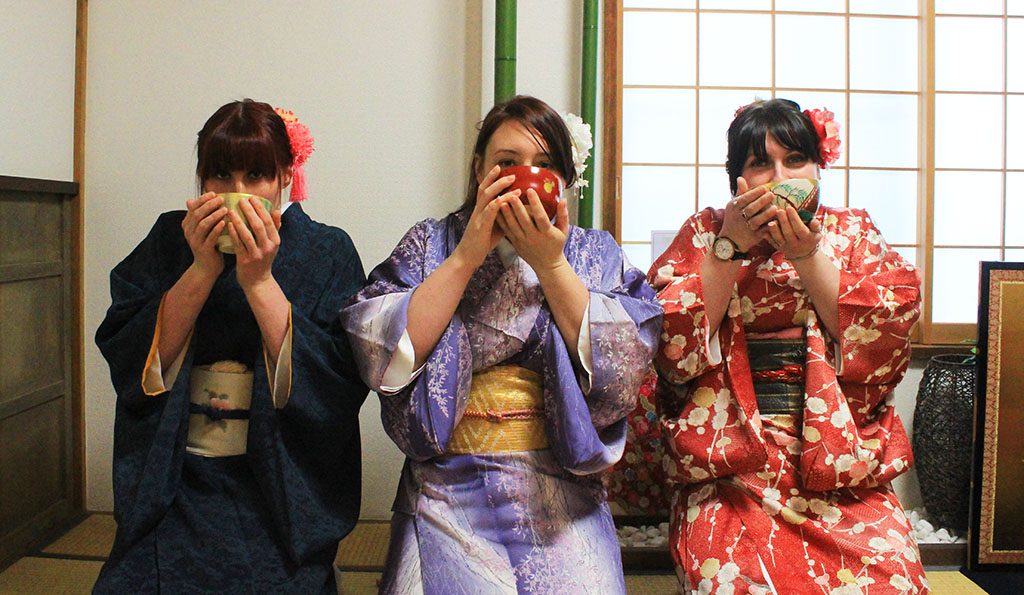
Steeped in centuries of Japanese culture, the kimono remains a proud testament to the nation’s artistic and cultural legacy. Dressing in a kimono is much more than a passive act; it is a ritualistic journey that vibrantly connects individuals to Japan’s timeless heritage. Whether through the historical context, artful patterns, ceremonial adherence, or contemporary relevance, each aspect of wearing a kimono offers a unique opportunity to delve into Japan’s storied past while celebrating its ongoing cultural evolution. Embrace the heritage, celebrate the art, and discover the joy of dressing in kimono—a ritual connecting hearts across time.

