
Cultural Appreciation or Appropriation? The Ultimate Guide to Wearing Kimono as a Foreigner in Kyoto

Cultural Appreciation or Appropriation? The Ultimate Guide to Wearing Kimono as a Foreigner in Kyoto
Introduction: Navigating Cultural Boundaries in Japan’s Ancient Capital
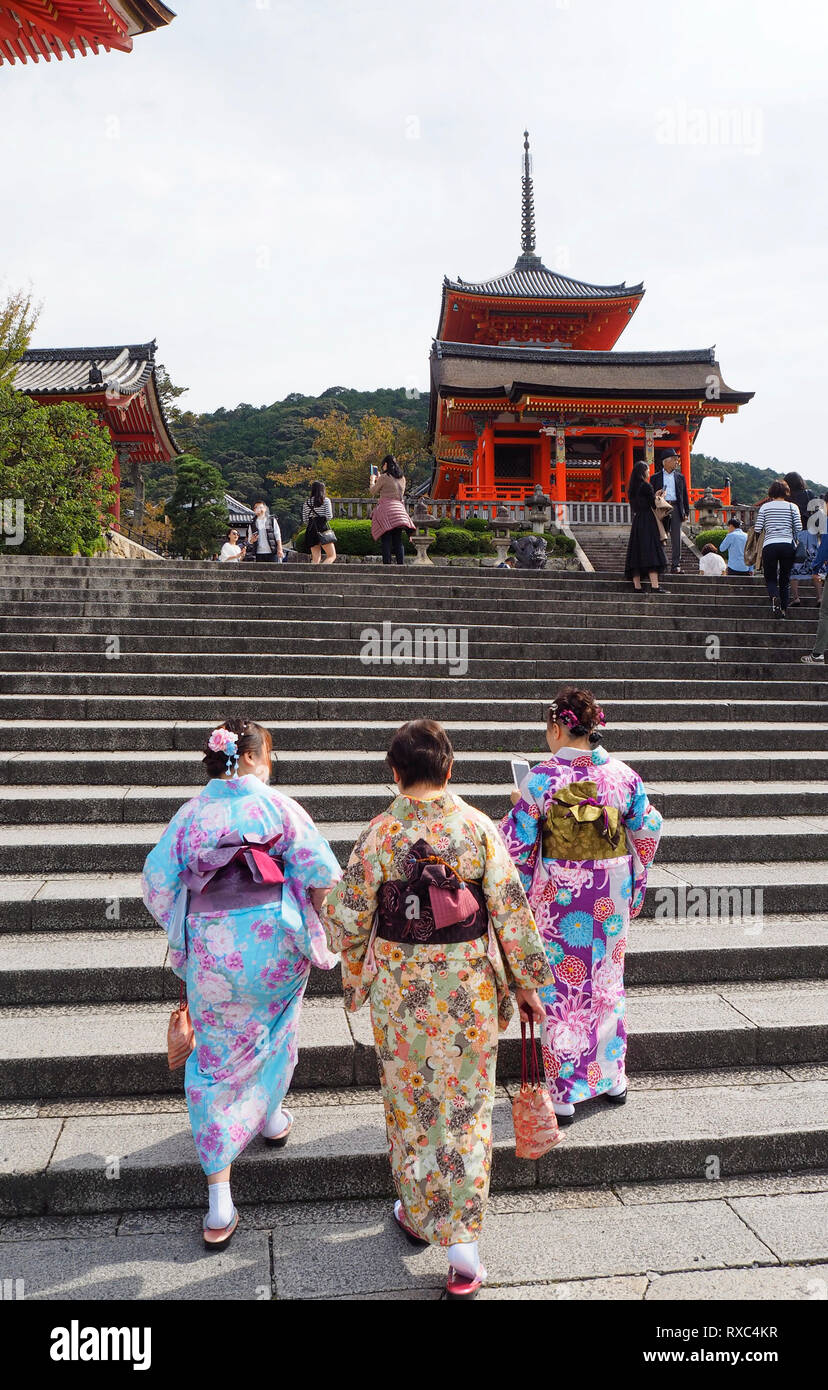
Foreign tourists experiencing kimono culture at Kyoto’s historic Kiyomizu-dera temple
Walking through the historic streets of Kyoto, you’ll encounter a fascinating sight: tourists from around the world dressed in vibrant kimono, posing for photos against the backdrop of ancient temples and traditional wooden buildings. This scene raises an important question that has sparked heated debates across social media platforms and cultural forums: Is it appropriate for foreigners to wear kimono in Japan?
The answer isn’t as straightforward as you might think. The kimono controversy represents a complex intersection of cultural appreciation, respect, tourism economics, and evolving social norms in modern Japan. As Kyoto continues to attract millions of international visitors annually, understanding the nuances of this cultural practice becomes increasingly important for respectful travel.
In this comprehensive guide, we’ll explore every aspect of the kimono debate, from historical context to modern perspectives, helping you make an informed decision about participating in this cultural experience during your visit to Kyoto.
The Historical Significance of Kimono in Japanese Culture
Origins and Evolution
The kimono, literally meaning “thing to wear,” has served as Japan’s traditional garment for over a millennium. Originally influenced by Chinese court dress during the Heian period (794-1185), the kimono evolved into a distinctly Japanese art form that reflects the country’s aesthetic values, seasonal awareness, and social hierarchy.
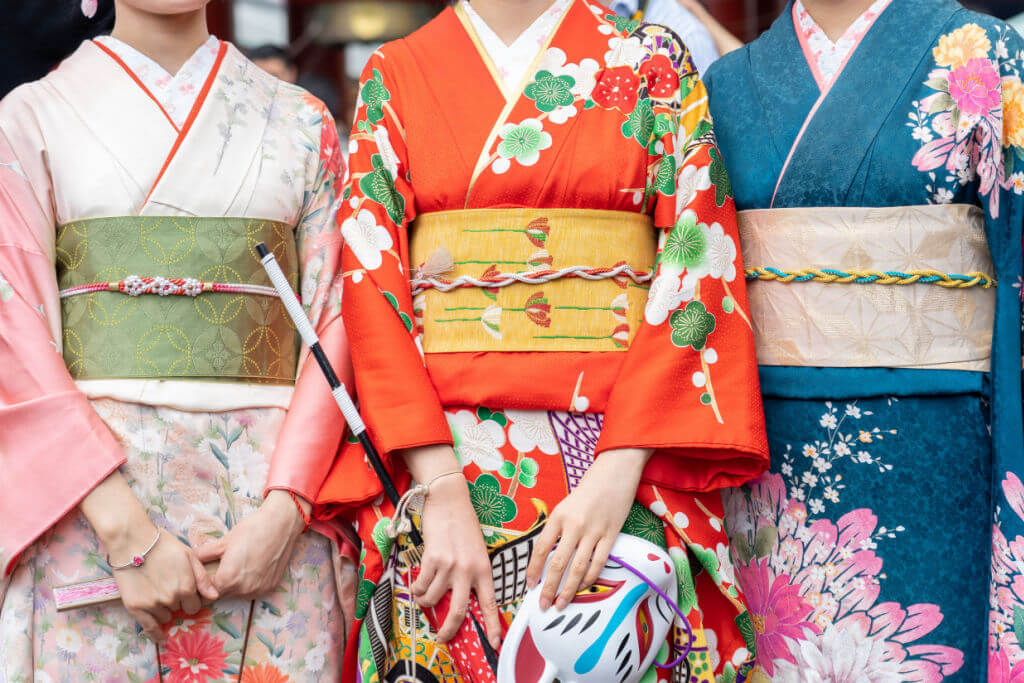
Traditional kimono patterns reflecting Japanese seasonal aesthetics and cultural symbolism
In Kyoto, the former imperial capital, kimono culture reached its zenith. The city became the epicenter of textile innovation, with skilled artisans developing techniques like yuzen dyeing and intricate embroidery that transformed simple silk into wearable masterpieces. The geisha districts of Gion and Pontocho became living museums where these traditions continued to thrive.
Cultural Symbolism and Meaning
Understanding kimono goes beyond appreciating its visual beauty. Each element carries symbolic weight:
Seasonal Appropriateness: Traditional kimono wearing follows strict seasonal rules. Spring cherry blossom motifs, summer flowing water patterns, autumn maple leaves, and winter snow-inspired designs reflect Japan’s deep connection to nature’s cycles.
Social Status Indicators: Historically, kimono indicated one’s social position, age, and marital status. The length of sleeves, color choices, and fabric quality all conveyed specific messages within Japanese society.
Ceremonial Importance: From coming-of-age ceremonies to weddings and tea ceremonies, kimono serves as the appropriate attire for life’s most significant moments in Japanese culture.

Intricate kimono patterns featuring traditional Japanese seasonal and nature-inspired designs
Understanding Cultural Appropriation vs. Cultural Appreciation
Defining the Boundaries
The distinction between cultural appropriation and appreciation lies in the approach, intent, and context of engagement with another culture’s traditions.
Cultural Appropriation typically involves:
- Taking elements from a culture without permission or understanding
- Profiting from cultural symbols while the originating culture faces discrimination
- Misrepresenting or trivializing sacred or significant cultural elements
- Ignoring the historical context and meaning behind cultural practices
Cultural Appreciation demonstrates:
- Respectful engagement with proper understanding
- Acknowledgment of the culture’s significance and origins
- Support for the communities that created these traditions
- Willingness to learn and follow appropriate protocols
The Kimono Context in Kyoto
When applied to kimono wearing in Kyoto, these concepts become more nuanced. The city’s tourism industry actively promotes kimono rental services, suggesting local acceptance and even encouragement of foreign participation. However, the manner of engagement matters significantly.
Japanese Perspectives: What Do Locals Really Think?
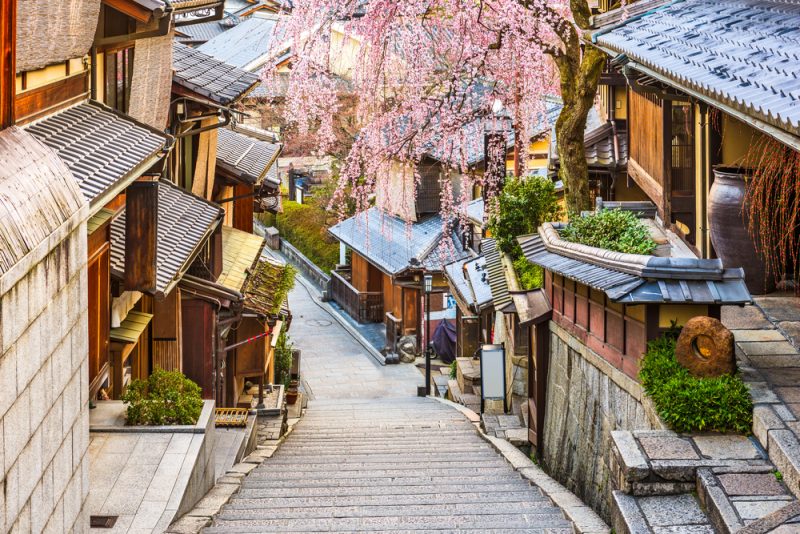
Kyoto’s historic Gion district, where traditional kimono culture continues to thrive alongside modern tourism
Survey Data and Public Opinion
Recent surveys conducted in Kyoto reveal fascinating insights into local attitudes toward foreigners wearing kimono. A 2024 study by the Kyoto Tourism Board found that 78% of local residents view respectful kimono wearing by tourists as positive cultural exchange.
Generational Differences
Older Generation (65+): Generally more traditional, this demographic shows mixed reactions. While some appreciate foreign interest in Japanese culture, others worry about proper etiquette and respectful behavior.
Middle Generation (35-64): This group tends to be most supportive, viewing kimono tourism as beneficial for local businesses and cultural preservation.
Younger Generation (18-34): Having grown up in a globalized world, young Japanese people typically embrace cultural sharing, though they’re also more aware of appropriation concerns through social media exposure.
Regional Variations
Kyoto’s perspective differs significantly from other Japanese cities. As a cultural hub dependent on tourism, the city has developed infrastructure and social norms that accommodate foreign kimono wearing. Local businesses, from rental shops to photographers, have built their models around this cultural exchange.
The Tourism Industry’s Role in Kyoto’s Kimono Culture
Economic Impact and Business Models
The kimono rental industry in Kyoto has become a significant economic force, generating over ¥12 billion annually and supporting thousands of jobs. The Gion and Arashiyama districts host dozens of rental shops, each offering different styles and price points to accommodate various budgets and preferences.
Professional kimono dressing service in Kyoto, emphasizing proper technique and cultural education
Quality and Authenticity Concerns
Not all kimono experiences are created equal. The rapid growth of the industry has led to varying standards of quality and cultural education. Some shops prioritize quick turnover over proper instruction, while others invest in cultural education and authentic experiences.
High-Quality Experiences Include:
- Proper dressing techniques and obi tying
- Cultural context education
- Seasonal appropriateness guidance
- Respectful behavior instruction
- Authentic fabric and design choices
Lower-Quality Experiences May Feature:
- Rushed dressing processes
- Inappropriate seasonal choices
- Lack of cultural education
- Costume-quality materials
- Insufficient behavioral guidance
Proper Etiquette: How to Wear Kimono Respectfully in Kyoto
Dressing Appropriately
Essential Elements:
- Proper Layering: Understanding the importance of undergarments and proper layering
- Seasonal Awareness: Choosing appropriate patterns and colors for the time of year
- Occasion Matching: Selecting formal or casual styles based on your planned activities
- Color Coordination: Understanding traditional color meanings and combinations
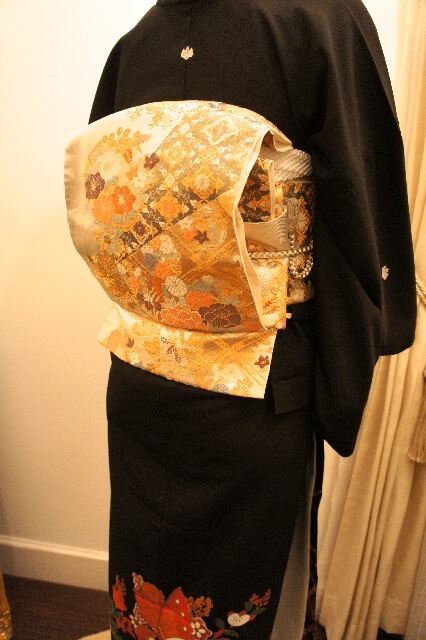
Traditional obi tying technique demonstrating proper kimono sash styling
Behavioral Guidelines
Do’s:
- Walk with small, graceful steps
- Keep your voice at a respectful level
- Bow appropriately when greeting locals
- Be mindful of your posture and movements
- Show appreciation for the cultural significance
- Support local businesses and artisans
Don’ts:
- Rush or move carelessly in the garment
- Ignore proper sitting and standing techniques
- Treat the kimono as a costume for silly photos
- Enter sacred spaces without permission
- Neglect to follow temple and shrine etiquette
- Forget to express gratitude to shop owners and staff
Modern Debates: Social Media and Global Perspectives
The Digital Divide
Social media has amplified the kimono controversy, creating echo chambers where different perspectives rarely intersect. Instagram and TikTok showcase thousands of kimono-wearing tourists, generating both admiration and criticism.
International Perspectives
Western Viewpoints: Often focus on appropriation concerns, influenced by broader cultural sensitivity movements and historical context of colonialism and cultural exploitation.
Japanese Diaspora: Japanese communities living abroad sometimes express different views than those in Japan, influenced by their experiences as minorities in other cultures.
Global South Perspectives: Countries with their own histories of cultural appropriation may view the kimono debate through the lens of their own cultural protection efforts.
Finding Middle Ground
The most constructive discussions occur when different perspectives engage respectfully, acknowledging the complexity of cultural exchange in our interconnected world.
Regional Focus: Kyoto’s Unique Cultural Landscape
Historical Significance
As Japan’s ancient capital for over 1,000 years, Kyoto holds unparalleled cultural significance. The city’s 17 UNESCO World Heritage Sites, traditional neighborhoods, and preserved architecture create an authentic backdrop for cultural experiences.
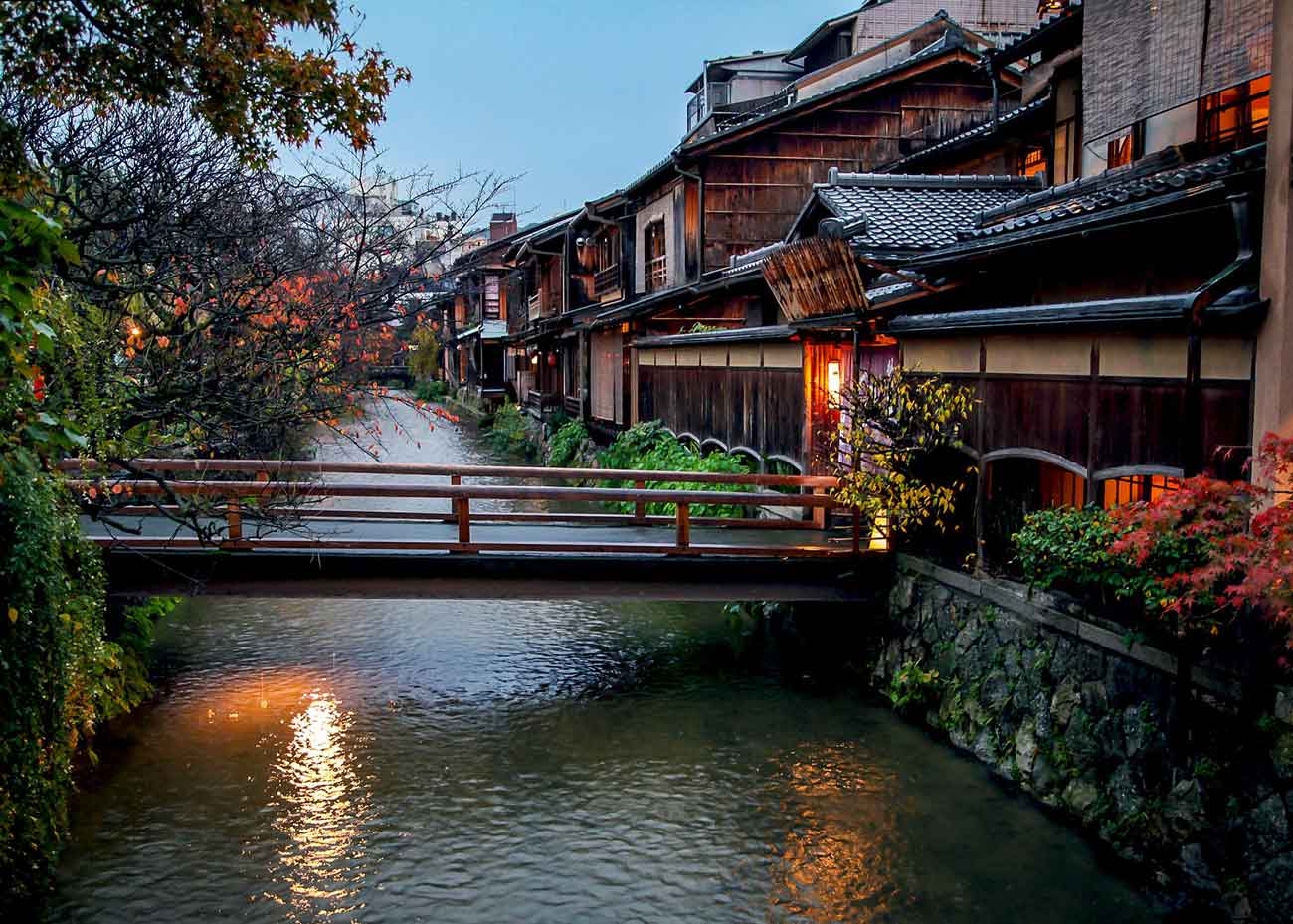
The historic Shirakawa area in Kyoto’s Gion district, showcasing traditional architecture and cultural atmosphere
Contemporary Cultural Hubs
Gion District: The famous geisha quarter where traditional culture thrives alongside modern tourism.
Arashiyama: Known for its bamboo grove and temples, offering a more natural setting for cultural experiences.
Higashiyama: Historic streets lined with traditional shops and restaurants.
Nishiki Market: The “kitchen of Kyoto” where food culture intersects with traditional crafts.
Seasonal Considerations in Kyoto
Spring (March-May): Cherry blossom season brings crowds but offers stunning backdrops. Light, pastel kimono with floral motifs are appropriate.
Summer (June-August): Hot, humid weather calls for lighter yukata rather than full kimono. Festivals provide perfect opportunities for cultural participation.
Autumn (September-November): Maple leaf season offers spectacular photography opportunities. Rich, warm colors reflect the season’s beauty.
Winter (December-February): Fewer crowds and unique beauty, though cold weather requires careful layering and appropriate fabrics.
Photography and Memory-Making: Capturing Your Kyoto Experience
Respectful Photography Practices
When documenting your kimono experience in Kyoto, remember that you’re not just taking tourist photos—you’re participating in a cultural tradition with deep meaning.
Sacred Spaces: Always ask permission before photographing in temples and shrines. Some locations prohibit photography entirely.
Private Moments: Respect locals’ privacy, especially in residential areas and during traditional ceremonies.
Commercial Considerations: Some locations may charge photography fees or have restrictions on professional equipment.
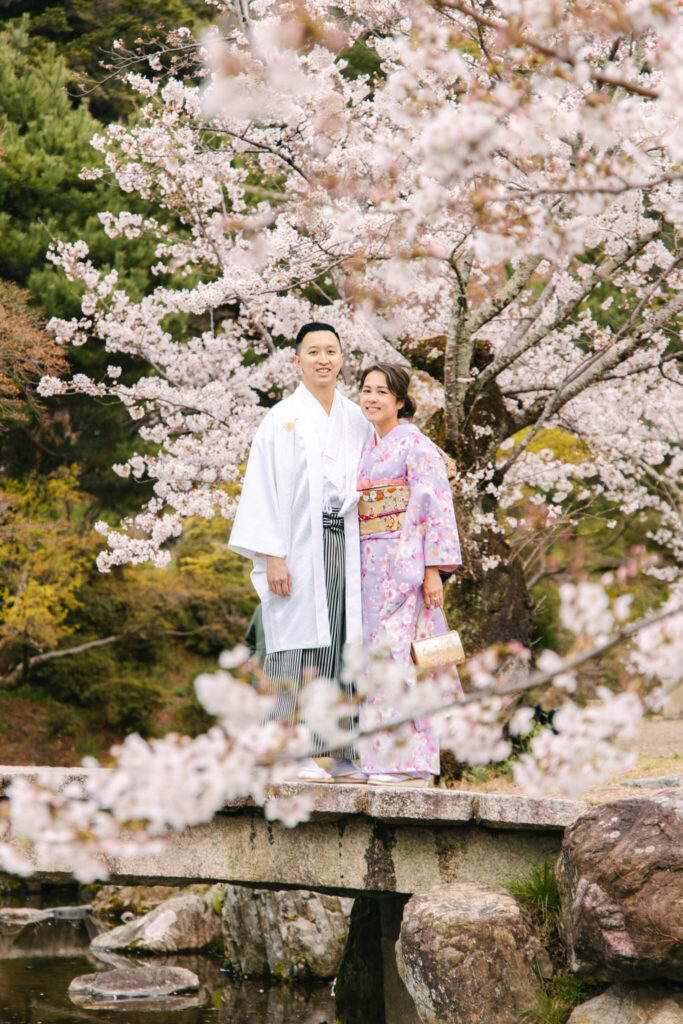
Professional kimono photography capturing the beauty of traditional Japanese culture during cherry blossom season
Professional Photography Services
For those seeking high-quality memories of their Kyoto kimono experience, professional photography services offer expertise in both technical skills and cultural sensitivity. These services understand the significance of proper posing, appropriate locations, and respectful representation of Japanese culture.
Consider booking a professional photo session to capture your kimono experience properly: Book Your Professional Kimono Photo Session
Economic and Cultural Benefits of Respectful Participation
Supporting Local Communities
When done respectfully, foreign participation in kimono culture provides significant benefits to Kyoto’s local economy and cultural preservation efforts.
Direct Economic Impact:
- Rental shop revenue supporting local families
- Increased foot traffic to traditional neighborhoods
- Demand for authentic cultural experiences
- Employment opportunities in tourism services
Cultural Preservation:
- Increased interest in traditional crafts
- Financial support for artisan communities
- Motivation for cultural education programs
- International awareness of Japanese traditions
Building Cultural Bridges
Respectful cultural participation creates opportunities for meaningful exchange between visitors and locals, fostering mutual understanding and appreciation.
Guidelines for Respectful Kimono Wearing in Kyoto
Pre-Visit Preparation
Research and Education:
- Learn about kimono history and significance
- Understand basic etiquette and behavioral expectations
- Research seasonal appropriateness for your visit dates
- Familiarize yourself with local customs and shrine etiquette
Choosing the Right Experience:
- Select reputable rental shops with good reviews
- Look for businesses that provide cultural education
- Consider your budget and desired level of authenticity
- Book in advance, especially during peak seasons
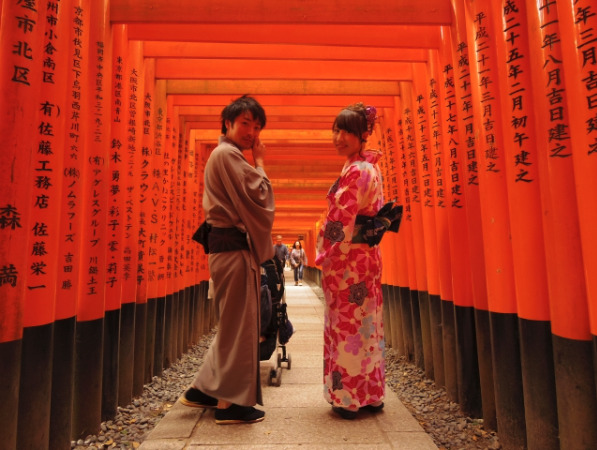
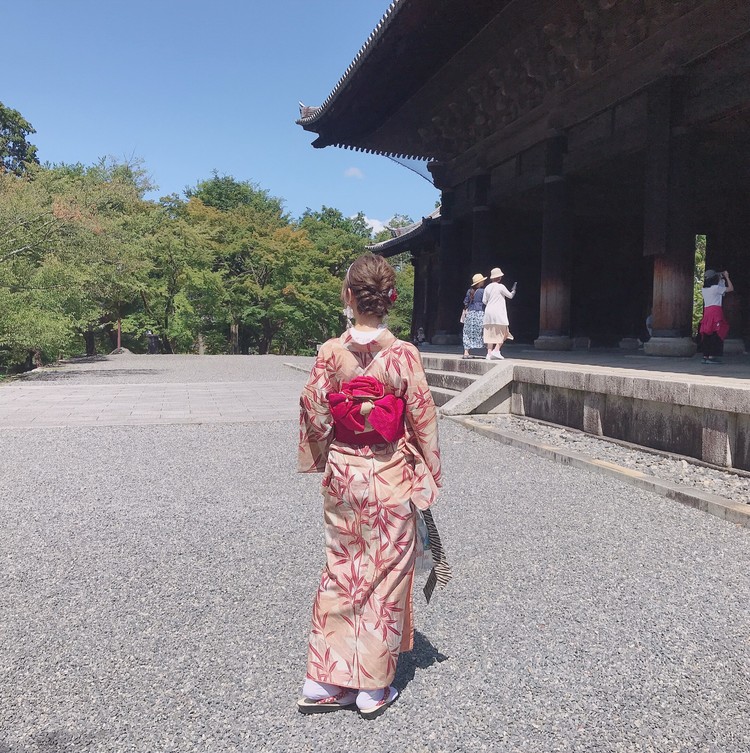
Foreign tourists demonstrating respectful kimono wearing while visiting Kyoto’s sacred sites
During Your Experience
Respectful Behavior:
- Listen carefully to dressing instructions
- Ask questions about cultural significance
- Be patient with the dressing process
- Express gratitude to staff and locals
- Follow all guidelines provided by rental shops
Cultural Sensitivity:
- Avoid treating kimono as a costume
- Respect sacred spaces and ceremonies
- Be mindful of local customs and traditions
- Represent your own culture respectfully while participating
Post-Experience Reflection
Sharing Your Experience:
- Share photos and stories respectfully
- Acknowledge the cultural significance
- Recommend responsible businesses
- Educate others about proper etiquette
- Express gratitude for the opportunity
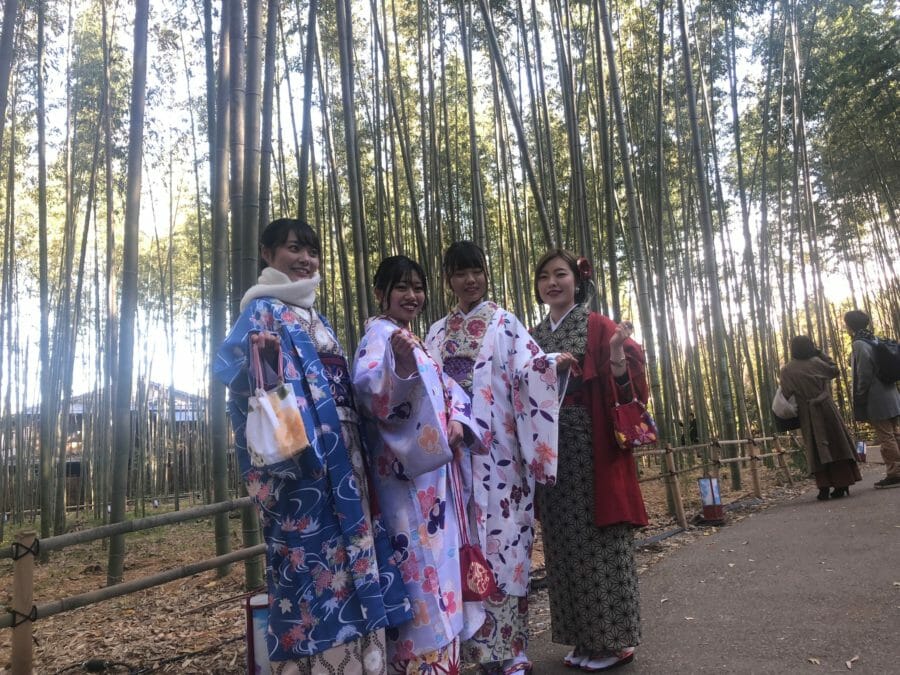
Visitors respectfully enjoying kimono experience in Kyoto’s famous Arashiyama bamboo grove
Common Misconceptions and Myths
Myth 1: “Japanese People Always Oppose Foreigners Wearing Kimono”
Reality: Most Japanese people, especially in Kyoto, welcome respectful participation in their culture. The key is approaching the experience with proper understanding and respect.
Myth 2: “All Kimono Tourism is Cultural Appropriation”
Reality: The distinction lies in the approach and intent. Respectful participation that acknowledges cultural significance and supports local communities represents appreciation, not appropriation.
Myth 3: “Expensive Equals More Respectful”
Reality: While quality matters, the most important factor is the approach and attitude of the participant, not the price paid for the experience.
Myth 4: “Only Certain Nationalities Should Wear Kimono”
Reality: Respectful cultural participation is open to all who approach it with proper understanding and respect, regardless of nationality or background.
The Future of Kimono Tourism in Kyoto
Evolving Standards and Practices
As awareness of cultural sensitivity grows, Kyoto’s kimono tourism industry continues to evolve, implementing better education programs and raising standards for authentic experiences.
Technology and Tradition
Modern technology increasingly supports cultural education, with apps and digital guides helping visitors understand the significance of their kimono experience.
Sustainable Tourism Models
The future of kimono tourism in Kyoto lies in sustainable models that balance economic benefits with cultural preservation and respectful participation.
Conclusion: Making Your Decision
The question of whether foreigners should wear kimono in Kyoto doesn’t have a simple yes or no answer. Instead, it requires thoughtful consideration of your intentions, willingness to learn, and commitment to respectful participation.
If you approach kimono wearing with genuine appreciation for Japanese culture, take time to understand its significance, and participate respectfully, you’ll likely find both local acceptance and personal fulfillment. The key is moving beyond surface-level engagement to develop genuine understanding and respect for the cultural traditions you’re participating in.
Kyoto, with its rich history and welcoming tourism infrastructure, offers an ideal setting for this cultural exchange. By following proper etiquette, supporting local businesses, and approaching the experience with humility and respect, you can participate in this beautiful tradition while contributing positively to its preservation and continuation.
Remember that cultural appreciation is an ongoing journey, not a single experience. Whether you choose to wear kimono in Kyoto or simply observe and learn, the most important thing is approaching Japanese culture with respect, curiosity, and genuine desire to understand and appreciate its depth and beauty.
The kimono controversy ultimately reflects broader questions about cultural exchange in our globalized world. By engaging thoughtfully and respectfully, we can build bridges between cultures while honoring the traditions that make each culture unique and valuable.
Planning your kimono experience in Kyoto? Consider capturing these precious memories with professional photography services that understand both technical excellence and cultural sensitivity. Book your professional kimono photo session today and ensure your cultural experience is documented with the respect and beauty it deserves.

