A Walk in Kimono Among Geishas and Maikos in Gion
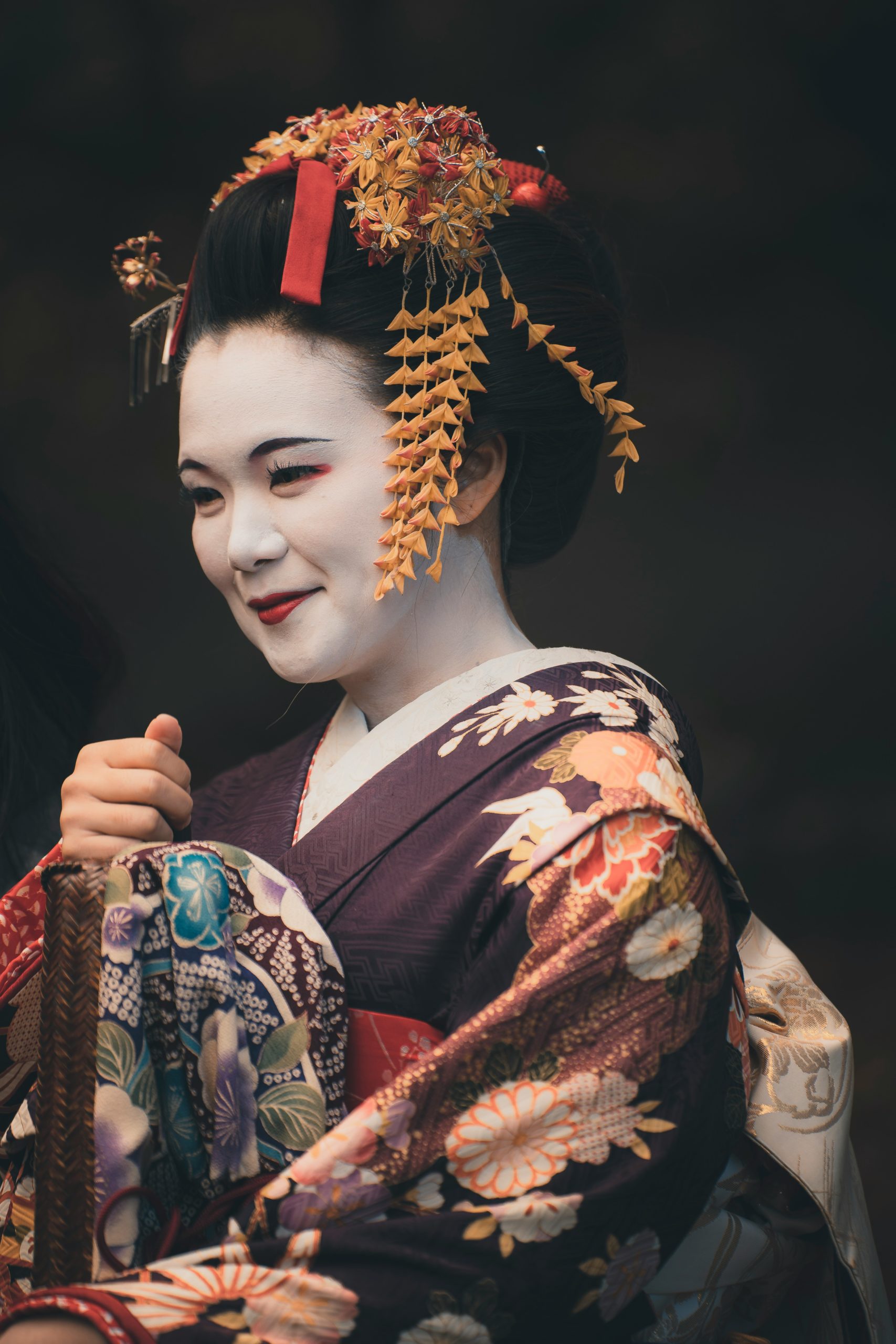
Kyoto is often described as the heart of traditional Japan, where centuries-old customs coexist with modern life. Among its most enchanting districts lies Gion, famous for its geishas (geiko), maikos (apprentice geishas), and historic streets that transport visitors back to the Edo period.
One of the most unforgettable experiences you can enjoy here is taking a walk dressed in a kimono through Gion’s narrow alleys. Surrounded by wooden machiya houses, lantern-lit teahouses, and the sound of geta sandals clicking on the stone paths, this walk is not just sightseeing—it’s stepping into a living postcard of Japan.
In this guide, we’ll explore everything you need to know about walking in kimono in Gion, the world of geishas and maikos, and why Kyoto remains the epicenter of traditional Japanese culture.
1. Introduction: Kyoto, the Cultural Capital of Japan
Kyoto served as Japan’s capital for over a thousand years and still preserves a deep cultural identity. While Tokyo symbolizes modern Japan, Kyoto represents the soul of its history. Temples, shrines, gardens, and tea houses are scattered across the city, but nowhere is Kyoto’s elegance more alive than in Gion.
Gion is more than a tourist destination; it is a hanamachi (flower district) where tradition thrives. This is where you can witness geishas and maikos moving gracefully to their evening appointments, and where visitors can immerse themselves in the beauty of Japanese aesthetics.
Walking in Gion dressed in a kimono allows you to experience the district with authenticity, blending seamlessly with the atmosphere.
2. The History of Gion: A District Frozen in Time
Gion developed around Yasaka Shrine in the Middle Ages as a resting place for pilgrims. Over the centuries, it evolved into Kyoto’s most famous entertainment district, home to teahouses (ochaya), kabuki theaters, and traditional arts.
Unlike Tokyo’s bustling Shinjuku or Shibuya, Gion offers an intimate encounter with Japan’s past. Its narrow stone-paved streets lined with wooden buildings retain the architectural charm of the Edo period.
Today, Gion is internationally recognized as the heart of geisha culture, and wearing a kimono here connects visitors directly to that heritage.
3. Who Are the Geishas and Maikos of Kyoto?
Geisha (Geiko in Kyoto dialect):
Professional entertainers highly skilled in traditional arts such as shamisen music, classical dance, tea ceremony, and poetry.
Maiko:
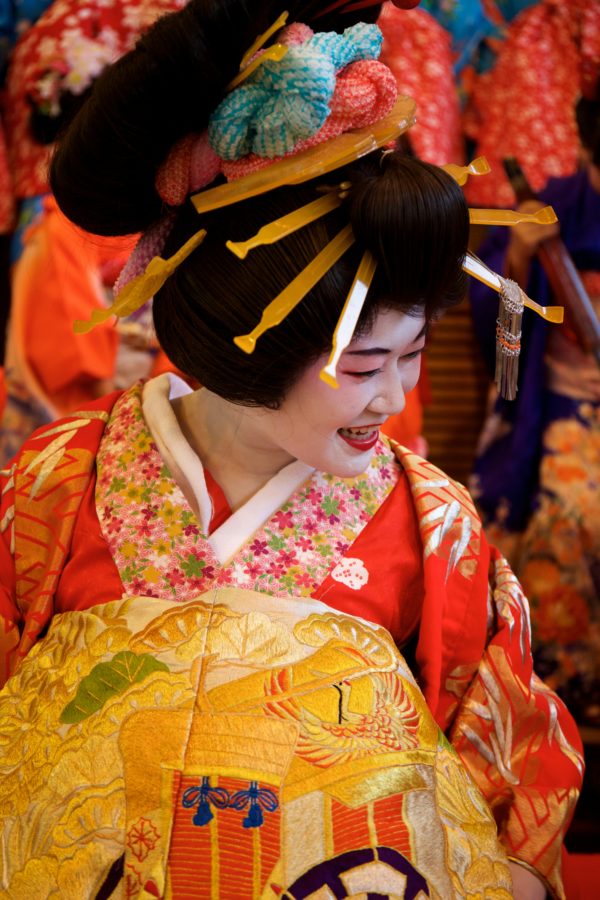
Apprentices to the geiko, usually younger women in their teens or early twenties. They wear more colorful kimonos with elaborate hairstyles and long obi sashes.
Walking through Gion, especially at dusk, you may catch glimpses of maikos moving between teahouses. This is a rare and magical sight that makes Gion unique.
4. Why Wear a Kimono in Kyoto?
Wearing a kimono in Gion is not just about fashion—it’s about connecting with Japanese culture. Visitors often say that dressing in a kimono changes the way they perceive their surroundings. The slow, deliberate walk it requires makes you appreciate the details of the streets, lanterns, and gardens.
Additionally, taking photos in kimono creates timeless memories of your trip. Many locals also see it as a way of showing respect to Kyoto’s traditions.
5. Where to Rent a Kimono in Gion
Kyoto is full of rental shops that offer a wide range of kimonos, from simple designs to elaborate ones suitable for photography sessions.
Look for shops that provide:
- Professional dressing assistance (kitsuke)
- Hairstyling services
- Accessories such as handbags and fans
- Outdoor photo packages
Click here to book a kimono and photography session
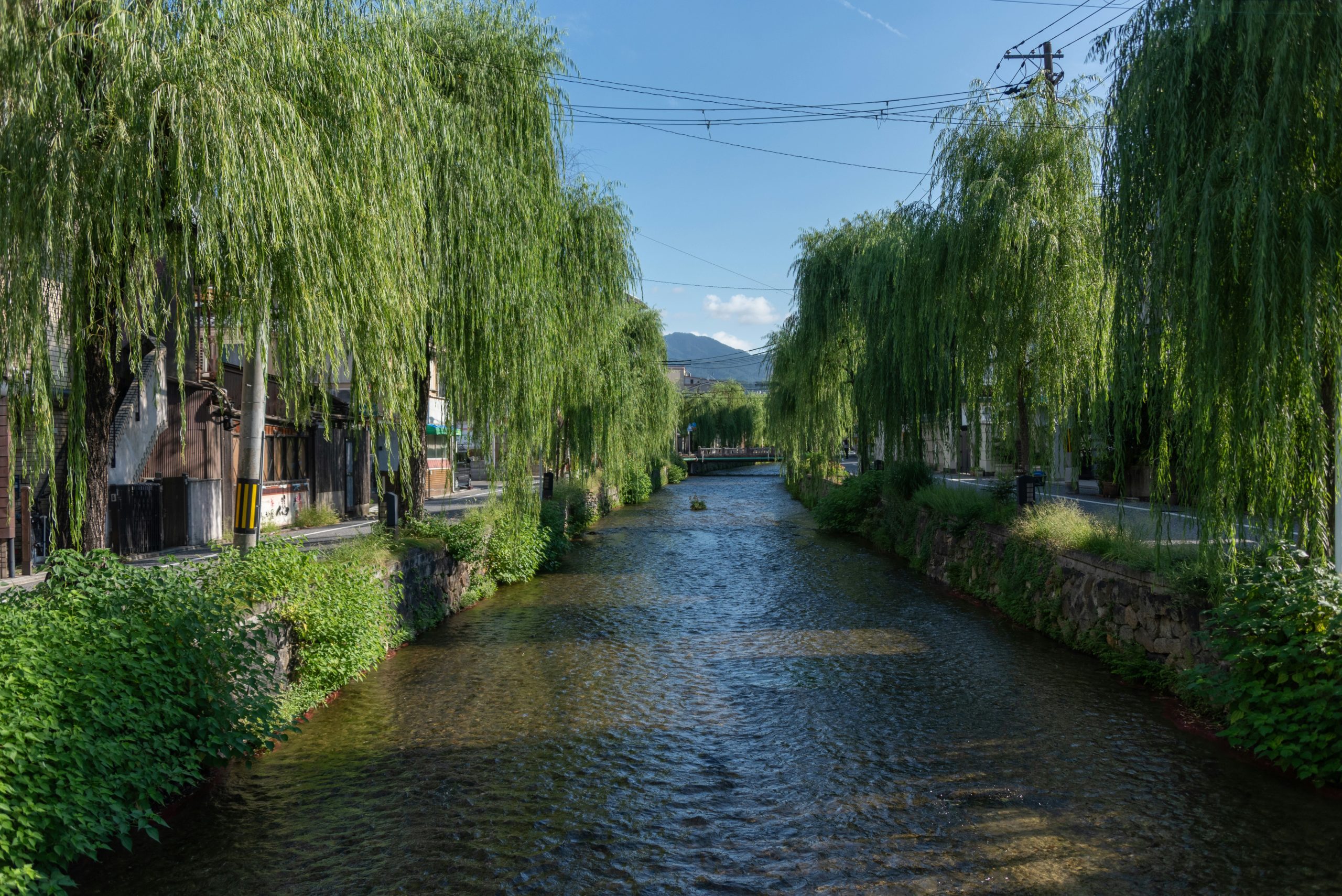
By booking with professional photographers, you can capture the elegance of your walk in stunning locations such as Yasaka Pagoda or Shirakawa Canal.
6. Best Routes for a Kimono Walk in Gion
Here are some suggested paths to explore in kimono:
Hanamikoji Street:
The main street of Gion, lined with teahouses and traditional restaurants.
Shirakawa Canal:
A picturesque walkway with willow trees, stone bridges, and lanterns.
Yasaka Shrine:
A spiritual landmark that lights up beautifully at night.
Kiyomizu-dera Path:
A longer walk leading to one of Kyoto’s most iconic temples.
Each of these routes provides the perfect backdrop for kimono photography.
7. The Evening Magic: Spotting Geishas in Hanamachi
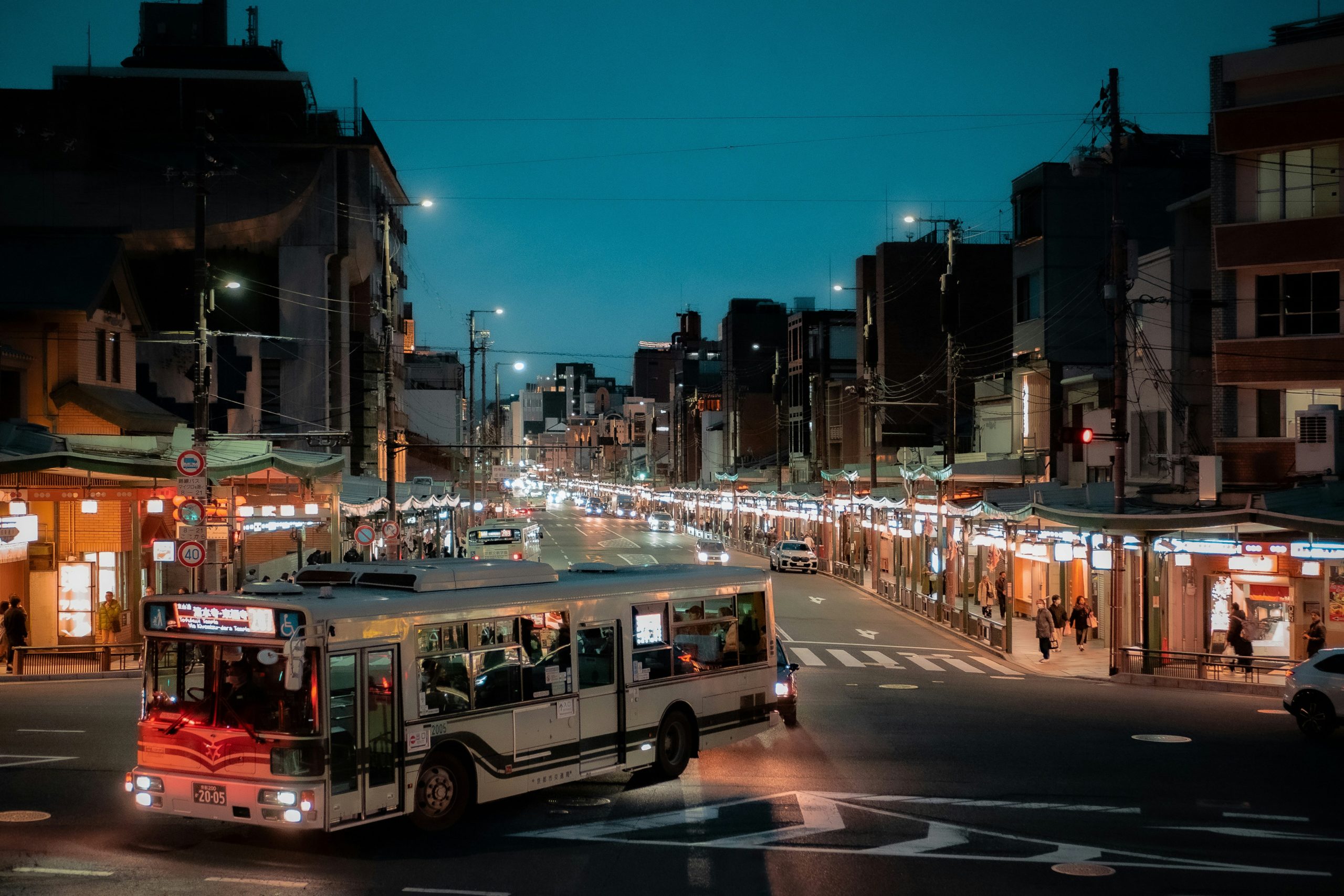
The best time to see geishas and maikos is in the evening, usually between 5:00–7:00 PM, when they walk to their appointments. Hanamikoji Street and the alleys around Shirakawa Canal are the most common places to spot them.
Remember to be respectful: do not chase, block, or touch them. They are professionals on duty, not performers for tourists.
8. Photography Tips: Capturing Your Kimono Walk in Gion
Use natural light during the late afternoon for soft, golden tones.
Frame shots with wooden facades, lanterns, or cherry blossoms.
Hire a professional photographer to ensure high-quality memories.
For photography sessions in Gion, check this service.
9. Seasonal Kimono Experiences in Kyoto
Kyoto changes dramatically with the seasons, making every kimono walk unique:
Spring:
Cherry blossoms (sakura) around Maruyama Park.
Summer:
Festivals such as Gion Matsuri.
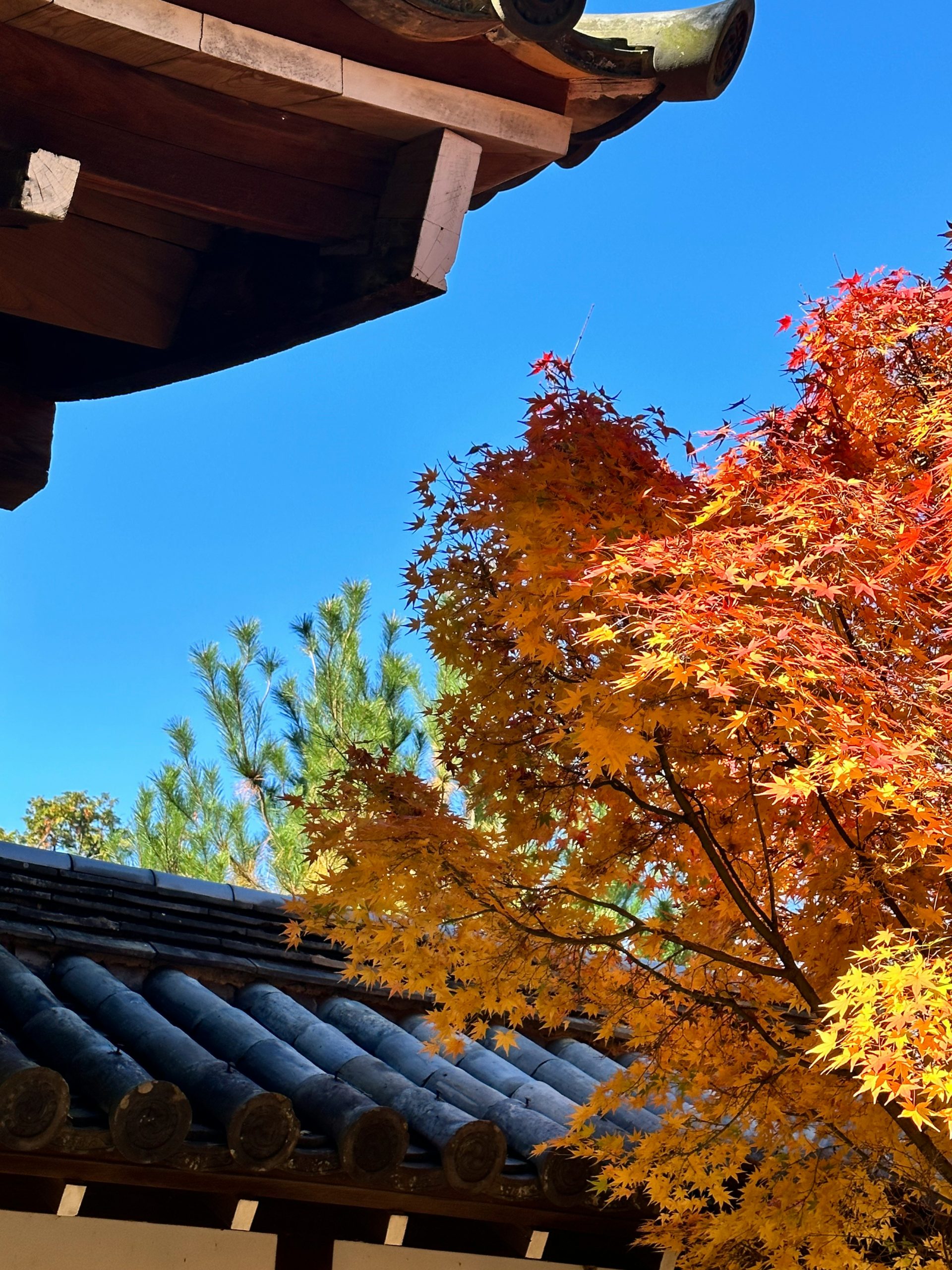
Autumn:
Vibrant red and orange maple leaves.
Winter:
Snow-dusted temples and peaceful streets.
Choosing a kimono that matches the season enhances your photos and the authenticity of the experience.
10. Etiquette When Meeting Geishas and Maikos
Important Guidelines:
- Always maintain a respectful distance.
- Avoid using flash photography directly on them.
- Do not touch their kimono or hair ornaments.
- If you wish to take a photo, ask politely or join a cultural experience program where photography is allowed.
By following etiquette, you help preserve the dignity of Kyoto’s cultural traditions.
11. How to Make Your Gion Experience Unforgettable
Cultural Immersion
Book a tea ceremony with a maiko for a deeper understanding of geisha culture.
Evening Magic
Take an evening kimono stroll when lanterns glow along the streets.
Culinary Journey
Enjoy kaiseki (traditional multi-course cuisine) at a local restaurant.
Lasting Memories
Capture professional photos to treasure your walk forever.
12. Conclusion: A Walk Through Living Tradition
Walking in kimono through Gion is not just sightseeing—it is becoming part of Kyoto’s living tradition. Surrounded by geishas, maikos, shrines, and historic streets, you step into a world where time slows down, and beauty reigns.
Whether you come for photography, cultural appreciation, or simple curiosity, this experience will stay with you for a lifetime.
Book your kimono and photography session here: