A Kimono Journey Through the Paper-Roofed Wooden Streets of Teramachi

A Kimono Journey Through the Paper-Roofed Wooden Streets of Teramachi
Introduction: Where Tradition Breathes Between Wooden Beams
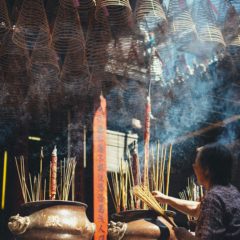
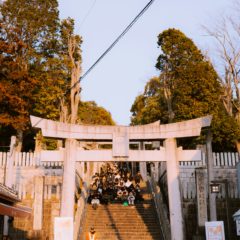
Kyoto has many faces, yet few neighborhoods capture its quiet elegance like the narrow wooden passages of Teramachi. Hidden between long-standing temples and artisan shops, the area’s distinctive paper-roofed arcades filter the sunlight into a soft, diffused glow. Walking here feels like stepping gently into a parallel Kyoto—one where craft, tradition, and silence embrace each other.
The iconic paper-roofed arcades of Teramachi create a dreamlike atmosphere
Dressing in kimono as you enter this district is more than a stylistic choice. It is an invitation to feel the slow rhythm of the city, to see the alleys not as a tourist but as a quiet participant in a centuries-old scene. Teramachi offers a pathway where the scents of incense, the touch of worn wood, and the warmth of handmade fabrics form a tapestry of sensory memories.
If you seek a journey where tradition shapes every footstep, the wooden streets of Teramachi offer a rare and intimate experience of Kyoto.
A Street Shaped by Monks, Merchants, and Memory
Teramachi literally means “Temple Town,” a name rooted in its origins. During the late 16th century, the district evolved as a safe haven for Buddhist temples relocated for protection. Over time, merchants settled near these temples, creating a unique blend of spiritual calm and lively craftsmanship.
Today, the neighborhood preserves its character through its wooden storefronts, narrow walkways, and old family businesses that weathered centuries of change. Many of the facades still carry subtle imperfections—scratches, sun-bleached boards, and soot-darkened ceilings—that reveal their age. These are not flaws; they are narrative lines written by time itself.
Wearing a kimono here adds another layer to this story. The rustle of fabric harmonizes with the environment as if the place recognizes the gesture and welcomes it.
Entering the Paper-Roofed Arcades
One of Teramachi’s most striking features is its gentle canopy: translucent paper screens stretched across wooden beams, forming a corridor of filtered daylight. This architectural style creates a dreamlike environment where sound softens, shadows move like brushstrokes, and the colors of your kimono appear more vivid and alive.
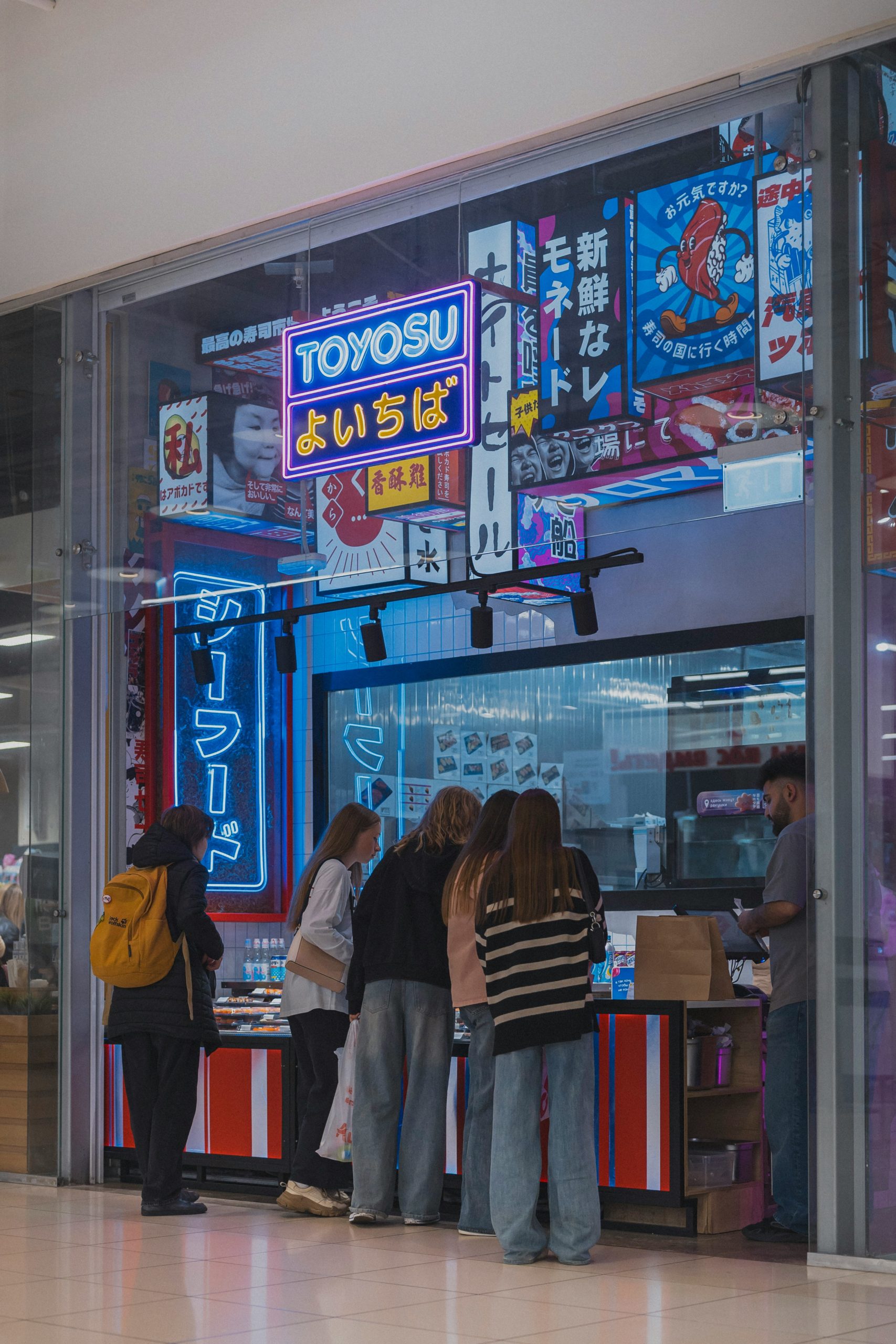
A kimono transforms your walk into a living connection with Kyoto’s heritage
The paper roofs are not merely decorative. They reflect an old Kyoto practice of protecting outdoor markets from harsh sunlight while maintaining a natural aesthetic. Walking under these luminous ceilings feels like stepping into a living gallery, where every movement becomes a photograph-worthy moment.
As you stroll, you might notice the subtle crackle as sunlight shifts through the layered paper. Beneath your feet, the wooden planks echo with a soft, resonant rhythm, giving the sensation of walking inside a handcrafted instrument.
Kimono as a Bridge Between Past and Present
Kimono culture thrives most richly in spaces where history is still palpable. Teramachi is one such space. Wearing a kimono here is not about dressing up—it is about aligning yourself with Kyoto’s atmosphere.
The weight of the obi, the breathability of the fabric, and the detailed patterns inspired by seasons and tradition create a dialogue with the streets. A floral summer motif complements the warm wooden storefronts; a subdued autumn palette mirrors the muted grain of centuries-old beams.

Kimono patterns echo the seasons and traditions of Kyoto
Many who walk Teramachi in kimono say the fabric helps them slow down. You take smaller steps, breathe more intentionally, and notice details you might otherwise overlook:
The texture of shoji paper on sliding doors. The smell of sandalwood from a nearby shop. The distant bells of a temple hidden behind a narrow alley.
Kimono becomes a way of tuning yourself to the environment.
Wooden Architecture That Lives and Breathes
The streets near Teramachi are lined with machiya—traditional Kyoto townhouses. Characterized by long, narrow designs and latticed wooden fronts, machiya once housed merchants and artisans. Many now function as cafés, ceramic studios, tea shops, and galleries.
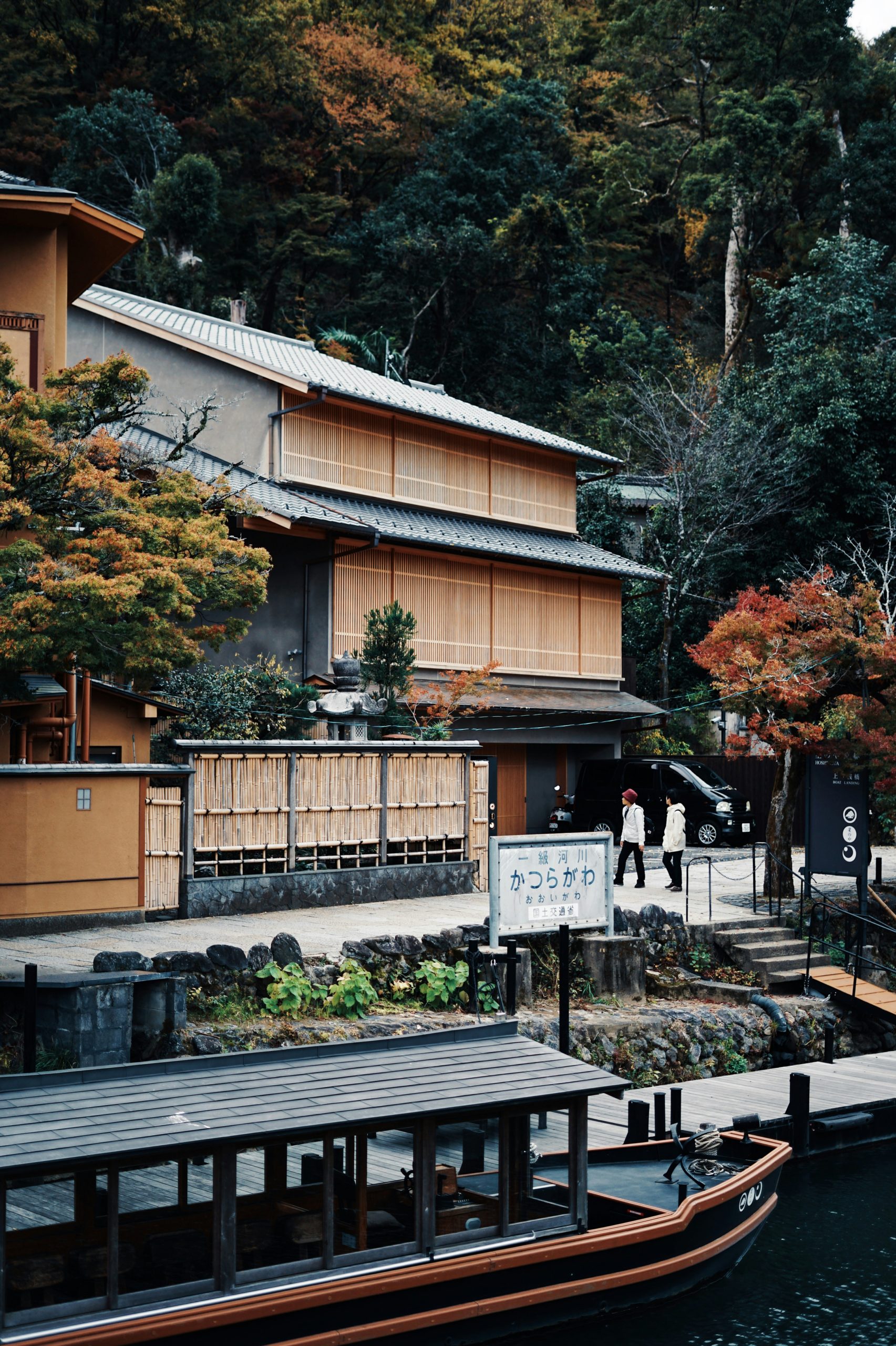
Machiya townhouses preserve the architectural soul of old Kyoto
Entering a machiya is like stepping into a living chapter of Kyoto’s architectural history. Inside, natural light enters through interior gardens, and the scent of wood mingles with fresh tea. The floors give a soft creak that reveals their age, and the walls, though restored, continue to hold the warmth of decades past.
Walking these streets in kimono enhances the sensation of time flowing differently. Your footsteps match the cadence of the wooden boards, and the kimono’s silhouette complements the vertical lines of the machiya façades.
Hidden Corners Filled With Craft and Culture
Teramachi is famous for its small artisans’ shops that specialize in everything from incense and calligraphy brushes to handmade washi paper and pottery. When you enter these shops wearing a kimono, you become part of a scene reminiscent of an Edo-period painting.
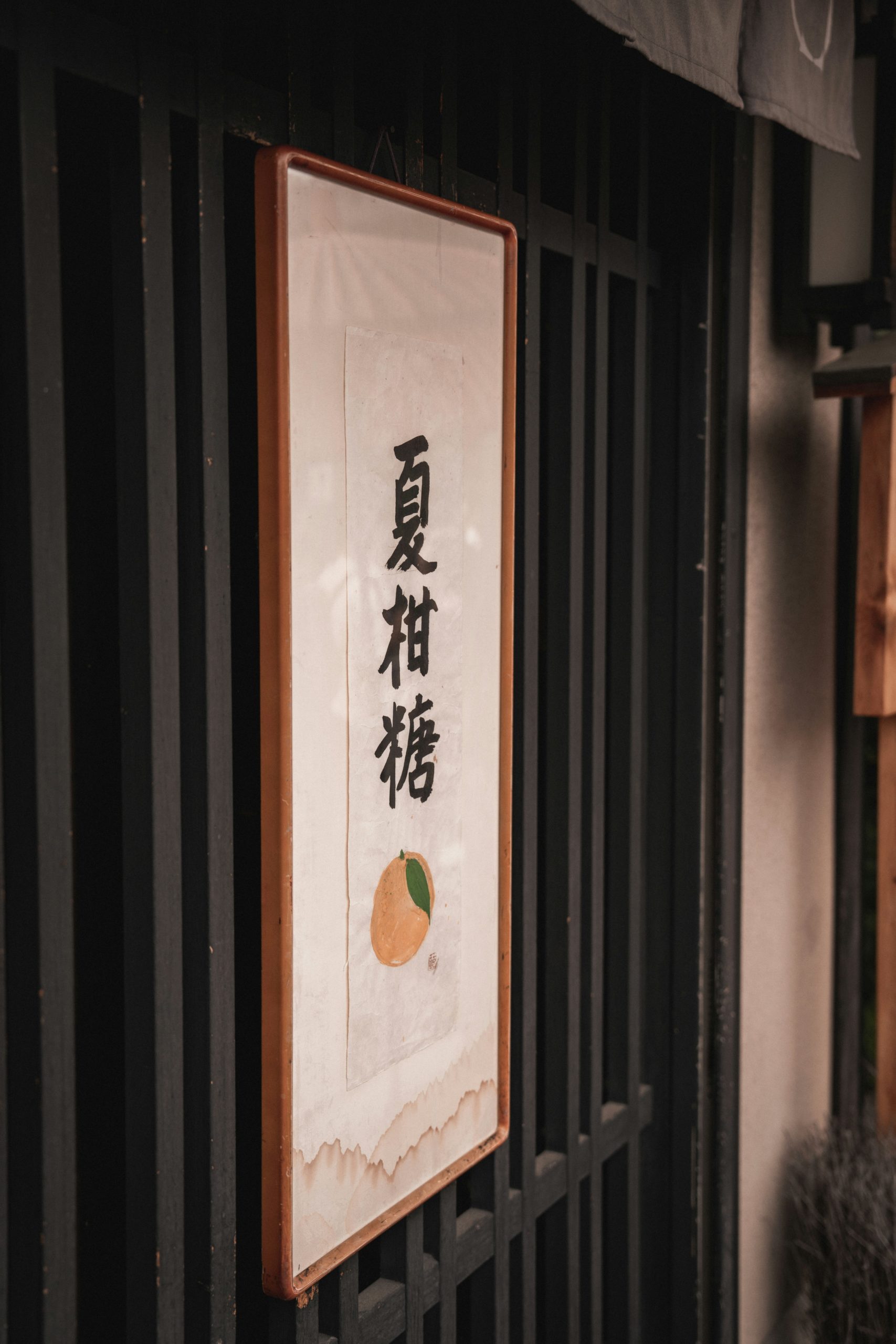
Artisan shops in Teramachi showcase centuries of Japanese craftsmanship
In incense shops, the scent envelops you with notes of agarwood, sandalwood, and chrysanthemum. Pottery studios display pieces with glazes inspired by Kyoto’s rivers and temples. Calligraphy stores sell brushes made from bamboo and soft animal hair, each one crafted with meticulous care.
These crafts echo the same artistry found in kimono weaving and dyeing. The area invites you to explore, not as a consumer, but as an admirer of human craftsmanship.
The Play of Light and Shadow on Fabric
One of the most captivating parts of walking through the paper-roofed streets is the way the light interacts with your kimono. The diffused glow softens folds, deepens colors, and creates natural gradients that shift with every step.
Photographers often describe Teramachi as a “natural softbox,” and indeed, it feels as though the streets are designed to illuminate kimono. The interplay of shadow and fabric makes even ordinary movements—turning a corner, adjusting your obi, pausing to look at a storefront—feel cinematic.
If you wish to preserve these moments, visiting with a friend or arranging a photography session elevates the experience. Kyoto’s kimono culture thrives on shared memories, and Teramachi’s atmosphere provides the perfect stage for them.
A Moment of Tea in a Hidden Machiya Café
The wooden streets around Teramachi are sprinkled with cafés where tradition and comfort blend seamlessly. Many occupy restored machiya homes, offering tatami rooms, quiet courtyards, and tea served in hand-crafted bowls.
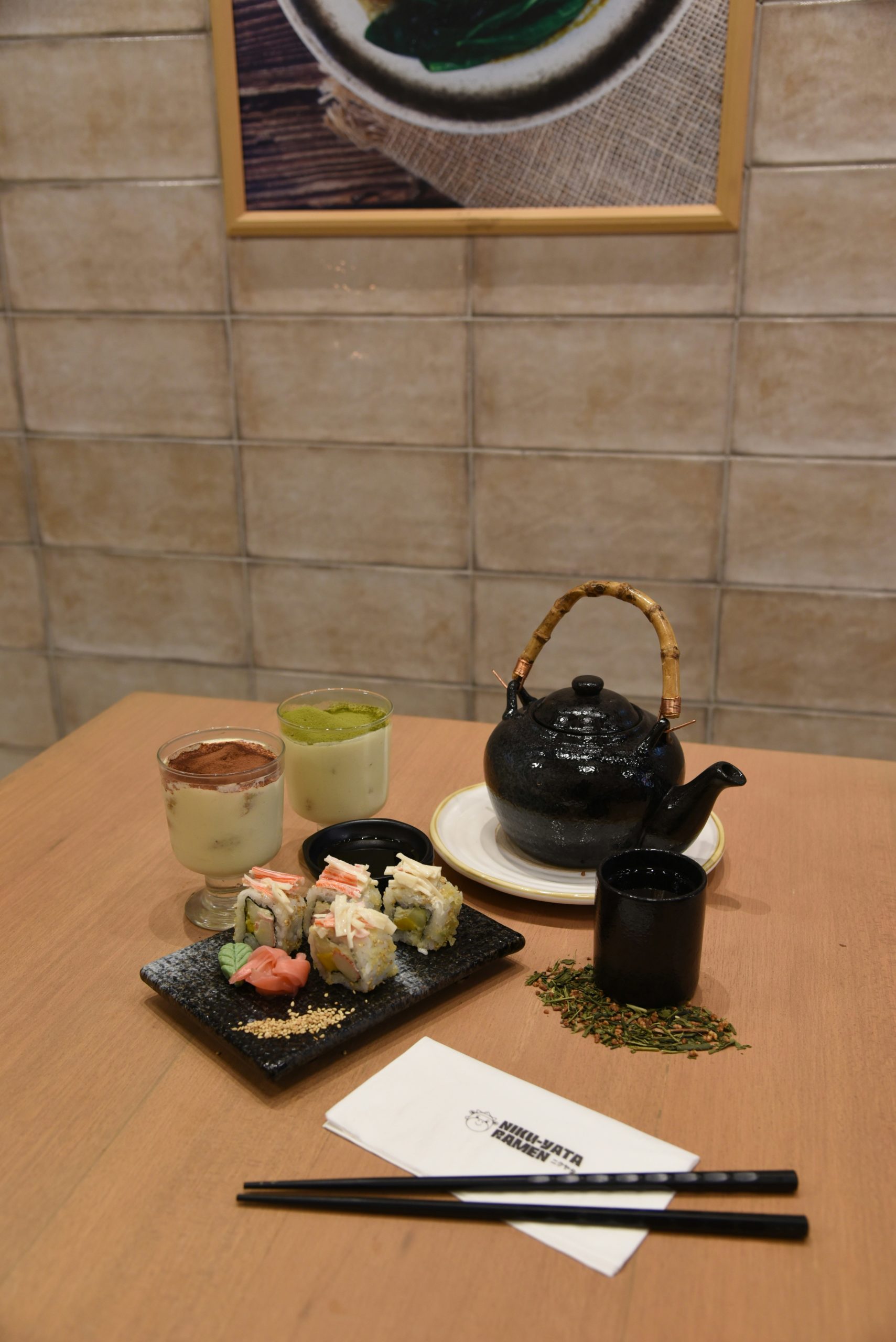
Experience the serenity of matcha tea in a traditional tatami room
Sipping matcha while wearing a kimono feels timeless. The earthy aroma of the tea blends with the scent of the wooden interior, creating a pause in the day where everything slows down. Outside, footsteps continue along the paper-roofed corridors, but inside, time becomes gentle and unhurried.
Evening in Teramachi: When Lanterns Replace Sunlight
As sunset approaches, the paper roofs above the arcade shift from white to amber. Lanterns begin to glow, casting warm halos that make the wooden storefronts shimmer with nostalgic charm.

Lantern-lit evenings transform Teramachi into a scene from another era
Walking in kimono at this hour offers a new emotional tone—still, calm, and quietly romantic. Evening softens the neighborhood even more, and the faint echoes of temple bells or distant conversations create a soothing soundscape.
This is the perfect moment to take a final slow stroll, appreciating the craftsmanship, the lights, and the way your kimono becomes part of the scene. For many, this twilight walk becomes the highlight of their entire visit.
Experiencing Teramachi Fully: An Invitation
A journey through Teramachi in kimono is not a simple outing. It is an immersion in Kyoto’s heritage—felt through architecture, craft, light, and atmosphere.
To elevate the experience, consider selecting a kimono that resonates with the district’s tones and textures, and allow yourself the time to wander without a plan. The wooden facades, the warm lanterns, and the translucent rooftop glow will do the rest.
If you wish to begin your experience with professional dressing, elegant styling, and a comfortable selection of kimonos, you can explore options here: https://mk-mimosa-e.top/
Kyoto offers many beautiful walks, but the paper-roofed wooden passages of Teramachi remain among its most timeless gifts. When you walk them dressed in kimono, you do not simply see the city—you become part of its living tradition.