A Day in a Kimono during Setsubun: The Tradition of Driving Away Demons

A Day in a Kimono during Setsubun: The Tradition of Driving Away Demonsフラットボタン-yellow
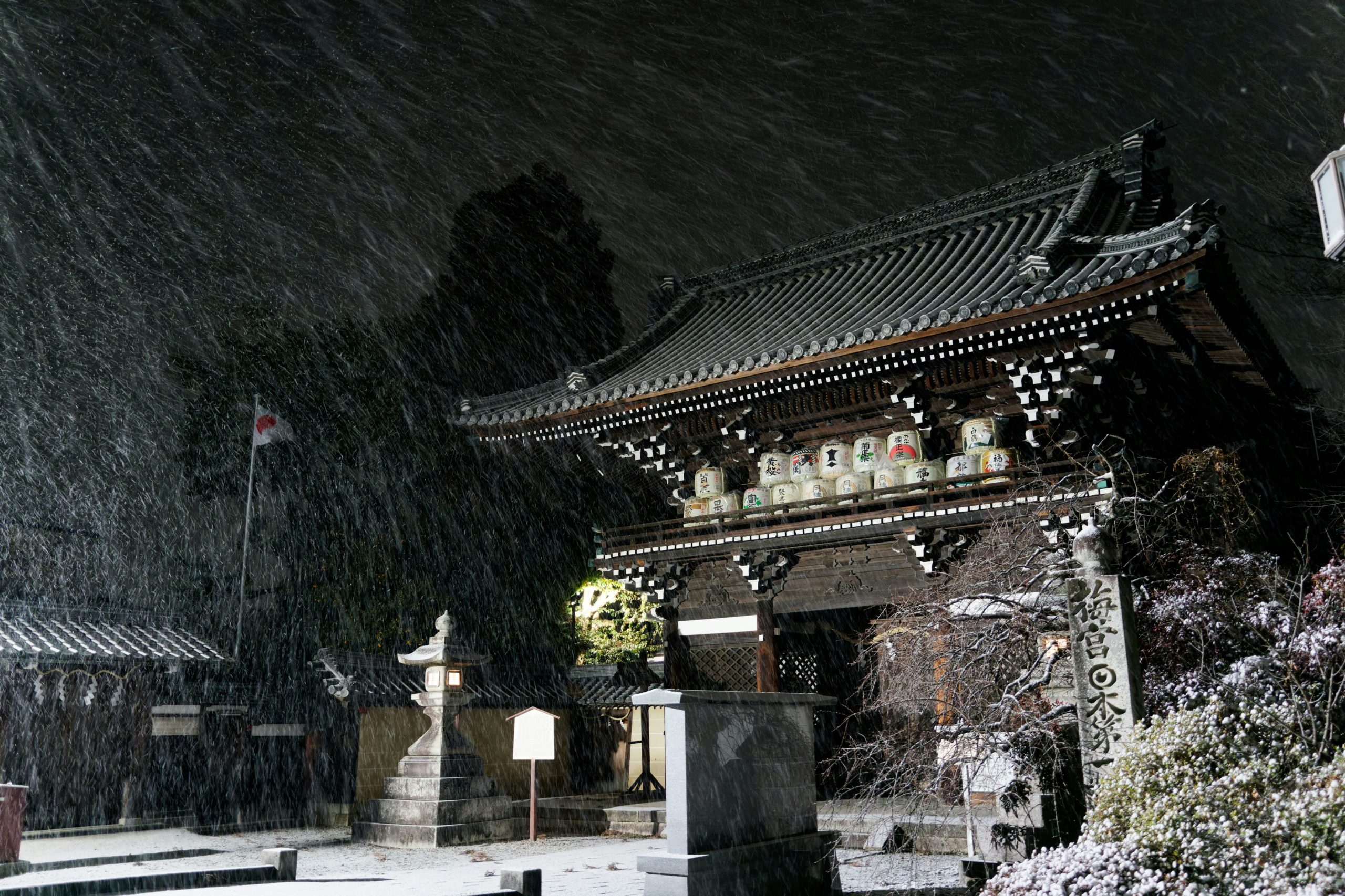
Kyoto, Japan’s timeless cultural capital, is a city where history is alive in every temple gate, lantern-lit street, and seasonal celebration. Among the many traditions that color Kyoto’s calendar, Setsubun (節分) holds a special place. Falling in early February, this festival marks the boundary between winter and spring and is best known for the iconic mamemaki ritual—throwing roasted soybeans to drive away evil spirits and invite good fortune.
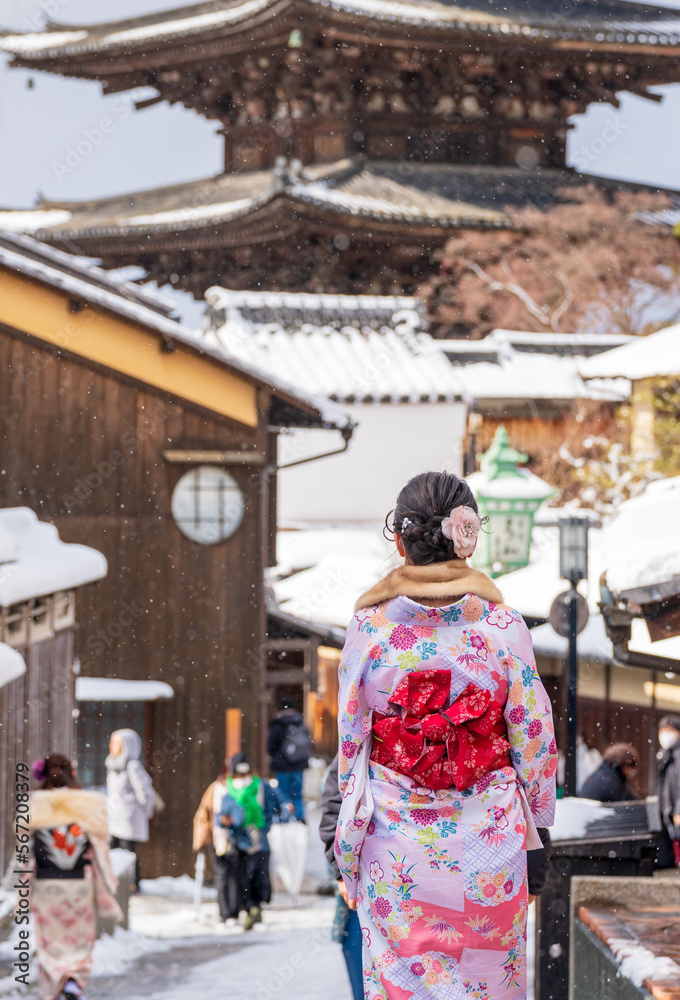
But Setsubun in Kyoto is more than just a festival. It’s an opportunity to immerse yourself in Japanese culture, especially when paired with the unforgettable experience of wearing a kimono. Imagine strolling through temple grounds, hearing the lively chants of “Oni wa soto! Fuku wa uchi!” (“Demons out, fortune in!”), and feeling the elegance of traditional Japanese attire wrapping you in centuries of history.
In this article, we’ll explore:
- The meaning and rituals of Setsubun in Kyoto
- Why wearing a kimono transforms the festival into a once-in-a-lifetime memory
- The best temples and shrines to visit during Setsubun
- Styling tips for your kimono on a chilly February day
- Practical advice for making the most of your kimono rental in Kyoto
And of course, if you’re planning your trip, don’t forget you can book your kimono rental with us at Mimosa Kimono Kyoto to step fully into tradition.
What Is Setsubun? A Festival of Change and Renewal
Setsubun literally means “seasonal division,” and it traditionally marks the end of winter and the start of spring according to the lunar calendar. While its agricultural roots go back over a thousand years, today Setsubun is best recognized for its fun and symbolic rituals:
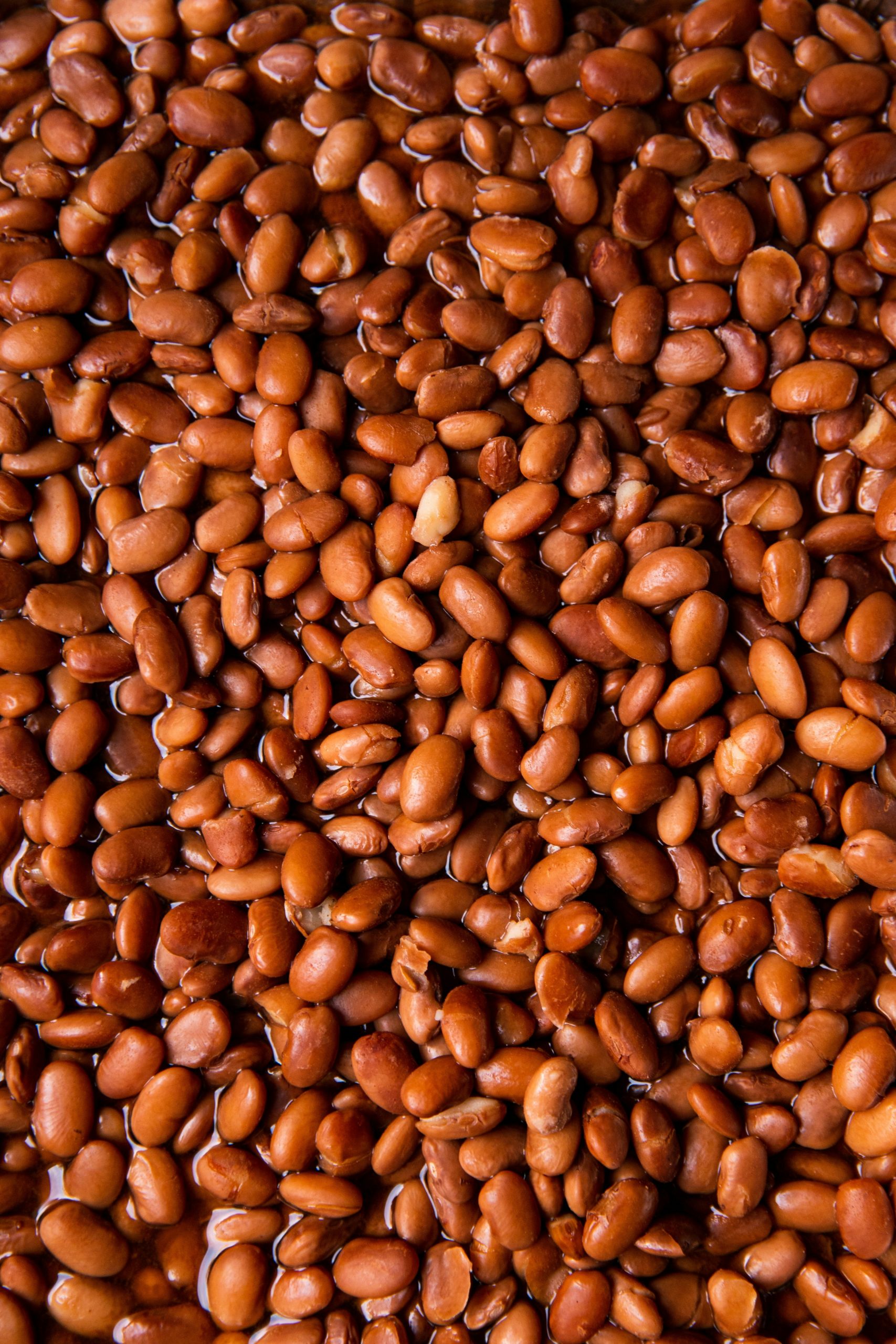
- Mamemaki (豆まき) – throwing roasted soybeans at home or at temples to cleanse evil and invite luck.
- Oni (鬼) appearances – performers dress as demons, and people symbolically chase them away with beans.
- Ehomaki (恵方巻き) – eating a special long sushi roll while facing the year’s “lucky direction.”
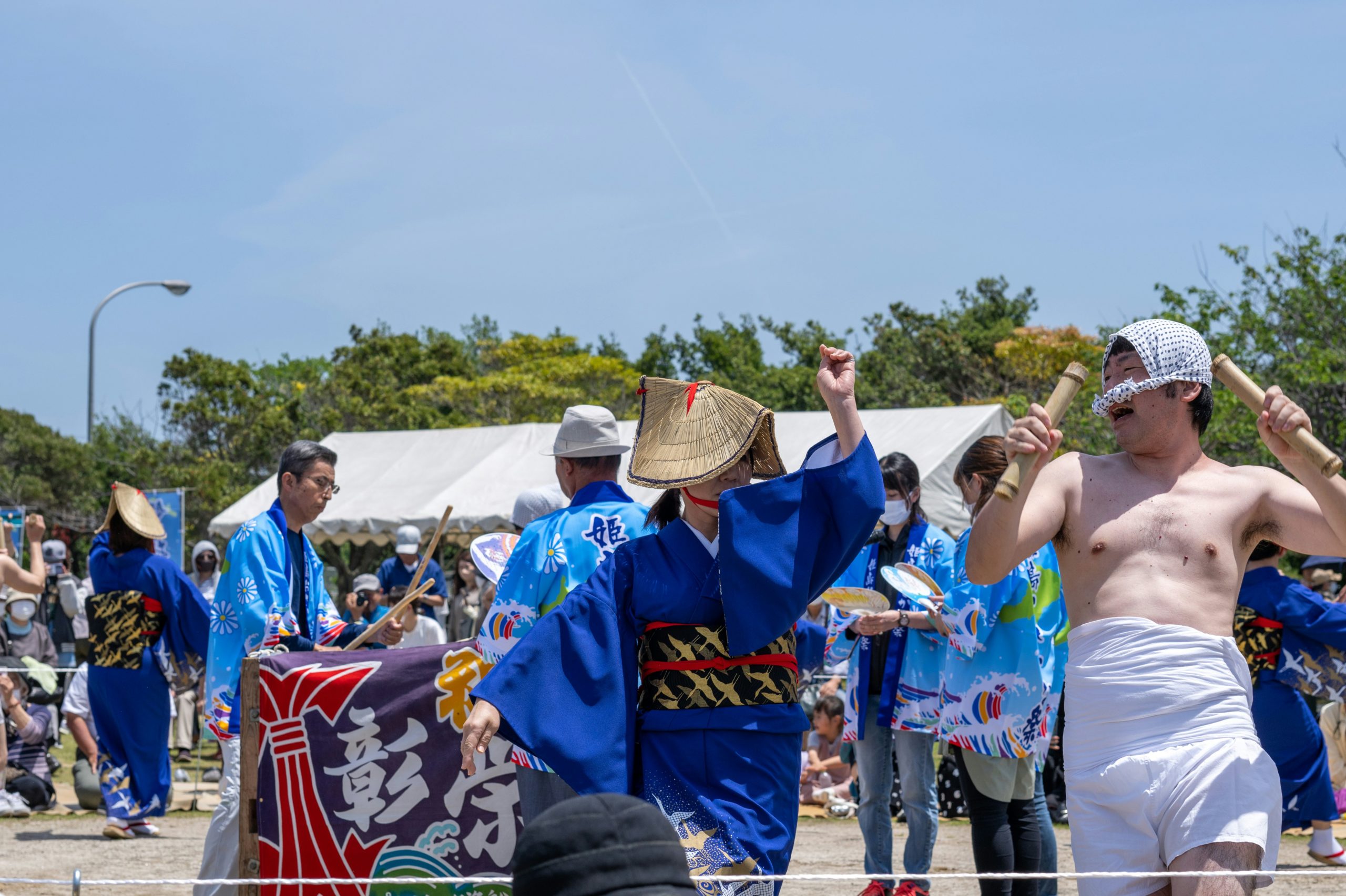
Kyoto, with its abundance of ancient temples and shrines, makes Setsubun especially atmospheric. Famous locations like Yasaka Shrine, Heian Shrine, and Rozan-ji Temple hold elaborate ceremonies with priests, geishas, and even celebrities participating.
Why a Kimono Makes Setsubun Special
Kyoto is already the best city in Japan to experience kimono culture, but during Setsubun, the effect is magical. Here’s why:
Cultural immersion
Wearing a kimono during a traditional festival connects you more deeply with local rituals. You’re not just an observer—you become part of the celebration.
Photogenic experience
Temples draped in red, lanterns glowing, and lively ceremonies are the perfect backdrop for kimono photos.
Seasonal style
February in Kyoto can be chilly, but kimonos can be styled with haori jackets or fur stoles for warmth without losing elegance.
Memorable souvenirs
Unlike buying a trinket, the photos and memories of your kimono day during Setsubun last forever.
You can easily book a kimono rental online at Mimosa Kimono Kyoto . Our stylists will help you choose the right colors, patterns, and accessories to match the festive spirit of Setsubun.
Top Kyoto Temples and Shrines for Setsubun
Kyoto’s temple scene comes alive during Setsubun. Here are the must-visit spots:
1. Yasaka Shrine (八坂神社)
Located in the heart of Gion, Yasaka Shrine hosts one of the most vibrant Setsubun celebrations. Expect performances by maiko and geiko (apprentice and full geisha), traditional dances, and lots of bean throwing.
2. Heian Shrine (平安神宮)
Known for its grandeur, Heian Shrine stages a lively Setsubun event with prayers for good fortune. The stunning vermilion gates make for perfect kimono photos.
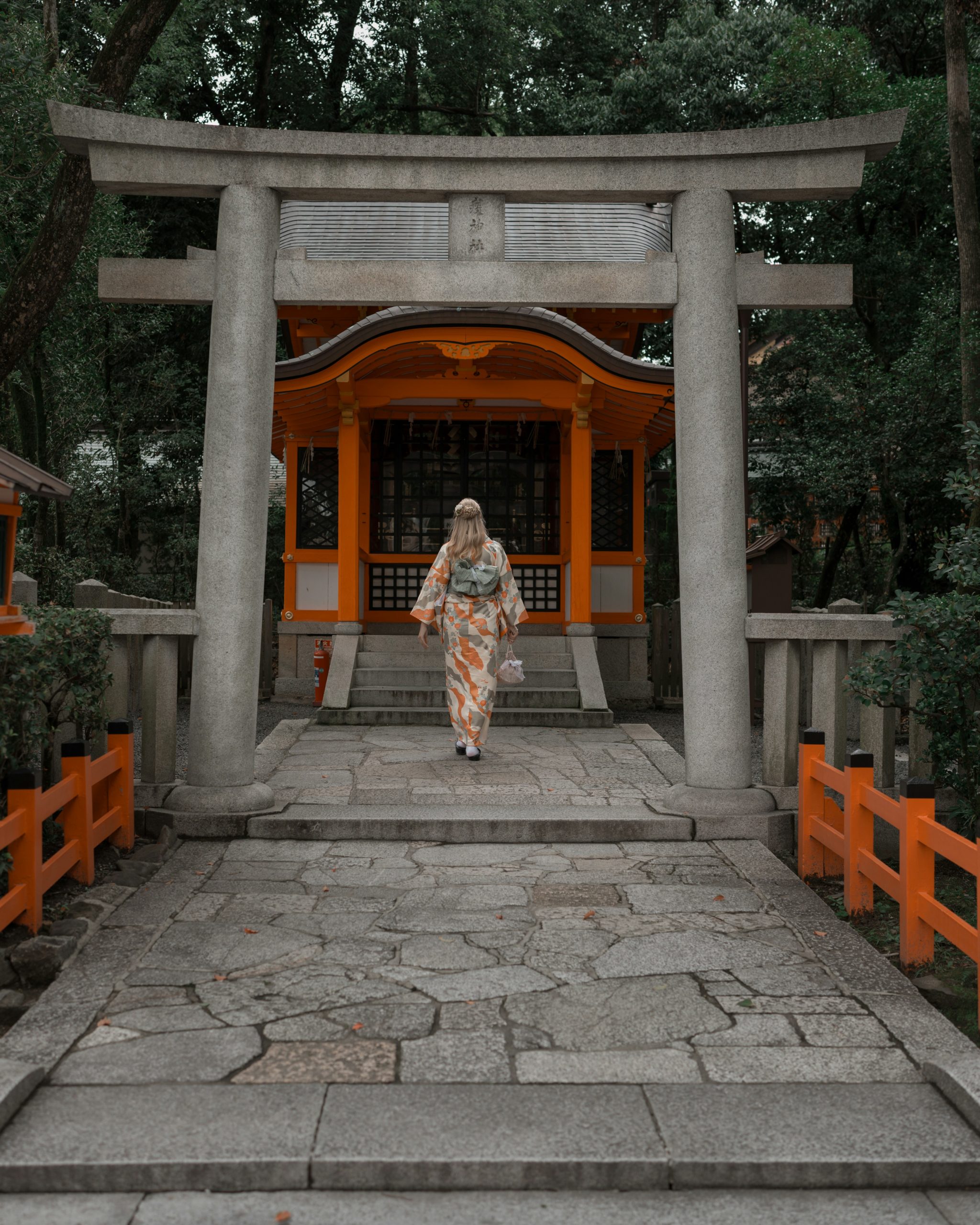
3. Rozan-ji Temple (廬山寺)
This temple is famous for its Oni odori (demon dance). The dramatic performance is both spiritual and theatrical, a highlight for visitors.
4. Kitano Tenmangu (北野天満宮)
Associated with learning and scholarship, this shrine combines Setsubun with prayers for students. Many locals attend to seek blessings for academic success.
How to Style Your Kimono for Setsubun
February is still winter in Kyoto, so comfort and warmth are key. Here are some styling tips:
Practical Tips for Enjoying Setsubun in Kyoto
? Book your kimono experience at Mimosa Kimono Kyoto to secure your spot.
Cultural Meaning: More Than Just Fun
Setsubun isn’t only about demons and beans. It reflects deeper Japanese values:
Cleansing and renewal
Symbolic of leaving behind negativity.
Community and joy
Gathering together to share chants and laughter.
Respect for tradition
Continuing practices passed down for centuries.
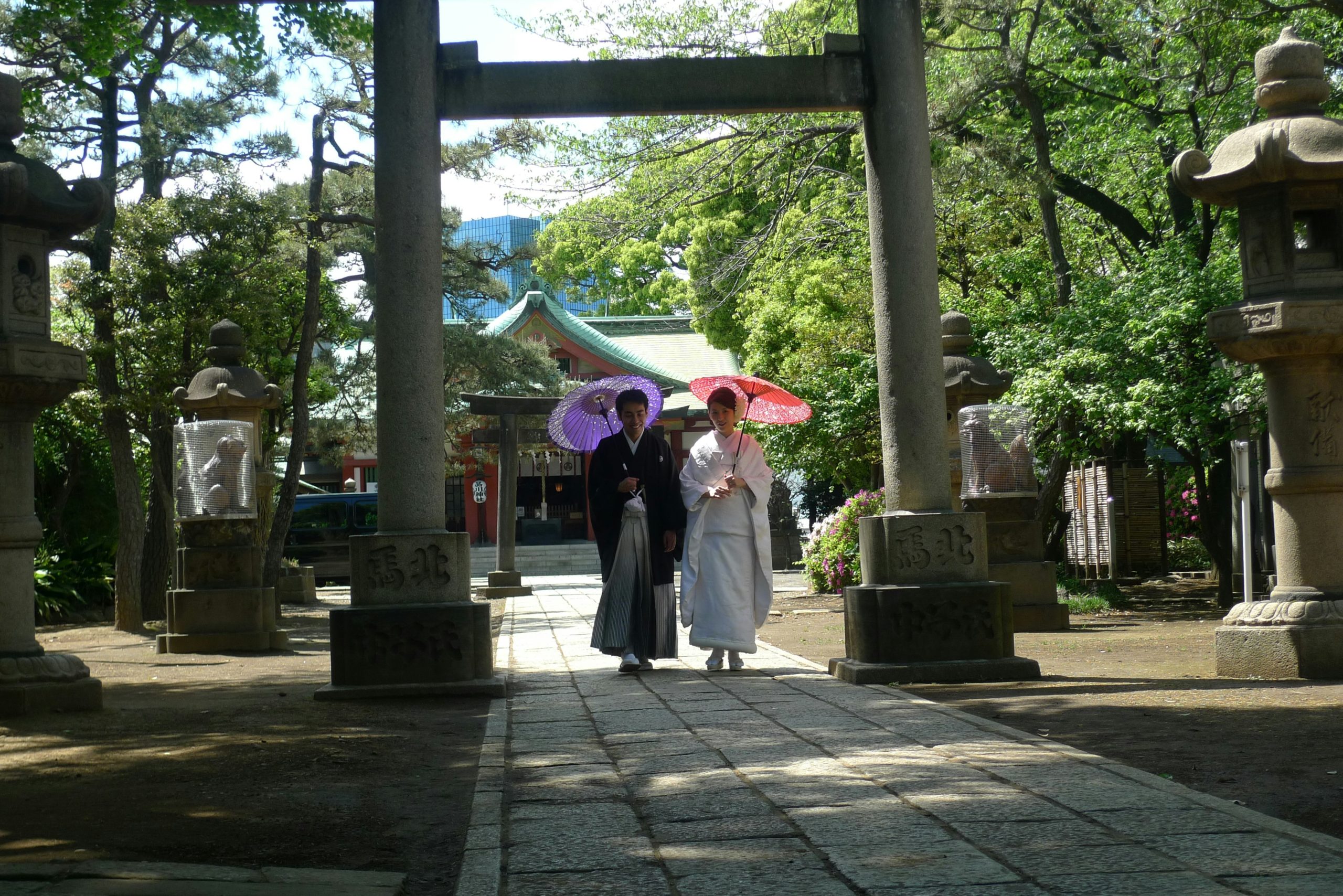
For visitors, wearing a kimono at Setsubun bridges the gap between sightseeing and cultural participation.
Conclusion: Your Setsubun in Kyoto
A day spent in Kyoto during Setsubun is unforgettable. From tossing beans at temples to walking through lantern-lit streets in a kimono, it’s an immersive journey into Japanese culture.
Whether you’re traveling solo, as a couple, or with family, wearing a kimono adds a layer of authenticity and elegance to your trip. And with Mimosa Kimono Kyoto , your perfect kimono experience is just a booking away.
So next February, don’t just watch Setsubun—live it in a kimono.