The Ultimate Guide: Best Time of Day to Take Kimono Photos in Gion Without Crowds
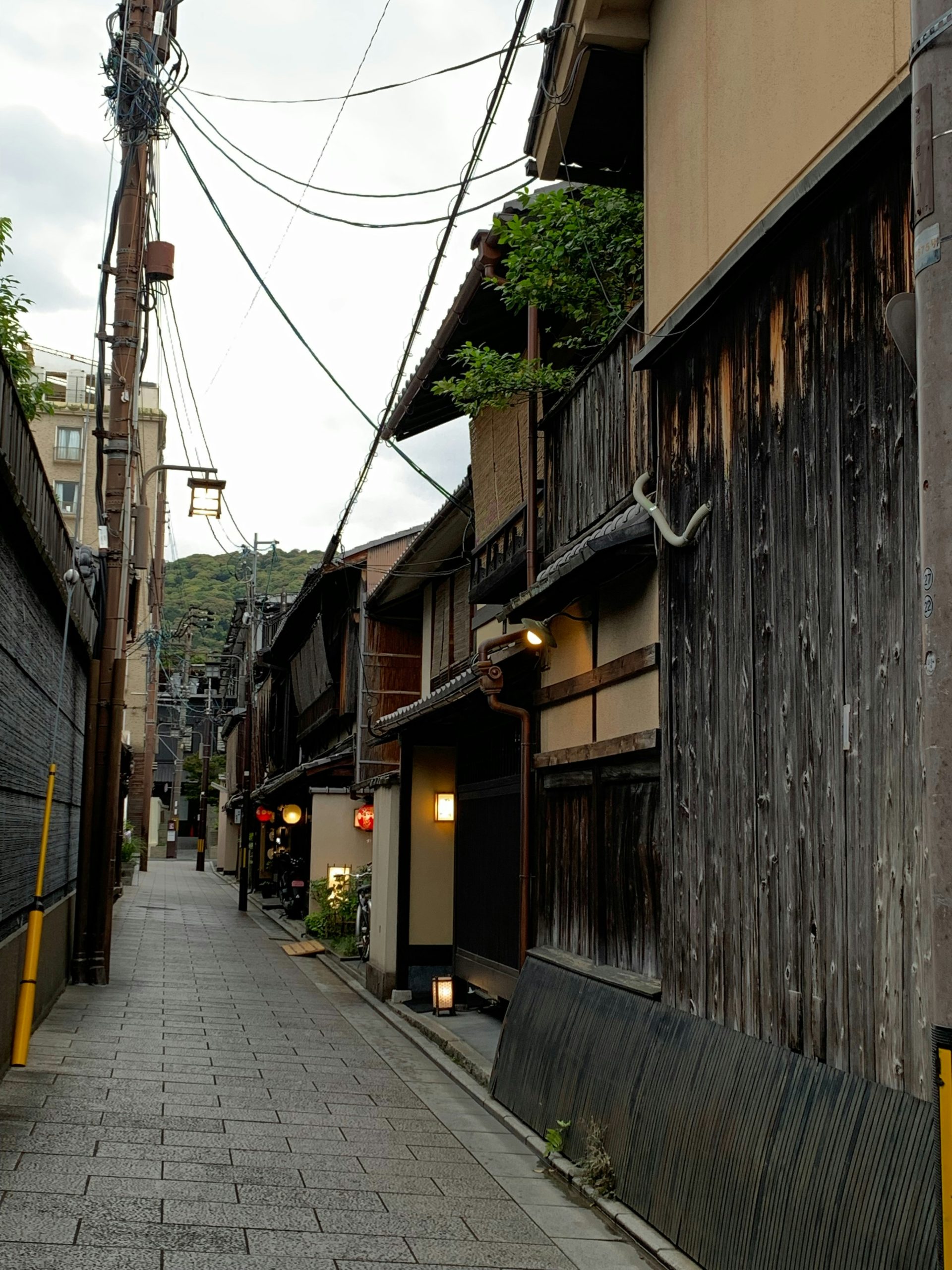
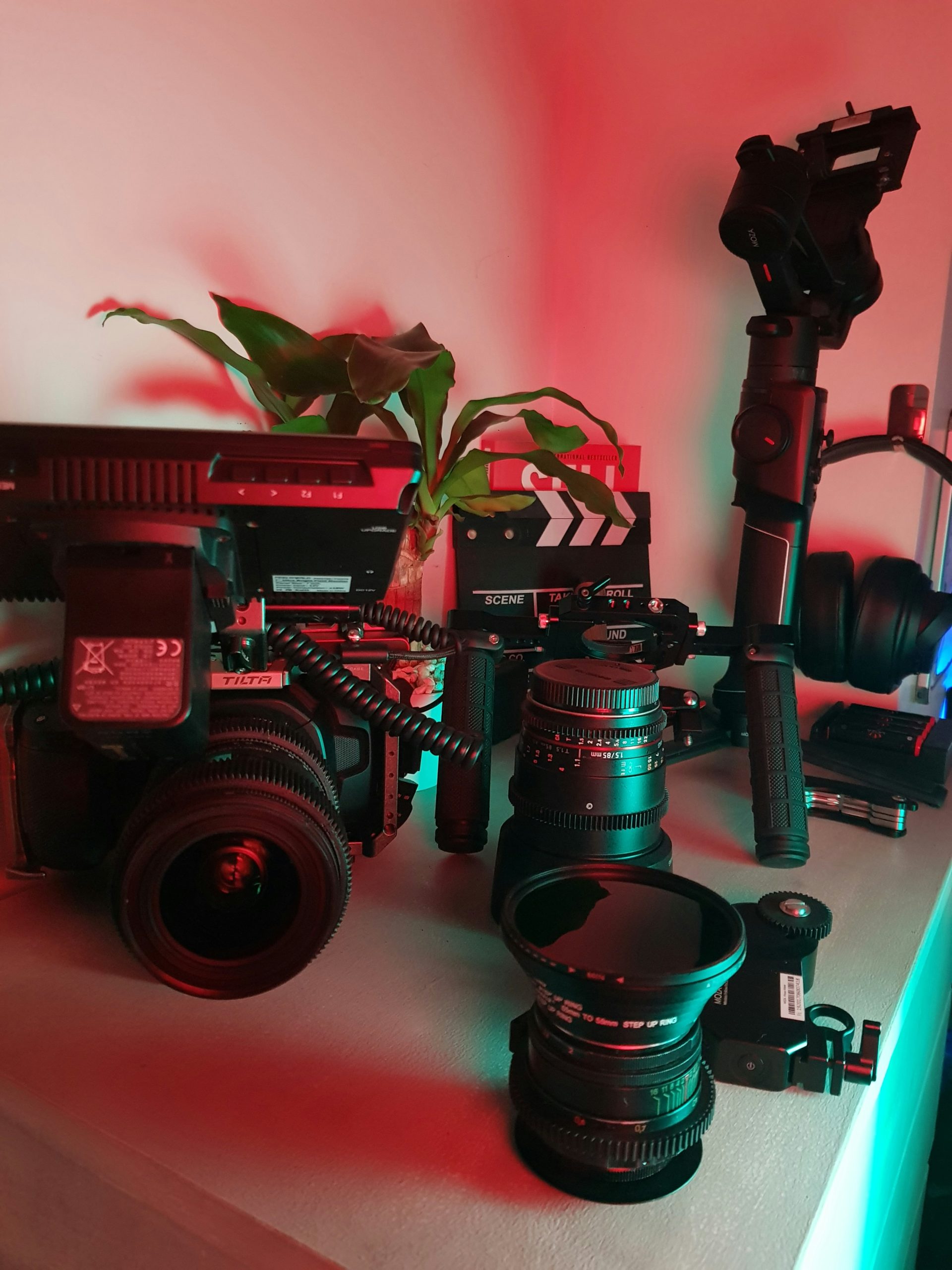
Table of Contents
Why Timing Matters for Kimono Photography in Gion
Gion district in Kyoto represents the epitome of traditional Japanese beauty, where ancient wooden machiya houses line narrow cobblestone streets, and the possibility of glimpsing a geisha or maiko adds an air of mystique to every corner. For kimono photography enthusiasts, Gion offers an unparalleled backdrop that transports viewers directly into Japan’s rich cultural heritage.
However, capturing the perfect kimono photograph in this historic district requires more than just showing up with a camera. The timing of your photo session can dramatically impact the quality, authenticity, and overall aesthetic appeal of your images. Understanding when to visit Gion for kimono photography can mean the difference between crowded, rushed shots and serene, magazine-worthy portraits that truly capture the essence of traditional Japanese elegance.
The importance of timing extends beyond simply avoiding crowds. Different times of day offer varying light conditions, atmospheric qualities, and cultural authenticity levels. Early morning hours provide soft, diffused lighting that flatters kimono fabrics and skin tones, while late afternoon golden hour creates warm, romantic ambiance perfect for dramatic portraits.
Tourist patterns in Gion follow predictable schedules, with peak congestion occurring between 10 AM and 4 PM when tour groups, day-trippers, and casual visitors flood the historic streets. During these busy periods, capturing intimate kimono portraits becomes challenging due to constant interruptions, background distractions, and the general loss of the district’s peaceful, contemplative atmosphere.
Professional photographers and kimono rental services in Kyoto have long recognized these timing patterns, often scheduling their most important shoots during off-peak hours when Gion retains its authentic charm and photogenic qualities remain undisturbed by modern tourism pressures.
The Golden Hour Advantage: Early Morning Magic
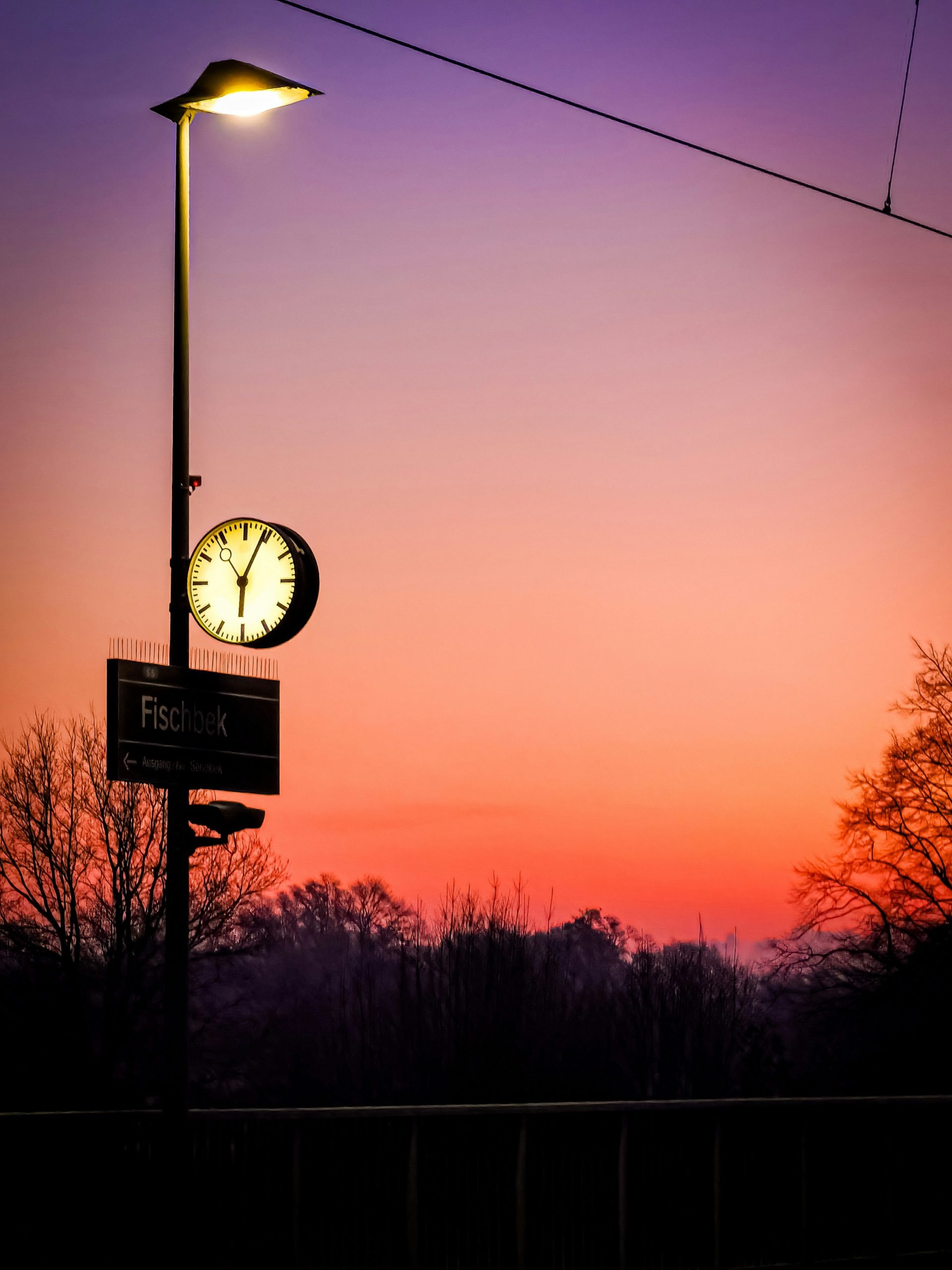
Early morning photography in Gion offers unmatched advantages for kimono portraits, creating images that professional photographers consistently rate as superior to those taken during other times of day. The period between 6:30 AM and 8:30 AM represents the sweet spot when Gion awakens slowly, tourist crowds remain minimal, and natural lighting conditions reach their optimal state for kimono photography.
During these early hours, the soft, diffused sunlight filtering through Gion’s narrow streets creates a natural softbox effect that flatters kimono fabrics beautifully. The intricate patterns, vibrant colors, and delicate textures of traditional kimono designs appear more vivid and detailed under this gentle morning illumination, while harsh shadows and overexposed highlights that plague midday photography sessions become non-existent.
Professional Tip
The atmospheric quality of early morning Gion adds another dimension to kimono photography that cannot be replicated during busier periods. Morning mist occasionally drifts through the historic streets, creating ethereal backgrounds that enhance the mystical quality of kimono portraits.
The sound of wooden geta sandals echoing off cobblestones, the gentle rustle of silk kimono sleeves, and the distant chime of temple bells contribute to an authentic sensory experience that translates into more emotionally resonant photographs. Local shop owners and residents going about their morning routines add authentic cultural context to kimono photographs without the artificial tourist atmosphere that dominates later hours.
Temperature considerations also favor early morning kimono photography sessions. Kyoto’s climate can become uncomfortably warm during midday hours, especially during summer months, making extended outdoor photo sessions challenging for models wearing multiple layers of traditional kimono clothing. Early morning temperatures remain cooler and more comfortable, allowing for longer, more relaxed photo sessions that produce better results.
The directional quality of early morning sunlight in Gion creates ideal conditions for both portrait and environmental kimono photography. Side-lighting from low-angle sun positions adds dimension and depth to facial features while creating interesting shadow patterns on traditional architecture that serve as compelling backgrounds for kimono portraits.
Avoiding Tourist Rush: Strategic Time Planning
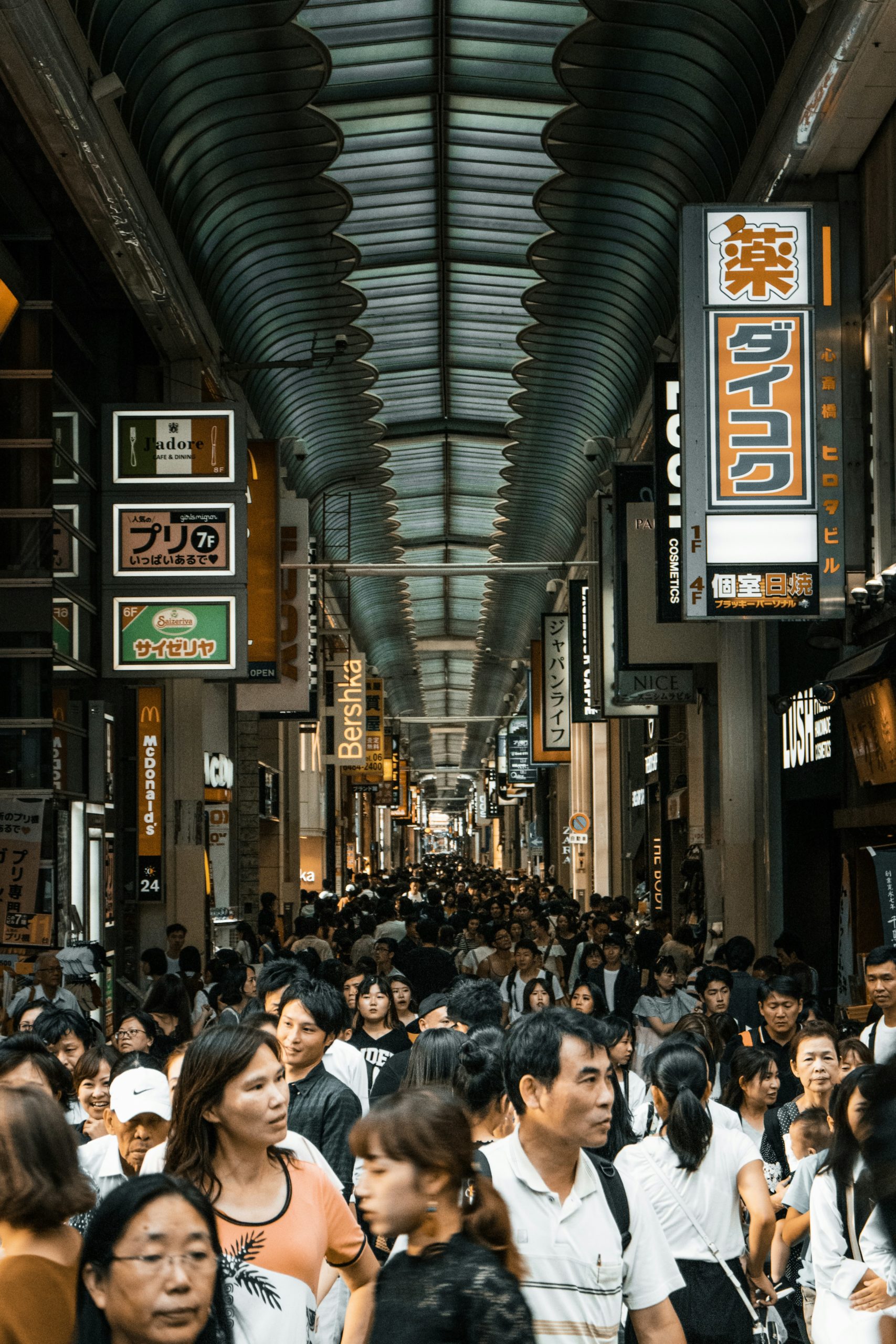
Understanding tourist traffic patterns in Gion district is crucial for planning successful kimono photography sessions that avoid crowds and maintain the authentic atmosphere essential for high-quality images. Tourist behavior in Kyoto follows predictable patterns influenced by tour schedules, transportation timetables, and cultural site operating hours.
The heaviest tourist congestion in Gion typically occurs between 10:00 AM and 4:00 PM, coinciding with organized tour group schedules and the arrival of day-trip visitors from other Japanese cities.
During these peak hours, popular photography spots like Hanami-koji Street, Shirakawa Area, and the approach to Kennin-ji Temple become overcrowded with visitors seeking similar photographic opportunities, making intimate kimono portraits virtually impossible to achieve.
Peak Hours to Avoid
- 10:00 AM – 4:00 PM: Tour group peak
- Tour buses arrive in waves
- Groups of 30-50 visitors
- Photography bottlenecks
Optimal Time Windows
- 6:30 AM – 8:30 AM: Golden hour
- 5:30 PM – 7:00 PM: Evening light
- Tuesday – Thursday: Best weekdays
- Winter months: Fewer crowds
Tour buses arrive in waves throughout the late morning and early afternoon, depositing groups of 30-50 visitors who move through Gion’s narrow streets in coordinated fashion. These groups often cluster around the most photogenic locations, creating bottlenecks that can persist for 15-20 minutes at prime spots, effectively monopolizing ideal background locations during peak hours.
International tourists tend to arrive slightly later in the morning compared to domestic Japanese visitors, typically appearing in significant numbers after 9:30 AM. This creates a brief window between 8:30 AM and 9:30 AM when crowd levels remain moderate, offering a compromise between the ideal early morning conditions and more flexible scheduling requirements.
Evening hours present another strategic opportunity for crowd avoidance, particularly after 5:00 PM when day-trip visitors begin departing Kyoto. The period between 5:30 PM and 7:00 PM offers excellent lighting conditions for kimono photography while maintaining significantly reduced crowd levels compared to midday peaks.
Weekend crowd patterns differ substantially from weekday schedules, with Saturday and Sunday seeing increased domestic tourism that extends peak hours and creates different flow patterns throughout Gion. Weekday morning sessions, particularly Tuesday through Thursday, consistently provide the most favorable conditions for uninterrupted kimono photography.
Seasonal Considerations for Perfect Kimono Shots
Each season in Kyoto brings unique opportunities and challenges for kimono photography in Gion district, with seasonal variations affecting everything from lighting conditions and weather patterns to crowd levels and available backgrounds. Understanding these seasonal dynamics enables photographers to plan kimono sessions that complement natural environmental conditions while maximizing aesthetic impact.
Spring (March-May): Cherry Blossom Magic
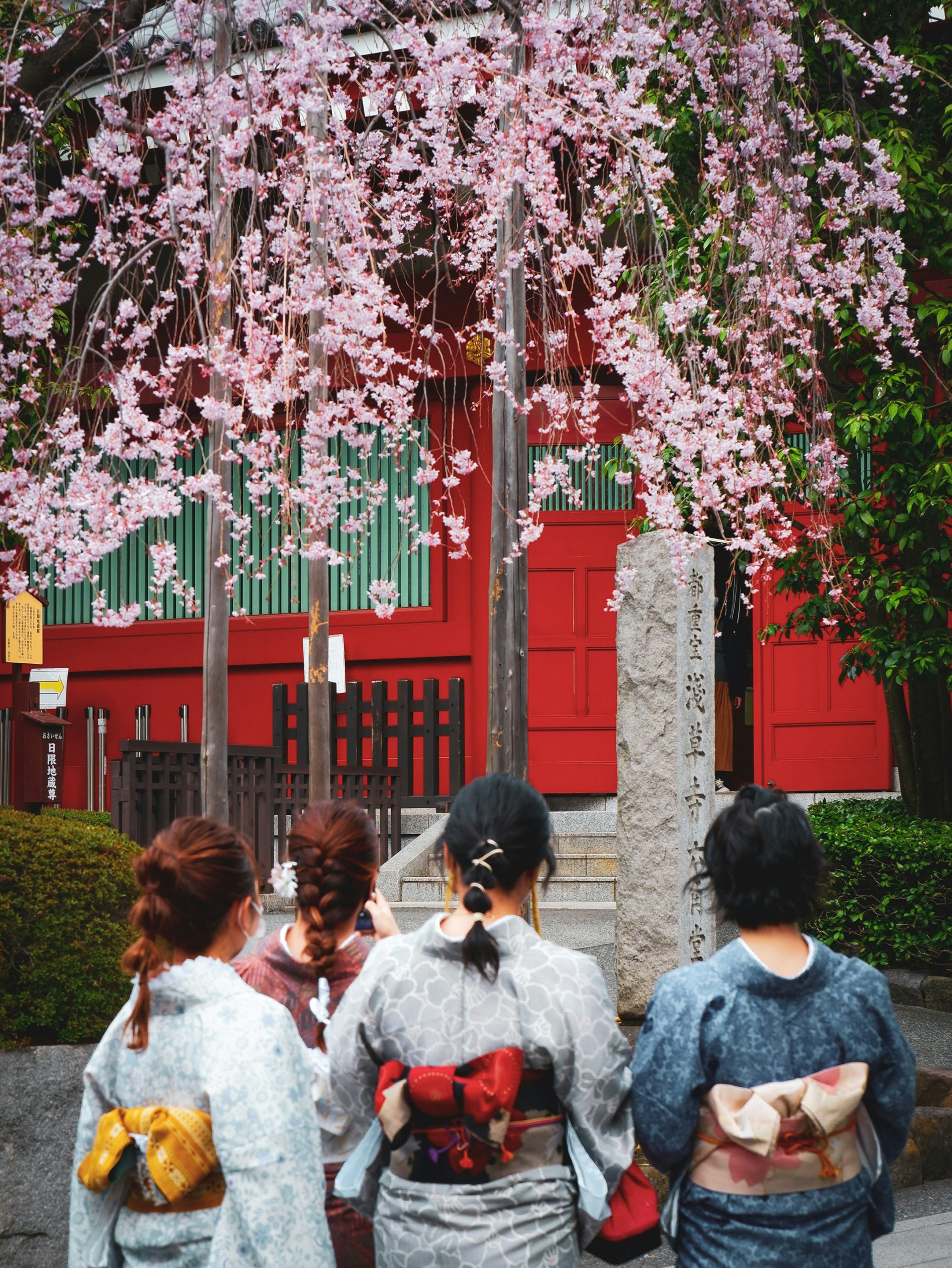
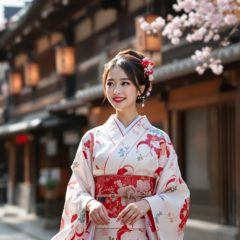
Spring represents perhaps the most sought-after season for kimono photography in Gion, as cherry blossoms create breathtaking natural backgrounds that perfectly complement traditional kimono aesthetics. The sakura season, typically peaking in early April, transforms Gion into a pink-and-white wonderland that provides unmatched photographic opportunities.
However, spring’s popularity creates significant challenges. Cherry blossom season attracts massive crowds to Kyoto, with international and domestic tourists flooding Gion district during peak bloom periods.
Early morning photography becomes even more crucial during spring, as photographers must capture cherry blossom backdrops before crowds arrive and disrupt the serene atmosphere. Temperature fluctuations during spring require careful kimono selection and layering considerations. Cool morning temperatures may necessitate additional undergarments or accessories, while afternoon warmth can become uncomfortable for extended photo sessions.
Summer (June-August): Vibrant Colors and Festival Energy
Summer kimono photography in Gion offers opportunities to capture vibrant seasonal festivals, yukata (lightweight summer kimono) traditions, and the lush green foliage that creates striking color contrasts with colorful kimono designs. The Gion Matsuri festival in July provides unique cultural photography opportunities, though crowd management becomes extremely challenging during major festival events.
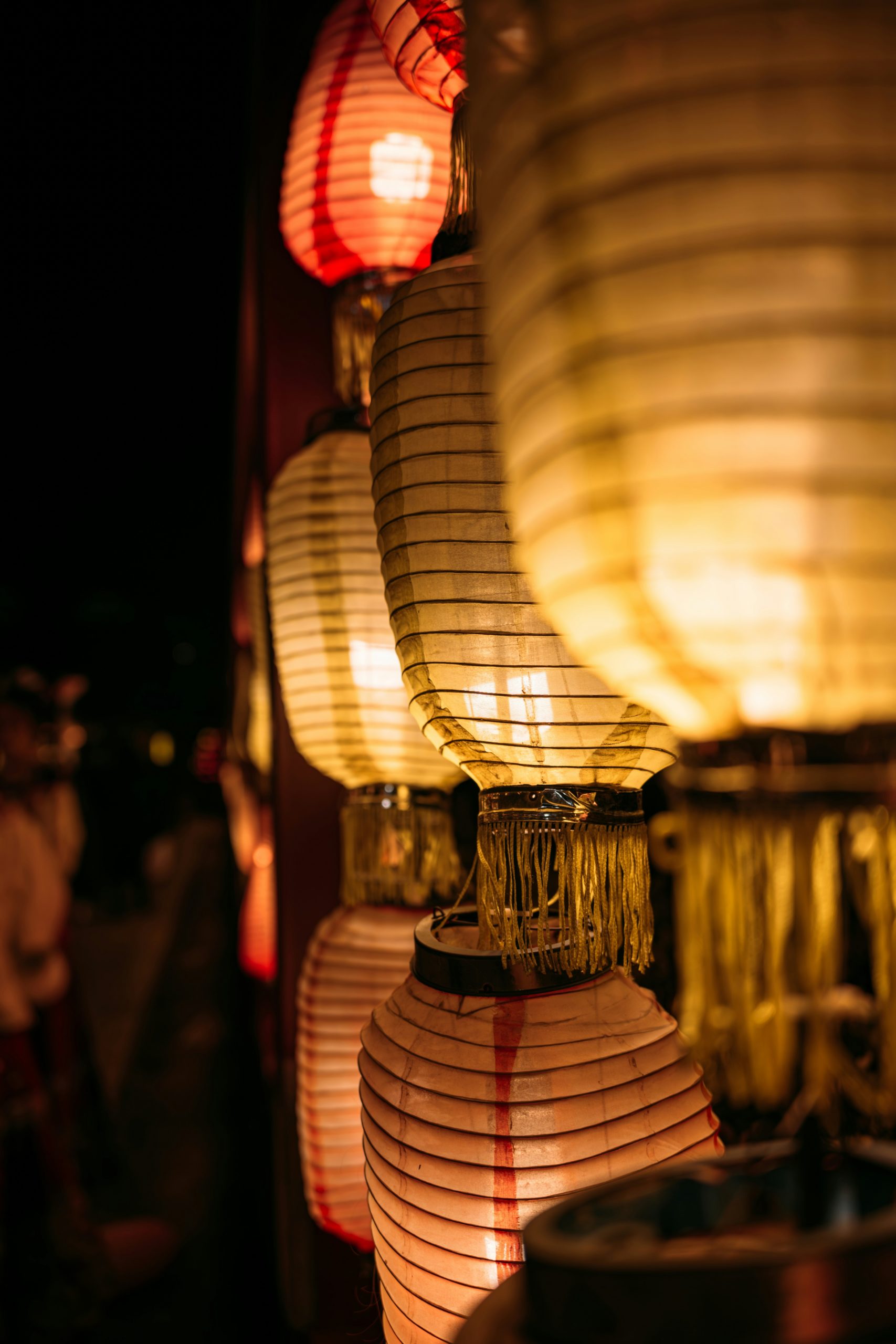
The intense heat and humidity of Kyoto summers make early morning photography sessions absolutely essential for model comfort and photo quality. Midday summer sun creates harsh shadows and overexposed highlights that are particularly unflattering for kimono photography, while early morning hours provide the only comfortable conditions for extended outdoor shoots.
Autumn (September-November): Golden Light and Fall Colors
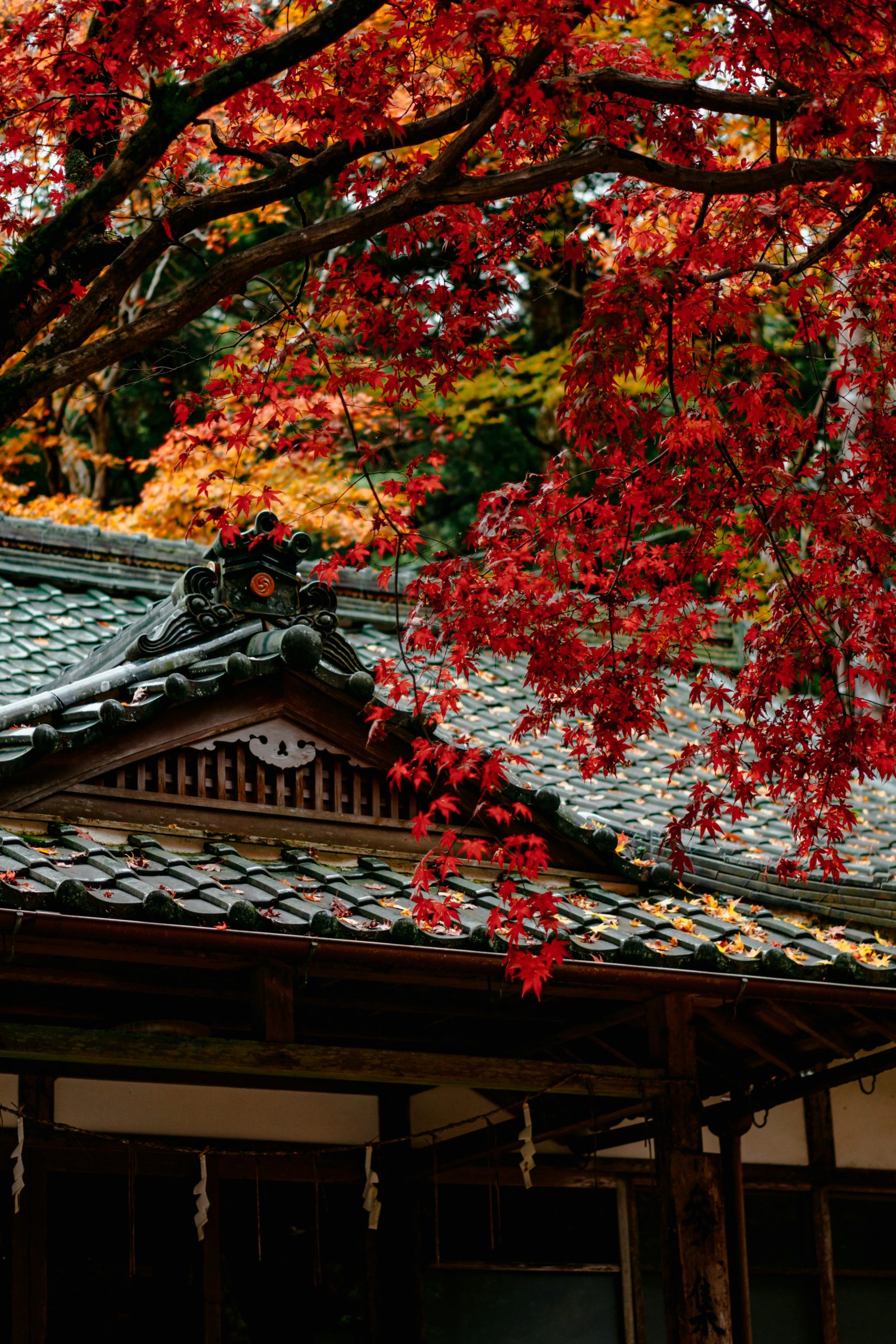
Autumn represents the optimal season for kimono photography in Gion, combining favorable weather conditions, spectacular natural backgrounds, and manageable crowd levels. The fall foliage season, particularly mid to late November, creates stunning red and orange backdrops that complement earth-toned kimono designs beautifully.
Morning mist becomes more frequent during autumn months, adding atmospheric quality to kimono portraits that enhances their mystical, traditional aesthetic.
Winter (December-February): Intimate Elegance
Winter kimono photography in Gion offers unique opportunities to capture the intimate, contemplative side of traditional Japanese culture. Snow-covered scenes create dramatic monochromatic backgrounds that make colorful kimono designs pop with exceptional visual impact, while the reduced tourist crowds during winter months provide unprecedented access to prime photography locations.
Cold temperatures require careful planning for model comfort, but the crisp winter air creates exceptionally clear atmospheric conditions that enhance image quality and color saturation. The low angle of winter sunlight extends golden hour conditions, providing favorable lighting for longer periods throughout the day.
Weather and Light Conditions Guide
Weather conditions dramatically influence the success of kimono photography sessions in Gion district, affecting not only image quality and aesthetic appeal but also model comfort and safety considerations. Understanding how different weather patterns impact lighting, atmospheric conditions, and practical photography logistics enables better planning and more successful shooting outcomes.
Optimal Weather Conditions
Clear, partially cloudy days provide the most versatile conditions for kimono photography in Gion. Partial cloud cover acts as a natural diffuser, softening harsh sunlight while maintaining sufficient illumination for sharp, well-exposed images.
- Natural diffusion from clouds
- Stable atmospheric pressure
- Predictable lighting conditions
Overcast Sky Advantages
Completely overcast conditions create a giant natural softbox that eliminates harsh shadows and provides even, flattering illumination across subjects and backgrounds.
- Perfect for fabric details
- Natural skin tones
- Contemplative atmosphere
Rain and Moisture Considerations
Light rain or drizzle creates atmospheric conditions that can enhance kimono photography when proper precautions are taken. However, traditional silk fabrics are extremely vulnerable to water damage.
Benefits:
- • Reflective wet cobblestones
- • Enhanced color saturation
- • Clean atmospheric clarity
Risks:
- • Permanent silk fabric damage
- • Expensive kimono staining
- • Safety concerns on wet surfaces
Seasonal Light Quality
Spring Light
Soft, diffused, perfect for delicate designs
Summer Light
Intense but warm golden tones
Autumn Light
Clear, warm, most favorable
Winter Light
Crisp, clear, unique seasonal aesthetics
Professional Photography Tips for Gion
Professional kimono photography in Gion district requires mastering specific techniques and approaches that account for the unique environmental conditions, cultural sensitivities, and aesthetic requirements of this historic setting. These professional strategies have been developed through years of experience working in Kyoto’s most challenging and rewarding photography locations.
Camera Settings & Technical Considerations
- RAW Format: Maximum post-processing flexibility
- Aperture: f/2.8 to f/5.6 for optimal balance
- ISO: 800-1600 for low-light conditions
- Shutter Speed: Minimum 1/125s for sharp images
Composition Techniques
- Ma (Negative Space): Japanese aesthetic principles
- Leading Lines: Use cobblestone streets and architecture
- Asymmetrical Balance: Traditional Japanese composition
- Natural Framing: Architectural elements
Lighting Management Strategies
Natural Light
Use building shadows and overhangs for natural diffusion
Reflector Placement
Portable reflectors for fill lighting in shadowed areas
Backlighting
Create stunning silhouettes and rim lighting
Working with Kimono Subjects
Professional kimono photography requires understanding how traditional garments move and behave during different poses and activities. Kimono restrict natural movement patterns, requiring modified posing approaches that work within these limitations while maintaining elegant, natural-looking results.
- Traditional hand positions
- Gentle facial expressions
- Controlled, graceful movements
- Patient, cultural sensitivity
Equipment and Preparation Essentials
Successful kimono photography in Gion district requires specific equipment considerations and thorough preparation that accounts for the unique challenges and opportunities of shooting in this historic location. Professional results depend not only on technical camera skills but also on having the right tools and preparation strategies for working efficiently in Kyoto’s traditional districts.
Camera and Lens Selection
Recommended Camera Bodies:
- Full-frame sensors for low-light performance
- Enhanced dynamic range
- Better high-ISO performance
Prime Lens Recommendations:
Support and Stabilization
Carbon Fiber Tripods
Essential stability for low-light photography while remaining lightweight for location work
Monopods
Compromise between handheld flexibility and stabilization support
Image Stabilization
Crucial for sharp handheld results during lower light conditions
Lighting Equipment and Accessories
Portable Reflectors
Gold and silver reflectors for fill lighting
Collapsible Diffusers
Manage harsh direct sunlight
Battery LED Panels
Consistent supplementary lighting
Weather Protection and Contingency Planning
Essential Protection:
- • Weatherproof camera covers
- • Lens hoods for rain protection
- • Climate-controlled storage solutions
- • Backup equipment planning
Digital Workflow:
- • High-capacity memory cards
- • Portable backup solutions
- • Color-accurate monitors
- • Battery-powered storage devices
Cultural Respect While Photography
Photography in Gion district requires a deep understanding and appreciation of Japanese cultural values, local customs, and the significance of traditional kimono within Japanese society. Respectful photography practices not only ensure positive interactions with locals and subjects but also contribute to preserving the authentic cultural atmosphere that makes Gion such a compelling location for traditional photography.
Understanding Kimono Cultural Significance
Kimono represents far more than decorative clothing within Japanese culture, embodying centuries of artistic tradition, social customs, and cultural identity. Professional kimono photography in Gion should approach these garments with the reverence and understanding they deserve within their cultural context.
- Seasonal styling rules and conventions
- Social status and age considerations
- Mindfulness and precision rituals
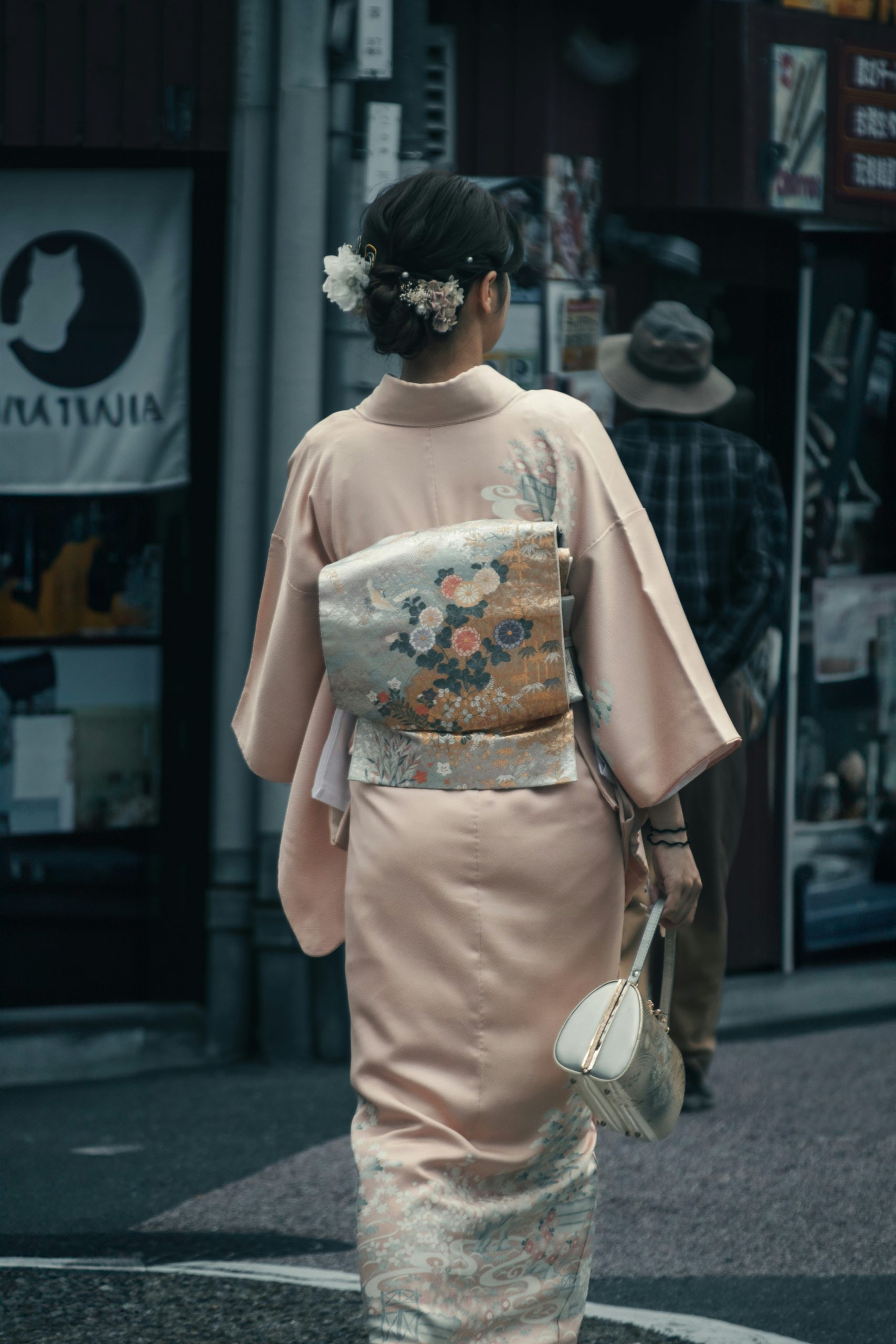
Traditional kimono styling follows specific rules related to seasons, occasions, age, and social status, requiring cultural understanding and respect.
Respecting Local Residents and Businesses
Working Neighborhood
Gion remains a working neighborhood where local residents and business owners maintain daily lives alongside tourism activities.
- • Respect business entrances
- • Avoid private residences
- • Don’t impede normal activities
Quiet Photography
Early morning sessions should maintain unobtrusive approaches that preserve peaceful atmosphere.
- • Keep noise levels minimal
- • Use natural lighting when possible
- • Respect residential privacy
Geisha and Maiko Photography Ethics
The presence of geisha and maiko in Gion creates special photography considerations that require exceptional cultural sensitivity and respect for these traditional practitioners. These women are working professionals following ancient traditions, not tourist attractions or photo props.
Always Required:
- • Explicit permission before photography
- • Maintain appropriate distances
- • Respect their work schedules
Never Acceptable:
- • Pursuit or harassment
- • Intrusive behavior
- • Treating them as props
Traditional Architecture and Sacred Spaces
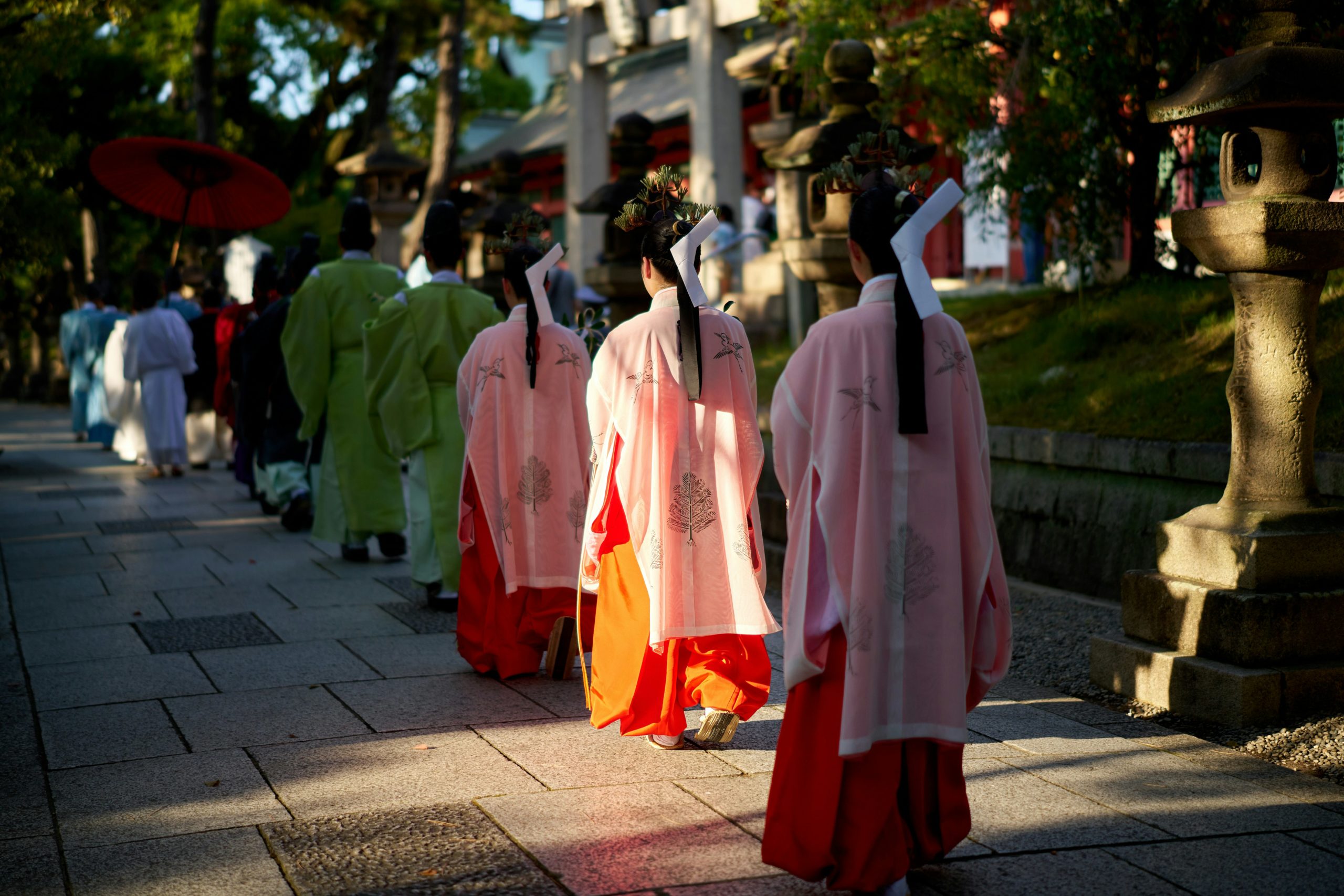
Gion’s traditional buildings, temples, and shrines represent significant cultural and spiritual heritage that commands respect during photography activities. Understanding the sacred or culturally significant nature of specific locations guides appropriate photography behavior.
- Follow temple photography protocols
- Respect preservation efforts
- Support cultural heritage
Building Long-term Community Relationships
Sustainable photography practices in Gion focus on building positive, long-term relationships with the local community rather than extractive tourism approaches. Regular, respectful photography work can contribute positively to cultural preservation and community economic development.
- Support local kimono rental businesses
- Promote traditional craftspeople
- Contribute to educational initiatives
- Build trust with local stakeholders
Conclusion: Creating Timeless Kimono Memories
The art of kimono photography in Gion district represents a unique intersection of technical skill, cultural understanding, and artistic vision that, when executed thoughtfully, creates images that transcend simple tourist photography to become meaningful cultural documentation and artistic expression. The strategies, techniques, and considerations outlined in this comprehensive guide provide the foundation for creating truly exceptional kimono photographs that honor both the technical demands of professional photography and the rich cultural heritage of traditional Japan.
Mastering the Timing Elements
Success in Gion kimono photography ultimately depends on understanding and orchestrating multiple timing elements that work together to create optimal shooting conditions. The convergence of ideal lighting, minimal crowds, comfortable weather, and cultural appropriateness occurs within narrow windows that require careful planning and flexible execution.
Optimal Window: 6:30 AM – 8:30 AM
Technical Excellence and Cultural Sensitivity
Professional kimono photography demands technical excellence in camera operation, lighting management, and post-processing techniques, but these technical skills must be balanced with deep cultural sensitivity and respect for traditional Japanese values.
Cultural understanding elevates work beyond costume photography
The Business Case for Professional Timing
Professional kimono photography services that master optimal timing strategies in Gion gain significant competitive advantages in the growing cultural tourism and traditional photography markets. Clients increasingly seek authentic, high-quality experiences that provide genuine cultural immersion alongside beautiful photography results.
Premium Positioning
Exclusive access and optimal conditions
Word-of-Mouth
Strong referrals from quality results
Cultural Authenticity
Premium cultural experiences
Preserving Cultural Heritage Through Photography
Thoughtful kimono photography in Gion contributes to cultural preservation by documenting traditional practices, supporting local businesses, and promoting respectful cultural tourism that provides economic incentives for maintaining traditional districts.
The images created through respectful, well-timed kimono photography sessions serve as cultural documentation that preserves traditional aesthetics, techniques, and cultural contexts for future generations.