Kimono and Calligraphy
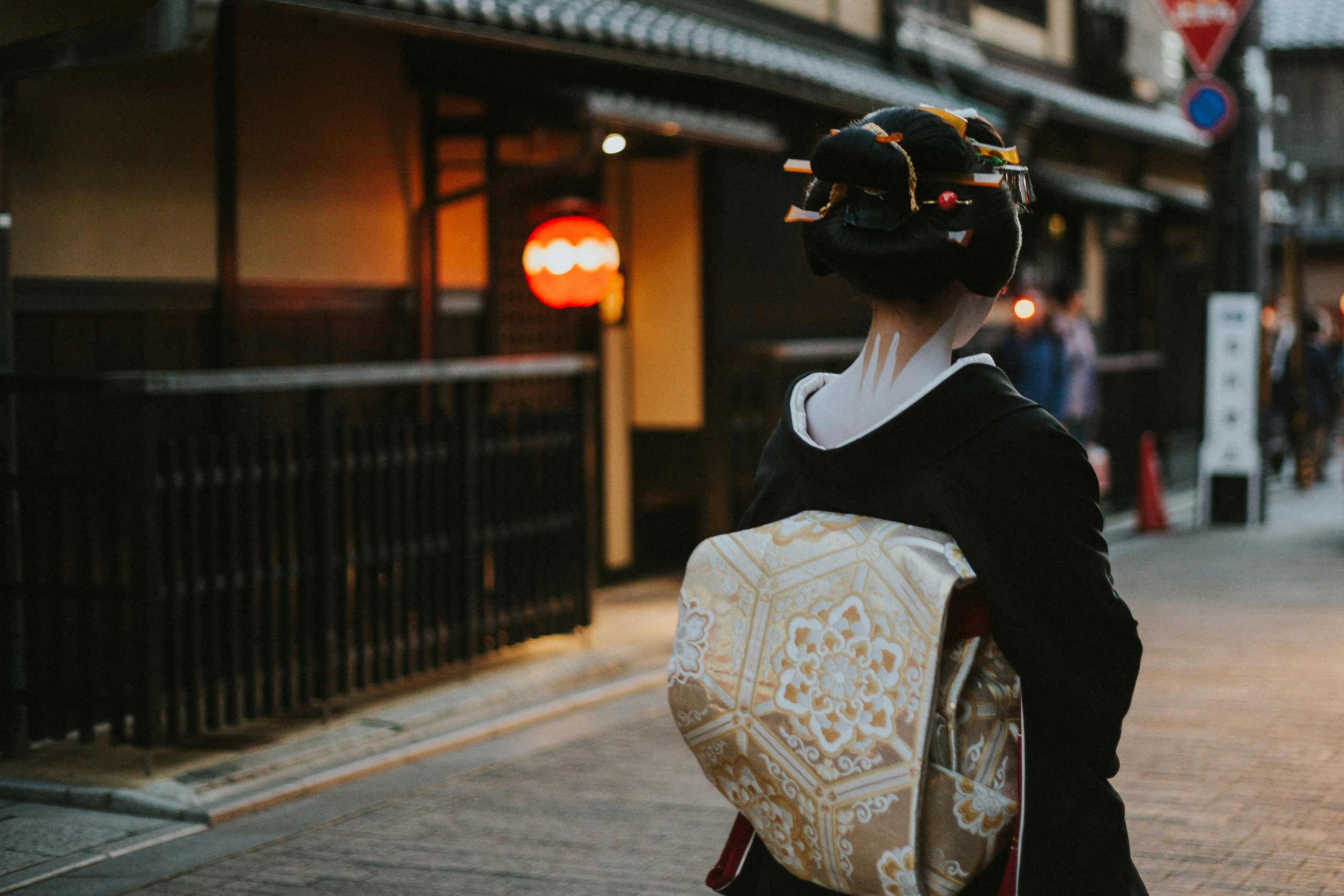
Traditional kimono-clad women walking through Kyoto’s historic Gion district
Japan is a country where art and everyday life are deeply connected. In Kyoto, the ancient capital and cultural heart of Japan, two art forms perfectly illustrate this harmony: the kimono and Japanese calligraphy (shodō). While one is worn on the body and the other flows through brush and ink, both reflect a shared philosophy of balance, discipline, and beauty.
For those visiting Kyoto, experiencing kimono rental is not only about clothing, but also about stepping into a living piece of art. Similarly, observing or practicing calligraphy reveals the Japanese pursuit of elegance through simplicity. In this article, we explore the parallels between these two art forms, their symbolism, and why Kyoto is the ideal place to experience them together.
1. The Essence of Japanese Aesthetics
Japanese aesthetics revolve around concepts like wabi-sabi (beauty in imperfection), ma (the space between things), and shibui (simple, subtle beauty). Both the kimono and calligraphy embody these ideas.
- In kimono design, empty spaces on fabric highlight patterns of flowers, cranes, or seasonal motifs.
- In calligraphy, the balance between bold brushstrokes and blank paper creates harmony.
- Both require discipline, an understanding of tradition, and sensitivity to detail.
2. Kimono: Clothing as a Canvas
The kimono is more than just traditional Japanese clothing. It is a canvas of self-expression.
- Patterns and colors often represent the season or occasion.
- The way the obi (sash) is tied reflects personality and style.
- A kimono can communicate age, marital status, or even social role in traditional contexts.
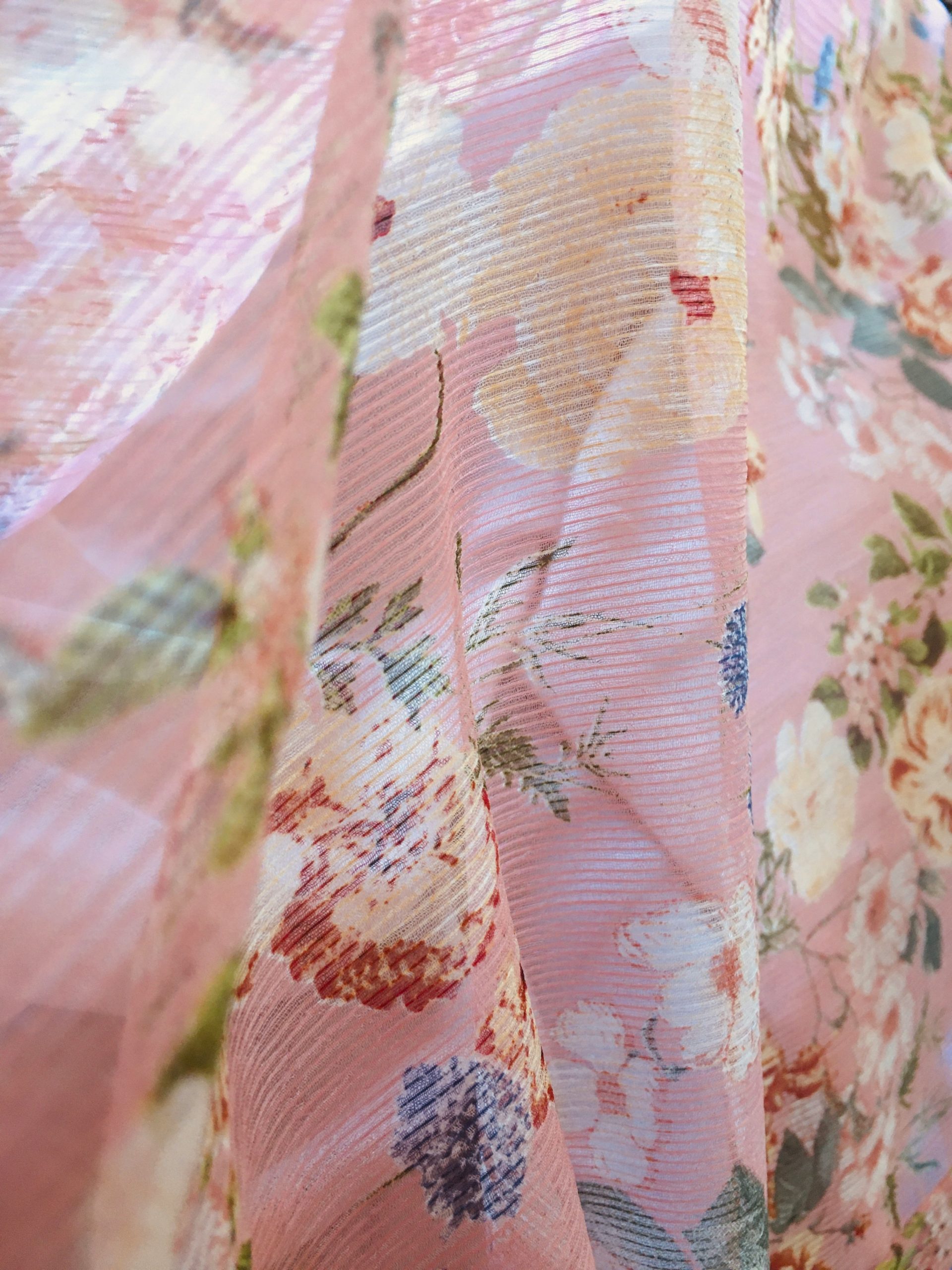
Exquisite floral patterns on traditional kimono fabric
In Kyoto, wearing a kimono while strolling through temples, shrines, or tea houses is a way to merge with the city’s cultural rhythm. Renting a kimono allows visitors to step into the elegance of Japanese history.
? If you are planning a visit, consider renting a kimono in Kyoto to complete your cultural experience: Kimono Rental in Kyoto.
3. Calligraphy: Writing as Art
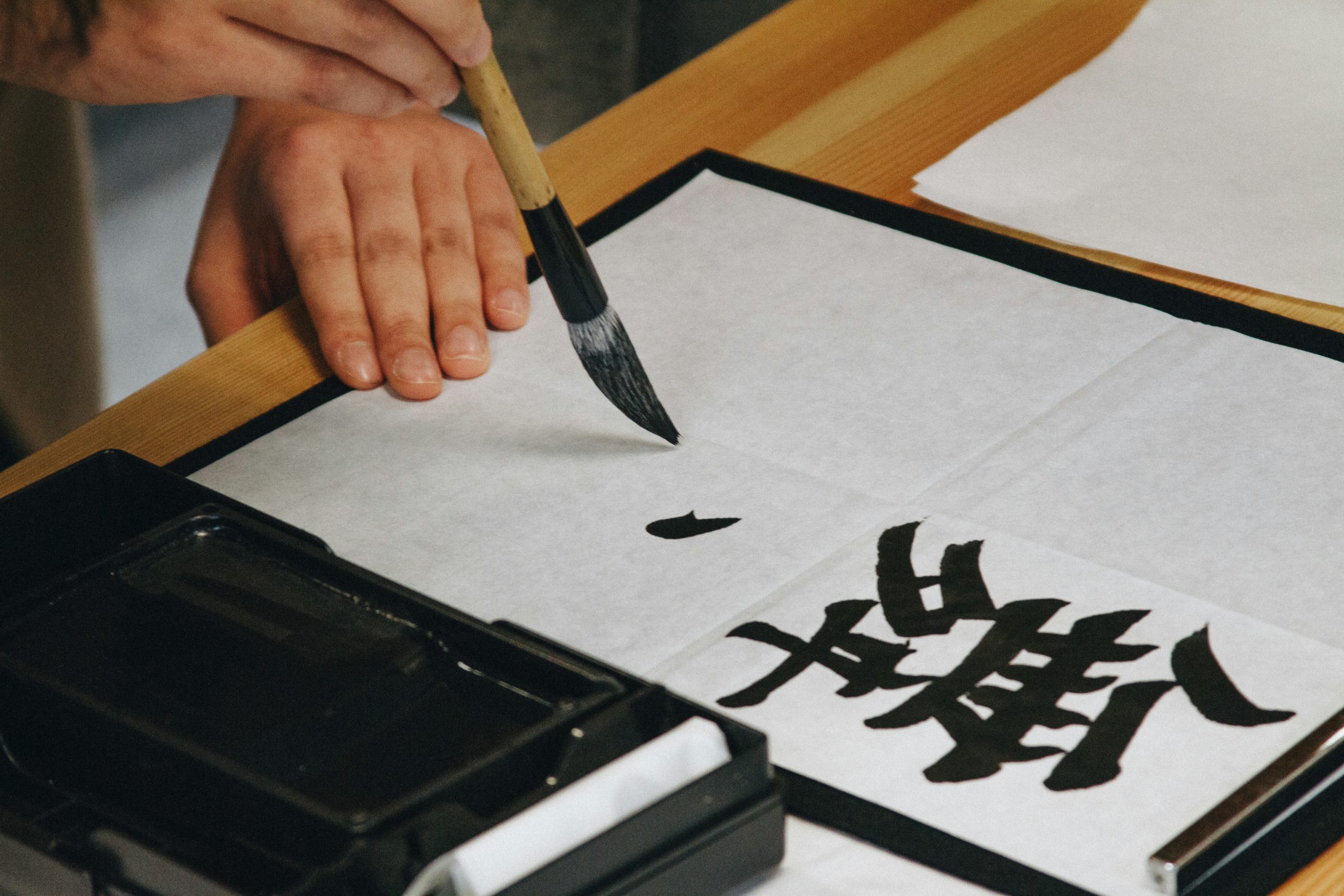
Traditional Japanese calligraphy tools: brush, ink, and paper in perfect harmony
Japanese calligraphy, known as shodō (書道), literally means “the way of writing.” It is not about perfect penmanship, but about expressing the soul through brush and ink.
- Each stroke requires concentration, rhythm, and flow.
- The empty spaces on the page are as important as the ink itself.
- Calligraphy masters practice for decades to perfect the balance of strength and elegance.
Just like wearing a kimono connects the body with tradition, practicing calligraphy connects the spirit with discipline and creativity.
4. Parallels Between Kimono and Calligraphy
| Kimono | Calligraphy |
|---|---|
| Fabric as a canvas | Paper as a canvas |
| Obi knot defines structure | Brushstroke defines structure |
| Colors & patterns show personality | Ink intensity shows personality |
| Seasonal motifs | Seasonal poems or kanji |
| Requires correct posture | Requires correct posture |
Both are forms of moving art—one is carried on the body, the other flows on paper.
5. Kyoto: The Perfect Stage
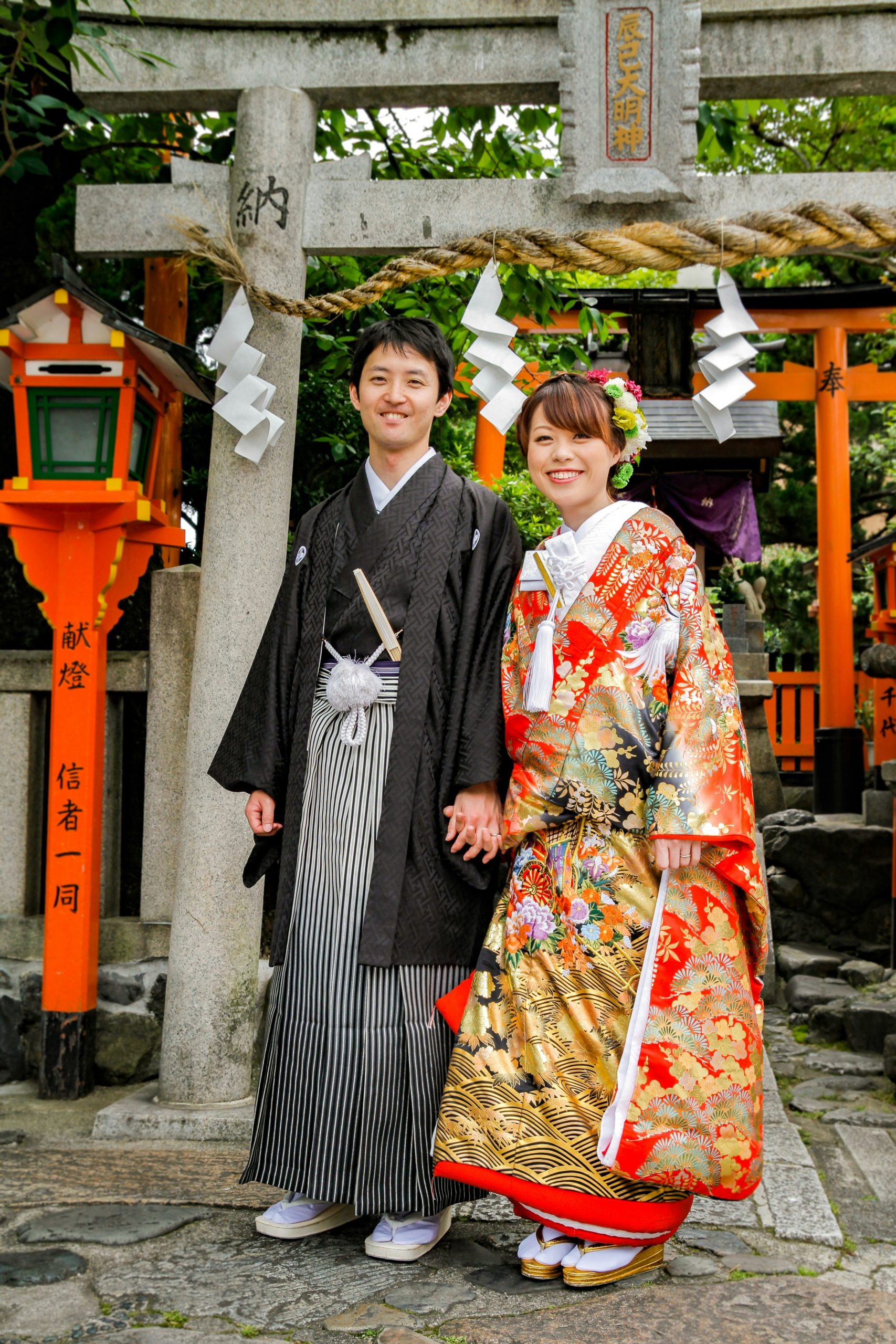
Visitors experiencing the art of Japanese calligraphy in a Kyoto workshop
Kyoto is the best place to experience both kimono and calligraphy:
- Temples & Shrines: Kiyomizudera, Yasaka Shrine, and Kenninji temple offer perfect backdrops for kimono photography.
- Cultural Workshops: Many tea houses and calligraphy studios offer short lessons where visitors can try writing kanji while dressed in kimono.
- Seasonal Festivals: Kyoto hosts events where both kimono and calligraphy are showcased, like the Gion Matsuri and calligraphy exhibitions.
When walking through the historic streets of Gion or Higashiyama, it is easy to feel how these art forms have shaped the city’s cultural identity.
6. Modern Interpretations
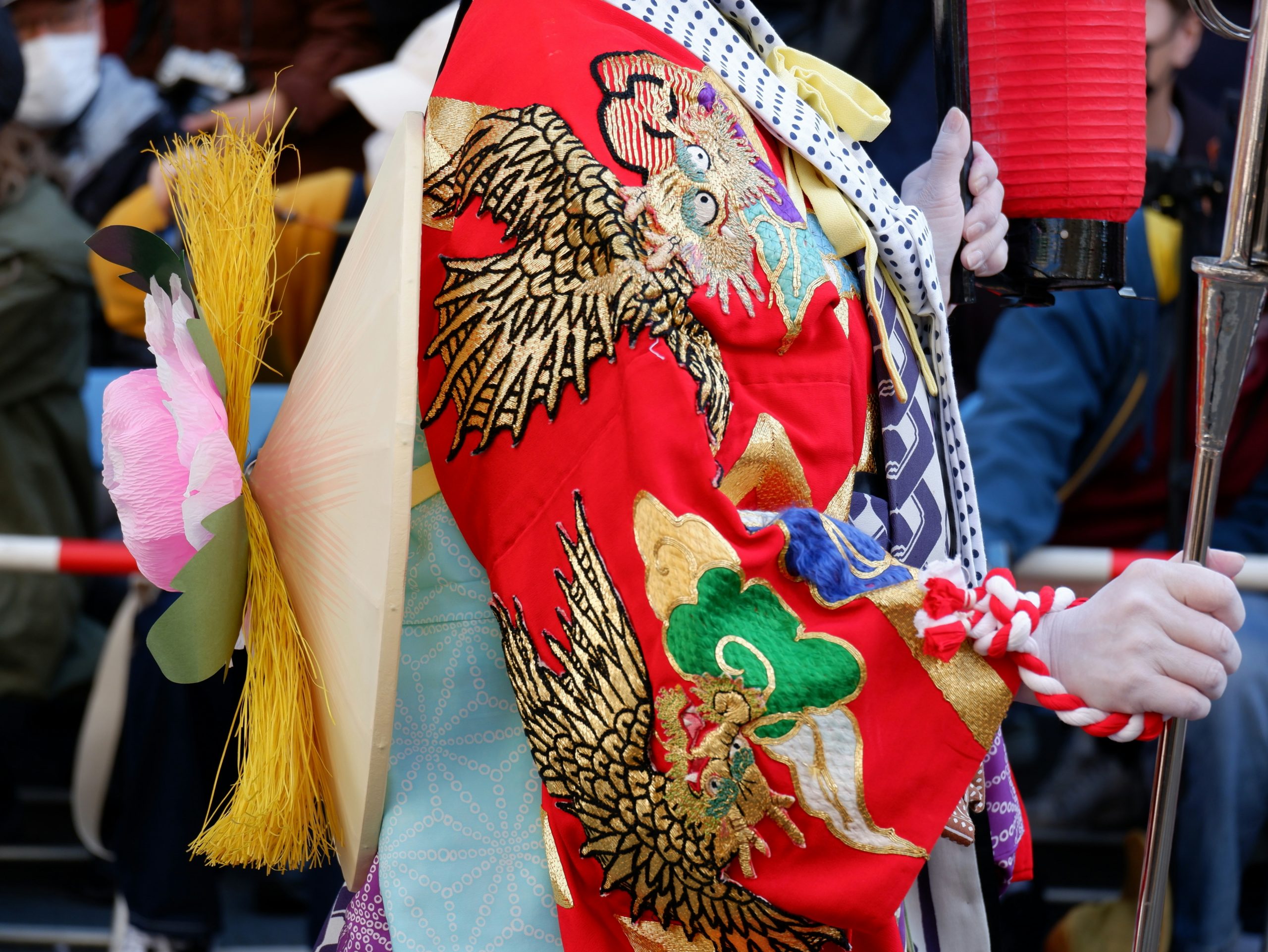
A couple in traditional kimono at Kyoto’s iconic Yasaka Shrine
While traditional kimonos and calligraphy remain timeless, both have modern evolutions:
- Modern Kimono: Designers experiment with bold patterns, mixing Western and Japanese influences. Rental shops in Kyoto often include modern variations to appeal to younger generations.
- Contemporary Calligraphy: Artists combine traditional brushstrokes with digital media, creating hybrid artworks displayed in galleries.
These evolutions show that both arts are living traditions, continuously adapting without losing their essence.
7. Experiencing Kimono and Calligraphy in Kyoto
If you plan to explore Kyoto’s cultural depth, here are recommendations:
- Rent a kimono for the day – Walk through Gion, Arashiyama, or Fushimi Inari Shrine while wearing traditional attire.
- Join a calligraphy workshop – Many studios in Kyoto offer 1–2 hour lessons where you learn to write your name in kanji.
- Combine both – Some cultural packages allow you to practice calligraphy while dressed in a kimono, offering a unique memory.
8. Why Visitors Love This Combination
Tourists and locals alike find that combining kimono rental with calligraphy creates a deeper cultural immersion:
- Photographs in kimono become more meaningful when paired with a calligraphy scroll.
- Both experiences promote mindfulness, slowing down the pace in a fast world.
- They provide a connection between outer beauty (kimono) and inner beauty (calligraphy).
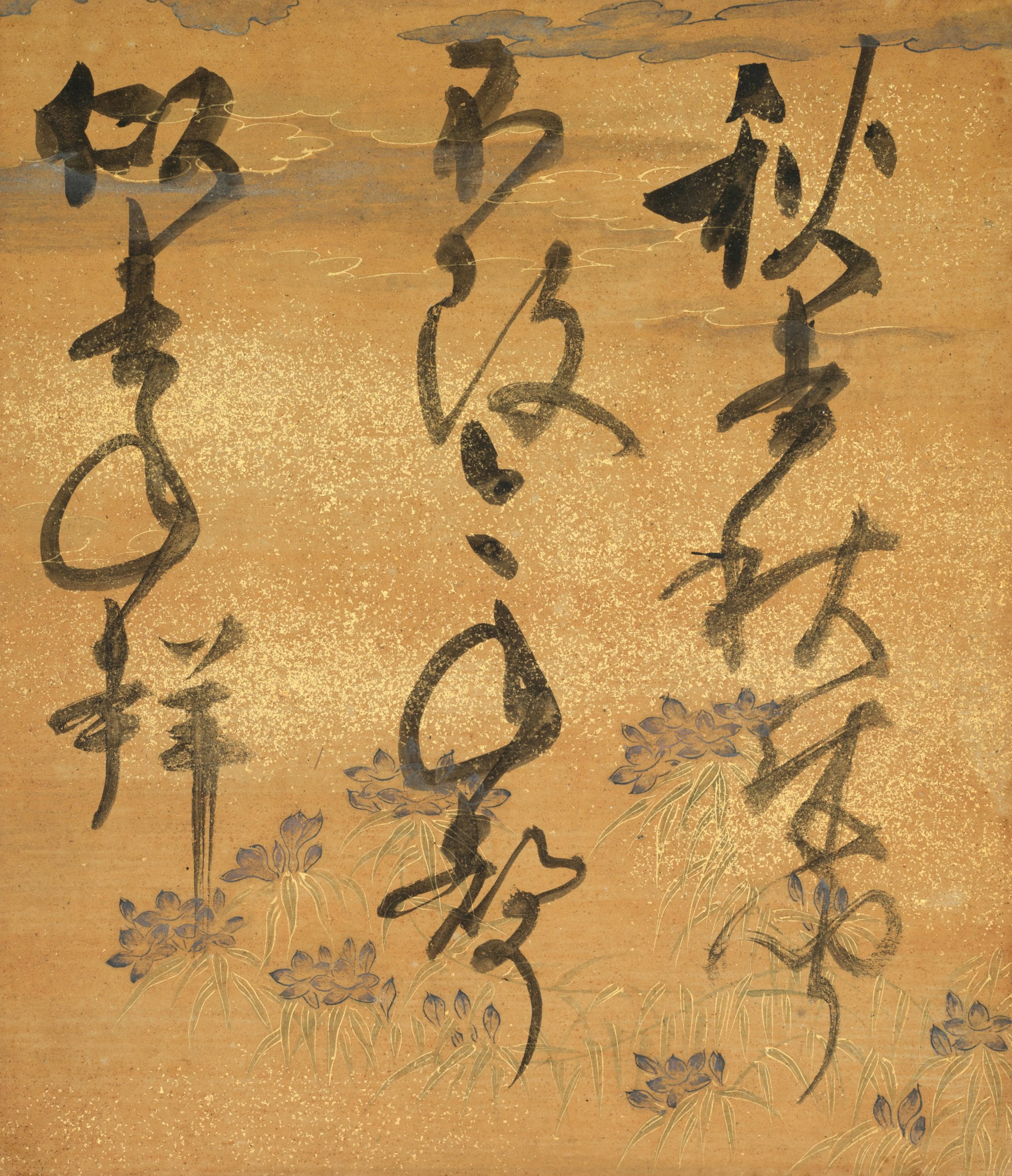
Traditional kimono accessories: obi, geta sandals, and ornate details
9. Practical Guide for Visitors
- Where to rent kimono in Kyoto: Many rental shops are near Gion and Kyoto Station. Check our kimono rental service here.
- Best time of year: Spring (cherry blossoms) and autumn (red maple leaves) are most photogenic.
- Budget: Rental prices start from ¥3,000–¥6,000 depending on the style.
- Duration: A rental usually lasts a full day.
- Workshops: Calligraphy lessons cost around ¥3,000–¥5,000 for beginners.
10. Conclusion: A Dialogue of Arts
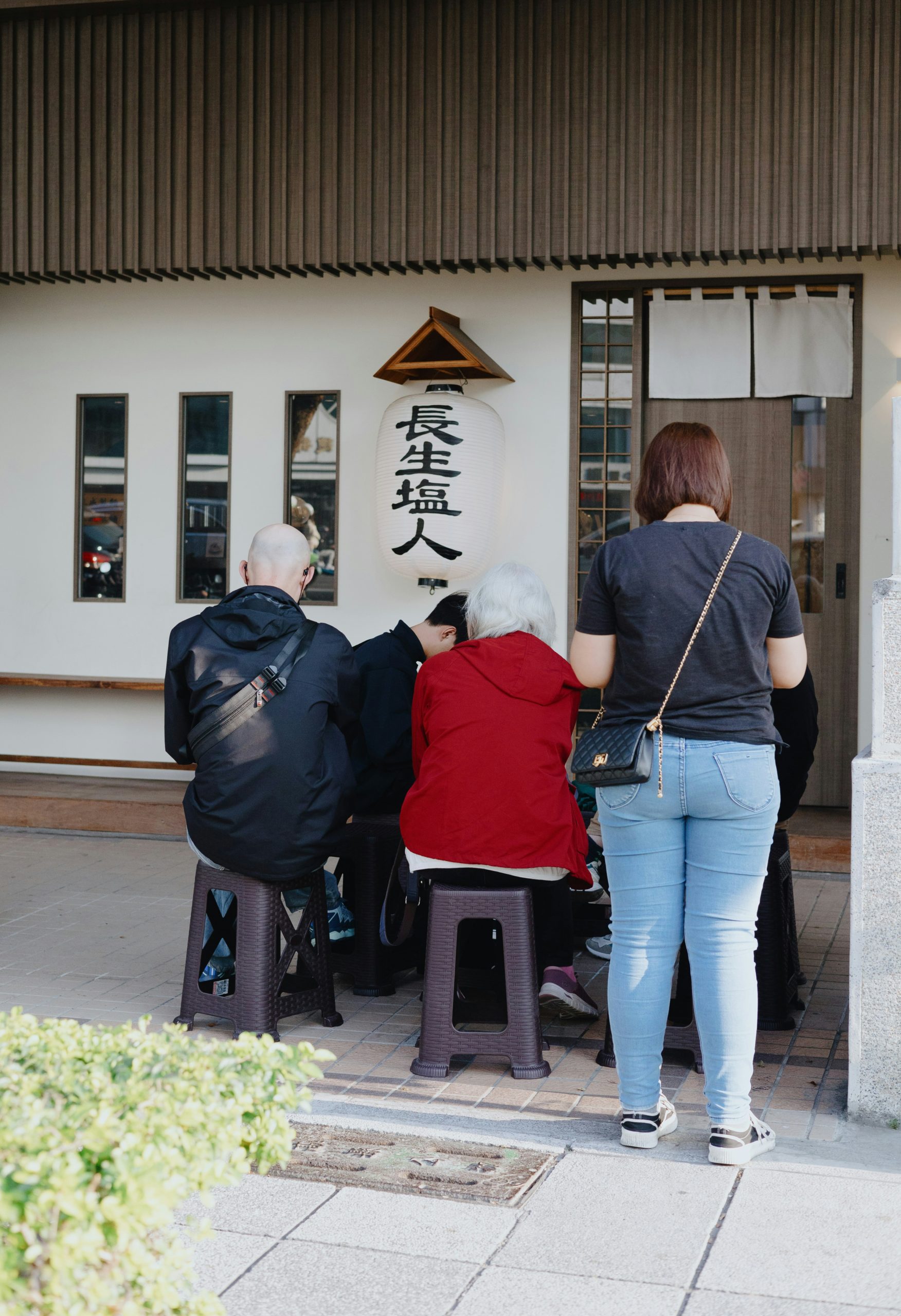
Traditional calligraphy scroll featuring seasonal kanji: Four Seasons (春夏秋冬)
Kimono and calligraphy are not separate worlds, but two sides of the same philosophy. Both demand discipline, embody Japanese aesthetics, and celebrate harmony between space and form.
When in Kyoto, embracing both experiences offers travelers a chance to wear art, write art, and live art. Renting a kimono and trying calligraphy is more than an activity—it is a journey into the heart of Japanese culture.
? Discover authentic kimono rental in Kyoto and elevate your cultural experience: Kimono Rental Kyoto – Mimosa.