Kimonos in Japanese Folk Tales
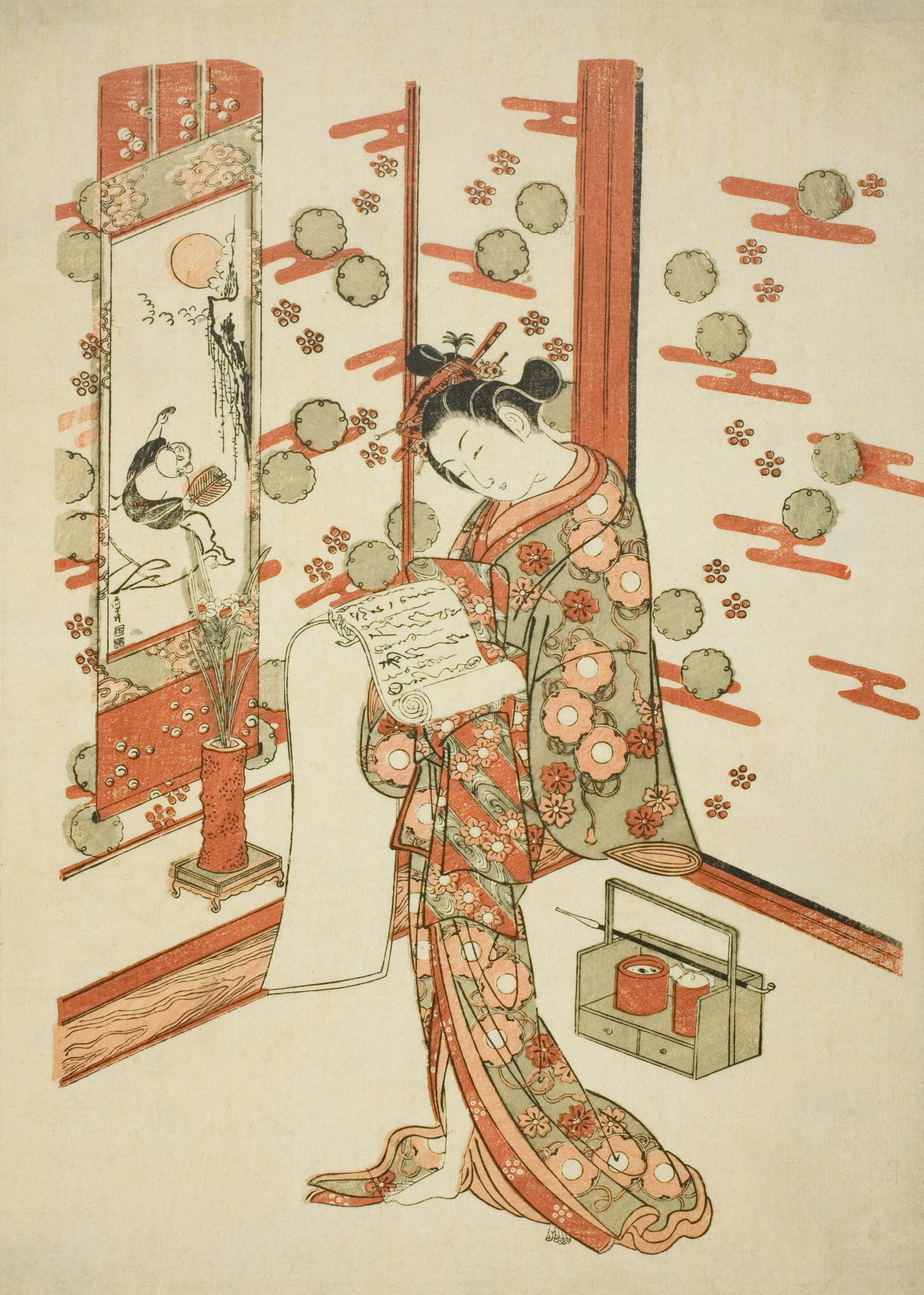
Japanese folk tales (昔話 mukashi banashi) are full of symbolism, and one of the most fascinating cultural elements that appear in them is the kimono. This iconic garment is not just traditional clothing; in many stories, it represents identity, status, mystery, and transformation.
In this article, we’ll explore the role of kimonos in Japanese folk tales, their hidden meanings, and how these stories still influence modern Kyoto culture today. If you’re visiting Kyoto, wearing a kimono is not only about fashion—it’s about stepping into a world of tradition, storytelling, and elegance.
And if you are planning your Kyoto experience, you can easily rent a kimono at Mimosa Kimono Rental in Kyoto to live this cultural connection in person.
Table of Contents
- What is a Kimono? A Brief Cultural Introduction
- Kimonos in Japanese Folk Tales: A Symbol of Transformation
- Famous Stories Where Kimonos Appear
- The Tale of the Crane Wife (Tsuru no Ongaeshi)
- The Fire Rat’s Fur (Princess Kaguya)
- Kitsune and the Kimono of Disguise
- The Haunted Kimono (Kosode no Teirei)
- Symbolism of Colors and Patterns in Folk Tales
- Kyoto as the Living Stage of Kimono Culture
- Wearing a Kimono Today: Connecting with Tradition
- Where to Rent a Kimono in Kyoto (Mimosa Recommendation)
- Final Thoughts: Stories That Live in Fabric
1. What is a Kimono? A Brief Cultural Introduction
The kimono (着物) literally means “thing to wear,” but its meaning goes far beyond that. Traditionally made from silk, kimonos are T-shaped robes wrapped around the body and secured with an obi (sash).
In everyday life centuries ago, kimonos were worn by everyone. Over time, they became formal garments, tied to ceremonies, rituals, and festivals. The craftsmanship—choice of fabric, patterns, and seasonal colors—turned the kimono into an art form.
In folk tales, the kimono becomes a magical object—an item that gives power, hides secrets, or represents sacrifice.
2. Kimonos in Japanese Folk Tales: A Symbol of Transformation
In many Japanese folk stories, the kimono is not passive clothing. It is active, almost alive, influencing the destiny of its wearer.
Transformation
A kimono can allow a character to transform, especially in tales of animals turning into humans (like foxes or cranes).
Mystery and Secrecy
A kimono can conceal identity or carry hidden powers.
Love and Sacrifice
In some stories, a woman’s act of weaving or gifting a kimono is an act of love, loyalty, or even farewell.
The recurring appearance of kimonos in these tales highlights how deeply rooted they are in the Japanese cultural imagination.
3. Famous Stories Where Kimonos Appear
?The Tale of the Crane Wife (鶴の恩返し Tsuru no Ongaeshi)
One of Japan’s most famous folk tales tells of a poor man who rescues a crane caught in a trap. Later, a mysterious woman appears, marries him, and secretly weaves beautiful fabric from her own feathers. She warns him never to look while she weaves. Eventually, he breaks the promise, discovers her secret, and she disappears forever.
Kimono symbolism:
The crane-wife’s woven cloth, which could be turned into a kimono, represents sacrifice, fragility, and the cost of broken trust.

?The Fire Rat’s Fur (Hi no Kawahagi – from The Tale of the Bamboo Cutter)
In The Tale of Princess Kaguya (竹取物語), one of the impossible tasks given to her suitors is to bring back the fur of the Fire Rat—a mythical kimono-like robe that cannot burn.
Kimono symbolism:
Here, the garment is supernatural protection, a metaphor for impossible desires and unattainable love.
?Kitsune and the Kimono of Disguise
Fox spirits (kitsune) often appear in folk tales wearing kimonos to disguise themselves as human women. These stories usually involve romance, trickery, or lessons about respecting boundaries between humans and the supernatural.
Kimono symbolism:
The kimono is an instrument of transformation and illusion, showing how clothing can bridge two worlds.

?The Haunted Kimono (小袖の手入れ Kosode no Teirei)
A darker tale tells of a kimono that becomes cursed after being passed from one owner to another, bringing misfortune and even death.
Kimono symbolism:
This story reflects the belief that objects—especially personal ones like kimonos—can carry emotions, memories, and spirits.
4. Symbolism of Colors and Patterns in Folk Tales
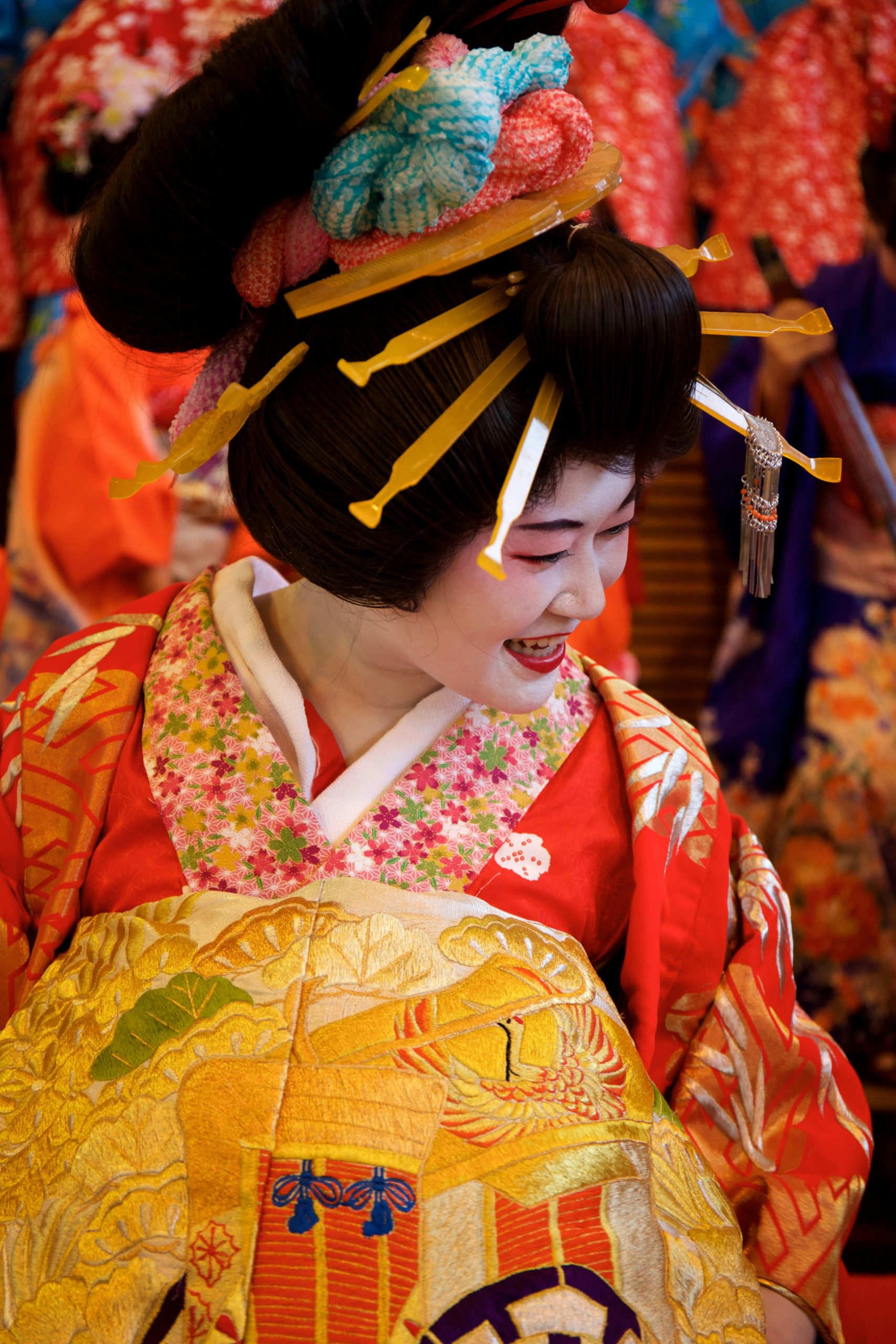
In Japanese tradition, colors and motifs on kimonos carry powerful meanings:
Red (Aka)
Protection, passion, and life force.
White (Shiro)
Purity, innocence, sometimes linked to death.
Blue/Indigo (Ai)
Tranquility, everyday wear, resilience.
Gold and Silver Threads
Associated with divine or imperial connections.
Nature motifs (cherry blossoms, cranes, waves)
Each has its own symbolic meaning.
In folk tales, these elements are not decorative—they signal the character’s destiny or hidden nature.
5. Kyoto as the Living Stage of Kimono Culture
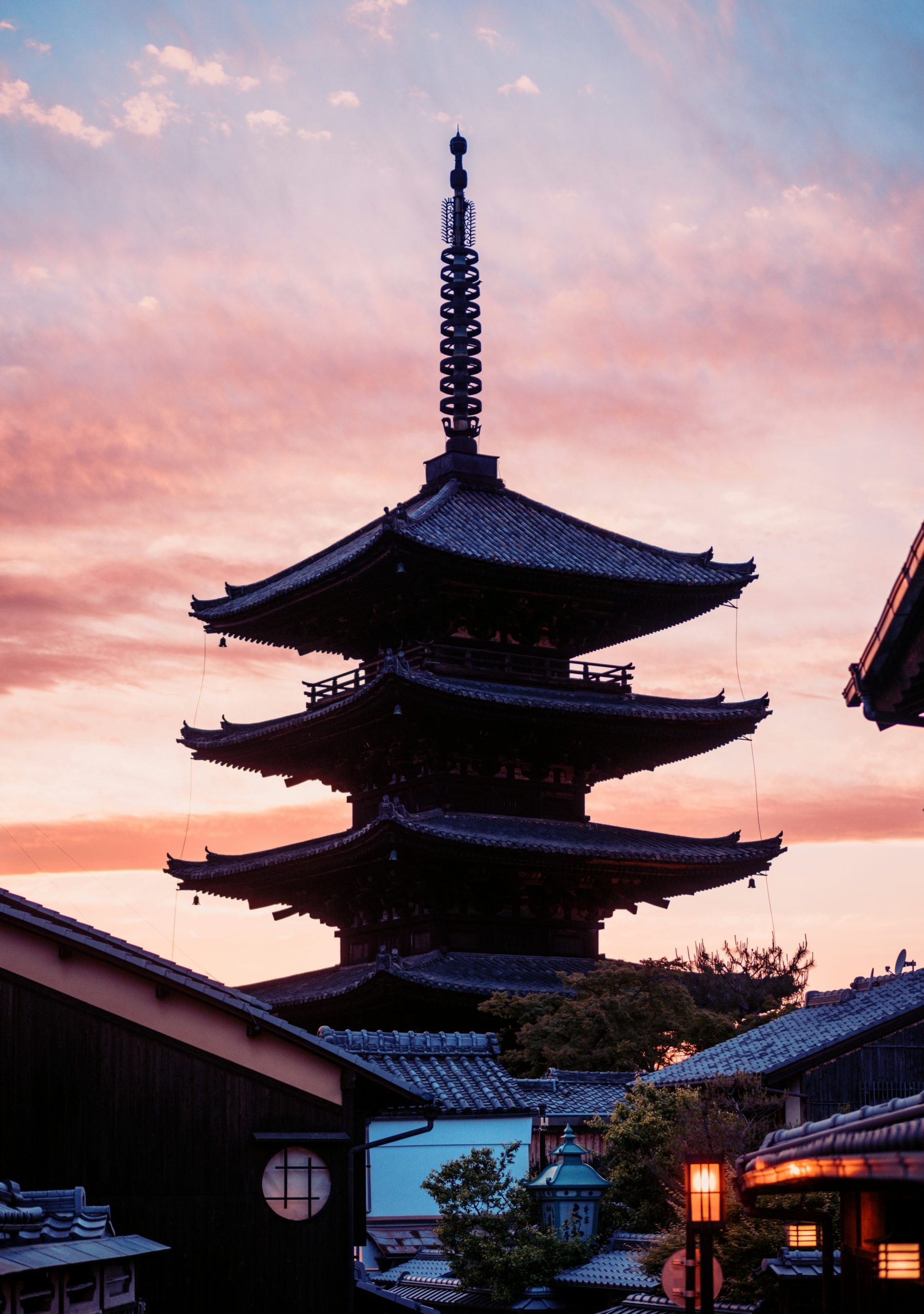
While kimonos are part of national tradition, Kyoto remains the beating heart of kimono culture.
- Many folk tales are set in or inspired by Kyoto’s landscapes, temples, and festivals.
- Traditional artisans in Kyoto still dye, weave, and craft kimonos with techniques passed down for centuries.
- Festivals such as Gion Matsuri showcase historical costumes and kimono styles connected to folklore.
For visitors, wearing a kimono in Kyoto is more than a photo opportunity—it’s a way of walking into the same atmosphere where these stories were born.
6. Wearing a Kimono Today: Connecting with Tradition
Modern Japan may rely on Western clothing daily, but the kimono continues to be worn during weddings, tea ceremonies, and seasonal celebrations.
For travelers, renting a kimono in Kyoto allows you to:
Experience the weight, elegance, and artistry of traditional clothing.
Understand its storytelling power—each pattern and color has meaning.
Walk through historic streets like Gion or Higashiyama, where folklore feels alive.
7. Where to Rent a Kimono in Kyoto (Mimosa Recommendation)
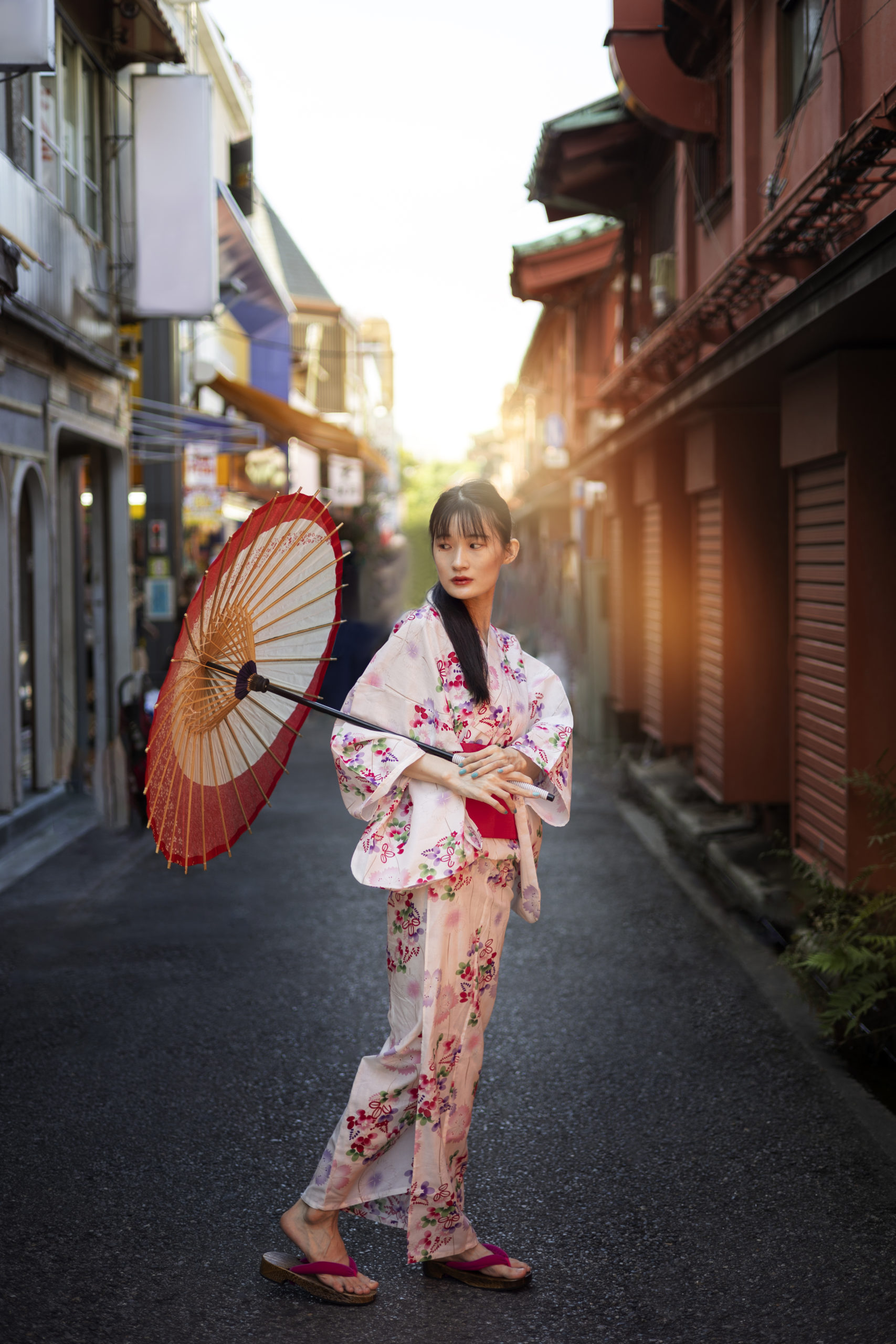
If you want to experience the folk tale atmosphere for yourself, consider renting a kimono at Mimosa Kimono Rental in Kyoto.
Mimosa offers:
A wide selection of traditional and modern styles.
Professional assistance in dressing, so you feel comfortable and authentic.
A chance to capture stunning photos in iconic Kyoto locations.
Just like in the old stories, the kimono becomes part of your personal journey in Kyoto.
8. Final Thoughts: Stories That Live in Fabric
Japanese folk tales remind us that kimonos are more than clothing—they are symbols of love, magic, mystery, and destiny.
Whether it is the crane-wife weaving her feathers, a fox spirit in disguise, or a cursed robe carrying memories, the kimono in folklore reflects the deep connection between fabric and fate.
And in Kyoto today, every time someone wears a kimono, these stories are brought back to life.
Next time you walk through Kyoto in a kimono, remember: you’re not just wearing fabric—you’re carrying centuries of storytelling.