A Stroll in a Kimono Through Kyoto’s Zen Gardens
Kyoto, the heart of Japan’s cultural heritage, is a city where tradition, elegance, and serenity merge into one unforgettable experience. While many travelers rush to see the iconic temples and bustling districts, one of the most magical ways to explore Kyoto is by wearing a kimono and taking a stroll through its enchanting Zen gardens.
A kimono rental does not only enhance your photos but also connects you deeply with Japanese culture, making your walk through these sacred spaces a once-in-a-lifetime experience.
In this blog post, we will explore the beauty of Kyoto’s Zen gardens, the significance of wearing a kimono, and why this cultural combination creates memories that stay with you forever.
? Book your kimono rental experience here
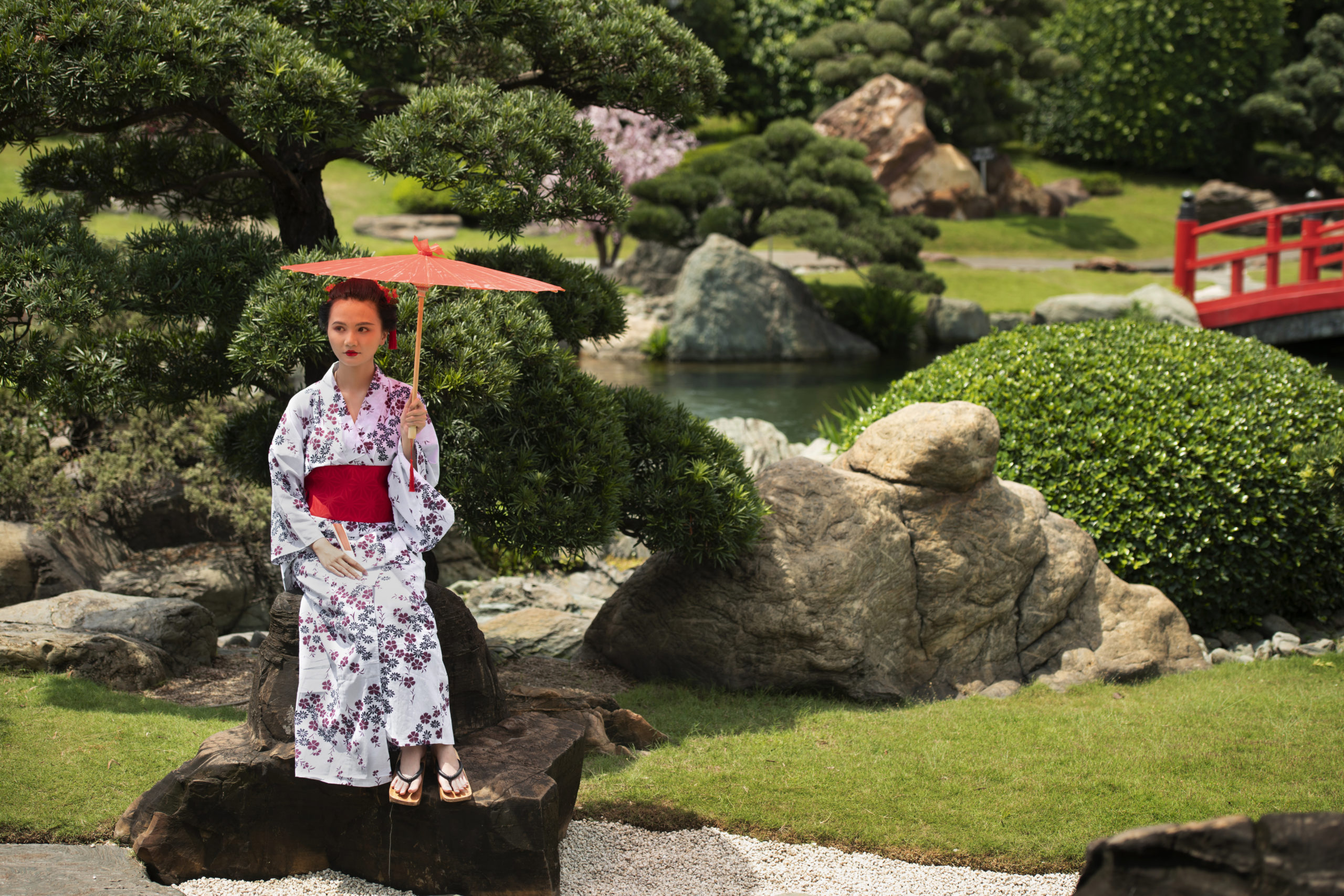
The perfect harmony of traditional kimono and Kyoto’s serene zen gardens
Why Kyoto is the Perfect Place for a Kimono Walk
Unlike Tokyo’s modern vibe, Kyoto embodies timeless tradition. Once Japan’s imperial capital, it is home to over 1,600 temples and shrines, many of which are surrounded by Zen gardens designed for meditation and harmony.
Wearing a kimono while visiting these places allows you to slow down, appreciate the aesthetics, and step into the rhythm of Japanese life centuries ago.
The combination of kimono elegance and garden tranquility reflects the Japanese philosophy of wabi-sabi (beauty in simplicity).
Kyoto’s atmosphere, with its historic wooden machiya houses, stone-paved alleys, and quiet gardens, is unmatched.
Locals and tourists alike admire and respect the tradition of kimono, making it the ideal city to embrace this cultural attire.
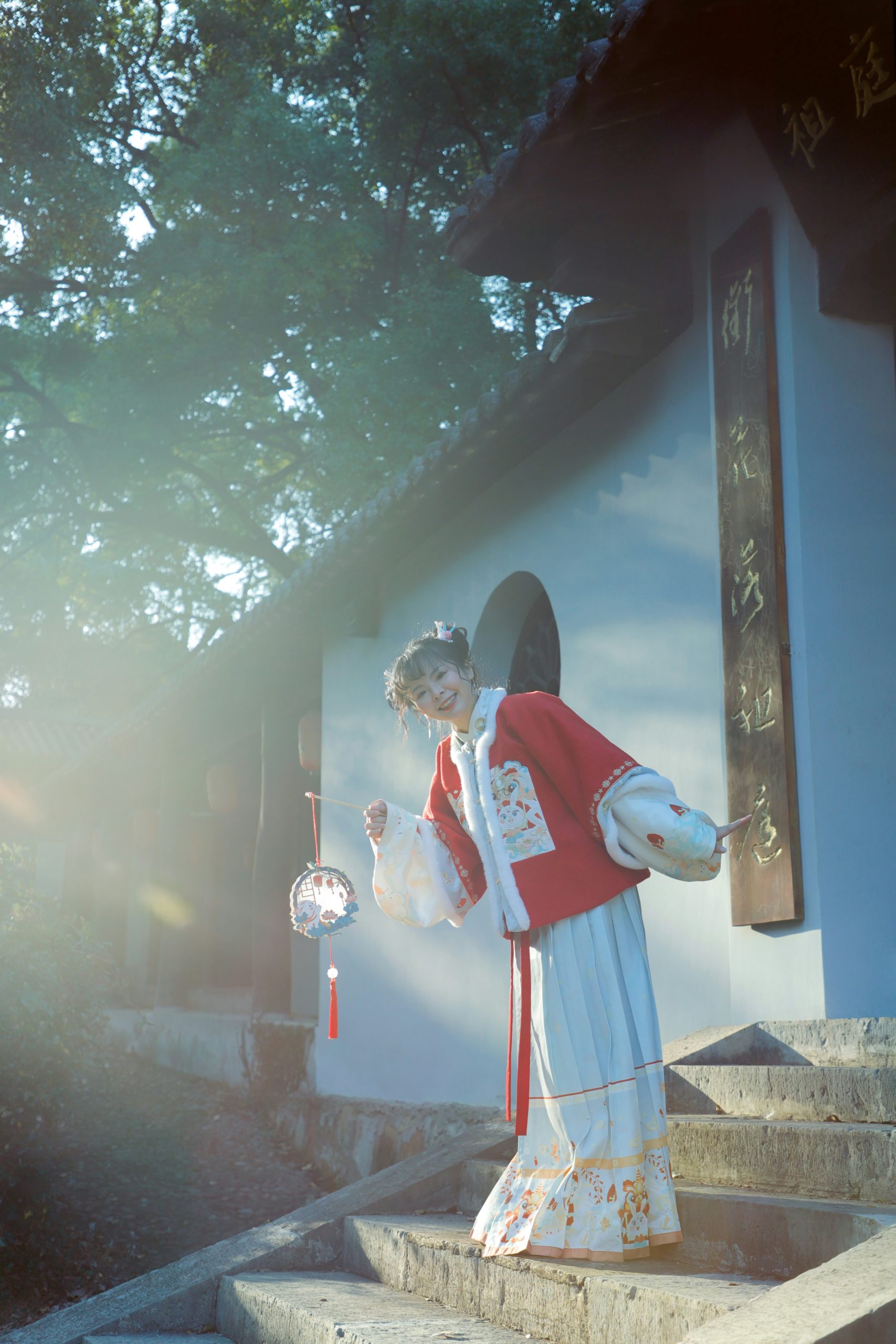
Historic machiya houses create the perfect backdrop for kimono walks
The Art of Zen Gardens in Kyoto
What Makes Zen Gardens Unique?
Zen gardens, also known as karesansui (dry landscape gardens), are carefully designed spaces using sand, gravel, rocks, moss, and minimal greenery. Unlike Western gardens, they are not meant to overwhelm the senses but to calm the mind.
Sand and gravel are raked into patterns symbolizing water.
Rocks and stones represent mountains or islands.
Minimal plants reflect simplicity and focus.
Famous Zen Gardens in Kyoto to Visit in Kimono
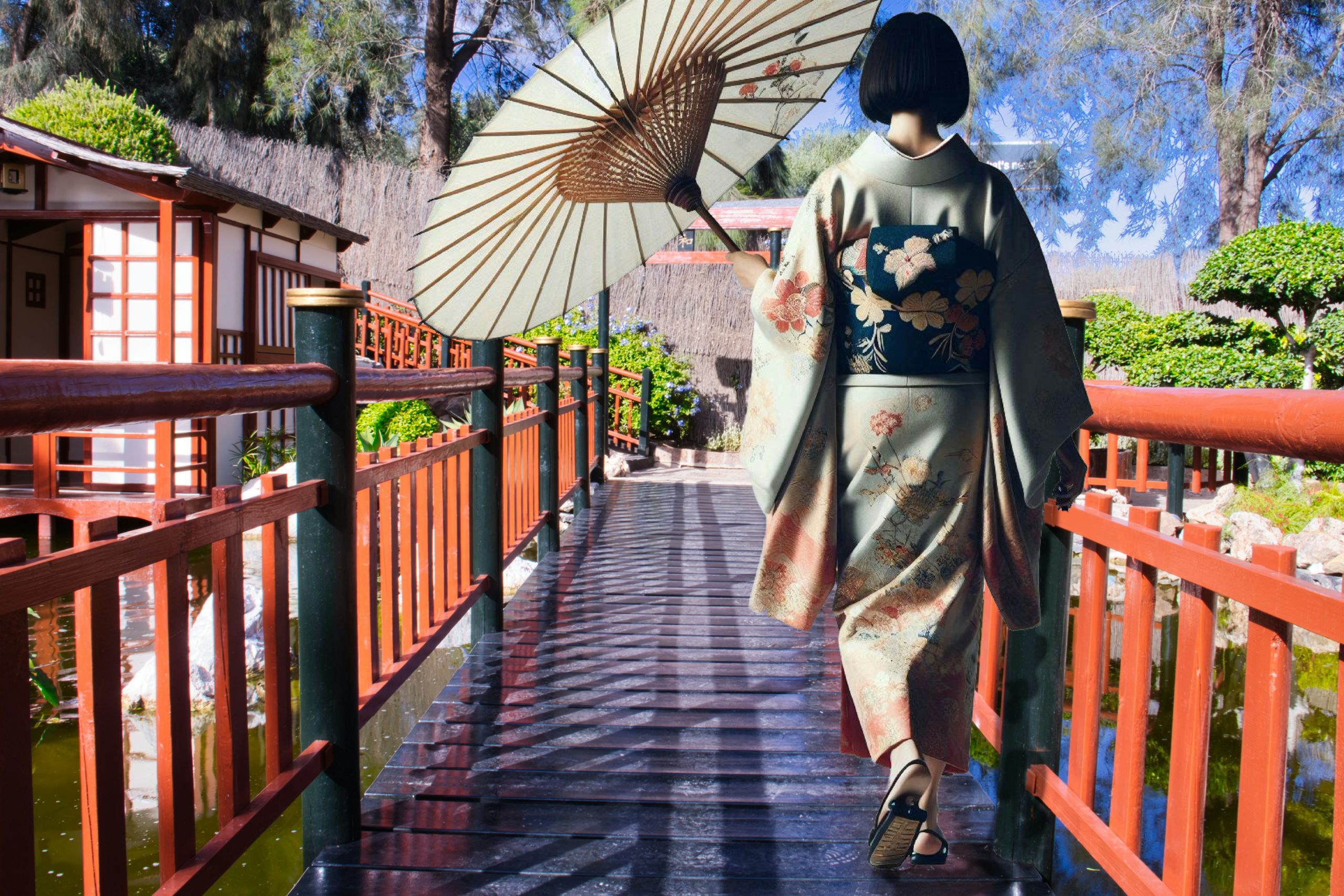
Ryoan-ji Temple – The world’s most famous zen rock garden
Ryoan-ji Temple – Home to the world’s most famous rock garden, where 15 stones are placed in such a way that only 14 can be seen from any angle.
Ginkaku-ji (Silver Pavilion) – Features a stunning sand garden with a perfect cone-shaped mound called the “Silver Sand of the Moon.”
Daitoku-ji Temple Complex – Known for its multiple sub-temples, each with a unique Zen garden design.
Nanzen-ji Temple – A large complex with gardens combining moss, stones, and water for meditation.

Ginkaku-ji’s exquisite sand garden with the famous “Silver Sand of the Moon”
Walking through these spaces in a kimono magnifies the elegance of the environment. Every step feels like part of a cultural ritual.
Why Rent a Kimono for Your Garden Walk?
Some travelers wonder, “Why should I rent a kimono if I can just visit in regular clothes?” The answer is simple: it transforms the experience.

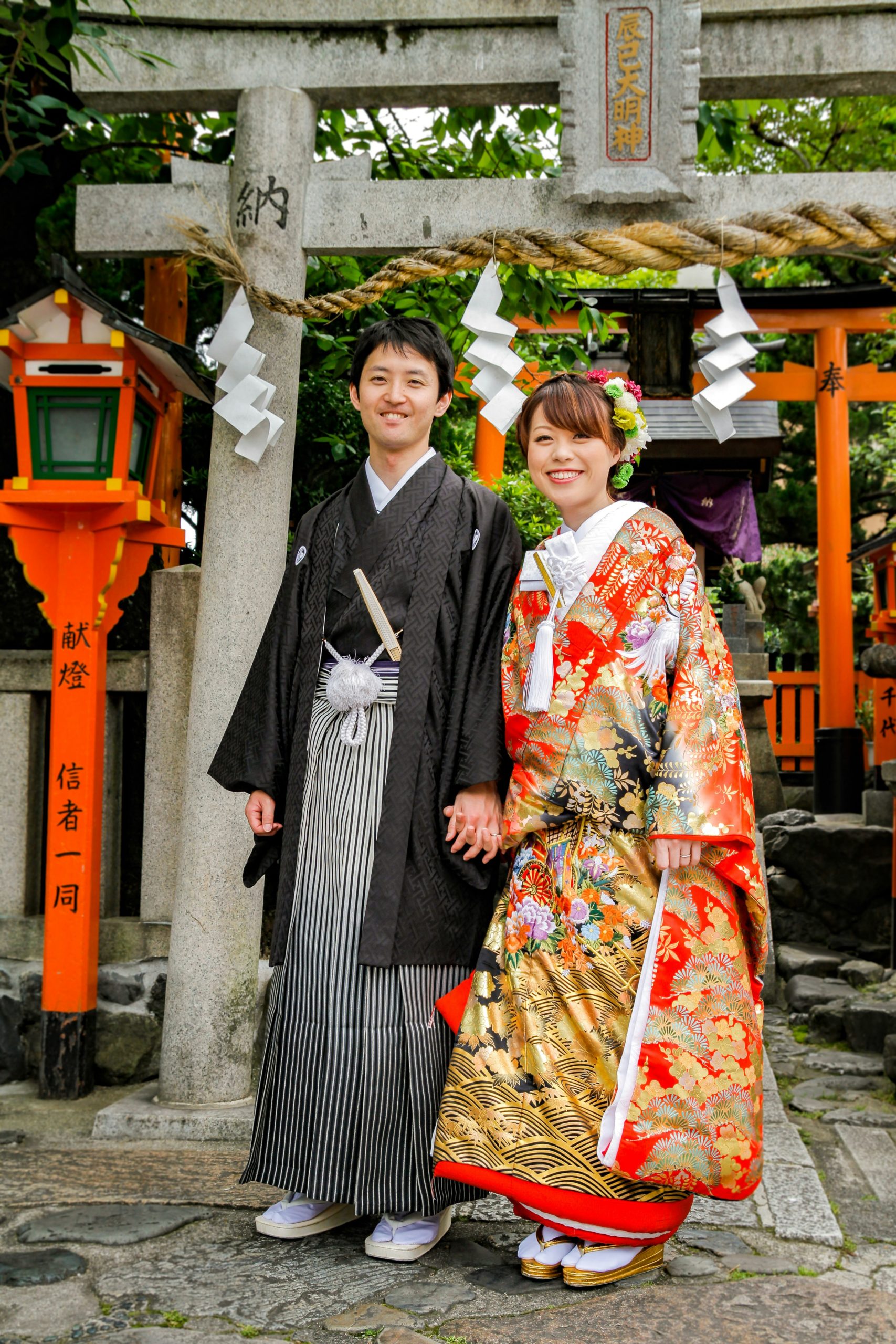
The beautiful variety of traditional kimono patterns and colors available for rental
Benefits of Wearing a Kimono in Kyoto
Immersive cultural experience
You don’t just see Kyoto, you become part of it.
Perfect for photos
Kyoto’s Zen gardens are among the most photographed places in Japan, and a kimono adds authenticity to your pictures.
Respect for tradition
Locals appreciate visitors embracing Japanese culture respectfully.
Variety of styles
You can choose seasonal colors, floral motifs, or elegant patterns that match the gardens’ scenery.
? Ready to try it yourself? Reserve your kimono rental here
Best Times of Year to Stroll in Kimono Through Kyoto’s Gardens
Kyoto’s Zen gardens are stunning year-round, but wearing a kimono highlights the beauty of each season:

Spring kimono strolls among Kyoto’s famous cherry blossoms
Spring (March – May) ?
Cherry blossoms make the gardens magical. A pink or pastel kimono is ideal.
Summer (June – August) ☀️
Lush greenery contrasts beautifully with bright yukata (light summer kimono).
Autumn (September – November) ?
The fiery red and gold of maple leaves enhance dark or earthy-toned kimonos.
Winter (December – February) ❄️
Snow-covered gardens create a serene backdrop for rich, deep-colored kimono.
Tips for a Comfortable Kimono Walk
Choose the right footwear
Traditional zori sandals are stylish, but bring comfortable socks (tabi).
Stay hydrated
Especially in summer, when wearing layers.
Plan your route
Many temples are close to each other, so you can visit multiple gardens in one day.
Take breaks
Zen gardens are for contemplation; sit, breathe, and absorb the moment.
Photo etiquette
Be respectful when taking photos, especially in temples.
Suggested Itinerary: One Day in Kyoto in Kimono
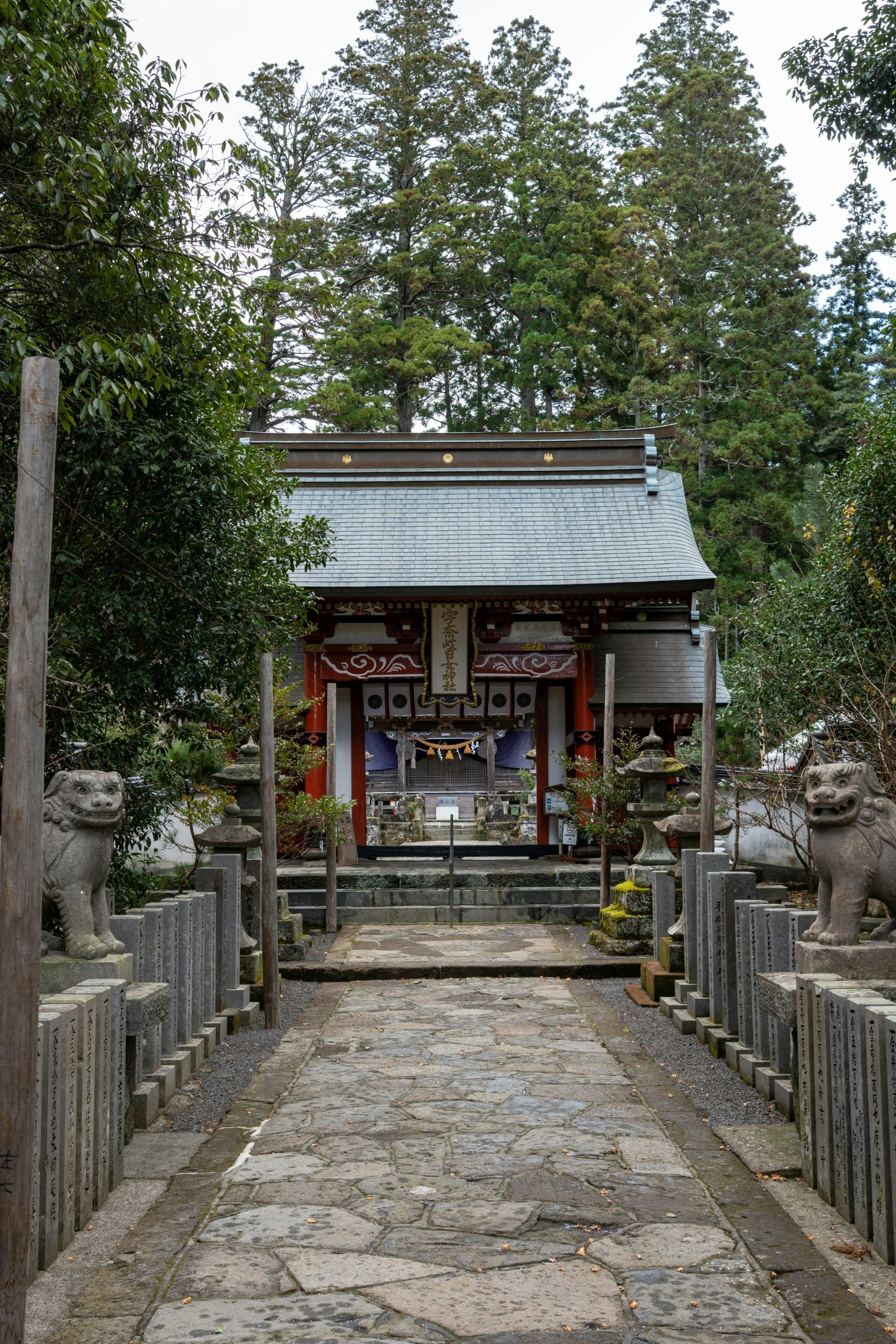
Nanzen-ji Temple’s tranquil gardens perfect for ending your kimono journey
Morning
Rent your kimono at a local shop, then head to Ryoan-ji Temple.
Late Morning
Walk to Kinkaku-ji (Golden Pavilion), not a Zen garden but breathtaking with its pond reflections.
Afternoon
Visit Ginkaku-ji (Silver Pavilion) and stroll the Philosopher’s Path in your kimono.
Evening
End your day at Nanzen-ji Temple for a quiet, reflective experience.
This itinerary balances famous spots with tranquil Zen gardens, making your kimono stroll unforgettable.