Kyoto Valentine’s Trip 2026: Romantic Kimono Photos & Date Spots
There’s something undeniably magical about experiencing Kyoto with someone you love. The city’s ancient temples, winding geisha district streets, and serene gardens create a backdrop so naturally romantic that simply walking together transforms into a meaningful shared experience. When couples add traditional kimono to this equation—slipping into centuries-old garments that fundamentally change how you move, see, and interact with sacred spaces—the experience elevates beyond typical travel into something approaching transcendent.
Valentine’s Day 2026 presents an exceptional opportunity to craft an unforgettable Kyoto experience specifically designed for romantic connection. Rather than following typical tourist itineraries, couples can orchestrate visits that intertwine cultural authenticity with intimate moments, professional photography documentation with genuine emotional presence, and structured planning with spontaneous discovery. This comprehensive guide explores every dimension of creating the perfect Valentine’s Day in Kyoto—from selecting kimonos that enhance your couple aesthetic to identifying photography locations that capture both the city’s majesty and your personal connection.
The intersection of traditional dress, sacred spaces, professional photography, and carefully curated date locations creates experiences that transcend typical Valentine’s celebrations. Whether you’re marking an anniversary, celebrating new partnership, or deepening an established relationship, Kyoto’s cultural richness provides endless opportunities for meaningful connection. Understanding how to navigate these opportunities strategically ensures your Valentine’s trip becomes the shared memory you envision.
Why Valentine’s Day in Kyoto is Perfect for Couples
While Valentine’s Day commercialism dominates global consciousness, Kyoto offers an entirely different approach to celebrating partnership. Rather than crowded restaurants and obligatory gift exchanges, the city invites couples to participate in cultural experiences, connect with historical spaces, and document their connection through authentic engagement with Japanese traditions.
The Romantic Geography of Kyoto
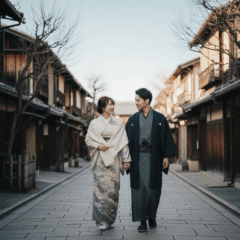
Kyoto’s physical layout naturally facilitates intimate couple experiences. The city’s historic districts—Gion, Higashiyama, and Arashiyama—feature narrow streets, hidden tea houses, quiet temples, and garden paths that encourage couples to walk close together, pause for contemplation, and escape crowds even during busy seasons. These neighborhoods weren’t designed for mass tourism; they evolved as spaces for refined cultural engagement, spiritual practice, and aesthetic appreciation. Moving through these spaces as a couple in traditional dress aligns naturally with the environment’s inherent rhythm.
The strategic positioning of temples throughout Kyoto means couples can structure their day as a series of intimate discoveries. Rather than single-location tourism, partners can visit multiple spaces—each offering distinct aesthetic qualities, photographic opportunities, and emotional atmospheres. This geographic diversity prevents the monotony that sometimes accompanies Valentine’s celebrations while providing genuine variety that keeps both partners engaged and surprised throughout the day.
Cultural Significance and Authentic Connection
Unlike mass-market Valentine’s experiences available worldwide, Kyoto offers participation in cultural traditions that existed for centuries before modern Valentine’s Day marketing. The spiritual significance of temple spaces, the artistic refinement embedded in traditional dress, and the contemplative practices central to Japanese aesthetics create frameworks for celebrating partnership that feel meaningful rather than obligatory.
When couples wear kimono to Kyoto’s temples, they’re not simply tourists in costumes. They’re temporarily adopting aesthetic values and cultural practices that emphasize refinement, respect, and mindful presence. This adoption creates a shared framework for how the day unfolds—encouraging slower movement, more intentional interaction, and deeper observation of surroundings. Partners naturally communicate more thoughtfully, pause more frequently, and remain more present to each other when immersed in cultural contexts that prioritize these behaviors.
Photography Opportunities Without Selfie-Consciousness
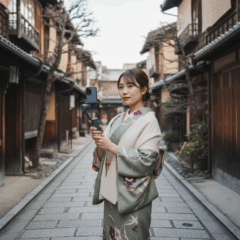
Valentine’s Day celebrations increasingly center on documentation—couples want images capturing their partnership and the special location. Kyoto provides exceptional natural photography opportunities, and professional photography services eliminate the self-consciousness many couples experience during amateur smartphone photography. Rather than awkwardly requesting strangers capture photos or spending time wrestling with selfie angles, couples can focus on genuine connection while professionals document the experience beautifully.
The Romance of Kimono in Kyoto
Understanding why wearing kimono specifically enhances Valentine’s Day experiences requires grasping how traditional dress transforms not just appearance but entire experiential frameworks.
How Kimono Changes Movement and Presence
The physical properties of kimono fundamentally alter how wearers move through space. The restrictive yet graceful garment construction encourages slower pacing, more deliberate positioning, and greater body consciousness. Couples wearing traditional dress naturally walk closer together, maintain steadier posture, and move with more intentionality than they typically would in modern clothing.
This altered movement creates psychological effects extending beyond the physical. When you move differently, you think differently. The conscious awareness of garment positioning, the need to navigate stairs and pathways with extra attention, and the visual feedback of your partner in similarly constrained elegant dress all contribute to heightened presence. Couples report that wearing kimono together makes them more aware of each other—they notice their partner’s movements more, interact with greater intentionality, and remain more emotionally connected throughout the experience.
Visual Harmony and Partnership Expression
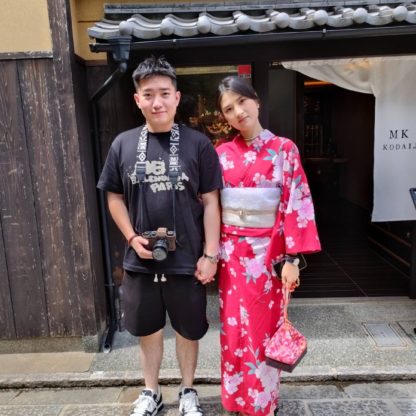
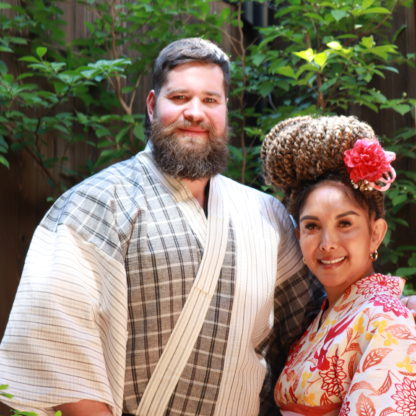
Coordinated or complementary kimono create visual statements about partnership itself. Whether partners choose matching colors in different styles, contrasting colors that balance each other, or entirely distinct patterns that nonetheless share visual weight, the deliberate coordination communicates partnership to observers and reinforces partnership awareness between partners themselves.
The aesthetic choices around kimono selection become metaphors for relationship dynamics. Discussing whether to match or contrast, negotiating color preferences, and compromising between individual desires and partnership aesthetics all mirror healthy relationship communication. The visual result—two people wearing traditional dress that acknowledges both individual expression and partnership unity—creates tangible symbols of your relationship’s balance.
Cultural Authenticity and Shared Meaning
Wearing quality kimono to sacred spaces carries cultural significance that elevates the experience beyond costume. When couples engage respectfully with Japanese cultural traditions—understanding the spiritual significance of temple spaces, learning proper etiquette, appreciating the artistry embedded in traditional dress—they’re creating shared cultural knowledge that becomes part of their partnership narrative.
This shared learning experience strengthens partnership bonds. Partners who explore cultural traditions together develop mutual understanding and create inside knowledge that distinguishes their partnership from other couples’ experiences. The conversations around kimono selection, temple etiquette, and cultural appreciation become touchstones for the relationship—memorable moments of collaboration, learning, and mutual respect.
Selecting Your Kimono for Valentine’s Day
Choosing the right kimono for Valentine’s Day involves understanding options available, considering your preferences, and making deliberate decisions reflecting your partnership aesthetic.
Formality Levels and Valentine’s Appropriateness
Kimono exist within a formality spectrum ranging from casual to ceremonial. For Valentine’s Day temple visits, semi-formal kimono occupy the ideal middle ground. These garments feature sophisticated all-over patterning, refined color combinations, and elevated aesthetics that communicate respect for sacred spaces without the overwrought formality of ceremonial dress.
Casual yukata—lighter, simpler garments typically worn at festivals—work for casual daytime exploration but lack the refined sophistication that makes Valentine’s Day feel special. Conversely, formal furisode or tomesode, while visually striking, carry ceremonial implications that feel inappropriate for sightseeing, however sacred the location. Semi-formal options provide the perfect balance—elegant enough to feel genuinely special, comfortable enough for several hours of continuous wear, and appropriately respectful for temple environments.
Color Coordination for Couples
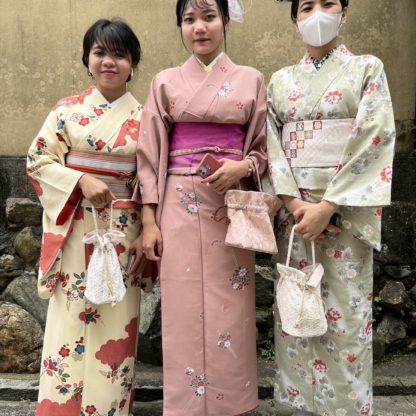
For couples, color represents the primary visual distinction between partners. Several coordinating approaches create different aesthetic effects. Complementary color schemes—where one partner wears warm jewel tones while the other chooses cool-toned alternatives—create visual balance while maintaining distinct individual expression. Analogous color coordination—where both partners wear colors from the same color family but in different tones or patterns—creates cohesion while allowing personal distinction.
Consider your skin tones, hair colors, and personal style preferences when selecting colors. Warm skin tones typically radiate beauty in jewel tones with golden undertones—deep purples, rich reds, emerald greens. Cool skin tones often shine in jewel tones with blue undertones—sapphires, cool purples, silvers. Neutral skin tones offer flexibility for both warm and cool palettes.
Pattern Coordination and Style Expression
Kimono patterns carry cultural significance and aesthetic implications beyond simple decoration. Traditional patterns—geometric designs, floral motifs, seasonal references, regional craft traditions—communicate cultural knowledge and aesthetic refinement. For Valentine’s Day, partners can either coordinate patterns (identical designs in different colors) or select entirely different patterns that share visual weight or color families.
Many couples find that allowing individual pattern preferences while coordinating colors creates the optimal balance—each partner expresses individual aesthetic taste through pattern selection while partnership coordination appears through color harmony. This approach acknowledges both partnership unity and individual identity.
Fabric and Weight Considerations
Semi-formal kimono vary in fabric composition and weight. High-quality silk creates luxurious visual presence but can feel warm during extended wear. Silk-blend fabrics balance aesthetic quality with practical wearability. For Valentine’s Day in February, fabric weight matters significantly—lightweight options prevent excessive warmth while heavier fabrics provide impressive visual impact and authentic traditional aesthetic.
Discussion these considerations with rental professionals who can recommend options balancing your aesthetic preferences with practical comfort requirements. Quality rental services excel at finding solutions that satisfy both criteria.
Most Romantic Locations for Couples Photography
Kyoto offers countless photography locations, but certain spaces particularly suit Valentine’s Day couples seeking to document their connection within historically significant settings.
Arashiyama: Bamboo Grove and Natural Beauty
The Arashiyama Bamboo Grove represents one of Kyoto’s most visually distinctive locations. Towering bamboo stalks create cathedral-like spaces while filtered light creates ethereal photographic conditions. Early morning visits (before 8 AM) provide access to the grove with minimal crowds, allowing couples to photograph freely without constant interruption.
The natural beauty of bamboo groves creates romantic atmospheres conducive to genuine couple photography. The vertical lines of bamboo stalks frame couple compositions beautifully, while the filtered green light creates distinctive aesthetic qualities unavailable in other Kyoto locations. Professional photographers consistently highlight Arashiyama’s exceptional photography opportunities for couples seeking both natural beauty and authentic Japanese aesthetic.
Fushimi Inari Shrine: Thousands of Vermillion Gates
The thousands of vermillion torii gates at Fushimi Inari create visually distinctive backdrops impossible to find elsewhere. The gates’ repetitive pattern, brilliant red coloring, and spiritual significance combine to create deeply meaningful photography locations. Couples can ascend pathways lined with gates, discovering quieter upper areas with fewer crowds and superior photographic conditions.
The spiritual significance of Fushimi Inari—a shrine dedicated to prosperity, success, and blessing—adds layers of meaning to Valentine’s photography. Photographing partnership within spaces associated with blessing and prosperity creates symbolic resonance extending beyond mere visual aesthetics.
Gion District: Geisha Culture and Historic Streets
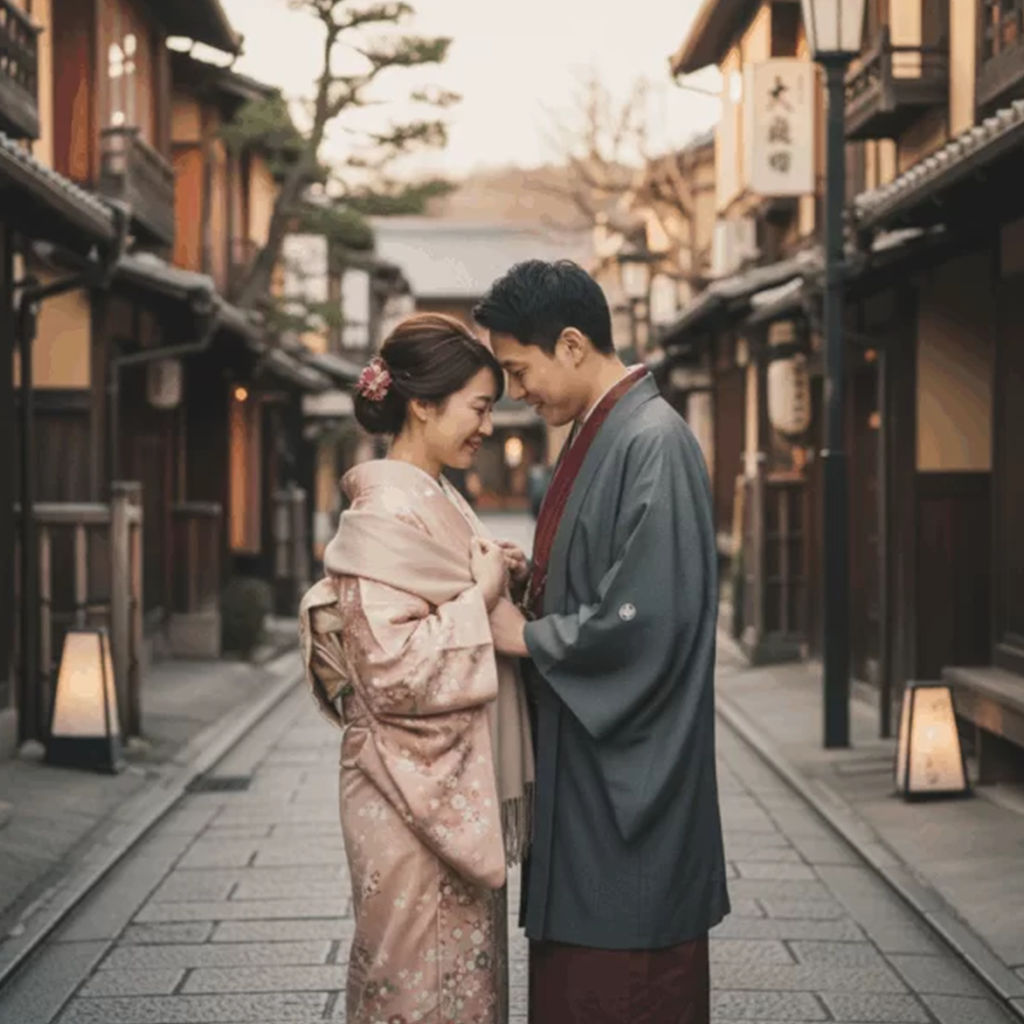
Gion’s narrow streets, traditional machiya (wooden townhouses), and geisha district history create authentically Japanese atmospheres that photograph beautifully. The weathered wood, traditional architecture, and preserved historic character provide backgrounds conveying cultural depth and historical authenticity. Evening photography in Gion—as lanterns illuminate streets and geisha prepare for evening engagements—creates particularly romantic atmospheres.
The cultural significance of Gion adds meaningful dimensions to couple photography. Photographing partnership within spaces central to Japanese artistic and cultural traditions creates documentation that feels culturally grounded rather than superficially touristic.
Kinkakuji (Golden Pavilion) and its Reflection
Despite its popularity, Kinkakuji’s reflection in surrounding water creates visually stunning photography opportunities. The golden pavilion’s architectural beauty combines with natural water features to create compositions impossible to replicate elsewhere. Early morning photography—before crowds arrive—provides optimal conditions for capturing intimate couple moments with the golden pavilion as backdrop.
The pavilion’s iconic status means photographs carry recognition value extending beyond the couple’s personal memories. Images from Kinkakuji communicate the significance couples placed on their Valentine’s experience through choice of such celebrated locations.
Philosopher’s Path: Intimate Waterside Walks
The Philosopher’s Path—a canal-side walkway lined with cherry trees and smaller temples—offers quieter alternatives to Kyoto’s most famous destinations. The intimate scale of this location, combined with seasonal beauty and fewer crowds than major temples, creates ideal conditions for romantic couple photography. Spring cherry blossoms particularly transform this location into pink-blossomed paradise.
Professional photographers often prefer Philosopher’s Path for couples seeking peaceful, intimate imagery rather than iconic landmark documentation. The location’s quieter nature allows sustained focus on couple connection without constant crowd negotiation.
Date Spots for Couples in Kyoto
Beyond photography locations, Kyoto offers numerous intimate venues perfect for Valentine’s Day experiences strengthening couple connection.
Traditional Tea Houses and Matcha Experiences
Kyoto’s traditional tea houses provide intimate settings for couples to share aesthetic experiences while learning about Japanese cultural practices. Authentic tea ceremonies—conducted by trained practitioners in spaces designed for contemplation—create shared experiences encouraging present-moment awareness and mutual appreciation.
The ritualistic nature of tea ceremonies aligns with Valentine’s intentions. The deliberate movements, careful attention to detail, and focus on creating beauty in simple actions mirror the conscious intention couples often bring to celebrating partnership. Sharing a tea ceremony together creates memorable experiences distinct from typical dating activities.
Bamboo Forest Walks and Nature Connection
Beyond photography, simply walking through Arashiyama’s bamboo forests together creates intimate experiences. The natural beauty, filtered light, and sense of being surrounded by nature creates romantic atmospheres without requiring specific tourist activities. Couples can walk slowly, converse naturally, and appreciate beauty together in ways that feel organic rather than scheduled.
Private Temple Gardens and Meditation Spaces
Many of Kyoto’s smaller temples feature private gardens and meditation spaces welcoming respectful visitors. These intimate locations—often overlooked by mainstream tourism—provide settings for quiet connection and personal reflection together. Partners can sit together, observe seasonal beauty, and enjoy shared silence in ways rarely possible in modern life.
These spaces hold particular meaning for couples seeking spiritual or contemplative dimensions to Valentine’s celebrations. The combination of cultural significance, natural beauty, and intentional quietude creates frameworks for deeper partnership connection.
Culinary Experiences and Local Cuisine
Kyoto’s renowned cuisine provides opportunities for couples to explore local flavors together. Kaiseki restaurants—offering multi-course traditional meals prepared with artistic attention—provide intimate dining experiences emphasizing quality, aesthetics, and culinary artistry. The meal itself becomes a shared experience worth savoring rather than simply consuming.
Unlike Western Valentine’s dining typically featuring steak or seafood, Kyoto’s traditional cuisine emphasizes seasonal ingredients, artistic presentation, and cultural significance. Sharing meals rooted in local traditions strengthens couples’ cultural engagement while providing memorable sensory experiences.
Nighttime Temple Illumination Events
During certain seasons, Kyoto temples host illumination events transforming nighttime environments into magical landscapes. These special events—where temple gardens and structures are lit specifically for evening viewing—create romantic atmospheres impossible during daytime visits. Couples experiencing temples in these transformed evening states encounter entirely different emotional and aesthetic dimensions compared to standard daytime visits.
Professional Photography Services: Documenting Your Partnership
For couples investing in kimono rentals and temple experiences, professional photography transforms visits into lasting documentation of your partnership within culturally significant locations.
Why Professional Photography Matters
While smartphones enable casual photography, professional services offer advantages extending far beyond technical quality. Professional photographers understand optimal lighting conditions, composition principles, and timing that transform images into genuinely beautiful artistic documents. More importantly, they possess specialized knowledge regarding Kyoto’s temple environments, understanding which locations offer superior photography opportunities, when lighting conditions optimize results, and how to position couples respectfully while capturing visually striking images.
Professional photographers also provide psychological benefits. Rather than self-consciousness about amateur photography attempts, couples can focus on genuine connection while professionals handle technical aspects. This allows more authentic emotional presence and reduces the self-consciousness many couples experience during photography sessions.
Optimal Timing and Seasonal Light
Professional photographers coordinate with clients regarding ideal timing for February photography in Kyoto. Early morning sessions (7-9 AM) provide golden light angling through temple structures, creating warm tones and dramatic shadows that flatter traditional dress. Late afternoon sessions (4-6 PM) provide similar advantages as the sun descends toward the horizon.
February’s clear, crisp light offers particular advantages for photography. The low angle of winter sun creates dramatic lighting conditions, while clear winter skies provide excellent backgrounds. Photographers adjust their approaches based on weather conditions, but communicating February preferences in advance allows optimal planning.
Coordinating Professional Services with Kimono Rental
Premium kimono rental services coordinate with professional photographers or maintain recommendations for quality partners. This coordination ensures compatibility between photography timing and rental duration, allows photographers to understand kimono styling and coordinate positioning that flatters garment details, and enables seamless transitions between rental preparation and photography sessions.
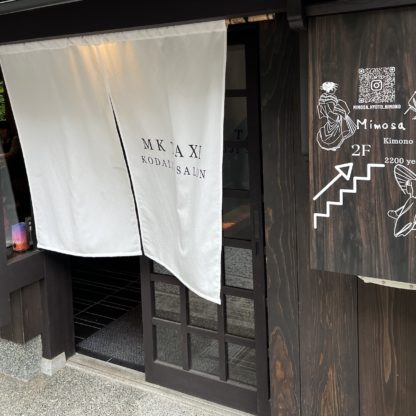
Comprehensive services like Kyoto Kimono Rental mimosa integrate professional photography directly into their offerings, allowing couples to book complete packages including garment rental, professional styling, and photography services as unified experiences. This integration eliminates logistical complications and ensures all service providers operate with shared understanding of couple preferences and experience goals.
Maximizing Photography Results
Couples maximize photography results by communicating emotional tones they want images to convey. Do you prefer formal, composed images emphasizing traditional aesthetics? Or candid, emotionally authentic captures emphasizing genuine connection? Professional photographers adjust their approaches based on preferences, ensuring final collections align with how couples actually experience their visits.
Discussing specific location preferences, time constraints, and desired photographic styles in advance allows photographers to prepare optimally. Mentioning your Valentine’s Day context helps photographers understand the emotional significance couples place on documentation, potentially influencing how they approach positioning and moment selection.
Planning Your Perfect Valentine’s Day Itinerary
Successfully orchestrating a Valentine’s Day Kyoto visit requires strategic planning balancing photography sessions, date experiences, meal timing, and adequate rest.
Early Morning Preparation and First Location (7:00 AM – 9:30 AM)
Begin your day with arriving at your kimono rental service 60-90 minutes before your intended temple departure. This ensures unhurried preparation, professional fitting, hair styling, and makeup if desired. Quality rental services recommend this timeline, preventing rushed experiences that diminish comfort and satisfaction.
After completing preparation, proceed directly to your first photography location during optimal early morning light conditions. Visiting locations before crowds arrive provides access to peaceful spaces where couples can photograph freely while light conditions remain superior. Early morning timing also ensures both partners remain energized and enthusiastic rather than fatigued from extended walking.
Mid-Morning Secondary Locations (10:00 AM – 12:30 PM)
After early morning photography, move to secondary locations offering different aesthetic qualities. If you photographed Arashiyama’s bamboo grove at sunrise, transition to Gion district’s historic streets for mid-morning exploration. If you began with Fushimi Inari’s torii gates, explore smaller temples or gardens offering contrasting visual aesthetics.
Varied location experiences prevent monotony while providing diverse documentary coverage of your partnership within different cultural contexts. Partners remain more engaged and enthusiastic when discovering new locations sequentially rather than lingering too long in single spaces.
Midday Rest and Culinary Experience (1:00 PM – 3:00 PM)
Plan substantial rest breaks during midday hours. Couples wearing traditional dress for several continuous hours need physical respite. Midday represents the optimal time for culinary experiences—sharing an exceptional meal provides natural break from walking while allowing continued cultural engagement through Kyoto’s renowned cuisine.
Consider booking kaiseki restaurant reservations in advance, ensuring desired timing availability. The deliberate pace of multi-course meals allows extended rest while providing memorable shared experiences strengthening couple connection.
Afternoon Exploration and Secondary Photography (3:30 PM – 5:30 PM)
After midday rest and meals, couples typically possess renewed energy for afternoon exploration. Late afternoon hours provide excellent photography conditions as sunlight angles lower toward the horizon. Schedule additional photography sessions during this window, focusing on different locations or aspects of previously visited spaces.
Afternoon timing also allows less crowded temple access—many tourists depart by mid-afternoon, creating opportunities to explore major temples during quieter periods. Professional photographers often emphasize late afternoon’s superior lighting conditions for couples seeking particularly beautiful imagery.
Evening Transitions and Nighttime Experiences (6:00 PM – 8:00 PM)
As evening approaches, many couples transition out of kimono toward evening activities. Plan return to rental services with adequate time for garment care and removal. This timing typically allows exploration of evening entertainment options—attending geisha performances in Gion, enjoying evening temple illumination events during appropriate seasons, or simply exploring neighborhoods transformed by evening lantern lighting.
Evening transitions offer opportunities for less-structured activities following the planned morning and afternoon photography sessions. Partners can adjust plans based on energy levels and emerging interests, maintaining flexibility while building on the intentional foundation established earlier in the day.
Seasonal Considerations for February 2026
Valentine’s Day timing in February creates specific seasonal conditions affecting Kyoto experiences.
Weather Patterns and Clothing Layers
February represents Kyoto’s coldest month, with daytime temperatures typically ranging from 4-10°C (39-50°F). While these temperatures aren’t severe, extended outdoor time requires thermal layers beneath traditional dress. Quality rental services provide guidance regarding appropriate underlayers—thermal pants and shirts designed for invisible wear beneath kimono maintain warmth without disrupting traditional silhouette.
Clear, dry February weather provides excellent photography conditions. The low sun angle creates dramatic lighting effects, while clear skies provide beautiful backgrounds. However, couples should be prepared for temperature fluctuations and potentially blustery winds that can affect outdoor comfort.
Seasonal Aesthetics and Photographic Conditions
February’s bare branches reveal temple architecture and sight lines obscured during growing seasons. This architectural clarity provides opportunities for clean, minimalist compositions emphasizing structural beauty and geometric elements. The lack of leaf coverage allows increased light penetration, benefiting photography conditions throughout the day.
While February lacks the obvious seasonal beauty of cherry blossoms or autumn foliage, the season’s stark minimalism appeals to couples seeking sophisticated, contemplative aesthetics. The clarity of form and geometry—emphasized by bare branches and clear light—creates visually distinctive imagery distinct from other seasons’ typical representations.
Crowd Patterns and Location Accessibility
February represents low season for Kyoto tourism. This timing advantage allows couples to access major temples and popular photography locations without the substantial crowds characterizing peak seasons. Early morning and afternoon timing provides even greater access advantages, as even regular tourist visitors remain minimal during these periods in February.
Lower crowd levels dramatically enhance couple experiences. Partners can photograph freely without constant interruption, explore temples at leisurely paces without negotiating tourist masses, and find quiet moments for intimate connection—practical advantages extending far beyond mere comfort considerations.
Pre-Valentine’s Planning: Booking and Logistics
Successful Valentine’s Day experiences require advance planning and timely reservations ensuring availability of premium services.
Kimono Rental Booking
Quality kimono rental services often have limited premium selections, particularly for Valentine’s Day week. Booking your rental 2-3 weeks in advance ensures access to desired styles, colors, and sizes. When reserving, communicate Valentine’s context, partnership preferences, and specific aesthetic visions. Professional rental consultants use this information to curate selections meeting your needs.
Early booking also ensures adequate consultation time with rental professionals. Rather than rushed final-minute selections, couples benefit from extended consultations allowing thoughtful decisions and multiple options review.
Professional Photography Reservations
Professional photographers serving Kyoto maintain limited availability during popular seasons and special occasions. Valentine’s Day represents a peak booking period when photographers often reach capacity. Reserving photography services 3-4 weeks in advance ensures your preferred photographer and time slots remain available.
When booking photography services, provide specific location preferences, desired photography styles, and timing constraints. Detailed communication allows photographers to prepare optimally for your particular needs rather than treating your session as generic couple photography.
Dining Reservations and Special Experiences
Premium kaiseki restaurants and special Valentine’s Day experiences typically require advance reservations. Book restaurants 2-3 weeks ahead to secure desired timing and ensure seating in intimate settings. When reserving, mention Valentine’s context—many establishments provide special treatment or ambiance adjustments for romantic occasions.
Temple illumination events and special evening experiences may require advance tickets or registrations. Check official Kyoto tourism websites for Valentine’s season special events and secure tickets early to ensure access.
Frequently Asked Questions
Is it appropriate for non-Japanese couples to wear kimono on Valentine’s Day in Kyoto?
Absolutely. Wearing respectfully selected, properly fitted traditional dress to sacred spaces demonstrates genuine cultural respect and interest. Temple staff and other visitors typically appreciate when tourists engage thoughtfully with Japanese cultural practices. Your non-Japanese background doesn’t diminish the authenticity or appropriateness of your experience. In fact, international couples wearing kimono thoughtfully contribute to sustaining interest in traditional practices—something cultural preservation advocates actively encourage.
How much advance booking is necessary for a Valentine’s Day couples’ experience?
Ideal planning involves booking 3-4 weeks in advance. This timeline ensures access to premium kimono selections, available professional photographers, quality restaurant reservations, and any special Valentine’s season experiences you desire. Last-minute bookings may still be possible but typically limit options to less desirable services or less optimal timing. For Valentine’s week specifically, booking 4-5 weeks ahead provides the greatest advantage and ensures availability of preferred services.
What should we wear under our kimono during February?
Thermal layers beneath traditional dress maintain warmth without disrupting the kimono’s silhouette. Your rental service will discuss layering options including thermal pants and shirts designed for invisible wear beneath traditional dress. Avoid bulky modern clothing visible beneath the kimono; work with rental professionals to select appropriate layers that maintain both warmth and authentic appearance.
Can we book photography services through our kimono rental company?
Many quality rental services coordinate with professional photographers or maintain comprehensive recommendations. Some comprehensive services including Kyoto Kimono Rental mimosa integrate photography directly into their offerings, allowing couples to book complete packages combining garment rental, professional styling, and photography services. This integration eliminates coordination complications and ensures all service providers understand couple preferences and experience goals.
Is professional photography necessary if we have good smartphones?
Professional photography isn’t essential, but professionals offer significant advantages—specialized knowledge of Kyoto’s temple environments, understanding of optimal lighting conditions for February photography, ability to photograph couples together, and technical expertise creating genuinely beautiful images. For a meaningful Valentine’s celebration, professional services significantly enhance documentation quality and eliminate the self-consciousness many couples experience during amateur photography attempts. Consider photography investment as documentation of a meaningful shared experience rather than mere technical photography.
What happens if February weather becomes problematic during our visit?
While February generally provides clear conditions, occasional rain or unexpected cold can affect experiences. Quality rental services and professional photographers routinely adjust plans for weather fluctuations. Communicate flexibility regarding rescheduling if necessary, though February’s relatively stable weather patterns minimize disruption probability. Professional photographers, particularly, possess expertise adapting to weather conditions while maintaining image quality.
How do we handle remaining comfortable in kimono throughout a full Valentine’s Day?
Plan substantial rest breaks during midday hours, particularly around meal times. Proper fitting ensures comfort for several hours of continuous wear, while quality rental professionals help calibrate realistic expectations about comfortable wearing duration. Stay hydrated, use rest breaks strategically, and remain flexible about adjusting plans based on comfort levels. Most couples comfortably wear properly fitted semi-formal kimono for 4-6 hours when including adequate rest breaks.
Are there specific cultural behaviors we should observe while wearing kimono on Valentine’s Day?
When wearing kimono, you’re implicitly demonstrating respect for the spaces you visit and the cultural traditions you temporarily adopt. Maintain quiet voices in temple environments, avoid sudden movements, keep physical distance from active religious ceremonies or meditation practitioners, and generally conduct yourselves with appropriate reverence. Photography should never interrupt religious ceremonies or disturb other visitors. Your clothing choice has communicated respect—behaviors should reinforce this commitment to cultural sensitivity.
—
## Store Information
**Kyoto Kimono Rental mimosa**
? Address: 362 Masuya-cho, Higashiyama-ku, Kyoto
? Operating Hours: 8:00 AM – 7:00 PM
? Phone: [075-600-0422]
? Email: [kimono.mimosa01@gmail.com]
? WhatsApp: [wa.me/819085726361]
**Services Offered:**
– Premium Kimono & Yukata Rentals
– Professional Hair Styling & Traditional Arrangement
– Professional Photography Services (60 minutes: ¥18,000)
– Tea Ceremony Experiences (1-6 persons: ¥39,000; 7+ persons: ¥6,000 per person)
– Zen Meditation Sessions
– Group Package Experiences
– Basic Kimono Rental: ¥4,000+
Kyoto Kimono Rental mimosa specializes in creating unforgettable couples’ experiences featuring premium semi-formal kimono, expert styling, and professional photography services throughout Kyoto’s historic districts. For Valentine’s Day 2026, their comprehensive approach ensures every aspect of your celebration—from thoughtful garment selection through intimate styling sessions to professional photography documentation—reflects quality, cultural authenticity, and genuine respect for Japanese traditions. Whether seeking romantic couple moments, cultural immersion, or beautifully documented partnership memories, Kyoto Kimono Rental mimosa provides the expertise and services that transform a temple visit into a profoundly meaningful Valentine’s Day experience honoring both your partnership and the cultural traditions you temporarily embrace.